Dr. J.B. Sharma
Principal Director & Head
Obstetrics and Gynecology

Dr. Minu Bajpai
Principal Director & Head
Pediatric Surgery & Pediatric Urology, Yashoda Cradle & Children's Hospital

Dr. Namita N. Dutta
Director
Obstetrics & Gynaecology

Dr. Bijender Singh
Director
Pediatrics

Dr. Narendra Kumar Jha
Director & Head
Pediatrics

Dr. (Maj) Shaifali Bhatia
Director
Pediatrics & Neonatologist

Dr. Rahul Varma
Associate Director
Pediatrics

Dr. Prerna Singhal
Principal Consultant
Obstetrics and Gynaecology

Dr. Vandana Jain
Principal Consultant
Obstetrics, Gynaecology, Infertility & Advanced Laparoscopic Surgery

Dr. Rajeshree Jain
Senior Consultant
Obstetrics & Gynaecology

Dr. Shruti Saraswat
Senior Consultant
Pediatrics

Dr. Naved Akhter
Senior Consultant
Pediatrics

Dr. Karan Ahluwalia
Senior Consultant
Pediatric Intensivist
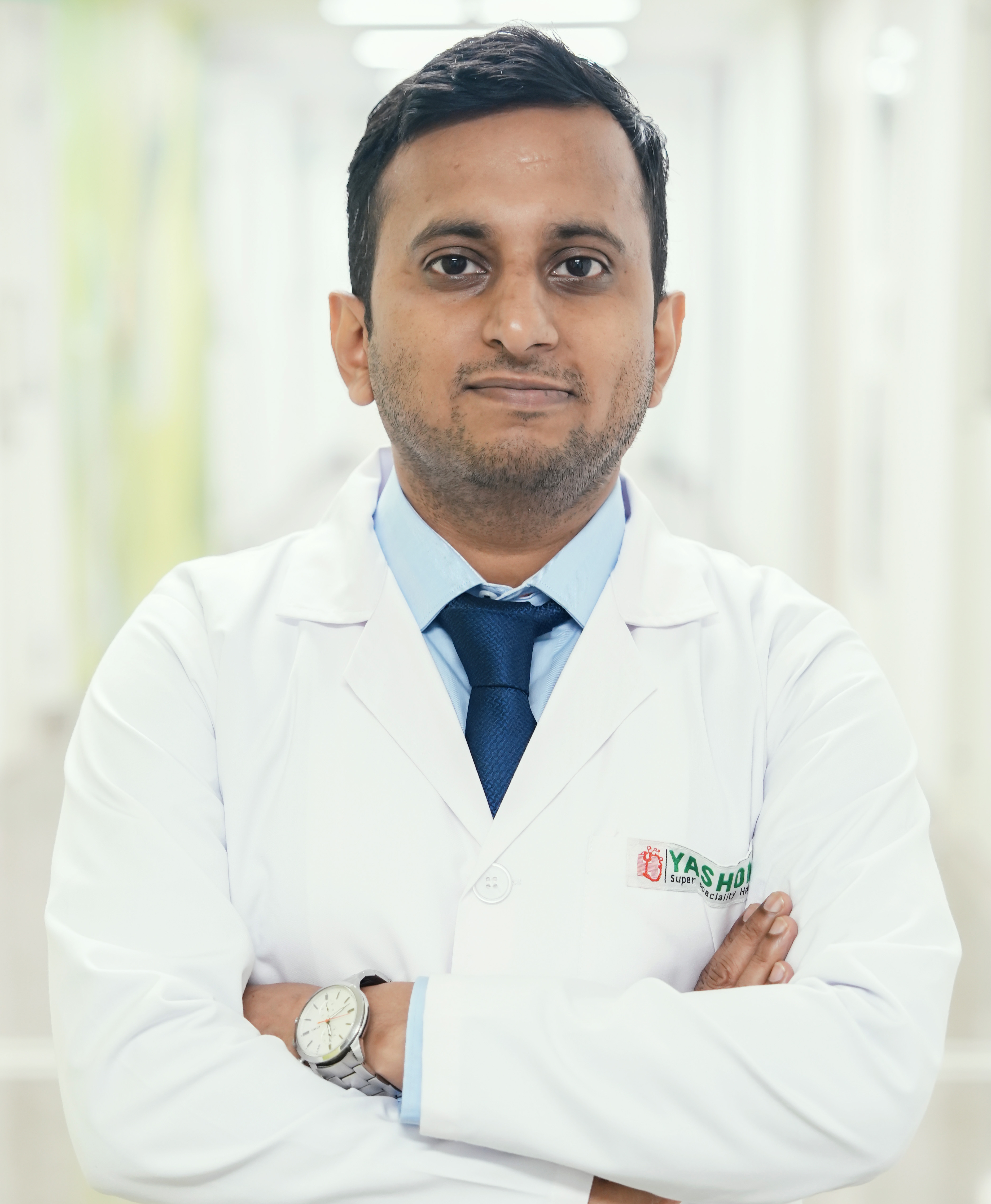
Dr. Gaurav Kumar
Senior Consultant
Department of Pediatric Cardiology and CTVS
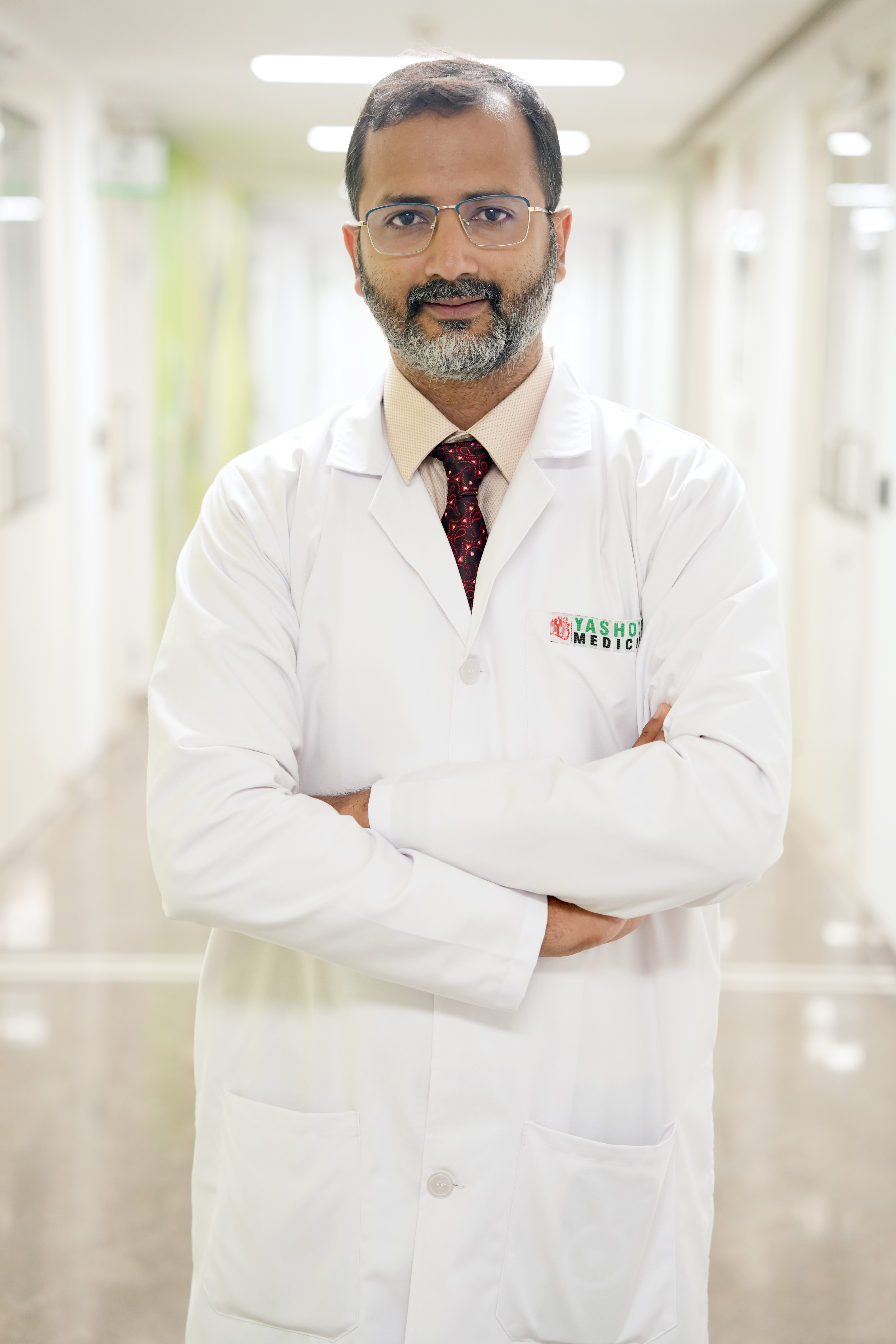
Dr. Abhinav singh Chauhan
Senior Consultant
Pediatric Cardio- thoracic and Vascular Surgery

Dr. Bhavya G Reddy
Senior Consultant
Pediatric Cardiac Anesthesia
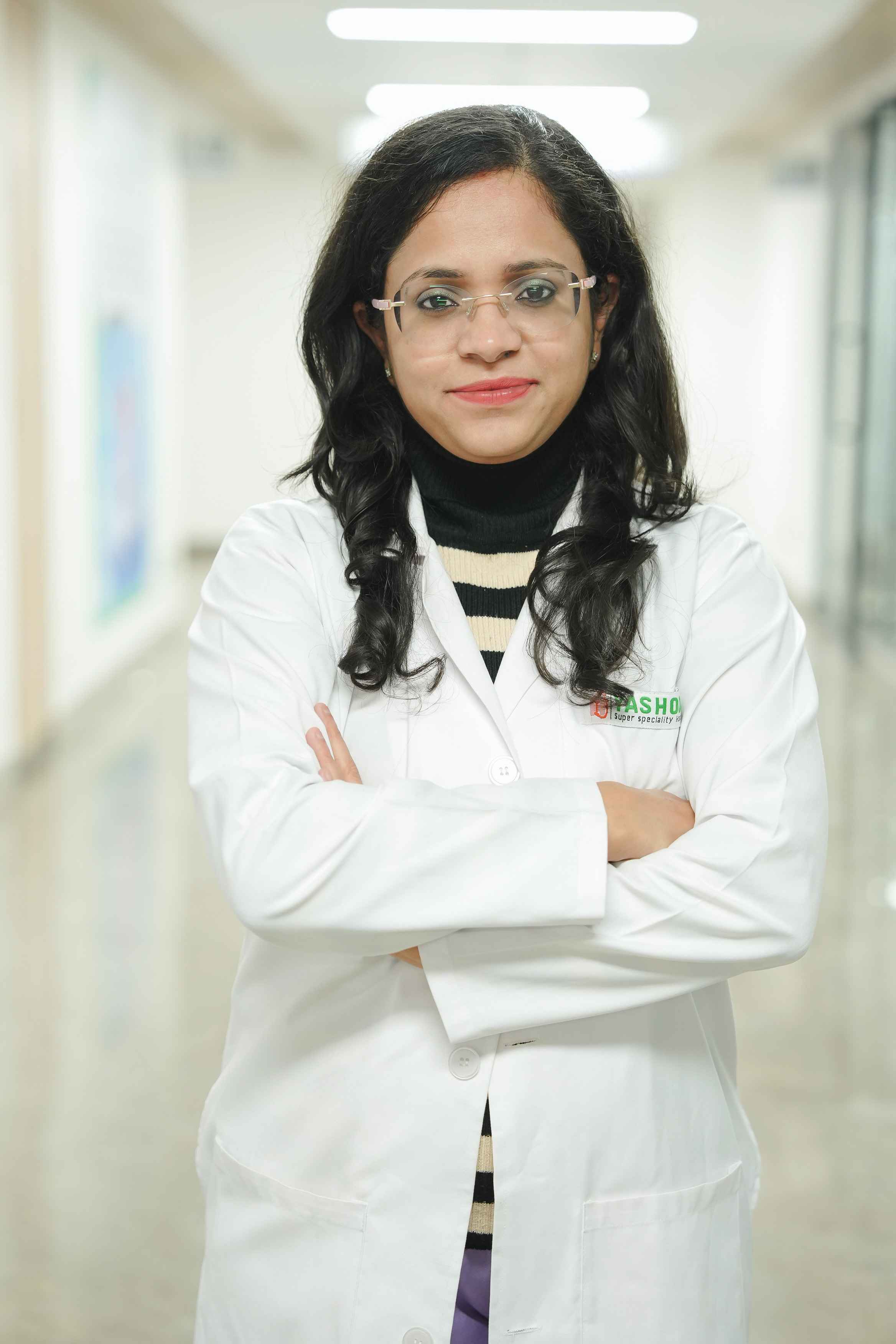
Dr. Sneha Mishra
Consultant
IVF and Infertility

Dr. Anuj Dhyani
Consultant
Pediatric Intensivist

Dr. Divya Arora
Consultant
Obstetrics and Gynaecology
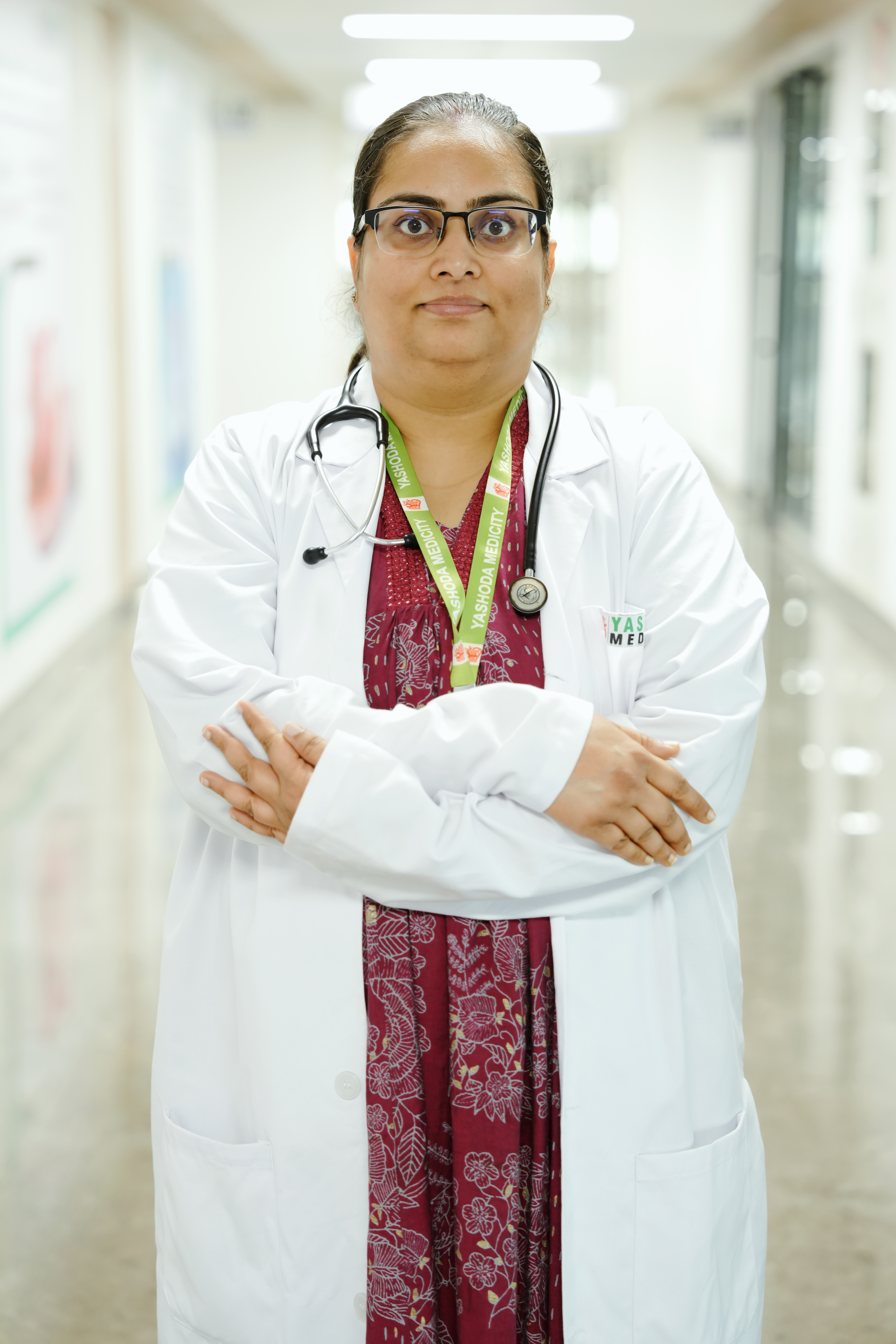
Dr. Srijan Singh
Consultant
Neonatologist
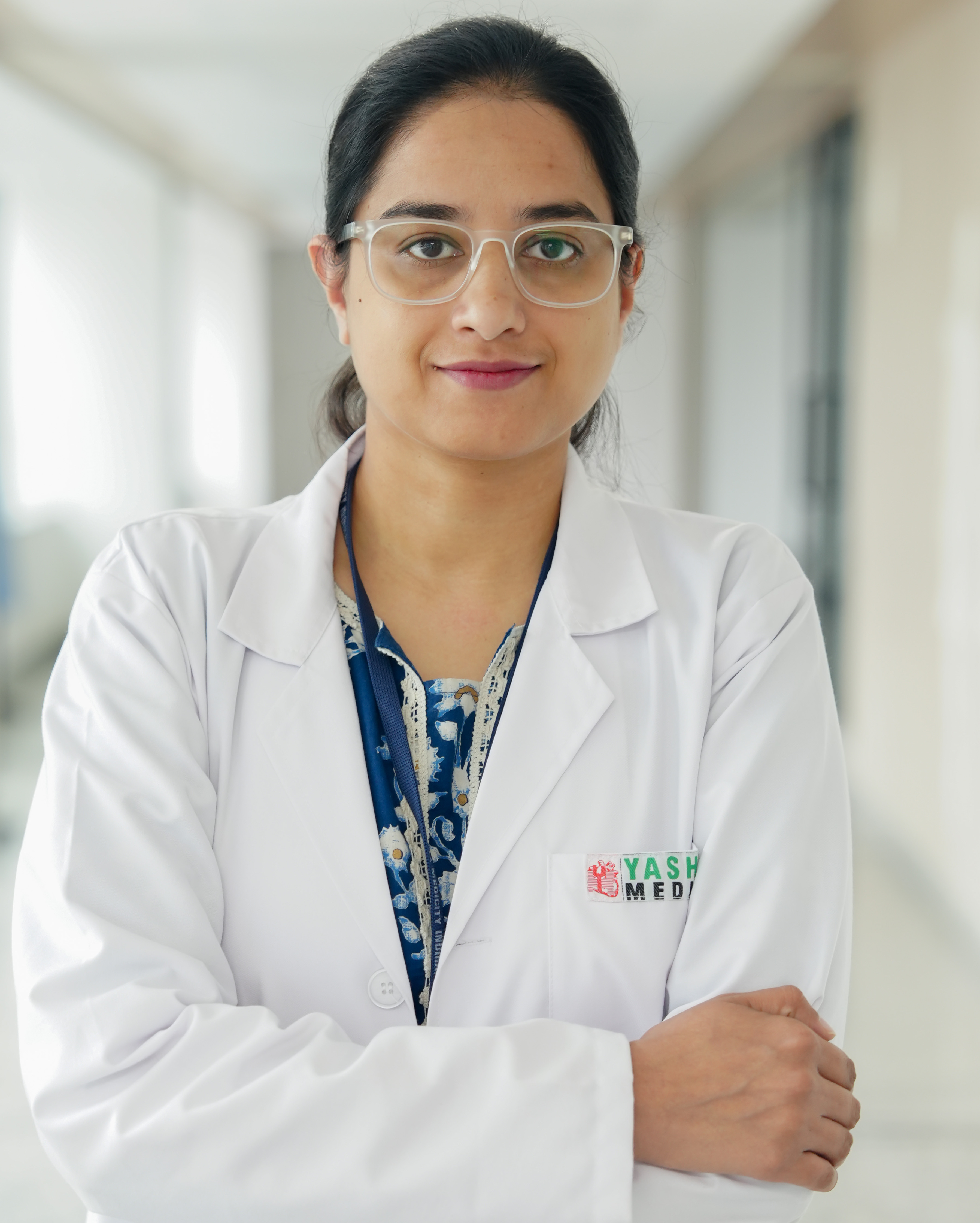
Dr. Samreen Zehra
Consultant
Obstetrics & Gynaecology
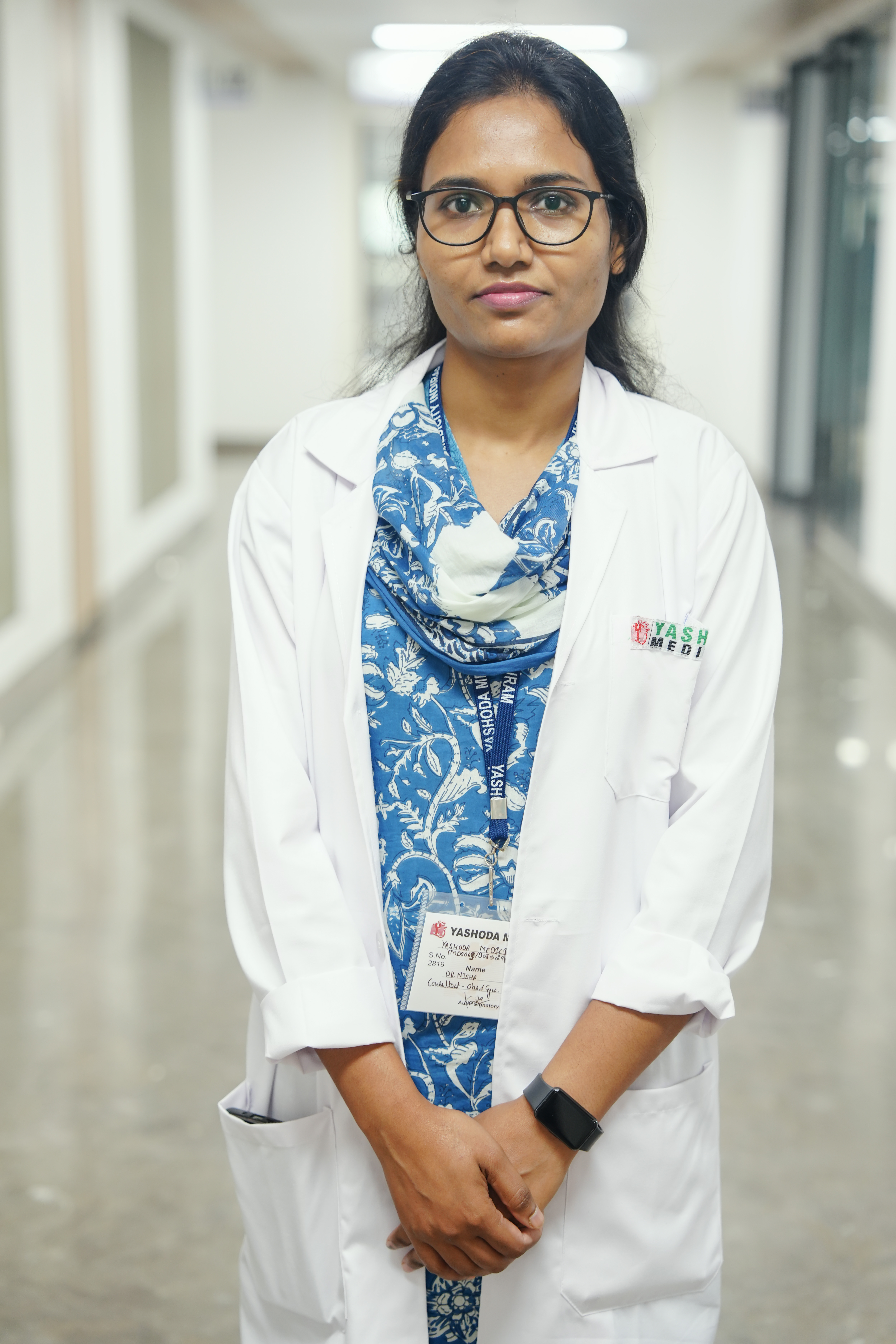
Dr. Nisha
Consultant
Obstetrics & Gynaecology (Urogynecology)
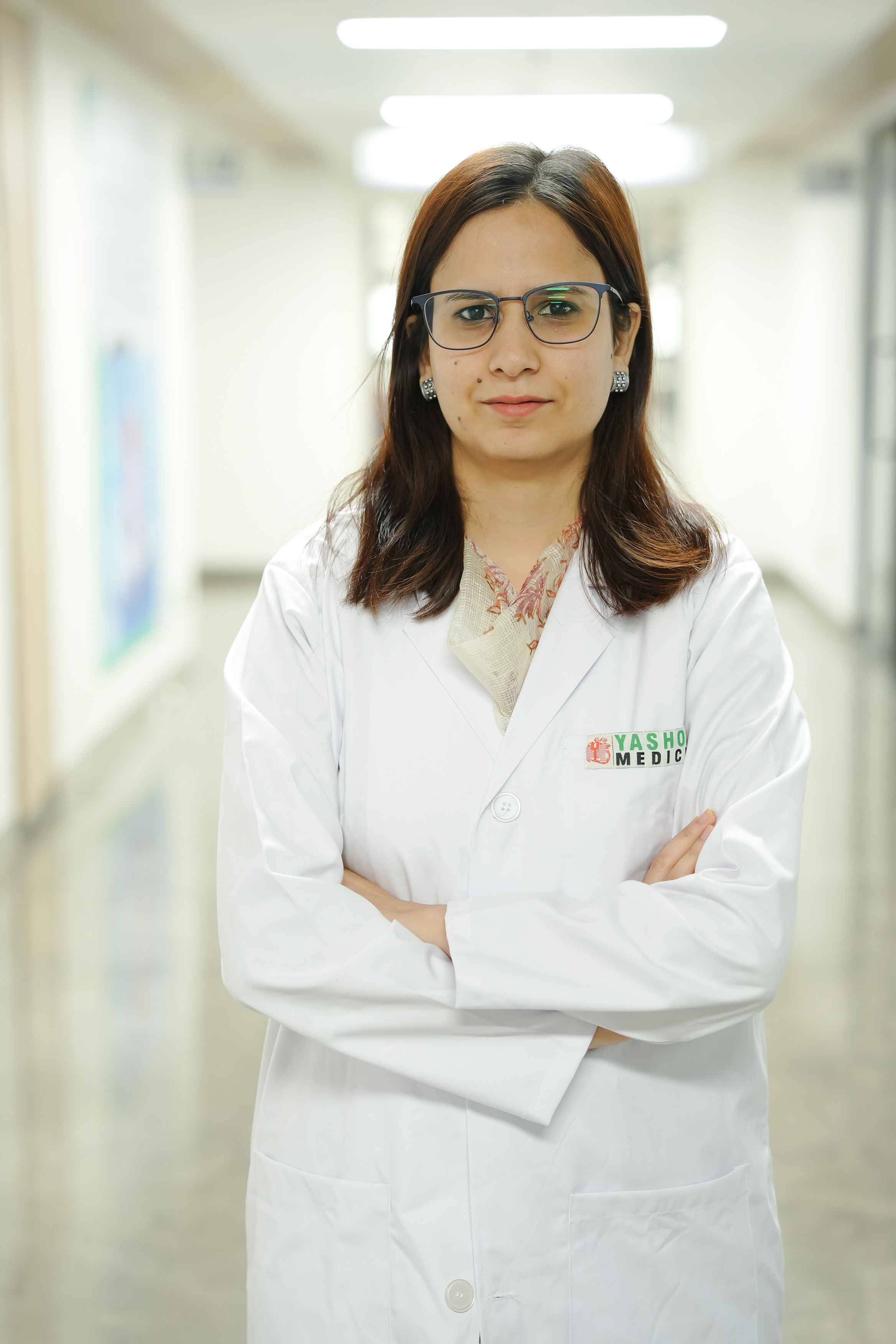
Dr. Sangeeta
Consultant
Pediatric Nephrology

Dr. Neha Agrawal
Consultant
Neonatalogist

Dr. Sakshi Gupta
Associate Consultant
Pediatric Gastroenterology & Hepatology

Dr. Penzy Goyal
Associate Consultant
Obstetrics & Gynecology

Dr. Chitra Methwani
Associate Consultant
Obstetrics & Gynecology

Dr. Kanwal K. Raina
Visiting Senior Consultant
Pediatrics & Neonatologist
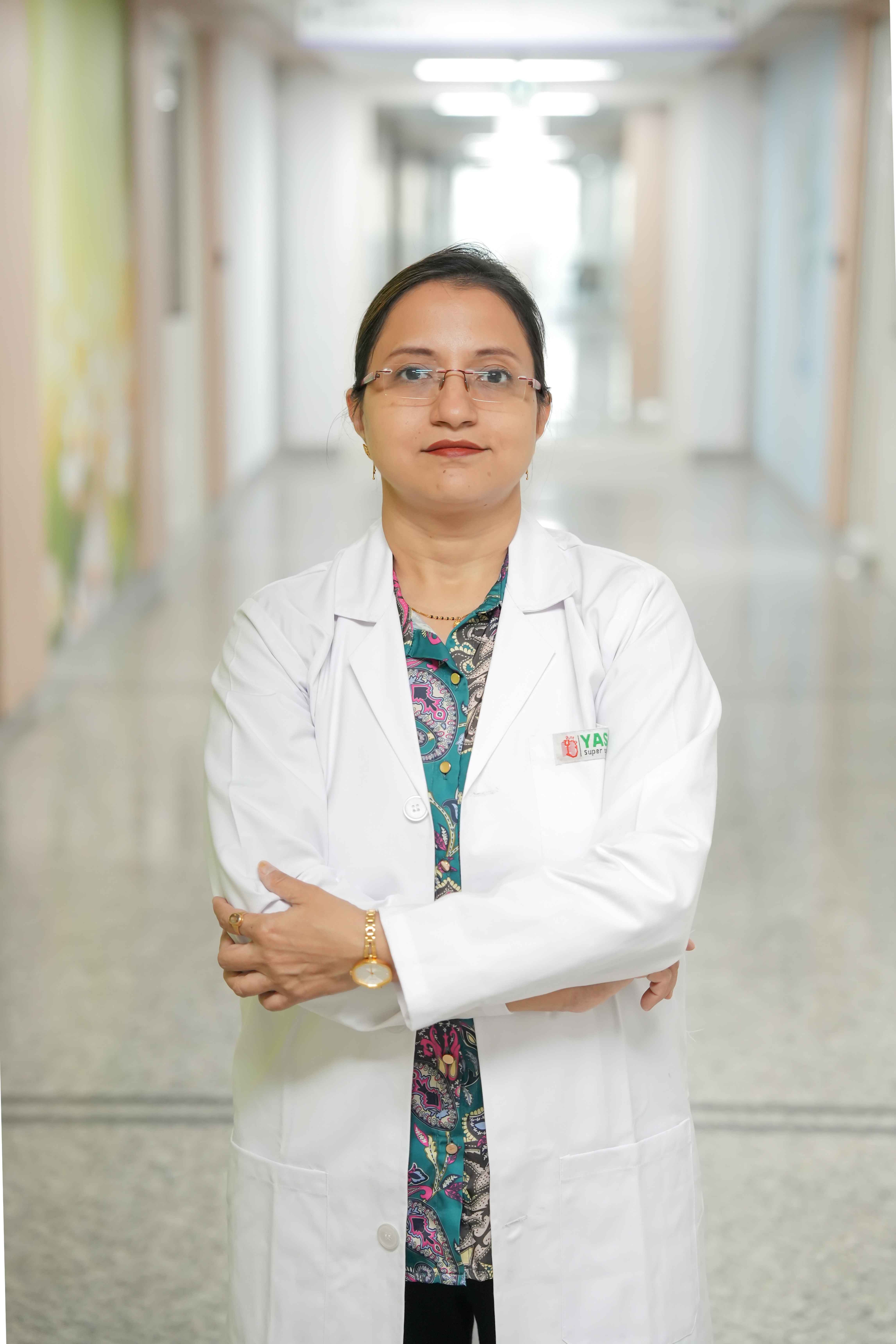
Dr. Rinshu Bansal
Visiting Consultant
Pediatrics & Neonatologist
NICU Hospital in Noida
A baby admitted to the neonatal intensive care unit often arrives there before most families have had time to prepare, as these situations rarely allow for careful planning or research into where to seek care. They happen unexpectedly, and the quality of the unit a baby is admitted to during those first critical hours and days can have a direct impact on outcomes.
What a well-equipped NICU provides is far more than monitoring equipment and incubators, important though those are. It is a team of neonatologists, neonatal nurses, respiratory therapists, and paediatric subspecialists available around the clock, supported by the infrastructure required to manage everything from extreme prematurity and birth asphyxia to complex congenital anomalies requiring surgical correction within the first days of life.
The NICU at Yashoda Medicity provides that level of care in Noida.
Conditions We Manage in the NICU
The team of the NICU hospital in Noida manages a comprehensive range of conditions, including but not limited to:
- Preterm Birth Complications, including Respiratory Distress Syndrome and Necrotising Enterocolitis
- Low Birth Weight, Very Low Birth Weight, and Extremely Low Birth Weight
- Apnoea of Prematurity and Bronchopulmonary Dysplasia
- Meconium Aspiration Syndrome
- Transient Tachypnoea of the Newborn
- Congenital Diaphragmatic Hernia
- Hypoxic-Ischaemic Encephalopathy
- Intraventricular Haemorrhage and Neonatal Seizures
- Early and Late-Onset Neonatal Sepsis and Meningitis
- Neonatal Jaundice Requiring Phototherapy or Exchange Transfusion
- Haemolytic Disease of the Newborn
- Inborn Errors of Metabolism and Congenital Hypothyroidism
- Hypoglycaemia and Hypocalcaemia
- Congenital Heart Defects Requiring Neonatal Management
- Tracheoesophageal Fistula, Intestinal Atresia, and Other Surgical Congenital Anomalies
- Neural Tube Defects and Hydrocephalus
- Neonatal Abstinence Syndrome
When a Baby Needs NICU Care
NICU admission is not always predictable, but certain situations make it more likely. Recognising these in advance allows families and obstetric teams to plan delivery at a centre equipped for the level of care that may be required after birth.
A baby is likely to need NICU in Noida if:
- Birth occurs before 37 weeks of gestation
- The baby has a very low birth weight
- Breathing difficulties are present at birth
- Jaundice develops rapidly or reaches a level requiring treatment beyond phototherapy
- A congenital anomaly has been identified antenatally that will require immediate neonatal management or surgery
- The baby shows signs of infection in the hours or days after birth
- Birth asphyxia has occurred and therapeutic hypothermia needs to be considered
- Blood sugar or other metabolic parameters are unstable in the newborn period
Families expecting a high-risk delivery, including preterm labour, multiple pregnancies, or a known foetal anomaly, are encouraged to discuss the facilities and capabilities of the NICU hospital in Noida with their obstetric team in advance, so that delivery can be planned at a centre equipped to provide the level of neonatal care the baby is likely to require.
Advanced Neonatal Care at Yashoda Medicity
Respiratory Support for Preterm and Critically Ill Newborns
Respiratory distress is one of the most common reasons for NICU admission, particularly in premature babies whose lungs have not yet fully matured. The NICU at Yashoda Medicity provides the full spectrum of respiratory support, from continuous positive airway pressure (CPAP) for babies who need help keeping their airways open, through high-frequency ventilation for severe respiratory distress syndrome, to mechanical ventilation for the most critically ill neonates. Surfactant therapy for immature lungs is administered according to current evidence-based protocols.
Management of Hypoxic-Ischaemic Encephalopathy
Therapeutic hypothermia, which involves carefully cooling the baby's core temperature to reduce ongoing brain injury after birth asphyxia, is the standard of care for hypoxic-ischaemic encephalopathy. It requires precise temperature management over seventy-two hours, supported by continuous neurological monitoring. The NICU team manages this protocol with video electroencephalogram monitoring to detect and treat neonatal seizures that may occur during and after cooling.
Neonatal Infection Management
Sepsis, meningitis, and fungal infections in newborns require rapid recognition and treatment at the premature baby care unit in Noida, since neonates have limited ability to mount the systemic responses that make infection more apparent in older children and adults. The team manages both early-onset sepsis, typically presenting within the first forty-eight hours of life, and late-onset infections that develop after initial stabilisation, with antibiotic and antifungal therapies guided by culture results and the baby’s clinical response.
Surgical Neonatal Conditions
The NICU team works closely with paediatric surgeons to manage congenital anomalies requiring surgical correction during the neonatal period. These may include tracheoesophageal fistula, intestinal atresia, omphalocele, gastroschisis, and congenital diaphragmatic hernia. Close coordination between surgical and neonatal teams ensures continuity of care before, during, and after intervention.
Jaundice Management
Neonatal jaundice requires structured assessment and timely intervention to prevent bilirubin levels from rising to the point where permanent neurological damage may occur. Phototherapy is initiated promptly when clinically indicated, while exchange transfusion is available for severe haemolytic disease and other conditions where phototherapy alone is insufficient.
Precision Medicine in Neonatal Care
The department of the NICU hospital in Noida integrates genetic testing and precision medicine approaches into neonatal care, particularly for babies with inborn errors of metabolism, rare genetic syndromes, and congenital anomalies where genomic information can influence both diagnosis and treatment planning. Early genetic identification in these cases directly affects clinical decision-making during the first days and weeks of life.
Nutritional Support for Premature and Low Birth Weight Babies
Premature and critically ill newborns often require specialised nutritional support during the early stages of life. The NICU team provides total parenteral nutrition (TPN), enteral feeding, expressed breast milk support, and lactation guidance to promote healthy growth, immunity, and development.
Care for Extremely Premature and Low Birth Weight Infants
The NICU hospital in Noida provides comprehensive care for premature and low birth weight babies, including respiratory support, temperature regulation, nutritional management, infection prevention, and developmental care to support healthy growth and reduce complications.
Neonatal Cardiac Care
Newborns with congenital heart conditions receive specialised care through close collaboration between neonatologists and paediatric cardiologists. Advanced monitoring and bedside echocardiography support early diagnosis, stabilisation, and treatment planning.
Management of Metabolic and Endocrine Disorders
The team manages neonatal hypoglycaemia, electrolyte imbalances, endocrine disorders, and inborn errors of metabolism through rapid diagnosis and specialised treatment protocols tailored to newborns.
Neurodevelopmental Follow-Up
Premature babies and newborns recovering from critical illness benefit from structured neurodevelopmental assessment and follow-up, helping identify developmental concerns early and enabling timely intervention when needed.
Family-Centred Care
Parents are actively involved in their baby's care through regular updates, counselling, breastfeeding support, and discharge education, helping strengthen family confidence and promote smoother recovery and transition home.
State-of-the-Art Neonatal ICU Centre in Noida Facilities
Advanced Incubators and Thermal Regulation
Premature and low birth weight babies often struggle to maintain their body temperature, making precise thermal management a fundamental aspect of neonatal intensive care. Advanced incubators provide a controlled, humidified environment that supports both temperature regulation and skin integrity in extremely premature babies.
High-Frequency Ventilators and Respiratory Support Systems
High-frequency ventilation delivers very small breath volumes at very high rates, reducing the risk of lung injury associated with conventional mechanical ventilation in babies with severe respiratory distress syndrome. This allows the respiratory support team to tailor treatment according to each baby's specific clinical needs.
Extracorporeal Membrane Oxygenation Support
For neonates with severe respiratory or cardiac failure that cannot be managed with conventional support, extracorporeal membrane oxygenation (ECMO) provides temporary mechanical heart and lung support while the underlying condition is treated. Having this capability within the NICU allows critically ill neonates to receive advanced support locally rather than requiring urgent transfer to another centre.
Video Electroencephalogram and Neuromonitoring
Continuous video electroencephalogram monitoring detects neonatal seizures, which are often subtle or clinically silent in premature babies and may otherwise go unnoticed. This is particularly important during therapeutic hypothermia for hypoxic-ischaemic encephalopathy, where seizure activity must be identified and treated throughout the cooling period.
Bedside Ultrasonography and Echocardiography
Point-of-care ultrasound and echocardiography allow the neonatal team to assess cardiac function, cerebral blood flow, and intraventricular haemorrhage at the bedside without moving a critically unstable baby to an imaging suite. This capability supports rapid and informed clinical decision-making within the NICU.
Comprehensive Monitoring and Infusion Systems
Every NICU bed is equipped with advanced monitoring systems for heart rate, oxygen saturation, respiratory status, blood pressure, temperature, and perfusion. Precision infusion pumps ensure accurate delivery of medications, nutrition, fluids, and vasoactive drugs, which is particularly important in neonatal care where even small variations in dosage can significantly affect outcomes.
In-House Laboratory and Advanced Imaging Support
Rapid access to blood gas analysis, microbiology, biochemical testing, metabolic screening, digital radiology, ultrasound, CT, and MRI supports timely diagnosis and treatment decisions. This integrated diagnostic infrastructure helps the NICU team respond quickly to changing clinical situations and optimise outcomes for critically ill newborns.
Patient Journey Through the NICU Hospital in Noida
Admission and Stabilisation: The baby is assessed immediately upon admission to determine their clinical needs and initiate the appropriate level of care.
Ongoing Intensive Care: The neonatal team continuously monitors the baby while adjusting respiratory support, nutrition, fluid balance, and medication according to the evolving clinical condition at the NICU hospital in Noida.
Subspecialty Input: Where surgical, cardiological, neurological, or other specialist involvement is required, the relevant team collaborates closely with the neonatal intensive care team to provide coordinated care.
Family Support and Involvement: Parents are kept informed at every stage, supported by counsellors and nursing staff, and encouraged to participate in their baby's care as early and as actively as the baby's condition allows.
Transition and Discharge Planning: As the baby stabilises and grows, care gradually progresses from intensive care to high-dependency care and eventually to discharge planning.
Why Choose Yashoda Medicity for Neonatal Intensive Care in Noida?
- Full tertiary NICU capability locally: Therapeutic hypothermia, high-frequency ventilation, extracorporeal membrane oxygenation, and video electroencephalogram monitoring are all available within the NICU.
- Surgical neonatal conditions managed in-house: Coordination between neonatologists and paediatric surgeons ensures babies requiring surgical correction of congenital anomalies receive seamless care within the same institution.
- Precision medicine integrated into care: Genetic testing and genomic approaches are utilised whenever clinically relevant to support accurate diagnosis and personalised treatment planning.
- Family-centred care as a clinical priority: Parental involvement, counselling, and family education are integrated into the NICU care model from admission through discharge.
Call Us Today!
A neonatal intensive care admission is not something any family plans for. When it happens, what matters most is having the right team and the right infrastructure available immediately, without delay and without the need to travel elsewhere.
The NICU at Yashoda Medicity, Noida is equipped with the expertise, technology, and infrastructure required to deliver advanced neonatal care when it matters most.
Call us today: 9266610101
 Call: +91 9266610101