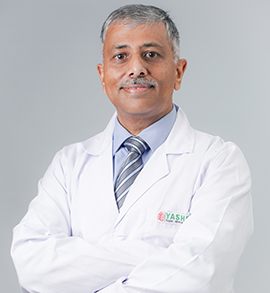
Dr. Amit Sharma
Principal Director
Orthopedics, Joint Replacement & Sports Medicine
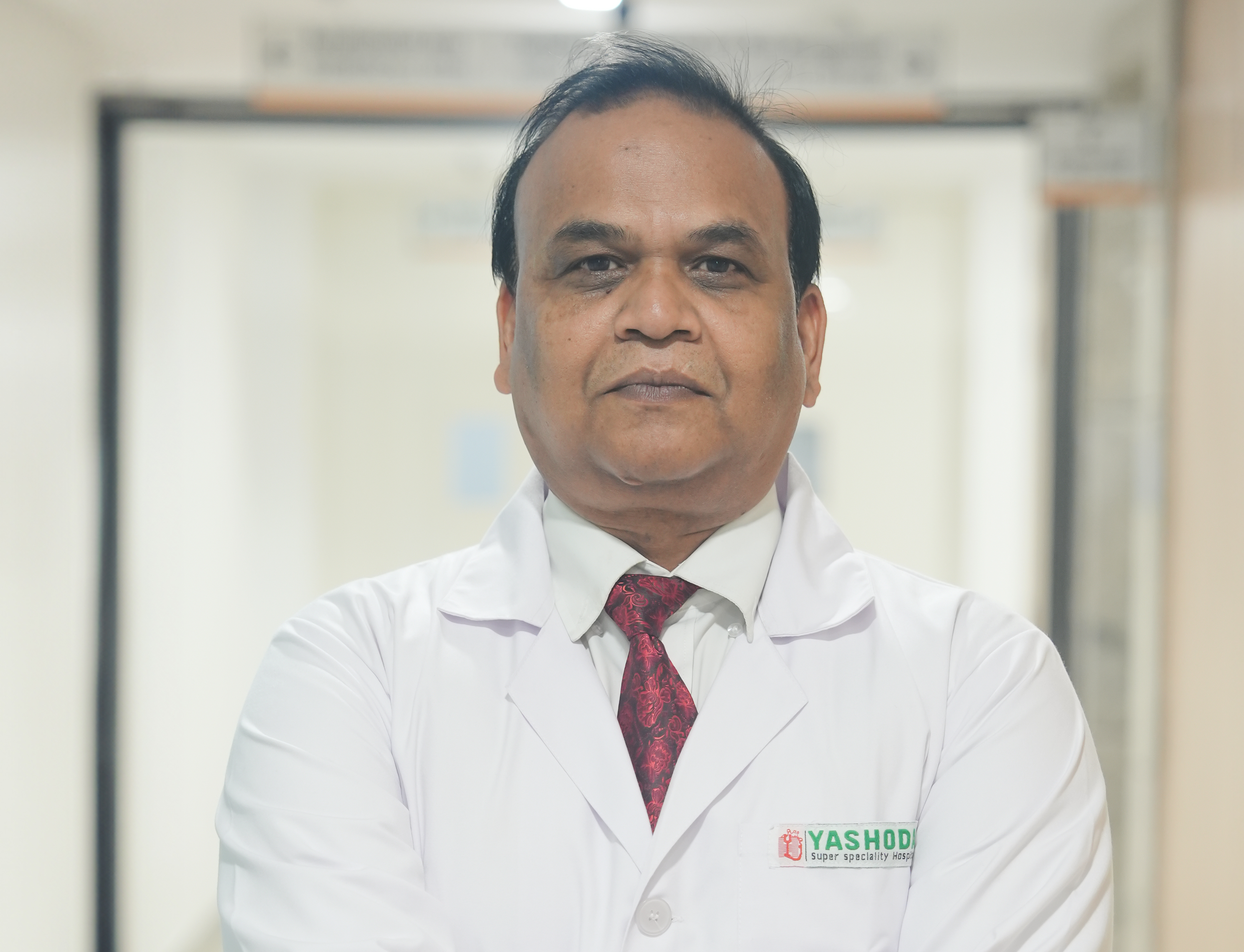
Dr. Brajesh Koushle
Director & Unit Head
Orthopedics, Joint Replacement & Sports Medicine
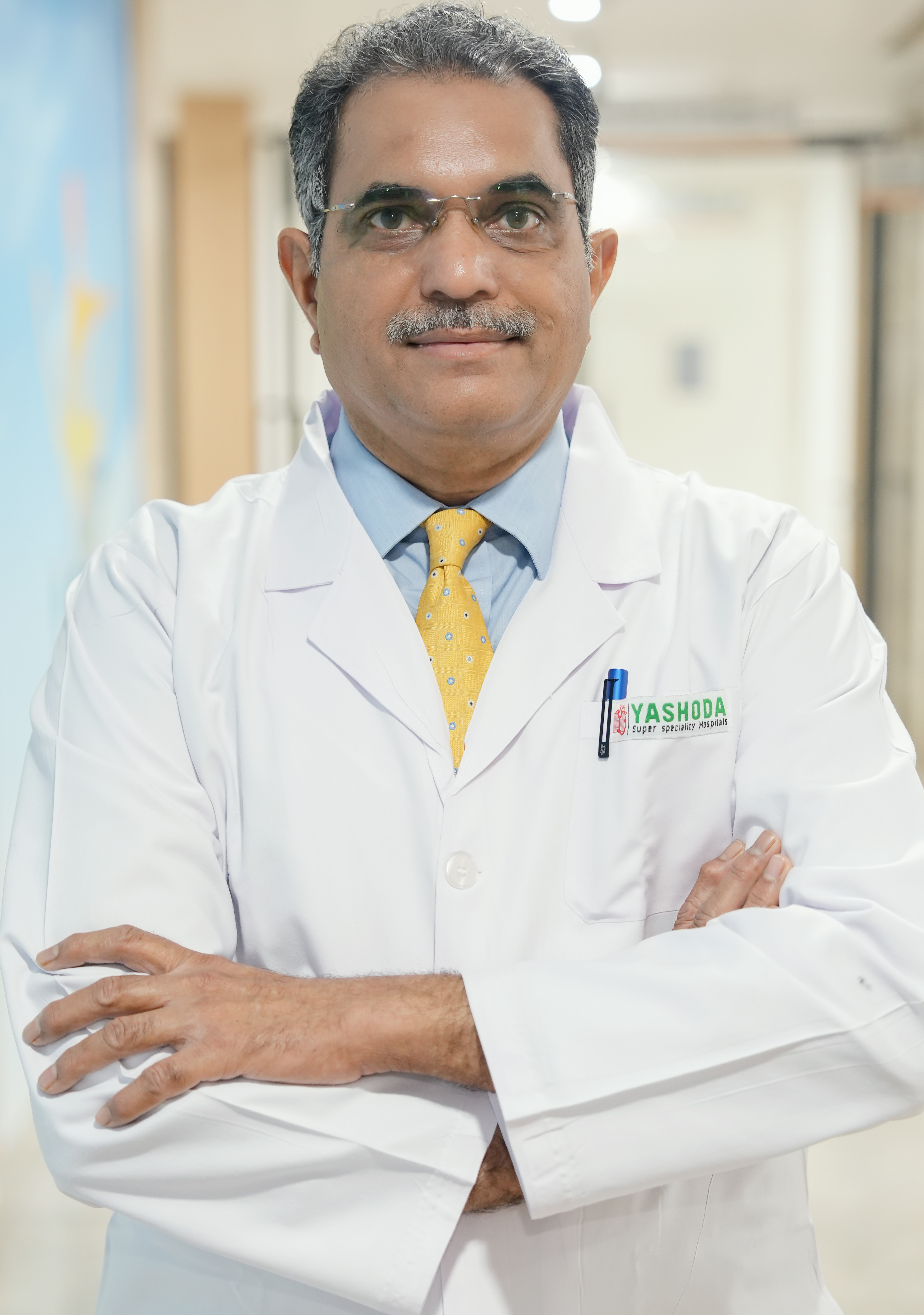
Dr. Akhil Kulshreshtha
Director
Orthopaedics, Robotic Joint Replacement & Trauma
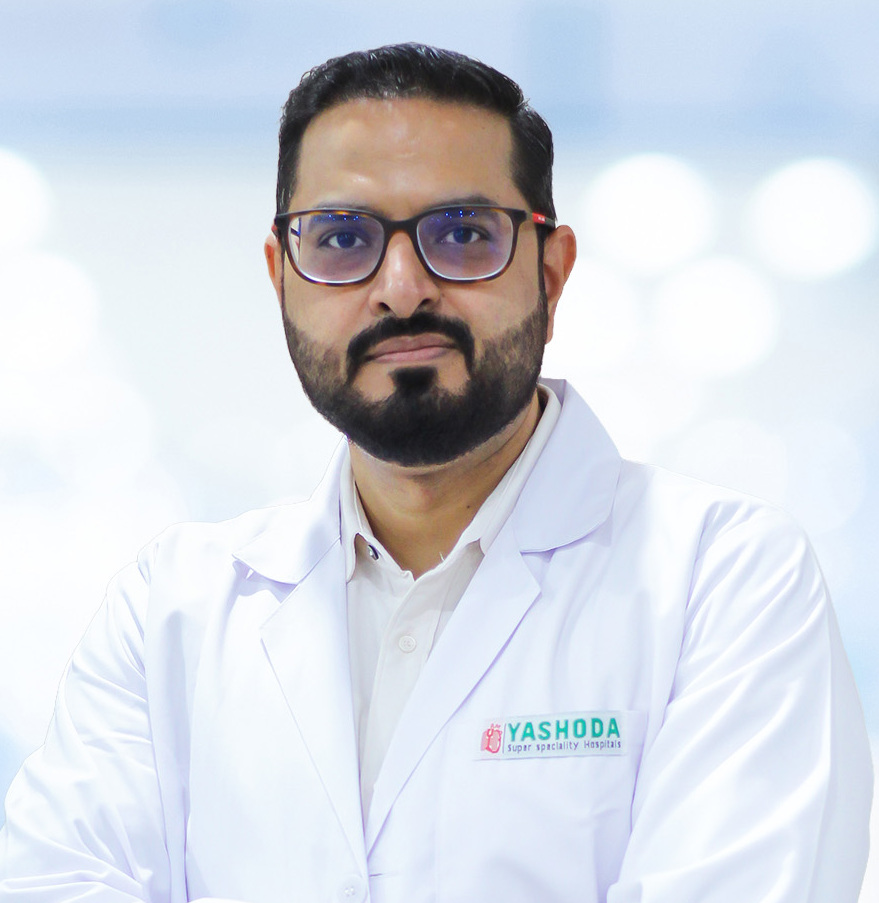
Dr. Gourav Thakral
Associate Director
Orthopedics, Joint Replacement & Sports Medicine
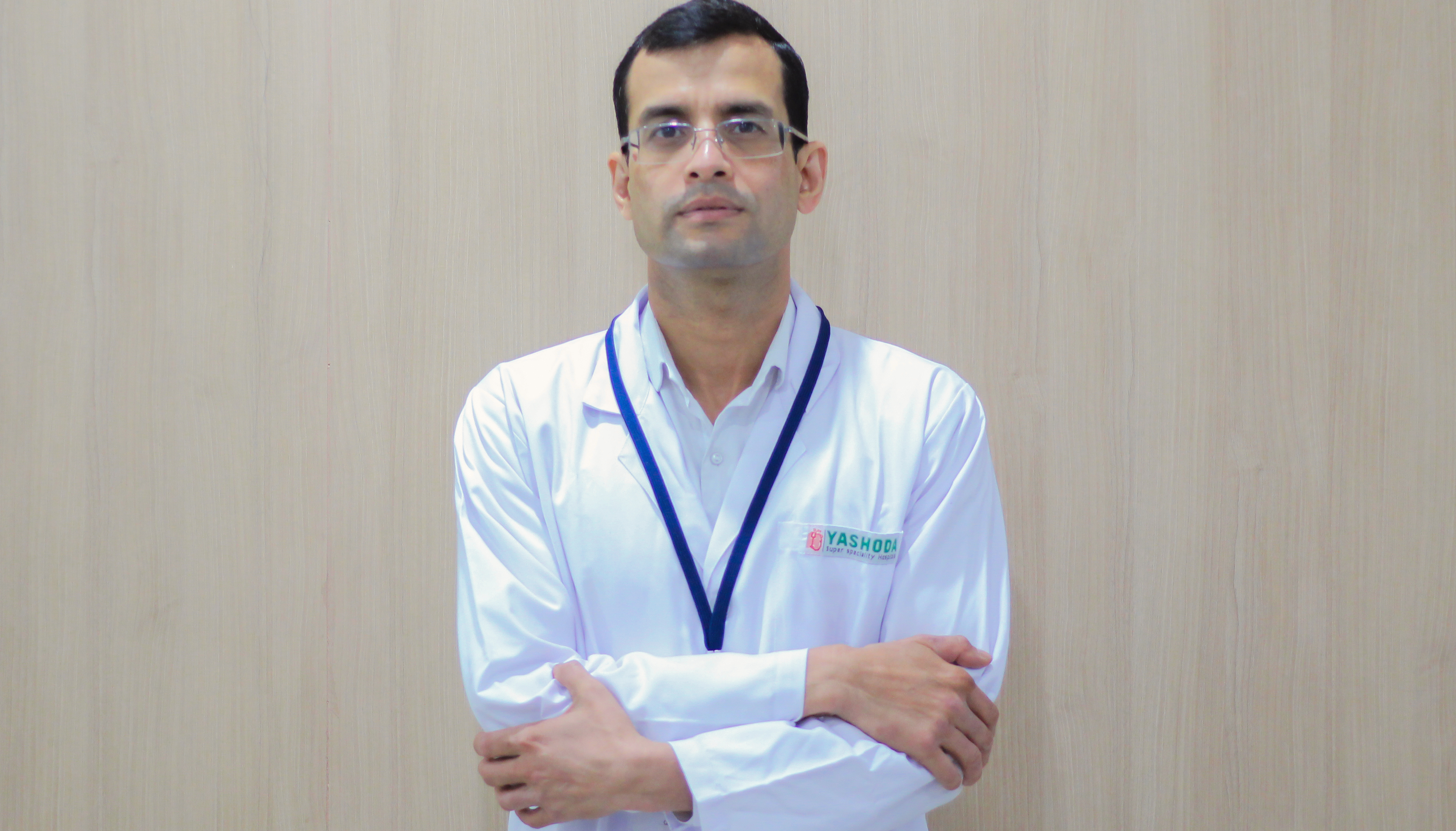
Dr. Ankur Goswami
Senior Consultant
Spine Surgeon - Yashoda Institute of Spine & Pain Management
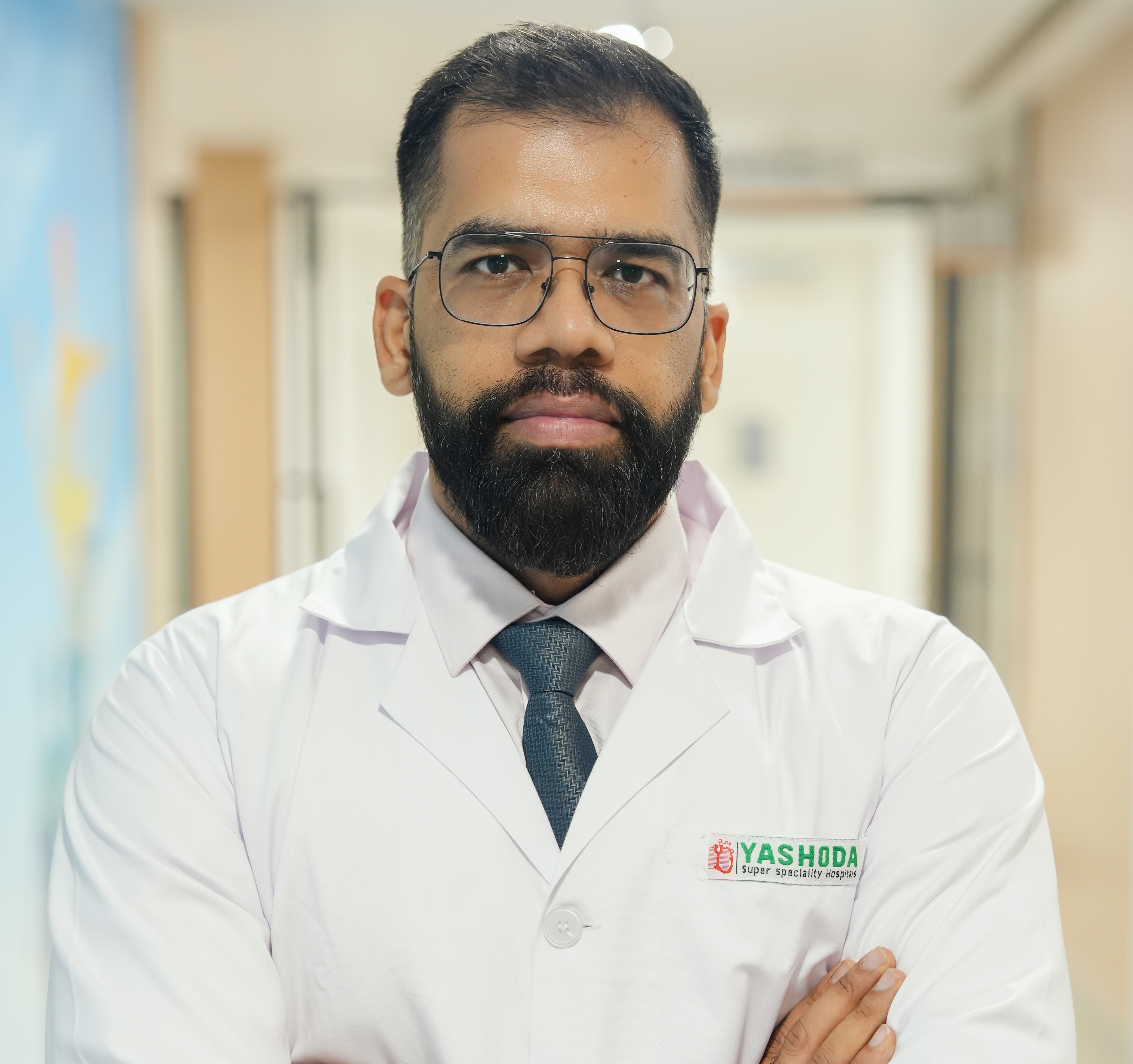
Dr. Avneet Singh Shishodia
Senior Consultant
Orthopedics, Joint Replacement & Sports Medicine

Dr. Akshay Lekhi
Consultant
Orthopedics, Joint Replacement & Sports Medicine

Dr. Nikhil Tandon
Consultant
Orthopedics Oncology
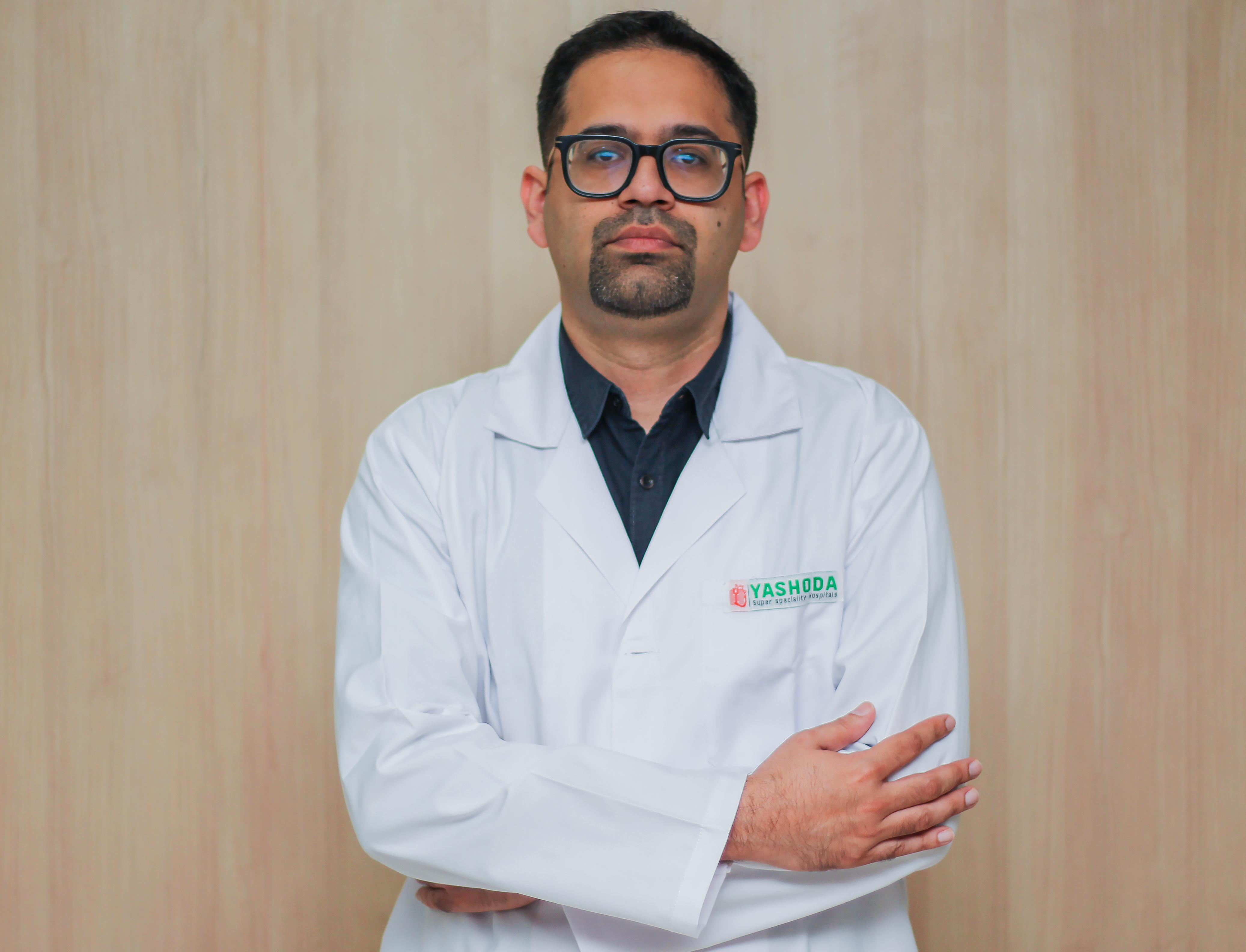
Dr. Ahmer Zafar
Associate Consultant
Orthopedics, Joint Replacement & Sports Medicine
Sports Medicine Hospital in Greater Noida
For a long time, a serious sports injury left people with two unsatisfying options: either rest and hope the pain settles on its own, or undergo fairly invasive surgery that addressed the injury but came with a recovery period that could end a season, or in some cases, an athletic career altogether. Neither option was particularly precise, and neither focused specifically on getting someone back to their previous level of performance rather than simply becoming pain-free.
Arthroscopic technique changed that considerably. At Yashoda Medicity, the sports medicine unit treats ligament tears, meniscus injuries, and cartilage damage through keyhole surgery, allowing the surgical team to see and treat the joint directly while keeping the procedure as minimally disruptive as possible. The objective at the sports medicine hospital in Greater Noida is not just resolving pain, but restoring the joint to a level where return to sport is genuinely realistic.
Conditions We Treat
The team at the sports medicine hospital in Greater Noida manages a wide range of conditions, including:
- Anterior and posterior cruciate ligament tears
- Meniscus tears
- Rotator cuff injuries
- Shoulder dislocation and instability
- Cartilage damage and early joint wear from repetitive strain
- Tendon ruptures, including Achilles tendon injuries
- Ankle ligament injuries
- Overuse injuries from repetitive sporting activity
The right treatment approach depends heavily on the specific structure involved, the severity of the injury, and the level of activity the patient intends to return to.
When to Consult a Sports Injury Specialist in Greater Noida
Some sporting injuries settle with rest, while others quietly worsen the longer they go unaddressed, particularly when an athlete returns to activity before the underlying damage has actually healed. Pushing through pain, a common instinct among competitive athletes, often turns a manageable injury into a more complicated one.
Book a consultation if you are experiencing any of the following:
- A joint that feels unstable or gives way during activity
- Persistent swelling following an injury that has not resolved
- A popping or tearing sensation at the time of injury
- Pain that limits your ability to train or compete at your usual level
- Reduced range of motion in a joint following an injury
- An injury that has been managed with rest but continues to cause problems on return to sport
- Recurrent injury to the same joint or area
If you have heard or felt a distinct pop at the moment of injury, followed by significant swelling, this often indicates a more serious injury requiring prompt assessment rather than a wait-and-see approach. Delaying assessment in these cases can sometimes allow secondary damage to develop within the joint.
Advanced Sports Medicine Treatment in Greater Noida
Arthroscopic Ligament Reconstruction
Anterior cruciate ligament tears and other significant ligament injuries are commonly treated through arthroscopic reconstruction, where the damaged ligament is replaced using a graft, accessed through small incisions rather than an open surgical approach. This allows direct visualisation of the joint while limiting disruption to surrounding tissue, supporting a more controlled recovery process. Graft selection and fixation technique are tailored to the individual patient, accounting for activity level and the specific demands they intend to return to.
Meniscus Repair and Preservation
Where possible, the surgical approach favours repairing the meniscus rather than removing the damaged portion entirely, since preserving as much of the natural cartilage as possible has a meaningful impact on long-term joint health. The decision between repair and partial removal depends on the specific tear pattern and location, as not every tear is suitable for repair, and forcing a repair where it is not appropriate can sometimes produce a worse outcome than careful, limited removal.
Cartilage Restoration
For athletes with cartilage damage, particularly from repetitive strain or a single significant impact, restoration techniques aim to encourage healthy cartilage regrowth in the affected area, addressing the underlying joint surface rather than simply managing the resulting pain. Left untreated, cartilage damage in a weight-bearing joint tends to progress, eventually contributing to earlier onset of degenerative joint disease.
Shoulder Stabilisation Surgery
Recurrent shoulder dislocation or instability is treated through arthroscopic stabilisation procedures, which repair the structures that normally keep the shoulder joint in place, reducing the likelihood of repeat dislocation during sporting activity. This is particularly relevant for overhead and contact sport athletes, where the shoulder is placed under repeated mechanical stress.
Tendon Repair
Tendon ruptures, including Achilles tendon injuries, require careful surgical repair followed by a structured rehabilitation programme, since the strength and flexibility of the repaired tendon directly affects whether an athlete can return to their previous level of activity. The timeline for tendon healing tends to be longer than for many other sports injuries, and rushing rehabilitation in these cases carries a meaningful risk of re-rupture.
Return-to-Sport Rehabilitation
Surgery is only one part of getting an athlete back to competition. A structured rehabilitation programme, built around the specific demands of an individual's sport, bridges the gap between a technically successful procedure and genuine readiness to return to play. This typically progresses through stages, from basic mobility and strength work with sports physiotherapy in Greater Noida, through to sport-specific drills that test whether the joint can genuinely withstand competitive demands again.
State-of-the-Art Sports Medicine Hospital in Greater Noida Facilities
Arthroscopic Surgical Equipment
High-definition arthroscopic cameras and instruments allow the surgical team to visualise joint structures in detail through small incisions, supporting precise diagnosis and treatment without the need for open surgery in most cases.
Advanced Diagnostic Imaging
MRI and ultrasound provide detailed assessment of ligament, tendon, and cartilage injuries, allowing the team to confirm the extent and exact location of damage before deciding on the most appropriate treatment approach.
Dedicated Athlete Rehab Centre in Greater Noida
Recovery from sports injuries requires a different rehabilitation approach to general orthopaedic recovery, focused specifically on restoring strength, agility, and confidence in the joint under conditions that mirror actual sporting activity, rather than simply restoring basic everyday function.
Biomechanical Assessment Tools
Understanding how an athlete moves, and where mechanical inefficiencies may have contributed to their injury, supports both treatment planning and injury prevention guidance for the future, helping reduce the likelihood of the same injury recurring once the athlete returns to their sport.
Patient Journey at the Sports Medicine Department
- Initial Assessment: The first step at the sports medicine hospital in Greater Noida is where the specialist reviews the injury history, examines the affected joint, and arranges imaging where needed to confirm the diagnosis.
- Treatment Planning: Depending on the injury, treatment may include non-surgical management, arthroscopic surgery, or a possible combination of both.
- Surgery, if Required: Arthroscopic procedures are performed with a focus on precision and minimal disruption to surrounding tissue, if required.
- Structured Rehabilitation: A progressive rehabilitation programme is built around the demands of the patient's specific sport or activity level.
- Return to Sport: Clearance to return to full activity is based on functional assessment, not simply the passage of time since surgery.
Why Choose Yashoda Medicity for Sports Medicine Hospital in Greater Noida?
- Treatment focused on performance, not just pain relief. The goal our experts aim for is to return to sport and not just simply achieve a joint that no longer hurts during everyday activity.
- Arthroscopic technique as the standard approach. Minimally invasive surgery at the hospital supports faster and more predictable recovery for most ligament, meniscus, and cartilage injuries, with less disruption to the structures surrounding the actual injury.
- Rehabilitation built around the specific sport. Recovery programmes account for the particular physical demands of an individual's activity, rather than following a generic recovery timeline that ignores what the patient is actually trying to return to.
- Suitable for recreational and competitive athletes alike. The same level of care applies whether the patient plays sport casually or competitively, since the underlying injuries and treatment principles remain consistent regardless of competitive level.
- Injury prevention as part of the approach. Biomechanical assessment helps identify factors that may have contributed to the original injury, supporting longer-term prevention rather than treating each injury as an isolated event.
Book Your Appointment Today
A sports injury no longer has to mean choosing between prolonged rest and invasive surgery with an uncertain recovery. Arthroscopic technique allows precise treatment of ligament, meniscus, and cartilage injuries, with rehabilitation specifically focused on getting athletes back to their previous level of performance, rather than settling for a joint that simply causes less pain than before.
The Sports Medicine Department at Yashoda Medicity, Greater Noida provides this level of specialist care, supporting patients from initial injury through to a structured return to sport.
Call us today: 9266610101
 Call: +91 9266610101