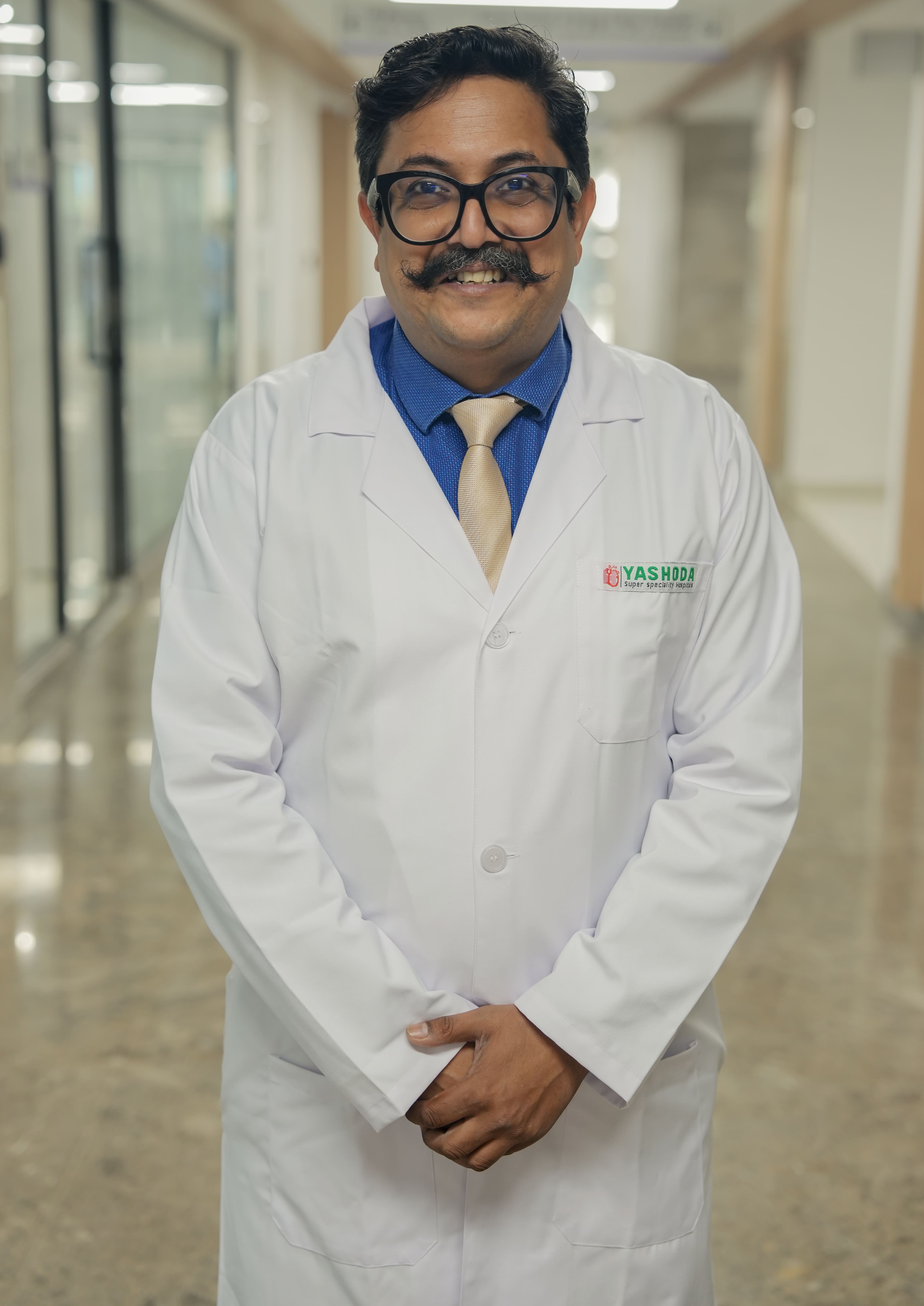
Dr. Vaibhav Saxena
Senior Director
Urology, Uro-Oncology, Robotics & Renal Transplant
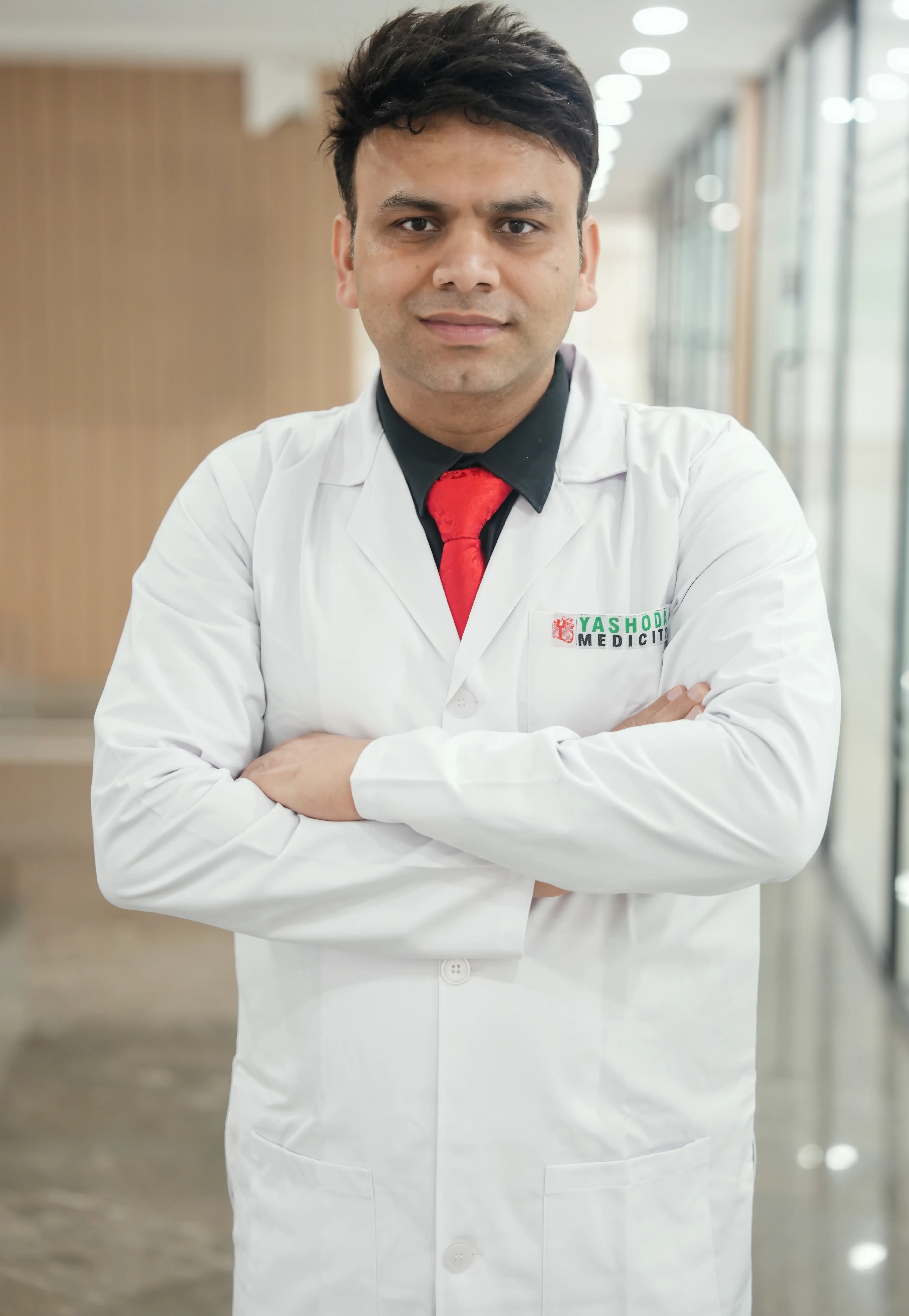
Dr. Kuldeep Aggarwal
Associate Director
Urology, Uro-oncology, Robotics & Renal Transplant
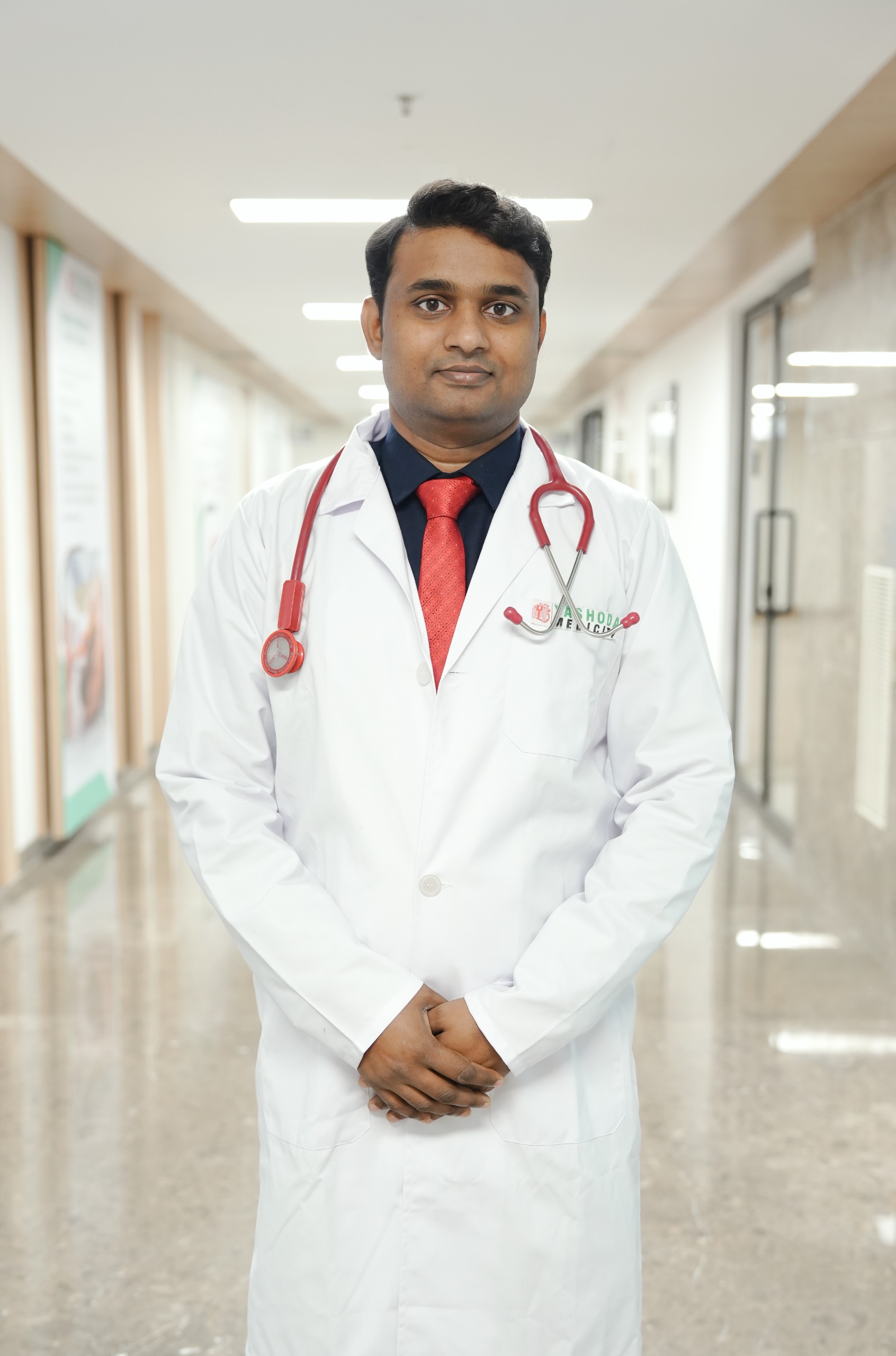
Dr. Rajan Prasad Gupta
Consultant
Urology & Renal Transplant
Urology hospital in Greater Noida
People often ignore early urological symptoms, assuming they will resolve on their own. However, delaying medical attention can allow underlying conditions to progress and make treatment more complex. In urology, early diagnosis often changes the entire course of treatment and significantly improves outcomes. A small kidney stone, for example, can often be managed through a minimally invasive day-care procedure when detected early. If left untreated, it may lead to blockage, infection, severe pain, or emergency complications. Similarly, bladder cancer identified in its early stages is often highly treatable, whereas delayed diagnosis may require more extensive treatment.
The Urology and Andrology Department at Yashoda Medicity manages a wide range of urological and andrological conditions with a focus on timely diagnosis, evidence-based treatment, and long-term urinary health. By combining advanced technology, minimally invasive expertise, and multidisciplinary care, the department supports patients through every stage of diagnosis, treatment, recovery, and follow-up.
Conditions We Treat
The team of the urology hospital in Greater Noida manages a wide range of conditions, including:
- Kidney stones, including complex and recurrent stones
- Urinary tract infections (UTIs)
- Benign prostatic hyperplasia (BPH)
- Bladder cancer
- Kidney cancer
- Prostate cancer
- Urethral strictures
- Hydronephrosis
- Neurogenic bladder disorders
- Urinary incontinence
- Paediatric urological conditions
- Bladder dysfunction and voiding disorders
The department focuses on evidence-based treatment, accurate diagnosis, and long-term management aimed at improving urinary health and quality of life.
When to Consult a Urologist in Greater Noida
Many urological conditions are progressive and often remain untreated because patients gradually adapt to the symptoms.
Symptoms that require specialist evaluation include:
- Blood in the urine, even once, even without pain
- Difficulty starting urination or a weak urinary stream
- Frequent or urgent urination, especially at night
- Burning or pain during urination
- Persistent flank, back, or pelvic pain
- Recurrent urinary tract infections
- Inability to completely empty the bladder
- Sudden loss of bladder control
- Unexplained weight loss along with urinary symptoms
Symptoms such as blood in the urine, recurrent infections, persistent urinary difficulty, or unexplained pelvic discomfort should always be evaluated early. Many urological conditions become significantly easier to manage when diagnosed before complications develop. To support early diagnosis and effective long-term management, the department offers a comprehensive range of advanced urological services.
Advanced Urology Care in Greater Noida
Kidney Stone Management
Among the most commonly treated conditions at the urology hospital in Greater Noida are kidney stones, which have become increasingly common across NCR. Treatment approaches have advanced considerably over the years, and most stones no longer require open surgery. Extracorporeal Shock Wave Lithotripsy (ESWL) uses focused sound waves to break stones into smaller fragments without any incision. Ureteroscopy uses a thin camera-like instrument passed through the urinary tract to reach and break stones in the ureter or kidney. Percutaneous nephrolithotomy is used for larger or more complex stones. In this procedure, stones are removed through a small puncture in the skin using imaging guidance for precision treatment.
Prostate Disease
Many prostate conditions can be managed effectively with medication. When intervention is required, the department offers transurethral resection of the prostate and laser prostate surgery using minimally invasive techniques, where instruments are passed through the body without external cuts. In many suitable cases, laser prostate surgery provides outcomes comparable to transurethral resection of the prostate, with less bleeding and quicker recovery.
Uro-Oncology
The department manages the complete process of diagnosing and treating urological cancers. This includes investigations such as cystoscopy, biopsy, CT urography, and MRI scans to evaluate the stage and extent of disease. Treatments include minimally invasive surgery for kidney cancer, bladder tumour removal, and prostate surgery that may help preserve nearby nerves wherever clinically appropriate. Patients requiring chemotherapy or radiation therapy are managed in coordination with cancer specialists at Yashoda Medicity to ensure integrated care.
Alongside cancer management, minimally invasive surgery also plays an important role across several non-oncological urological conditions.
Laparoscopic Urology
Laparoscopic Urology is a minimally invasive surgical approach used to treat kidney and urinary tract conditions through small incisions using specialised instruments. It is used across a range of urological procedures, including nephrectomy, pyeloplasty, adrenalectomy, and ureteroplasty, wherever clinically appropriate. Because the incisions are smaller, laparoscopic surgery is associated with less post-operative pain, lower infection risk, and shorter hospital stays.
Paediatric Urology
Paediatric Urology focuses on urinary and reproductive conditions in children. Congenital anomalies, vesicoureteral reflux, undescended testes, hypospadias, and hydronephrosis are managed using age-appropriate instruments and treatment techniques designed to support healthy urinary function through adulthood.
Urodynamic Studies
Urodynamic studies are specialised tests that evaluate how well the bladder stores and releases urine. These tests are recommended for patients with bladder dysfunction, urinary incontinence, or voiding disorders. They help identify the exact cause of urinary dysfunction and guide more targeted treatment decisions.
State-of-the-Art Urology Facilities
These services are supported by dedicated infrastructure, advanced imaging, minimally invasive surgical platforms, and specialised diagnostic facilities within the department.
Endoscopic and Laser Equipment
Flexible and rigid cystoscopy, ureteroscopy, and laser lithotripsy are all available within the department at the urology hospital in Greater Noida. Laser systems allow precise stone fragmentation and prostate tissue removal with minimal bleeding and shorter recovery times compared to conventional techniques.
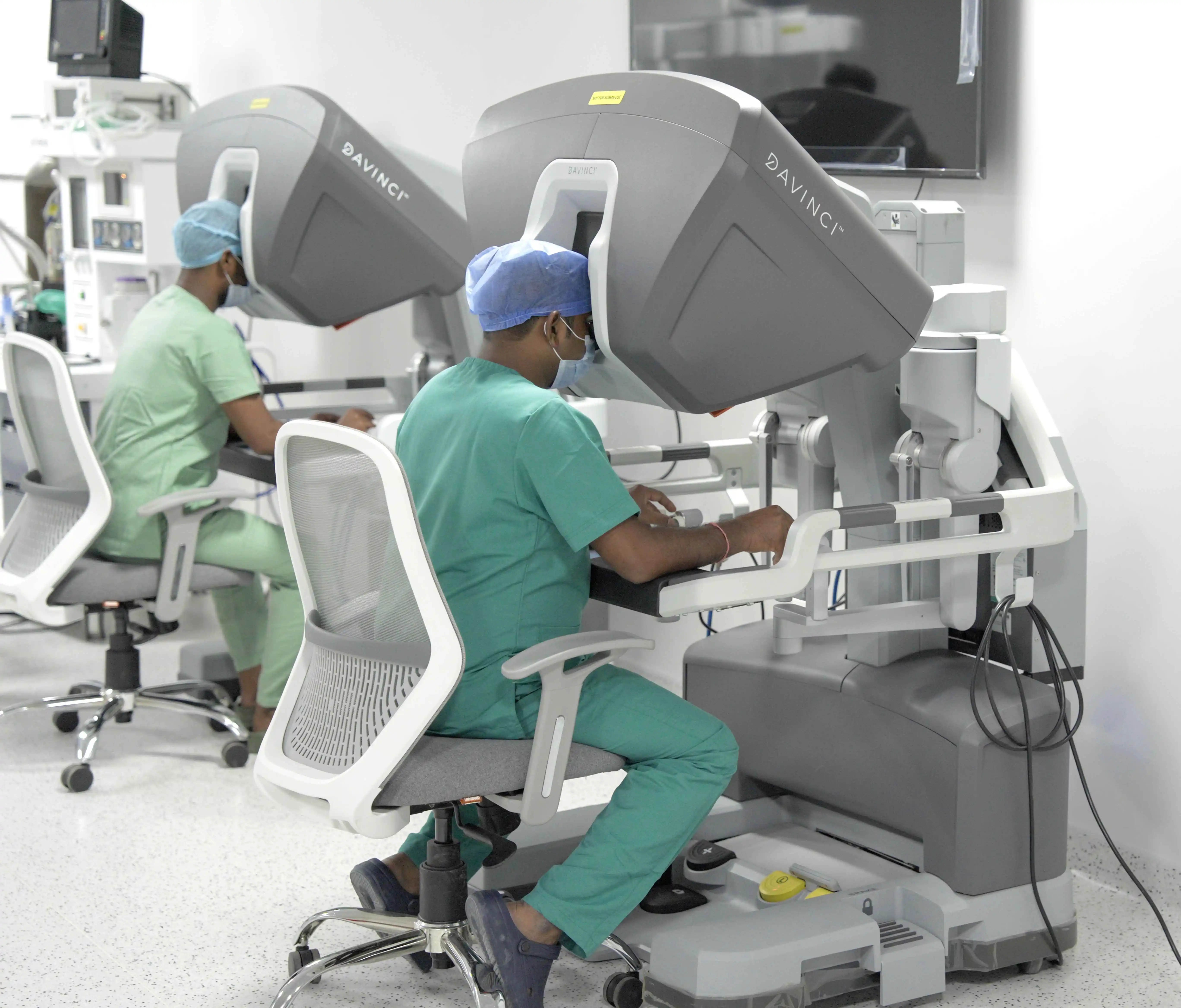
The department also uses the Da Vinci Xi Robotic Surgical System for robot-assisted urological surgery, giving surgeons greater precision and control during complex procedures involving the prostate, kidneys, and urinary tract while helping reduce blood loss, post-operative pain, and hospital stay in suitable cases.
PCNL Infrastructure
Percutaneous stone surgery requires fluoroscopic and ultrasound guidance alongside specialised instruments and a team specifically trained in the approach. The department performs PCNL for complex and staghorn calculi, including cases where previous stone treatments have been unsuccessful.
Laparoscopic Platforms
High-definition laparoscopic towers support minimally invasive urological surgery across nephrectomy, pyeloplasty, and oncological procedures. The imaging quality directly affects surgical precision, particularly in procedures performed close to major vascular structures.
Urodynamics Laboratory
Complete lower urinary tract assessment is available, including filling cystometry, pressure-flow studies, and video urodynamics for complex presentations. This data helps guide treatment decisions for incontinence, voiding dysfunction, and neurogenic bladder conditions.
Diagnostic Imaging
CT urography, ultrasound, and MRI are available on-site for detailed urological assessment and evaluation. These modalities support accurate detection of kidney and urinary tract stones, staging of urological tumours, and precise assessment of structural abnormalities of the upper and lower urinary tract. With all major imaging services available within the hospital, diagnosis and reporting are completed efficiently, helping reduce delays in treatment and eliminating the need for external referrals.
Supportive Care
Cancer patients, individuals undergoing major reconstructive procedures, and those managing conditions with significant emotional impact have access to nutritional support, pain management, and psychological counselling throughout their treatment. Psychological counselling and supportive care are also integrated into andrology management wherever required.
Patient Journey at the Urology and Andrology Department
Care at the Urology and Andrology Department is structured around accurate diagnosis, timely intervention, and long-term follow-up.
- Consultation: The urologist reviews symptoms, medical history, and previous investigations. Additional tests such as urine analysis, imaging, or urodynamic studies may be advised based on the clinical presentation.
- Diagnosis: Results are carefully evaluated to establish a diagnosis. Complex cases, particularly cancers and reconstructive conditions, are discussed within a multidisciplinary team before treatment planning.
- Treatment: Treatment may involve medication, endoscopic procedures, laparoscopic surgery, robotic-assisted surgery, or open surgery, depending on the condition and severity. Recovery and treatment response are monitored throughout the care pathway.
- Supportive Care: Pain management, nutritional support, and psychological counselling are available wherever required, particularly for cancer patients and individuals managing chronic or emotionally challenging conditions.
- Follow-Up: Patients with kidney stones are monitored for recurrence risk, while cancer patients undergo surveillance at defined intervals. Long-term follow-up helps ensure treatment outcomes remain stable and appropriate over time.
Why Choose Yashoda Medicity for Urology in Greater Noida?
The department combines advanced technology, minimally invasive expertise, and multidisciplinary care to manage both routine and complex urological conditions.
- Integrated Urology and Andrology Care: Urological conditions often affect quality of life, emotional well-being, and long-term health. The department focuses on personalised treatment plans supported by multidisciplinary care and patient counselling wherever needed.
- Advanced Stone Management Under One Roof: The department offers ESWL, URS, laser lithotripsy, and PCNL, allowing treatment selection based on the size, location, and complexity of the stone.
- Minimally Invasive Expertise: Endoscopic, laparoscopic, robotic-assisted, and laser-assisted procedures are used wherever clinically appropriate. These approaches are associated with reduced post-operative discomfort, shorter hospital stays, and faster recovery in suitable patients.
- Dedicated Paediatric Urology Services: Paediatric urological conditions require specialised evaluation, instruments, and treatment planning. The department at the urology hospital in Greater Noida provides age-appropriate care with a focus on healthy long-term urinary development.
Book Your Appointment Today
Many urological issues begin subtly. If you notice something unusual, it is the right reason to consult an expert.
Consult a specialist today with the Urology and Andrology Department at Yashoda Medicity, Greater Noida. Book today: 9266610101.
 Call: +91 9266610101