



Looking for an Expert?
Yashoda Medicity is home to some of
the eminent doctors in the world.
 Open Emergency Modal
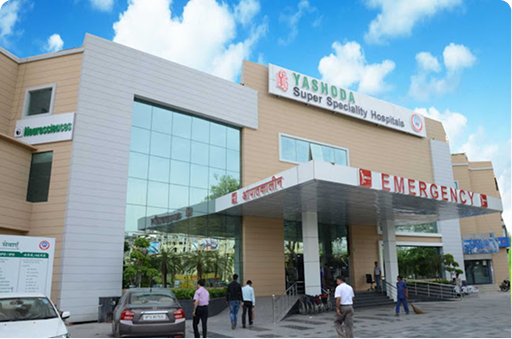
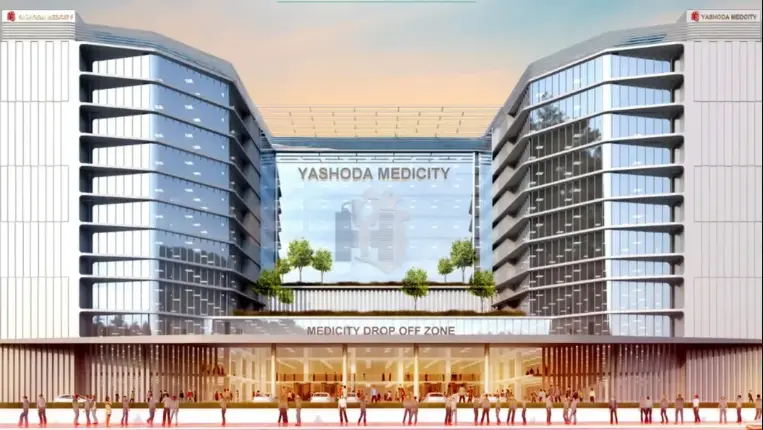
Yashoda Medicity boasts a sprawling 8+acres campus meticulously designed to accommodate 1200 beds, offering a comprehensive range of multi-speciality services. Our facilities include, Quaternary Care Super Specialty & Cancer Hospital which will serve all the community people from across the country as well as international patients under the care of most qualified & experienced clinicians, healthcare professionals with the provision of ultramodern technology.

Cutting-edge minimal access surgery ensu...

From joint replacements to complex traum...
Yashoda Medicity is home to some of
the eminent doctors in the world.

Vice Chairman and Head
Minimal Access, Robotic & Bariatric Surgery
Vice Chairman
Medical Oncology

Vice-Chairman & Head
Radiation Oncology

Principal Director & Head
Internal Medicine

Principal Director & Head
Obstetrics and Gynecology
Principal Director & Head
Gastroenterology and Hepatology

Principal Director & Head
Pediatric Surgery & Pediatric Urology, Yashoda Cradle & Children's Hospital

Principal Director & Unit Head
Neurosurgery

Senior Director and Head
Gynaecologic Oncology & Robotic Surgery
Senior Director
Urology, Uro-Oncology, Robotics & Renal Transplant

Director & Head
Pediatrics
Director & Unit Head
Orthopedics, Joint Replacement & Sports Medicine
Director and Unit Head
Cardio Thoracic and Vascular Surgery
Director
Cardiology
Director
Medical Oncology
Director
Orthopaedics, Robotic Joint Replacement & Trauma
Director
Yashoda Institute of Respiratory Medicine and Interventional Pulmonology

We offer you compassionate expert care through meticulous consultations, diagnostics, pharmacy and imaging, all of which together work to provide comprehensive and quality healthcare, all under one roof.
View All +
The Blood Centre & Transfusion Medicine Department at Yashoda Medicity and Yashoda Super Speciality Hospitals, Kaushambi, plays a vital role in supporting patient care across all medical and surgical specialties.

The Ambulance service at the top hospital in Delhi NCR provides round-the-clock emergency medical transport for patients in critical need. Our fleet is equipped with advanced life-support systems and staffed by trained paramedics, emergency physicians, and critical care nurses to ensure immediate care during transit.

The Pharmacy Services at Yashoda Medicity and Yashoda Super Speciality Hospitals, Kaushambi, form an essential part of the patient care system by ensuring safe, effective, and timely access to medicines.

The Laboratory Services at Yashoda Medicity and Yashoda Super Speciality Hospitals, Kaushambi, form the backbone of accurate diagnosis, advanced investigations, and patient monitoring.

The Cell and Gene Therapy Department at Yashoda Medicity and Yashoda Super Specialty Hospitals, Kaushambi is a highly specialized facility dedicated to advanced transfusion medicine, cellular therapies, and genetic interventions.

The Department of Yashoda Institute of Radiodiagnosis & Interventional Radiology at Yashoda Medicity and Yashoda Super Speciality Hospitals, Kaushambi, specializes in minimally invasive procedures performed under advanced image guidance, including Digital Subtraction Angiography (DSA), Fluoroscopy, Ultrasound, CT, and MRI.

Yashoda Institute of Robotic-Assisted Surgery Training Centre is at the forefront of surgical innovation. Our mission is to advance minimally invasive care by empowering surgeons, care teams, and healthcare professionals with world-class training, advanced technology, and hands-on experience to improve patient outcomes across multiple surgical specialties.

Care Beyond Boundaries
Stay informed with the latest announcements, medical breakthroughs, and hospital highlights.
Recognized by leading newspapers and media outlets for our excellence in healthcare.
A Rare Presentation of Nephrotic Syndrome in a Child Following Hematopoietic Stem Cell Transplantation
A 13-year-old girl with transfusion-dependent thalassemia major underwent hematopoietic stem cell transplantation (HSCT) in 2024. Her recovery after the transplant was uneventful, and cyclosporine, an immunosuppressive medicine, was stopped after one year. Six months after stopping immunosuppression, she developed swelling around the eyes and swelling of both feet for four days. She did not have reduced urine output, visible blood in the urine, fever, skin rash, oral ulcers, hair loss, joint pain, or any other systemic symptoms. She had no previous history of kidney disease or family history of kidney disorders. She had a history of chronic hepatitis C infection, which had been successfully treated three years earlier.
Investigations showed nephrotic-range proteinuria, with urine dipstick protein of 3+, a spot urine protein-to-creatinine ratio of >4.4 mg/mg, and 24-hour urinary protein of 4.2 g/day. She also had microscopic blood in the urine (8–10 RBCs/HPF) and low serum albumin (2.17 g/dL). Her blood pressure and kidney function were normal, with blood urea of 12.7 mg/dL and serum creatinine of 0.24 mg/dL. Tests for possible secondary causes, including hepatitis B, hepatitis C, and systemic lupus erythematosus, were negative.
A kidney biopsy showed Stage I membranous nephropathy. Immunofluorescence was negative, and immunohistochemistry was negative for Anti-PLA2R, THSD7A, NELL-1, and FAT1. There were no chronic changes in the kidney. The findings were consistent with membranous nephropathy presenting as nephrotic syndrome following HSCT. Nephrotic syndrome after HSCT is rare, occurring in approximately 1% of patients, and only a few pediatric cases have been reported.
The patient was treated with enalapril, oral prednisolone, and tacrolimus, and achieved complete remission within two months. At the 12-month follow-up, she remained well, with no swelling or hypertension. Urinalysis showed no protein or blood. Her 24-hour urinary protein had decreased from 4.2 g/day to 60 mg/day, and her serum albumin had improved to 4.63 g/dL. Kidney function remained normal, with serum creatinine of 0.4 mg/dL.
This case highlights membranous nephropathy as a rare late complication of HSCT, possibly related to changes in the immune system after stopping immunosuppressive treatment. Early recognition, timely kidney biopsy, and appropriate treatment helped achieve sustained remission and an excellent kidney outcome.
Treatment By:
Dr. Sangeeta, Consultant- Pediatric Nephrology
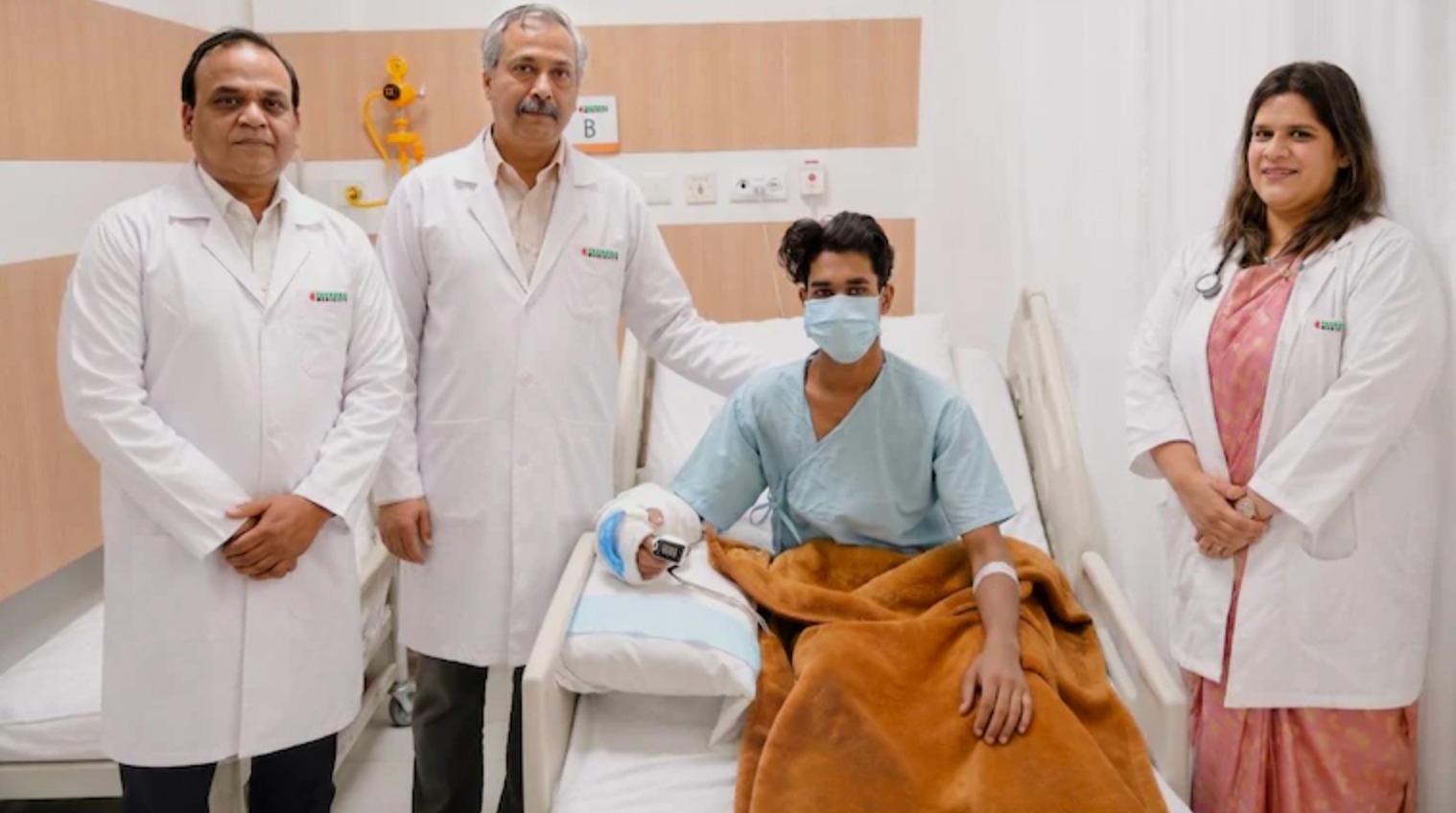
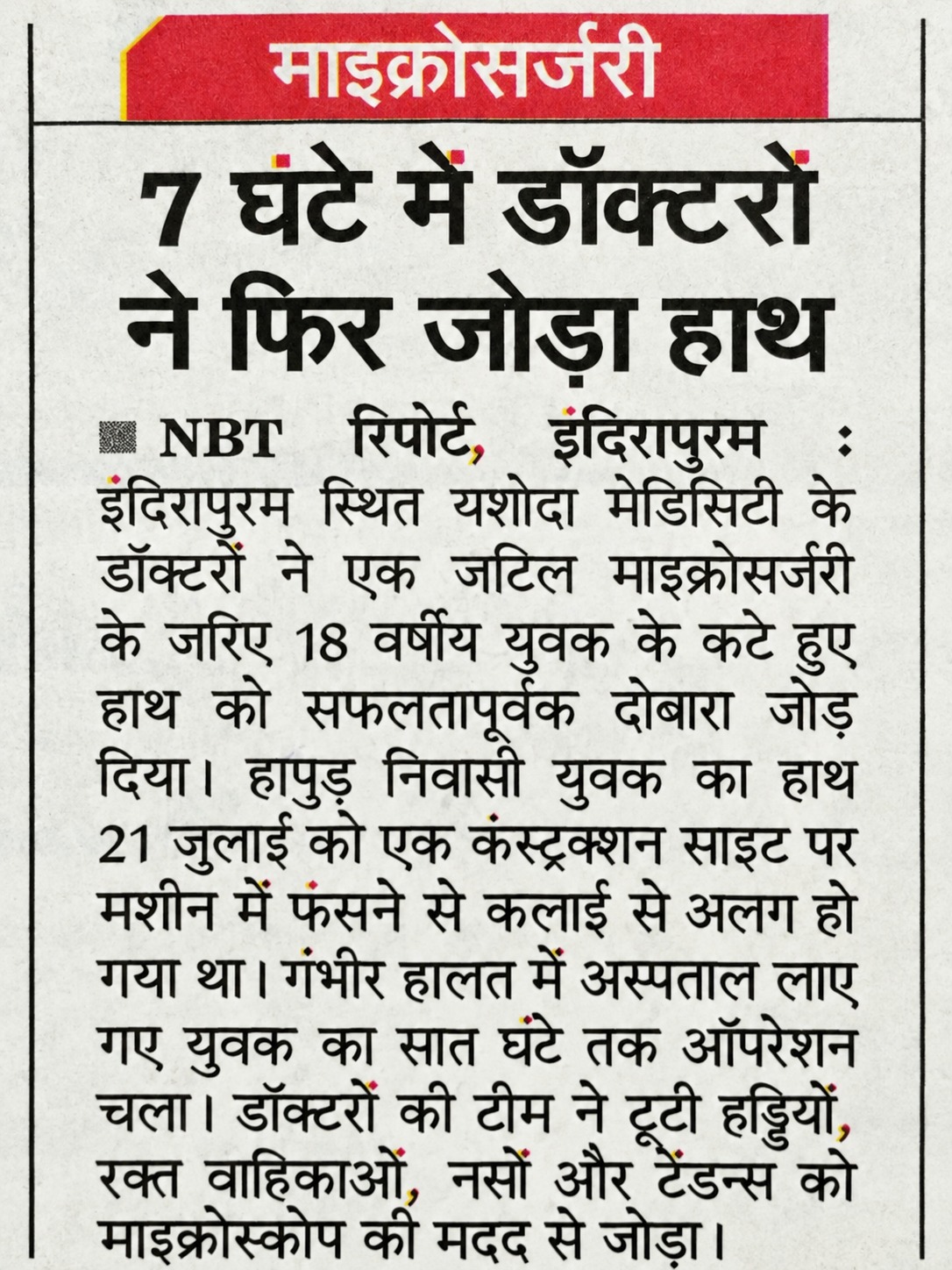
Yashoda Medicity Successfully Replants 18-Year-Old’s Completely Amputated Hand After Construction-Site Accident
The highly complex microsurgical procedure took seven-hour, restoring blood circulation to the hand following a severe construction-site injury in Ghaziabad
10th, August 2026: Delhi/NCR Yashoda Medicity successfully reconstructed and reimplanted a completely amputated right hand of an 18-year-old young man, after a construction site accident in Ghaziabad. The complex seven-hour surgery involved meticulous microsurgical repair of the bones, arteries, veins, tendons, nerves, and soft tissues, restoring blood flow to the replanted hand and giving the young patient the opportunity to regain function.
The patient, a native of Hapur who works in Ghaziabad, sustained a complete amputation of his right hand at the wrist after it became trapped in the machine while working at a construction site on July 21. He was immediately rushed to the Emergency Department at Yashoda Medicity with severe pain, active bleeding and significant blood loss from the site of injury. The amputated hand was carefully preserved and transported to the hospital, allowing the surgical team to proceed with limb reimplantation.
The patient was immediately assessed by a team of doctors led by Dr. Shobhit Sharma, Principal Consultant, Plastic, Aesthetic & Reconstructive Surgery and the team along with Dr. Brajesh Koushle, Director & Unit Head, Orthopedics, Joint Replacement & Sports Medicine. Following emergency evaluation and stabilisation, the team decided to undertake an emergency hand reimplantation procedure.
Over the course of seven-hour surgery, the surgeons decided to undertake an emergency hand reimplantation procedure. The case was a surgical challenge, as the tissues had suffered a crush injury rather than a clean cut. Managing the patient's blood loss was a critical early priority, with the anaesthesia team closely monitoring his condition and administering blood transfusion to keep him stable through the course of the seven-hour surgery. Working against the clock, the team first stabilised the fractured wrist bones to create a stable structural framework, before moving to the microscope to reconnect the arteries, veins, nerves and tendons.
Dr. Shobhit Sharma, Principal Consultant, Plastic, Aesthetic & Reconstructive Surgery, Yashoda Medicity, said,” Reimplanting a completely amputated hand is a race against time. The tissues had suffered a crush injury. Every structure, from the smallest blood vessel to the tendons and nerves, had to be repaired under the microscope with utmost precision. The fact that the patient reached us within the golden window made a huge difference to the outcome. The hand now has restored blood supply. It will take time for the hand to recover to normal function, but we expect him to show steady clinical improvement over the coming months."
Following the successful procedure, blood circulation was restored to the replanted hand. The patient recovered well in the postoperative period and has since been discharged in stable condition. He will continue regular follow-up and rehabilitation under the treating team. Sensation and movement in the fingers are expected to return gradually over the coming months. Physiotherapy will begin after an initial healing period to help restore strength and mobility. The patient will remain under regular follow-up with the treating team throughout this process.
Doctors highlighted that in cases of traumatic limb amputation, the time between injury and surgery plays a crucial role in determining the success of reimplantation. They also stressed the importance of preserving the amputated part appropriately and ensuring immediate transfer to a centre equipped with advanced microsurgical expertise.
The successful outcome of this case reflects the expertise of Yashoda Medicity's multidisciplinary surgical teams in managing complex trauma emergencies through advanced microsurgical reconstruction, coordinated emergency response, and comprehensive post-operative care.
Treatment By:
Dr. Shobhit Sharma, Dr. Brajesh Koushle
A Rare Case of Gastrointestinal Bleeding Following Varicella Infection in an 8-Year-Old Child
An 8-year-old child presented with multiple episodes of hematemesis (vomiting of blood) following a history of varicella infection approximately two weeks earlier. There was no history suggestive of chronic liver disease, medication use, or bleeding disorders. Initial evaluation showed normal platelet counts, normal INR levels, and only borderline elevation of liver enzymes, making common causes of upper gastrointestinal bleeding less likely.
The child was evaluated by Dr. Sakshi Gupta, Associate Consultant, Pediatric Gastroenterology & Hepatology. In view of persistent hematemesis, an upper gastrointestinal endoscopy was performed, which revealed multiple small hemorrhagic spots involving the esophagus, stomach, and duodenum, along with inflammation and swelling of the mucosal lining. The findings suggested a widespread mucosal involvement rather than a localized source of bleeding.
Based on the clinical history and endoscopic findings, the child was diagnosed with hemorrhagic esophagogastroduodenitis, likely associated with a delayed complication following varicella infection. Appropriate management was initiated, and the child was monitored closely for recovery.
This case highlights the importance of considering rare gastrointestinal complications following common viral infections. It also emphasizes the role of timely endoscopic evaluation in children presenting with unexplained gastrointestinal bleeding, even when routine blood tests and coagulation profiles appear normal.
Treatment By:
Dr. Sakshi Gupta, Associate Consultant, Pediatric Gastroenterology & Hepatology, Yashoda Medicity
Successful Removal of a Swallowed Clutcher in a 20-Month-Old Child
A 20-month-old child presented with symptoms following accidental ingestion of a clutcher. On evaluation, the foreign object was found lodged in the esophagus, requiring urgent intervention due to the risk of injury and other potential complications.
The case was managed by Dr. Sakshi Gupta, Associate Consultant, Pediatric Gastroenterology & Hepatology, who performed an urgent endoscopic evaluation. The clutcher had an irregular surface, making its removal technically challenging and requiring careful handling during the procedure.
The foreign object was successfully removed through endoscopic intervention without any procedural complications. Following the procedure, the child remained stable and showed satisfactory recovery.
This case highlights the importance of timely medical intervention in pediatric foreign body ingestion, especially in young children, where prompt evaluation and management can help prevent complications and ensure safe outcomes
Treatment By:
Dr. Sakshi Gupta, Associate Consultant, Pediatric Gastroenterology & Hepatology, Yashoda Medicity
Successful Emergency Retrieval of an Esophageal Foreign Body in a 2-Year-Old Child
A 2-year-old child presented to the pediatric emergency department late at night following accidental ingestion of a coin. On evaluation, the coin was found impacted in the esophagus, requiring urgent intervention due to the risk of airway compromise, esophageal injury, perforation, and other serious complications.
The case was managed by Dr. Sakshi Gupta, Associate Consultant, Pediatric Gastroenterology & Hepatology, who promptly assessed the child and planned emergency endoscopic removal. Recognizing the urgency of the situation, the impacted coin was successfully retrieved within one hour of the child’s arrival, even during midnight hours, with no procedural complications.
Following the procedure, the child remained stable and was monitored for recovery. The child showed good clinical progress and was discharged with appropriate guidance and follow-up advice.
This case highlights the importance of timely diagnosis and intervention in pediatric foreign body ingestion, where prompt management can help prevent complications and ensure safe outcomes.
Treatment By:
Dr. Sakshi Gupta, Associate Consultant, Pediatric Gastroenterology & Hepatology, Yashoda Medicity
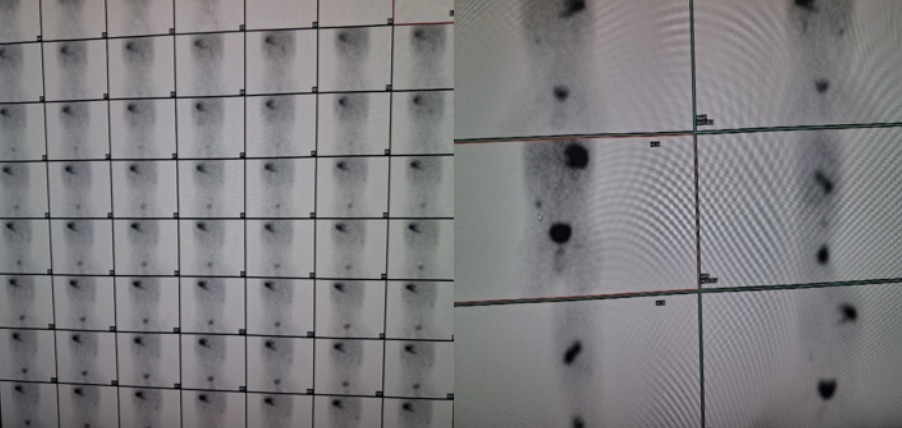
A 10-month-old male infant presented with sudden-onset, large-volume painless bleeding per rectum. He passed bright red blood mixed with clots in significant quantity, leading to hemodynamic instability requiring PICU admission. There was no history of abdominal pain, vomiting, fever, or prior gastrointestinal symptoms.
On examination, the child was pale with tachycardia. Abdominal examination was soft without distension or tenderness. Digital rectal examination revealed fresh blood. Initial hemoglobin was 9.6 g/dL, with microcytic hypochromic features. Total leukocyte count and platelet count were within normal limits.
Resuscitation included intravenous fluids and blood transfusion support. Technetium-99m pertechnetate scintigraphy (Meckel’s scan) demonstrated focal uptake consistent with ectopic gastric mucosa in a Meckel’s diverticulum
The infant underwent surgical resection of the Meckel’s diverticulum. Intraoperatively, an intestinal segment containing the diverticulum (aggregate ~3 × 2 cm) was excised. Histopathology confirmed Meckel’s diverticulum lined by intestinal mucosa with transition to ectopic gastric mucosa (including foveolar epithelium, pyloric and oxyntic glands) along with lymphocytic infiltrate suggestive of meckel’s diverticulum with ectopic gastric mucosa
Postoperatively, the child recovered rapidly with stabilization of hemoglobin and no further bleeding. He was discharged in stable condition and is doing well on followup.
Meckel’s diverticulum (MD) is the most common congenital anomaly of the gastrointestinal tract, with a prevalence of approximately 1–2%1. It classically follows the “rule of 2s” and frequently contains ectopic tissue (most commonly gastric), which can cause acid-induced ulceration and significant bleeding2.
Lesson 1: Clinical Suspicion Sudden, painless, massive lower gastrointestinal bleeding in a previously healthy infant under 2 years of age should raise strong suspicion for bleeding Meckel’s diverticulum3. Differential diagnoses include intussusception, juvenile polyps, or vascular malformations, but the volume and painless nature are highly suggestive. Anemia at presentation is common and supports the diagnosis.
Lesson 2: Diagnostic Imaging Technetium-99m pertechnetate scintigraphy remains a valuable non-invasive tool with high specificity when positive, as it detects ectopic gastric mucosa4. Sensitivity is higher in children with significant ectopic tissue5. A positive scan, as in this case, facilitates timely surgical planning. Negative scans do not completely exclude MD in high clinical suspicion cases.
Lesson 3: Surgical Management and Outcome Definitive treatment is surgical resection, either via diverticulectomy or segmental ileal resection6. Laparoscopic or laparoscopy-assisted approaches are preferred when feasible. Histopathological confirmation of ectopic gastric mucosa is important7. Complete excision typically results in excellent outcomes with no recurrence of bleeding, as observed in this infant8.
This case underscores the importance of prompt recognition, appropriate imaging, and surgical intervention in managing symptomatic Meckel’s diverticulum. It highlights that even in infants approaching one year of age, MD with ectopic gastric mucosa can present dramatically but responds very well to timely management. Broader lessons include maintaining a high index of suspicion for MD in pediatric massive GI bleeding9 and the value of multidisciplinary care.
Treatment By:
Dr. Srijan Singh, Dr. Minu Bajpai, Dr Anuj Dhyani, Dr Karan Ahluwalia, Dr. Prachi Kumar, Dr. Varun Singh Dhull
From Critical Congenital Anomalies to a Thriving Newborn: A Multidisciplinary Neonatal Triumph
The journey of a preterm infant born with multiple life-threatening congenital anomalies represents one of the greatest challenges in modern neonatal medicine. This case highlights the successful management and remarkable recovery of a late preterm baby girl born at 34 weeks of gestation. Admitted with a complex clinical presentation—including Tracheo-Esophageal Fistula (TEF), respiratory distress, a right-sided rib fracture, and a Hemodynamically Significant Patent Ductus Arteriosus (Hs-PDA)—the newborn's recovery stands as a testament to advanced neonatal expertise and seamless multidisciplinary care. Through early diagnosis, timely surgical intervention, advanced intensive care ventilation and meticulous medical management, the infant progressed from a critical condition to becoming clinically stable, feeding orally and gaining weight. Today, her recovery reflects the world-class standard of care delivered by the Neonatal Intensive Care Unit (NICU) at Yashoda Medicity.
The patient, a late preterm female infant, was delivered via Lower Segment Caesarean Section (LSCS) due to maternal polyhydramnios and leaking amniotic fluid. Although she cried immediately after birth following stimulation, routine delivery room assessment revealed an inability to pass a feeding tube into the stomach. An urgent X-ray demonstrated coiling of the feeding tube within the upper oesophageal pouch, confirming the diagnosis of Tracheo-Esophageal Fistula (TEF). This congenital condition, characterised by an abnormal connection between the oesophagus and trachea, carries an immediate risk of aspiration, respiratory failure and inability to feed.
The infant soon developed severe respiratory distress requiring immediate Continuous Positive Airway Pressure (CPAP) support and subsequently mechanical ventilation following surgery. After extubation on the second post-operative day, she developed mild tachypnoea, tachycardia and a continuous cardiac murmur. A repeat echocardiogram confirmed a large Hemodynamically Significant Patent Ductus Arteriosus (Hs-PDA) with a left-to-right shunt, placing significant strain on her cardiovascular system. Managing these multiple complex conditions required close collaboration between the departments of Neonatology, Paediatric Surgery, Paediatric Cardiology and Orthopaedics.
The cornerstone of her recovery was the successful primary surgical repair of the Tracheo-Esophageal Fistula, performed on the fourth day of life by eminent Paediatric Surgeon Dr. Minu Bajpai. Following surgery, the baby received advanced mechanical ventilation using Synchronized Intermittent Mandatory Ventilation (SIMV) with Pressure Support and Volume Guarantee (VG) mode under sedation for five days. This lung-protective ventilation strategy effectively stabilised her respiratory status, allowing safe extubation to Non-Invasive Positive Pressure Ventilation (NIPPV) and gradual weaning to room air by the eighth post-operative day.
The development of a symptomatic Hemodynamically Significant Patent Ductus Arteriosus (Hs-PDA) following extubation required prompt medical management. Simultaneously, stringent infection prevention protocols were maintained throughout the hospital stay. Broad-spectrum intravenous antibiotics were administered empirically for eight days, and the infant remained completely free from sepsis during her admission.
Through meticulous round-the-clock neonatal monitoring and comprehensive multidisciplinary care, the baby achieved an excellent recovery. Her weight increased steadily from 2.168 kg at birth to 2.260 kg at discharge, demonstrating appropriate nutritional progress. On the eighth post-operative day, a fluoroscopic oesophagogram confirmed completely normal swallowing with no evidence of an anastomotic leak, allowing gradual advancement of feeds. She successfully transitioned from orogastric tube feeding to paladai feeds on day nine, established full oral feeding by day fourteen, and was breastfeeding on demand before discharge. At the time of discharge, the infant was neurologically normal, haemodynamically stable, feeding well and had a healthy surgical wound.
A key contributor to this successful outcome was Dr. Minu Bajpai, whose exceptional surgical expertise enabled precise anatomical reconstruction of the oesophagus in this fragile newborn. Her surgical excellence laid the foundation for the infant's complete recovery and long-term well-being.
This remarkable case demonstrates the transformative impact of modern neonatal medicine, where rapid diagnosis, advanced surgical expertise, sophisticated intensive care and coordinated multidisciplinary management can successfully overcome even the most complex congenital conditions, giving vulnerable newborns the opportunity to thrive and lead healthy lives.
Treatment By:
Dr. Minu Bajpai, Dr. Srijan Singh
Overcoming the Odds: A Neonatal Breakthrough in Severe RDS and Life-Threatening PPHN
In a definitive showcase of advanced critical care capabilities, Yashoda Medicity successfully managed and treated a highly volatile clinical crisis involving an early-term neonate suffering from severe Respiratory Distress Syndrome (RDS) and Persistent Pulmonary Hypertension of the Newborn (PPHN).
The male infant was delivered via Lower Segment Caesarean Section (LSCS) at 37 weeks of gestation and was immediately transferred to the Neonatal Intensive Care Unit (NICU) after developing early signs of respiratory distress, including marked nasal flaring, tachypnoea, audible grunting and significant chest wall retractions. On admission, the baby had a Downes score of 4/10, requiring urgent Non-Invasive Positive Pressure Ventilation (NIPPV) with a high oxygen requirement. Initial chest radiographs revealed low-volume lungs, confirming Respiratory Distress Syndrome (RDS) and necessitating immediate advanced neonatal respiratory support.
The infant's condition rapidly became more complex as respiratory distress worsened despite aggressive non-invasive ventilation. The neonatal team promptly administered the first dose of Curosurf® using the advanced Less Invasive Surfactant Administration (LISA) technique, resulting in temporary stabilisation. However, approximately 12 hours later, the baby's condition deteriorated significantly, with oxygen requirements increasing to 50% along with persistent respiratory retractions.
An urgent bedside 2D echocardiography, performed by Dr. Gaurav Kumar, Paediatric Cardiologist, revealed severe pulmonary arterial hypertension (PAH) with a dilated right atrium and right ventricle, a moderate-sized Patent Ductus Arteriosus (PDA) and an aneurysmal interatrial septum. At the same time, a repeat chest X-ray demonstrated progression to Grade 3 Respiratory Distress Syndrome, indicating worsening lung disease complicated by secondary Persistent Pulmonary Hypertension of the Newborn (PPHN).
Faced with these life-threatening complications, the multidisciplinary team immediately intubated the neonate, initiated Volume-Guaranteed (VG) mechanical ventilation, provided targeted sedation and administered a second dose of surfactant.
The success of this delicate recovery was led by the meticulous clinical expertise of Dr. Srijan Singh, Consultant Neonatologist, whose precise management of neonatal haemodynamics and advanced ventilator strategies proved lifesaving. Following the second dose of surfactant, the infant showed remarkable improvement, with oxygen requirements falling to 30% and arterial blood gas parameters returning to normal.
A follow-up echocardiogram performed within 24 hours confirmed complete resolution of severe pulmonary hypertension. This significant improvement allowed successful extubation back to NIPPV, followed by gradual weaning to Continuous Positive Airway Pressure (CPAP) over the next 48 hours. The infant was subsequently transitioned off all respiratory support and maintained stable spontaneous breathing.
By the eighth day of life, the newborn had made a complete recovery from severe Respiratory Distress Syndrome (RDS) and Persistent Pulmonary Hypertension of the Newborn (PPHN). The baby demonstrated normal neurological status, steady weight gain and complete haemodynamic stability, and was discharged in excellent health.
This case highlights the exceptional standard of neonatal intensive care at Yashoda Medicity, demonstrating how early diagnosis, timely surfactant therapy, advanced ventilatory support and coordinated multidisciplinary care can successfully manage even the most complex neonatal emergencies, leading to outstanding clinical outcomes.
Treatment By:
Dr. Srijan Singh, Dr. Gaurav Kumar
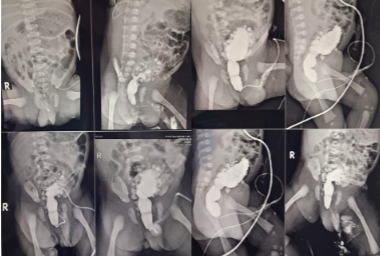
Rare Anterior Urethral Diverticulum Unmasked After Posterior Urethral Valve Ablation in a Male Infant
Posterior urethral valves (PUV) represent the most common cause of congenital bladder outlet obstruction in male infants(1,2). In contrast, anterior urethral valves (AUV) and associated congenital anterior urethral diverticula (CAUD) are rare, occurring 15–30 times less frequently(3). The coexistence of both proximal (PUV) and distal (AUV/CAUD) obstructions poses unique diagnostic challenges because the dominant proximal lesion can limit distension and mask the distal anomaly until after ablation(4). Literature indicates that such combined anomalies may present with persistent or recurrent obstructive symptoms, urinary tract infections (UTIs), and upper tract deterioration post-PUV management(4–6). Early recognition via imaging (e.g., MCU) and cystoscopy is critical to prevent complications such as progressive renal damage, bladder dysfunction, or recurrent infections. This report describes a case of an anterior urethral diverticulum unmasked after PUV ablation, successfully managed with surgical reconstruction.
Case Report:
A 2-month-old male infant, born at term via normal vaginal delivery with unremarkableantenatal history, was referred as a follow-up case of PUV. On day 6 of life, he underwent cystoscopic ablation of PUV at our center for obstructive uropathy. Preoperative MCU on day2 of life demonstrated classic PUV findings . He presented at 2 months with high-grade fever (up to 102°F), poor urinary stream, dribbling, intermittent penile swelling that reduced after micturition, and dysuria. No hematuria, constipation, or neurological deficits were reported. Family history was unremarkable. On examination, the infant was irritable with mild dehydration. Abdominal palpation revealed a distended bladder. Genital examination showed ventral penile swelling that partially decompressed post-voiding . No hypospadias or other anomalies were noted. Vital signs were stable aside from fever. Labs showed leukocytosis, elevated C-reactive protein, and urine culture positive for Klebsiella pneumoniae (sensitive to targeted antibiotics). Mild azotemia was present. Ultrasonography confirmed bilateral
hydroureteronephrosis and thickened bladder wall.
After stabilization with antibiotics and bladder drainage, a repeat MCU demonstrated a
saccular outpouching consistent with an anterior urethral diverticulum/valve, delayed
emptying, residual dilated posterior urethra, trabeculated bladder, and bilateral grade III–IV
vesicoureteral reflux (VUR) or hydroureteronephrosis . The distal
anomaly had been masked by the prior proximal obstruction.
Following resolution of infection, the infant underwent cystoscopy and urethroplasty under
general anesthesia. Intraoperative findings confirmed a significant anterior urethral
diverticulum with a valve-like membrane. The base of the diverticulum was carefully incised
to create a controlled fistula for decompression of the obstructed system . This will
be followed by meticulous urethroplasty: excision of redundant diverticular tissue,reconstruction of the urethral continuity using fine absorbable sutures to ensure a wide caliber
lumen without tension, and multilayer closure to support the repair.
The patient remained stable perioperatively. He was monitored for 24 hours with analgesia
and prophylactic antibiotics. He was discharged on postoperative day 14, afebrile, feeding
well, gaining weight, and voiding with a good stream. Follow-up ultrasonography showed
improving hydroureteronephrosis. Long-term surveillance for renal function, bladder
dynamics, and stricture is planned.
Discussion:
The association of anterior urethral diverticulum/valve with PUV is rare, with limited cases
reported(7). The proximal PUV restricts distal urethral filling, often delaying manifestation of
the anterior lesion until after ablation(4). Persistent symptoms post-PUV treatment should
prompt evaluation for concomitant distal anomalies(7).
MCU is the gold standard for diagnosis, revealing the diverticular outpouching, “spinning
top” urethra, and associated VUR or hydronephrosis(8,9). Cystoscopy confirms the valve-like
membrane and diverticulum(7).
Management is individualized based on size and tissue support. Small valves may respond to
endoscopic fulguration or laser ablation. Larger saccular diverticula, as in this case, require
open diverticulectomy and urethroplasty to excise redundant tissue, reconstruct continuity,
reduce dead space, and prevent complications (e.g., stones, recurrent infection, or
stricture)(3,10). Techniques range from primary anastomosis to staged repairs or substitution
urethroplasty in complex cases(11–13).
This case achieved excellent short-term outcomes with controlled decompression and
meticulous reconstruction. Potential complications of untreated CAUD include renal
deterioration and bladder decompensation(14,15). Thorough endoscopic evaluation and
individualized surgery are essential.
Treatment By:
Dr. Minu Bajpai, Dr. Srijan Singh
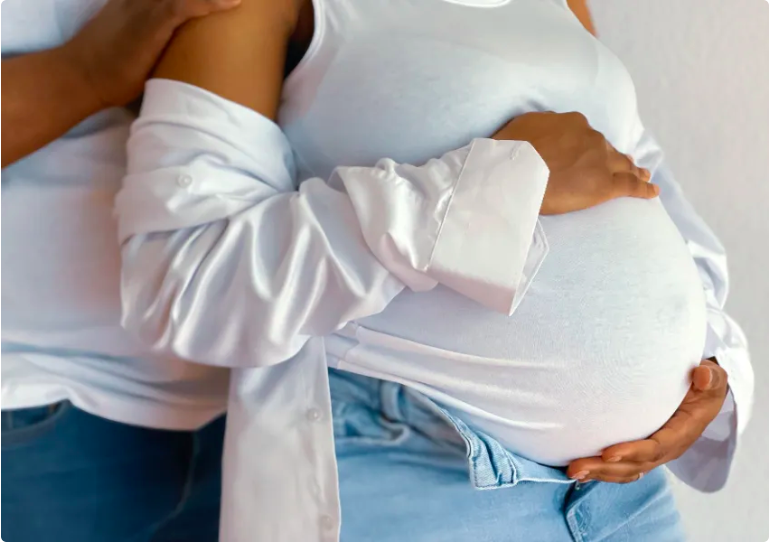
Complete Duodenal Obstruction Due to Transmesenteric Internal Bowel Herniation and Congenital Bands: A Lifesaving Neonatal Intervention
In a remarkable clinical milestone that underscores the power of swift, multidisciplinary intervention, Yashoda Medicity successfully managed and treated a highly critical, life-threatening congenital anomaly in a 4-day-old neonate. The male infant, Baby of Pushpa, was admitted to the Neonatal Intensive Care Unit (NICU) following a critical referral, presenting with an acute history of multiple episodes of bilious vomiting, significant abdominal distension, and sluggish bowel sounds. Recognizing the extreme urgency of the situation, the clinical team immediately initiated stabilization protocols, making the baby nil per os (NPO), commencing intravenous fluid resuscitation, administering empirical antibiotics, and inserting a nasogastric/orogastric tube. Initial abdominal radiographs revealed a severely dilated stomach paired with a concerning gasless abdomen, signaling a high-grade gastrointestinal obstruction that required immediate expert diagnostic elucidation and surgical evaluation.
The case rapidly transformed into a collaborative triumph through the immediate involvement of the hospital's elite pediatric medical leadership. Dr. Minu Bajpai, an eminent and veteran pediatric surgeon whose vast experience and decisive clinical acumen are widely recognized, was promptly consulted to guide the surgical trajectory. Dr. Bajpai recommended a gastrograffin contrast study, which definitively demonstrated a complete mechanical obstruction at the level of the second part of the duodenum alongside proximal gastro-duodenal dilatation. Armed with this critical insight, Dr. Bajpai led the surgical team in performing an emergent exploratory laparotomy. The intraoperative findings revealed a rare and treacherous internal internal herniation of the small bowel through the transverse mesocolon, compounded by restrictive congenital bands compromising the second part of the duodenum. With meticulous precision, the surgical team divided the bands and successfully achieved complete deherniation of the entrapped bowel, resolving the primary anatomical crisis.
Following the intricate surgical procedure, the complex task of critical post-operative management fell to the highly accomplished neonatologist, Dr. Srijan Singh, whose specialized dedication to neonatal intensive care proved pivotal to the infant’s survival. Dr. Singh orchestrated a comprehensive, advanced recovery plan in the NICU, keeping the fragile neonate NPO and introducing Total Parenteral Nutrition (TPN) via a peripherally inserted central catheter (PICC) line to sustain metabolic demands. Under Dr. Singh’s vigilant oversight, the baby received tailored mechanical ventilation for 36 hours before being successfully extubated to room air. Dr. Singh ordered a repeat gastrograffin study, which confirmed a perfectly patent, non-obstructed post-operative duodenum with excellent contrast passage.
The synergistic collaboration between the surgical prowess of Dr. Minu Bajpai and the meticulous, expert neonatal care of Dr. Srijan Singh ensured a flawless trajectory toward recovery. Over the subsequent days, enteral feeds were gradually advanced, the post-operative sepsis screen remained entirely negative, and blood cultures proved sterile, allowing the safe discontinuation of intravenous antibiotics. By the tenth post-operative day, the infant demonstrated a complete clinical turnaround—actively accepting full breastfeeds and paladai feeds, passing normal stools without any vomiting, and steadily gaining weight. The infant was discharged in a hemodynamically stable condition with a healthy, healing surgical site. This extraordinary breakthrough highlights the world-class neonatal and pediatric surgical capabilities available at Yashoda Medicity, showcasing how seamless teamwork, clinical expertise, and cutting-edge intensive care can rewrite the medical outcomes for the most vulnerable patients.
Treatment By:
Dr. Minu Bajpai, Dr. Srijan Singh
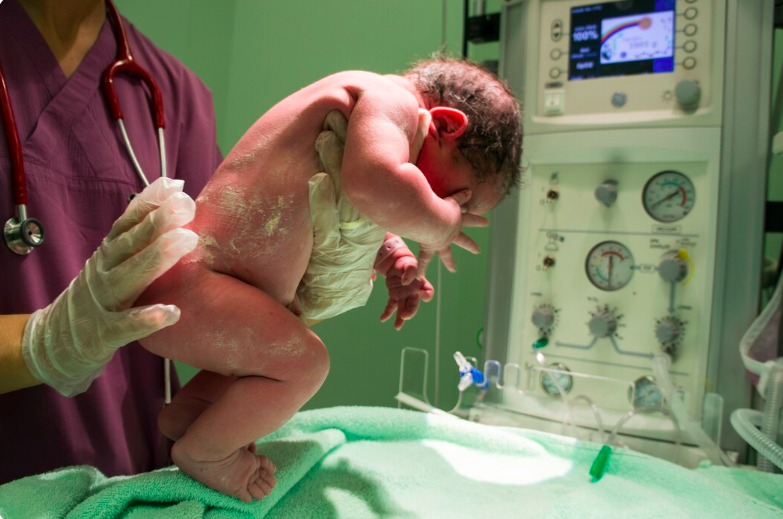
A primigravida mother with pregnancy-induced hypertension (PIH) and deranged antenatal Dopplers (reversal of flow in ductus venosus) delivered baby via emergency LSCS at 30 weeks. Baby had extremely low birth weight (900 grams) and had been diagnosed with severe fetal growth restriction (FGR) antenatally and presented with perinatal depression and respiratory distress immediately after birth.
Neonatal Course & Challenges: This extremely preterm, extremely low birth weight (ELBW) infant faced several serious complications typical of extreme prematurity:
Despite these multiple challenges, the baby showed remarkable resilience.
Multidisciplinary Management: Under the leadership of Dr. Srijan Singh, the NICU team at Yashoda Medicity provided comprehensive, evidence-based care:
The baby remained hemodynamically stable in the later part of the stay, achieved full oral (paladai) feeds, and maintained temperature and vitals without support.Baby was neurologically normal at discharge and gaining weight. Baby did not have any ROP, BPD or IVH.
Treatment By:
Dr. Srijan Singh, Dr. Samreen Zehra
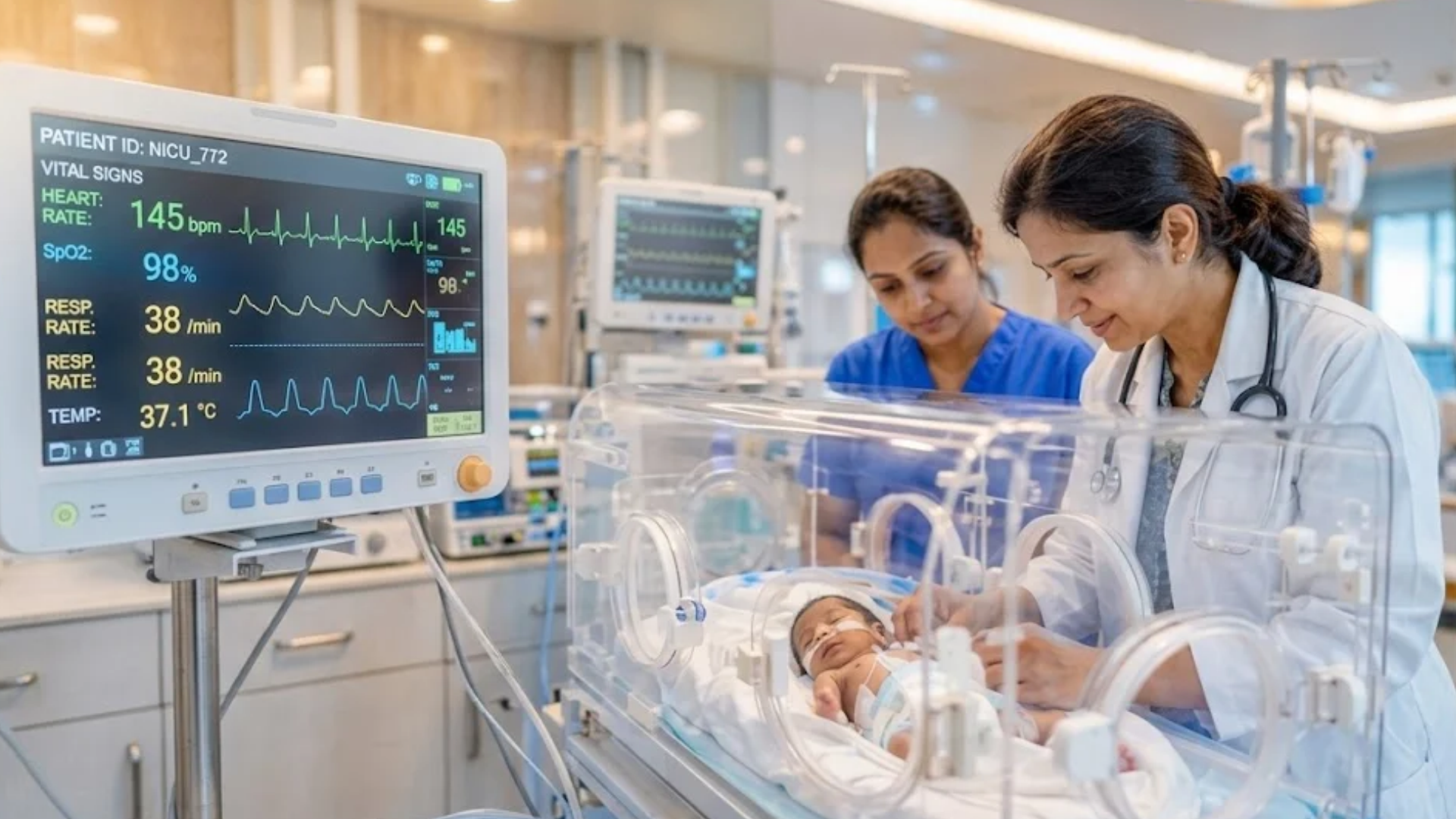
Advanced neonatal care plays a critical role in improving survival and long-term outcomes for extremely preterm infants. In a recent case, our multidisciplinary team successfully managed the delivery and care of a baby boy born at just 26 weeks of gestation, weighing under 800 grams.
The newborn required immediate respiratory support and was admitted to a Level III Neonatal Intensive Care Unit (NICU), where he received round-the-clock monitoring and specialised care. Through meticulous medical management and dedicated nursing support, the baby demonstrated consistent progress over the course of treatment.
He was discharged in a stable condition, breathing independently and feeding well, marking a significant milestone in his recovery journey.
This case was led by Dr. Neha Agrawal, Consultant – Pediatrics & Neonatology; Dr. J.B. Sharma, Principal Director & Head – Obstetrics and Gynaecology; Dr. Namita Nigam Datta, Senior Consultant – Obstetrics and Gynaecology; and Dr. Nisha, Consultant – Obstetrics & Gynaecology, alongside our experienced nursing and clinical teams.
It reflects the strength of coordinated clinical expertise, advanced neonatal infrastructure, and a commitment to delivering specialised care focused on giving every newborn the best possible start in life.
Treatment By:
Dr. Neha Agrawal, Dr. J.B. Sharma, Dr. Namita Nigam Datta, Dr. Nisha

A 7-year-old girl presented with persistent pain in the right knee for two months. Initial investigations, including X-ray and MRI, raised suspicion of a malignant lesion in the distal femur near the knee joint.
A biopsy confirmed the diagnosis of osteosarcoma, a rare bone malignancy seen in children and adolescents. A metastatic workup was conducted to assess disease spread, which showed no evidence of metastasis.
The patient was initiated on a structured treatment protocol involving multiple cycles of neoadjuvant chemotherapy, followed by planned surgical intervention and postoperative chemotherapy.
After completion of four chemotherapy cycles, repeat imaging demonstrated a favorable response, and surgical management was undertaken. Considering the child’s age and significant remaining growth potential, the key challenge was to achieve oncological clearance while preserving future limb growth.
A customised expandable prosthesis was designed for the patient to accommodate longitudinal bone growth through future length adjustments. The surgical procedure was completed successfully, and the postoperative course remained stable and uneventful.
The patient continues under follow-up, with the focus on long-term recovery, functional preservation, and support for normal growth and development.
Treatment By:
Dr. Nikhil Tandon

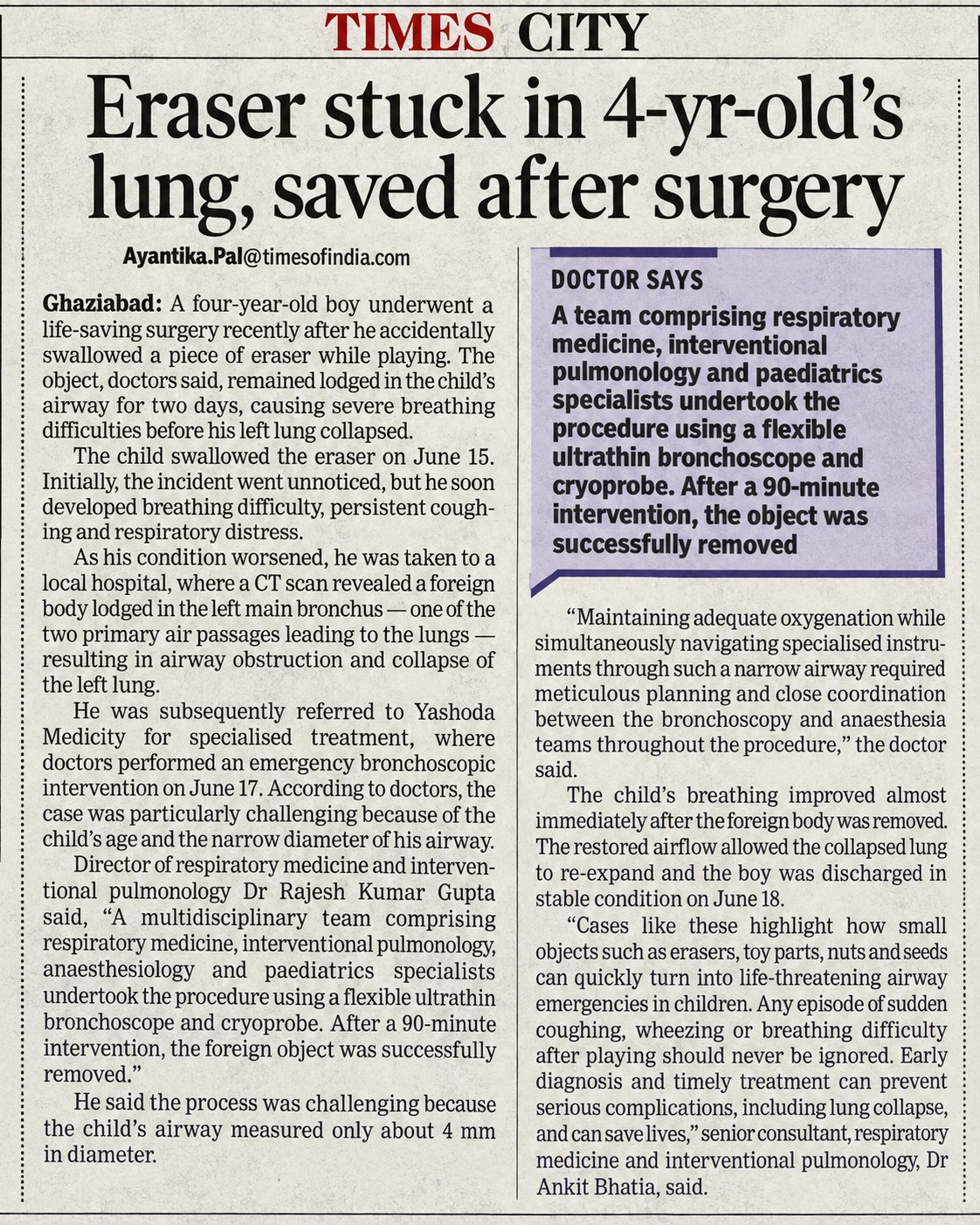
Advanced Bronchoscopic Intervention at Yashoda Medicity Removes Eraser from 4-Year-Old's Airway, Restores Collapsed Lung.
Doctors at Yashoda Medicity successfully saved a 4-year-old child after a piece of eraser became lodged in his left main bronchus, causing near-complete airway obstruction and collapse of the left lung. The 4-year old child accidentally inhaled the eraser while playing nearly two days before reaching the hospital.
An emergency bronchoscopic procedure was performed using a flexible ultrathin bronchoscope and cryoprobe. The multidisciplinary team included Dr Rajesh Kumar Gupta, Director; Dr Ankit Bhatia, Senior Consultant in Respiratory Medicine and Interventional Pulmonology; Dr Lokesh, Principal Director & HOD of Anesthesiology & Critical Care; and Dr (Maj) Shaifali Bhatia, Senior Consultant - Paediatrics & Neonatology.
During the 90-minute procedure, doctors successfully removed the eraser and restored airflow to the collapsed lung. The intervention was particularly challenging because the child's airway measured only about 4 mm in diameter, requiring precise airway management and close coordination between the bronchoscopy and anaesthesia teams.
Speaking about the case, Dr Rajesh Kumar Gupta, Director, Respiratory Medicine and Interventional Pulmonology, Yashoda Medicity, said, “This was a particularly challenging procedure because the child’s airway measured only about 4 mm in diameter. Maintaining adequate oxygenation while simultaneously navigating specialized instruments through such a narrow airway required meticulous planning and close coordination between the bronchoscopy and anaesthesia teams over a 90-minute procedure.
Dr Ankit Bhatia, Senior Consultant, Respiratory Medicine & Interventional Pulmonology, said, “Cases like these highlight how small objects such as erasers, toy parts, nuts, and seeds can quickly turn into life-threatening airway emergencies in children. Any episode of sudden coughing, wheezing, or breathing difficulty after playing should never be ignored. Early diagnosis and timely treatment can prevent serious complications, including lung collapse, and can save lives.”
Describing the ordeal as one of the most frightening experiences for the family, the child's parent said, “Watching him struggle to breathe was one of the most frightening experiences for our family. We are deeply grateful to the doctors and medical team at Yashoda Medicity for their timely intervention, expertise, and constant support throughout the treatment. Knowing that specialists from different disciplines were working together and that advanced facilities were available gave us immense confidence during a very difficult time. We hope other parents learn from our experience and seek immediate medical attention if a child develops persistent coughing, wheezing, or breathing difficulty after inhaling or choking on a small object.”
Following removal of the foreign body, the child's breathing improved immediately. Airflow to the left lung was restored, allowing the collapsed lung to re-expand. The child recovered well and was discharged in stable condition on 18 June 2026.
Doctors emphasized that young children are particularly vulnerable to accidentally inhaling small objects during play. In this case, the foreign body had already caused the collapse of the left lung. Further delay in treatment could have resulted in severe infection, persistent lung collapse, irreversible lung damage, respiratory failure, and potentially life-threatening complications.
The successful outcome underscores the importance of timely diagnosis, advanced bronchoscopic expertise, specialized equipment, and a multidisciplinary approach in managing complex airway emergencies in children. Yashoda Medicity remains committed to providing comprehensive, advanced interventional pulmonology and critical care services, backed by state-of-the-art technology and specialist teams capable of handling complex medical emergencies across age groups.
Treatment By:
Dr Rajesh Kumar Gupta, Director; Dr Ankit Bhatia, Dr Lokesh; and Dr (Maj) Shaifali Bhatia.

A G6A5L0 mother with an IVF-conceived pregnancy had a history of threatened abortion and intrauterine demise of Twin A at 22 weeks of gestation.
Twin B, a 24-week gestation male/female preterm neonate weighing 650 g, was delivered by emergency LSCS in view of placental abruption. The baby cried immediately after birth but developed severe respiratory distress and was promptly shifted to the Level III NICU for intensive care.
The neonate received three doses of surfactant therapy and required invasive mechanical ventilation for 7 days, followed by non-invasive respiratory support, with gradual weaning to room air. Enteral feeding was initially limited due to feed intolerance, and the baby remained on total parenteral nutrition (TPN) until full enteral feeds were successfully established by Day 18 of life.
During the NICU stay, the baby was treated with intravenous antibiotics for 2 weeks for sepsis. Subsequently, the baby developed fungal sepsis, which was successfully managed with appropriate antifungal therapy.
Serial cranial ultrasonography was performed as per protocol and showed no evidence of intraventricular hemorrhage (IVH) or periventricular leukomalacia (PVL).
ROP screening was initially normal. However, at 33 weeks postmenstrual age, the baby developed pre-plus disease in Zone II, which required laser photocoagulation therapy. Subsequent follow-up examinations documented satisfactory regression of ROP.
The baby also required packed red blood cell (PRBC) transfusion during the hospital stay for anemia of prematurity.
The case was successfully managed by a multidisciplinary team comprising Dr. Minu Bajpai, Dr. J.B. Sharma, Dr. Neha, Dr. Samreen, Dr. Divya Arora, Dr. Ayush Jain, and Dr. Nisha.
After a prolonged NICU stay of 78 days, the baby was discharged in a clinically stable condition on room air, tolerating spoon feeds and breastfeeding well, with a discharge weight of 1,625 g.
Treatment By:
Dr Neha Agrawal (Consultant Neonatologist ) and NICU team.

A professional WWE wrestler sustained a knee injury during a wrestling bout while on tour in India, resulting in acute pain, instability, and inability to continue performance. Clinical and radiological evaluation confirmed an anterior cruciate ligament (ACL) tear along with a concomitant meniscus injury.
He was evaluated by the orthopaedic team, led by Dr. Brajesh Koushle, and was advised to undergo surgical intervention to restore knee stability and enable early return to high-impact activity. Given the functional demands of a professional athlete, a minimally invasive, precision-driven approach was planned.
The patient underwent arthroscopic ACL reconstruction using an advanced Xiros ligament system, along with an all-inside meniscus repair. The procedure was performed using keyhole techniques, ensuring minimal tissue disruption and optimal anatomical restoration.
Postoperatively, the patient showed rapid recovery. Early mobilisation was initiated, and he was able to bear weight and walk on both limbs from the very next day. With structured rehabilitation, he is on track for a timely return to professional wrestling within a few weeks.
Treatment By:
Dr. Brajesh Koushle and Team

A 71-year-old female from Kazakhstan presented with persistent hip pain and a limp, significantly affecting her mobility and quality of life. She had a history of prior fracture fixation surgery of the left hip, which had failed over time, leading to joint deterioration, chronic pain, and functional limitation.
On clinical and radiological evaluation, the left hip joint was found to be severely compromised due to failed implant fixation. She was assessed by the orthopaedic team, who recommended revision hip arthroplasty as the definitive treatment, given the extent of joint damage and prolonged disability.
The patient underwent a complex revision procedure involving the removal of the existing implant with careful preservation of bone stock, followed by a revision total hip replacement. The surgery required meticulous planning and execution due to altered anatomy and previous surgical intervention.
Postoperatively, the patient demonstrated excellent recovery. Early mobilisation was initiated, and she was able to take her first steps the following day with a stable, pain-free gait. After nearly two decades of impaired mobility, she achieved independent ambulation without a limp and was discharged in stable condition.
Treatment By:
Dr. Brajesh Koushle, Dr. Gaurav Thakral, and Team

A 59-year-old female from Comoros presented with severe bilateral knee dysfunction and associated implant-related complications. She had a Grade 3 valgus deformity with advanced osteoarthritis, a failed primary total knee replacement of the left knee, and significant implant impingement at the left ankle, resulting in marked pain and restricted mobility.
She was evaluated by the orthopaedic team at Yashoda Medicity led by Dr. Brajesh Koushle and Dr. Gaurav Thakral, at Yashoda Medicity. Given the complexity of her condition and functional limitations, a comprehensive surgical plan was formulated.
The patient underwent primary total knee replacement of the right knee, revision total knee replacement of the left knee, and removal of the impinging implant from the left ankle in the same sitting. The surgery was successfully completed with meticulous intraoperative management.
Postoperatively, the patient showed excellent recovery. Early mobilisation was initiated, and she was able to stand and walk from the first post-operative day. She was discharged in a stable condition, walking unassisted and with significant improvement in functional outcomes.
Treatment By:
Dr. Brajesh Koushle, Dr. Gaurav Thakral, and Team

A 65-year-old female, a known carcinoma colon survivor, presented with altered sensorium, severe headache, diplopia, and worsening vision.
On arrival, she was drowsy, disoriented, with gaze palsy, hemianopia, and significantly elevated blood pressure. MRI brain revealed a large left occipital tumor with acute haemorrhage, requiring emergency intervention.
She underwent urgent craniotomy with total tumor excision and evacuation of the hematoma. The surgery was completed successfully.
Post-operatively, she showed rapid and remarkable recovery, with significant improvement in neurological status. She was discharged in four days and, at one-week follow-up, was walking independently with restored clarity of vision and no headache.
Her recovery was exceptional for the extent of pathology and age, with neurological improvement far exceeding expected timelines.
Treatment By:
Dr. Rajinder Kumar

Advanced otology and cochlear implant surgery play a critical role in restoring hearing in patients with severe to profound hearing loss. At Yashoda Medicity, Mr. Raghav, a 45-year-old male, developed progressive hearing impairment following a road traffic accident a year ago, during which he sustained multiple injuries and underwent repeated surgeries. Over time, he experienced worsening bilateral hearing loss, with limited benefit from hearing aids. Evaluation suggested ototoxicity as the likely cause, resulting in irreversible inner ear damage.
After detailed assessment, cochlear implant surgery was performed for his worse ear. The procedure was completed successfully, and the patient was discharged the next day in stable condition. The device was activated on the fifth postoperative day, following which he showed significant improvement in hearing and communication.
He is now able to interact comfortably with his family and participate in conversations, reflecting a marked improvement in quality of life.
Treatment By:
Dr Shashank Vashist.

Advanced minimally invasive surgery plays a critical role in managing complex abdominal conditions, enabling precise intervention with faster recovery and reduced surgical impact. At the Yashoda Institute of Minimal Access, Robotic and Bariatric Surgery (MARBS), a 38-year-old male presented with low-grade adenocarcinoma of the colon, with mucosal extension and partial luminal obstruction.
Following preoperative optimisation in coordination with the Gastroenterology team, the patient underwent a laparoscopically assisted left limited hemicolectomy with partial mesocolon excision.
The colocolic anastomosis was completed through a small 2-inch subcostal incision, maintaining a minimally invasive approach while ensuring surgical precision. The postoperative course was uneventful, and the patient was discharged in a stable condition on Day 5.
This case reflects the strength of a minimally invasive surgical approach in managing complex cases, enabling effective treatment with faster recovery and improved patient outcomes.
Treatment By:
Dr. P.K. Dewan, Dr. Abhimanyu Dewan, Dr. Ismail Khan, and Dr. Pooja

Advanced minimally invasive surgery plays a critical role in managing complex surgical cases that are often considered high-risk. At the Yashoda Institute of Minimal Access, Robotic and Bariatric Surgery (MARBS), a 45-year-old male presented with severe epigastric pain and was diagnosed with acute calculous cholecystitis. He had previously consulted multiple surgeons for a routine laparoscopic cholecystectomy but was declined due to a large laparotomy scar from a prior splenectomy and the presence of portal hypertension.
After careful evaluation, a completely laparoscopic approach was planned despite the surgical challenges. The procedure was performed with precision, successfully navigating the complexities associated with prior surgery and altered anatomy.
The surgery was completed successfully, and the patient had an excellent postoperative recovery. He was discharged in a stable condition on Day 2 following the procedure.
This case was led by Dr. P.K. Dewan, along with Dr. Abhimanyu Dewan, Dr. Ismail Khan, and Dr. Pooja, supported by the experienced surgical and nursing teams.
It reflects the strength of advanced laparoscopic expertise in safely managing complex and previously declined cases, enabling effective treatment with faster recovery and improved patient outcomes.
Treatment By:
Dr. P.K. Dewan, Dr. Abhimanyu Dewan, Dr. Ismail Khan, and Dr. Pooja

Advanced minimally invasive surgery plays a critical role in managing complex cases with high surgical risk, offering safer outcomes and faster recovery. In a recent breakthrough case at the Yashoda Institute of Minimal Access, Robotic and Bariatric Surgery (MARBS), a 73-year-old patient with chronic liver disease and portal hypertension, along with diabetes, hypertension, and severe anemia due to hypersplenism, was successfully treated. The patient had been dependent on repeated blood transfusions, with increasing frequency over the past two years.
After a detailed clinical evaluation, a laparoscopically assisted splenectomy was planned as a definitive treatment. The procedure was performed using a minimally invasive approach, enabling precise removal of the enlarged spleen while minimising surgical stress in a high-risk patient.
The surgery was completed successfully, and the patient had an uneventful postoperative recovery. Following the procedure, the need for repeated blood transfusions was effectively resolved, marking a significant improvement in the patient’s clinical condition.
This case was led by Dr. P.K. Dewan, along with Dr. Abhimanyu Dewan, Dr. Ismail Khan, and Dr. Pooja, supported by the experienced surgical and nursing teams.
It reflects the strength of advanced laparoscopic techniques in managing complex conditions, offering definitive treatment while reducing complications and supporting improved quality of life for patients.
Treatment By:
Dr. P.K. Dewan, Dr. Abhimanyu Dewan, Dr. Ismail Khan, and Dr. Pooja

Advanced endoscopic care plays a critical role in managing complex pancreatic conditions, offering effective non-surgical alternatives with reduced risk and faster recovery. In a recent case, our team successfully treated a 68-year-old male with a history of pancreatitis, who presented with severe upper abdominal pain, signs of infection, gastric outlet narrowing, and jaundice. He was found to have a large pancreatic walled-off necrosis measuring 8 × 9 cm on admission.
A structured, stepwise approach was followed. On Day 1, imaging, including CECT abdomen and endoscopic ultrasound, was performed to assess the extent of the collection. On Day 2, a lumen-apposing metal stent (LAMS) was placed through the gastric lumen into the pancreatic collection, allowing significant internal drainage.
On Day 5, the team accessed the collection through the same route and removed the damaged tissue, followed by reassessment and further clearance on Day 8 to ensure healthy healing. The stent was managed in stages, with removal of the metallic stent and replacement with a plastic stent on Day 25 to support recovery.
By Day 40, the patient had completely recovered and continues to remain stable on follow-up.
This case reflects the strength of a minimally invasive, stepwise approach in treating complex pancreatic necrosis. It avoids major surgery while ensuring effective recovery and improved patient outcomes.
Treatment By:
Dr. Rajesh Upadhyay, Dr. V. S. Gaurav Narayan, and Dr. Priyanka Ramnivas Ojha

A 27-year-old patient diagnosed with advanced-stage T-cell lymphoma presented for specialised evaluation and management. Given the aggressive nature of the disease, a detailed clinical assessment and a structured treatment plan were undertaken by the expert team.
The patient was treated with high-dose chemotherapy followed by an autologous stem cell transplant, a well-established approach for managing advanced hematological malignancies. The treatment was carried out under the expertise of Dr. Nivedita Dhingra, Director & Head – Hematology, Hemato-Oncology and Bone Marrow Transplant (Adult & Pediatrics), along with Dr. Karuna Jha, Senior Consultant – Hematology, Hemato-Oncology and Bone Marrow Transplant (Adult & Pediatrics), supported by the dedicated BMT team.
The treatment protocol was designed to achieve optimal disease control while ensuring patient safety. High-dose chemotherapy helped target and eliminate malignant cells, followed by stem cell reinfusion to restore healthy bone marrow function.
The patient responded well to the treatment and was closely monitored throughout the recovery phase, demonstrating a stable clinical course post-procedure.
This case highlights the importance of a protocol-based, multidisciplinary approach in managing rare and complex lymphomas, combining clinical expertise with advanced transplant capabilities to achieve effective outcomes.
Treatment By:
Dr. Nivedita Dhingra & Dr. Karuna Jha

A patient with a long-standing history of lymphedema in her right arm since 2014 presented with persistent swelling and concerning changes in the affected limb. Clinical evaluation and further investigations, including PET scan and FNAC, confirmed the presence of a rare and aggressive malignancy involving the cutaneous and subcutaneous tissues of the forearm, diagnosed as lymphangiosarcoma.
Given the complexity of the condition and the risk to limb function, a carefully planned, patient-centric treatment approach was undertaken under the care of Dr. Manish Singhal, Vice Chairman – Medical Oncology, Yashoda Institute of Cancer Care.
The patient was treated with a combination of advanced chemotherapy and targeted therapy. The treatment was precisely tailored to control disease progression while prioritising limb preservation.
She responded well to therapy, with effective disease control achieved without the need for amputation. The limb was successfully preserved, maintaining both function and quality of life.
This case highlights the role of precision oncology and timely intervention in managing rare and challenging cancers, demonstrating how advanced treatment strategies can achieve optimal outcomes while preserving function and improving patient well-being.
Treatment By:
Dr. Manish Singhal

A 78-year-old male patient presented with difficulty in swallowing and a small growth at the base of the tongue. Initial evaluation, including biopsy and imaging, confirmed a malignancy involving the tongue along with an affected lymph node in the neck.
As part of routine staging, a whole-body scan revealed an additional lesion in the upper lobe of the lung with associated chest lymph nodes. Further evaluation confirmed this to be a second, unrelated primary cancer. This rare presentation of two simultaneous primary cancers required a carefully coordinated and highly specialised treatment approach.
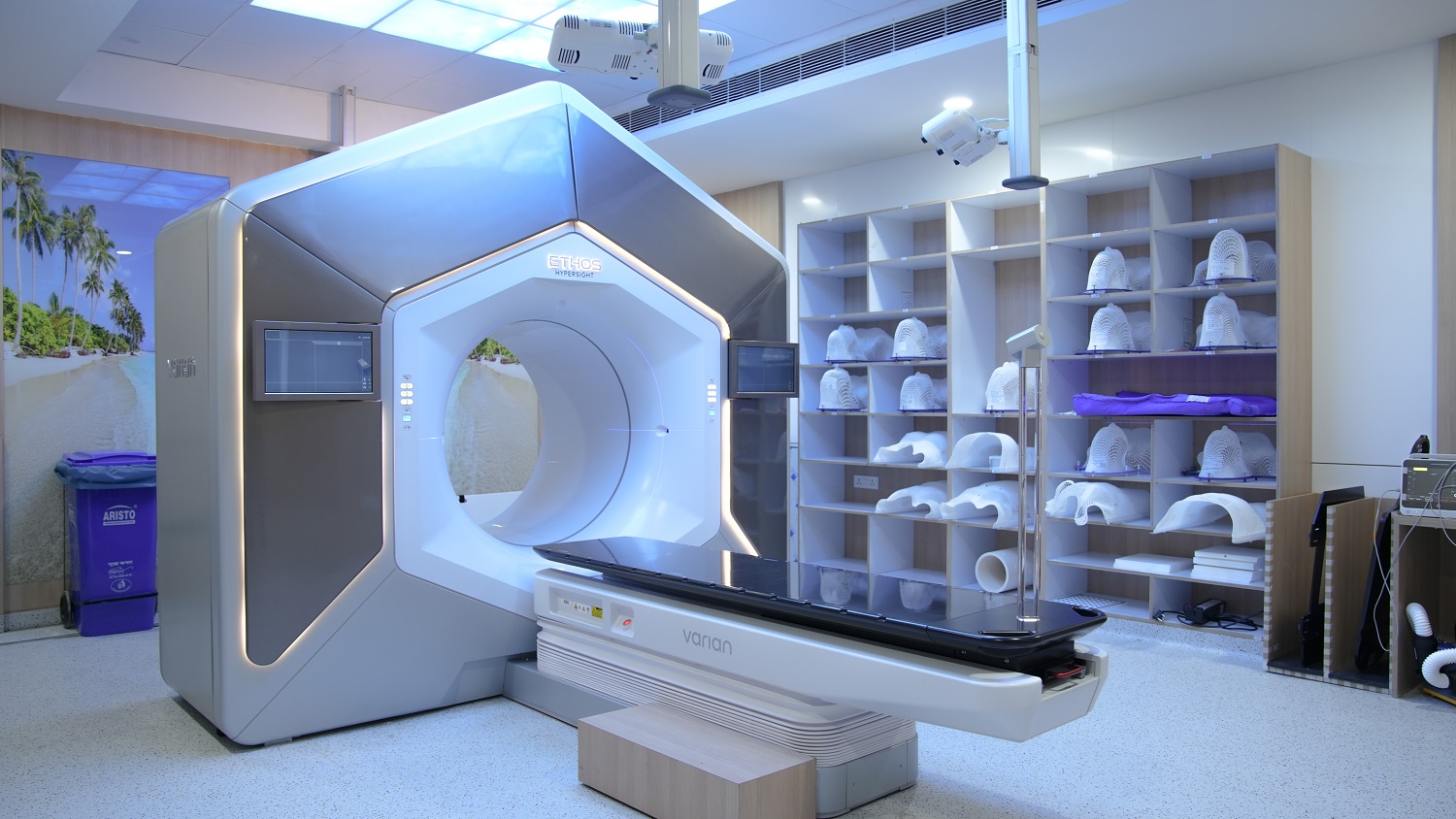
After a detailed assessment by a multidisciplinary team, a comprehensive treatment plan was developed with curative intent. The patient was treated using advanced adaptive radiotherapy, a technique that allows real-time adjustments to radiation delivery based on daily imaging and anatomical changes, ensuring high precision and safety.
Both cancers were treated concurrently. The lung and chest lymph nodes received a planned course of radiation over six weeks, while the tongue and neck region were treated over seven weeks. Each session was guided by high-resolution imaging, enabling accurate targeting of the tumours while preserving surrounding healthy structures. The patient completed the treatment successfully with good tolerance. He showed a steady recovery and continues to remain stable on follow-up.
This case highlights the power of advanced radiation technology and multidisciplinary expertise in managing rare and complex cancer presentations.
Treatment By:
Dr. Gagan Saini

A 55-year-old woman diagnosed with advanced high-grade serous ovarian cancer presented after completing three cycles of neoadjuvant chemotherapy. She had responded well to treatment, with imaging showing significant disease resolution and tumour markers returning to normal levels. Following a comprehensive evaluation, she was planned for interval debulking surgery combined with Heated Intraperitoneal Chemotherapy (HIPEC).
After detailed counselling and preoperative optimisation, the patient underwent surgery under the care of the expert team. A meticulous cytoreductive procedure was performed to remove all visible disease, followed by the administration of HIPEC, a targeted chemotherapy delivered directly into the abdominal cavity using specialised equipment over a controlled duration. The entire procedure was carried out with precise monitoring and a highly coordinated approach.
Postoperatively, the patient was closely monitored with a structured care protocol, including optimal fluid management and regular assessment of clinical parameters to support recovery.
The patient demonstrated a smooth and steady recovery and was discharged in stable condition on the eighth postoperative day. She continues to do well on follow-up.
This case marks a significant milestone as one of the successful HIPEC procedures performed at Yashoda Medicity, highlighting the team’s expertise in delivering advanced oncological care with precision and safety.
Treatment By:
Dr. Satinder Kaur, Dr. Hemlata Garg, and Dr. Ipshita Sahoo

A 30-year-old woman presented with abdominal fullness and on/off pain for the last 3 months, without any menstrual concerns. Imaging revealed a large abdomino-pelvic mass with multiple nodular growths extending into the abdomen, suggestive of a rare condition where multiple fibroids are spread across the abdominal cavity and involve surrounding organs.
After detailed evaluation and counselling, a surgical plan was carefully designed with a strong focus on preserving her fertility. The patient underwent exploratory surgery under the care of the expert team.
During the procedure, multiple fibroids of varying sizes were identified arising from the uterus and extending into the pelvic and upper abdominal regions. A highly precise and carefully controlled surgical approach was adopted to safely remove the fibroids while preserving the uterus and both ovaries.
The surgery lasted approximately five hours, during which 15 fibroids weighing nearly 3 kg were successfully removed with minimal blood loss. The uterus and both ovaries were preserved, maintaining the patient’s reproductive potential.
The patient had a smooth recovery and was discharged in stable condition. This case highlights the team’s expertise in managing rare and complex conditions with a focus on precision, safety, and organ preservation, ensuring the best possible outcome for the patient.
Treatment By:
Dr. Satinder Kaur, Dr. Hemlata Garg, and Dr. Ipshita Sahoo

A 65-year-old male patient, weighing 44 kg, presented with long-standing coronary artery disease, a recent myocardial infarction, critical multivessel disease, unstable angina, and severe left ventricular dysfunction with a left ventricular ejection fraction (LVEF) of 20–25%. Considering the complexity of his condition, he underwent coronary artery bypass grafting (CABG) under the care of the expert cardiac team.
The procedure was successfully performed, with the patient requiring minimal inotropic support and no intra-aortic balloon pump (IABP). He was extubated within four hours, reflecting a stable and well-managed immediate postoperative course.
Post-surgery, the patient was closely monitored and managed with a highly calibrated clinical approach. Advanced hemodynamic support strategies, including the timely use of an intra-aortic balloon pump (IABP), along with optimised inotropic management, judicious fluid administration, and targeted medical therapy, ensured effective systemic and organ perfusion.
Over the next few days, the patient demonstrated steady clinical improvement, with stabilising metabolic parameters, improving organ function, and gradual return to normal physiological activity. This enabled the phased withdrawal of advanced support measures, including ventilatory and circulatory assistance.
Following a structured period of intensive care and rehabilitation, the patient was discharged in stable condition. The case highlights the team’s expertise in managing complex high-risk cardiac conditions with precision, resulting in a successful recovery.
Treatment By:
Dr. Rachit Saxena, Dr. Vikas Kumar Keshari, and Dr. Kushant Gupta

Timely Care at Yashoda Medicity Helps International Patient Recover from Serious Lung Infection
A patient from Kazakhstan developed a serious lung infection after undergoing medical treatment that weakened his immunity. Despite receiving treatment multiple times in his home country, his condition did not improve, prompting his family to seek further care in India.
A detailed chest scan revealed a large infected area in the lung, suggesting a long-standing problem. The procedure to closely evaluate the lungs was performed at the Yashoda Institute of Respiratory Medicine and Interventional Pulmonology, under the care of Dr. Ankit Bhatia and Dr. Rajesh Gupta. During the procedure, the patient developed a temporary complication, which was promptly managed, and he recovered well.
Further tests confirmed a rare fungal infection - Aspergillus Niger of the lung. Once the correct diagnosis was established, the patient was started on appropriate treatment and showed steady improvement.
Follow-up scans later confirmed complete healing of the lung. The patient has since returned in good health and expressed his heartfelt appreciation to the medical team.
The case highlights the importance of timely diagnosis, focused treatment, and experienced medical care in managing complex lung infections, and reflects the growing role of Indian medical institutions in treating patients from across the world.
Treatment By:
Dr. Ankit Bhatia and Dr. Rajesh Gupta

A 28-year-old male from Nepal was diagnosed with chronic kidney disease after experiencing persistent weakness and loss of appetite for nearly two years. Investigations revealed severely impaired kidney function, and he was initiated on hemodialysis through a catheter placed in the right side of his neck. He was advised to undergo AV fistula creation and maintain regular maintenance hemodialysis (MHD) three times a week.
However, due to irregular dialysis sessions, his condition worsened. He then consulted the expert team of nephrologists, Dr. Prajit Mazumdar and Dr. Inderjit G. Momin, along with urologists, Dr. Vaibhav Saxena and Dr. Kuldeep Agarwal, at Yashoda Medicity. The team counselled him regarding renal replacement therapy (RRT), the importance of regular MHD, and recommended renal transplantation as the most effective long-term solution.
His transplant evaluation began with his mother as the donor. During the assessment, he was found to have significant anaemia and reduced cardiac function, likely resulting from inconsistent dialysis, which increased his peri-operative risk. After thorough counselling, he was optimised for surgery, and immunosuppressive therapy was initiated two days prior to the procedure.
The patient successfully underwent renal transplantation with ATG induction. Post-surgery, he showed excellent recovery with good urine output and steadily improving creatinine levels. He was discharged with a creatinine of 1.2 mg/dl and continues to do well on follow-up.
Treatment By:
Dr. Vaibhav Saxena, Dr. Kuldeep Agarwal, Dr. Prajit Mazumdar, and Dr. Inderjit G. Momin
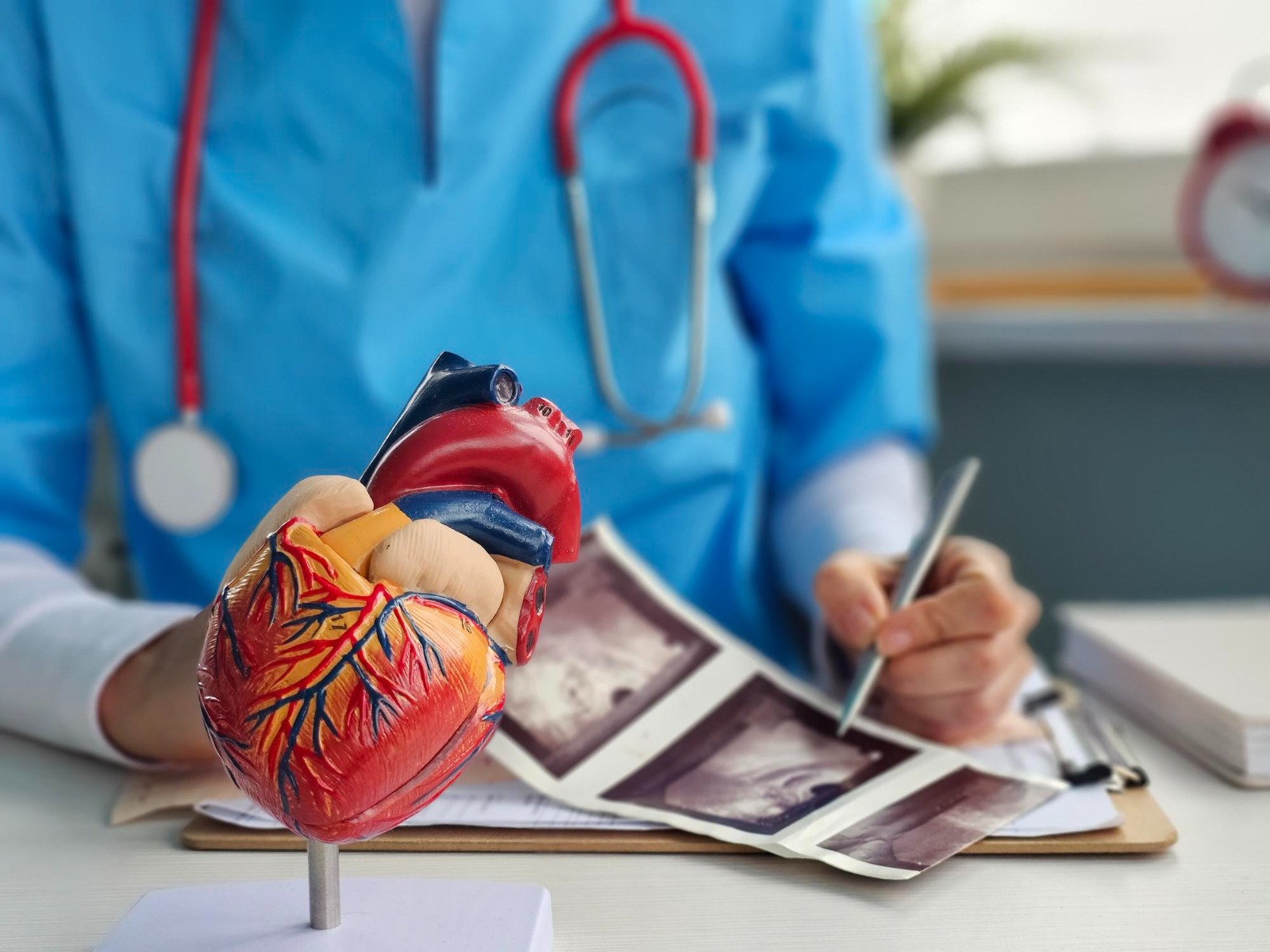
A 4-year-old, 11 kg child was brought to the Department of Pediatric Cardiac Sciences at Yashoda Medicity, Indirapuram, with complaints of bluish discoloration of fingernails and toes, poor weight gain, easy fatigue on walking, and recurrent hospital admissions.
Clinical evaluation revealed an oxygen saturation of 75%, prompting further investigations including echocardiography and CT pulmonary angiography.
The child was diagnosed with Cyanotic Congenital Heart Disease known as Tetralogy of Fallot (TOF), with additional apical muscular VSD and a hypoplastic pulmonary annulus.
The patient underwent open-heart surgery called Intracardiac Repair, including closure of multiple VSDs with a transannular patch over the neopulmonary valve. The procedure was led by Dr. Abhinavsingh Chauhan, Consultant Pediatric Cardio-thoracic and Vascular Surgery. Advanced post-operative care in the Pediatric Cardiac ICU was uneventful, and post-operative echocardiography confirmed a successful repair.
The child was discharged in a stable and ambulatory condition on the 5th post-operative day, with oxygen saturation improving to 99%. This case reflects Yashoda Medicity’s expertise in managing complex pediatric cardiac conditions, combining cutting-edge surgical techniques with specialized intensive care to ensure safe, life-transforming outcomes for children.
Treatment By:
Dr. Abhinavsingh Chauhan
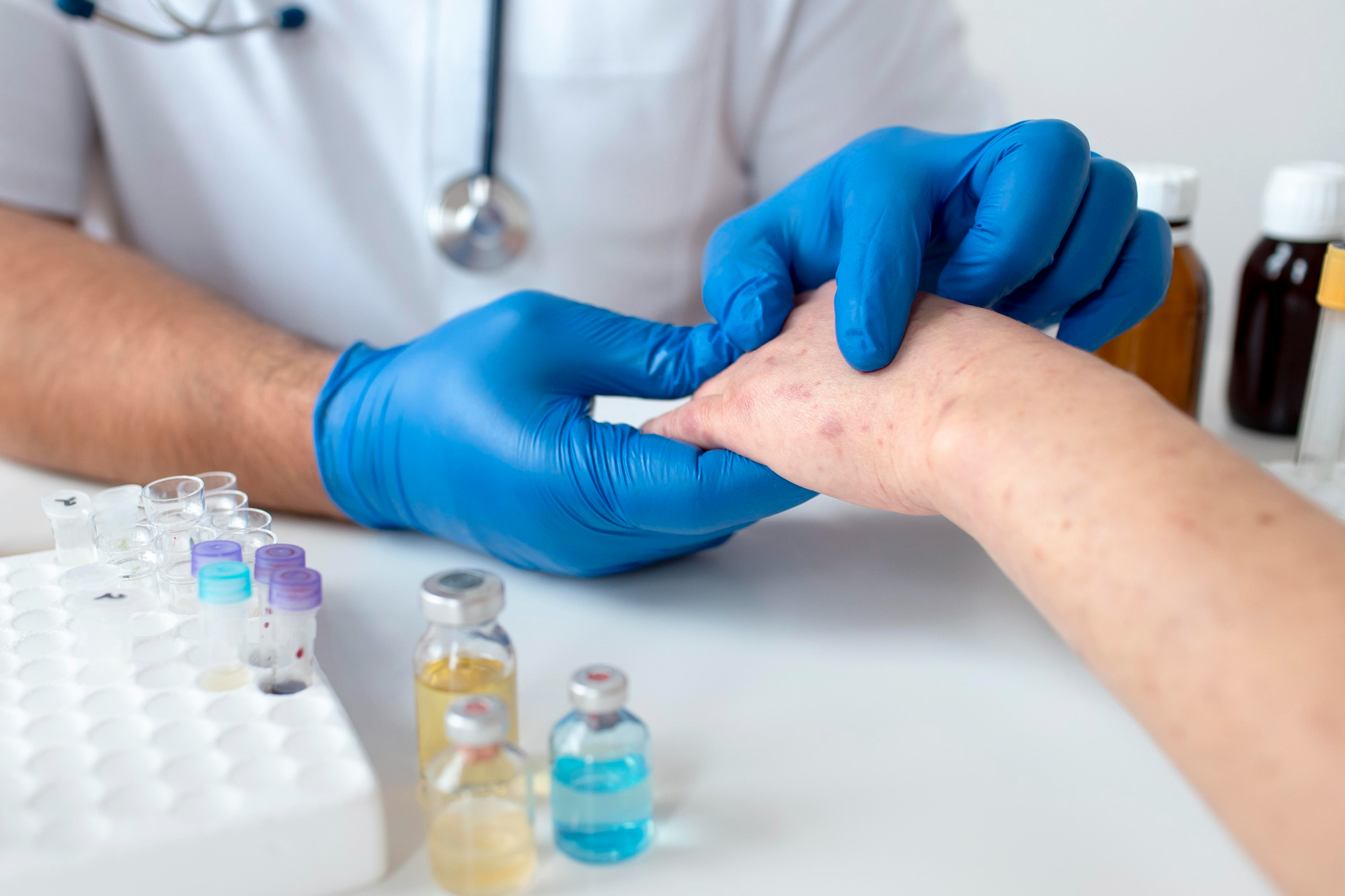
A challenging case of Erythroderma in a young male patient.
A 31-year-old male presented to our dermatology OPD with severe redness and flakiness of skin all over the body. The symptoms had been present for two months, with a marked worsening in the last 15 days. After a detailed history, examination, and workup, the patient was diagnosed with Erythroderma – a serious condition where there is erythema and scaling over more than 90% of the body surface area. Despite having experienced similar skin problems in the past, the patient had never received a correct diagnosis and was unaware of the underlying disorder that could have led to Erythroderma.
Given the extensive nature of skin involvement and risk of serious complications, he was admitted for detailed evaluation and prompt management. A thorough workup was performed, and appropriate medical treatment was initiated. Over the course of 7–10 days, the patient showed remarkable clinical improvement; the skin lesions resolved significantly, systemic parameters stabilized, and he was safely discharged.
Most importantly, after nearly 3–4 years of recurrent but undiagnosed skin issues, the patient was finally diagnosed with atopic dermatitis. This accurate diagnosis not only explained his longstanding symptoms but also enabled the initiation of targeted treatment and counseling regarding long-term care and preventive measures. With this approach, the patient was able to move beyond temporary symptom relief toward effective disease control and an improved quality of life.
Treatment By:
Dr. Kriti Maheshwari

A 4-year-old male child with congenital Pelvi-Ureteric Junction (PUJ) Obstruction underwent Robot-Assisted Pyeloplasty at Yashoda Medicity. The child had an excellent postoperative recovery and was discharged on postoperative day 2.
Robotic surgery offers superior precision and control, providing a significant advantage not only in cancer surgeries but also in pediatric minimally invasive procedures.
The benefits of robotic surgery over conventional techniques include smaller incisions, minimal intraoperative blood loss, enhanced surgical precision and dissection, reduced postoperative pain, and faster recovery and discharge.
The Department of Urology at Yashoda Medicity is committed to providing the highest standard of care to every patient, with special expertise in Robotic Surgery, Reconstructive Urology, Uro-Oncology, Stone Diseases, and Renal Transplant Surgeries.
Treatment By:
Dr. Vaibhav Saxena
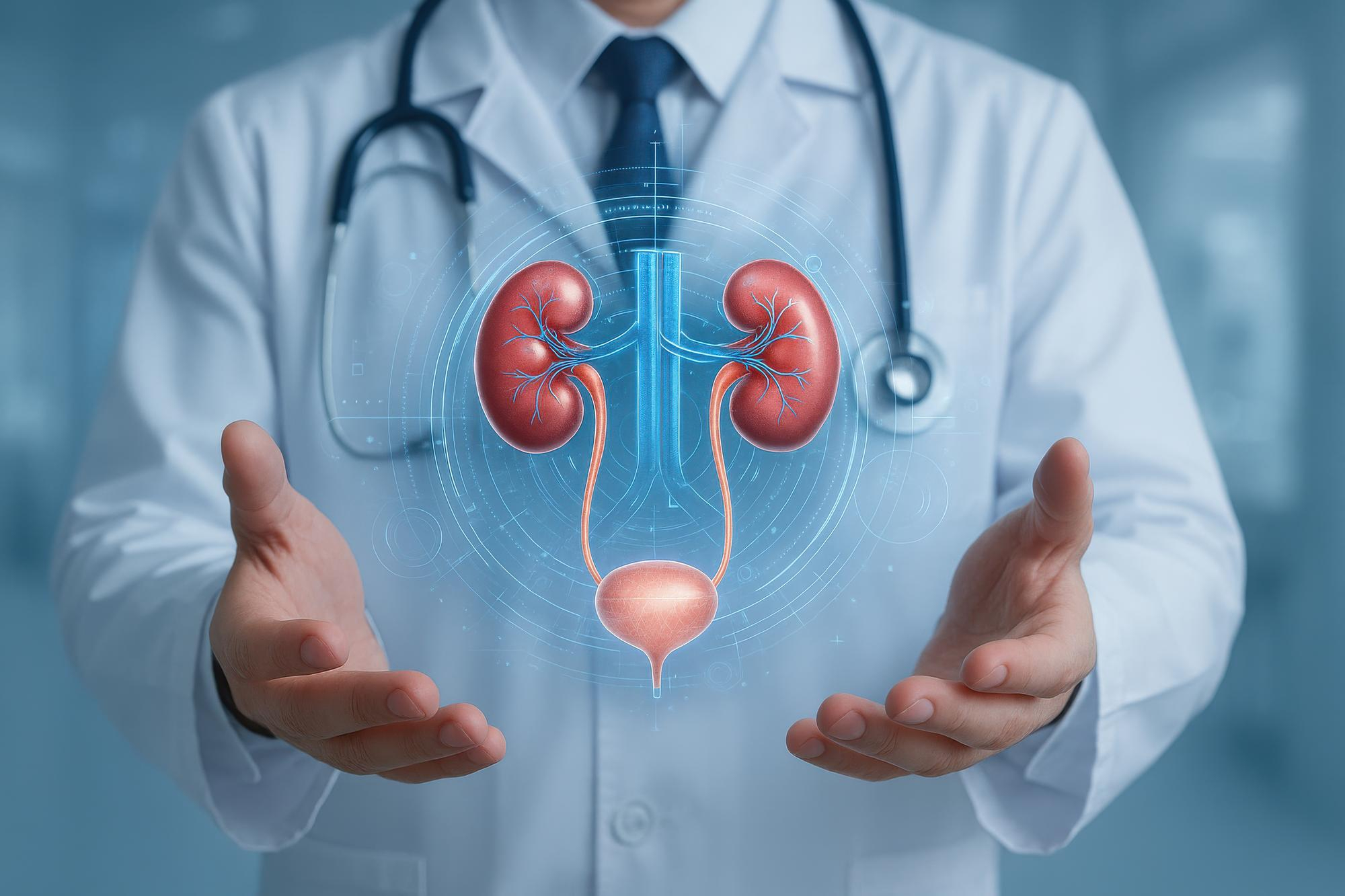
The Department of Urology at Yashoda Medicity, Indirapuram, headed by Dr. Vaibhav Saxena, a pioneer in Robotic Urological Surgeries, has successfully performed a wide range of robotic procedures in both Urology and Uro-Oncology. Patients from across India have been successfully treated for various cancers and other urological conditions.
Among his recent notable cases was a Robotic Radical Cystectomy with Pelvic Lymph Node Dissection and Intracorporeal Urinary Diversion, performed on a patient who had travelled from Mathura for treatment. The patient had previously received neoadjuvant chemoradiation but developed a recurrence in the urinary bladder. Curative robotic surgery was deemed the best option. The patient underwent a successful procedure and was discharged on the fifth postoperative day.
Treatment By:
Dr. Vaibhav Saxena

Conquering a Complex Brain Aneurysm with Advanced Endovascular Therapy
Brain aneurysms are often described as ticking time bombs—silent, unpredictable, and potentially life-threatening if left untreated. They pose one of the most complex challenges in modern neurosurgery, requiring both precision and cutting-edge technology for successful management.
A 60-year-old woman presented with multiple episodes of severe headache, prompting her to consult Dr. Sumantao Chaterjee (Neurologist). Given the persistence and pattern of her symptoms, a brain angiography was recommended and performed by Dr. Dibya Jyoti Mahakul (Endovascular Neurosurgeon).
The imaging revealed a complex brain aneurysm, one that demanded meticulous planning due to its size, shape, location, and blood flow dynamics. After careful evaluation, the patient was offered a scarless, minimally invasive endovascular treatment. A flow diverter stent was strategically placed across the neck of the aneurysm to divert blood flow away from the aneurysm sac, promoting healing and preventing rupture. While technically challenging, the procedure was greatly aided by our state-of-the-art biplanar cath lab, equipped with advanced imaging tools like Vaso CT, CBCT, and MAFA software. These technologies ensured maximum precision, safety, and speed for both the patient and surgical team. Remarkably, the patient was discharged the very next day in a stable condition—aneurysm secured, risk averted.
Today, she is back home with her family, free from the shadow of a life-threatening condition, and ready to embrace life on her own terms.
Treatment By:
Dr. Sumantao Chaterjee

A 51-year-old lady with left arm pain more than neck pain of 10 years duration, with BMI 44 and a short neck nearly the chin touching the chest, was diagnosed with OPLL C3-6 with myelopathy and fixed kyphosis of 20°. MRI showed cord signal changes at C5, and CT confirmed OPLL C3 -6 with high probability of intradural mass ( double density sign). Conventional wisdom (K line, kyphosis, anterior pathology etc.) dictated towards an anterior surgery, but possibility of dural laceration (intradural OPLL mass), with potential for other complications (cord / trachea / esophageal compression by pseudomeningole, meningitis, spinal cord hernia etc.) were discussed in detail and a decission was taken to decompress and fix from the posterior aspect. The pre-op CT angio showed B/L high-riding vertebral arteries, which precluded the C2 screw.
Per operatively, the patient was positioned prone with the head clamped and a posterior exposure done. LM screw entry points were made from C3-6, followed by grade 1 facet resection at C3-4, C4-5, and C5-6 bilaterally. Further lordosis was achieved with manipulation of the head with the head clamp and closing the osteotomy gaps. LM screws (C3-6), a laminar screw at C2, and a pedicle screw at T1 & 2 were inserted and connected with rods.
C3-6 laminectomy was done, and the surgical site was closed after bone graft mixed with vancomycin was applied laterally.
Postoperative x-ray showed adequate lordosis (approximately 10 degrees) attainment.
The patient reported complete pain relief in the left shoulder and arm postoperatively.
Treatment By:
Dr. Ankur Goswami
All experience good, patient treatment was good, satisfied with all the services, nursing staff and doctors team also good and cooperative.
I had an excellent experience at Yashoda Hospital for my mother’s Total Knee Replacement Surgery.
From a clinical perspective, Dr. Amit Sharma and his team were outstanding. Their expertise and professionalism were evident throughout the process, and they did a fantastic job with the surgery and post-operative care.
Beyond the medical treatment, the administrative side was equally impressive. Mr. Varun took complete charge of the Insurance (TPA) and admission process, ensuring everything was seamless and stress-free for our family. His coordination made a significant difference in our overall experience.
We are truly grateful to the entire team for their dedication and care. Highly recommended!




 Call: +91 9266610101