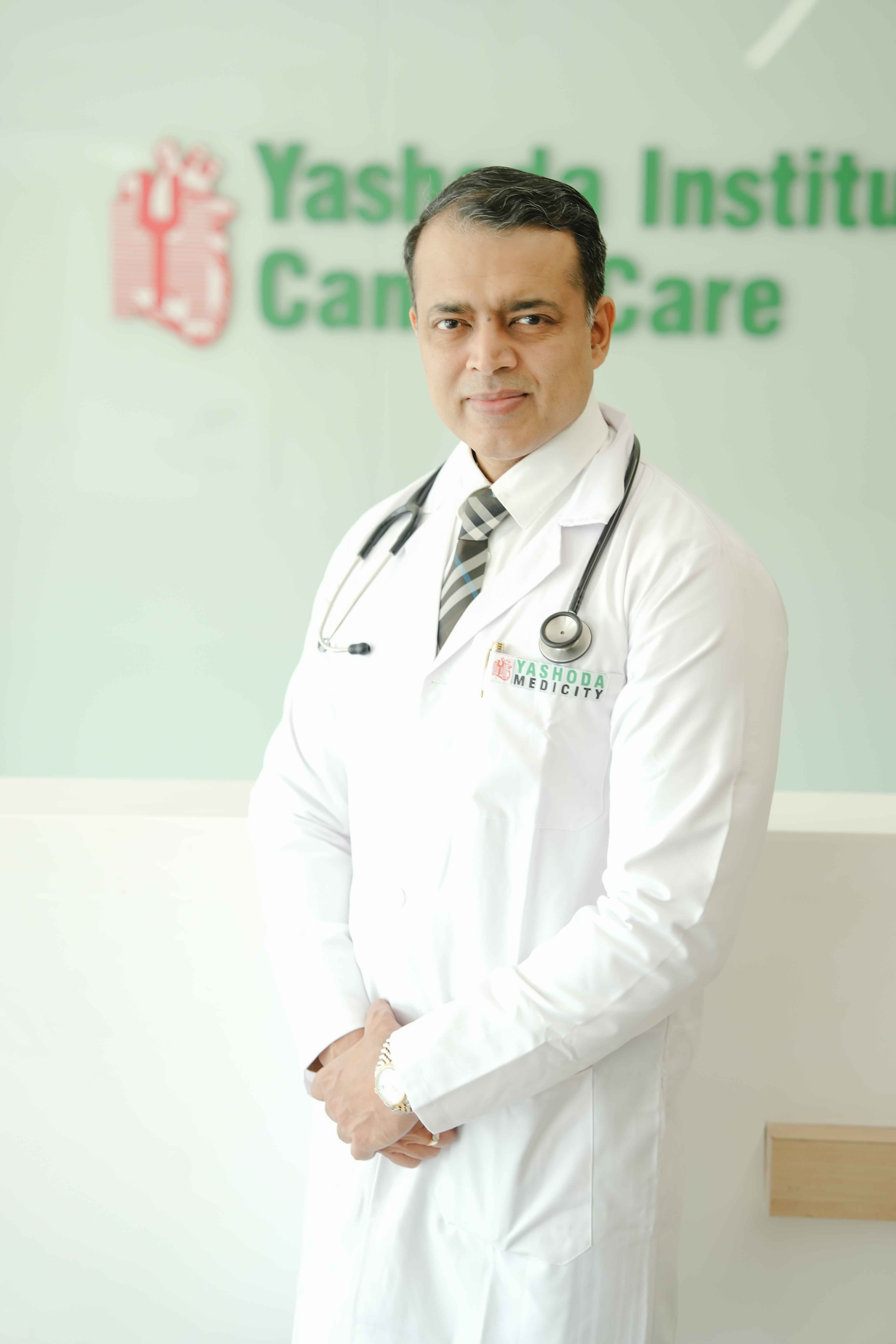
Dr. Manish Singhal
Vice Chairman - Medical Oncology

Dr. Gagan Saini
Vice-Chairman, Radiation Oncology

Dr. Satinder Kaur
Senior Director and Head – Gynaecologic Oncology & Robotic Surgery
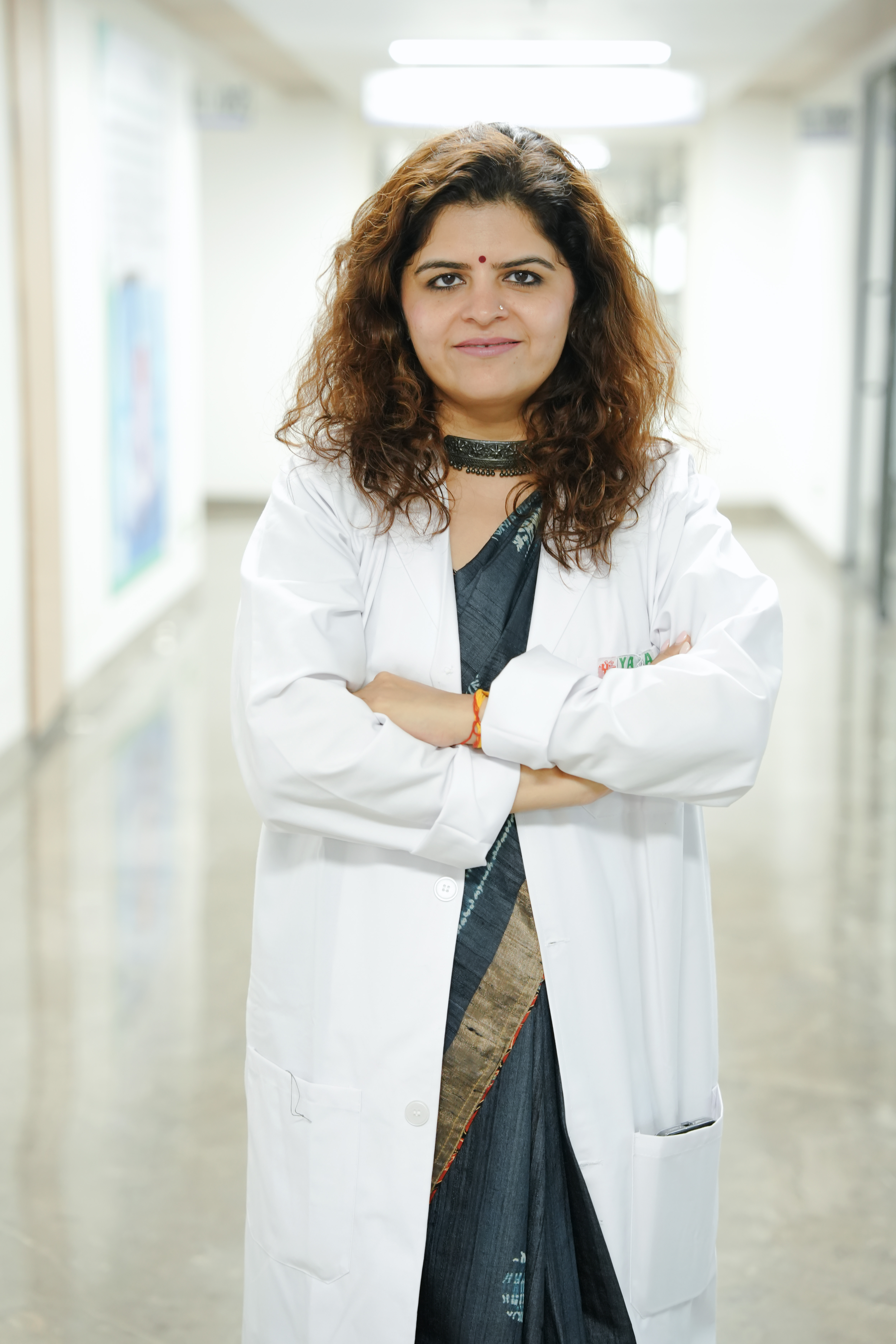
Dr. Nivedita Dhingra
Director & Head - Hematology, Hemato-Oncology And Bone Marrow Transplant (Adult & Pediatrics)
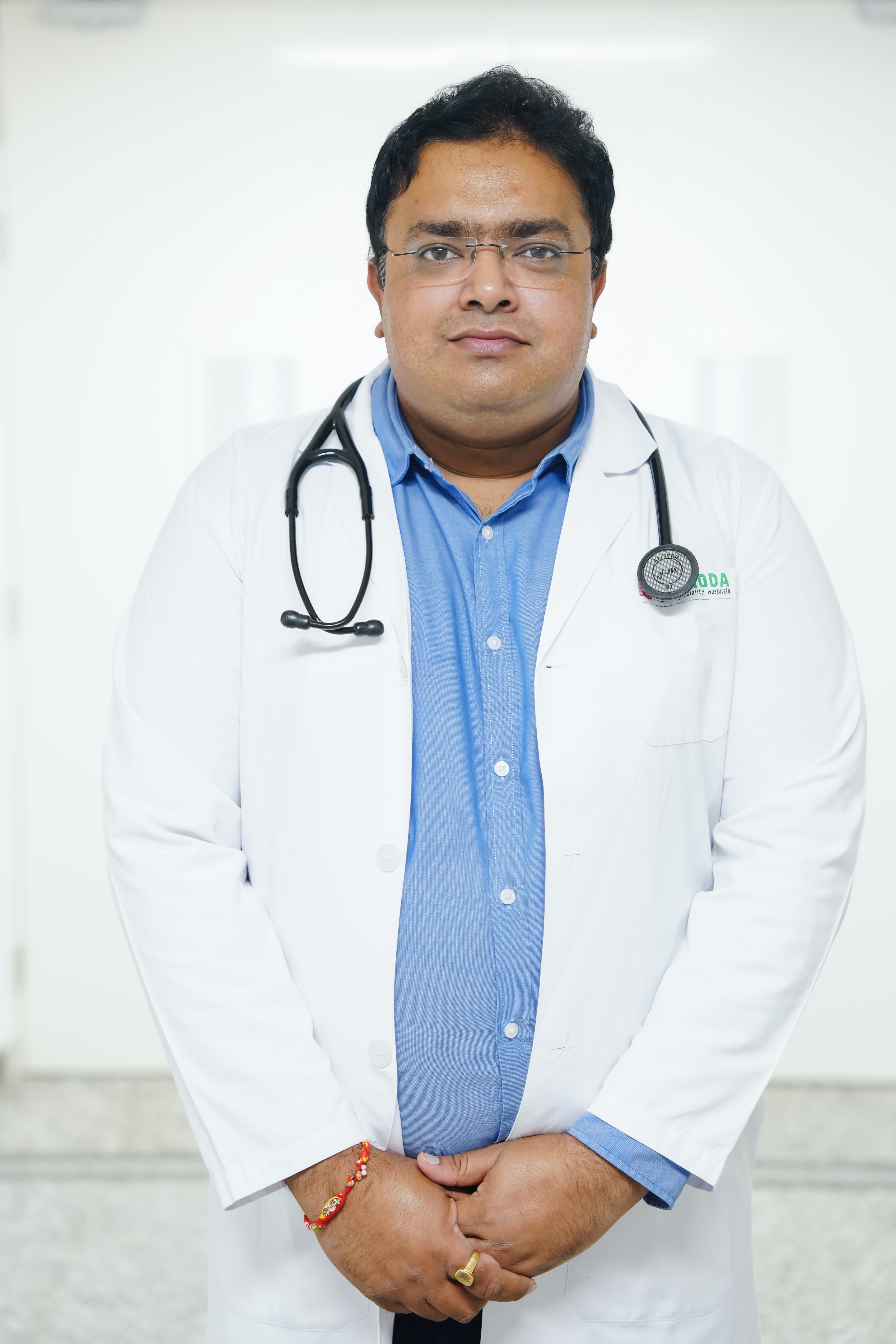
Dr. Abhishek Yadav
Director, Department of Medical Oncology
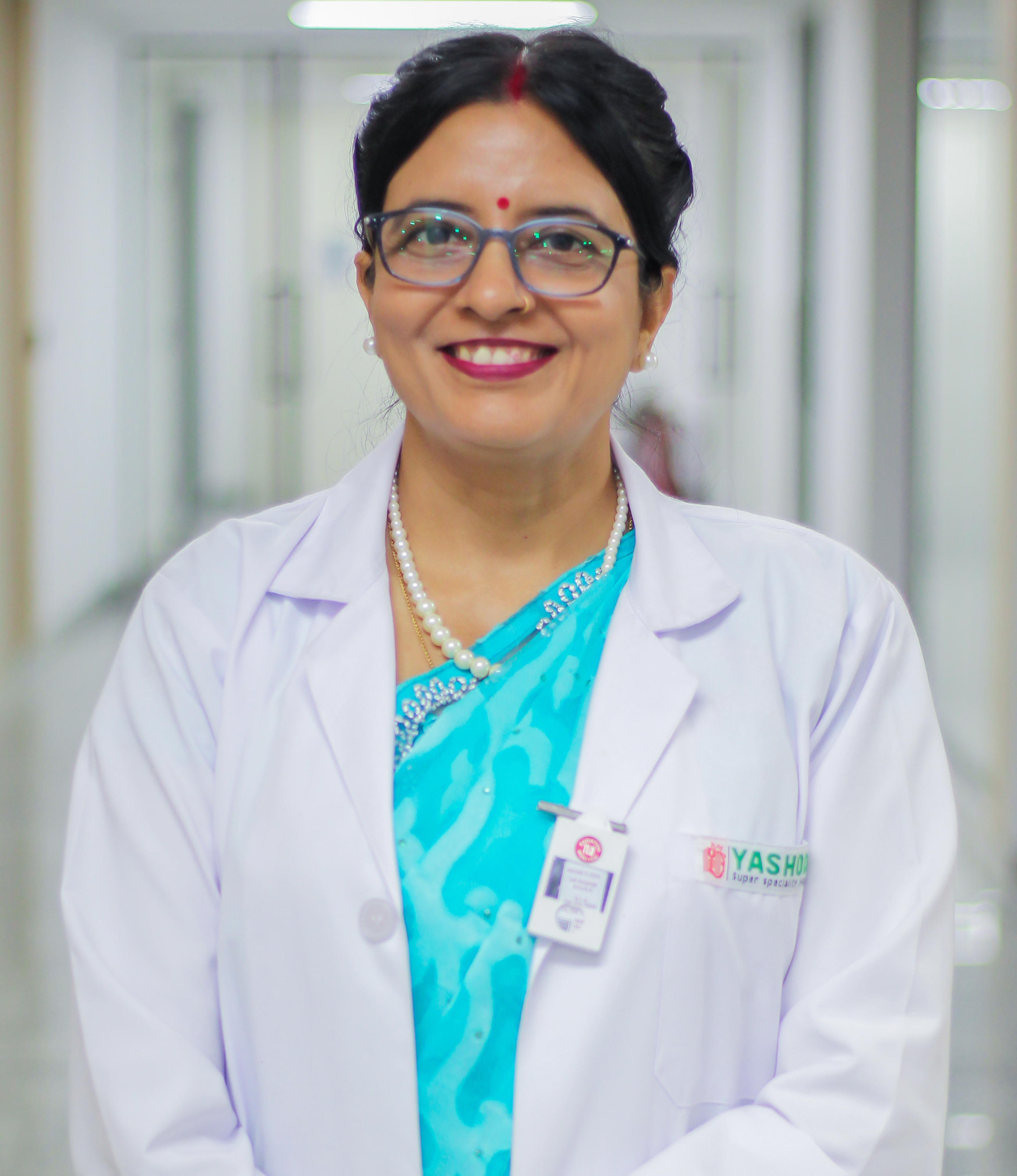
Dr. Rashmi Shukla
Principal Consultant – Radiation Oncology
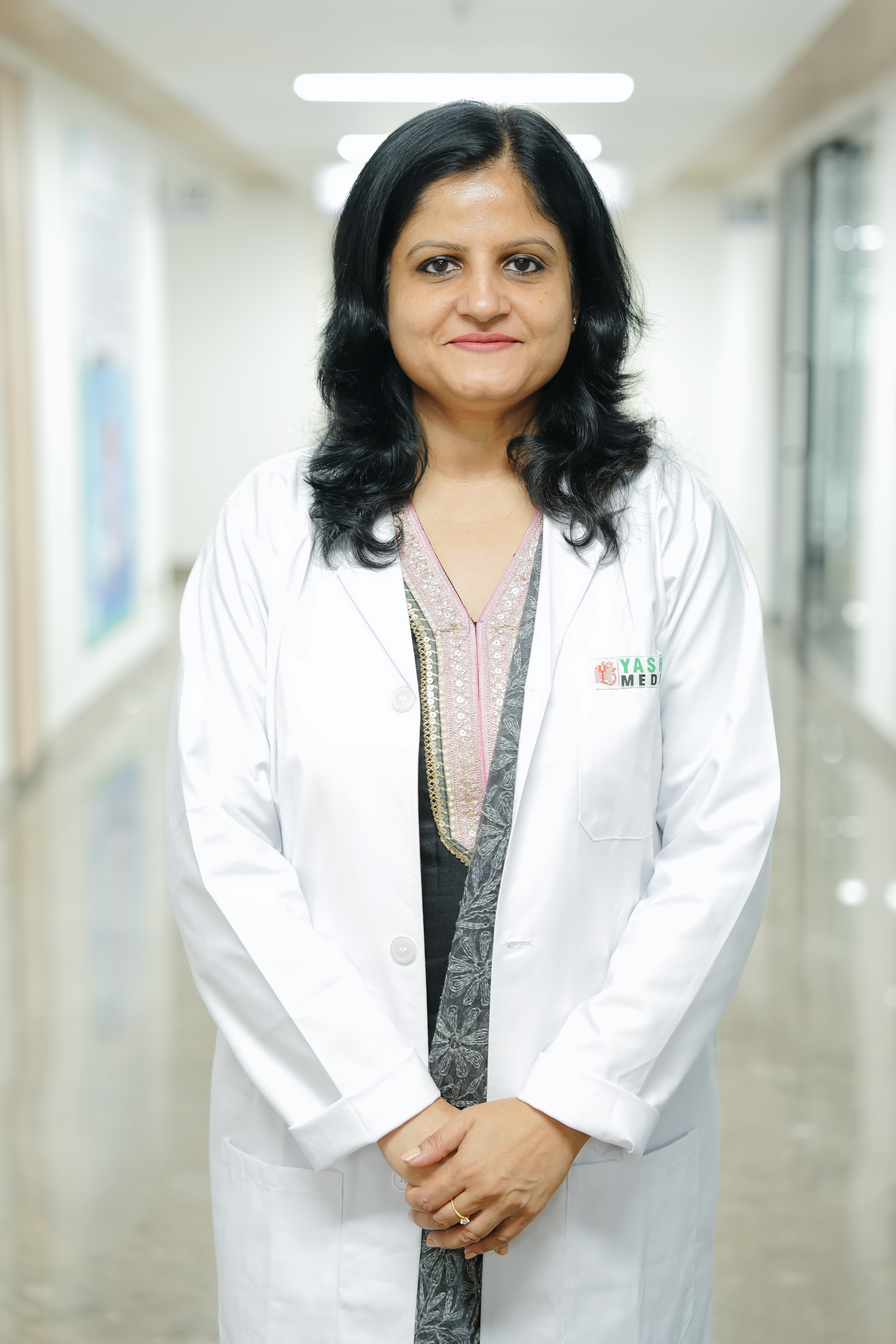
Dr. Karuna Jha
Senior Consultant - Hematology, Hemato-Oncology And Bone Marrow Transplant (Adult & Pediatrics)

Dr. Nikhil Tandon
Consultant, Orthopedics Oncology
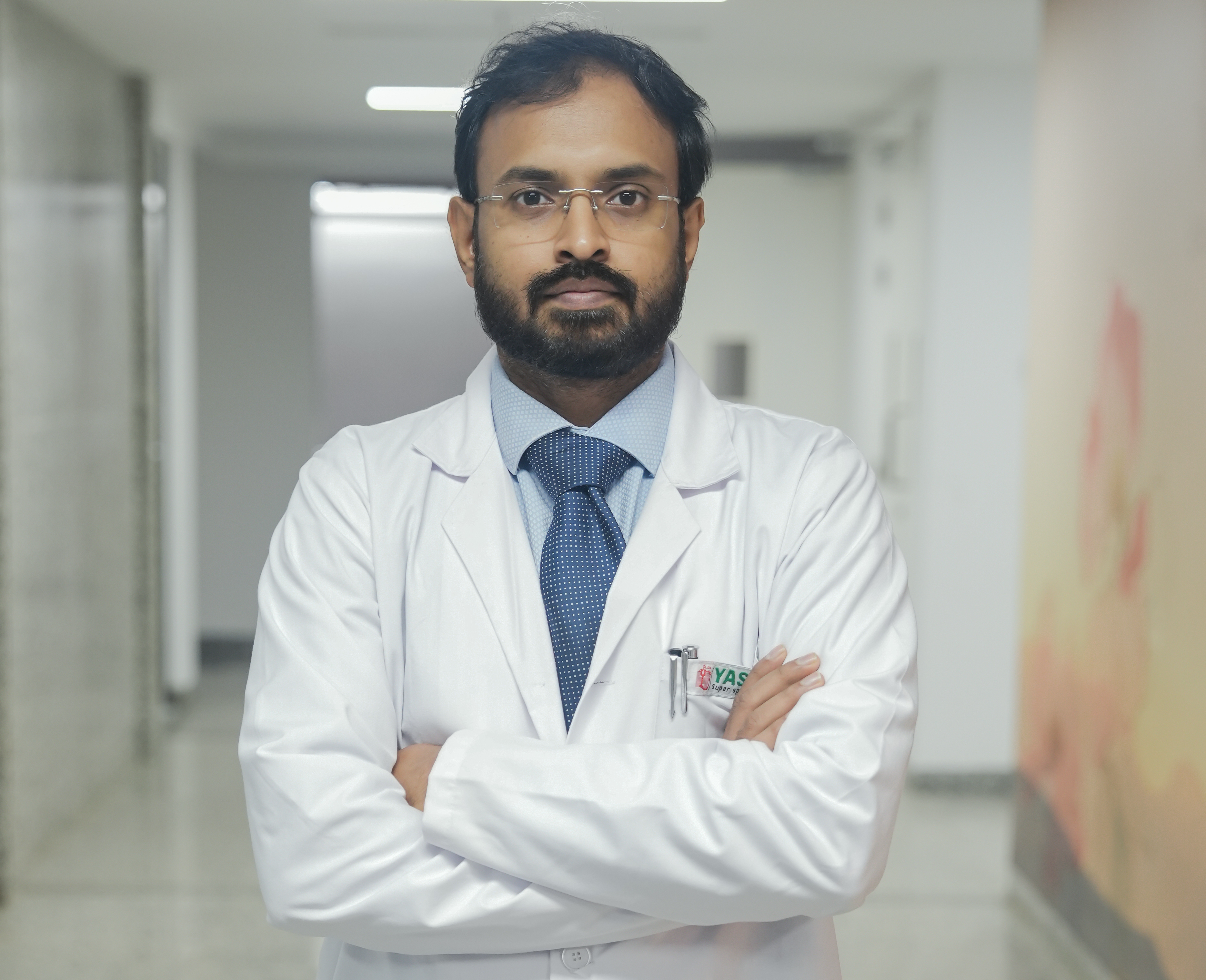
Dr. Sumanth Bollu
Consultant, Surgical Oncology- Head & Neck
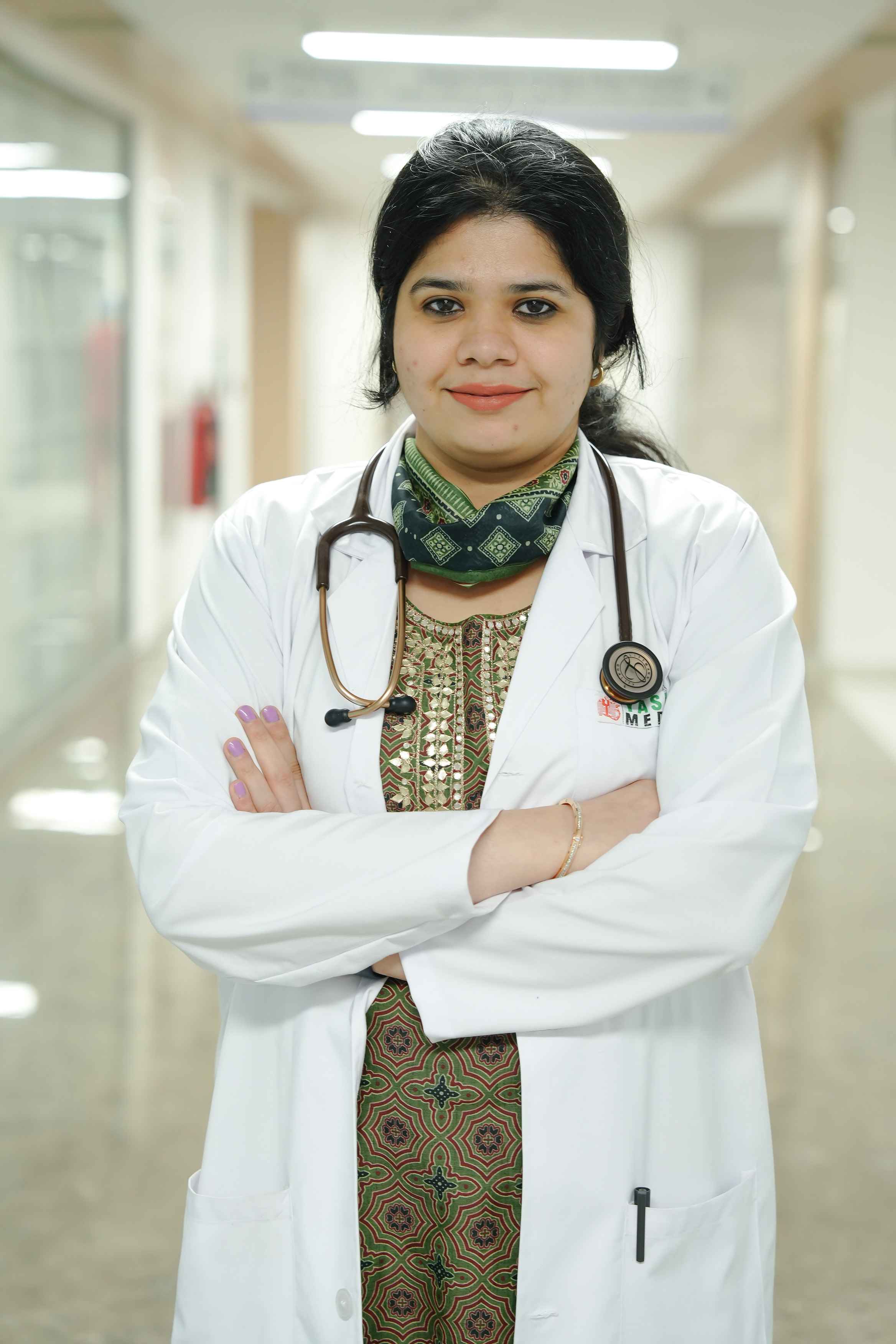
Dr. Nishtha Sachdeva
Consultant Medical Oncology
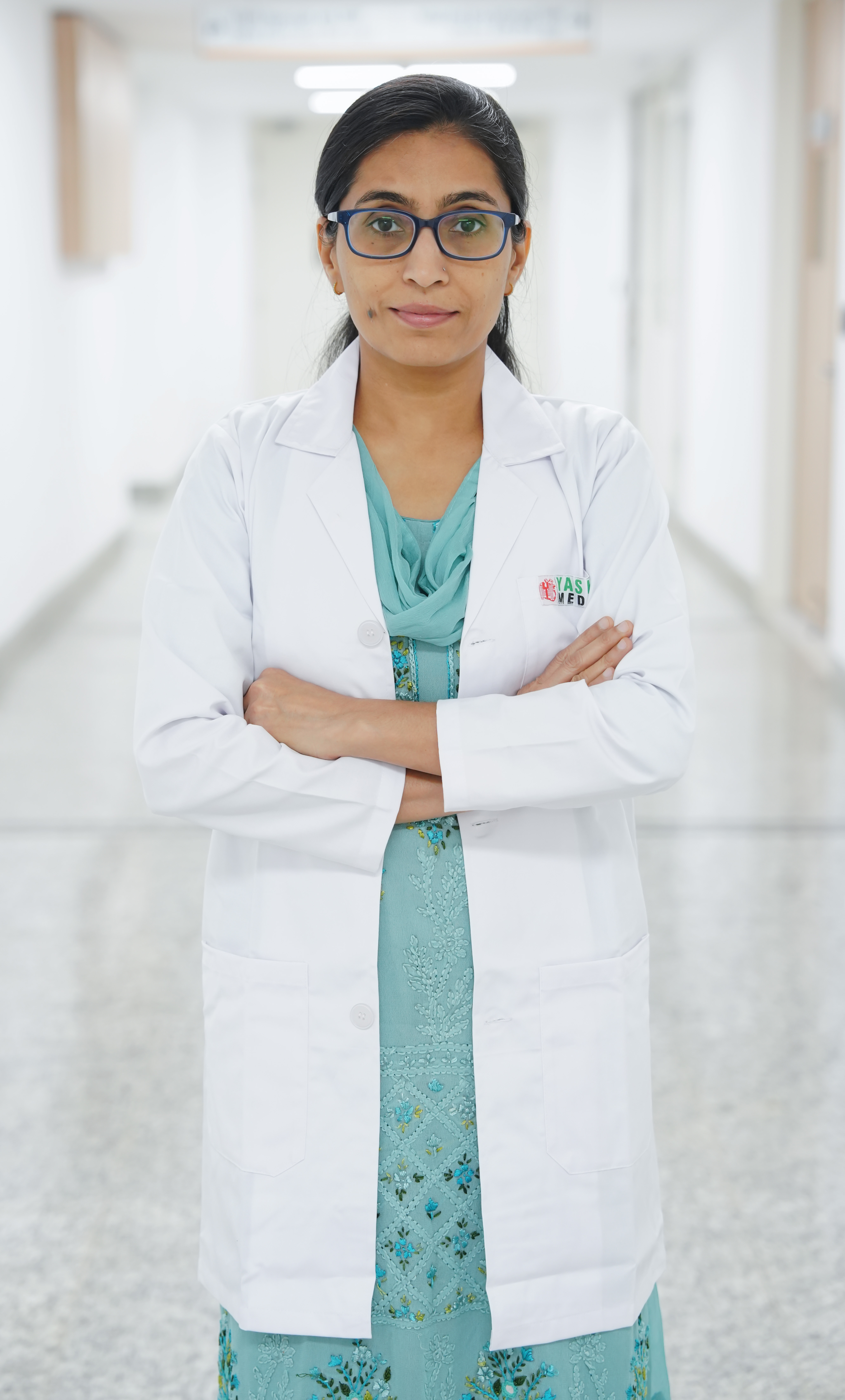
Dr. Hemlata Garg
Consultant, Gynecological Oncology & Robotic Surgery
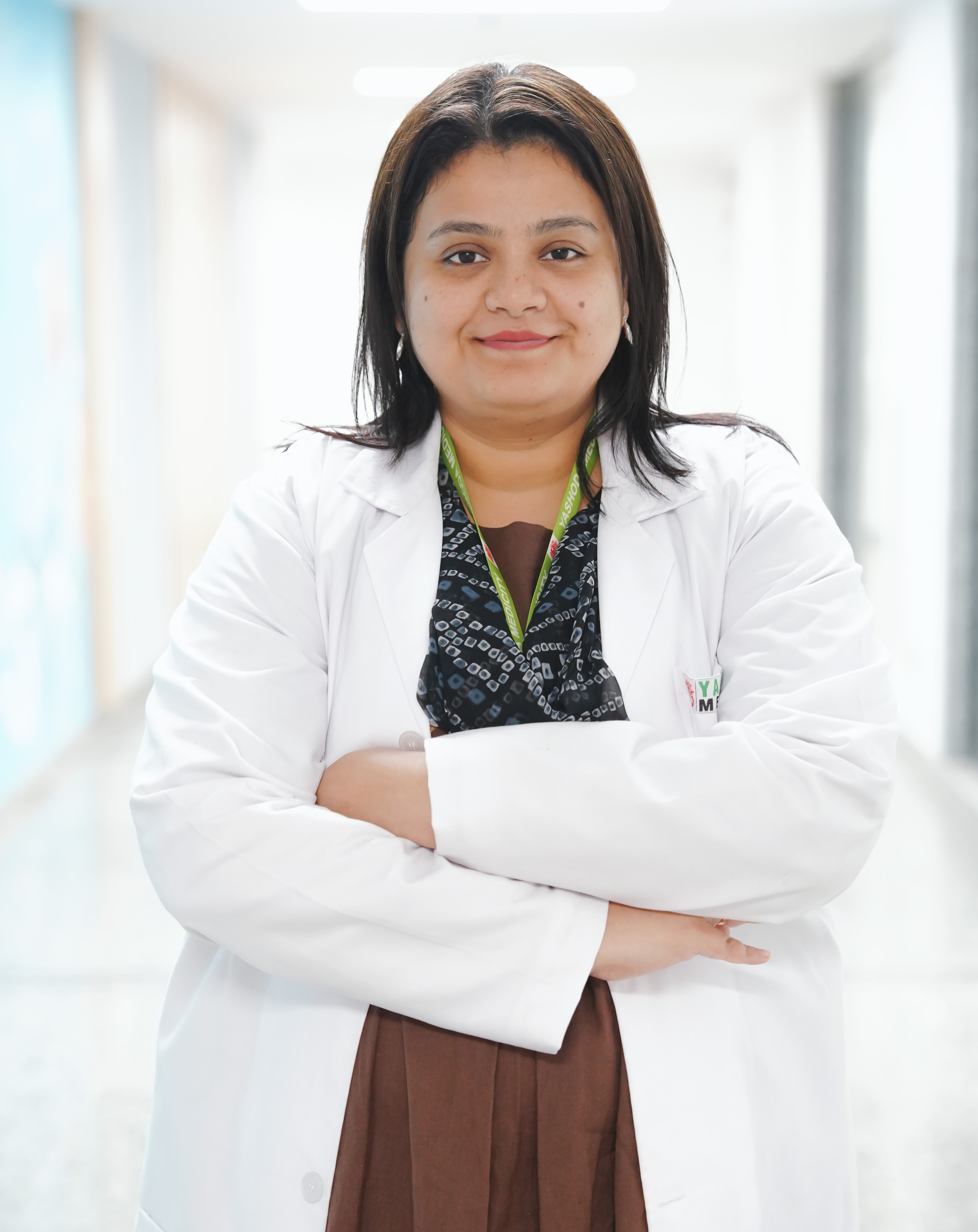
Dr. Ipshita Sahoo
Associate Consultant - Gynecologic Oncology & Robotic Surgery

Dr. Jigar Paghadar
Junior Consultant - Surgical Oncology and Robotic Surgery
Oral Cancer Hospital in Greater Noida
Oral cancer remains one of the most common cancers in India, with tobacco use being among the leading risk factors. Despite the fact that many oral cancers begin as visible lesions inside the mouth, diagnosis is often delayed because the early symptoms are mistaken for ulcers, dental issues, or minor infections.
Timely diagnosis plays a critical role in improving outcomes and preserving essential functions such as speech, swallowing, and oral appearance. As a leading oral oncology hospital in Ghaziabad, Yashoda Medicity provides comprehensive oral cancer care through advanced surgical treatment, reconstruction, rehabilitation, and multidisciplinary oncology support tailored to each patient’s condition.
Conditions We Treat
The team providing oral cancer hospital in Ghaziabad manages a wide range of conditions, including:
- Tongue Cancer
- Buccal Mucosa Cancer
- Floor of the Mouth Cancer
- Cancer of the Lip
- Gingival and Alveolar Cancers
- Hard Palate Cancer
- Retromolar Trigone Cancer
- Premalignant Lesions
- Oral Submucous Fibrosis with Malignant Transformation
- Recurrent and Residual Oral Cancers
When to Consult a Mouth Cancer Specialist in Ghaziabad
Oral cancer is one of the few cancers that can often be identified visually, yet it is still diagnosed late because many symptoms are mistaken for mouth injuries, dental problems, or minor infections.
Book a consultation if you notice any of the following:
- A mouth ulcer or sore that has not healed within three weeks
- A white patch, red patch, or mixed red and white patch inside the mouth
- A lump, thickening, or roughened area on the tongue, cheek, or floor of the mouth
- Unexplained bleeding from the mouth
- Numbness or loss of sensation in the tongue, lips, or mouth
- Pain or difficulty swallowing that is new or worsening
- A lump in the neck that has appeared without explanation
- Loosening of teeth without an obvious dental cause
- A persistent sore throat alongside any oral symptom
Advanced Oral Cancer Hospital in Ghaziabad
Surgical Management
Surgery is the primary treatment for most oral cancers. If the lesions are localised to the tongue, buccal mucosa, or floor of the mouth, the tumour is removed with an adequate margin of normal tissue. If the tumour has increased in size or spread to surrounding structures, compartmental resection may be required, where the primary tumour is removed along with surrounding involved tissues where necessary.
Reconstruction After Oral Cancer Surgery
Oral tumour surgery in Ghaziabad focuses not only on removing cancerous tissue but also on restoring appearance, speech, swallowing, and oral function as effectively as possible. The extent of reconstruction depends on the size and location of the defect created after tumour removal.
For smaller defects, surgeons may directly close the area or use nearby tissue for reconstruction. For larger defects, tissue may be transferred from another part of the body to rebuild the affected region. If part of the jawbone has been removed, reconstruction may be performed using a free fibula flap, where bone from the lower leg is used to recreate the jaw.
Laser Surgery
Where clinically appropriate, laser surgery allows treatment without external incisions. For leukoplakia, erythroplakia, and oral submucous fibrosis with dysplasia, laser excision removes at-risk tissue with minimal damage to surrounding normal mucosa and a short recovery period. For early superficial oral cancers where transoral access is feasible, laser resection achieves adequate oncological margins while preserving surrounding function.
Radiation Therapy for Oral Cancer
The radiation oncology team works within the same multidisciplinary framework as the surgical team for treatment planning and sequencing through the tumour board rather than as an isolated specialty service. Radiation therapy is commonly used alongside surgery in locally advanced oral cancers.
Chemotherapy and Systemic Therapy
Chemotherapy is used in oral cancer treatment in different ways depending on the stage and severity of the disease. In some cases, it is administered alongside radiation therapy to improve the effectiveness of treatment, known as concurrent chemoradiation. For recurrent or metastatic disease, chemotherapy may also be used as palliative treatment to control symptoms, slow disease progression, and improve quality of life.
Multidisciplinary Tumour Board
Every oral cancer case is reviewed by the multidisciplinary tumour board before treatment begins. For locally advanced cases where the choice between primary surgery and chemoradiation is clinically complex, this collective review helps establish an evidence-based treatment decision rather than relying on an individual specialist opinion.
State-of-the-Art Oral Cancer Facilities
Advanced Imaging for Staging and Surgical Planning
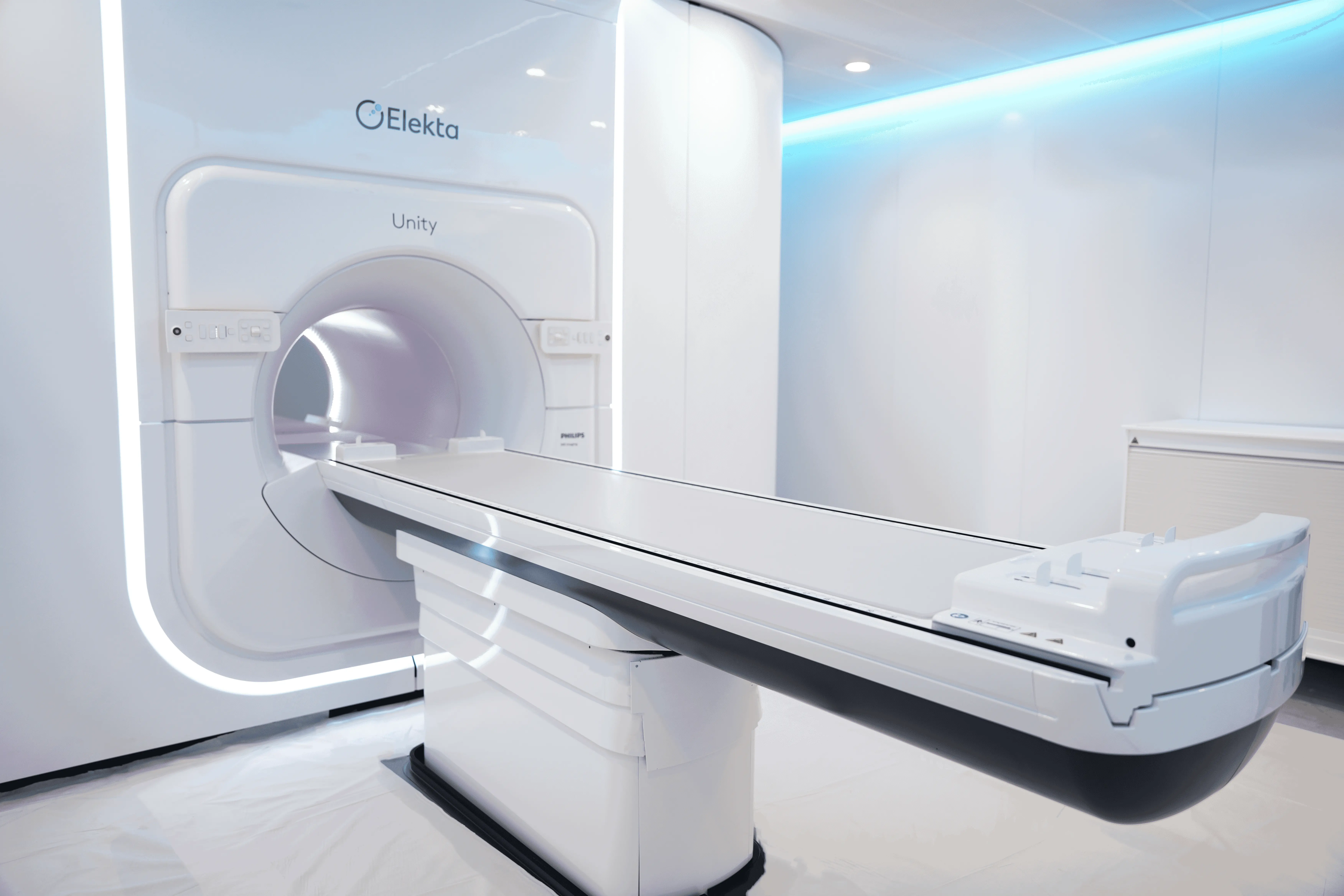
Advanced imaging modalities including computed tomography (CT), magnetic resonance imaging (MRI), and Positron Emission Tomography with Computed Tomography (PET-CT) are used to assess tumour extent, nodal involvement, and distant spread.
Intraoperative Frozen Section Analysis
Intraoperative frozen section examination of surgical margins allows the surgical team to confirm that margins are clear before wound closure, thereby reducing the likelihood of positive margins that may require revision surgery or changes to the post-operative treatment plan.
Laser Surgical Platform
The laser surgical platform enables precise, bloodless excision of premalignant and early malignant oral lesions with minimal collateral tissue damage. It is used for outpatient and day-care procedures where conventional excision may otherwise require general anaesthesia and hospital admission.
Reconstructive Surgery Infrastructure
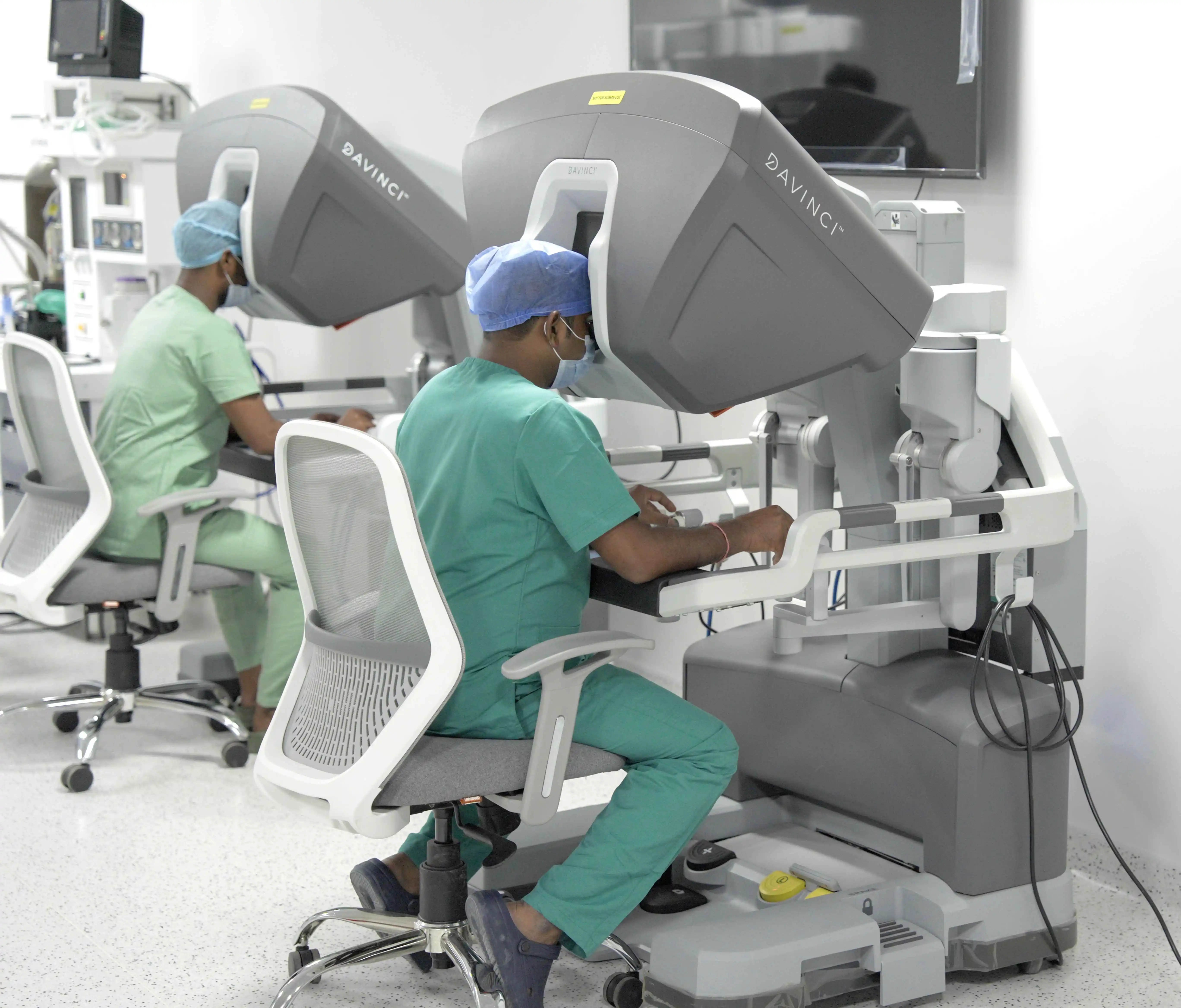
Free flap reconstruction for major oral defects requires a dedicated microsurgical team, advanced operating theatre infrastructure, and post-operative monitoring for flap viability. The oral cancer treatment team in Ghaziabad is equipped to perform the full range of oral reconstructive procedures, from local flaps for smaller defects to free fibula reconstruction for jaw resection cases.
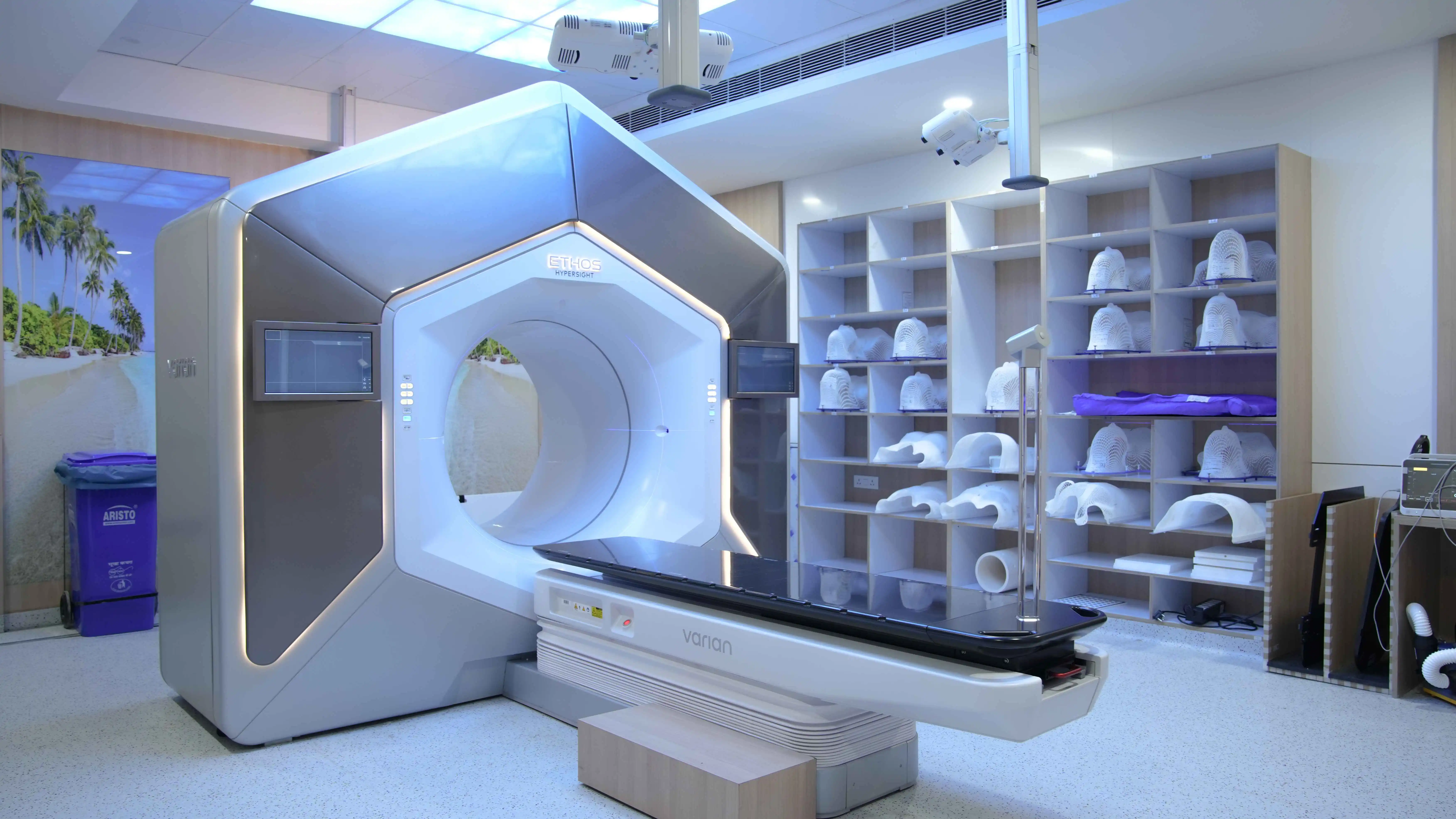
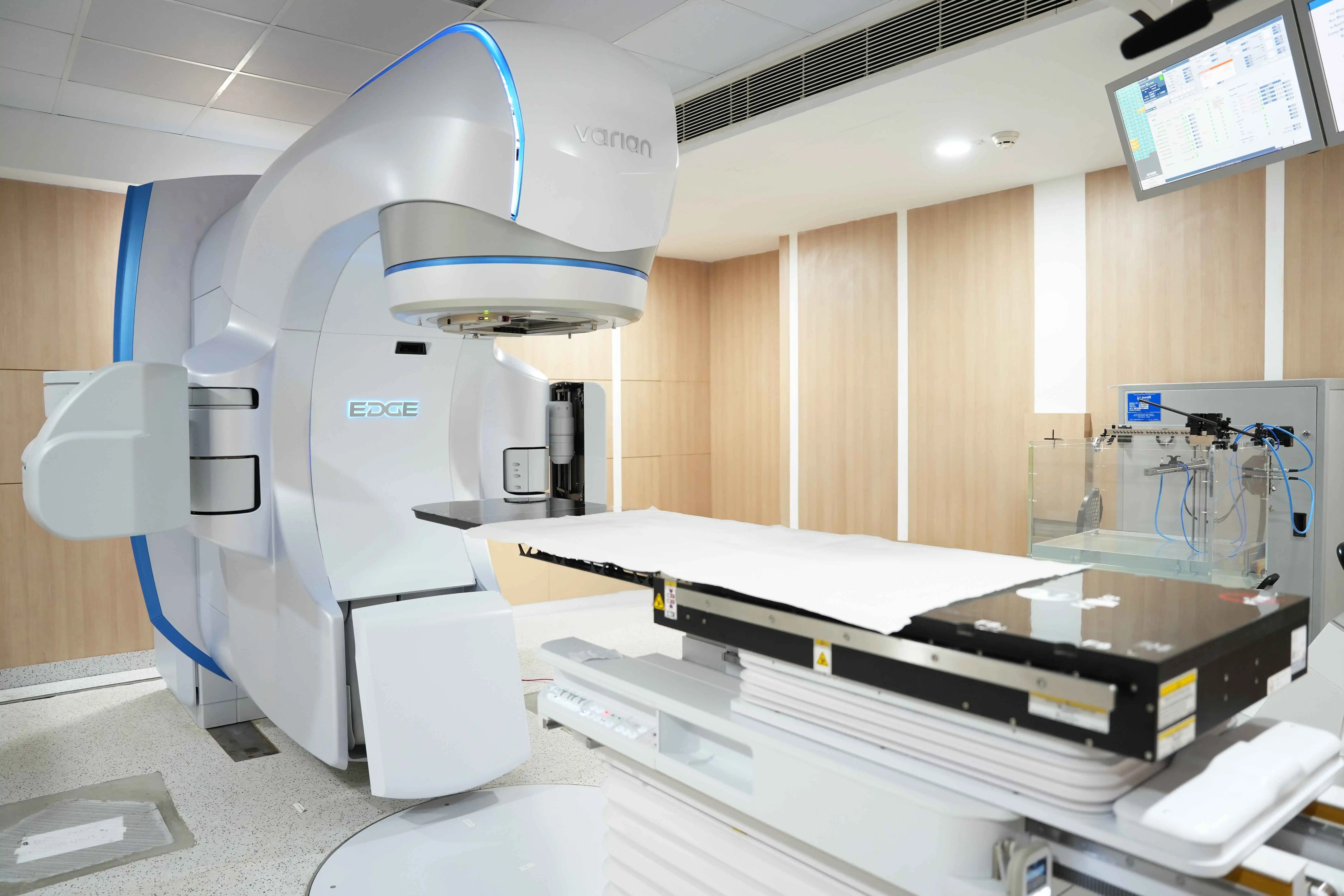
Precision Radiation Technology
Post-operative radiation for oral cancer is delivered using Intensity Modulated Radiation Therapy (IMRT) and Image Guided Radiation Therapy (IGRT) platforms for precise targeting of the tumour bed and at-risk nodal regions while limiting radiation exposure to the spinal cord, salivary glands, and swallowing musculature. This helps preserve long-term speech and swallowing function.
Onco-Psychology and Rehabilitation
Speech therapy, swallowing rehabilitation, and psychological support are integrated into the oral cancer care pathway from the point of diagnosis. Changes to speech and swallowing following oral cancer surgery can significantly affect daily function and social interaction, making structured rehabilitation an essential part of treatment.
Patient Journey for the Oral Cancer Hospital in Ghaziabad
Consultation and Biopsy: The first step for a patient seeking oral cancer treatment is a detailed consultation with the oncology team to discuss symptoms, risk factors, and clinical findings. This is followed by clinical examination, biopsy, and imaging investigations.
Tumour Board Review: Once all reports are available, the multidisciplinary tumour board reviews the staging data, imaging, and pathology findings to finalise the treatment plan.
Surgery: Surgical treatment is planned based on tumour stage, location, and overall treatment strategy. The need for chemotherapy and radiation therapy is determined collectively by the tumour board.
Adjuvant Treatment: Following surgery, post-operative radiation therapy and chemotherapy may be advised depending on the pathological findings and disease stage.
Rehabilitation: Speech therapy, swallowing rehabilitation, and psychological support begin as early as clinically appropriate and continue throughout the treatment course.
Long-Term Follow-Up: As part of structured long-term care, clinical examination and endoscopic evaluation are performed at predefined intervals to monitor for locoregional recurrence.
Why Choose Yashoda Medicity for Oral Cancer Hospital in Ghaziabad?
Early Detection and Premalignant Lesion Management: The department manages premalignant lesions through laser excision before malignant transformation occurs, where intervention is most effective.
Laser Surgery for Early Lesions: Laser excision for premalignant and early oral cancers is available as a day-care procedure, offering precise treatment with minimal disruption and faster recovery.
Multidisciplinary Tumour Board for Every Case: No oral cancer treatment plan is finalised by a single specialist. Every case is reviewed collectively before treatment begins.
Rehabilitation Integrated Throughout Treatment: Speech therapy, swallowing rehabilitation, and psychological support are integrated into the treatment pathway rather than being services patients must arrange independently after treatment.
Book Your Consultation Today
India continues to bear one of the highest burdens of oral cancer globally, making early diagnosis and timely specialist intervention critical for better outcomes and function preservation.
As a leading oral oncology hospital in Ghaziabad, Yashoda Medicity delivers comprehensive oral cancer care spanning early detection, precise surgical management, advanced reconstruction, rehabilitation, and structured long-term follow-up.
For expert consultation and timely evaluation, contact us today: 9266610101
 Call: +91 9266610101