Dr. Amit Sharma
Principal Director- Orthopedics with Joint Replacement & Sports Medicine
Dr. Brajesh Koushle
Director & Unit Head – Orthopedics with Joint Replacement & Sports Medicine

Dr. Akhil Kulshreshtha
Director, Orthopedics, Joint Replacement & Sports Medicine

Dr. Gourav Thakral
Associate Director- Orthopedics with Joint Replacement & Sports Medicine
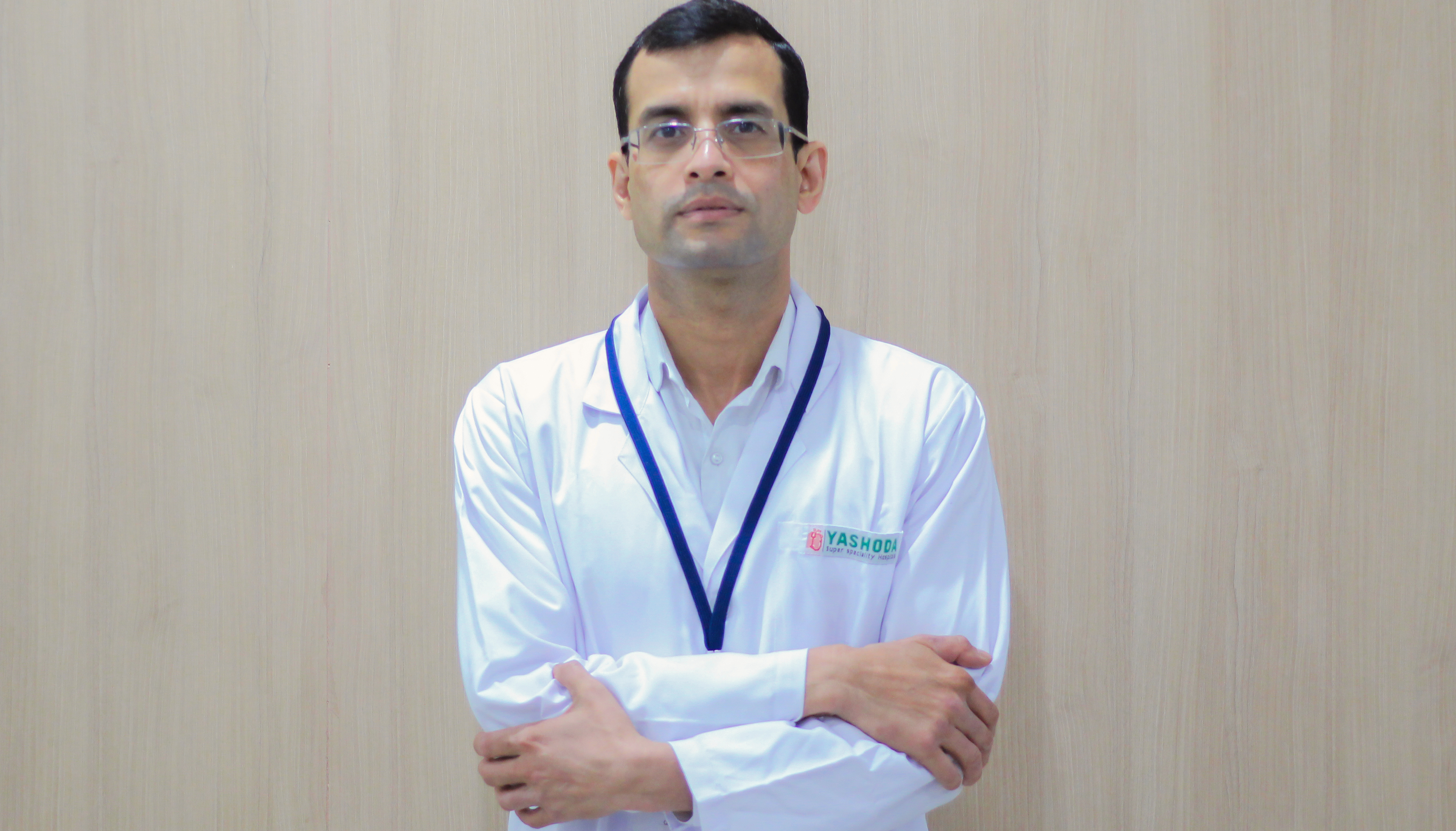
Dr. Ankur Goswami
Senior Consultant Spine Surgeon - Yashoda Institute of Spine & Pain Management

Dr. Avneet Singh Shishodia
Senior Consultant - Orthopedics with Joint Replacement & Sports Medicine

Dr. Akshay Lekhi
Consultant - Orthopedics, Joint Replacement & Sports Medicine

Dr. Nikhil Tandon
Consultant, Orthopedics Oncology
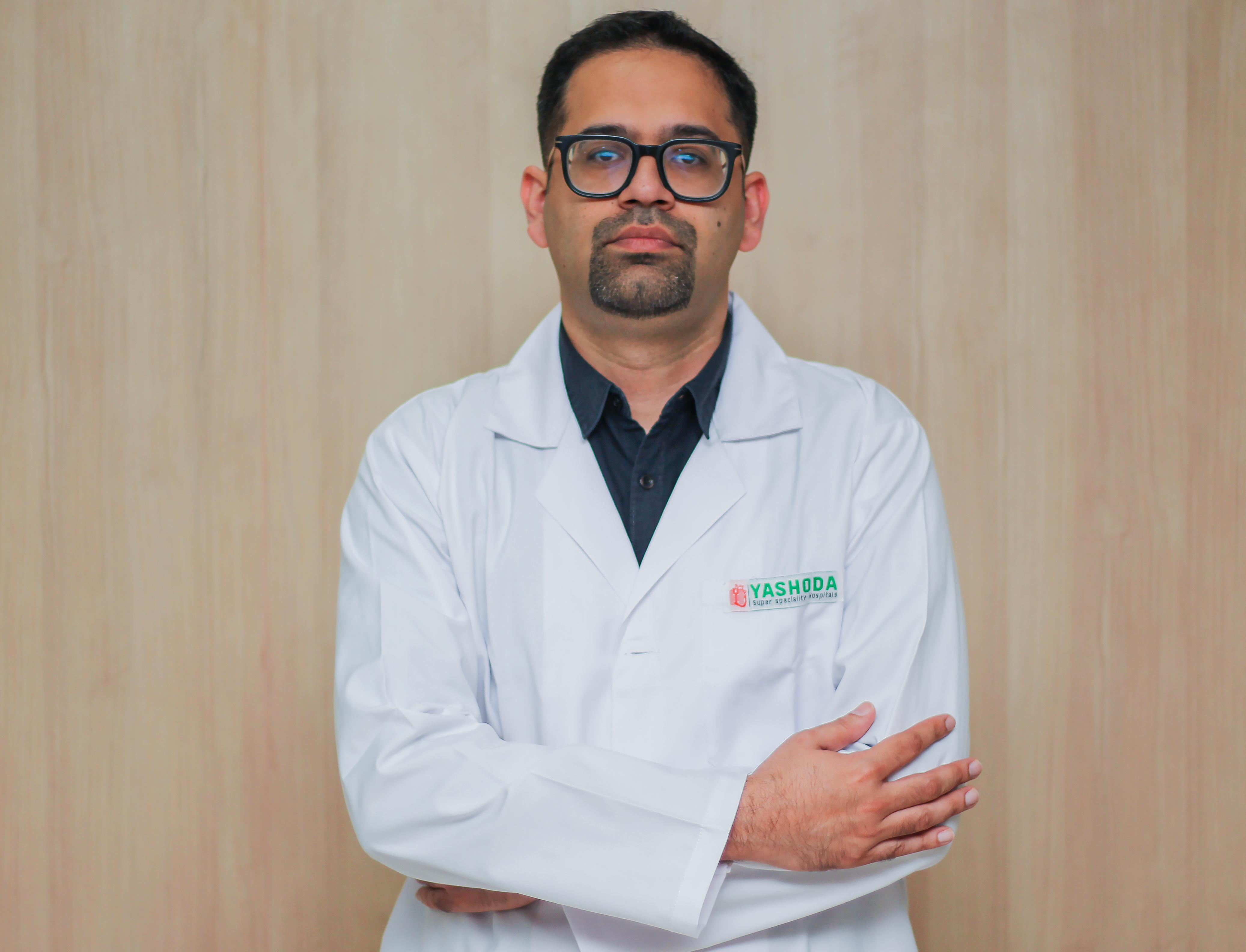
Dr. Ahmer Zafar
Associate Consultant: Orthopedics with Joint Replacement & Sports Medicine
Joint Replacement Hospital in Greater Noida
A joint replacement decision often gets delayed for years not because the pain has not become severe enough, but because of what the surgery itself represents in most people's minds: weeks of recovery, an artificial joint that might never feel quite natural, and a procedure that sounds far more drastic than living with worsening arthritis. For a long time, that hesitation was understandable, because surgery at a joint replacement hospital in Ghaziabad genuinely was a significant, somewhat imprecise undertaking.
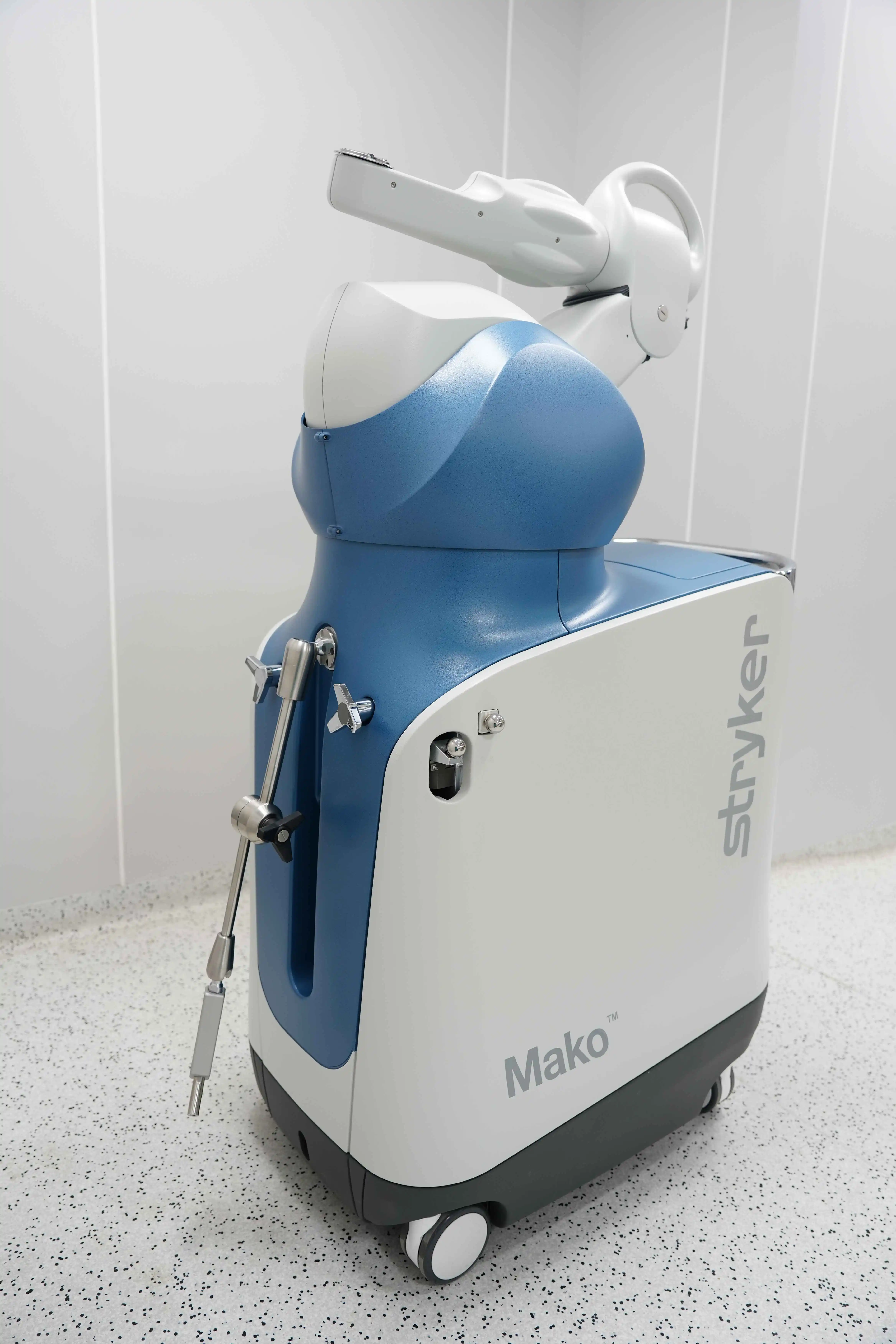
That has changed considerably with the introduction of robotic-assisted techniques. At Yashoda Medicity, joint replacement surgery is performed using Mako SmartRobotics, a system that maps each patient's joint anatomy in detail before surgery even begins, allowing the surgical team to plan implant positioning with a level of precision that manual technique alone cannot consistently achieve.
Conditions We Treat
The team at the joint replacement hospital in Ghaziabad manages a wide range of conditions, including:
- Osteoarthritis of the hip, knee, and shoulder
- Rheumatoid arthritis affecting major joints
- Avascular necrosis
- Post-traumatic arthritis
- Severe degenerative joint disease
- Deformed joint anatomy or altered bone alignment affecting mobility
- Failed previous joint replacement requiring revision surgery
For many of these conditions, joint replacement is considered only once non-surgical management, including medication, physiotherapy, and injections, has stopped providing meaningful relief. The decision is rarely made on the basis of a single appointment.
When to Consult a Joint Replacement Specialist in Ghaziabad
Joint pain does not always mean replacement is the immediate answer, but a point does eventually arrive for many patients where conservative management stops providing meaningful relief. Recognising that point earlier rather than later tends to make the eventual surgery, if it becomes necessary, more straightforward.
Book a consultation with the best joint surgeon in Ghaziabad if you are experiencing any of the following:
- Persistent joint pain that limits daily activities
- Pain that continues despite medication, physiotherapy, or injections
- Stiffness that makes it difficult to climb stairs or rise from a seated position
- Visible joint deformity or a noticeable change in how the joint looks
- Pain that disrupts sleep on a regular basis
- A previous joint replacement that has started causing pain or instability
Most patients are not in a hurry to consider surgery, and that is entirely reasonable, but a specialist consultation does not commit you to anything beyond an honest assessment of where your joint currently stands. In many cases, a consultation simply confirms that conservative treatment can continue safely for now, with surgery becoming relevant only if the joint continues to deteriorate.
Advanced Treatment at the Joint Replacement Hospital in Ghaziabad
Robotic-Assisted Knee Replacement
For both total and partial knee replacement surgery in Ghaziabad at Yashoda Medicity, robotic guidance allows precise implant positioning based on each patient's specific joint anatomy. This is particularly valuable for patients with deformed joint alignment or unusual anatomy, where conventional technique has more limited room for adjustment during the procedure itself. Partial knee replacement, in particular, benefits from this precision, since only the damaged portion of the joint is being addressed, and the surrounding healthy structures need to be preserved with considerable accuracy.
Robotic-Assisted Hip Replacement
Total hip arthroplasty using robotic guidance focuses on accurate biomechanical restoration of the joint, an outcome that matters considerably for younger, more active patients who need their replacement to function naturally and last for decades rather than years. The hip replacement hospital in Ghaziabad understands that the correct positioning of the hip implant directly affects leg length, range of motion, and the long-term wear pattern of the artificial joint.
Pre-Operative Surgical Planning
Before any incision is made, detailed CT-based imaging creates a patient-specific three-dimensional map of the joint, allowing the surgical team to define implant size, positioning, and the exact bone resection strategy in advance, rather than making these decisions in the moment during surgery. This shifts a significant portion of surgical decision-making to before the patient has even entered the operating theatre.
Intraoperative Precision and Adjustment
During the procedure, the robotic arm executes the surgical plan with sub-millimetric accuracy, while still allowing the surgeon to make intraoperative adjustments for ligament balancing and alignment correction based on what they observe in real time. The technology supports the surgeon's judgment rather than replacing it, combining detailed pre-operative planning with the ability to respond to what is actually found once surgery begins.
Revision Joint Replacement
For patients whose previous joint replacement has failed or become painful over time, revision surgery presents additional anatomical complexity. Bone may have been altered by the original implant, and scar tissue can make standard landmarks harder to identify while planning out the joint pain surgery in Ghaziabad. Robotic planning is particularly useful in these cases, where altered bone structure from the original surgery requires more careful pre-operative mapping than a first-time procedure, helping the surgical team navigate anatomy that no longer follows a typical pattern.
State-of-the-Art Facilities at the Joint Replacement Hospital in Ghaziabad
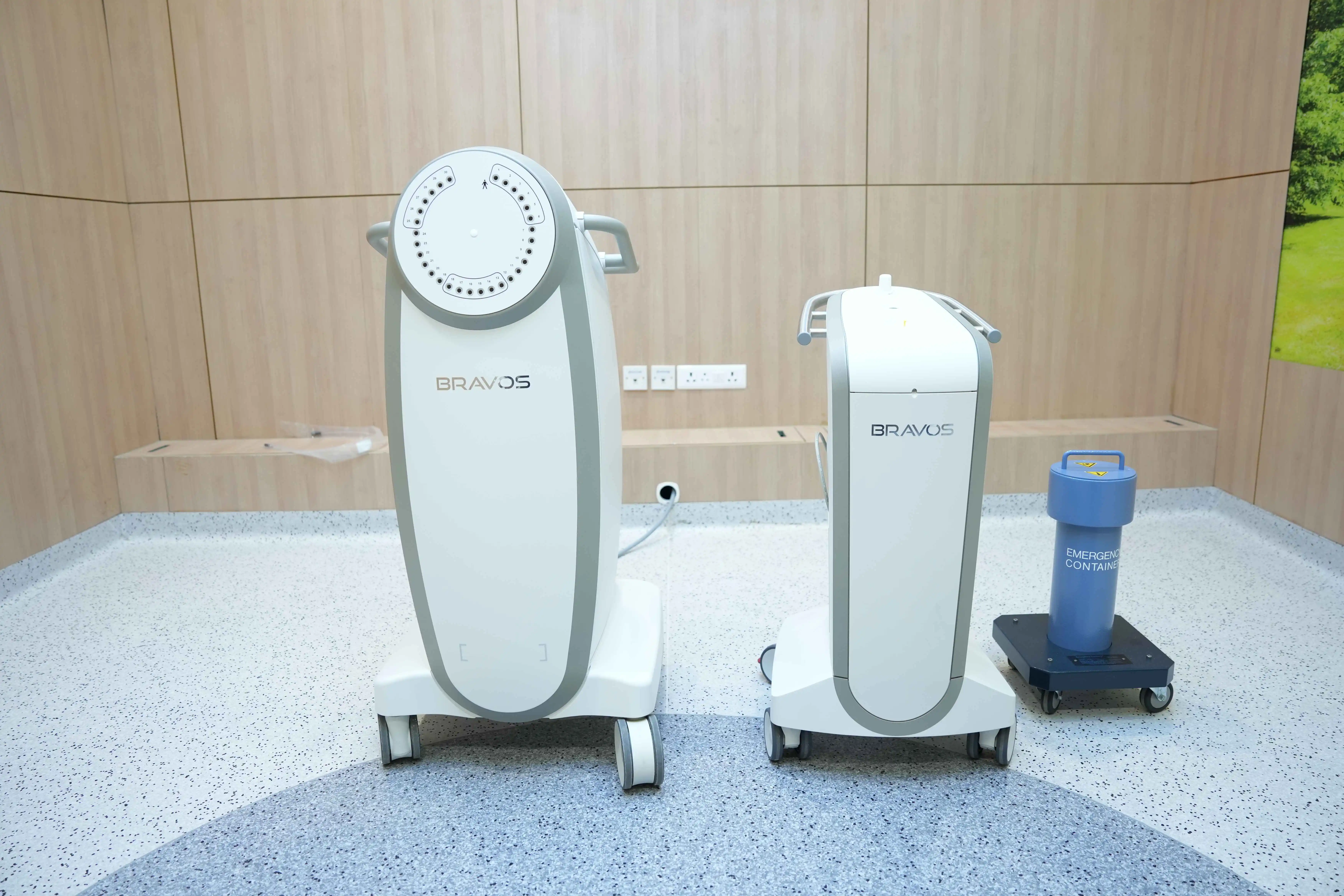
Mako SmartRobotics
This system underpins joint replacement surgery at Yashoda Medicity, using high-resolution CT-based three-dimensional modelling to create a detailed, patient-specific anatomical map before surgery. Surgeons use this map for pre-operative virtual planning, defining implant size, positioning, and bone resection strategy with a level of detail manual planning cannot match.
AccuStop Haptic Technology
During surgery, AccuStop provides real-time feedback and restricts the surgical instrument within predefined safety boundaries, directly protecting healthy bone and soft tissue surrounding the joint. This safeguard reduces the risk of unintended damage to structures that need to be preserved, functioning as a continuous check against deviation from the planned resection area throughout the procedure.
Robotic Arm with Haptic Guidance
The robotic arm assists the surgeon in executing the pre-operative plan with sub-millimetric accuracy, while still allowing intraoperative adjustment, ensuring that the final implant position reflects both careful planning and the surgeon's real-time clinical judgment, rather than rigidly following a plan that cannot account for what is actually found inside the joint.
Dedicated Joint Replacement Operating Theatres
Procedures are performed in operating theatres specifically equipped for robotic-assisted joint replacement, supporting the imaging, planning software, and robotic systems required for this level of precision, with infrastructure maintained to the standard this kind of surgery demands.
Structured Post-Operative Rehabilitation
Improved joint biomechanics from robotic-assisted surgery support faster rehabilitation, but recovery still depends on structured physiotherapy following the procedure, which is built into the care pathway from the outset rather than left for patients to arrange independently. Early mobilisation, guided exercise, and progressive strengthening all play a role in how well the new joint ultimately performs.
Patient Journey at the Joint Replacement Department
- Initial Consultation: The first step is where the specialist assesses the joint damage by reviewing previous treatment (if any attempted) and discussing whether replacement is an appropriate option at the joint replacement hospital in Ghaziabad.
- Pre-Operative Planning: The next step is where CT-based imaging is used to create a detailed map of the joint. This plan helps in confirming implant size, positioning, and surgical approach in advance.
- Surgery: The procedure is performed using robotic guidance, with the surgeon making real-time adjustments as needed.
- Early Recovery: After surgery, structured physiotherapy begins with the aim of mobilising patients as part of the recovery process.
- Long-Term Follow-Up: Ongoing review monitors implant function and joint performance over time, with rehabilitation adjusted according to individual progress.
Why Choose Yashoda Medicity for Joint Replacement Hospital in Ghaziabad?
- Precision planning before surgery even begins. Detailed CT-based mapping allows the surgical approach to be defined in advance rather than relying solely on intraoperative judgement once the joint has already been opened.
- Real-time safeguards during surgery. AccuStop haptic technology actively protects healthy bone and soft tissue throughout the procedure, reducing the margin for error that manual technique alone carries.
- Suitable for complex and revision cases. When the case involves a patient with deformed joint anatomy or those requiring revision surgery after a previous replacement, robotic-assisted planning is far more beneficial as one may not take more risks.
- Built for long-term outcomes. The focus on accurate biomechanical restoration is particularly relevant for younger and active patients who need their joint replacement to last for decades rather than simply relieve pain in the short term.
- Rehabilitation integrated from the outset. Recovery is planned alongside the surgery itself rather than considered only once the patient has been discharged.
Make Your Appointment Today
Joint replacement surgery no longer needs to carry the same uncertainty it once did. Robotic-assisted techniques allow the surgical team to plan with precision before the procedure begins and execute that plan with an accuracy that manual technique alone could not consistently achieve, addressing many of the concerns that have historically made patients delay this decision.
The Joint Replacement Department at Yashoda Medicity, Ghaziabad provides this level of robotic-assisted care.
Call us today: 9266610101
 Call: +91 9266610101