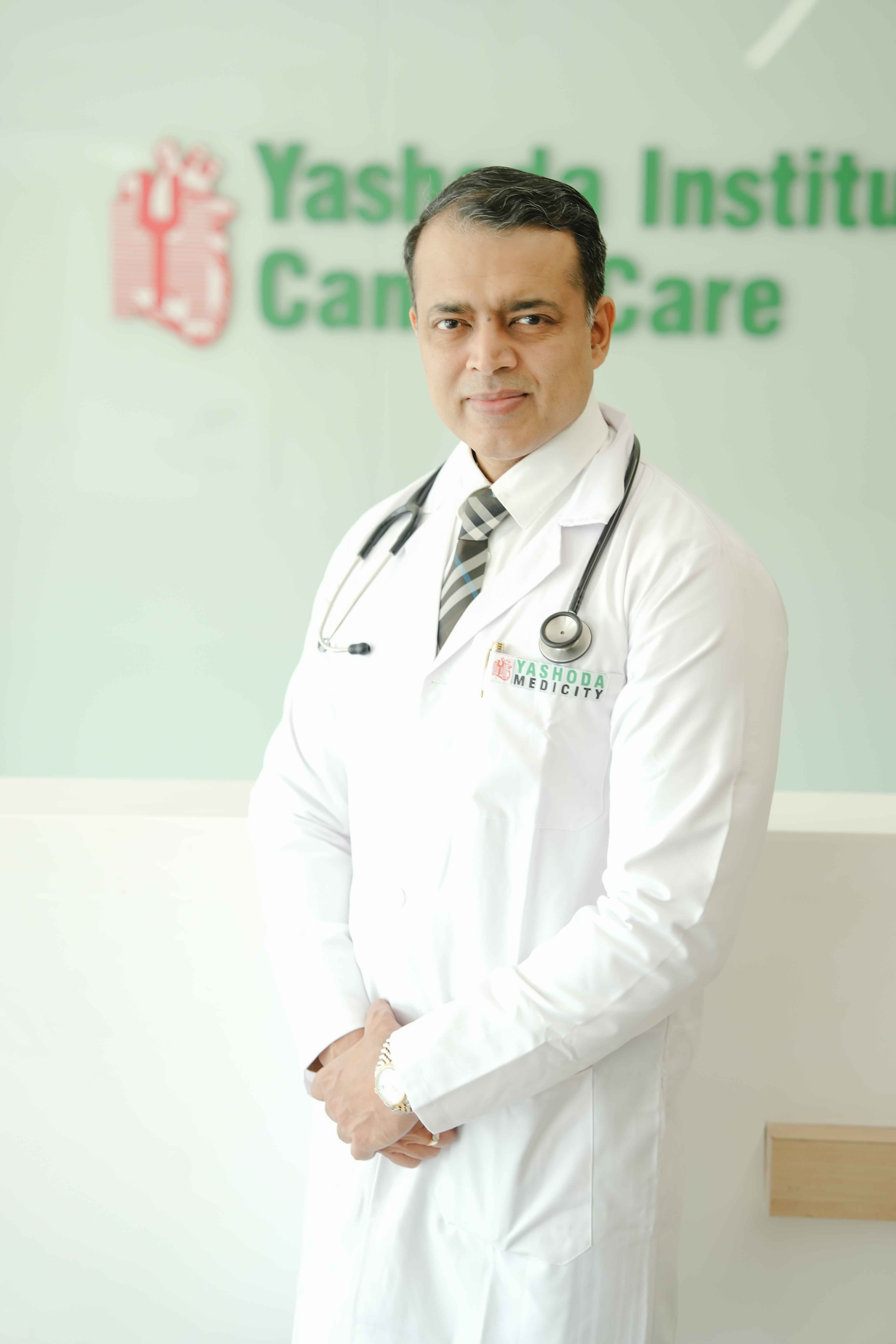
Dr. Manish Singhal
Vice Chairman - Medical Oncology

Dr. Gagan Saini
Vice-Chairman, Radiation Oncology

Dr. Satinder Kaur
Senior Director and Head – Gynaecologic Oncology & Robotic Surgery

Dr. Nivedita Dhingra
Director & Head - Hematology, Hemato-Oncology And Bone Marrow Transplant (Adult & Pediatrics)
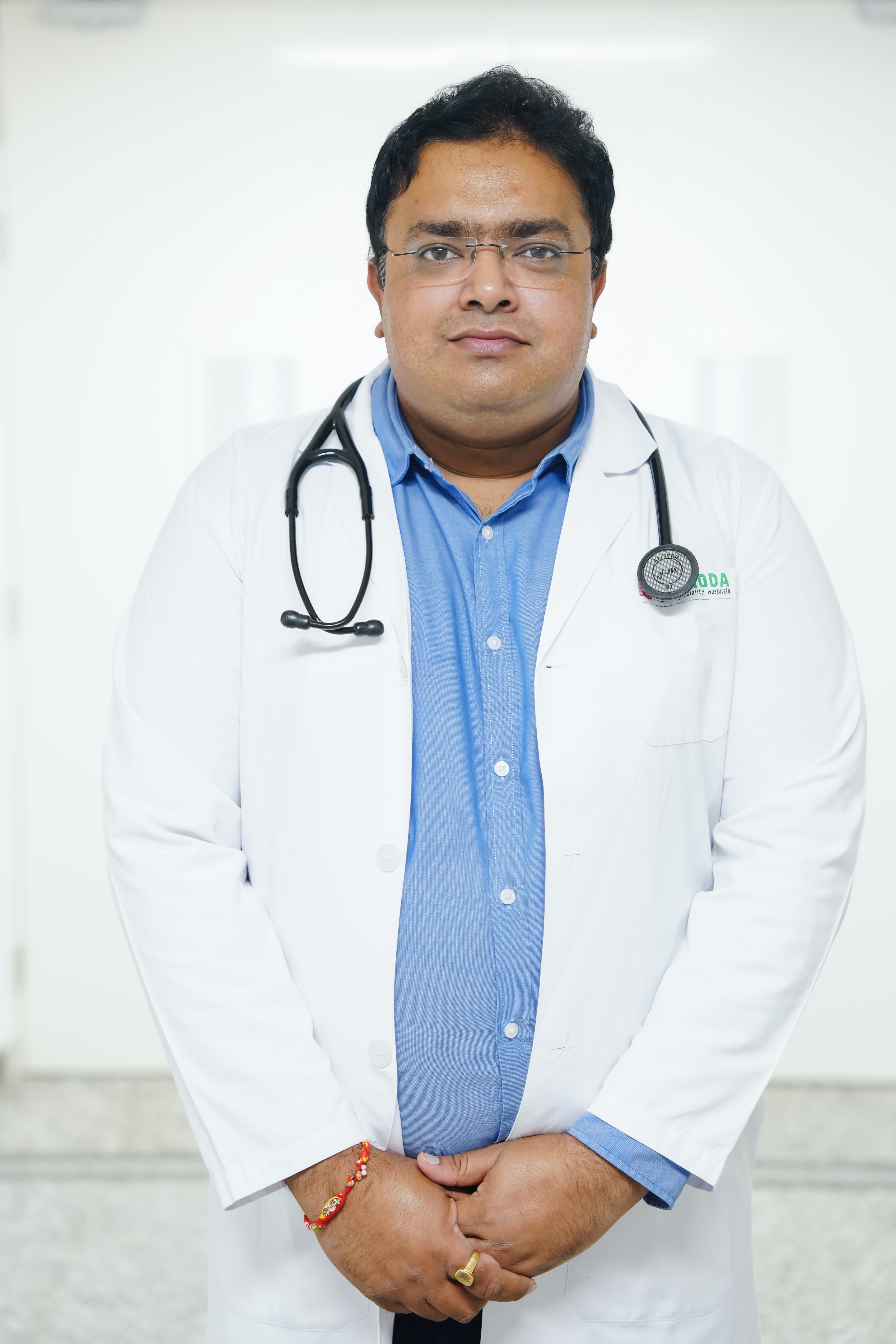
Dr. Abhishek Yadav
Director, Department of Medical Oncology
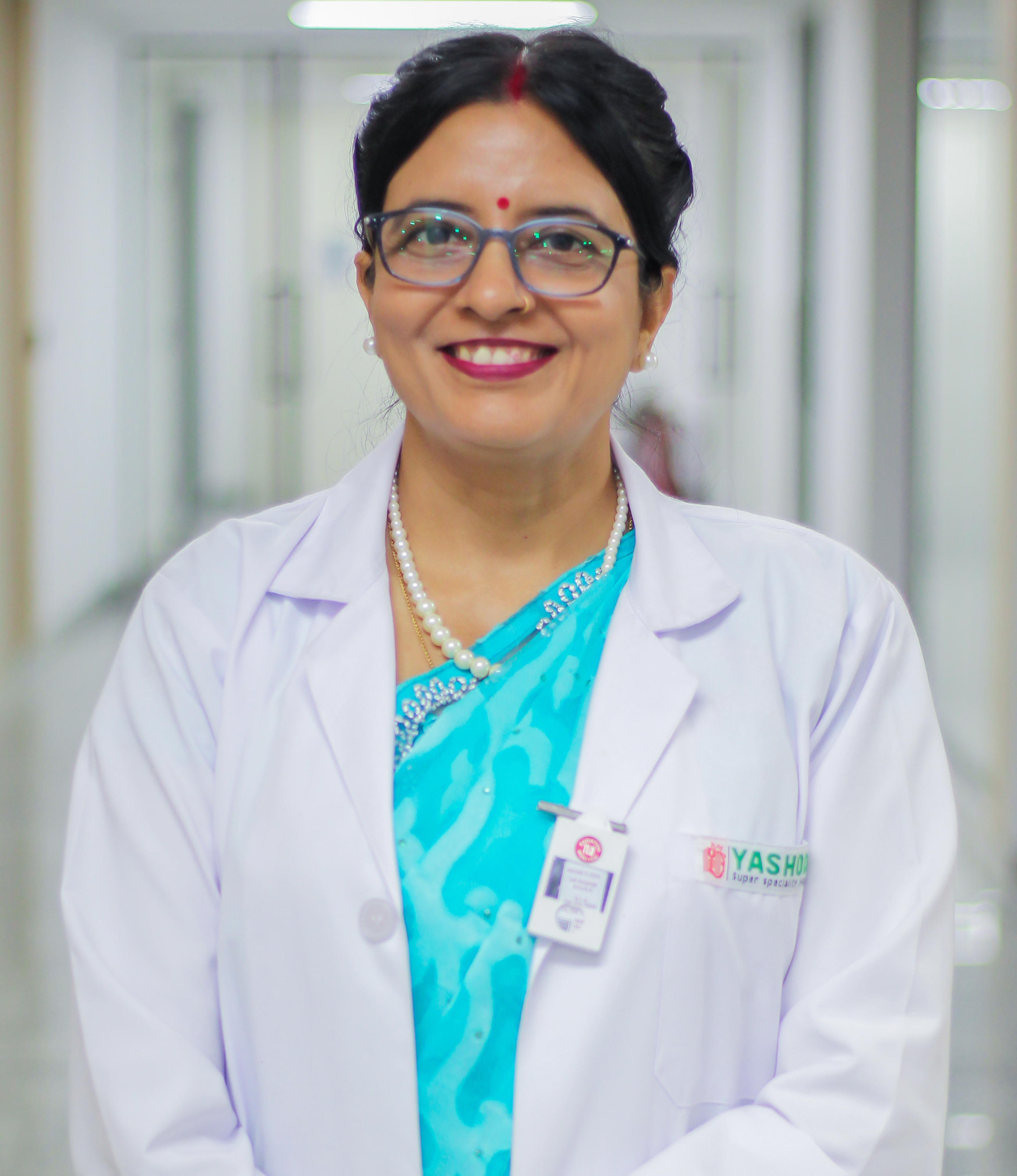
Dr. Rashmi Shukla
Principal Consultant – Radiation Oncology
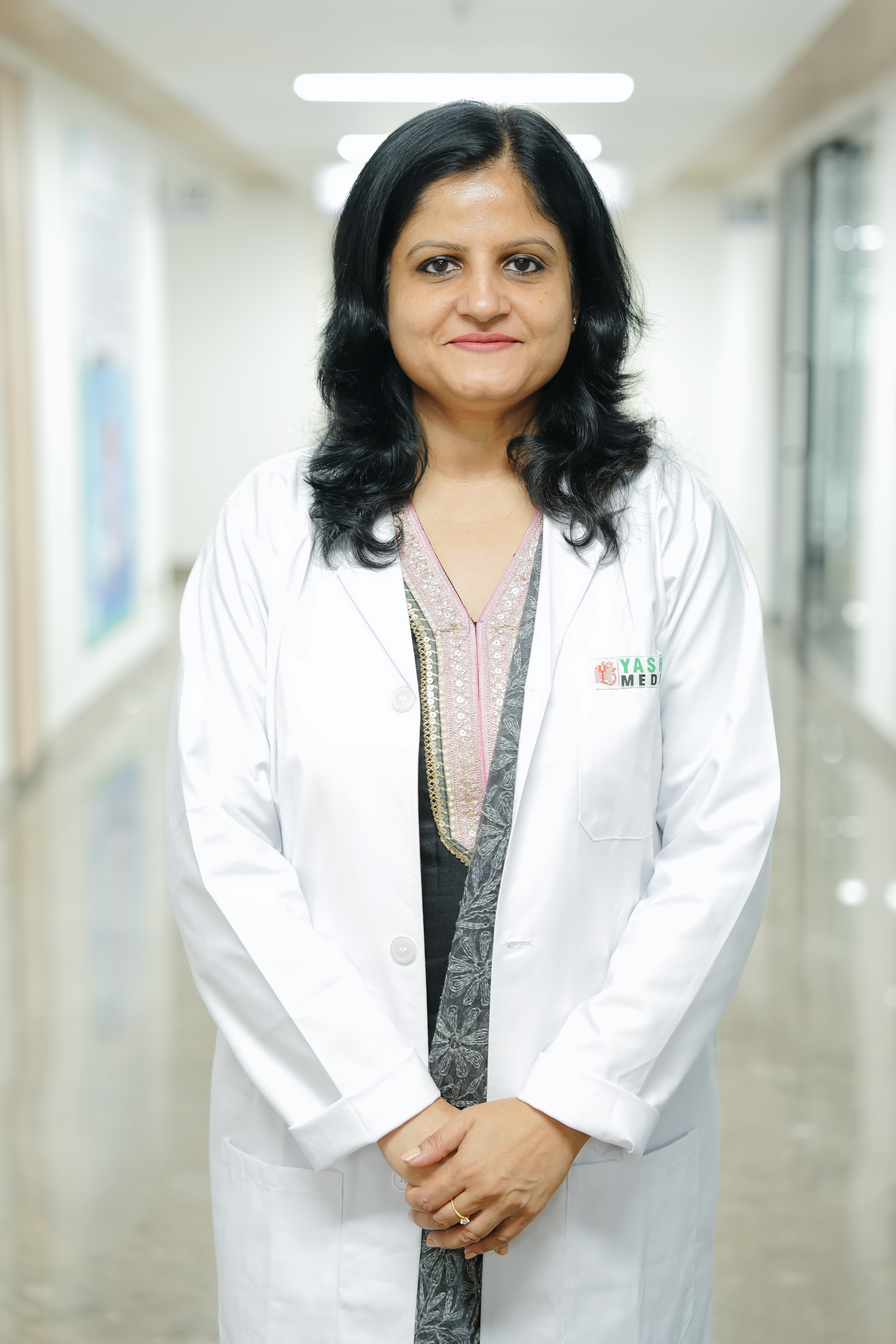
Dr. Karuna Jha
Senior Consultant - Hematology, Hemato-Oncology And Bone Marrow Transplant (Adult & Pediatrics)

Dr. Nikhil Tandon
Consultant, Orthopedics Oncology
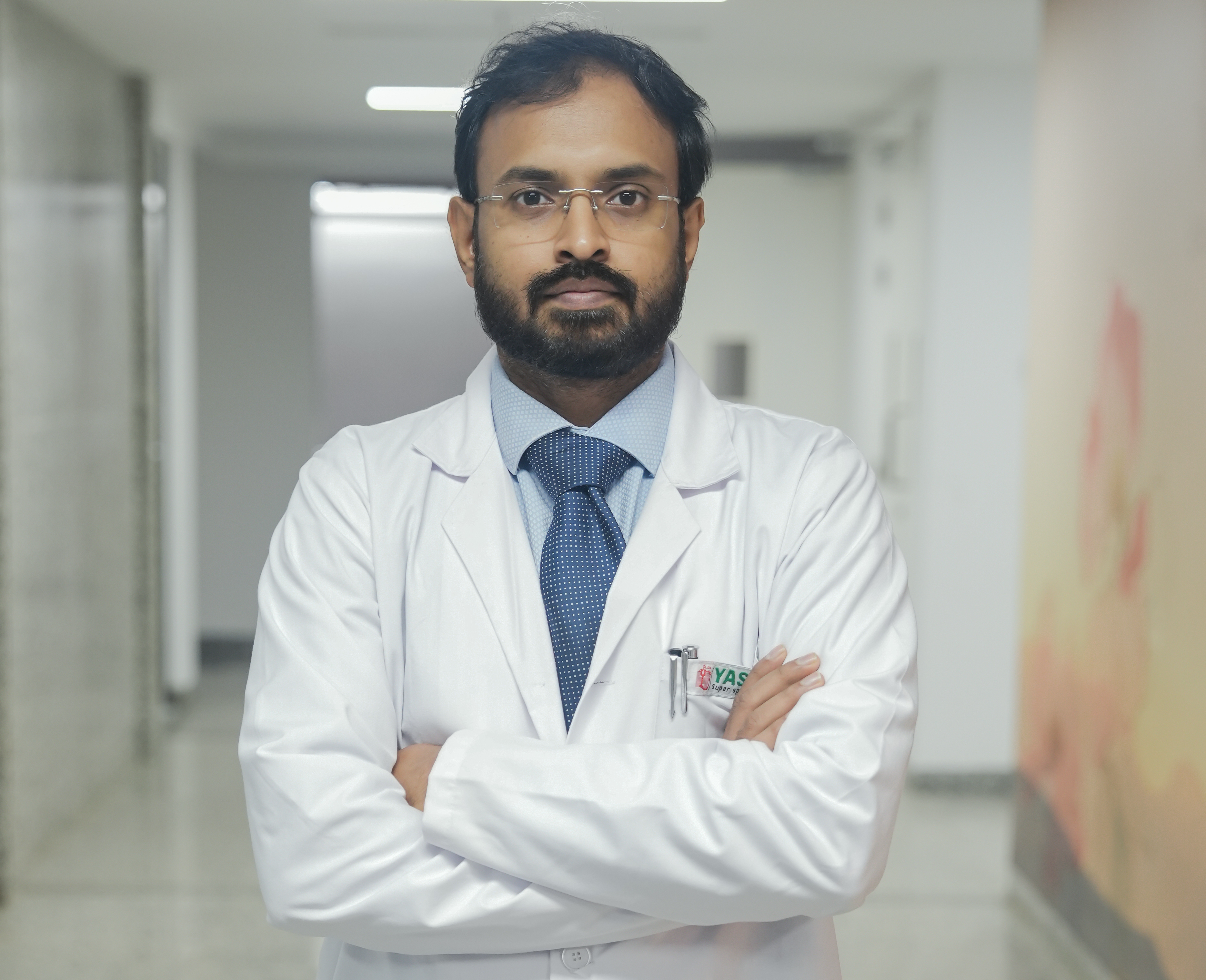
Dr. Sumanth Bollu
Consultant, Surgical Oncology- Head & Neck
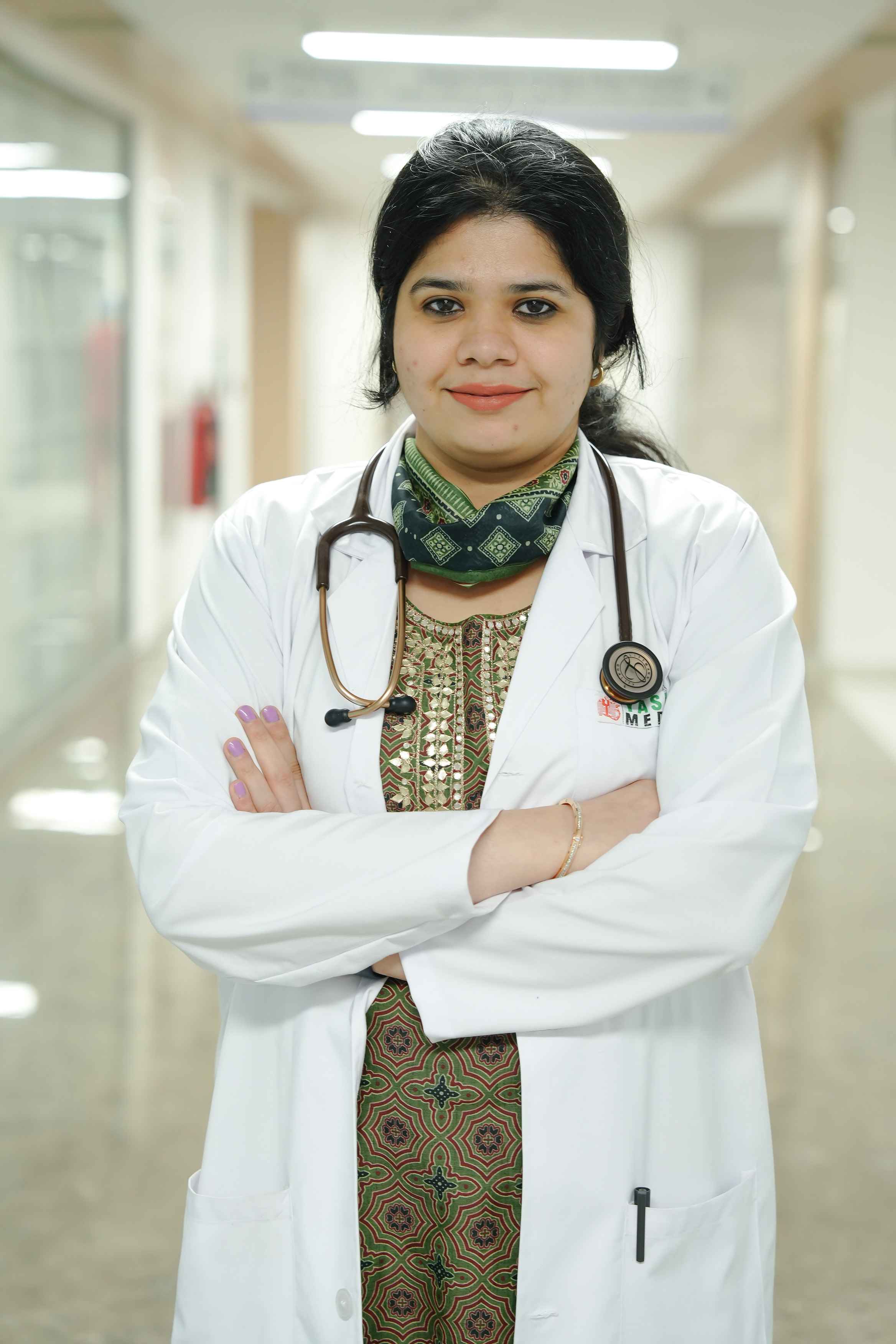
Dr. Nishtha Sachdeva
Consultant Medical Oncology
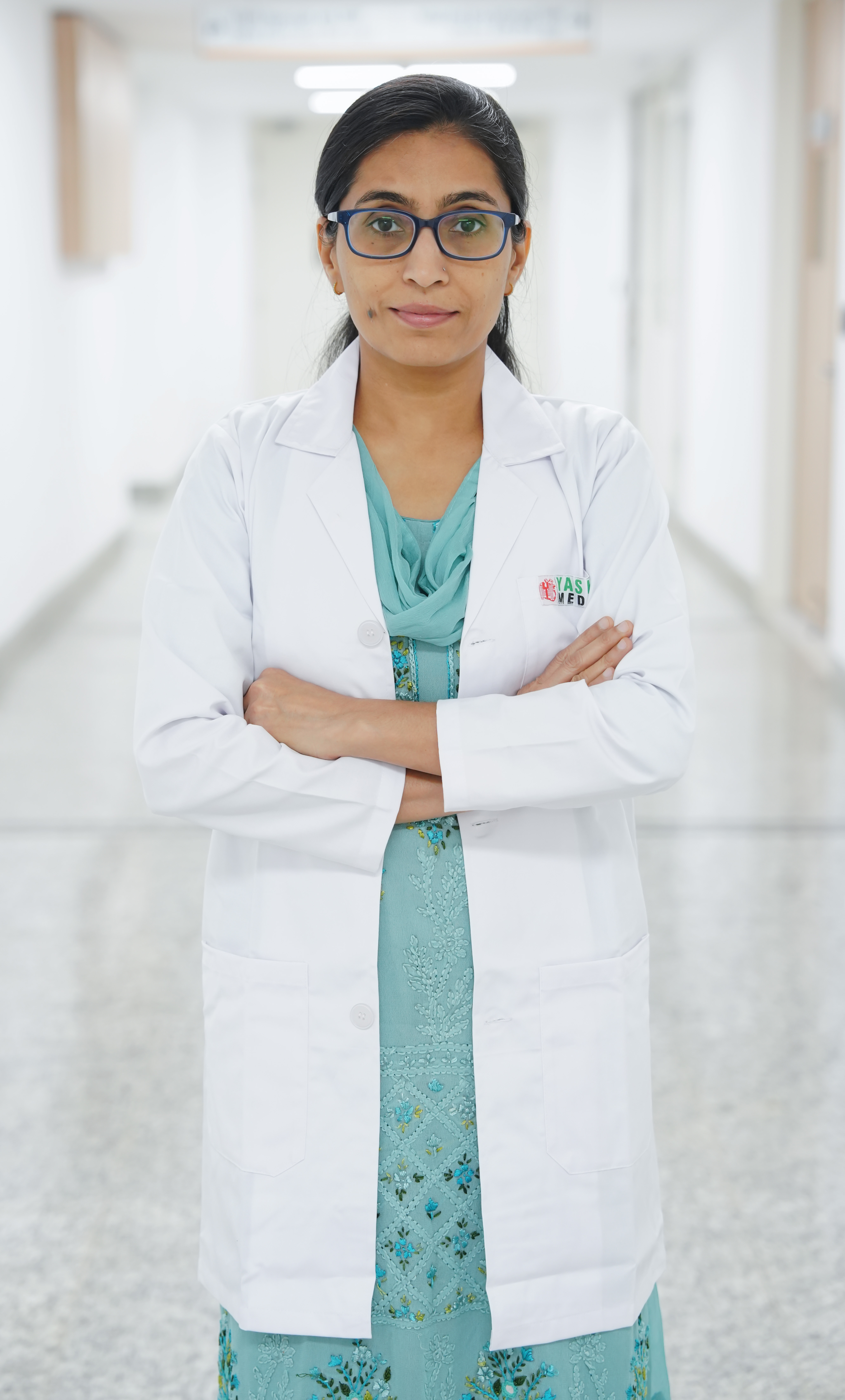
Dr. Hemlata Garg
Consultant, Gynecological Oncology & Robotic Surgery
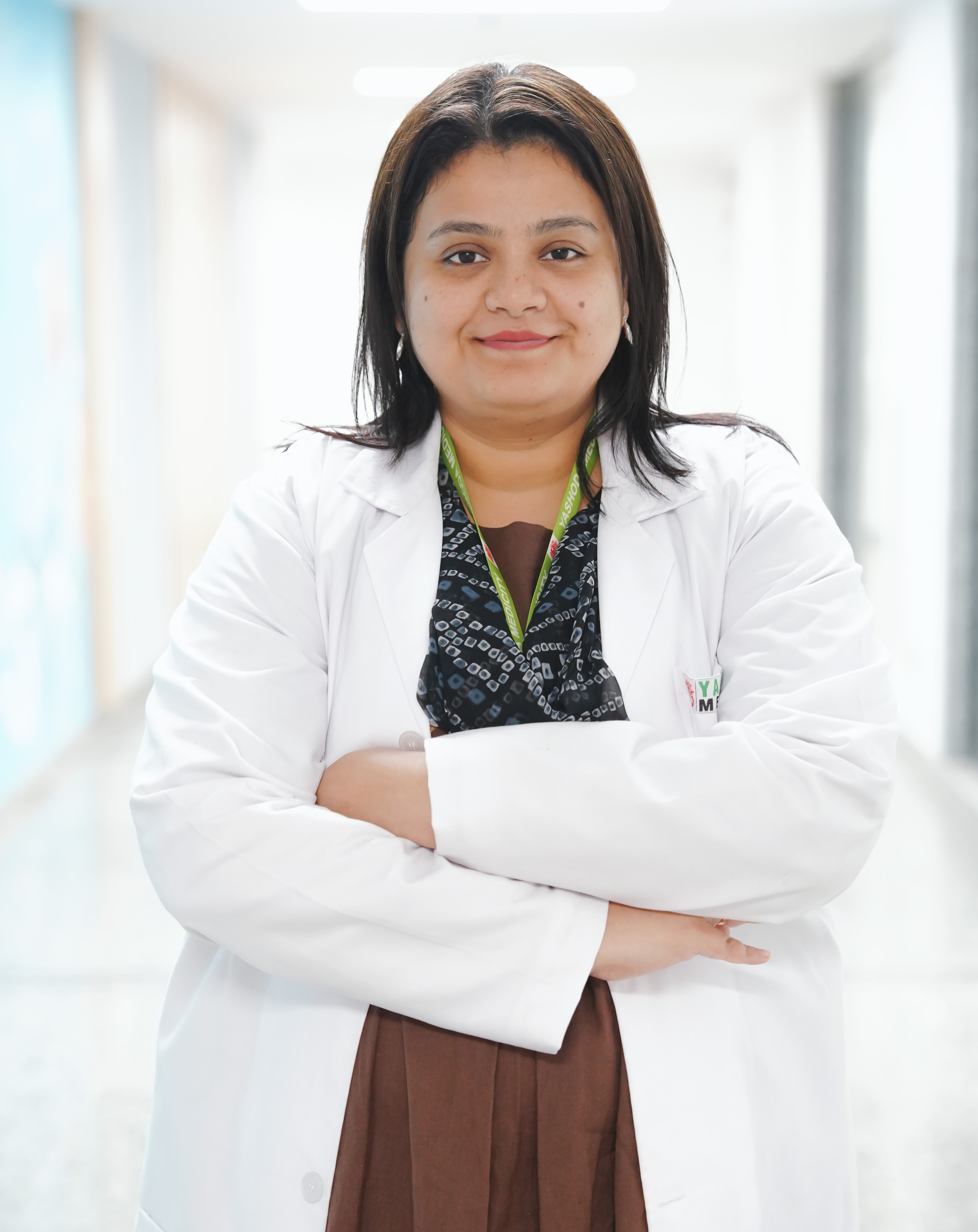
Dr. Ipshita Sahoo
Associate Consultant - Gynecologic Oncology & Robotic Surgery

Dr. Jigar Paghadar
Junior Consultant - Surgical Oncology and Robotic Surgery
Bone Marrow Transplant Hospital in Greater Noida
Bone marrow transplant is one of the most complex treatment journeys in modern medicine, both clinically and personally. The process spans several weeks to months, beginning with extensive evaluations and diagnostic tests to determine eligibility, followed by the transplant procedure and a carefully monitored recovery phase. Each stage is critical and requires precise coordination, clinical expertise, and continuous monitoring.
For families in Ghaziabad who are often balancing work, school, and everyday responsibilities alongside treatment, this journey demands sustained patience, emotional strength, and logistical planning. The Bone Marrow Transplant team at Yashoda Medicity manages this entire process in a structured, stage-wise manner, ensuring that every step from evaluation to recovery is carefully planned and supported.
Conditions We Treat
The team of the bone marrow transplant hospital in Ghaziabad manages a wide range of malignant and non-malignant conditions where transplantation offers the best prospect of long-term disease control or cure.
We treat a wide range of conditions, including:
- Acute Myeloid Leukaemia
- Acute Lymphoblastic Leukaemia
- Chronic Myeloid Leukaemia
- Hodgkin's Lymphoma
- Non-Hodgkin's Lymphoma
- Multiple Myeloma and Plasma Cell Disorders
- Aplastic Anaemia and Bone Marrow Failure Syndromes
- Myelodysplastic Syndromes
- Thalassaemia Major
- Sickle Cell Disease
- Severe Combined Immunodeficiency and Primary Immune Deficiencies
When to Consult a BMT Specialist Hospital in Ghaziabad
A consultation with specialists does not necessarily mean that a transplant has been decided. In many cases, it is the step for establishing whether transplant is the right pathway, when it should happen, and what preparation is needed before it can proceed.
You should seek a bone marrow transplant consultation if:
- A diagnosis of leukaemia, lymphoma, or myeloma has been made and the treating oncologist has raised the possibility of transplant
- A blood cancer has relapsed following initial treatment
- A diagnosis of aplastic anaemia, thalassaemia major, or sickle cell disease has been made and disease severity warrants transplant evaluation
- A child has been diagnosed with an inherited immune deficiency or metabolic storage disorder
- A second opinion on transplant eligibility or timing is being sought
Starting the evaluation early at a bone marrow transplant hospital in Ghaziabad ensures that the transplant can proceed at the right clinical moment rather than being delayed by logistics.
Types of Bone Marrow Transplant at Yashoda Medicity
Autologous Transplant
Here, the patient’s own stem cells are collected before high-dose chemotherapy is administered, carefully stored, and then reinfused once chemotherapy is complete. Since the patient’s own cells are used, the risk of rejection and graft-versus-host disease does not apply, making it a relatively less complex transplant.
Allogeneic Transplant
In this type of BMT treatment in Ghaziabad, healthy stem cells from a donor are used. It is used in cases where the patient’s own cells cannot be used. The donor can be a related person such as a sibling or relative, or an unrelated donor.
Matched Related Donor Transplant
In allogeneic transplants at the bone marrow transplant hospital in Ghaziabad, the preferred approach is a fully tissue-matched sibling or family member. A matched sibling donor offers the best compatibility and the lowest risk of immune complications.
Matched Unrelated Donor Transplant
When a suitable family donor is not available, stem cells can be sourced from international donor registries. The department has experience managing unrelated donor transplants, including the additional immune monitoring and complication management these cases require.
Haploidentical Transplant
Here, stem cells from a parent or child who shares half the patient’s tissue type are used. This significantly expands donor availability, as almost every patient has a haploidentical family member, making it an increasingly viable option as immune management protocols have improved.
Umbilical Cord Blood Transplant
Stem cells from donated umbilical cord blood can be used for patients without a suitable adult donor. Cord blood transplants are particularly relevant in paediatric cases and in patients with rare tissue types for whom a matched donor is difficult to identify.
Advanced Bone Marrow Transplant Treatment at Yashoda Medicity
Pretransplant Evaluation
Every transplant candidate undergoes a comprehensive pretransplant workup. At the bone marrow transplant hospital in Ghaziabad, this includes diagnostic imaging, molecular studies, tissue typing, infection screening, organ function assessment, nutritional evaluation, and psychological counselling.
Conditioning Therapy
Before stem cells can be infused, the patient’s existing bone marrow is eliminated using high-dose chemotherapy, with or without radiation, depending on the disease and transplant type.
Stem Cell Infusion
Once conditioning is complete, donor or stored stem cells are infused intravenously. After this, it typically takes two to four weeks to assess engraftment and the start of blood cell production.
Engraftment and Recovery Monitoring
The period between infusion and confirmed engraftment is the highest-risk phase, as the patient has essentially no immune function. The team provides round-the-clock monitoring, blood product support through a dedicated blood bank, and rapid response to complications.
State-of-the-Art Bone Marrow Transplant Facilities
Dedicated Laminar Airflow Transplant Units
The transplant rooms are equipped with laminar airflow systems and high-efficiency particulate air filtration, creating a positive-pressure, ultra-clean environment that reduces the risk of airborne infection during the immunocompromised phase.
Stem Cell Processing and Apheresis Laboratory
The unit collects stem cells from patients or donors through a process called apheresis. The laboratory handles preparation, quality assessment, and cryopreservation of stem cells for autologous procedures.
Cryopreservation Facility
Stem cells collected for autologous transplant are cryopreserved and stored at ultra-low temperatures until the conditioning phase is complete. The facility maintains cell viability during extended storage periods.
24x7 Blood Bank and Transfusion Medicine
Bone marrow transplant patients require frequent blood and platelet transfusions during the engraftment phase, typically 12 to 28 days post-transplant. The dedicated blood bank ensures round-the-clock access to blood products.
Multidisciplinary Transplant Team
The transplant programme is supported by oncologists, haematologists, immunologists, infectious disease specialists, dieticians, and psychologists working as a coordinated team. Each discipline contributes to a different aspect of the transplant journey.
Supportive and Rehabilitative Care
Psychological support is available throughout the transplant journey, before, during, and after. Nutritional support is managed by dedicated dieticians, with plans adjusted at each phase. Rehabilitation programmes support recovery of physical function and quality of life after engraftment.
Patient Journey for the Bone Marrow Transplant Treatment
- Referral and Initial Consultation: The patient meets the transplant team to review disease status, prior treatment history, and overall health. Eligibility is assessed, transplant type is discussed, and the process is outlined.
- Pretransplant Workup: Full diagnostic evaluation, tissue typing, donor identification (for allogeneic procedures), infection screening, and organ function assessment are completed. Nutritional and psychological counselling begin at this stage.
- Conditioning Therapy: High-dose chemotherapy, with or without radiation, is administered to eliminate existing bone marrow. The patient is managed in a dedicated laminar airflow unit throughout.
- Stem Cell Infusion: Donor or stored stem cells are infused intravenously, initiating the engraftment phase with intensive monitoring for infection, bleeding, and organ function.
- Engraftment and Recovery: New stem cells establish in the bone marrow and begin producing blood cells. The clinical team monitors closely and manages complications as they arise.
Why Choose Yashoda Medicity for Bone Marrow Transplant in Ghaziabad?
- All transplant types managed: All types of transplant options are available for one to choose as per their condition: autologous, allogeneic, matched related donor, matched unrelated donor, haploidentical, and umbilical cord blood transplants.
- Infection-controlled infrastructure built for transplant: The laminar airflow units with high-efficiency particulate air filtration are a dedicated part of the transplant facilities. The physical environment is designed specifically for the immune vulnerability of the engraftment phase.
- Psychological and nutritional support integrated: The procedure isn’t treated as a clinical one alone at the bone marrow transplant hospital in Ghaziabad. The department's multidisciplinary team includes psychologists and dieticians as standard members of the transplant team, not optional referrals.
- Continuity from transplant to survivorship: The same department that manages the transplant manages the long-term follow-up. Patients are not discharged to general care after the acute phase; they remain within the transplant programme for ongoing monitoring and support.
Book Your Appointment Today
A bone marrow transplant is one of the most significant medical interventions a patient can undergo. Consult an expert to determine if it is the right approach for your condition. Call: 9266610101.
 Call: +91 9266610101