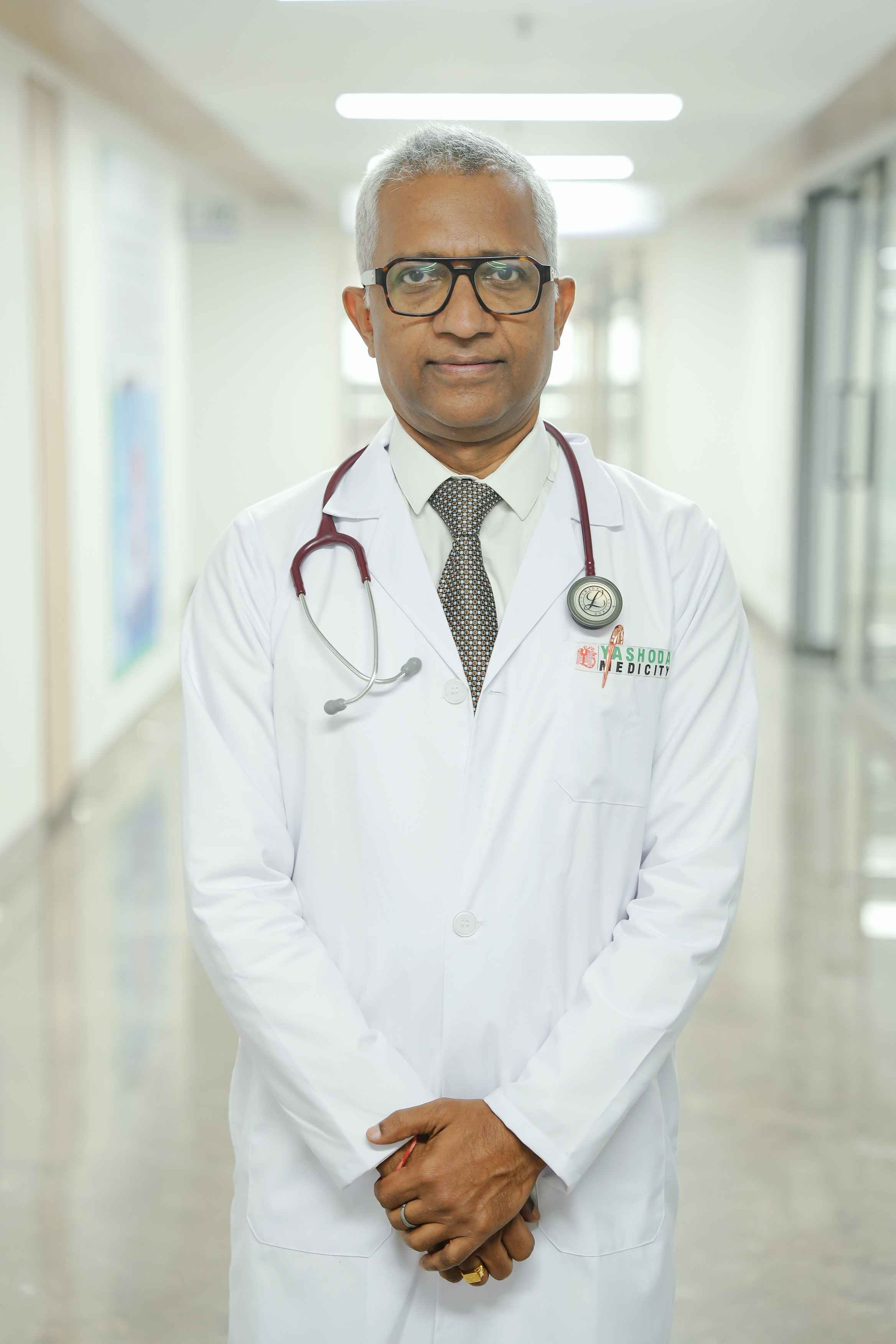
Dr. L K Jha
Principal Director – Nephrology & Renal Transplant

Dr. Amit Kumar Gupta
Associate Director, Nephrology and Renal Transplant Medicine
Dr. Prajit Mazumdar
Senior Consultant - Nephrology & Renal Transplant
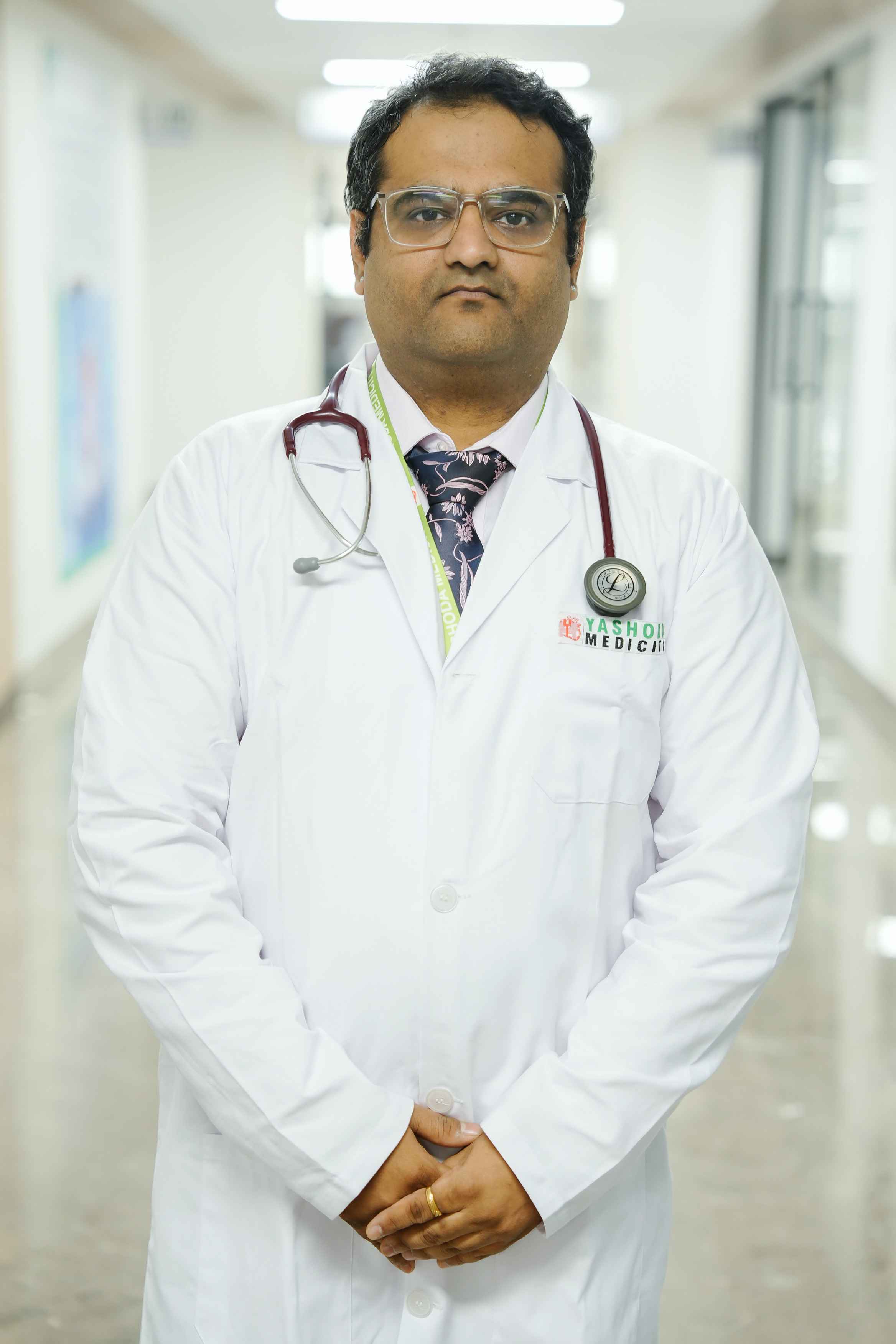
Dr. Pranav Tyagi
Senior Consultant - Nephrology & Renal Transplant
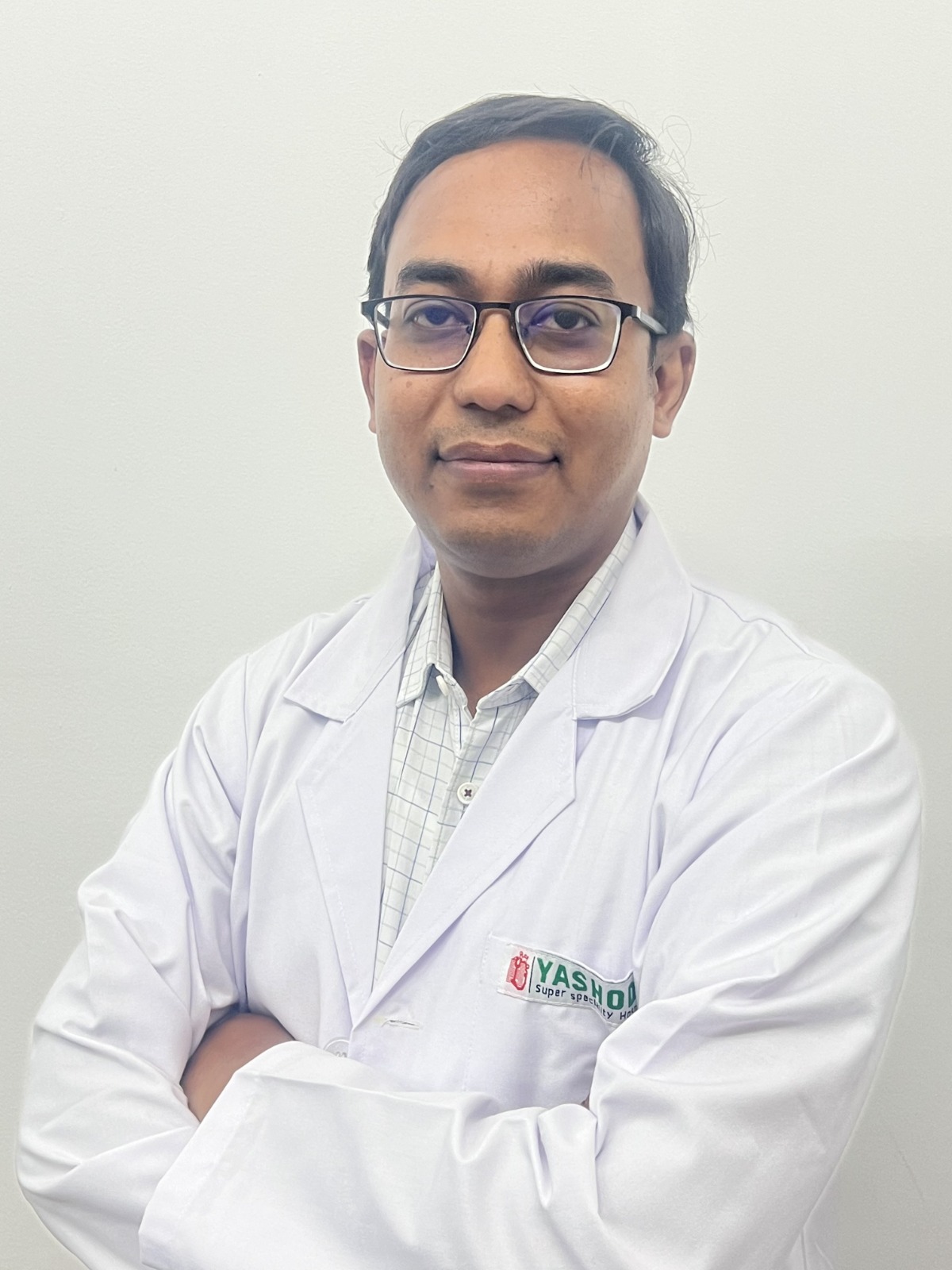
Dr. Indrajit G. Momin
Senior Consultant – Nephrology & Renal Transplant
Dialysis Centre in Greater Noida
Dialysis is not a one-time treatment. Instead, it is a routine that takes over a significant part of a patient’s life, often for years, with three or four sessions a week, several hours each time, for as long as the kidneys are unable to do their job. Since it is repeated so often, the quality of the dialysis centre a patient chooses matters far more than it would for a single procedure.
A poorly run dialysis unit means more than discomfort. It means a higher risk of infection, inconsistent fluid management, inadequate clearance of toxins, and a nephrology team that is not genuinely overseeing what is happening session to session.
A well-run unit means the opposite: predictable, safe, properly monitored sessions that fit into a patient’s life as smoothly as something this demanding can. The Dialysis Centre at Yashoda Medicity is built around that standard.
Who This Centre Is For
The dialysis centre in Ghaziabad manages patients across the full range of dialysis needs, from routine maintenance dialysis to acute, complex, and home-based care.
This includes patients who need:
- Regular maintenance haemodialysis for end-stage kidney disease
- Acute dialysis during a sudden, severe decline in kidney function
- Dialysis support during critical illness or intensive care admission
- A dialysis modality suited to unstable blood pressure or other complicating conditions
- Plasma exchange for specific immunological or kidney conditions
- Training and support to manage dialysis at home
- A second opinion on their current dialysis plan or modality
If you are currently on dialysis elsewhere and have concerns about how your sessions are managed, that is a valid reason to seek a review here.
Patients from across the region attend kidney dialysis in Ghaziabad at Yashoda Medicity for both routine and complex dialysis care.
Dialysis Procedures Offered
Haemodialysis
Standard haemodialysis remains the most common form of dialysis for patients with end-stage kidney disease. Blood is filtered through a dialyser to remove toxins and excess fluid, typically over three to four-hour sessions, several times a week. The centre at the haemodialysis hospital in Ghaziabad runs structured haemodialysis sessions with continuous monitoring throughout, allowing the team to adjust fluid removal and treatment parameters in real time based on patient response.
Haemodiafiltration
Haemodiafiltration combines the filtration process of standard haemodialysis with an additional convective clearance mechanism, allowing more effective removal of larger toxin molecules that standard dialysis clears less efficiently. For patients who tolerate standard haemodialysis poorly, or where enhanced clearance is needed, haemodiafiltration can offer better overall outcomes.
Home Haemodialysis
For suitable patients, dialysis does not have to mean repeated hospital visits. Home haemodialysis allows treatment to be carried out at home after structured training on equipment use, safety protocols, and recognition of warning signs. This option offers significantly more flexibility in daily life and is supported by the nephrology team through training and ongoing remote oversight.
Isolated Ultrafiltration
Isolated ultrafiltration removes excess fluid from the body without the solute clearance component of standard dialysis. It is used specifically for fluid overload, particularly in patients where fluid removal needs to be managed separately from toxin clearance, such as in certain cases of heart failure with fluid retention.
Plasma Exchange
Plasma exchange at the dialysis centre in Ghaziabad removes and replaces the plasma component of blood. It is used in specific immunological conditions and kidney diseases where harmful antibodies or proteins in the plasma contribute to disease. It is a specialised procedure used for specific clinical indications rather than routine kidney replacement therapy.
Acute Intermittent Haemodialysis
If a patient is experiencing a sudden and severe decline in kidney function rather than chronic kidney failure, acute intermittent haemodialysis at the dialysis centre in Ghaziabad is the preferred option. This provides intensive dialysis over a short period of time.
Slow Low-Efficiency Dialysis
Slow low-efficiency dialysis is designed for critically ill patients who cannot tolerate the rapid fluid shifts of standard haemodialysis, particularly those with unstable blood pressure. By extending the dialysis session over a longer period at a lower rate, fluid and toxin removal occurs more gradually, reducing the risk of blood pressure drops.
State-of-the-Art Dialysis Facilities
Advanced Dialysis Machines
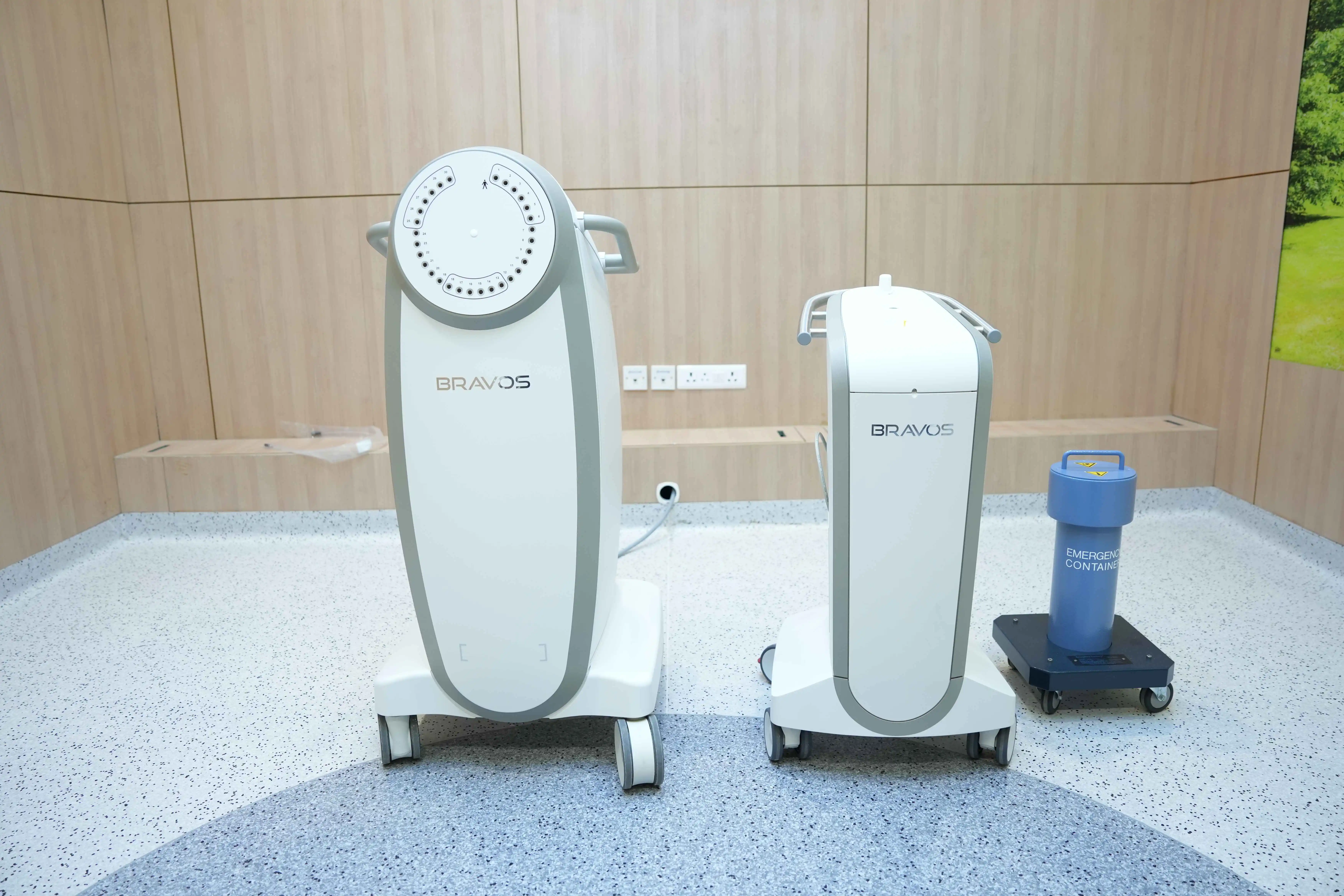
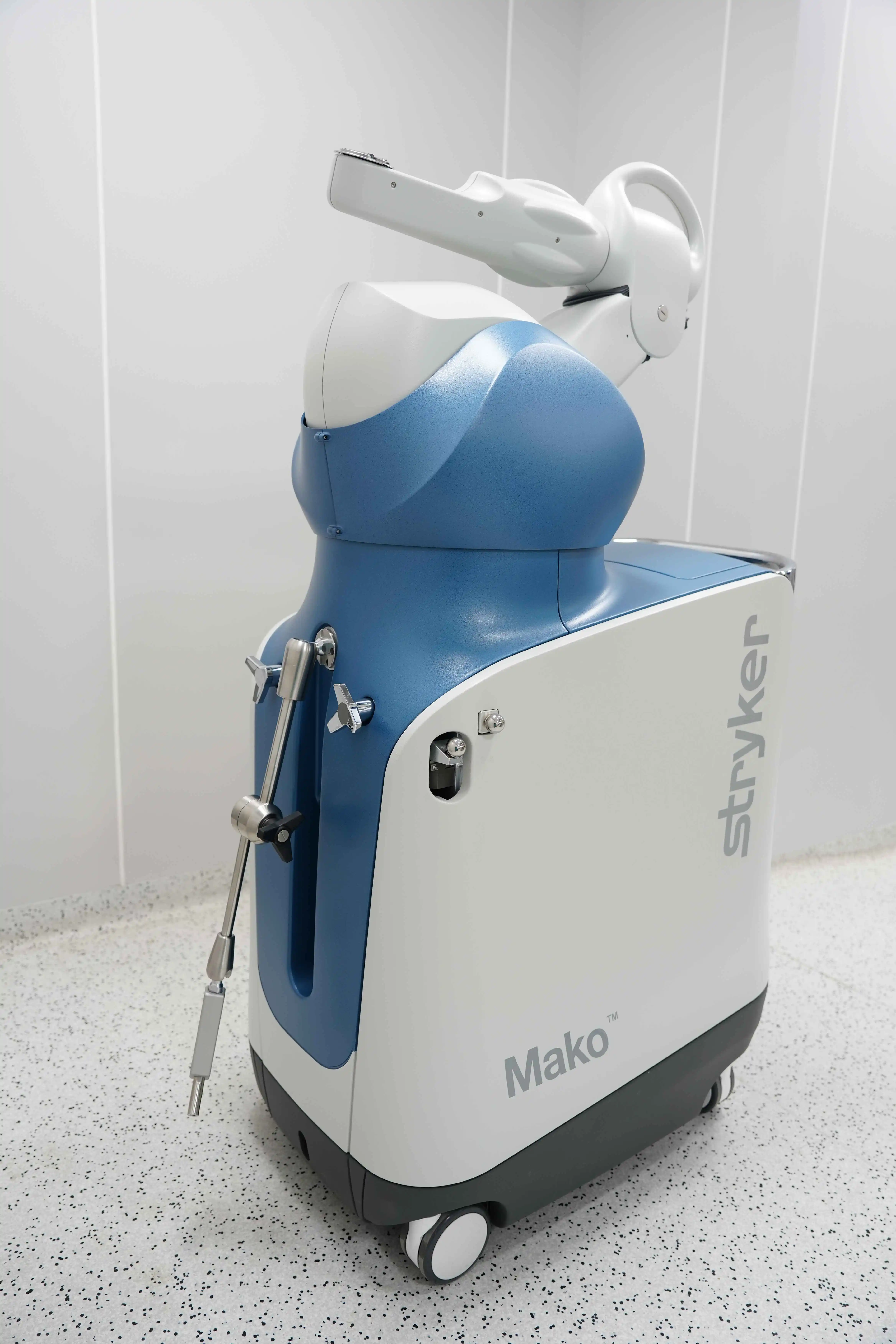
The centre uses modern dialysis machines capable of delivering the full range of modalities, from standard haemodialysis to haemodiafiltration and slow low-efficiency dialysis. Having this range of equipment within a single unit ensures the modality can be matched to the patient, rather than limiting the patient to the available equipment.
Trained Renal Nursing Staff
Dialysis nursing is a specialised skill set, distinct from general nursing care. Staff at the centre are trained in dialysis access management, intra-session monitoring, and early detection of complications. This directly improves the safety and comfort of every session.
Round-the-Clock Nephrology Oversight
Dialysis at the centre is not run as a standalone technical service. Nephrology oversight is available continuously, ensuring that any concern during a session or any need for treatment adjustment receives immediate specialist input.
Home Dialysis Training Support
For patients transitioning to home haemodialysis, structured training includes equipment operation, infection prevention, troubleshooting, and recognition of warning signs. Ongoing support continues after the transition, rather than ending after initial training.
Patient Journey at the Dialysis Centre in Ghaziabad
- Initial Assessment: The nephrology team reviews kidney function, overall health, and clinical condition to determine the most appropriate dialysis modality.
- Access Planning: Once the modality is selected, vascular or peritoneal access is planned and established in advance.
- Treatment Initiation: Sessions begin at the dialysis hospital in Ghaziabad under close monitoring, with treatment parameters adjusted based on response.
- Ongoing Sessions: Regular dialysis continues on the agreed schedule, with continuous monitoring during each session and periodic review of treatment adequacy.
- Modality Review: As clinical conditions change, the suitability of the current dialysis modality is reassessed and adjusted if needed.
Why Choose Yashoda Medicity as the Dialysis Centre in Ghaziabad?
- A full range of dialysis modalities, including haemodialysis, haemodiafiltration, isolated ultrafiltration, plasma exchange, acute intermittent haemodialysis, and slow low-efficiency dialysis, matched to clinical needs.
- Continuous nephrology oversight, with specialist input available around the clock, not limited to clinic hours.
- Dedicated renal nursing expertise ensuring safe and comfortable dialysis sessions, even for complex or unstable patients.
- Structured home dialysis support, including training and ongoing clinical guidance for suitable patients.
- A centre designed for long-term treatment routines, focusing on consistency, safety, and minimal disruption to daily life.
Book Your Consultation Today!
Dialysis demands a significant part of a patient’s life. The least it should offer in return is consistency, safety, and a team that is genuinely attentive in every session. The Dialysis Centre in Ghaziabad at Yashoda Medicity is structured around that standard, with the range of modalities and specialist oversight that this treatment requires.
Call us today: 9266610101
 Call: +91 9266610101