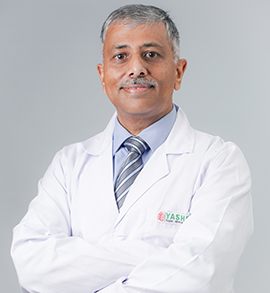
Dr. Amit Sharma
Principal Director
Orthopedics, Joint Replacement & Sports Medicine
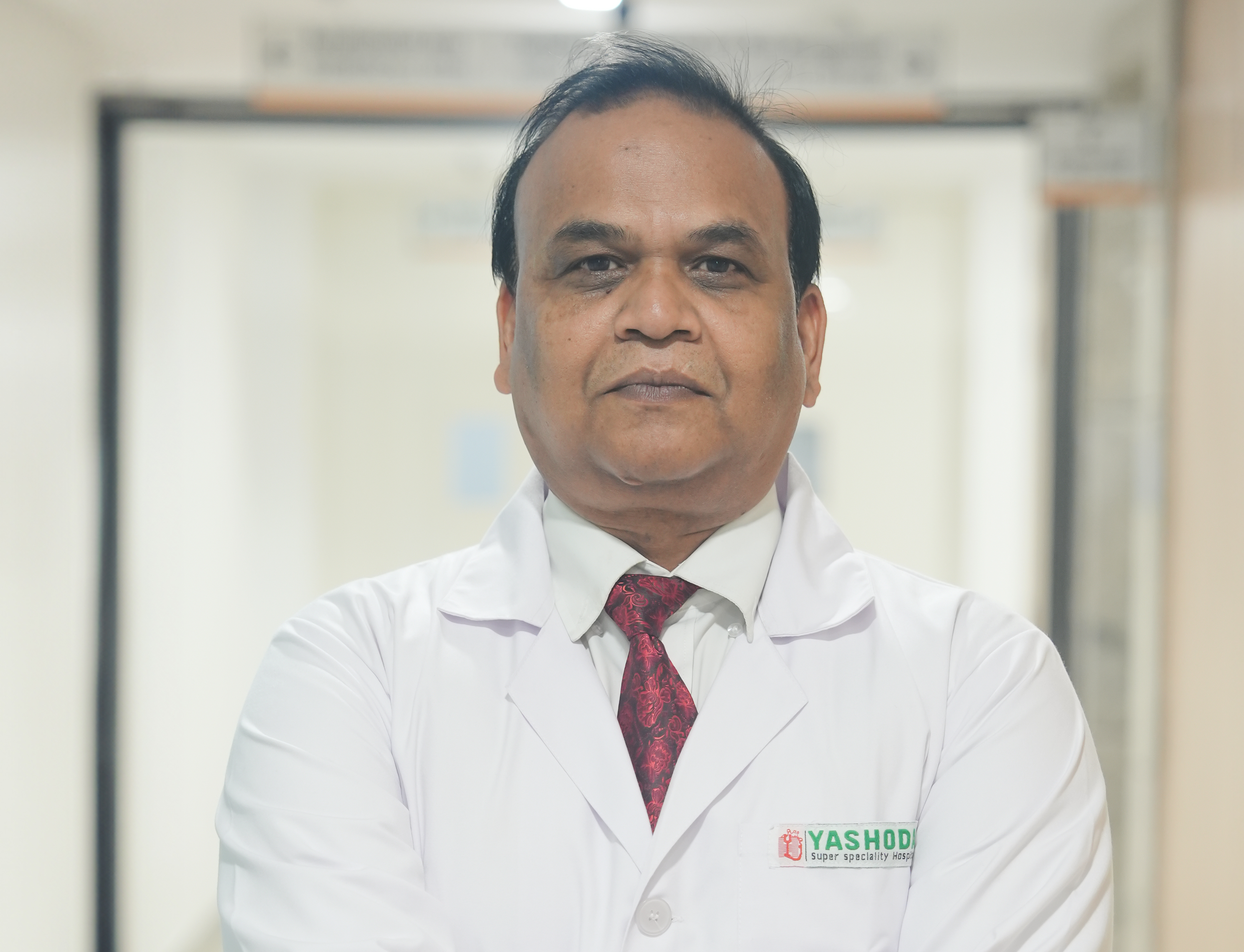
Dr. Brajesh Koushle
Director & Unit Head
Orthopedics, Joint Replacement & Sports Medicine
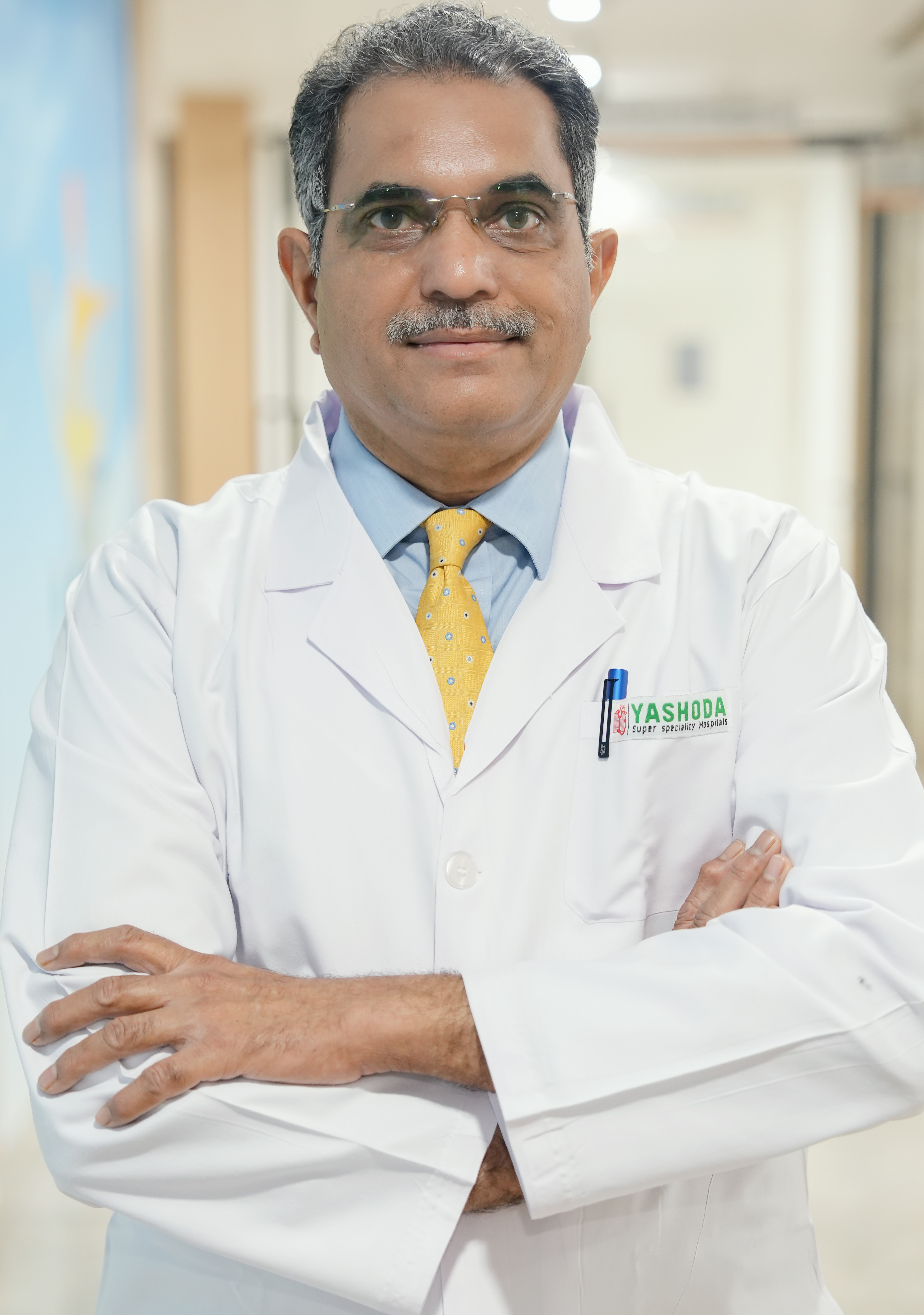
Dr. Akhil Kulshreshtha
Director
Orthopaedics, Robotic Joint Replacement & Trauma
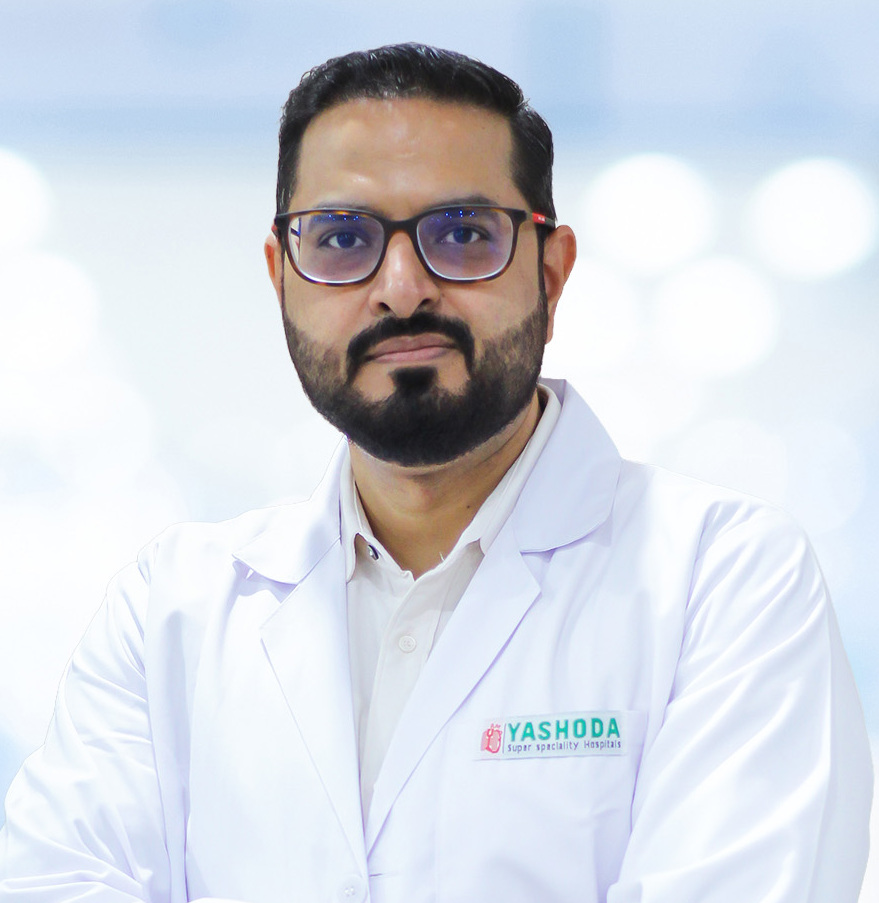
Dr. Gourav Thakral
Associate Director
Orthopedics, Joint Replacement & Sports Medicine
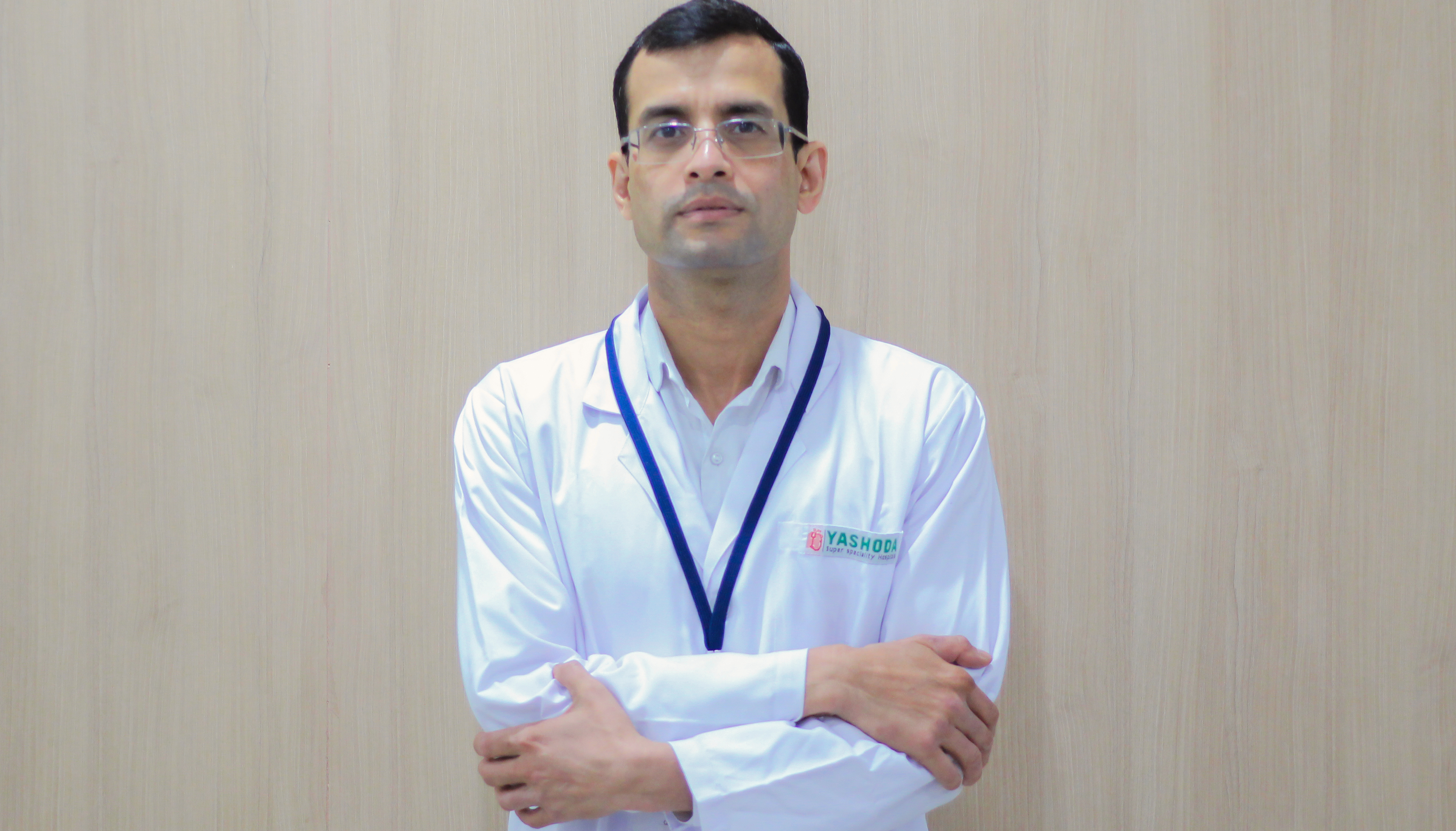
Dr. Ankur Goswami
Senior Consultant
Spine Surgeon - Yashoda Institute of Spine & Pain Management
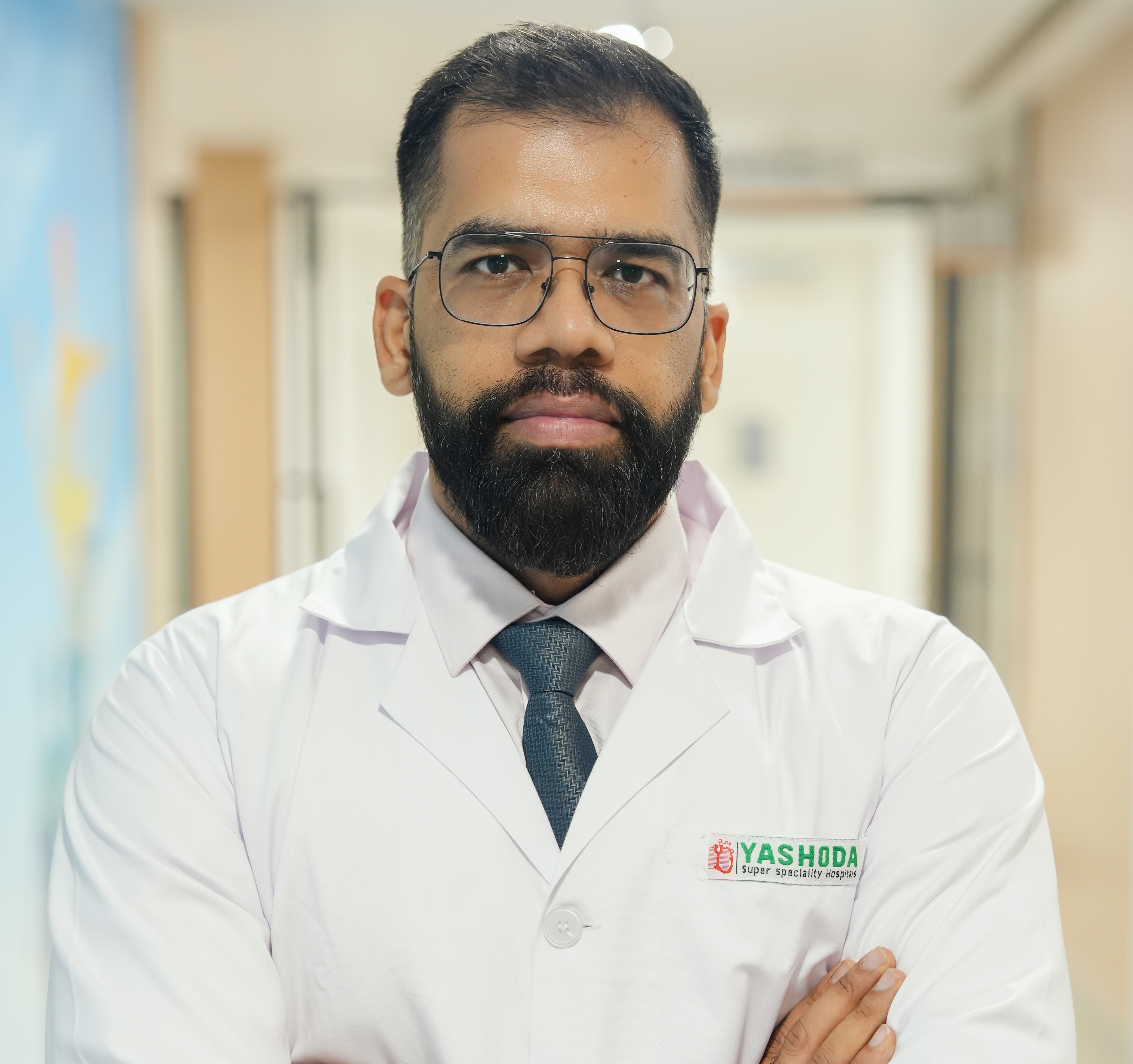
Dr. Avneet Singh Shishodia
Senior Consultant
Orthopedics, Joint Replacement & Sports Medicine

Dr. Akshay Lekhi
Consultant
Orthopedics, Joint Replacement & Sports Medicine

Dr. Nikhil Tandon
Consultant
Orthopedics Oncology
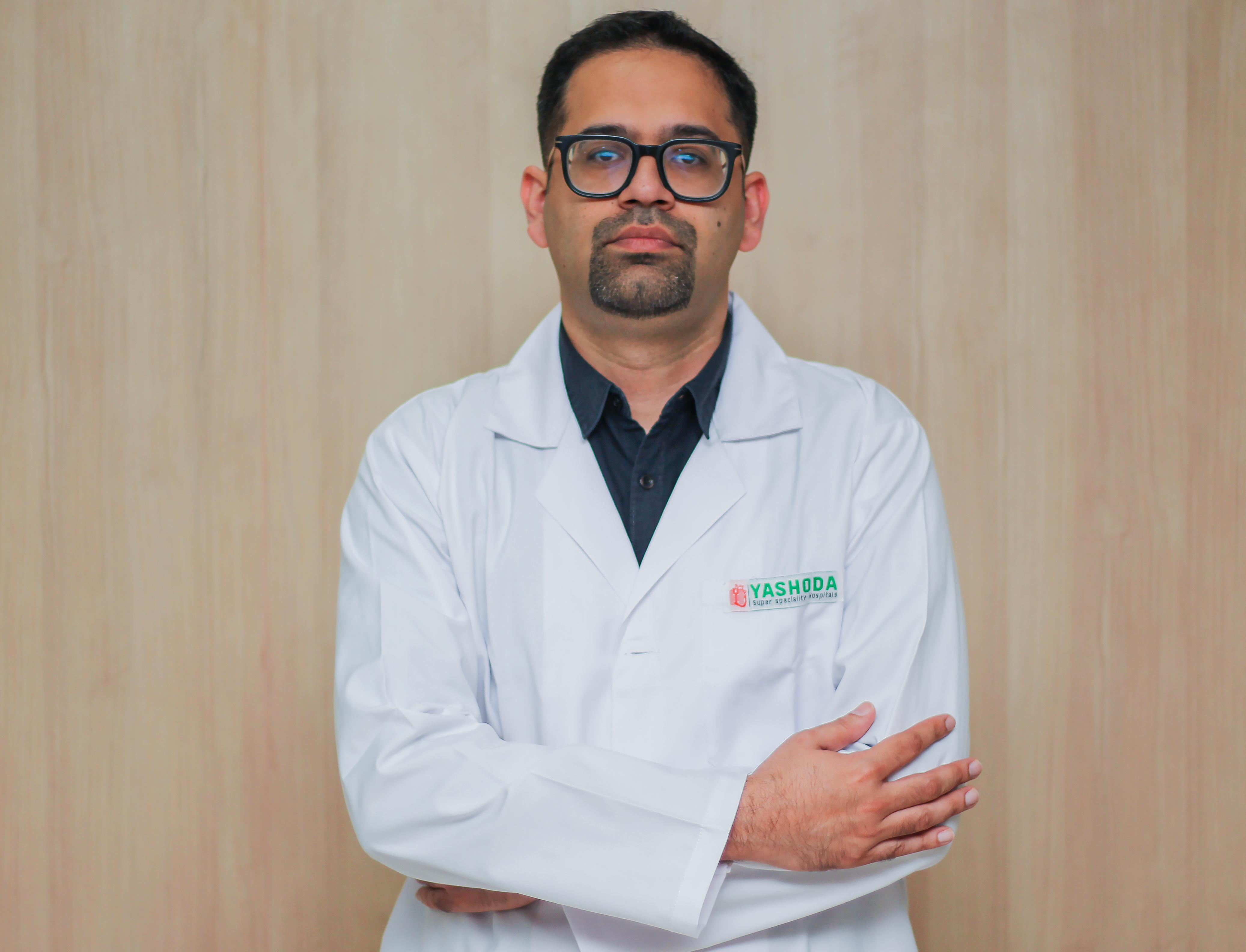
Dr. Ahmer Zafar
Associate Consultant
Orthopedics, Joint Replacement & Sports Medicine
Spine Surgery Hospital in Delhi
The spine has to do two jobs that do not naturally sit well together. It needs to be rigid enough to protect the spinal cord and support the weight of the entire body, while remaining flexible enough to allow bending, twisting, and movement in almost every direction. Most structures in the body are built for one job or the other. The spine is built for both simultaneously, which is precisely why it tends to go wrong so often, and why getting it right again requires a particular kind of specialist expertise.
The Spine programme at Yashoda Medicity is built around that dual demand, treating conditions ranging from disc problems and degenerative changes through to fractures and structural deformities, using both non-surgical and surgical approaches depending on what each patient's specific anatomy and condition actually requires.
Conditions We Treat
The team of the Spine Surgery Hospital in Delhi manages a wide range of conditions affecting the cervical, thoracic, and lumbar spine, from straightforward disc-related pain through to complex deformities and traumatic injuries.
We treat a wide range of conditions, including:
- Disc Herniation and Degenerative Disc Disease
- Spinal Stenosis
- Spinal Fractures
- Scoliosis and Kyphosis
- Sciatica and Nerve Root Compression
- Spondylolisthesis
- Spinal Tumours
- Spinal Infections, Including Tuberculosis of the Spine
- Failed Previous Spine Surgery Requiring Revision
When to Consult a Spine Surgery Hospital in Delhi
A degree of back pain is common enough that many people simply manage it indefinitely with rest and over-the-counter medication, without ever establishing what is actually causing it. This works for some conditions and does not genuinely work for others.
Book a consultation with the back pain specialist in Delhi if you are experiencing any of the following:
- Back or neck pain that has persisted for more than a few weeks
- Pain that radiates down an arm or leg
- Numbness, tingling, or weakness in the limbs
- Difficulty with balance or coordination
- Pain that is worse at night or does not improve with rest
- A visible curve or asymmetry in the spine
- Loss of bladder or bowel control alongside back pain
- A previous spine injury or surgery that continues to cause problems
Loss of bladder or bowel control alongside back pain requires urgent assessment, as this can indicate significant pressure on the spinal cord or nerves that needs prompt attention rather than a routine appointment.
Advanced Treatment Options at the Spine Surgery Hospital in Delhi
Non-Surgical Spine Management
A significant proportion of spine conditions respond well to non-surgical treatment, including physiotherapy, structured exercise programmes, and spinal injections that target inflammation directly at the source of pain. For many patients, this is sufficient to manage symptoms effectively without surgery ever becoming necessary.
Minimally Invasive Spine Surgery
If the specialists at Yashoda Medicity recommend surgery, minimally invasive techniques are used wherever clinically appropriate. Here, the spine is accessed through smaller incisions than traditional open surgery. Therefore, disruption to surrounding muscle and tissue is comparatively reduced.
Decompression Surgery
For conditions such as spinal stenosis or disc herniation that are compressing nerves, decompression surgery relieves that pressure directly, addressing the underlying mechanical cause of pain, numbness, or weakness rather than simply managing the resulting symptoms.
Spinal Fusion
This is a treatment procedure that joins two or more vertebrae together to eliminate abnormal movement at that segment, particularly applied for conditions like instability, severe degenerative disease, or certain deformities. While this reduces flexibility at the fused level, it is often the most reliable way to resolve pain caused by genuine structural instability.
Deformity Correction
Scoliosis and kyphosis, whether present from adolescence or developing later due to degenerative change, are managed through a combination of monitoring, bracing, and surgical correction depending on severity and how the curve is likely to progress over time.
Spinal Trauma and Fracture Management
Spinal fractures, whether from significant trauma or weakened bone, require careful stabilisation to protect the spinal cord while allowing the fracture to heal correctly. The specific approach depends heavily on fracture location and whether there is any associated neurological involvement.
Revision Spine Surgery
For patients whose previous spine surgery has not resolved their symptoms or has caused new problems, revision surgery by the best spine surgeon in Delhi presents additional anatomical complexity, since altered tissue and previous implants change what the surgical team is working with compared to a first-time procedure.
State-of-the-Art Spine Facilities
Medtronic O-arm Surgical Imaging System
This system provides real-time two-dimensional and three-dimensional imaging during spinal surgery, allowing the surgical team to visualise anatomy throughout the procedure itself rather than relying solely on pre-operative scans. It is particularly valuable for spinal instrumentation procedures, including pedicle screw placement, where precise positioning is essential.
The O-arm at the Spine Surgery Hospital in Delhi captures detailed anatomical information at the exact point it is needed, once the spine has already been opened and anatomy may have shifted subtly from what earlier scans showed. The high-resolution three-dimensional imaging is particularly valuable in anatomically dense regions of the spine, where nerve roots, the spinal cord, and major blood vessels sit close to where screws and implants need to be placed.
Surgical Navigation Integration
The O-arm integrates directly with surgical navigation platforms, allowing precise instrument tracking during the procedure and immediate verification of implant placement. Consequently, the risk of malpositioned screws or hardware, a complication that can otherwise require further surgery to correct, is reduced to a great extent.
This integration also changes how decisions are made mid-procedure, allowing the team at the spine surgery centre in Delhi to verify placement immediately while the patient is still on the table, rather than confirming accuracy only once surgery has finished. This first-time accuracy becomes particularly valuable in longer, more complex spinal procedures, where small errors across multiple levels of instrumentation can otherwise compound into a meaningfully different outcome than intended.
Deformity Correction Imaging
For scoliosis and kyphosis correction, real-time imaging supports the careful planning these procedures demand, where small adjustments in correction can meaningfully affect the final outcome.
Trauma and Revision Surgery Support
The same imaging capability that supports planned deformity correction is equally valuable in spine trauma cases, where fracture stabilisation must be highly precise, and in revision surgeries, where previous implants or altered anatomy increase overall surgical complexity.
Spinal Injection Suite
For patients managed through non-surgical treatment, image-guided spinal injections allow precise delivery of medication to the exact source of pain, improving both effectiveness and consistency compared to less targeted approaches.
Patient Journey at the Spine Department
- Initial Consultation: The first step at the Spine Surgery Hospital in Delhi is discussing the symptoms, examining the spine, and arranging imaging where needed with the specialist.
- Treatment Planning: Based on test results and imaging, a treatment plan is made.
- Surgery, if Required: If needed, surgery is performed using detailed imaging with navigation-guided techniques.
- Recovery: Post-operative recovery includes monitoring and a structured return to activity.
- Long-Term Follow-Up: To monitor spinal alignment and symptom control, the patient is continuously monitored.
Why Choose Yashoda Medicity for Spine Care in Delhi?
- Non-surgical options are taken seriously. Many spine conditions are managed effectively without surgery, and efforts are made to avoid invasive treatment where possible.
- Real-time imaging during complex procedures. The O-arm system allows precise visualisation throughout surgery, directly reducing the risk of implant malpositioning.
- Suitable for trauma and revision cases. The same imaging precision is valuable in both spine trauma and revision surgery, where anatomy is often more complex.
- Deformity correction for all ages. Scoliosis and kyphosis are managed in both adolescents and adults, with treatment planned according to severity and likely progression.
- A structured approach to a structurally complex problem. Given how much the spine is required to do, treatment is planned with that mechanical complexity in mind, rather than treating all back pain as a generic problem.
Book Your Appointment Today
The spine’s dual role, providing both stability and flexibility, is exactly why problems affecting it require such careful, specific treatment. A condition that looks similar to another on the surface can have an entirely different underlying cause and require a completely different approach.
The Spine Department at Yashoda Medicity, Delhi provides that level of precise care, from non-surgical management through to navigation-guided surgery for the most complex cases.
Call us today: 9266610101
 Call: +91 9266610101