Dr. J.B. Sharma
Principal Director & Head
Obstetrics and Gynecology

Dr. Namita N. Dutta
Director
Obstetrics & Gynaecology

Dr. Prerna Singhal
Principal Consultant
Obstetrics and Gynaecology

Dr. Vandana Jain
Principal Consultant
Obstetrics, Gynaecology, Infertility & Advanced Laparoscopic Surgery

Dr. Rajeshree Jain
Senior Consultant
Obstetrics & Gynaecology

Dr. Sneha Mishra
Consultant
IVF and Infertility

Dr. Divya Arora
Consultant
Obstetrics and Gynaecology

Dr. Samreen Zehra
Consultant
Obstetrics & Gynaecology
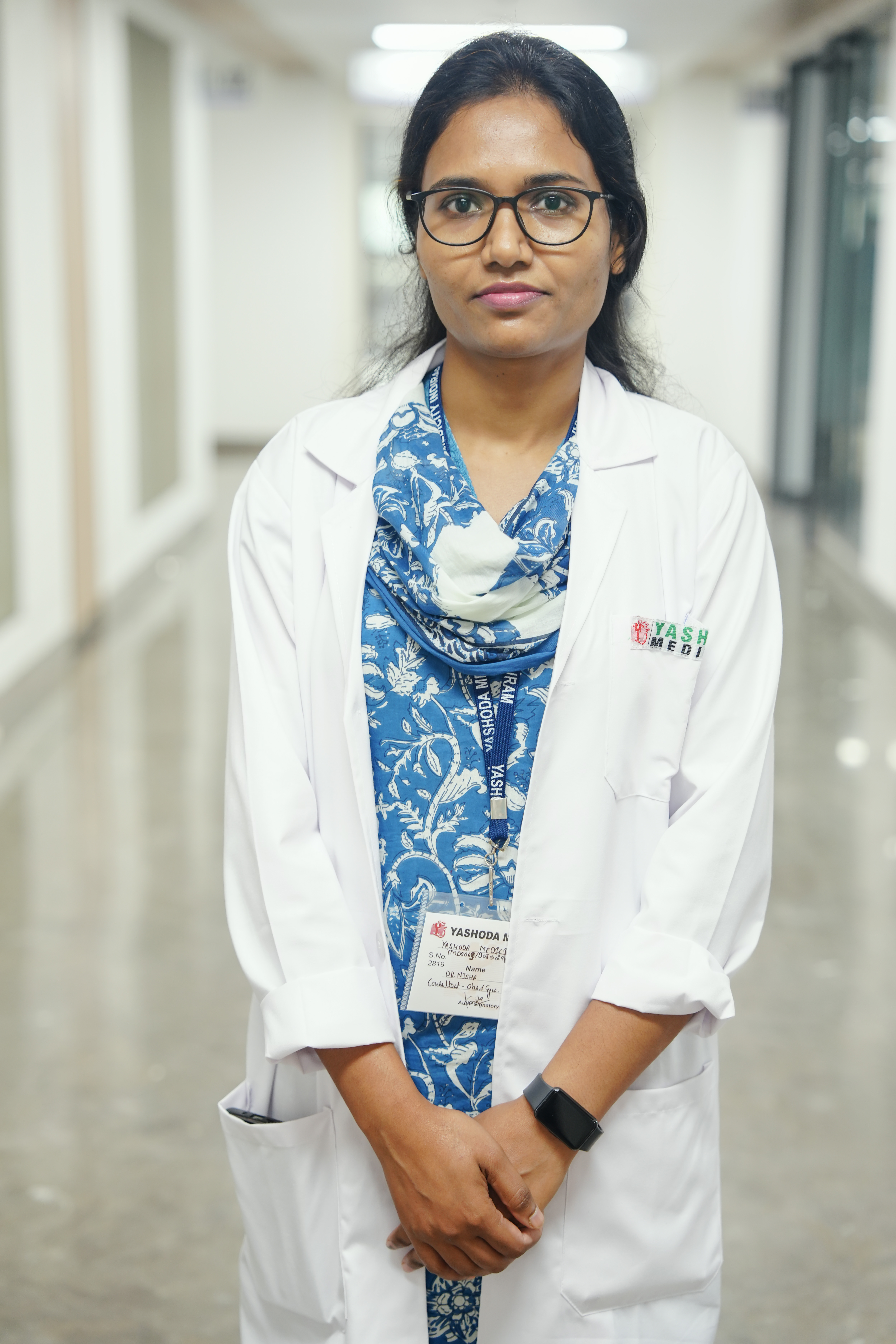
Dr. Nisha
Consultant
Obstetrics & Gynaecology (Urogynecology)

Dr. Penzy Goyal
Associate Consultant
Obstetrics & Gynecology

Dr. Chitra Methwani
Associate Consultant
Obstetrics & Gynecology
Urogynecology Hospital in Delhi
There are symptoms, such as urinary leakage while coughing or sneezing, that millions of women in India experience, yet very few discuss them with a doctor, their family, or anyone else. The assumption, almost universally, is that this is simply what happens after childbirth or what ageing looks like for a woman's body. Something to manage, not something to treat.
That assumption is incorrect. Pelvic floor disorders and pelvic organ prolapse are not an inevitable consequence of childbirth or ageing. They are recognised clinical conditions with established and effective treatments, ranging from pelvic floor physiotherapy and pessary management to minimally invasive surgical repair. The reason most women do not access treatment is not because treatment does not exist, but because the conversation never happens.
The Urogynaecology Service at Yashoda Medicity provides specialist assessment and treatment for pelvic floor disorders and pelvic organ prolapse in Delhi, within a clinical environment where these concerns are taken seriously and managed with the same rigour as any other medical condition.
Conditions We Treat
The team at the Urogynecology Hospital in Delhi manages a wide range of conditions, including:
- Stress Urinary Incontinence
- Urge Urinary Incontinence and Overactive Bladder
- Mixed Urinary Incontinence
- Pelvic Organ Prolapse, including Cystocele, Rectocele, Uterine Prolapse, and Vault Prolapse
- Faecal Incontinence and Anorectal Dysfunction
- Voiding Dysfunction and Incomplete Bladder Emptying
- Recurrent Urinary Tract Infections in Women
- Interstitial Cystitis and Bladder Pain Syndrome
- Post-Surgical Complications Affecting the Pelvic Floor
- Pelvic Floor Dysfunction Following Obstetric Injury
When to Consult a Female Pelvic Specialist in Delhi
The most important thing to understand is that urogynaecological symptoms do not need to reach a severe stage before they warrant specialist assessment. Many women seek help only after symptoms have significantly affected their quality of life, when earlier intervention would often have been simpler and more effective.
Book a consultation if you are experiencing any of the following:
- Leakage of urine during coughing, sneezing, laughing, or physical activity
- A sudden, strong urge to urinate that is difficult to control
- Frequent urination, particularly during the night
- A sensation of heaviness, dragging, or pressure in the pelvis
- A visible or palpable bulge at the vaginal opening
- Difficulty emptying the bladder or bowel completely
- Pain or discomfort in the pelvic region
- Leakage of stool or difficulty controlling bowel movements
- Recurrent urinary tract infections without another clear cause
- Symptoms that have developed or worsened following childbirth or pelvic surgery
There is no threshold of severity that symptoms need to reach before a consultation is appropriate. If pelvic floor symptoms are affecting daily activities, exercise, sleep, or confidence, that alone is sufficient reason to seek assessment from a Female Pelvic Specialist in Delhi.
Advanced Treatment at the Urogynecology Hospital in Delhi
Pelvic Floor Physiotherapy
For many women with mild to moderate stress incontinence and early prolapse, structured pelvic floor physiotherapy is the most appropriate first-line treatment. This is not simply advice to perform pelvic floor exercises from a urine leakage doctor in Delhi. It is a supervised and progressive programme delivered by physiotherapists trained in pelvic floor rehabilitation, with assessment of muscle function, personalised exercise prescription, and regular review of progress. When performed correctly and consistently, pelvic floor physiotherapy can significantly improve symptoms.
Pessary Management
A vaginal pessary is a removable device that provides mechanical support for pelvic organ prolapse, reducing symptoms and, in some cases, improving urinary and bowel function without surgery. Pessaries are available in different shapes and sizes, and identifying the correct fit requires specialist assessment. They offer a practical and reversible option for women who prefer to avoid surgery or for whom surgery carries increased risk.
Urodynamic Assessment
Urodynamic studies at the Urogynecology Hospital in Delhi provide objective measurements of bladder and urethral function. These studies help distinguish between stress incontinence, urge incontinence, mixed incontinence, and voiding dysfunction, conditions that may present similarly but require different treatment approaches.
Surgical Management of Stress Incontinence
For women whose symptoms persist despite conservative management, minimally invasive surgical treatment may be recommended. The choice of procedure is guided by urodynamic findings, symptom severity, and overall clinical assessment. The least invasive effective option is always considered first.
Pelvic Organ Prolapse Repair
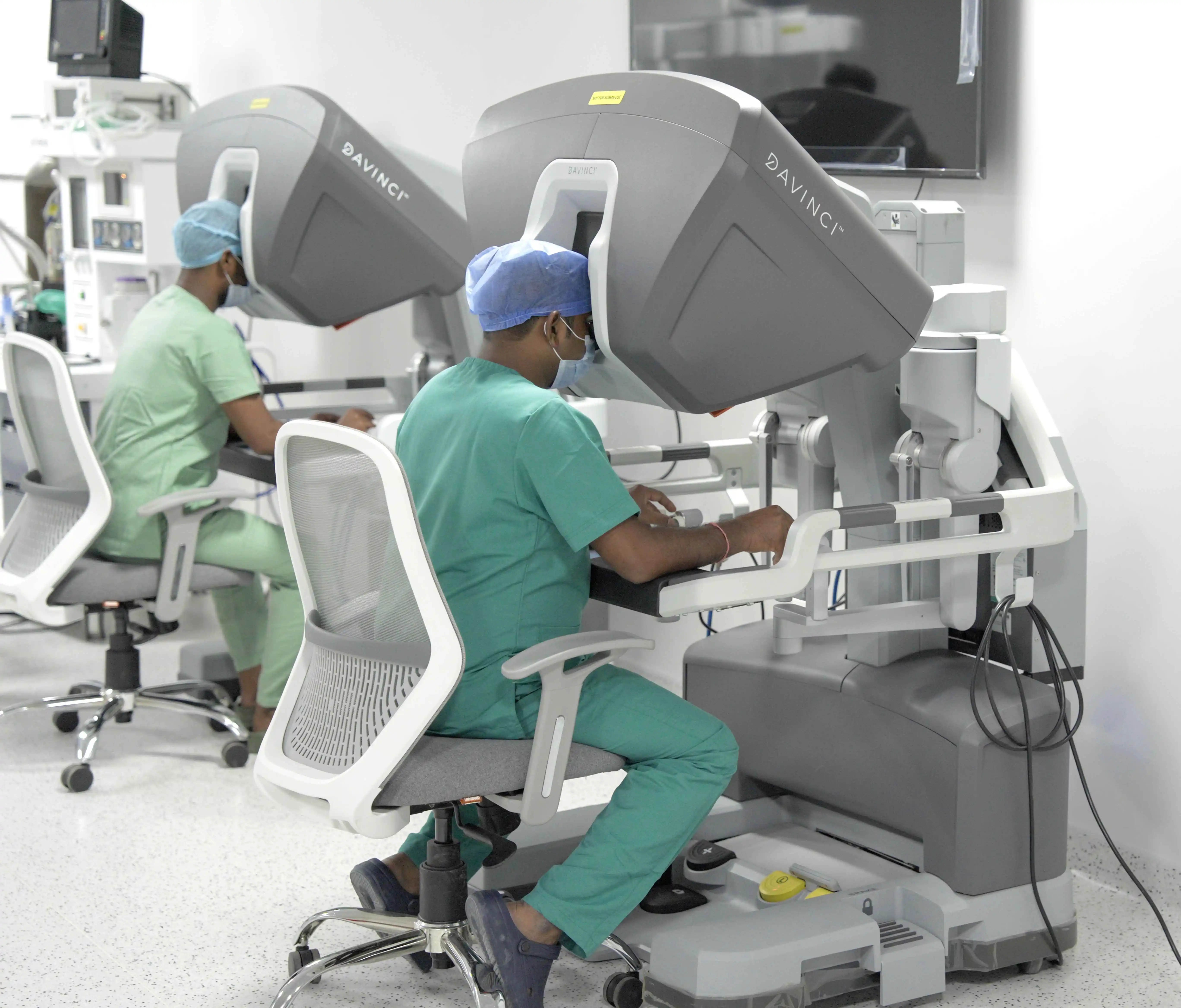
Surgical repair of pelvic organ prolapse is recommended when symptoms significantly affect quality of life and conservative measures have not provided adequate relief. Treatment may address cystocele, rectocele, uterine prolapse, or vault prolapse. Minimally invasive laparoscopic and robotic techniques are used whenever clinically appropriate, helping reduce hospital stay and recovery time.
Management of Overactive Bladder
For patients whose overactive bladder symptoms do not improve with behavioural therapy and medication, advanced treatment options such as botulinum toxin bladder injections may be considered. These injections reduce bladder overactivity by blocking the nerve signals responsible for urgency and frequency.
Post-Obstetric Pelvic Floor Rehabilitation
Early assessment and rehabilitation following significant obstetric injury can help prevent long-term pelvic floor dysfunction. At the Urogynecology Hospital in Delhi, rehabilitation programmes are tailored to individual recovery needs and focus on restoring pelvic floor strength and function.
State-of-the-Art Urogynaecology Facilities
Urodynamics Laboratory
Comprehensive urodynamic testing, including filling cystometry, pressure-flow studies, and video urodynamics for complex cases, is available within the department. These investigations provide the foundation for accurate diagnosis before any surgical intervention is considered.
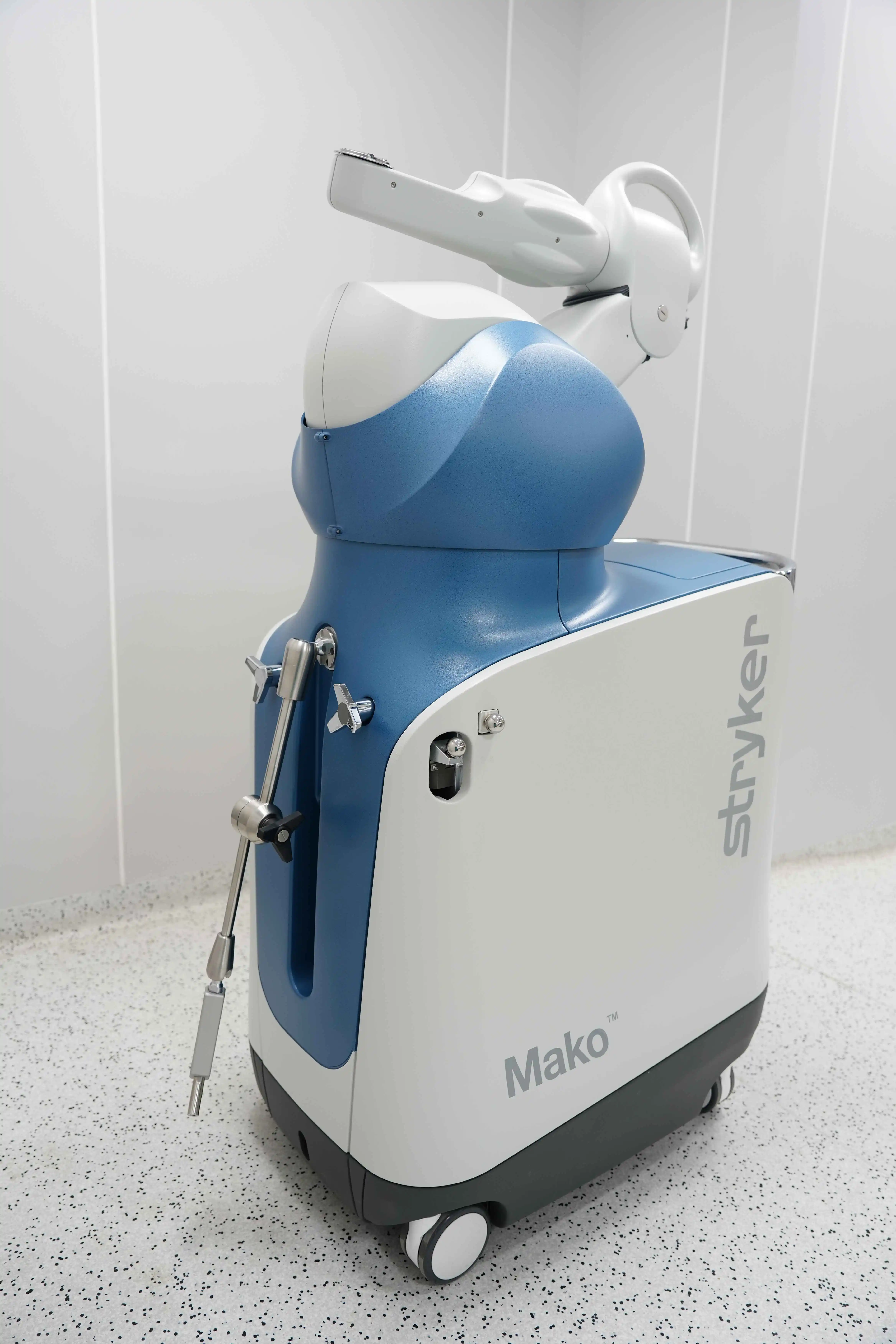
Laparoscopic and Robotic Surgical Platforms
Minimally invasive surgery for prolapse repair and stress urinary incontinence is performed using advanced laparoscopic and robotic platforms. These technologies enhance surgical precision while reducing operative trauma and recovery time.
Pelvic Floor Physiotherapy Unit
Structured pelvic floor rehabilitation at the Urogynecology Hospital in Delhi is delivered by specially trained physiotherapists using objective assessment tools to monitor muscle function and treatment progress.
Advanced Imaging
Pelvic ultrasound and MRI support detailed anatomical assessment of pelvic floor structures, particularly in complex cases and for surgical planning.
Patient Journey at the Urogynaecology Department
Initial Consultation: A detailed clinical history and symptom assessment are conducted by the urogynaecologist.
Investigations: Urodynamic studies, imaging, and additional specialist assessments are performed where required.
Treatment Planning: A personalised treatment pathway is developed, beginning with the least invasive appropriate option.
Treatment: Depending on clinical findings and patient preferences, treatment may include physiotherapy, pessary fitting, surgery, or a combination of approaches.
Follow-Up: Structured follow-up appointments monitor progress and allow treatment plans to be adjusted when necessary.
Why Choose Yashoda Medicity for a Women's Urology Centre in Delhi?
- Conservative management is prioritised, with pelvic floor physiotherapy and pessary management offered as genuine first-line treatments.
- Surgical decisions are supported by objective urodynamic assessment.
- Advanced laparoscopic and robotic procedures help reduce recovery time and hospital stay.
- Early post-obstetric rehabilitation programmes support long-term pelvic floor health.
- Patients receive care in a clinical environment where urogynaecological concerns are treated with seriousness, dignity, and clinical expertise.
Book Your Consultation Today!
Pelvic floor disorders are common, underreported, and highly treatable. The gap between how many women experience these conditions and how many seek treatment reflects a misconception that these symptoms are simply a normal part of ageing or childbirth. But in reality, they are not.
The Urogynaecology Service at Yashoda Medicity, Delhi provides specialist assessment and treatment for pelvic floor disorders, offering everything from conservative rehabilitation to minimally invasive surgical repair for women across Delhi, Delhi, and the wider NCR region.
Call us today: 9266610101
 Call: +91 9266610101