Dr. J.B. Sharma
Principal Director & Head
Obstetrics and Gynecology

Dr. Minu Bajpai
Principal Director & Head
Pediatric Surgery & Pediatric Urology, Yashoda Cradle & Children's Hospital

Dr. Namita N. Dutta
Director
Obstetrics & Gynaecology

Dr. Bijender Singh
Director
Pediatrics

Dr. Narendra Kumar Jha
Director & Head
Pediatrics

Dr. (Maj) Shaifali Bhatia
Director
Pediatrics & Neonatologist

Dr. Rahul Varma
Associate Director
Pediatrics

Dr. Prerna Singhal
Principal Consultant
Obstetrics and Gynaecology

Dr. Vandana Jain
Principal Consultant
Obstetrics, Gynaecology, Infertility & Advanced Laparoscopic Surgery

Dr. Rajeshree Jain
Senior Consultant
Obstetrics & Gynaecology

Dr. Shruti Saraswat
Senior Consultant
Pediatrics

Dr. Naved Akhter
Senior Consultant
Pediatrics

Dr. Karan Ahluwalia
Senior Consultant
Pediatric Intensivist
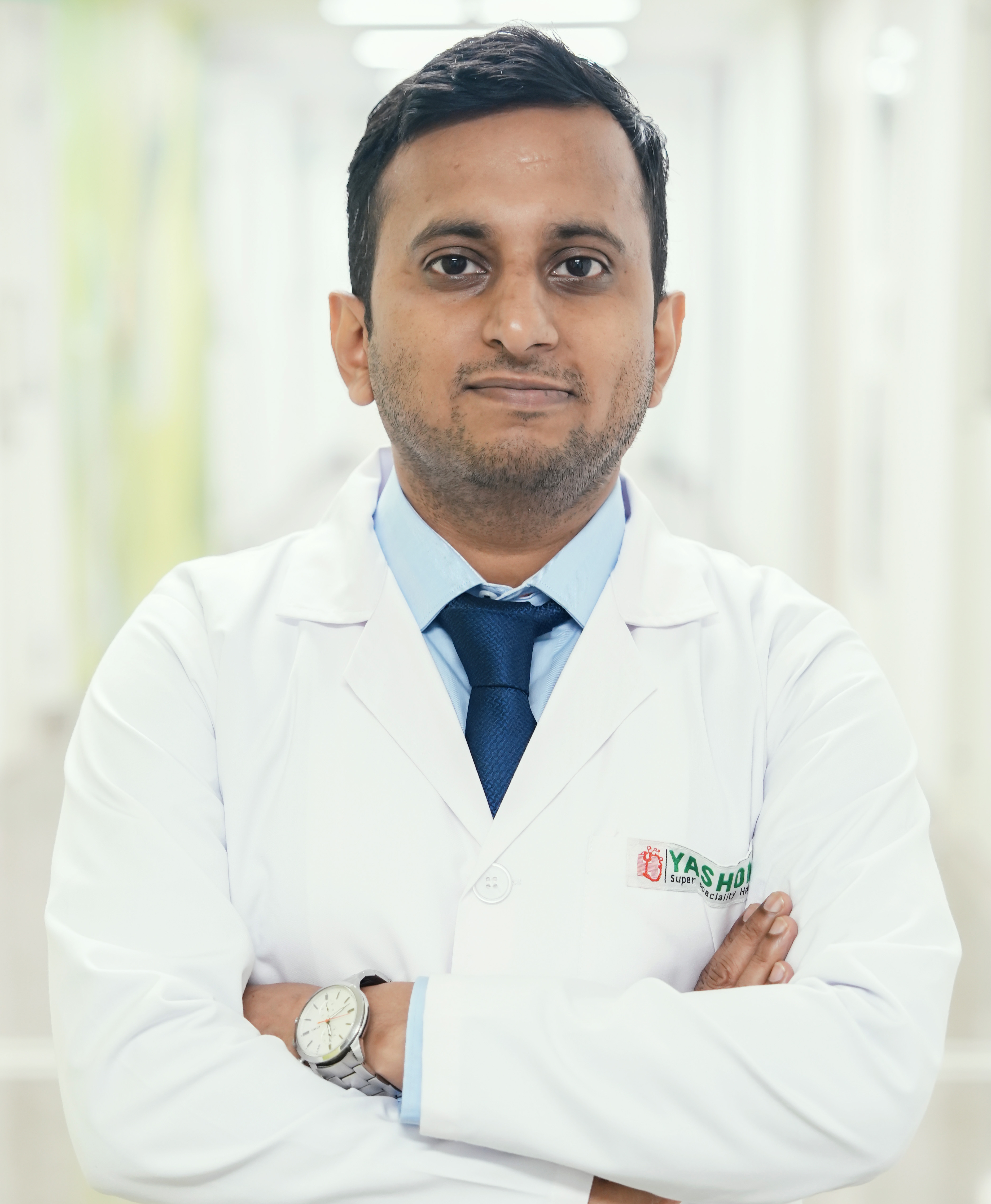
Dr. Gaurav Kumar
Senior Consultant
Department of Pediatric Cardiology and CTVS
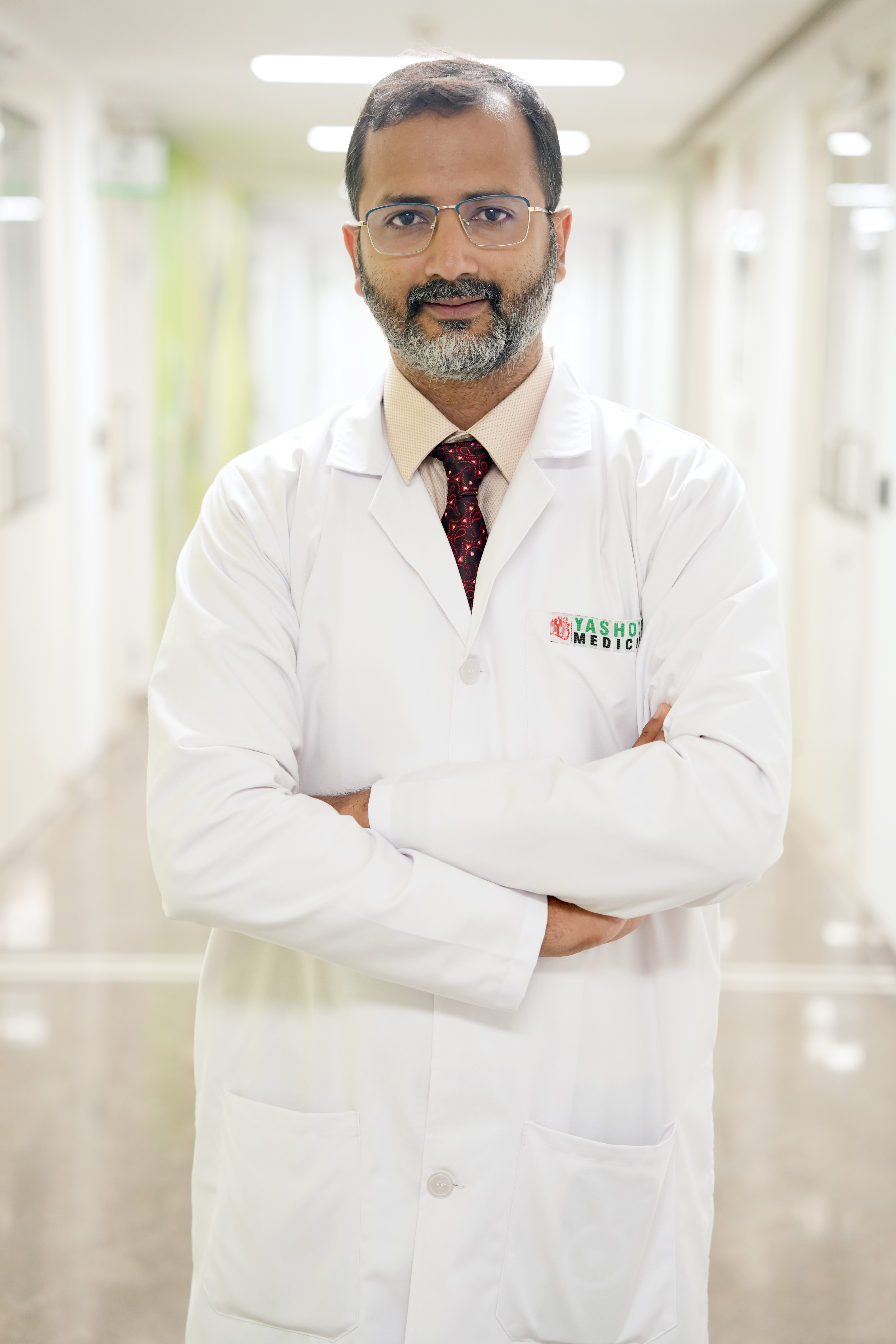
Dr. Abhinav singh Chauhan
Senior Consultant
Pediatric Cardio- thoracic and Vascular Surgery

Dr. Bhavya G Reddy
Senior Consultant
Pediatric Cardiac Anesthesia

Dr. Sneha Mishra
Consultant
IVF and Infertility

Dr. Anuj Dhyani
Consultant
Pediatric Intensivist

Dr. Divya Arora
Consultant
Obstetrics and Gynaecology
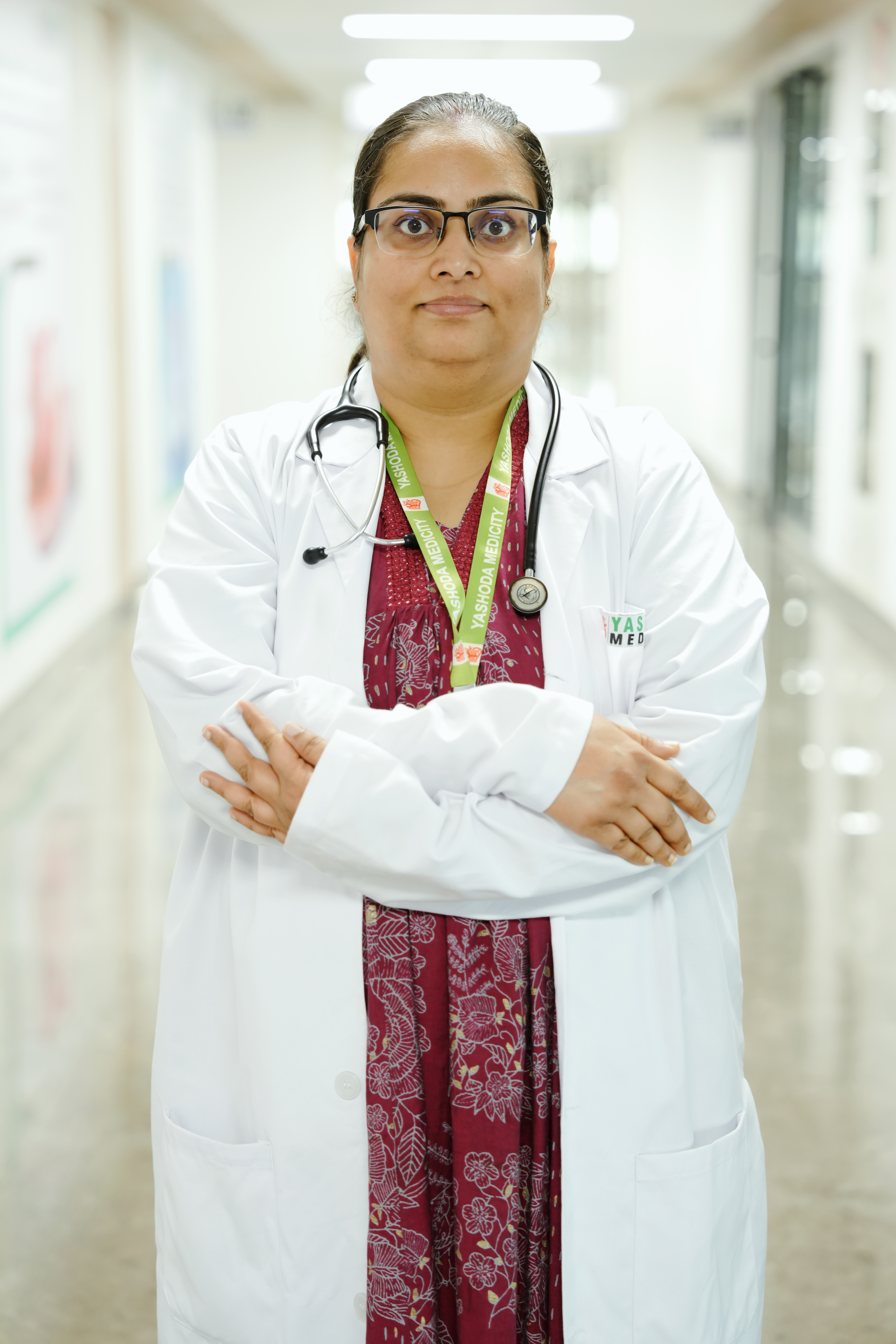
Dr. Srijan Singh
Consultant
Neonatologist
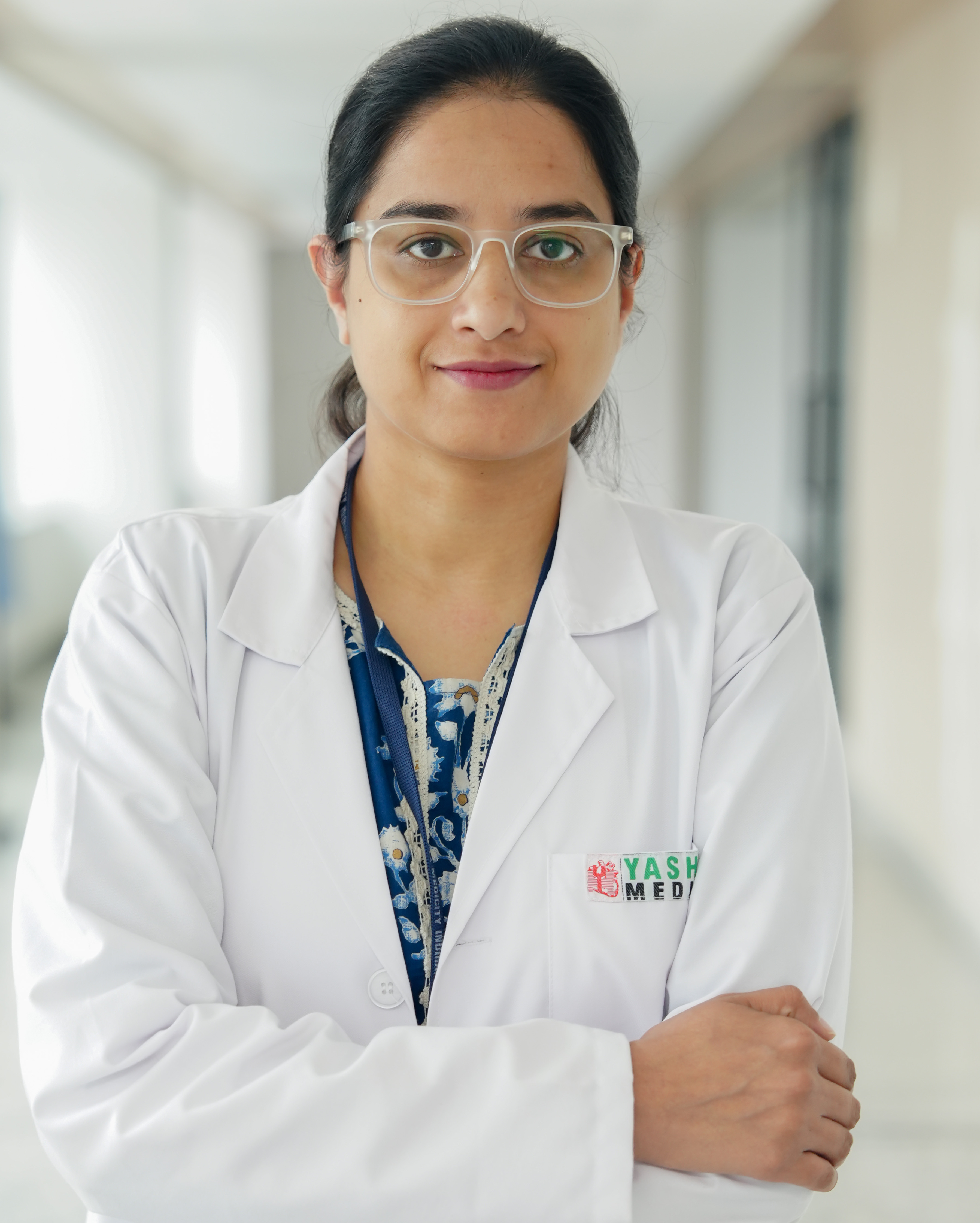
Dr. Samreen Zehra
Consultant
Obstetrics & Gynaecology
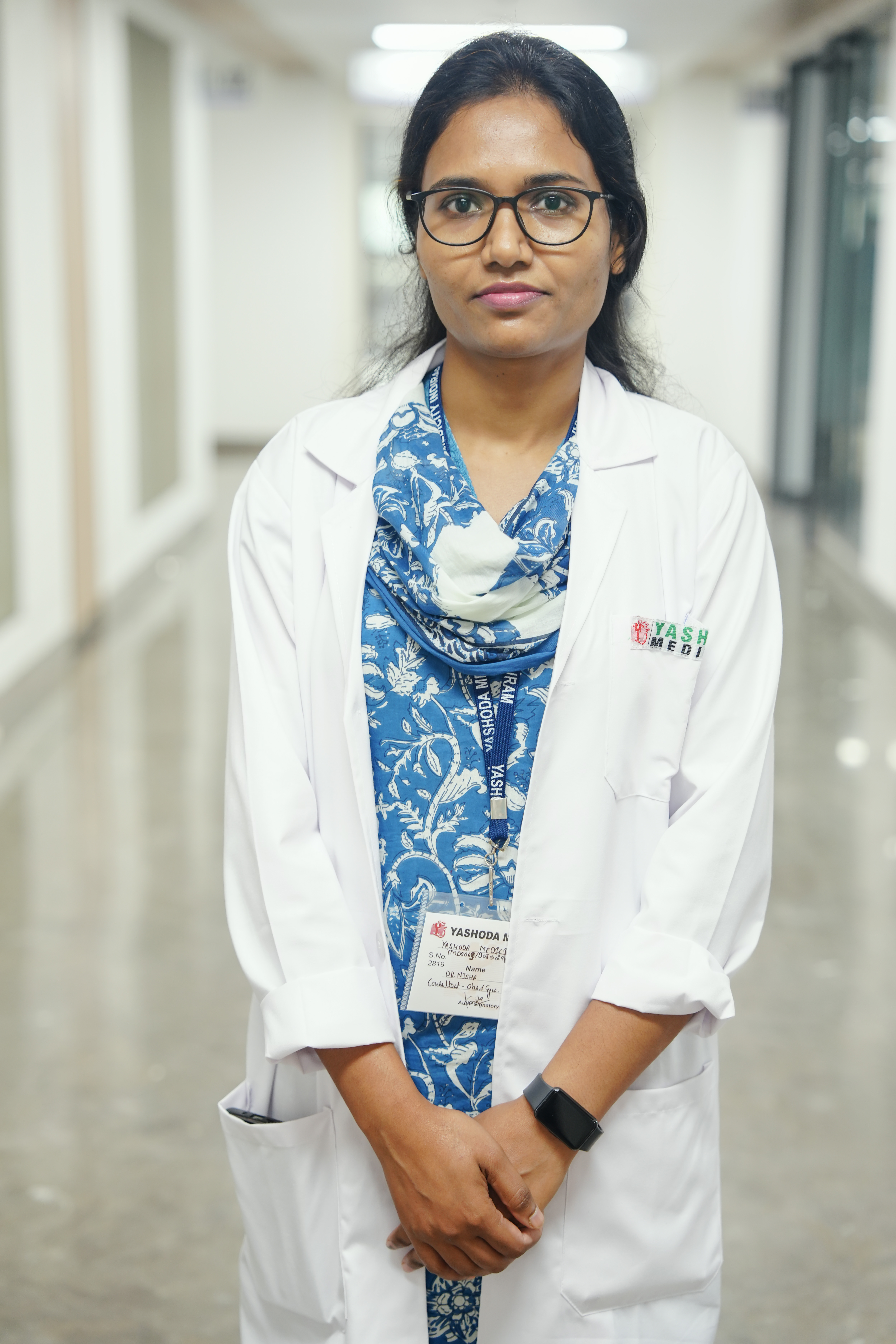
Dr. Nisha
Consultant
Obstetrics & Gynaecology (Urogynecology)
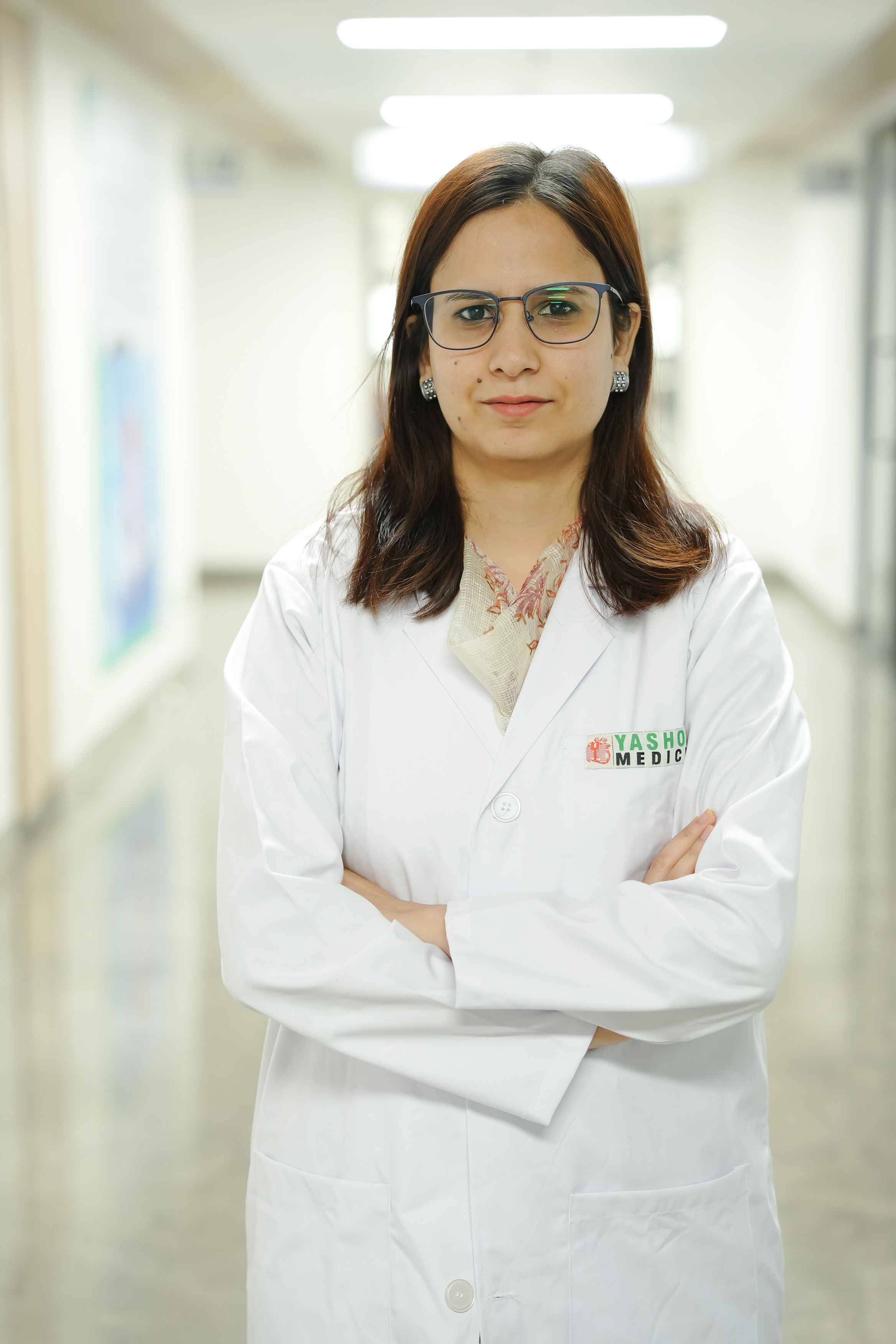
Dr. Sangeeta
Consultant
Pediatric Nephrology
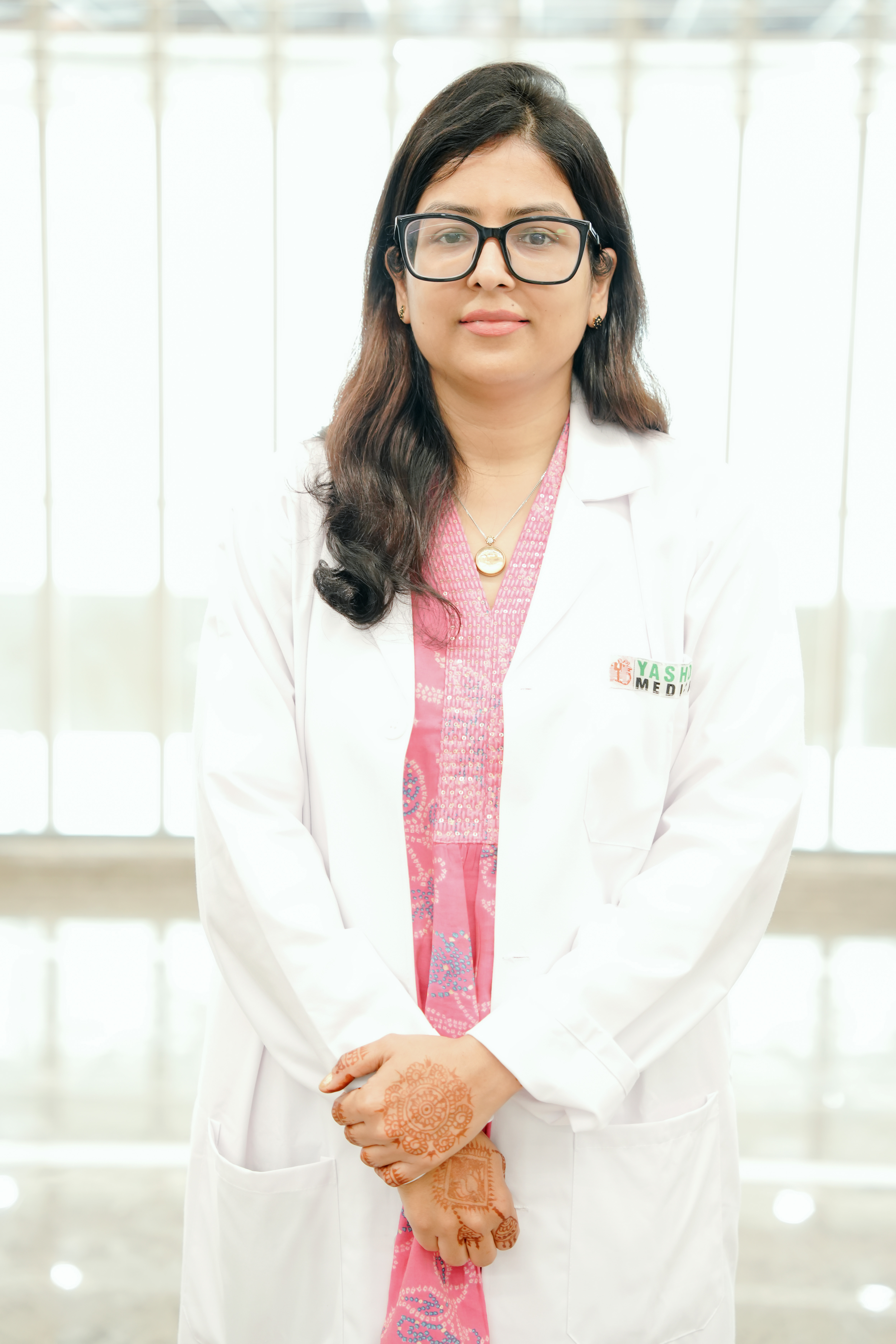
Dr. Neha Agrawal
Consultant
Neonatalogist

Dr. Sakshi Gupta
Associate Consultant
Pediatric Gastroenterology & Hepatology

Dr. Penzy Goyal
Associate Consultant
Obstetrics & Gynecology
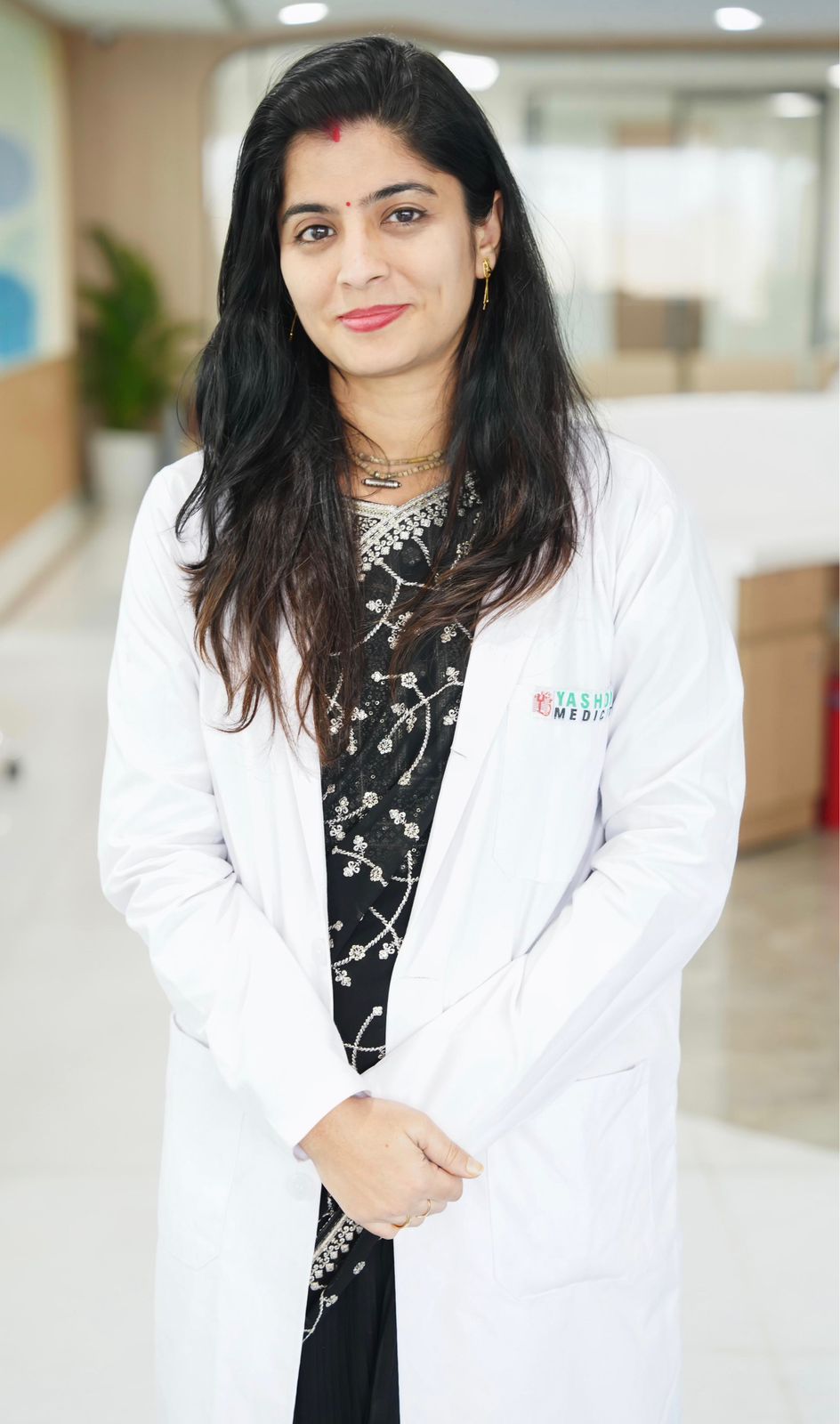
Dr. Chitra Methwani
Associate Consultant
Obstetrics & Gynecology

Dr. Kanwal K. Raina
Visiting Senior Consultant
Pediatrics & Neonatologist
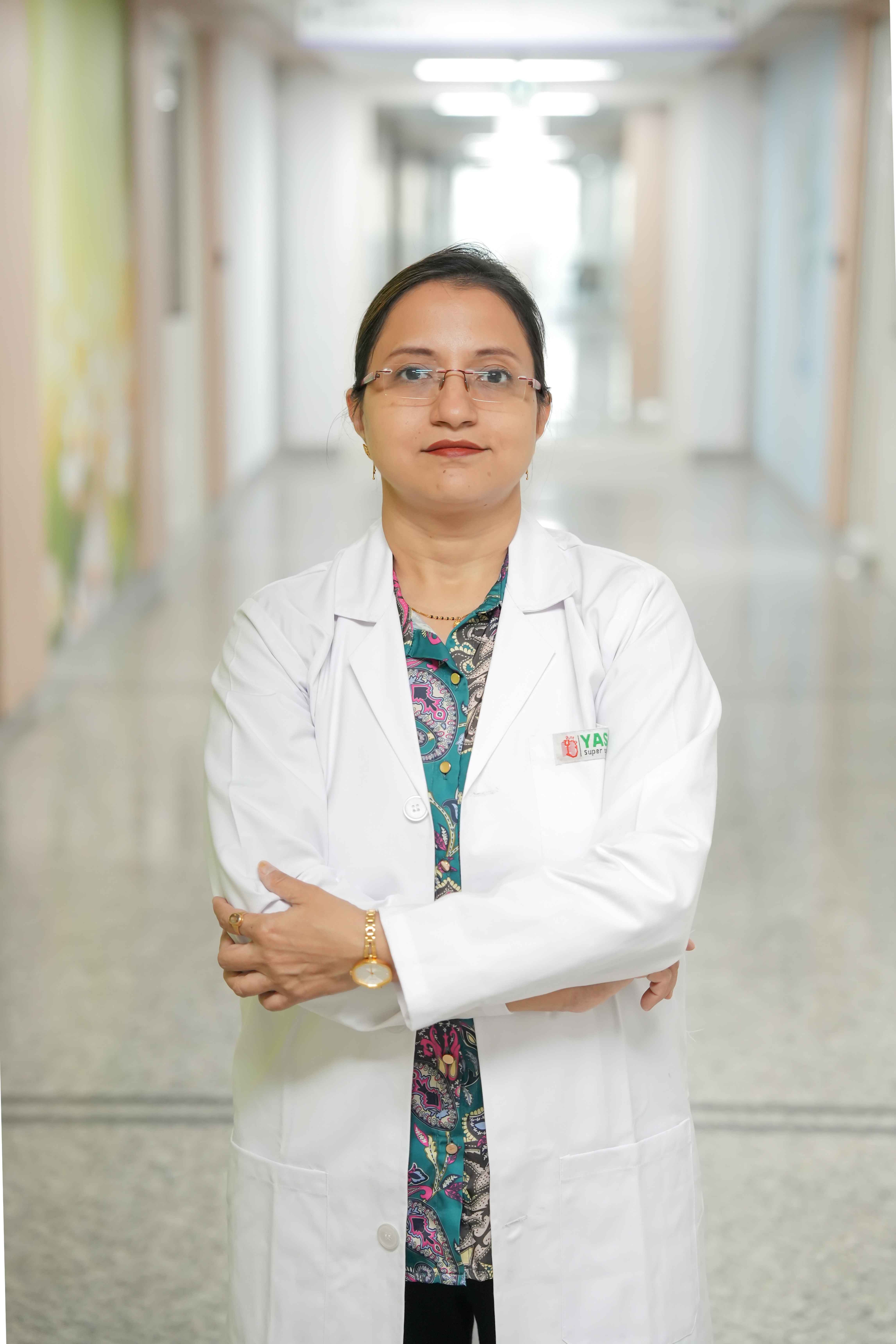
Dr. Rinshu Bansal
Visiting Consultant
Pediatrics & Neonatologist
PICU Hospital in Delhi
Unlike adult critical illness, which often develops against a background of chronic medical conditions, paediatric critical illness can occur suddenly, even in children who appeared completely healthy just days earlier. This unpredictability is precisely why the Paediatric Intensive Care Unit (PICU) exists as a dedicated clinical environment, separate from both the general paediatric ward and the adult intensive care unit, with specialised monitoring systems, advanced life-support technology, and a multidisciplinary team trained specifically to care for critically ill children.
The Paediatric Intensive Care Unit at Yashoda Medicity provides that environment in Delhi.
Conditions We Manage in the PICU
The team of the PICU hospital in Delhi manages a wide range of conditions, including but not limited to:
- Acute Severe Asthma and Pneumonia with Respiratory Failure
- Acute Respiratory Distress Syndrome
- Sepsis and Septic Shock
- Congestive Heart Failure and Cardiogenic Shock
- Kawasaki Disease, Myocarditis, and Pericarditis
- Status Epilepticus and Acute Encephalitis
- Guillain-Barré Syndrome
- Meningitis, Encephalitis, and Central Nervous System Infections
- Dengue with Shock, Malaria, Scrub Typhus, and Tuberculous Meningitis
- Acute Liver Failure
- Severe Dehydration with Electrolyte Imbalance
- Acute Kidney Injury and Haemolytic Uraemic Syndrome
- Diabetic Ketoacidosis and Adrenal Crisis
- Inborn Errors of Metabolism
- Febrile Neutropenia and Tumour Lysis Syndrome
- Accidental Poisoning, Snake and Scorpion Bites
- Post-Operative Critical Care following Neurosurgical, Cardiac, and Abdominal Procedures
When a Child Needs the Best PICU Hospital in Delhi
Not every unwell child needs intensive care, but certain presentations require a level of monitoring and intervention that a standard paediatric ward cannot provide. Recognising when a child has crossed that threshold is central to paediatric critical care medicine.
A child is likely to need admission at the PICU hospital in Delhi if they have:
- Severe breathing difficulty requiring ventilatory support or high-flow oxygen
- A seizure that is prolonged or not responding to initial treatment
- Signs of shock, including rapid heart rate, poor perfusion, or altered consciousness
- A severe infection with systemic involvement beyond standard ward management
- Significant poisoning or toxic ingestion requiring close monitoring and intervention
- A metabolic crisis such as diabetic ketoacidosis that requires intensive fluid and insulin management
- A post-operative condition following major surgery requiring close haemodynamic monitoring
- Organ failure affecting more than one system simultaneously
If your child is deteriorating rapidly, is difficult to rouse, is breathing abnormally, or has altered skin colour, this requires emergency assessment immediately rather than waiting for a scheduled appointment.
Advanced Paediatric Intensive Care at Yashoda Medicity
Respiratory Support and Ventilation
Respiratory failure is one of the most common reasons for PICU admission across all age groups. The unit provides the full spectrum of respiratory support, from high-flow nasal oxygen and non-invasive ventilation for children who need support maintaining adequate oxygen levels, through to mechanical ventilation for those with severe respiratory failure. High-frequency ventilation is available for the most refractory cases, particularly acute respiratory distress syndrome where standard ventilation strategies are insufficient.
Sepsis and Infectious Disease Management
Sepsis in children requires rapid recognition and treatment within a defined time window, since the difference between early and delayed antibiotic administration directly affects survival. The PICU team follows evidence-based sepsis protocols, with fluid resuscitation, vasoactive medications, and antibiotic administration initiated promptly on recognition. Region-specific infectious diseases, including dengue with shock, scrub typhus, and tuberculous meningitis, are managed with the clinical familiarity that their frequency in the National Capital Region demands in pediatric critical care Delhi.
Neurological Emergencies
Status epilepticus, acute encephalitis, and Guillain-Barré syndrome all require a level of neurological monitoring and intervention that goes beyond standard paediatric ward management. Video electroencephalogram monitoring detects ongoing seizure activity that may not be clinically apparent, particularly in children who have been sedated or paralysed for ventilation. Raised intracranial pressure management, continuous neurological assessment, and coordination with the neurology and neurosurgery teams are integrated into the management of complex neurological presentations.
Cardiovascular Critical Care
Cardiogenic shock, myocarditis, and severe Kawasaki disease require haemodynamic monitoring and vasoactive medication management that demands intensive care-level oversight. Bedside echocardiography allows the team to assess cardiac function in real time, guiding fluid management and medication titration based on what the heart is actually doing rather than indirect clinical signs alone.
Renal and Metabolic Emergencies
Acute kidney injury, haemolytic uraemic syndrome, diabetic ketoacidosis, adrenal crisis, and inborn errors of metabolism can all deteriorate rapidly without intensive monitoring. The PICU provides close electrolyte surveillance, fluid and acid-base correction, insulin infusion protocols, and renal support when required. Early recognition of metabolic decompensation is especially important in infants and young children, where symptoms may be subtle before sudden collapse occurs.
Toxicology and Poisoning
Children may require intensive care following accidental medication ingestion, insecticide exposure, or envenomation from snake and scorpion bites. This demands prompt identification of the cause of toxicity and timely intervention, which may include antidotes, supportive care, or organ support.
Haematology and Oncology Support
Children with febrile neutropenia, tumour lysis syndrome, severe anaemia, or bleeding complications related to malignancy or treatment often need intensive care-level monitoring. The PICU team works closely with paediatric haematology-oncology specialists to manage infection risk, metabolic instability, transfusion needs, and organ dysfunction during critical phases of treatment.
Post-Operative Critical Care
When a child is recovering from major cardiac, neurosurgical, abdominal, or transplant surgery, intensive monitoring and support are essential during the immediate post-operative period. The PICU hospital in Delhi provides this level of care within the same institution, ensuring seamless coordination with surgical teams and rapid intervention if post-operative complications arise.
Trauma and Emergency Stabilisation
Severe trauma, accidental drowning, polytrauma, and other life-threatening emergencies may require immediate airway support, circulatory stabilisation, and neurological monitoring. The PICU is equipped to manage children who arrive in unstable condition after emergency resuscitation, with rapid escalation to advanced life support when needed.
Nutrition, Sedation, and Recovery Support
Critically ill children often require carefully planned nutritional support, sedation, analgesia, and delirium prevention as part of their recovery. The PICU team ensures that feeding, comfort, sleep, and mobilisation are addressed alongside organ support, because recovery in children depends on more than stabilising vital signs alone.
Multiorgan Failure and Complex Critical Illness
Some children present with failure of more than one organ system at the same time, such as respiratory failure with shock, or neurological illness complicated by renal or hepatic dysfunction. These cases require coordinated, multidisciplinary management with continuous reassessment, and the PICU is designed to provide that level of integrated care.
Infection Control and Family-Centred Care
Children in intensive care are especially vulnerable to hospital-acquired infections, so strict infection control practices are maintained throughout the unit. At the same time, family-centred care remains a priority, with regular communication, counselling, and involvement of parents in the child's recovery process wherever clinically appropriate.
State-of-the-Art PICU Facilities
Advanced Ventilators and Respiratory Support Systems
The unit at Yashoda Medicity is equipped with paediatric and neonatal ventilators capable of delivering a range of ventilation modes. This includes high-frequency oscillatory ventilation for refractory respiratory failure, non-invasive ventilation systems, and high-flow nasal oxygen therapy for children who can be managed without intubation.
Extracorporeal Membrane Oxygenation Support
For children with severe cardiac or respiratory failure that cannot be managed with conventional support, extracorporeal membrane oxygenation provides temporary mechanical circulatory and respiratory support while the underlying condition is treated or stabilised. Having this capability within the PICU allows critically ill children to receive advanced life support locally, avoiding the risks associated with urgent transfers to distant centres.
Continuous Monitoring and Advanced Infusion Systems
Every PICU bed is equipped with continuous monitoring of heart rate, oxygen saturation, blood pressure, respiratory rate, and temperature, with arterial and central venous monitoring available for haemodynamically unstable children. Advanced infusion pumps deliver vasoactive medications, sedation, and nutrition with the precision that paediatric dosing requires, where small errors in drug delivery can have significant consequences.
Bedside Ultrasonography and Echocardiography
Point-of-care ultrasound allows rapid assessment of cardiac function, fluid status, and organ perfusion at the bedside, supporting clinical decisions without the delay of arranging formal imaging. Bedside echocardiography is particularly valuable in shock states, where understanding cardiac function guides the choice between fluid therapy, vasoactive medication, or other interventions.
In-House Laboratory and Imaging
Rapid laboratory results and imaging can significantly influence time-sensitive clinical decisions within the PICU. The unit has access to blood gas analysis, electrolyte testing, blood counts, cultures, and imaging services without the delays associated with external processing.
Isolation and Infection Control Facilities
Dedicated isolation areas help protect vulnerable children with contagious infections and reduce the risk of cross-infection within the unit.
Renal Support and Dialysis
The PICU also supports children who need acute kidney care, including fluid management and dialysis when required.
Emergency Transport and Transfer Support
Specialised transport support is available for critically ill children who need safe transfer to or from the PICU.
Family Support Areas
Comfortable waiting and counselling spaces help families stay informed and supported during a child’s critical illness.
Patient Journey Through the PICU Hospital in Delhi
Admission and Stabilisation: The child is assessed immediately on arrival.
Ongoing Intensive Care: The paediatric intensivist and nursing team monitor the child continuously, adjusting ventilation, medications, fluid balance, and nutrition as needed. Subspecialty input from neurology, cardiology, nephrology, and surgical teams is incorporated whenever required.
Family Support: Throughout the child's stay, parents are kept informed about their condition, treatment progress, and clinical decisions, with counselling support available whenever needed.
Step-Down and Recovery: As the child stabilises, care is transitioned from intensive care to high-dependency care and then to standard paediatric ward-level care.
Discharge Planning: The final step involves providing families with clear guidance on the child's condition, any ongoing care needs, and follow-up arrangements before discharge.
Why Choose Yashoda Medicity for Paediatric Intensive Care in Delhi?
- Region-specific infectious disease expertise: Dengue with shock, scrub typhus, and other infections commonly seen in the National Capital Region are managed with the clinical expertise and familiarity their prevalence demands.
- Integrated subspecialty support: Neurology, cardiology, nephrology, and surgical teams are available within the same institution, allowing rapid specialist involvement without transfer delays.
- Extracorporeal membrane oxygenation for the most critically unwell: Children requiring this level of support can receive it locally, without the additional risk and stress of urgent transfer to a distant centre.
- Family involvement as a clinical priority: Regular communication, counselling support, and encouraged family presence reflect the understanding that a child's recovery is supported by, not separate from, their family's involvement.
Call Us Today!
Paediatric critical illness arrives quickly and demands an equally rapid, highly coordinated response. The difference between a well-equipped paediatric intensive care unit and a standard paediatric ward becomes most apparent during the first critical hours of a medical emergency, when timely intervention can significantly influence outcomes.
The Paediatric Intensive Care Unit at Yashoda Medicity, Delhi provides tertiary-level critical care for children across the full age range.
Call us today: 9266610101
 Call: +91 9266610101