 Open Emergency Modal
Open Emergency Modal
Open Emergency Modal
Overview of Specialty
The Pediatric Nephrology Department provides comprehensive care for infants, children, and adolescents with kidney and urinary tract disorders. With a specialized team of pediatric nephrologists, advanced diagnostic facilities, and child-focused care pathways, we offer accurate evaluation and long-term management of a wide spectrum of pediatric kidney conditions. Our approach ensures clinical precision while supporting families through every step of treatment.
We focus on early diagnosis, evidence-based medical management, and individualized treatment plans designed for growing children. Through close collaboration among pediatric nephrologists, pediatric intensive care, pediatric urology, radiology, nuclear medicine, and nutrition, we ensure integrated, multidisciplinary care for both common and complex kidney disorders.
Services Available
Conditions Treated
We offer specialized care for a wide range of pediatric kidney and urinary tract disorders, ensuring early diagnosis, precise treatment, and long-term follow-up for growing children.
Nephrotic Syndrome – Comprehensive management of steroid-sensitive, difficult to treat, and steroid-resistant forms, with individualized immunosuppressive therapies, infection prevention strategies, edema control, and structured relapse monitoring programs.
Acute Glomerulonephritis - Evaluation and management of acute glomerulonephritis with timely diagnostics, blood pressure control, immunosuppression, and supportive care.
Acute Kidney Injury and Chronic Kidney Disease – Evaluation and treatment of sudden kidney injury and long-standing kidney dysfunction, focusing on slowing disease progression, correcting metabolic imbalances, and providing dialysis support when needed. Providing transplant-preparatory management for children with End Stage Kidney Disease.
Congenital Kidney and Urinary Tract Anomalies – Management of structural abnormalities present from birth, such as hydronephrosis, vesicoureteral reflux, posterior urethral valves, cystic kidney diseases, renal dysplasia, and duplex collecting systems, with coordinated medical and surgical care.
Recurrent Urinary Tract Infections – Evaluation of children with frequent or complicated UTIs, including imaging for underlying anatomical causes, preventive therapies, bladder training, and ongoing infection surveillance.
Pediatric Hypertension – Diagnosis and management of high blood pressure in children, including secondary hypertension related to kidney disease, with lifestyle guidance, medication therapy, regular monitoring, and detailed evaluation.
Tubular and Electrolyte Disorders – Expert care for renal tubular acidosis, Fanconi syndrome, Bartter and Gitelman syndromes, and other conditions affecting acid-base balance, electrolyte regulation, and growth.
Kidney Stones (Pediatric Urolithiasis) – Evaluation and management of stones in children through metabolic and genetic testing, dietary guidance, medical therapy for stone passage, and long-term prevention strategies.
Hematuria and Proteinuria – Systematic evaluation of blood or protein in urine to identify underlying renal causes, supported by advanced laboratory testing and imaging.
Inherited and Genetic Kidney Disorders – Diagnosis and coordinated care for conditions such as polycystic kidney disease, Alport syndrome, cystinosis, and other hereditary renal syndromes through genetic evaluation and long-term follow-up.
Voiding Disorders - Assessment and treatment of daytime/nighttime wetting, bowel bladder dysfunction, overactive/underactive bladder, dysfunctional voiding, and neurogenic bladder.
Refractory Rickets - Evaluation and management of kidney-related causes of refractory rickets, including metabolic and tubular disorders.
Technologies
To ensure accurate diagnosis and effective treatment, our department is equipped with:
 More
More
Consultant
Pediatric Nephrology

A Rare Presentation of Nephrotic Syndrome in a Child Following Hematopoietic Stem Cell Transplantation
A 13-year-old girl with transfusion-dependent thalassemia major underwent hematopoietic stem cell transplantation (HSCT) in 2024. Her recovery after the transplant was uneventful, and cyclosporine, an immunosuppressive medicine, was stopped after one year. Six months after stopping immunosuppression, she developed swelling around the eyes and swelling of both feet for four days. She did not have reduced urine output, visible blood in the urine, fever, skin rash, oral ulcers, hair loss, joint pain, or any other systemic symptoms. She had no previous history of kidney disease or family history of kidney disorders. She had a history of chronic hepatitis C infection, which had been successfully treated three years earlier.
Investigations showed nephrotic-range proteinuria, with urine dipstick protein of 3+, a spot urine protein-to-creatinine ratio of >4.4 mg/mg, and 24-hour urinary protein of 4.2 g/day. She also had microscopic blood in the urine (8–10 RBCs/HPF) and low serum albumin (2.17 g/dL). Her blood pressure and kidney function were normal, with blood urea of 12.7 mg/dL and serum creatinine of 0.24 mg/dL. Tests for possible secondary causes, including hepatitis B, hepatitis C, and systemic lupus erythematosus, were negative.
A kidney biopsy showed Stage I membranous nephropathy. Immunofluorescence was negative, and immunohistochemistry was negative for Anti-PLA2R, THSD7A, NELL-1, and FAT1. There were no chronic changes in the kidney. The findings were consistent with membranous nephropathy presenting as nephrotic syndrome following HSCT. Nephrotic syndrome after HSCT is rare, occurring in approximately 1% of patients, and only a few pediatric cases have been reported.
The patient was treated with enalapril, oral prednisolone, and tacrolimus, and achieved complete remission within two months. At the 12-month follow-up, she remained well, with no swelling or hypertension. Urinalysis showed no protein or blood. Her 24-hour urinary protein had decreased from 4.2 g/day to 60 mg/day, and her serum albumin had improved to 4.63 g/dL. Kidney function remained normal, with serum creatinine of 0.4 mg/dL.
This case highlights membranous nephropathy as a rare late complication of HSCT, possibly related to changes in the immune system after stopping immunosuppressive treatment. Early recognition, timely kidney biopsy, and appropriate treatment helped achieve sustained remission and an excellent kidney outcome.
Treatment By:
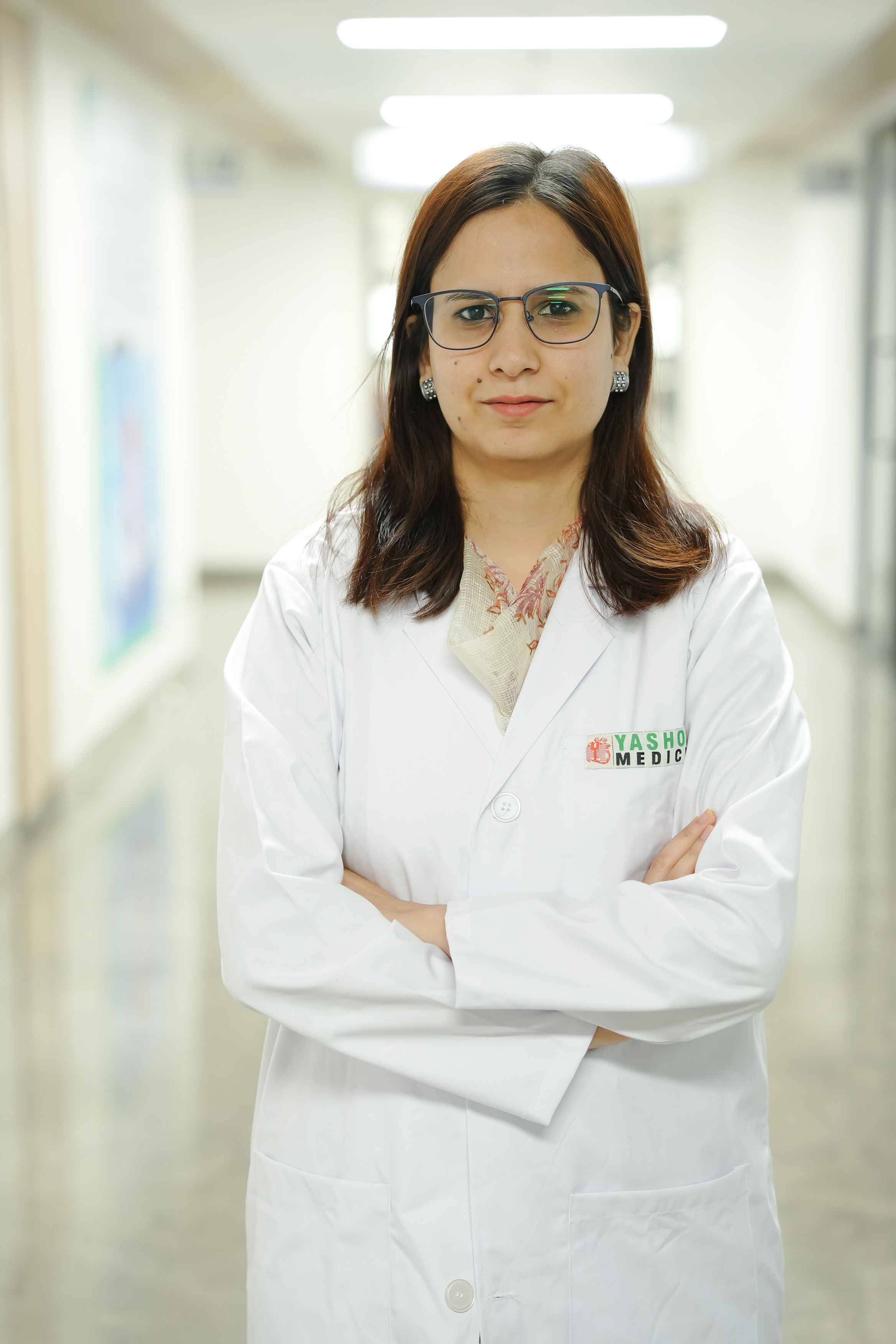
Dr. Sangeeta, Consultant- Pediatric Nephrology
It was a very good experience, I had a cholecystectomy. All the doctors including surgeon, anesthetic, nursing and housekeeping staff were very supportive. I was admitted for 24 hours. Quick and very fast recovery. Under Dr P.K.Dewan, sir is very humble and nice.
All experience good, patient treatment was good, satisfied with all the services, nursing staff and doctors team also good and cooperative.
I had an excellent experience at Yashoda Hospital for my mother’s Total Knee Replacement Surgery.
From a clinical perspective, Dr. Amit Sharma and his team were outstanding. Their expertise and professionalism were evident throughout the process, and they did a fantastic job with the surgery and post-operative care.
Beyond the medical treatment, the administrative side was equally impressive. Mr. Varun took complete charge of the Insurance (TPA) and admission process, ensuring everything was seamless and stress-free for our family. His coordination made a significant difference in our overall experience.
We are truly grateful to the entire team for their dedication and care. Highly recommended!
Mr. Ajeet Kumar Verma from Yashoda Homecare provided satisfactory service of sample collection. Well behaved, humble & polite person
I had really good experience with Yashoda Home Care, the sample collection was very hygienically taken and pain-free, hassle-free. Mr. Ajeet was the phlebotomist.
Had a good experience with Ajeet Kumar Verma from Yashoda Home Care who supported me while I was looking for someone to dress my mom’s stitches. He is very professional and a caring person.
Great support and service by the Home care department. Everyone from Ms Niharika, Mr. Anoop to all the attendants including Mr. Natwar Pandey, Mr Inam and Mr. Ajit, all have been superbly supportive and helpful throughout. God bless you all and highly recommended.
Very good services in home care Yashoda hospital his ish
Caretaker Deepanshu and Jatin and Satish is very good caretaker I have never seen better care takers in my life.
And he is very polite behaviour and friend in nature
Yashoda Super Specialty Hospitals Kaushambi service is very good according other hospital and other home care services
The home care facility provided by the hospital is also good, the staff which was at home was cooperative.
Home care services are Good. Mr. सुनील Sajwan was cooperative and the केयर taker Mrs. Shushila's वर्क has been quite satisfactory.
Had a. Very good experience with Yashoda Homecare, Kaushambi. The staff was very cooperative with excellent on time services. I would like to give a special mention to Mr Sunil Sajwan (Sales) and Sushila ji (PCA) for their quick response and excellent services.
Fully satisfied Mr .Ajeet Kumar Verma service Yashoda home care . vry good
Was great to recieve the best homecare services from yashoda hospital and really impressed with Ms. Niharika's support at the initial phase followed by Mr. Natwar Pandey who was really supportive in taking care of my father basic daily needs.
Thanks for all the support


 Call: +91 9266610101