Dr. Vaibhav Saxena
Senior Director
Urology, Uro-Oncology, Robotics & Renal Transplant

Dr. Kuldeep Aggarwal
Associate Director
Urology, Uro-oncology, Robotics & Renal Transplant
Kidney Transplant Hospital in Ghaziabad
For most patients with end-stage kidney disease, a kidney transplant is the closest thing to a cure available, offering freedom from dialysis, better long-term survival, and a quality of life that no other renal replacement therapy can match. What stops many patients from reaching transplant is not eligibility. It is the complexity, such as a mismatched blood group, antibodies built up from a previous transplant or pregnancy, or no donor within the family at all.
The Renal Transplant Department at Yashoda Medicity is built for exactly these situations in Ghaziabad, by a multidisciplinary team with the surgical expertise and immunological protocols that complex transplantation demands.
Who This Programme Is For
The renal transplant centre in Ghaziabad indicates that this department is for patients with confirmed end-stage kidney disease who have been assessed as transplant candidates, and for patients who have been told elsewhere that their case is too complex to proceed.
This includes patients in the following situations:
- End-stage kidney disease with a willing living donor of any blood group
- No compatible donor within the immediate family
- A history of high antibody levels following previous transplant, blood transfusion, or pregnancy
- A need for transplant alongside significant comorbidities including diabetes, hypertension, or cardiovascular disease
- A previous transplant that has failed, where re-transplantation is being considered
- A donor and recipient pair willing to participate in a paired exchange arrangement
- A second opinion being sought after being told elsewhere that transplant is not feasible
If you have been told you do not have a matching donor, or that your antibody levels make transplant too risky, that conversation is worth having again here.
Types of Kidney Transplant Performed
Living Donor Kidney Transplant
A living donor kidney transplant is performed when a healthy individual voluntarily donates one of their kidneys to a recipient with end-stage kidney disease. Living donor transplants generally offer better long-term outcomes, shorter waiting times, and quicker graft function compared to deceased donor transplants.
Deceased Donor Kidney Transplant
For patients who do not have a suitable living donor, a kidney from a deceased donor may be used. Organs are allocated through approved organ-sharing networks, and transplantation is performed once compatibility criteria are met. This option provides a life-saving opportunity for patients awaiting transplantation.
ABO-Incompatible Transplants
When a donor and recipient have different blood groups, transplantation may still be possible. Through specialised desensitisation protocols, antibody levels against the donor's blood group are reduced before surgery, allowing transplantation to proceed safely despite blood group incompatibility.
Highly Sensitised Transplants
Some patients develop high levels of antibodies due to previous transplants, blood transfusions, or pregnancy, making it difficult to find a compatible donor. Advanced immunological testing and desensitisation therapies help improve compatibility and increase the chances of successful transplantation.
Swap (Paired Exchange) Transplants
A paired kidney exchange addresses situations where a willing donor is incompatible with the intended recipient. Through a coordinated exchange arrangement, donor-recipient pairs are matched with other compatible pairs, enabling each recipient to receive a suitable kidney.
Re-Transplantation
Patients whose previous kidney transplant has failed may be eligible for a second transplant. These cases often require detailed immunological evaluation and specialised planning due to higher antibody levels and increased surgical complexity.
High-Risk Kidney Transplants
Patients with complex medical conditions such as diabetes, hypertension, cardiovascular disease, or other coexisting illnesses may require specialised transplant planning and monitoring. A multidisciplinary team carefully evaluates and manages these patients to ensure the safest possible transplant journey.
Pediatric Kidney Transplants
Children with advanced kidney disease require specialised transplant care tailored to their growth, development, and long-term health needs. Pediatric kidney transplantation offers children the opportunity to lead healthier lives while supporting normal physical and developmental milestones.
Pre-Emptive Kidney Transplants
A pre-emptive kidney transplant is performed before a patient requires long-term dialysis. When feasible, this approach is associated with improved quality of life, better long-term graft survival, and reduced complications compared to transplantation after prolonged dialysis.
The Transplant Process
Comprehensive Pre-Transplant Evaluation
Every patient undergoes a detailed assessment before being listed for transplant. This includes full medical history, cardiac and pulmonary assessment, infection screening, immunological testing including blood group and tissue typing, and evaluation of overall fitness for major surgery. The same steps are followed for the donor as well, to confirm suitability, kidney function, and overall health.
Desensitisation Protocols
In cases of ABO incompatibility and highly sensitised patients, desensitisation is performed at the kidney transplant hospital in Ghaziabad. The process is a structured combination of plasma exchange or immunoadsorption to physically remove antibodies, along with medication to suppress the immune system’s antibody production. Antibody levels are closely monitored throughout, and surgery proceeds once they fall to a safe level.
Surgery
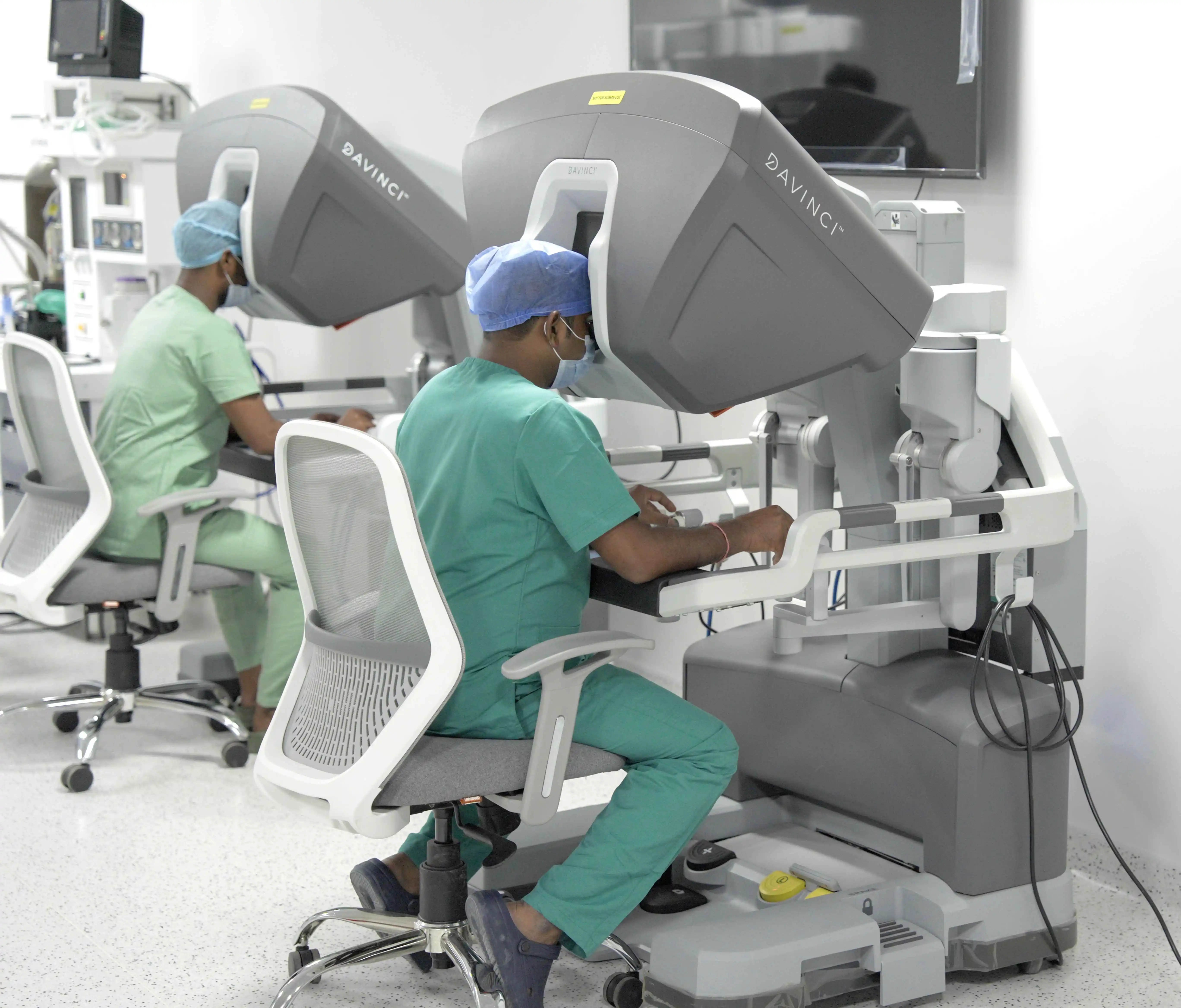
The transplant procedure uses advanced, precise surgical techniques, with donor nephrectomy performed using minimally invasive approaches wherever suitable. This significantly reduces recovery time for the donor compared to open donor surgery.
Post-Transplant Monitoring
Immediately after the transplant, intensive monitoring is essential to assess graft function, rejection, and infection. Immunosuppressive medication is carefully calibrated in the early weeks, when the risk of rejection is highest and the balance between preventing rejection and avoiding infection is most delicate. As the patient stabilises, monitoring frequency reduces, but specialist follow-up continues long term.
State-of-the-Art Transplant Facilities
Dedicated Transplant Intensive Care Unit
At Yashoda Medicity, a dedicated transplant intensive care unit provides specialised post-operative monitoring immediately following surgery for both standard and high-risk cases.
Immunology and Crossmatch Laboratory
Accurate tissue typing and crossmatch testing form the foundation of safe transplantation. The laboratory provides detailed immunological assessment needed to plan desensitisation protocols, confirm compatibility before surgery, and monitor antibody levels throughout the pre- and post-transplant period.
Minimally Invasive Donor Surgery
Laparoscopic donor nephrectomy reduces surgical impact on the donor considerably compared to open surgery. Since the donor is a healthy individual undergoing surgery purely to benefit someone else, minimising surgical impact is a clinical priority.
Stringent Infection Control Protocols
Transplant patients are immunosuppressed for life, making infection control a continuous clinical priority rather than a one-time concern. Internationally aligned infection prevention protocols are maintained throughout the transplant pathway, from pre-operative preparation to long-term follow-up.
Multidisciplinary Transplant Team
Nephrologists, transplant surgeons, immunologists, urologists, and critical care specialists work together throughout the transplant journey. This coordination is especially important in complex cases, where highly sensitised patients or those with cardiovascular disease require simultaneous input from multiple specialities rather than sequential referrals.
Patient Journey at the Kidney Transplant Hospital in Ghaziabad
- Initial Evaluation: The first step involves assessment of both patient and potential donor.
- Compatibility Assessment: Crossmatch and antibody testing determine whether the transplant can proceed directly, requires desensitisation, or is better suited for the swap arrangement.
- Pre-Transplant Preparation: In ABO-incompatible or highly sensitised cases, desensitisation protocols begin. For high-risk patients, cardiac and medical optimisation is carried out.
- Transplant Surgery: The surgery is performed under the supervision of experienced transplant surgeons.
- Early Post-Transplant Care: At the kidney hospital in Ghaziabad, intensive monitoring in the transplant intensive care unit ensures graft function, rejection surveillance, and infection control.
- Long-Term Follow-Up: Immunosuppression management, kidney function monitoring, and infection surveillance continue indefinitely, with follow-up frequency reducing as the patient stabilises.
Why Choose Yashoda Medicity as the Kidney Transplant Hospital in Ghaziabad?
- Complex cases are not turned away: ABO-incompatible, highly sensitised, swap, and high-risk transplants are all managed within the department, rather than being considered beyond surgical care.
- Expanded donor options beyond perfect matching: Desensitisation protocols and the swap arrangement ensure that an incompatible donor does not mean no transplant.
- Surgical expertise that also protects the donor: Minimally invasive donor nephrectomy significantly reduces surgical impact on a healthy individual donating to help another.
- Dedicated transplant intensive care unit: Specialised post-operative monitoring is available immediately after surgery for both standard and high-risk cases.
- Lifelong follow-up, not a one-time procedure: The same multidisciplinary team in the department continues to manage the patient long term, with care adjusted as medical needs evolve over time.
Book Your Appointment Today
A kidney transplant is not simply a surgical procedure. It is a structured journey that begins long before the operation and continues for the rest of the patient’s life.
The Renal Transplant Department at Yashoda Medicity, Ghaziabad is built specifically for these situations, offering the surgical expertise, immunological protocols, and long-term care infrastructure that complex kidney transplantation requires.
Call us today: 9266610101
 Call: +91 9266610101