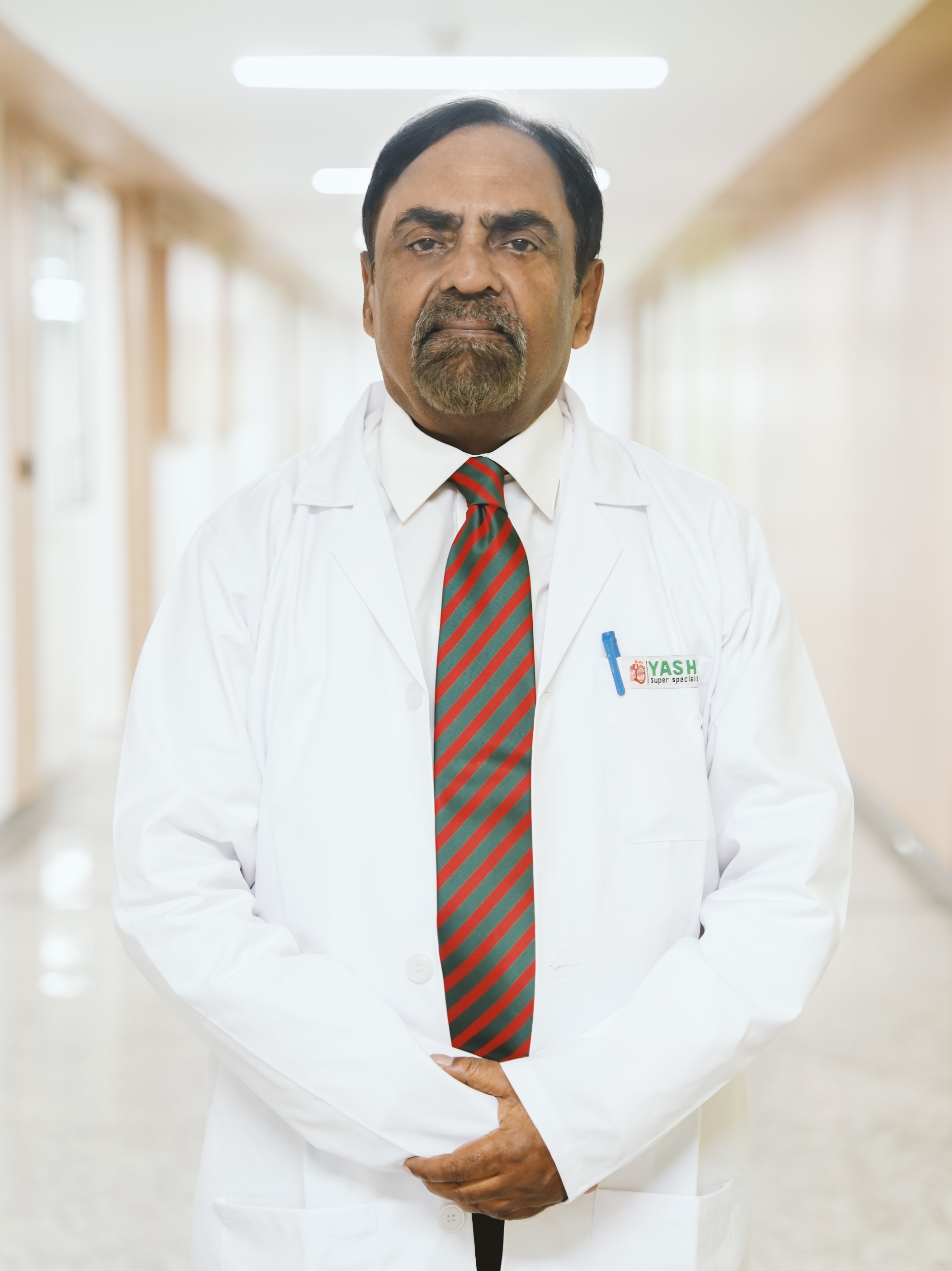
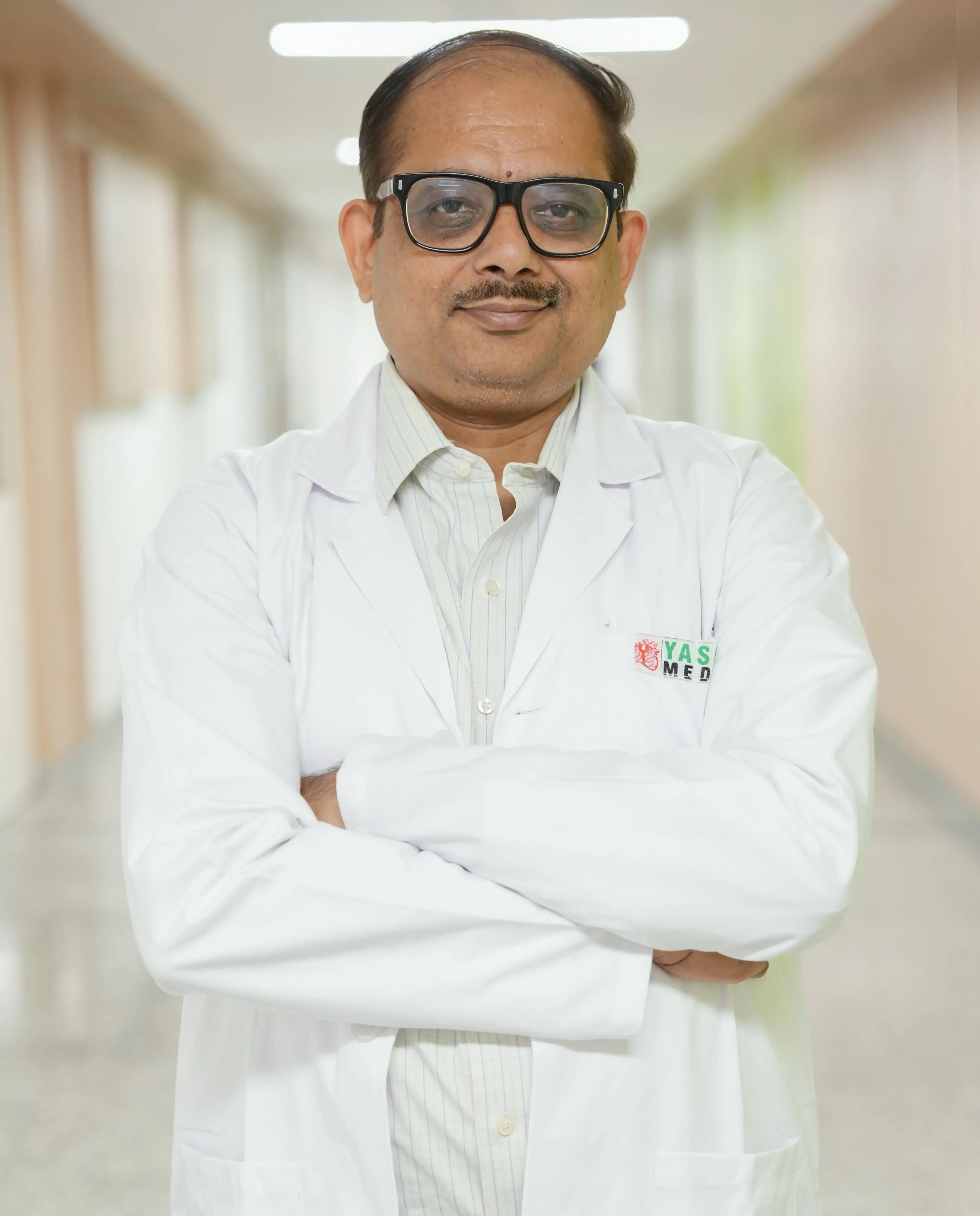
Dr. Rajesh Upadhyay
Principal Director & Head
Gastroenterology and Hepatology
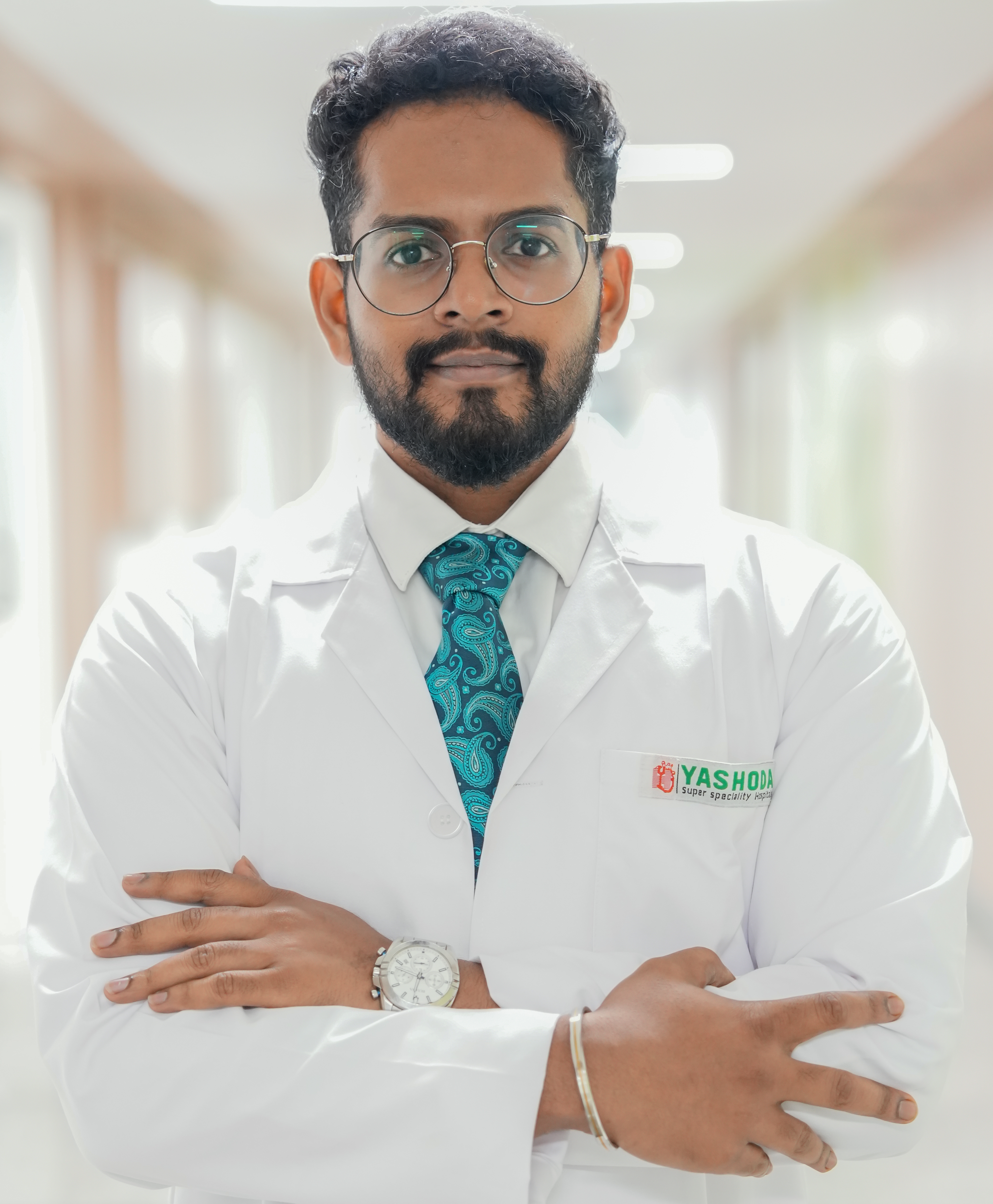
Dr. Kunal Das
Director
Gastroenterology, Hepatology & Endoscopy
Dr. V. S. Gaurav Narayan
Associate Consultant
Yashoda Institute of Gastroenterology and Hepatobiliary Sciences
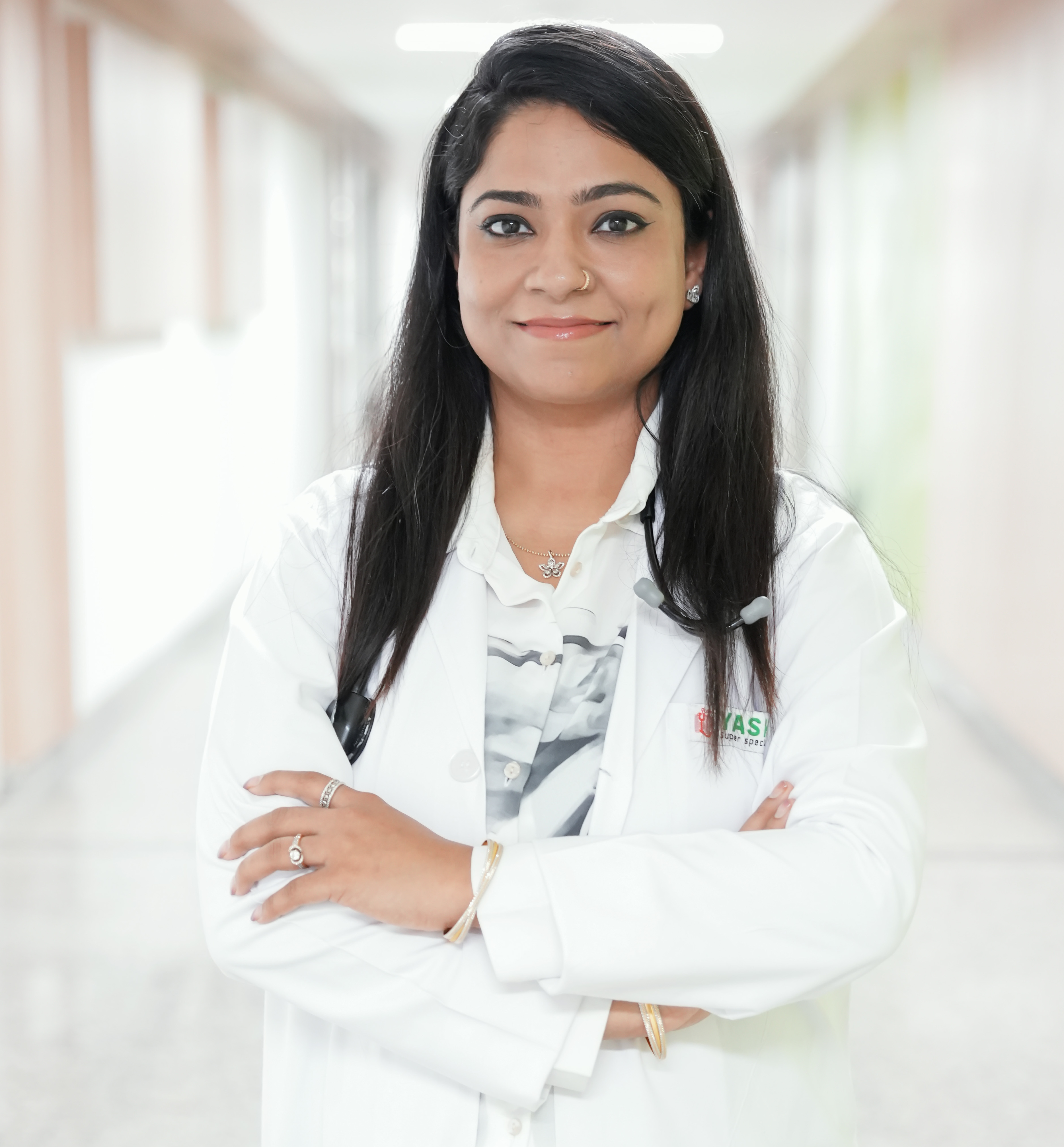
Dr. Priyanka Ramnivas Ojha
Attending Consultant
Gastroenterology and Hepatology
Hepato Pancreato Biliary Hospital in Kaushambi
The liver, pancreas, and bile ducts do not operate independently. They are connected anatomically, functionally, and clinically in ways that make it impossible to treat a disease affecting one without understanding its impact on the others.
This is precisely why hepato-pancreato-biliary surgery exists as a distinct subspeciality rather than a set of procedures divided between general and gastrointestinal surgeons. The anatomy is shared, the disease processes overlap, and the surgical decisions in one organ directly affect what is possible in the others. Managing this system well requires a combination of surgical precision, advanced imaging interpretation, endoscopic capability, and oncological understanding that general surgery training alone does not consistently provide.
The Yashoda Institute of Gastroenterology & Hepatobiliary Sciences at Yashoda Medicity manages the full range of such conditions.
Conditions We Treat
The team at the hepato pancreato biliary hospital in Kaushambi manages a wide range of conditions, including:
- Gallstones and choledocholithiasis
- Acute and chronic pancreatitis
- Pancreatic cancer
- Hepatocellular carcinoma and liver tumours
- Cholangiocarcinoma
- Gallbladder cancer
- Biliary strictures and injuries
- Autoimmune pancreatitis
- Pancreatic pseudocysts and cysts
- Liver metastases from other primary cancers
- Cirrhosis and portal hypertension
- Hydatid cysts of the liver
- Primary sclerosing cholangitis
- Primary biliary cholangitis
- Benign biliary strictures following previous surgery
When to Consult a Hepato Pancreato Biliary Surgeon in Kaushambi
Hepato-pancreato-biliary conditions often present with non-specific symptoms that are easily attributed to common causes such as acidity, stress, or fatigue. Early disease may remain silent until progression occurs.
Book a consultation if you have:
- Jaundice, even if mild
- Persistent upper abdominal or right-sided pain
- Severe pain radiating from upper abdomen to the back
- Unexplained weight loss with abdominal symptoms
- Liver, pancreatic, or bile duct abnormalities on imaging
- Recurrent pancreatitis without a clear cause
- History of gallstones with persistent symptoms
- Abnormal liver function tests without diagnosis
- Jaundice after previous biliary or abdominal surgery
- Suspected or confirmed liver or pancreatic cancer
Any new jaundice in an adult requires urgent evaluation at the Yashoda Institute of Gastroenterology & Hepatobiliary Sciences in Kaushambi, as it may indicate obstruction due to stone, stricture, or malignancy.
Advanced Treatment at the Hepato Pancreato Biliary Hospital in Kaushambi
Liver Surgery
Liver resection for primary liver tumours, liver metastases, and selected benign conditions requires an understanding of liver anatomy at a segmental level, since the liver’s blood supply and bile drainage divide it into independent functional units that can be resected individually or in combination. The extent of resection is determined by tumour location, the volume of liver that will remain after surgery, and the underlying liver health, since a cirrhotic liver tolerates resection very differently from a healthy one.
Pancreatic Surgery
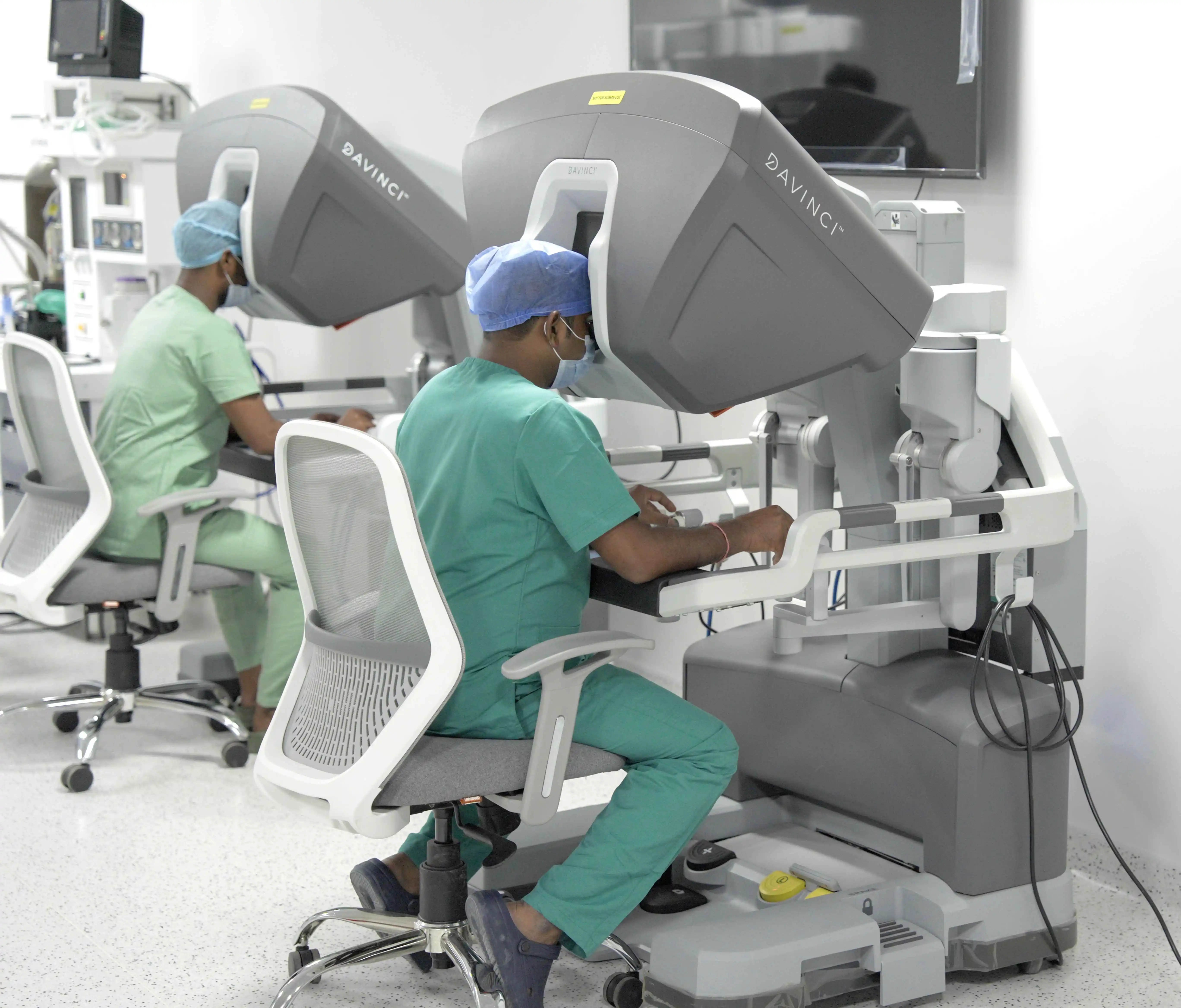
Pancreatic surgery covers the full range of operations on the pancreas and its immediate surroundings. Whipple’s procedure, formally the pancreaticoduodenectomy, removes the head of the pancreas, the duodenum, the gallbladder, and part of the bile duct for cancers and other conditions affecting the pancreatic head. Distal pancreatectomy removes the body and tail of the pancreas for tumours in those locations. Total pancreatectomy is required in selected cases. These are among the most technically demanding abdominal operations, and outcomes are closely linked to the volume of these procedures performed by the surgical team, since surgical experience directly affects complication rates and recovery.
Biliary Surgery
Bile duct injuries, biliary strictures, and complex biliary reconstruction following previous surgery or trauma at the Yashoda Institute of Gastroenterology & Hepatobiliary Sciences in Kaushambi require a meticulous understanding of biliary anatomy and the technical precision to reconstruct the bile duct without narrowing or tension. Complex biliary surgery is performed here within the same multidisciplinary framework.
Endoscopic Retrograde Cholangiopancreatography
Many biliary and pancreatic duct conditions that would once have required open surgery can now be managed endoscopically. Bile duct stones are removed, strictures are dilated and stented, and biliary drainage is established through the endoscope rather than through a surgical incision.
Gallbladder Surgery
Laparoscopic cholecystectomy for gallstone disease is performed using ICG fluorescence guidance as standard, clearly delineating biliary anatomy before dissection begins and significantly reducing the risk of bile duct injury. For gallbladder cancer, which may be identified incidentally during cholecystectomy or on pre-operative imaging, the extent of surgery is determined by the stage and depth of tumour invasion, with more extensive resection required for higher-stage disease.
Hepato Pancreato Biliary Oncology
Cancers of the liver, pancreas, bile duct, and gallbladder are managed through a multidisciplinary tumour board that includes hepato-pancreato-biliary surgeons, medical oncologists, radiation oncologists, radiologists, and pathologists.
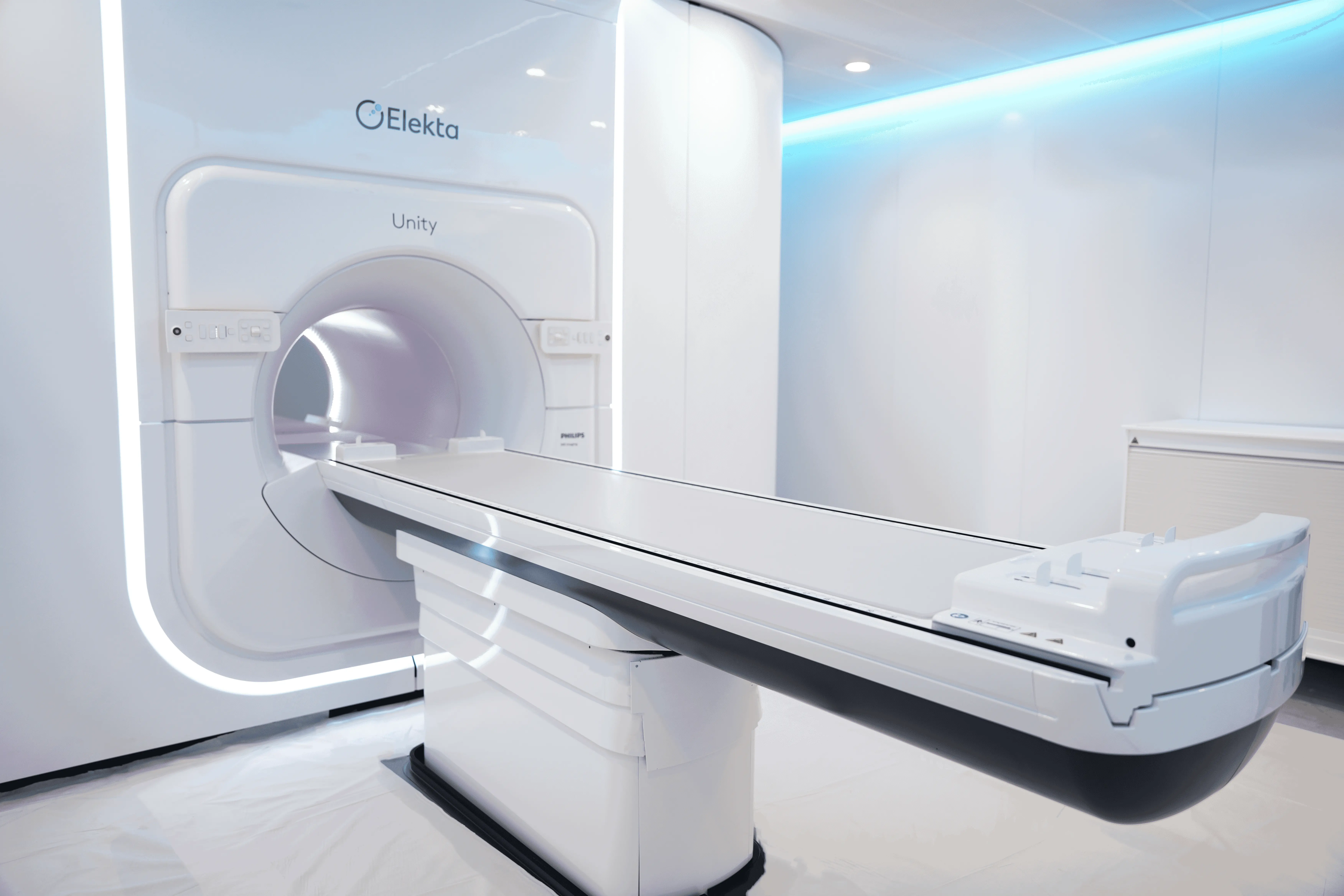
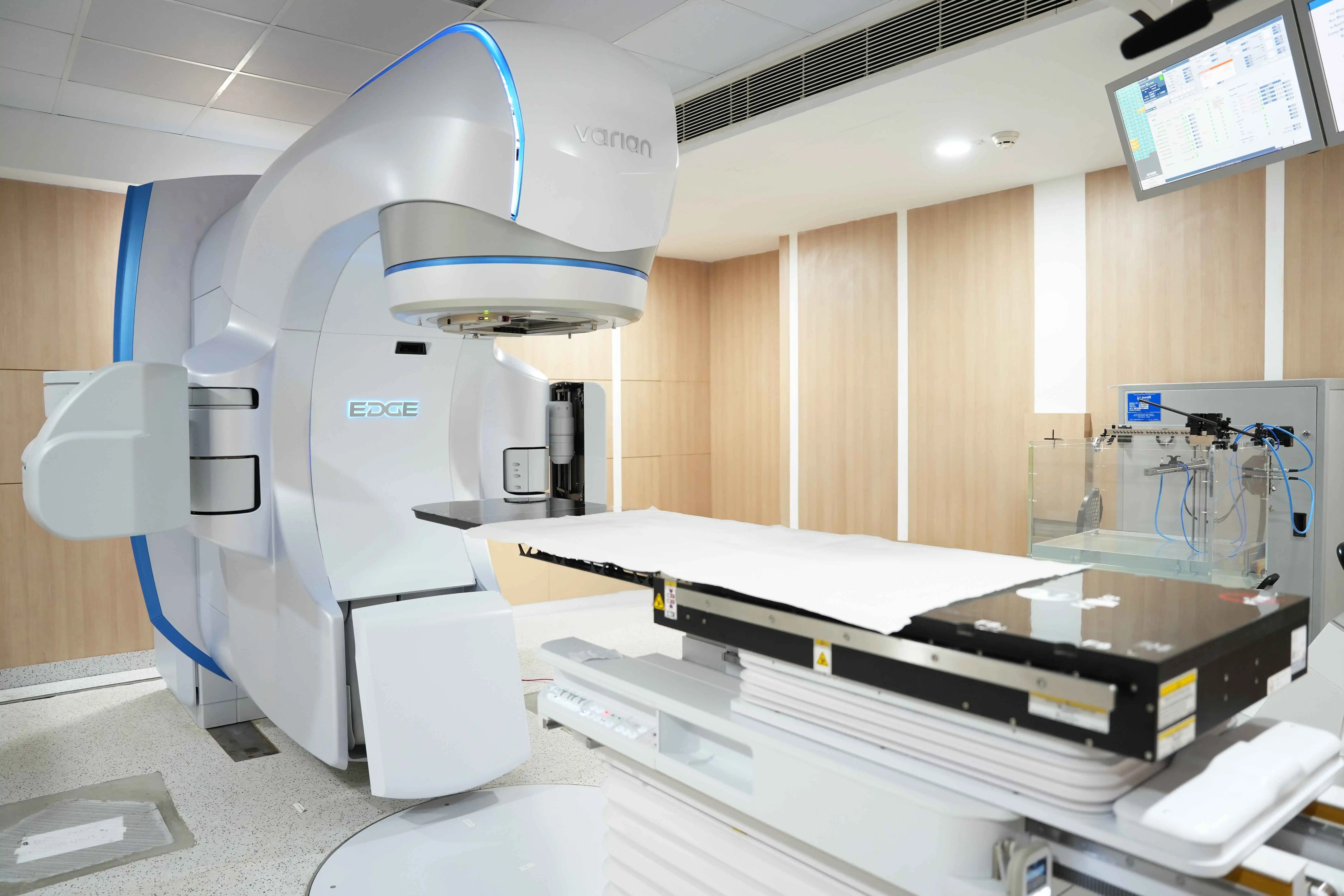
Treatment plans combine surgery at the Yashoda Institute of Gastroenterology & Hepatobiliary Sciences in Kaushambi, chemotherapy, targeted therapy, and in selected cases radiation, with sequencing and combination determined by the tumour board rather than a single specialist.
State-of-the-Art Hepato Pancreato Biliary Facilities
Advanced Hepatobiliary Imaging
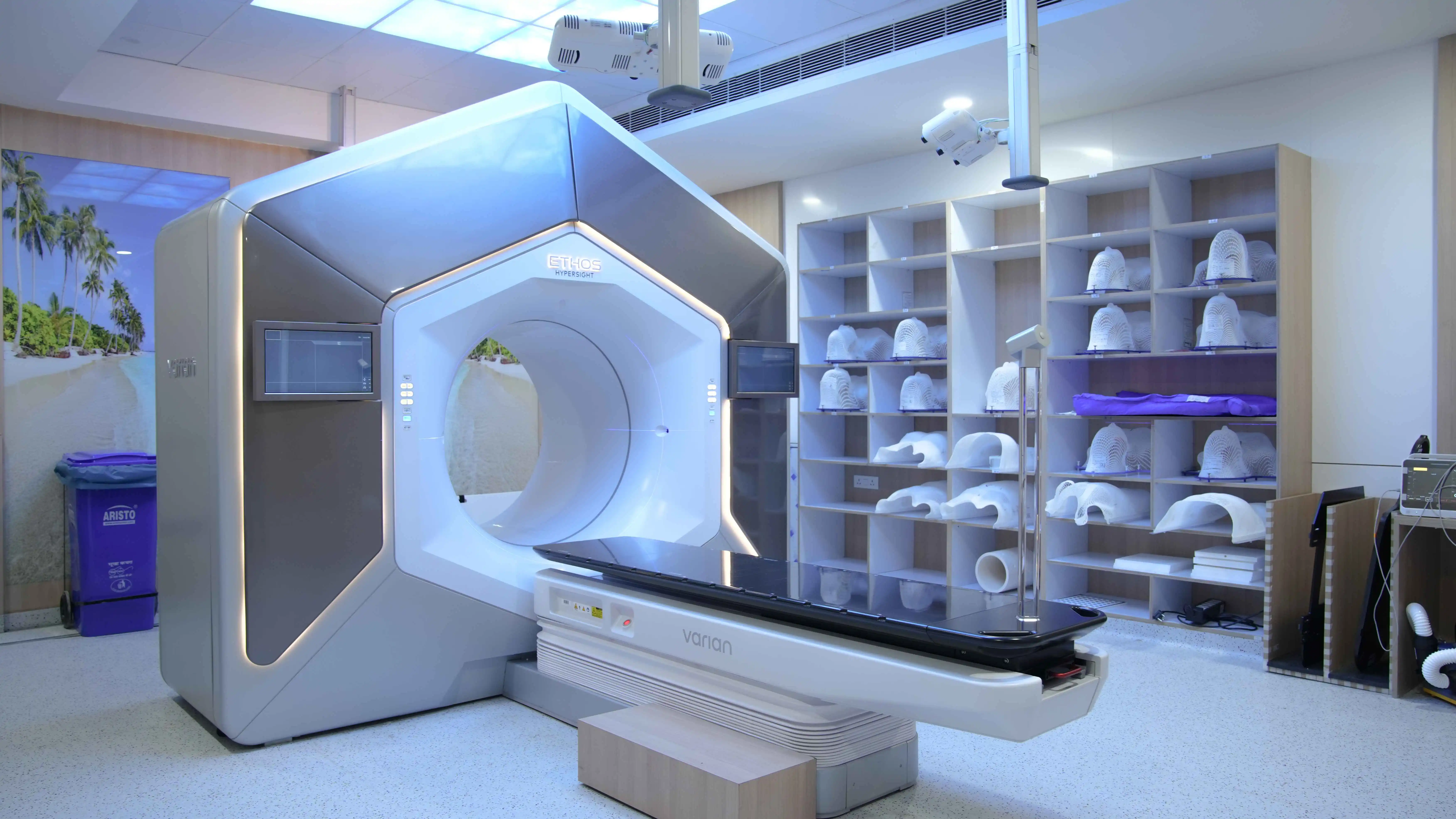
Computed tomography, magnetic resonance imaging with magnetic resonance cholangiopancreatography, and positron emission tomography with computed tomography scanning provide the detailed anatomical and metabolic information required for staging, surgical planning, and treatment response assessment in hepato-pancreato-biliary conditions.
Endoscopic Ultrasound
Endoscopic ultrasound at the Yashoda Institute of Gastroenterology & Hepatobiliary Sciences in Kaushambi provides high-resolution imaging of the pancreas, bile ducts, and surrounding structures from inside the gastrointestinal tract, with simultaneous guided biopsy of pancreatic masses and lymph nodes that are not accessible through standard imaging-guided biopsy.
Intraoperative ICG Fluorescence
ICG fluorescence guidance is used during hepatic and biliary surgery to map bile duct anatomy, confirm the margins of liver resection in relation to vascular and biliary structures, and assess the perfusion of reconstructed biliary anastomoses intraoperatively. This real-time guidance reduces the risk of inadvertent biliary injury and supports more confident decision-making during complex resections.
Multidisciplinary Tumour Board
Every malignant hepato-pancreato-biliary case is reviewed by the tumour board before treatment begins. The collective assessment of imaging, pathology, and staging data by surgeons, oncologists, radiologists, and pathologists produces a treatment plan that no single specialist working alone would consistently arrive at, particularly for complex cases where the line between resectable and unresectable disease is not always clear from imaging alone.
Patient Journey at the Hepato Pancreato Biliary Hospital in Kaushambi
- Initial Consultation and Staging: The first step is where the specialist reviews symptoms, imaging, and prior investigations at the Yashoda Institute of Gastroenterology & Hepatobiliary Sciences.
- Tumour Board Review: If the case involves malignant or complex benign disease, it is presented to the multidisciplinary tumour board, where a treatment plan is agreed collectively.
- Neoadjuvant Treatment, if Indicated: For borderline resectable pancreatic cancer and selected liver tumours, chemotherapy or targeted therapy before surgery is planned and delivered through the medical oncology team within the same programme.
- Surgery or Endoscopic Intervention: The procedure is performed according to the agreed plan.
- Post-Operative Care and Oncological Follow-Up: Recovery is monitored closely, particularly after major pancreatic and liver surgery where post-operative complications require prompt recognition and management.
Why Choose Yashoda Medicity for Hepato Pancreato Biliary Care in Kaushambi?
- Subspecialty expertise in a connected system: The liver, pancreas, and bile ducts are managed as the interconnected system they are, rather than divided between separate surgical departments that do not coordinate.
- ICG fluorescence guidance for safer biliary and hepatic surgery: Real-time intraoperative illumination of bile ducts and vascular structures reduces the risk of inadvertent injury during complex dissections.
- Endoscopic ultrasound for tissue diagnosis and staging: Pancreatic masses and biliary lesions are assessed and biopsied with precision not achievable through standard imaging alone.
- Multidisciplinary tumour board for every malignant case: Treatment plans are collectively agreed before intervention begins.
- Complex surgery available locally: Whipple’s procedure, major liver resection, and complex biliary reconstruction are available in Kaushambi at the Yashoda Institute of Gastroenterology & Hepatobiliary Sciences.
Book Your Appointment Today!
The liver, pancreas, and bile ducts form a system where disease rarely respects boundaries. Managing conditions in this region requires surgical precision, endoscopic capability, advanced imaging interpretation, and oncological understanding working together within the same programme.
That integration is what the Yashoda Institute of Gastroenterology & Hepatobiliary Sciences at Yashoda Medicity, Kaushambi provides.
Call us today: 9266610101
 Call: +91 9266610101