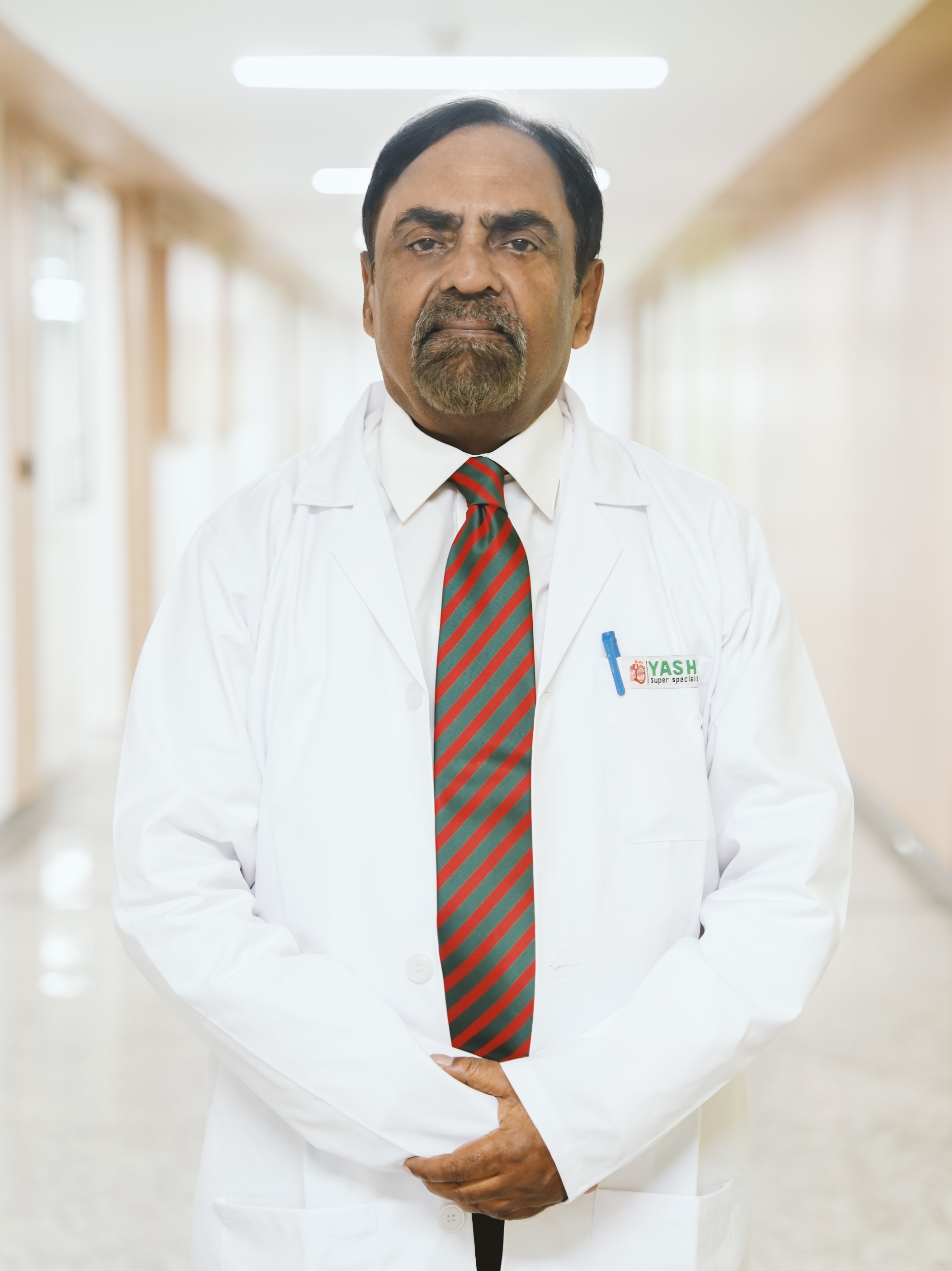
Dr. Rajesh Upadhyay
Principal Director & Head
Gastroenterology and Hepatology
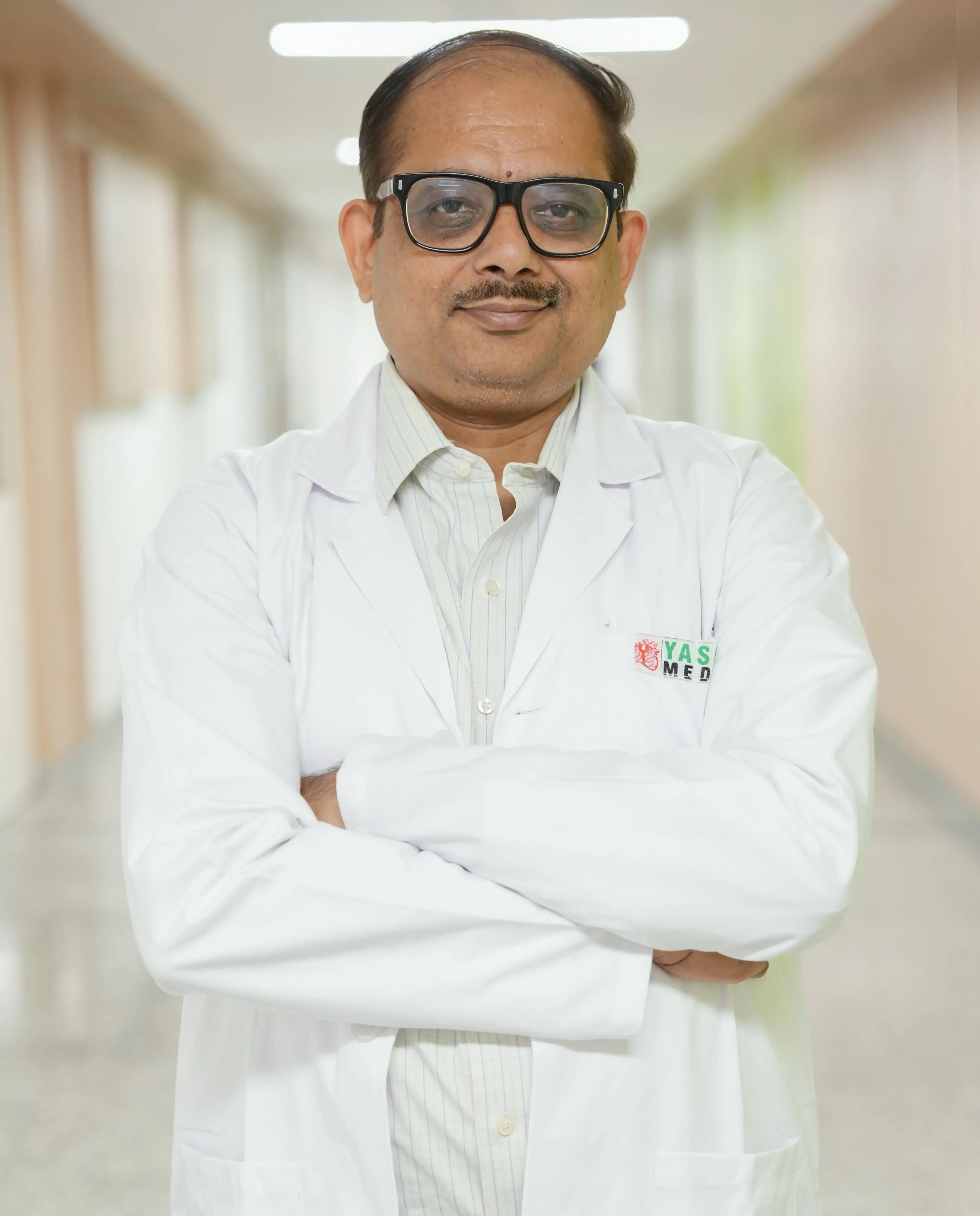
Dr. Kunal Das
Director
Gastroenterology, Hepatology & Endoscopy
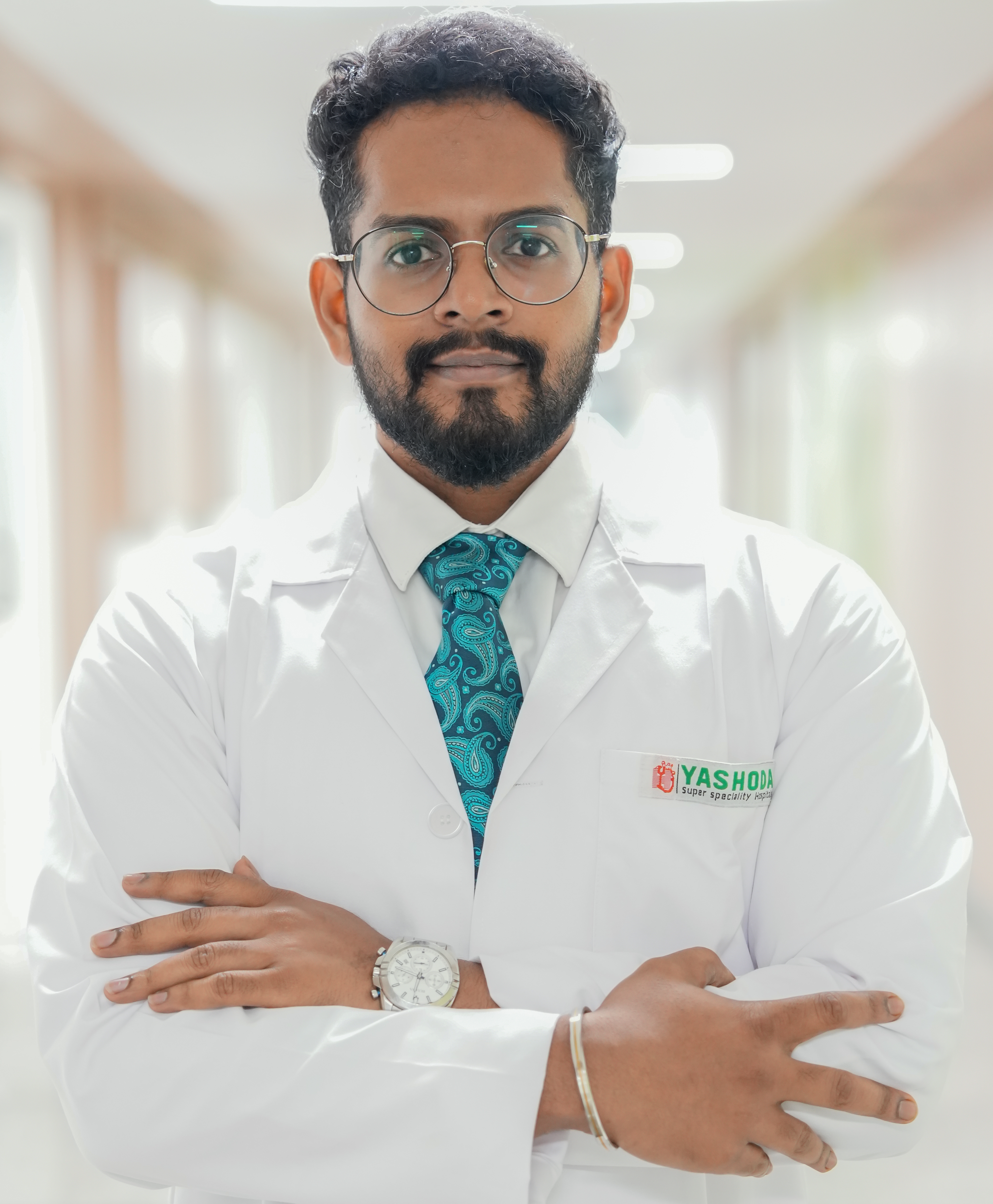
Dr. V. S. Gaurav Narayan
Associate Consultant
Yashoda Institute of Gastroenterology and Hepatobiliary Sciences

Dr. Priyanka Ramnivas Ojha
Attending Consultant
Gastroenterology and Hepatology
GI and Liver Hospital in Kaushambi
Liver disease has a habit of staying quiet for a long time. Unlike a stomach ulcer or persistent reflux, which announce themselves fairly clearly, the liver can sustain considerable damage while a person feels completely fine. Many cases of fatty liver disease, early cirrhosis, or even liver cancer are picked up incidentally on a blood test ordered for something else entirely, or a scan performed for an unrelated complaint. By the time symptoms such as jaundice or abdominal swelling appear, the underlying damage has often been building for years.
This is precisely why digestive and liver care need to sit within the same specialist framework at the GI and liver hospital in Kaushambi rather than being treated as two separate referrals. A patient with cirrhosis may need endoscopic management of variceal bleeding one month and a hepatology-led decision about transplant suitability the next. Splitting that care across different departments adds delay at exactly the point where coordinated decision-making matters most.
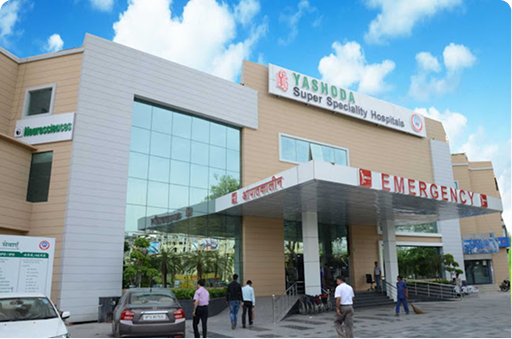
The Yashoda Institute of Gastroenterology and Hepatobiliary Sciences at Yashoda Medicity brings gastroenterology, hepatology, and biliary-pancreatic care together under one roof, managing multiple conditions within a single coordinated programme.
Conditions We Treat
The department of the Gastro and Liver Hospital in Kaushambi manages a wide range of conditions, including:
- Viral Hepatitis A through E, B and C
- Alcoholic Liver Disease
- Non-Alcoholic and Metabolic-Associated Fatty Liver Disease
- Cirrhosis and Chronic Liver Failure
- Drug-Induced Liver Injury
- Liver Tumours and Hepatocellular Carcinoma
- Primary Biliary Cholangitis and Primary Sclerosing Cholangitis
- Gallstones and Biliary Strictures
- Acute and Chronic Pancreatitis
- Pancreatic and Biliary Cancers
- Crohn's Disease and Ulcerative Colitis
- Gastrointestinal Cancers, including oesophageal, gastric, and colorectal
- Coeliac Disease and Malabsorption Disorders
When to Consult a Liver and GI Doctor in Kaushambi
Liver and digestive symptoms do not always arrive in a way that makes the underlying cause obvious. Fatigue can mean almost anything. Itching can be dismissed as a skin issue. This is why specialist evaluation matters even when symptoms seem vague or mild.
Book a consultation if you notice any of the following:
- Yellowing of the skin or eyes
- Persistent fatigue without a clear explanation
- Unexplained abdominal swelling
- Unintentional weight loss
- Persistent itching without a visible skin condition
- Easy bruising or unusual bleeding
- Confusion or altered alertness, particularly with known liver disease
- Severe abdominal pain radiating to the back
- Blood in the stool or vomit
- A family history of liver disease, inflammatory bowel disease, or gastrointestinal cancer
Routine liver function tests should also be discussed with a liver specialist in Kaushambi at Yashoda Medicity if results come back abnormal, even without symptoms. An abnormal result is often the first early signal that further investigation is needed.
Advanced Treatment at GI and Liver Hospital in Kaushambi
Hepatology and Liver Disease Management
Liver conditions are managed using a combination of advanced imaging, FibroScan for non-invasive fibrosis staging, liver biopsy, and molecular diagnostics where indicated. Antiviral therapy addresses chronic viral hepatitis, while autoimmune and metabolic liver conditions are managed with individualised long-term treatment plans. For patients who progress to end-stage liver disease, liver transplantation is integrated into the treatment pathway rather than handled as a separate referral elsewhere.
Biliary and Pancreatic Disease
Gallstones, bile duct obstruction, and both acute and chronic pancreatitis are assessed using detailed imaging along with endoscopic techniques where intervention is required. Biliary strictures and pancreatic pseudocysts, which can range from straightforward to complex depending on the underlying cause, are managed with input from gastroenterology and, where necessary, the surgical team.
Inflammatory Bowel Disease
Crohn's disease and ulcerative colitis require long-term management rather than episodic treatment. Biologics, immunotherapy, and nutritional support form the core of care, with surgical intervention considered when medical management is insufficient. Associated complications, including anaemia, joint involvement, and skin manifestations, are managed within the same coordinated framework rather than as separate problems requiring separate appointments.
Gastrointestinal Oncology
Cancers affecting the oesophagus, stomach, pancreas, liver, colon, and rectum require expertise from both the oncological team and the digestive disease centre in Kaushambi. They are managed through a combined approach involving surgery, chemotherapy, radiation, targeted therapy, and immunotherapy depending on the cancer type and stage. The GI oncology team coordinates directly with surgical and radiation oncology so that a single unified plan guides care rather than separate teams working in isolation.
Luminal Gastroenterology
Conditions affecting the oesophagus, stomach, intestines, and colon are managed here, covering functional disorders such as irritable bowel syndrome and structural conditions including coeliac disease, Barrett’s oesophagus, and diverticular disease. For suspected motility disorders, manometry testing provides an objective basis for diagnosis before treatment planning.
State-of-the-Art GI and Liver Facilities
FibroScan for Liver Assessment
FibroScan provides a non-invasive way to assess liver fibrosis and stiffness, often reducing the need for liver biopsy in suitable cases. This is especially useful for monitoring fatty liver disease or chronic hepatitis over time
Advanced Hepatobiliary Imaging
Detailed imaging at the GI and liver hospital in Kaushambi supports accurate assessment of the liver, bile ducts, and pancreas. This helps distinguish between conditions that may appear similar clinically but require very different management.
High-End Intensive Care Support
Patients with severe liver-related complications such as hepatic encephalopathy or decompensated cirrhosis require monitoring beyond a standard ward. The intensive care infrastructure at Yashoda Medicity supports patients through acute liver crises and post-procedural recovery.
Molecular and Genetic Diagnostics
For liver conditions with a genetic or metabolic basis, molecular diagnostics help clarify diagnoses that standard tests cannot fully explain, allowing more precise treatment planning.
Integrated Nutritional Support
Patients with chronic liver disease, inflammatory bowel disease, or malabsorption disorders often require specific nutritional support. Dietitians are involved early in the care pathway rather than being introduced later.
Patient Journey at the GI and Liver Hospital in Kaushambi
- Initial Consultation: The specialist reviews symptoms, history, and previous reports to determine whether digestive, hepatic, or combined evaluation is needed.
- Investigation: Based on clinical assessment, tests may include blood work, FibroScan, imaging, endoscopy, or biopsy.
- Diagnosis and Planning: Once results are available, complex cases are discussed across gastroenterology, hepatology, and where relevant, oncology or surgical teams.
- Treatment: Management may involve medication, endoscopic intervention, nutritional therapy, or surgical referral depending on diagnosis.
- Long-Term Follow-Up: Chronic conditions such as cirrhosis, inflammatory bowel disease, and post-transplant care are followed through structured long-term monitoring.
Why Choose Yashoda Medicity for GI and Liver Care in Kaushambi?
- Gastroenterology and hepatology under one roof. Patients whose condition involves both the digestive system and the liver are managed by a single coordinated team rather than being referred back and forth.
- Liver transplant pathway built in. For patients who progress to end-stage liver disease, the transition to transplant evaluation happens within the same department that has been managing their care.
- Non-invasive liver assessment available locally. FibroScan reduces the need for repeated liver biopsies in many patients, particularly those being monitored over time for fatty liver disease or chronic hepatitis.
- Multidisciplinary oncology coordination. Gastrointestinal cancers are managed with direct input from surgical and radiation oncology, rather than gastroenterology operating as a standalone referral point.
- Structured long-term follow-up. Chronic liver and digestive conditions are followed proactively, rather than relying on patients to notice when something needs reassessment.
Book Your Appointment Today!
Liver and digestive conditions often overlap in ways that are not immediately obvious. Having a single department equipped to manage gastroenterology, hepatology, and biliary-pancreatic disease together ensures seamless coordination rather than fragmented care.
The Yashoda Institute of Gastroenterology and Hepatobiliary Sciences at Yashoda Medicity, Kaushambi provides integrated care for a wide range of digestive and liver conditions.
Call us today: 9266610101
 Call: +91 9266610101