 Open Emergency Modal
Tremors, or uncontrollable muscle shakiness in your hands, head or legs, can disrupt daily activities and make even small tasks, like drinking from a glass or signing your name, feel difficult. Normal movement relies on proper electrical signaling through intricate motor pathways in the brain. Disruptions from aging, genetics, nerve damage or chemical imbalances can cause rhythmic oscillations.
It is important to take steps to detect early signs of movement disorders, perform appropriate diagnostic tests and begin clinical treatment to improve motor coordination, restore physical confidence and maintain independence. Our expert neurologists, neurosurgeons and neuro-rehabilitation specialists at Yashoda Medicity offer comprehensive clinical evaluation and modern therapy management.
The human nervous system guides every purposeful movement through continuous signal loops connecting the basal ganglia, cerebellum, and cerebral cortex within the brain. When these specialized motor centers encounter structural changes or chemical fluctuations, the brain loses its ability to filter out abnormal electrical signals. As a result, opposing muscle groups contract out of sync, creating visible, rhythmic shaking that can appear during complete rest, steady posture, or active movement.
When an individual experiences lingering physical shaking, scheduling a detailed involuntary movement diagnostic evaluation becomes essential for mapping motor pathway integrity, determining specific movement disorder classifications, and assessing overall neurological health. Recognizing how neural movement disruptions develop helps patients and families appreciate the importance of early clinical screening and take proactive steps toward sustained physical wellness.
Movement control disorders present through a variety of distinct physical patterns depending on which muscle groups and brain circuits are involved. Noticing these early physical warning signals lets people seek timely medical attention before movement challenges interfere with daily personal care.
While brief, mild muscle shaking can occur due to temporary fatigue, high caffeine intake, or acute nervousness, persistent or progressive shaking requires specialized medical evaluation. At Yashoda Medicity, our team of experienced neurologists, neurophysiologists, and movement disorder specialists performs detailed assessments to design clear, effective recovery pathways for every patient.
Consulting clinical specialists ensures complex movement disorders are accurately identified and managed with precision from day one.
A thorough neurological assessment forms the foundation for building an effective movement management strategy. Detailed diagnostic checks allow care teams to conduct a comprehensive essential tremor evaluation, assess motor pathways, examine brain structure and rule out underlying metabolic triggers before starting targeted therapy. Before outlining long-term management plans, clinical specialists conduct targeted assessments to profile each patient's risks.
These diagnostic evaluations enable healthcare teams to design precise care protocols tailored to each patient's specific neurological profile.
When involuntary muscle shaking threatens independence and daily precision, choosing specialized Tremors Treatment in Ghaziabad offers a structured, safe path to full neurological stabilization. Physicians choose therapeutic strategies based on diagnostic results, movement classification and overall health.
Neurological medicine specialists prescribe contemporary neurological medications such as beta-blockers, anticonvulsants, or dopaminergic drugs depending on the specific type of shakes. With proper use of these agents, clinicians can target overactive neural circuits to reduce the amplitude of the shakes and improve motor skills.
When localized head, voice, or hand shaking doesn't respond to conventional oral medications, skilled neurologists inject botulinum toxin into targeted muscles under their supervision. These injections weaken targeted hyperactive muscle groups and reduce involuntary shaking without affecting the limb's function.
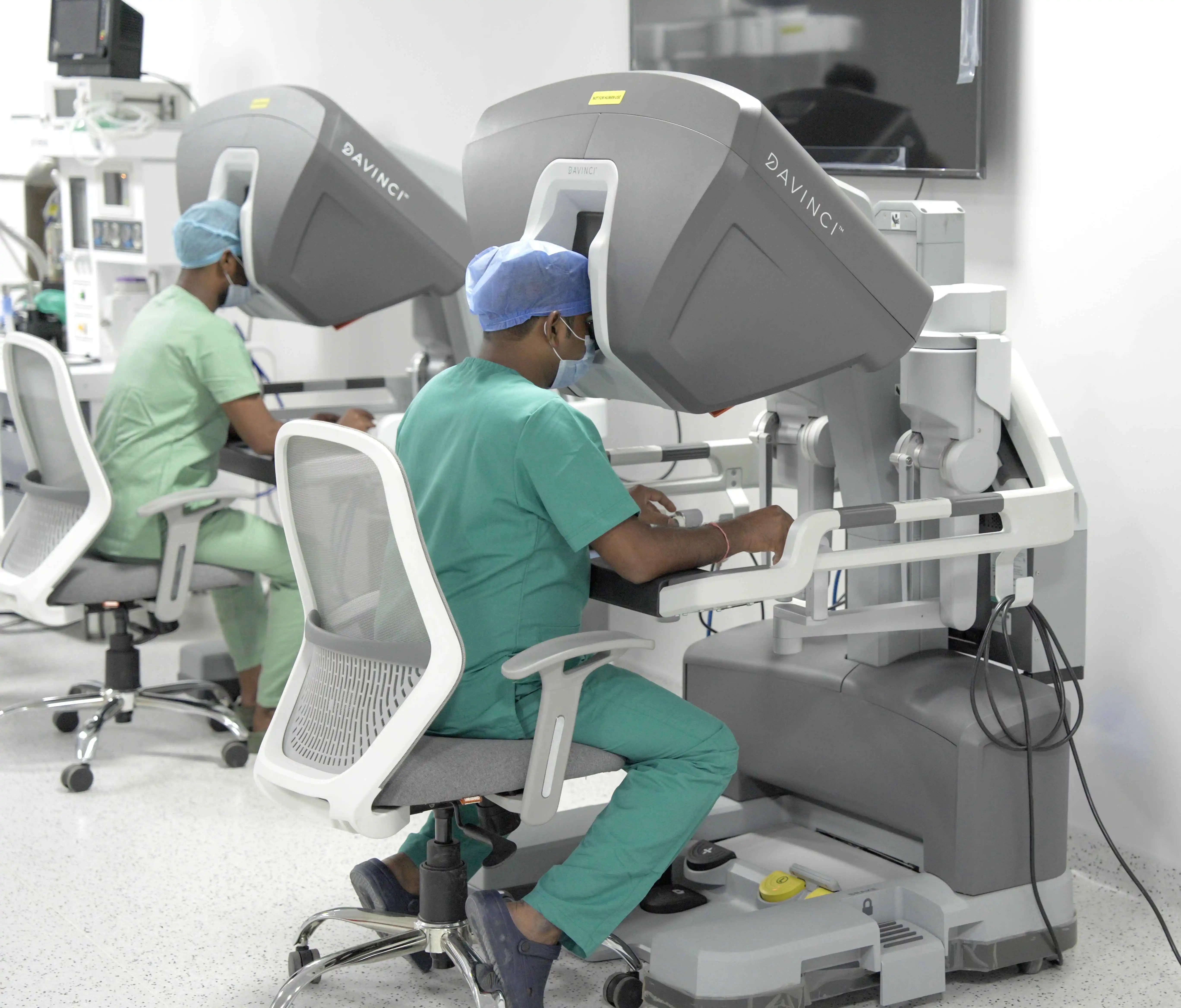
When shaking is severe and resistant to medication, skilled neurosurgeons conduct deep brain stimulation testing and evaluate patients' eligibility for surgery. Small implants placed in targeted centers of the thalamus or basal ganglia emit mild electrical impulses that block abnormal brain activity.
Physical and occupational therapists create personalized exercise regimens using weighted utensils and fine motor skill training to strengthen muscle antagonists and improve coordination.
Involuntary movement disorders often occur alongside or result from other central nervous system diseases. Early identification of interconnected health problems will enable the team of physicians to start protective treatment before significant functional problems arise.
Understanding these interconnected health risks encourages individuals to keep regular follow-up visits and strictly adhere to prescribed treatment goals.
Supportive daily habits can ease physical stress, boost medication effectiveness and preserve long-term physical confidence. Combining specialist advice with practical everyday changes helps maintain smooth motor control naturally.
Undergoing a structured movement disorder evaluation helps pinpoint specific triggers such as physical fatigue, caffeine intake, temperature shifts, or heightened emotional stress. Weighted cups, adaptive pens and wide-grip utensils reduce the impact of hand shaking during daily activities. Regular low-impact exercise, stress-reduction techniques such as mindfulness, and adequate sleep further support overall nervous system stability.
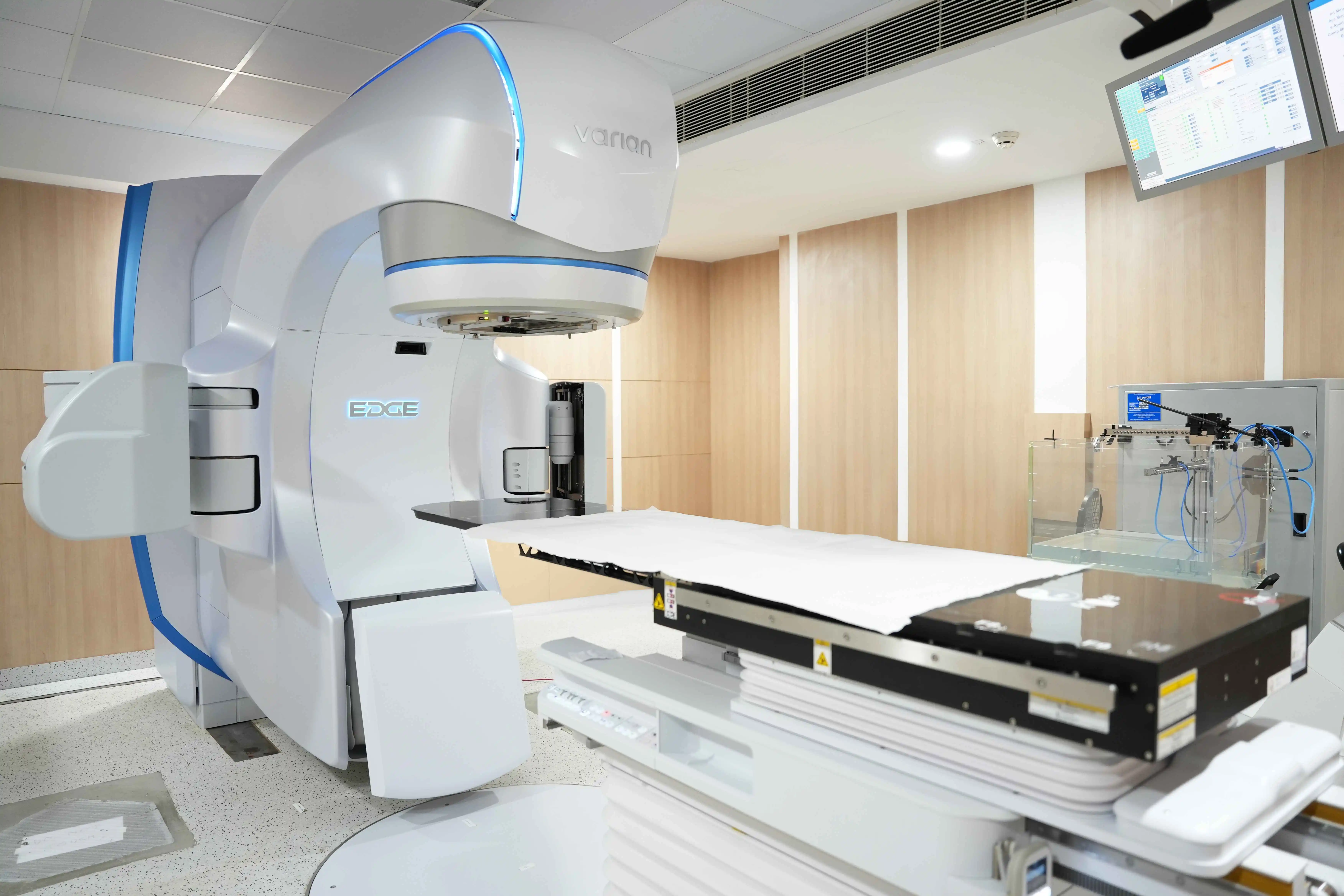
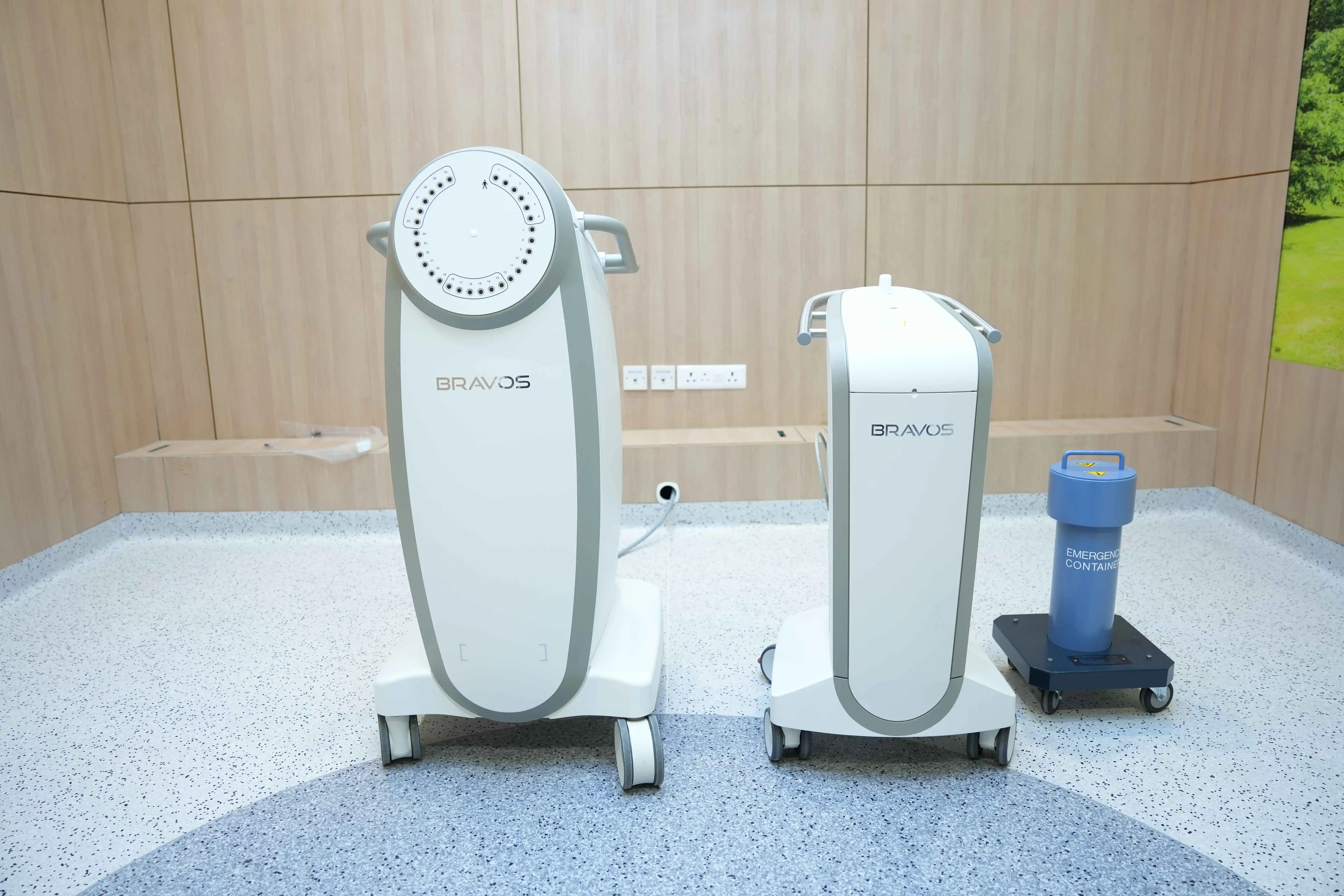
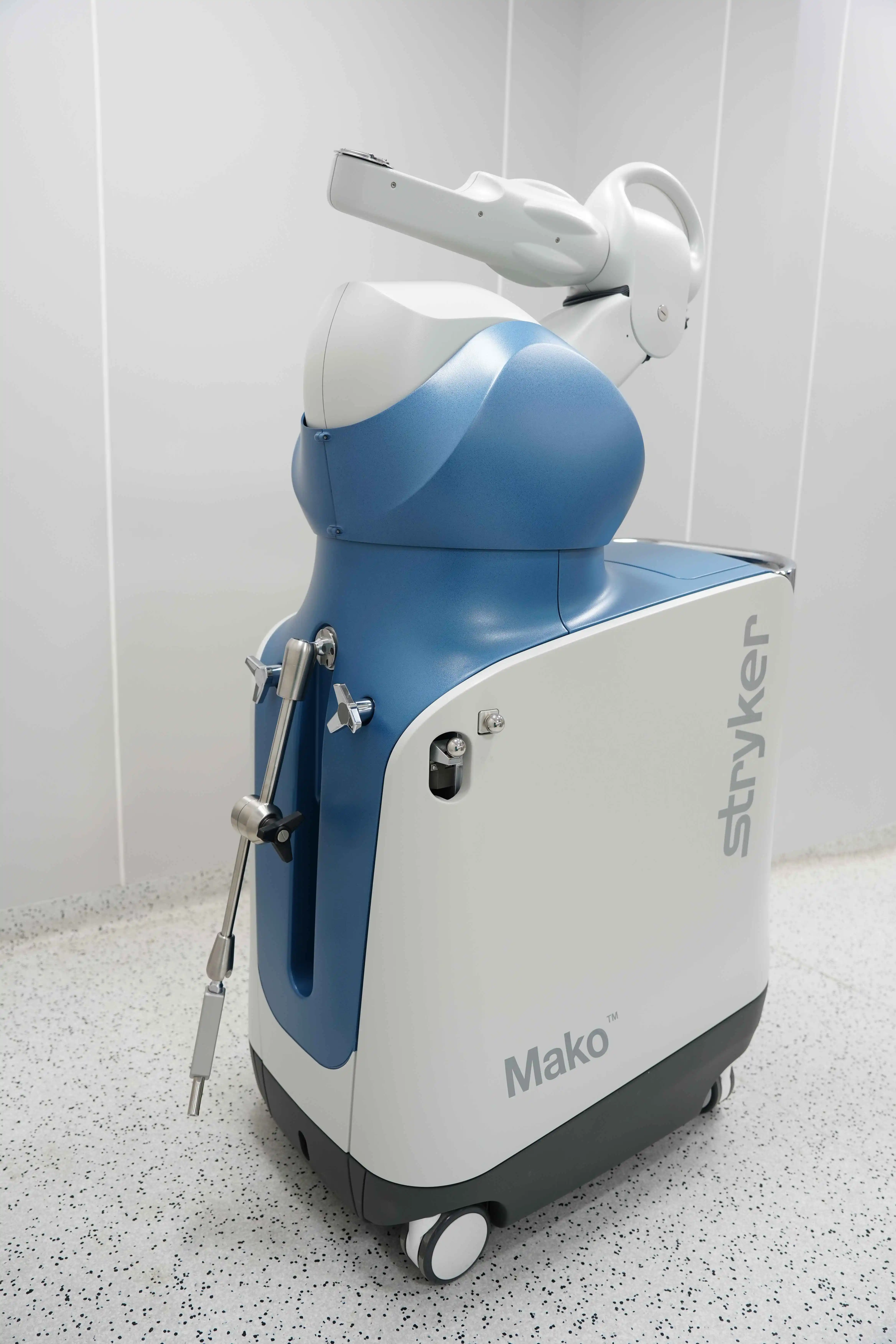
At Yashoda Medicity, our neurology, neurosurgery, and neuro-radiology teams use advanced technology to maintain precision when evaluating complex movement disorders.
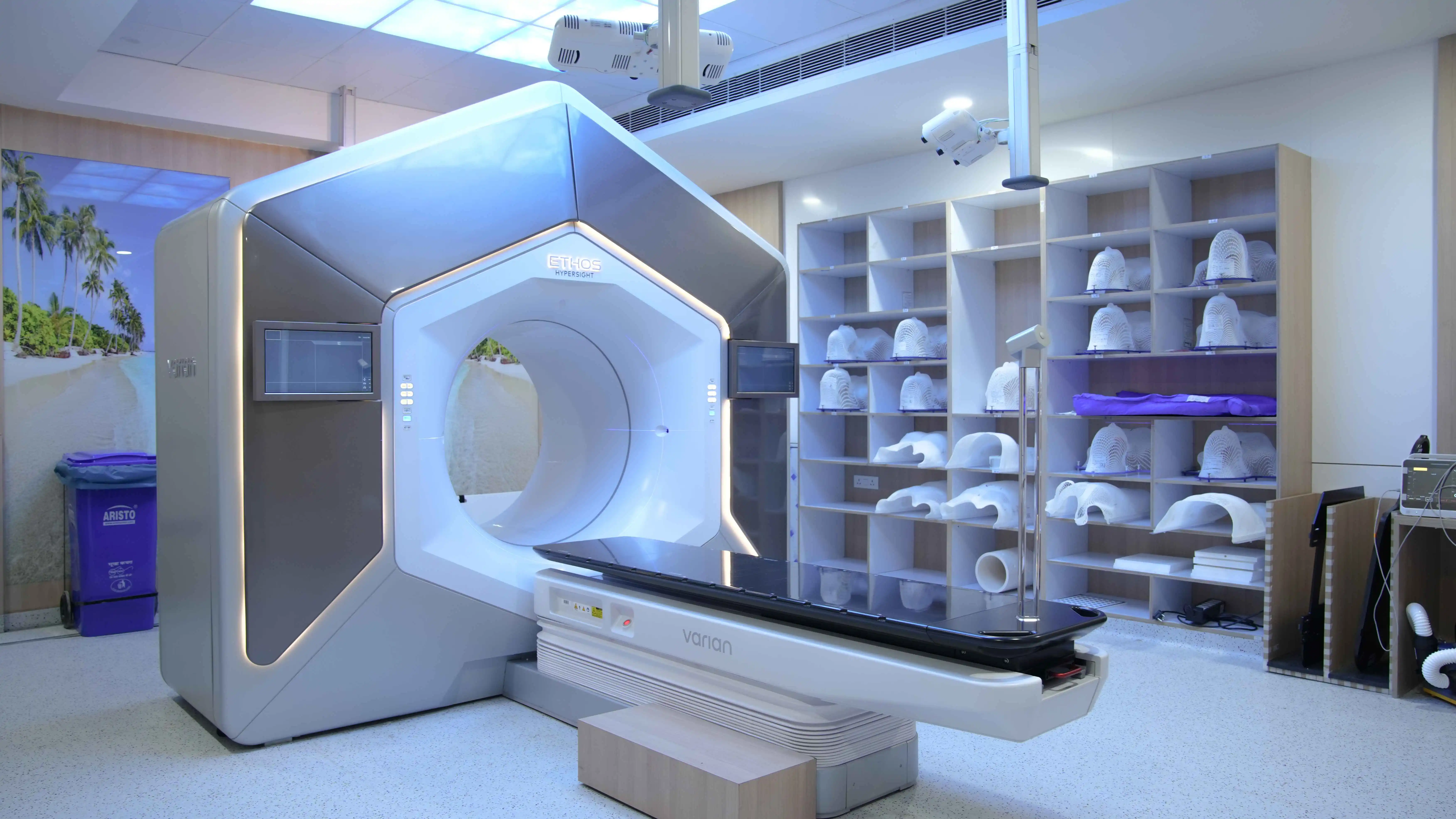
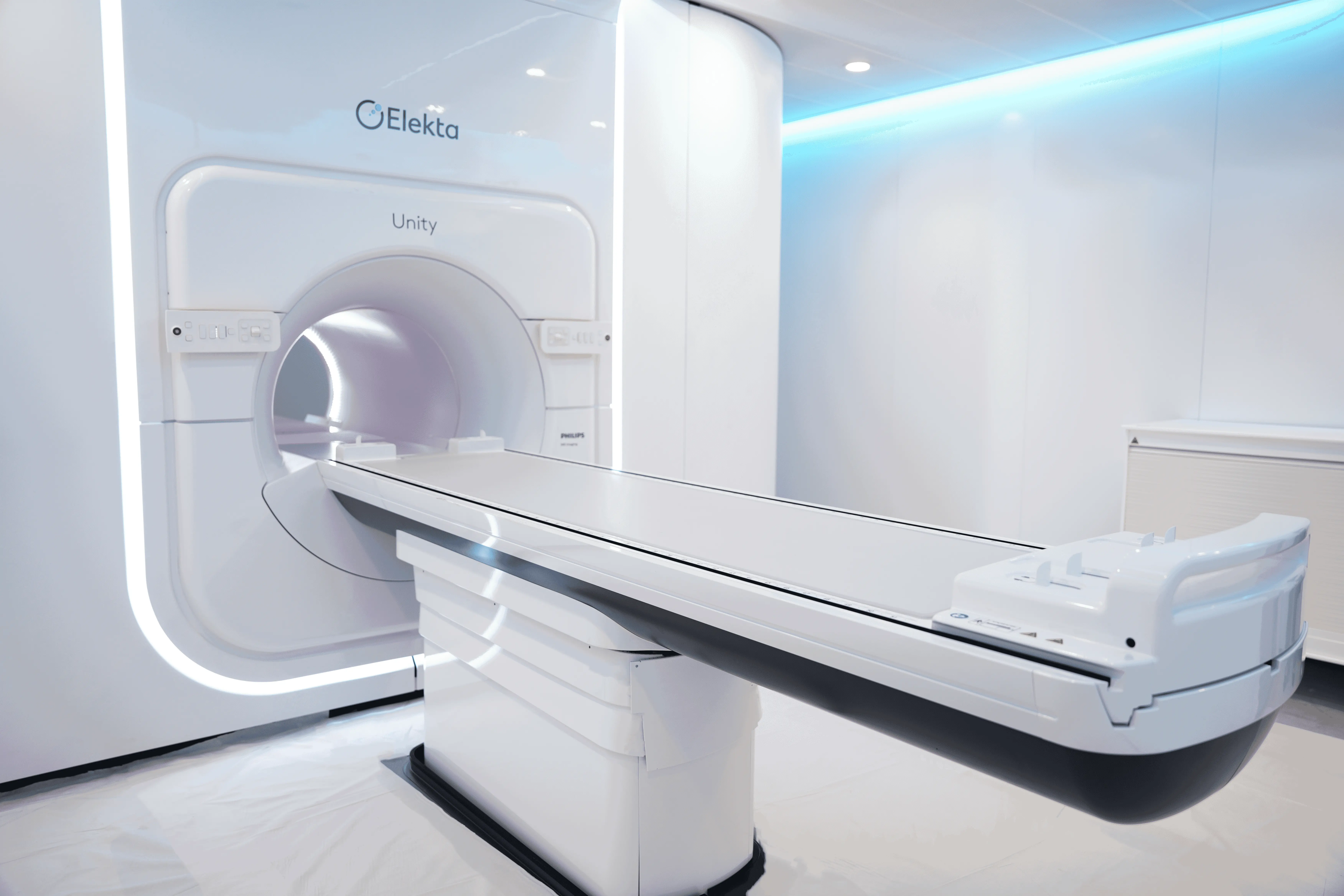
High-precision electromyography suites rapidly process muscle electrical signals, delivering clear motor maps to support targeted care decisions. Modern high-resolution magnetic resonance imaging platforms, advanced neuro-imaging suites, and specialized neuro-pathology laboratories allow specialists to examine brain structures and metabolic parameters with exceptional clarity. These reliable diagnostic platforms ensure that every treatment plan rests on clear, real-time medical facts.
Achieving consistent, long-term movement control requires active patient participation, proper medication adherence, and regular clinical tracking.
Following these practical recommendations helps prevent sudden symptom flare-ups, protects physical coordination and supports sustained physical vitality.
Structured clinical care can provide lasting relief from frustrating hand shaking, vocal unsteadiness, and physical exhaustion, helping individuals return to an active, fulfilling lifestyle.
With stabilized neural movement loops and reduced shaking intensity, patients experience improved fine motor control, renewed daily independence, and peace of mind knowing their neurological health is fully protected. Consulting skilled neurologists provides access to personalized lifestyle guidance, modern therapeutic options, and ongoing support for lifelong brain wellness.
Choosing a healthcare institution with modern neuro-diagnostic laboratories, specialized neuro-rehabilitation units, advanced neurosurgical operation theatres and round-the-clock emergency theatres ensures seamless medical management. Having experienced neurologists, neurosurgeons, neuro-physiologists and occupational therapists under one roof provides patients with holistic, coordinated care.
Receiving personalized care for Tremor: Collaborative clinical support, supported by each treatment plan, addresses individual health requirements, minimizes physical needs and reduces physical risk.
Timely evaluation, accurate neural mapping, and structured medical management provide a clear path toward controlling involuntary muscle shaking and protecting vital motor function. Modern clinical protocols make neurological care safe, precise, and highly effective at supporting long-term physical independence. For individuals seeking dependable, expert guidance for Tremors Treatment in Ghaziabad, Yashoda Medicity delivers comprehensive care through skilled medical specialists, advanced diagnostic infrastructure, and compassionate, patient-centered support.
 More

Principal Director & Unit Head
Neurosurgery
Associate Director
Neurology
Principal Consultant
Neurosurgery
Principal Consultant
Neurosurgery

Senior Consultant
Neurology
Senior Consultant
Neurology

Senior Visiting Consultant
Neurosurgery
We welcomed our baby boy on 4th November 2026 at Yashoda Medicity, Indirapuram, and our experience was truly wonderful, comforting, and memorable. The hospital's environment deserves special appreciation It is exceptionally clean, peaceful, vibrant, and child-friendly. Entering the hospital almost feels like entering a temple, with beautiful idols of deities... Read more
I recently visited the department regarding a consultation for a fatty liver condition, and I would like to place on record my appreciation for the exceptional organization and management of the facility. The entire department is remarkably well-organized, ensuring a seamless and hassle-free experience for patients from registration through consultation.... Read more
I was suffering from the problem of fluid in my lungs. I consulted many physicians but found no solution. Then I consulted Dr Rajesh Gupta and his team at Yashoda Medicity Indirapuram. He diagnosed my disease accurately by EBUS-TBNA and provided best treatment because of which now I feeling healthy... Read more
Excellent consultation with Dr. J. B. Sharma. He was approachable, attentive, and made me feel at ease throughout the appointment. All my concerns were addressed in detail, and the nursing staff was caring and efficient. I would definitely recommend him.
Excellent hospital with caring staff and outstanding medical services. Special thanks to Dr. Vaibhav Saxena for successfully performing my husband's surgery with great expertise and care. We are truly grateful for the excellent treatment and support for doctor Vaibhav saxena 🙏💐
It was a very good experience, I had a cholecystectomy. All the doctors including surgeon, anesthetic, nursing and housekeeping staff were very supportive. I was admitted for 24 hours. Quick and very fast recovery. Under Dr P.K.Dewan, sir is very humble and nice.
A tremendous job has been done by Dr. Amit Sharma. I met with an accident in which the ACL ligament of my left knee was completely torn. I met Dr. Amit Sharma then he analysed the situation and told us about the procedure and the time period to recover from... Read more
I am truly grateful for the wonderful care I received at the hospital. From the moment we entered, the staff treated my father with kindness, respect, and patience. Doctors explained everything clearly and made us feel safe. Nursing staff were always attentive, cooperative and helpful. The rooms were clean, calm,... Read more
We would like to express our heartfelt gratitude to Dr. Namita dutta nigam and her entire team at yashoda Super Speciality Hospitals, Kaushambi ,for the exceptional care provided to my wife, Mrs. Shilpa tyagi during her emergency delivery. My wife delivered premature twins (a baby boy and a baby girl)... Read more
Highly Grateful for Dr. Sudhir Tyagi and Team! My father recently underwent herinoplastice surgery at Yashoda Super Speciality Hospitals Kaushambi, He took the time to explain the entire procedure and what to expect during recovery. The surgery was highly successful, and my father is recovering well. A special thank you... Read more
My daughter was admitted to the ICU at Yashoda Super Speciality Hospitals, Kaushambi, and our family went through a very difficult time. We are deeply grateful to the doctors and ICU team for their dedication and care throughout her treatment. A special thanks to Dr. Girish for his timely guidance... Read more
I had a wonderful experience with my gynecologist Dr Preeti Agarwal throughout my pregnancy in 2019. She is extremely supportive, patient, and compassionate. She explains every concern clearly, making it easy to understand the treatment and next steps. She is also available on call whenever needed, which gave me great... Read more
I went for a routine gynecological check-up. Dr. Divya Arora is very knowledgeable and patiently addressed all my concerns. She also educated me on general health awareness, which we as women often overlook in this fast-paced world.
Also, almost all the departments are functioning well here.
All experience good, patient treatment was good, satisfied with all the services, nursing staff and doctors team also good and cooperative.
I had an excellent experience at Yashoda Hospital for my mother’s Total Knee Replacement Surgery. From a clinical perspective, Dr. Amit Sharma and his team were outstanding. Their expertise and professionalism were evident throughout the process, and they did a fantastic job with the surgery and post-operative care. Beyond the... Read more
We are extremely grateful to Dr. Gourav Thakral and Dr. Brajesh Koushle and their entire team for my father’s knee surgery. From the first consultation to the surgery and post-operative care, everything was handled with great professionalism, patience, and care. The doctors explained everything clearly, answered all our questions, and... Read more
I recently had an experience at Yashoda Medicity, Indirapuram, and I must say it is easily one of the most advanced healthcare facilities in the Delhi NCR region. From the moment you walk in, the international-standard infrastructure and the clean, organized environment stand out. The medical team is exceptional—highly professional,... Read more
Mr. Ajeet Kumar Verma from Yashoda Homecare provided satisfactory service of sample collection. Well behaved, humble & polite person
I had really good experience with Yashoda Home Care, the sample collection was very hygienically taken and pain-free, hassle-free. Mr. Ajeet was the phlebotomist.
Had a good experience with Ajeet Kumar Verma from Yashoda Home Care who supported me while I was looking for someone to dress my mom’s stitches. He is very professional and a caring person.
Great support and service by the Home care department. Everyone from Ms Niharika, Mr. Anoop to all the attendants including Mr. Natwar Pandey, Mr Inam and Mr. Ajit, all have been superbly supportive and helpful throughout. God bless you all and highly recommended.
Very good services in home care Yashoda hospital his ish Caretaker Deepanshu and Jatin and Satish is very good caretaker I have never seen better care takers in my life. And he is very polite behaviour and friend in nature Yashoda Super Specialty Hospitals Kaushambi service is very good according... Read more
The home care facility provided by the hospital is also good, the staff which was at home was cooperative.
Home care services are Good. Mr. सुनील Sajwan was cooperative and the केयर taker Mrs. Shushila's वर्क has been quite satisfactory.
Had a. Very good experience with Yashoda Homecare, Kaushambi. The staff was very cooperative with excellent on time services. I would like to give a special mention to Mr Sunil Sajwan (Sales) and Sushila ji (PCA) for their quick response and excellent services.
Fully satisfied Mr .Ajeet Kumar Verma service Yashoda home care . vry good
Was great to recieve the best homecare services from yashoda hospital and really impressed with Ms. Niharika's support at the initial phase followed by Mr. Natwar Pandey who was really supportive in taking care of my father basic daily needs.
Thanks for all the support
Dr. Manish Singhal is a highly knowledgeable and experienced doctor. When patients and their families panic on hearing a word like ‘cancer’, Dr. Manish explains everything with such logic, scientific clarity and warmth that their anxiety eases. He has provided excellent treatment for my son’s Burkitt lymphoma. Dr. Manish and... Read more
An Extraordinary Orthopedic Surgeon with Unmatched Expertise Dr. Amit sharma sir is truly a lifesaver and an outstanding orthopedic specialist. After my severe accident, my injuries were extensive, and I was in urgent need of expert care. Dr. Amit sharma sir’s incredible skill in assessing and treating my complex fractures... Read more
I recently visited Yashoda Medcity Indirapuram for a gynecology appointment, and my experience was excellent. The doctor was very polite, patient, and attentive, taking the time to listen to all my concerns and explain everything clearly. The staff was helpful, and the overall process—from registration to consultation—was smooth and well-organized.... Read more
I had my sister’s surgery done at Yashoda Medcity under Dr. Pradeep Diwan, and I’m extremely satisfied with the overall experience. Dr. Diwan is highly skilled, patient, and explains everything clearly, which made me feel very comfortable and confident throughout the process. The hospital staff was also very supportive —... Read more
My mother, Veena Tandon, was admitted here with severe chest pain. Dr. Manish Aggarwal and his team handled the situation with great care and professionalism. From quick diagnosis with ECG, echo, and CT angiography to patiently explaining the treatment options, everything was managed very smoothly. The doctor’s expertise and compassionate... Read more
I had an exceptionally positive experience with Dr. Sumanth Bollu. His expertise in surgical oncology is evident from the very first consultation. He explains every detail with remarkable clarity and patience, making sure the patient and family feel fully informed and reassured.
I must say services in this hospital is top notch. This hospital has very good ambience and nice environment. OPD staff in medicine OPD is very coordinative and supportive. Doctor Vinay Bhat is excellent in his field and treating their patients.
The best hospital with the most amazing doctors! I had a wonderful experience throughout my pregnancy and delivery. Dr. Samreen Zehra is truly the best gynecologist I’ve ever met — she explained everything clearly and provided not just medical care, but also technical, moral, and emotional support at every step.... Read more
I had consultation with Dr. Ankur Goswami for spine surgery. I had a great and satisfying experience during my wife’s surgery. Hospital staff is very nice and all staff of hospital, especially front office coordinator of orthopedics Ms. Rashmi Chaudhary, is very helpful and cooperative with us before and after... Read more
Our heartfelt thanks to the entire Hospital, especially Dr Aayush Goyal and his team who performed the CABG surgery on our patient (Sh Arvind Bhatia) with extremely satisfactory results. Personal attention given to our case by the hospital COO, Dr. Sunil Dagar and the total management and the hospital staff,... Read more


 Call: +91 9266610101