 Open Emergency Modal
Any sudden, unexpected numbness on one side of the body or temporary speech impairment may be alarming and signal a need for immediate medical attention. The brain relies on a constant blood supply through clean arteries to function normally. Any temporary blood clot, arterial spasm, or micro-emboli can cause transient neurological dysfunction.
Taking precautionary steps, such as identifying transient symptoms, completing all possible tests to diagnose the condition, and following a personalized preventive treatment plan, helps ensure good cerebral blood flow, avoid vascular problems and maintain physical health. Yashoda Medicity provides specialized neurology, neuro-intervention, and emergency services to help each patient maintain physical well-being by preventing major ischemic events.
The human central nervous system relies on a complex arterial network to supply oxygen and glucose to functioning brain cells. When a blood clot or plaque gets trapped in a cerebral artery, it reduces the amount of oxygen reaching neural tissue. However, it is not an ischemic stroke, as the blood clot dissolves before it damages the tissue.
When an individual experiences a sudden, temporary episode of neurological disruption, scheduling a detailed transient ischemic attack diagnostic evaluation becomes essential for assessing carotid artery health, mapping cerebral blood flow, and evaluating underlying cardiovascular risk factors. Understanding how temporary vascular disruptions develop helps individuals appreciate the need for urgent clinical screening and take charge of their ongoing vascular health.
Temporary cerebral vascular disruptions typically present with sudden, short-lived physical deficits that resolve completely within minutes or hours. Paying close attention to these early physical warning signals helps people seek immediate emergency care before a full-scale stroke develops.
Even though physical symptoms may fade completely within a brief period, treating a temporary ischemic episode as a medical emergency is essential for long-term health preservation. At Yashoda Medicity, our team of experienced neurologists, neuro-interventionalists, and vascular specialists conducts comprehensive evaluations to establish individualized preventive care pathways for every patient.
Consulting clinical specialists ensures that underlying vascular vulnerabilities are correctly identified and managed with precision from day one.
A precise vascular assessment provides the foundation for building an effective stroke prevention strategy. Detailed diagnostic checks let care teams conduct a thorough cerebrovascular accident risk evaluation by inspecting carotid vessels, visualizing brain parenchyma and evaluating cardiac function before starting targeted therapy. Before mapping out long-term preventive plans, clinical specialists perform focused checks to profile each patient's vascular risks.
These diagnostic evaluations enable healthcare teams to design precise care protocols tailored to each patient's specific vascular profile.
When a temporary reduction in cerebral blood flow highlights an elevated risk of future stroke, choosing specialized Transient Ischemic Attack Treatment in Ghaziabad offers a clear, safe route toward complete vascular stabilization. Attending physicians craft individualized management plans based on diagnostic findings, arterial health, and overall cardiovascular status.
Specialists prescribe modern antiplatelet medications or oral anticoagulants to prevent blood platelets from clumping together inside narrowed arteries. Choosing the right blood-thinning agent significantly reduces clot risk while maintaining safe systemic hemostasis.
For patients with severe carotid artery stenosis, experienced vascular neurosurgeons perform open endarterectomy or minimally invasive carotid stenting. Removing obstructive arterial plaque or expanding narrowed vessels restores smooth, unimpeded blood flow directly to the brain.
Physicians use targeted antihypertensive medications, high-potency statins and glucose-regulating drugs to stabilize arterial plaque. Controlling systemic vascular pressures prevents further plaque erosion and protects long-term arterial elasticity.
In cases involving high early stroke risk scores or crescendo episodes, immediate hospital admission ensures continuous neuro-intensive monitoring, rapid diagnostic imaging, and prompt medical stabilization.
Temporary cerebral ischemic events frequently signal broader systemic cardiovascular disease that requires coordinated management. Spotting interconnected vascular issues early allows medical teams to introduce protective therapies before permanent tissue injury occurs.
Understanding these interconnected health risks encourages individuals to maintain regular follow-up visits and adhere strictly to prescribed treatment goals.
Supportive daily habits play a vital role in easing arterial strain, boosting medication effectiveness, and preserving long-term vascular health. Combining specialist advice with practical everyday changes helps maintain smooth blood circulation naturally.
A structured cerebral ischemia diagnostic evaluation helps pinpoint lifestyle risk factors, such as high sodium intake, physical inactivity or tobacco use. Consuming a heart-healthy diet rich in fresh vegetables, whole grains, and lean proteins while restricting saturated fats supports clean arterial linings. Regular moderate aerobic exercise, maintaining a healthy body weight, completely avoiding tobacco smoke and managing emotional stress further strengthen overall cardiovascular resilience.
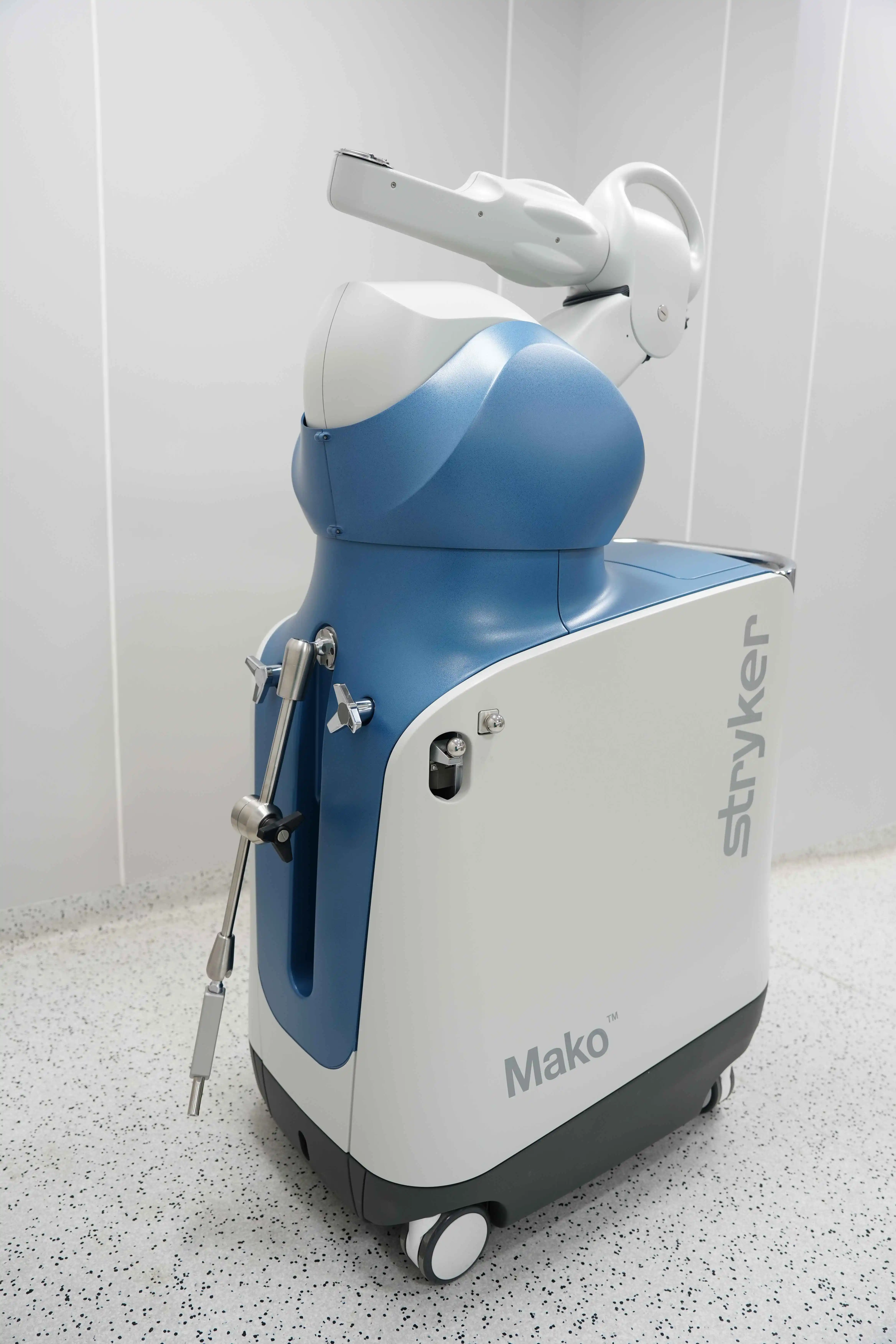
At Yashoda Medicity, our neurology, neuro-intervention, and diagnostic radiology teams use advanced technology to ensure precision when evaluating complex cerebrovascular conditions.
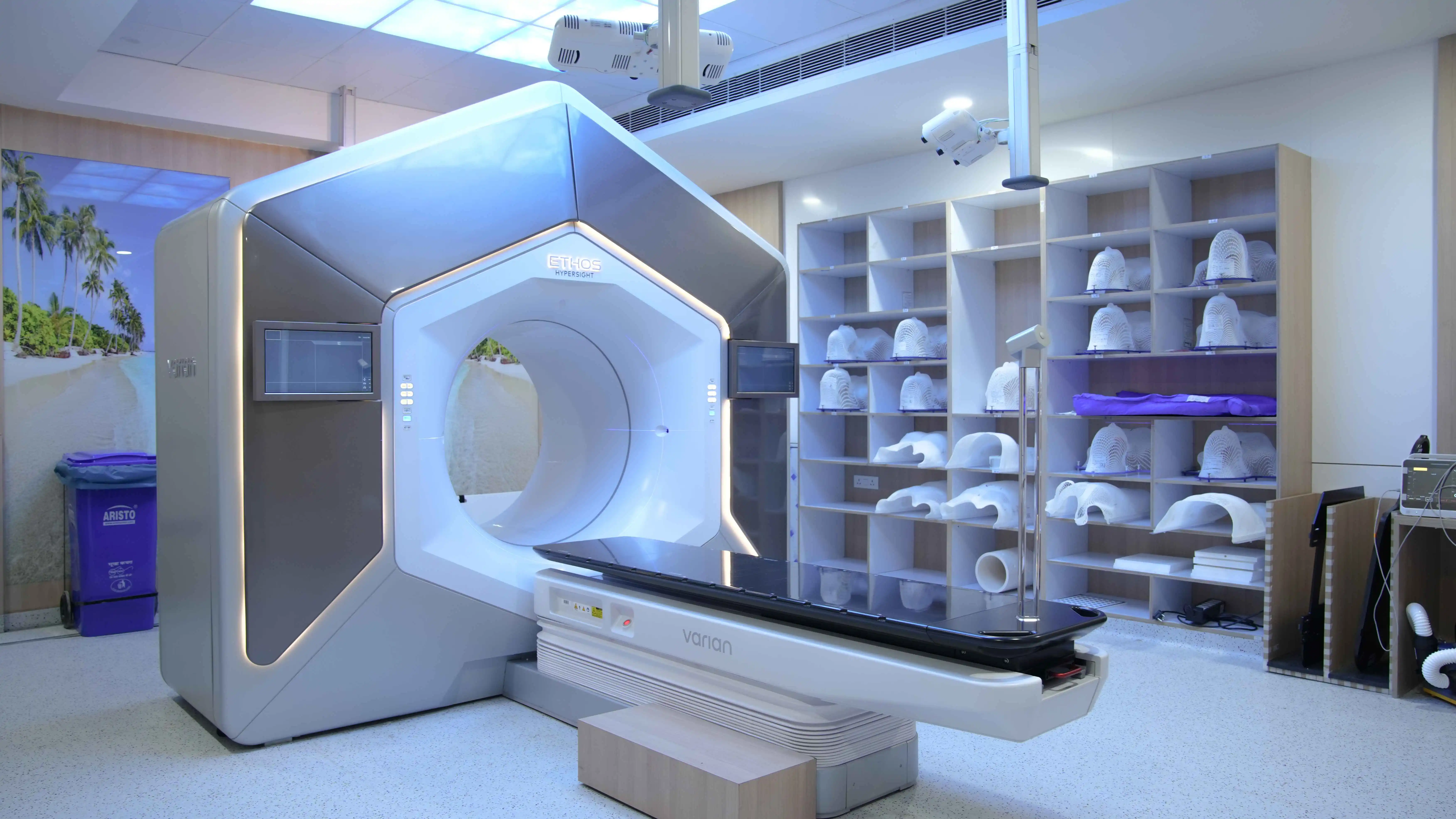
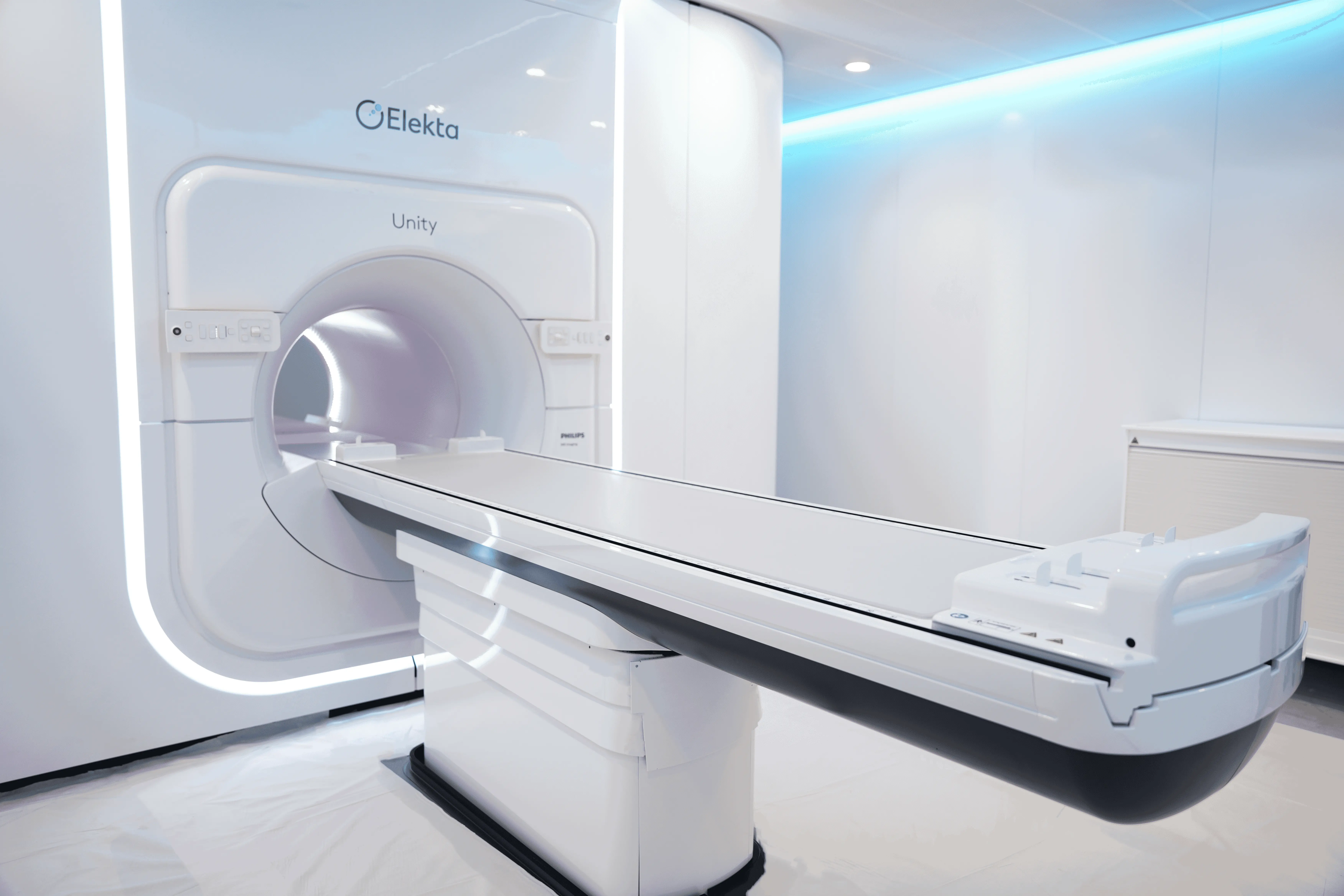
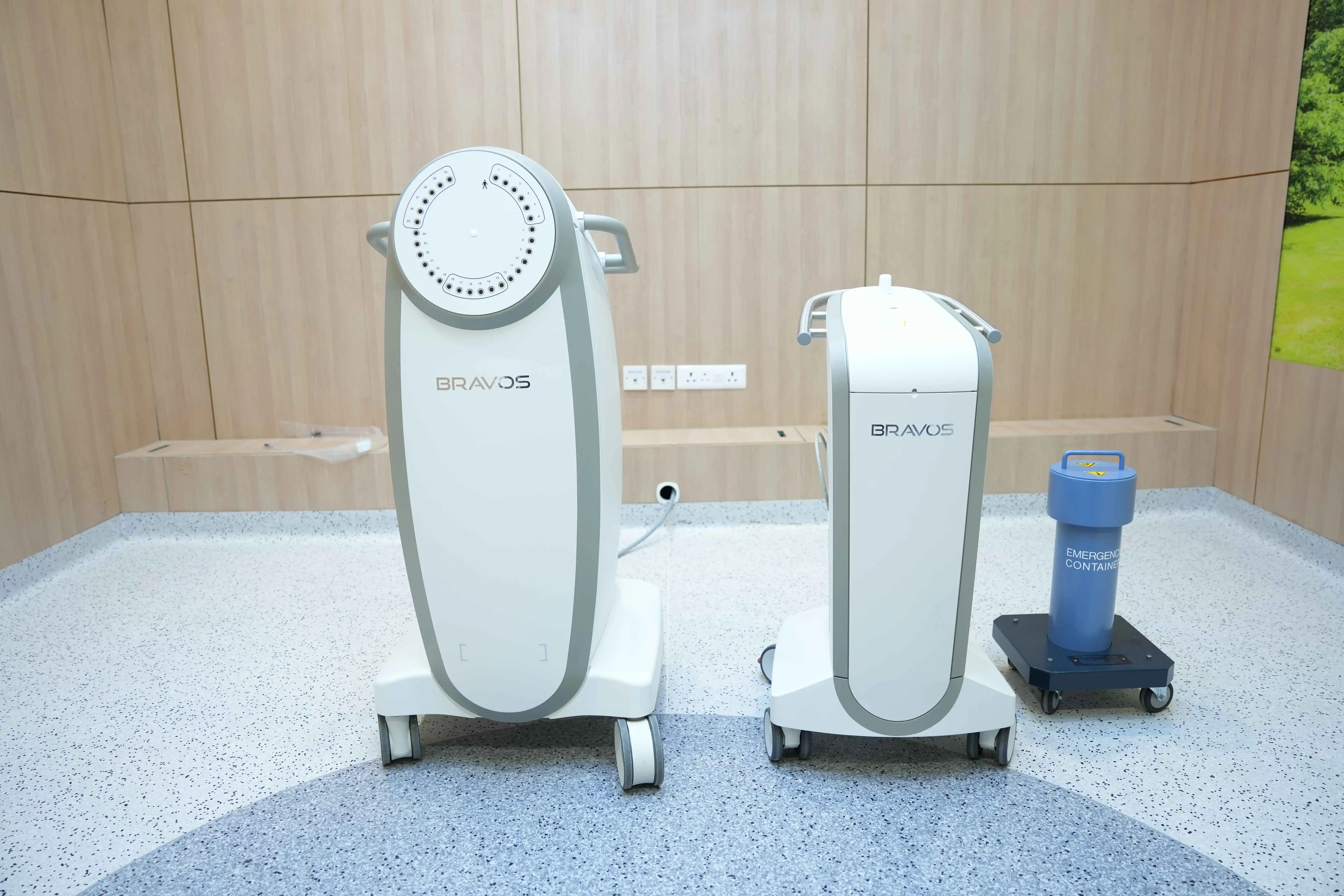
High-precision neuro-imaging suites rapidly process brain and vascular evaluations, delivering clear anatomical maps to guide targeted clinical decisions. Modern high-resolution magnetic resonance imaging platforms, advanced computed tomography angiography systems, and specialized cardiac monitoring laboratories allow specialists to inspect blood vessels and cardiac structures with exceptional clarity. These reliable diagnostic platforms ensure that every treatment plan rests on clear, real-time medical facts.
Achieving long-term vascular stability and preventing recurrent ischemic events requires active patient participation, proper medication adherence, and regular clinical tracking.
Following these practical recommendations helps prevent future vascular complications, protects cerebral tissue health and supports sustained physical vitality.
Undergoing structured clinical care offers lasting protection against major ischemic strokes, helping individuals maintain an active, fulfilling lifestyle with complete confidence.
With stabilized cerebral blood flow and controlled cardiovascular risk factors, patients gain peace of mind knowing their neurological health is protected. Consulting skilled neurologists provides access to personalized vascular management strategies, modern preventive therapies, and ongoing support for lifelong brain health.
Choosing a healthcare institution with modern neuro-catheterization laboratories, specialized stroke care units, advanced neurosurgical operation theatres and round-the-clock emergency support ensures seamless medical management. Having experienced neurologists, neuro-interventionalists, vascular surgeons, and cardiology specialists under one roof provides patients with holistic, coordinated care.
Receiving personalized care for Transient Ischemic Attack Treatment in Ghaziabad with collaborative clinical support ensures each treatment plan addresses individual health requirements, minimizes stroke risks, and promotes long-term physical stability.
Timely emergency evaluation, accurate vascular profiling, and structured medical management provide a clear path toward preventing major strokes and protecting vital cerebral function. Modern clinical protocols make cerebrovascular care safe, precise, and highly effective at supporting long-term physical strength. For individuals seeking dependable, expert guidance for Transient Ischemic Attack Treatment in Ghaziabad, Yashoda Medicity delivers comprehensive care through skilled medical specialists, advanced diagnostic infrastructure, and compassionate, patient-centered support.
 More

Principal Director & Unit Head
Neurosurgery
Associate Director
Neurology
Principal Consultant
Neurosurgery
Principal Consultant
Neurosurgery

Senior Consultant
Neurology
Senior Consultant
Neurology

Senior Visiting Consultant
Neurosurgery
We welcomed our baby boy on 4th November 2026 at Yashoda Medicity, Indirapuram, and our experience was truly wonderful, comforting, and memorable. The hospital's environment deserves special appreciation It is exceptionally clean, peaceful, vibrant, and child-friendly. Entering the hospital almost feels like entering a temple, with beautiful idols of deities... Read more
I recently visited the department regarding a consultation for a fatty liver condition, and I would like to place on record my appreciation for the exceptional organization and management of the facility. The entire department is remarkably well-organized, ensuring a seamless and hassle-free experience for patients from registration through consultation.... Read more
I was suffering from the problem of fluid in my lungs. I consulted many physicians but found no solution. Then I consulted Dr Rajesh Gupta and his team at Yashoda Medicity Indirapuram. He diagnosed my disease accurately by EBUS-TBNA and provided best treatment because of which now I feeling healthy... Read more
Excellent consultation with Dr. J. B. Sharma. He was approachable, attentive, and made me feel at ease throughout the appointment. All my concerns were addressed in detail, and the nursing staff was caring and efficient. I would definitely recommend him.
Excellent hospital with caring staff and outstanding medical services. Special thanks to Dr. Vaibhav Saxena for successfully performing my husband's surgery with great expertise and care. We are truly grateful for the excellent treatment and support for doctor Vaibhav saxena 🙏💐
It was a very good experience, I had a cholecystectomy. All the doctors including surgeon, anesthetic, nursing and housekeeping staff were very supportive. I was admitted for 24 hours. Quick and very fast recovery. Under Dr P.K.Dewan, sir is very humble and nice.
A tremendous job has been done by Dr. Amit Sharma. I met with an accident in which the ACL ligament of my left knee was completely torn. I met Dr. Amit Sharma then he analysed the situation and told us about the procedure and the time period to recover from... Read more
I am truly grateful for the wonderful care I received at the hospital. From the moment we entered, the staff treated my father with kindness, respect, and patience. Doctors explained everything clearly and made us feel safe. Nursing staff were always attentive, cooperative and helpful. The rooms were clean, calm,... Read more
We would like to express our heartfelt gratitude to Dr. Namita dutta nigam and her entire team at yashoda Super Speciality Hospitals, Kaushambi ,for the exceptional care provided to my wife, Mrs. Shilpa tyagi during her emergency delivery. My wife delivered premature twins (a baby boy and a baby girl)... Read more
Highly Grateful for Dr. Sudhir Tyagi and Team! My father recently underwent herinoplastice surgery at Yashoda Super Speciality Hospitals Kaushambi, He took the time to explain the entire procedure and what to expect during recovery. The surgery was highly successful, and my father is recovering well. A special thank you... Read more
My daughter was admitted to the ICU at Yashoda Super Speciality Hospitals, Kaushambi, and our family went through a very difficult time. We are deeply grateful to the doctors and ICU team for their dedication and care throughout her treatment. A special thanks to Dr. Girish for his timely guidance... Read more
I had a wonderful experience with my gynecologist Dr Preeti Agarwal throughout my pregnancy in 2019. She is extremely supportive, patient, and compassionate. She explains every concern clearly, making it easy to understand the treatment and next steps. She is also available on call whenever needed, which gave me great... Read more
I went for a routine gynecological check-up. Dr. Divya Arora is very knowledgeable and patiently addressed all my concerns. She also educated me on general health awareness, which we as women often overlook in this fast-paced world.
Also, almost all the departments are functioning well here.
All experience good, patient treatment was good, satisfied with all the services, nursing staff and doctors team also good and cooperative.
I had an excellent experience at Yashoda Hospital for my mother’s Total Knee Replacement Surgery. From a clinical perspective, Dr. Amit Sharma and his team were outstanding. Their expertise and professionalism were evident throughout the process, and they did a fantastic job with the surgery and post-operative care. Beyond the... Read more
We are extremely grateful to Dr. Gourav Thakral and Dr. Brajesh Koushle and their entire team for my father’s knee surgery. From the first consultation to the surgery and post-operative care, everything was handled with great professionalism, patience, and care. The doctors explained everything clearly, answered all our questions, and... Read more
I recently had an experience at Yashoda Medicity, Indirapuram, and I must say it is easily one of the most advanced healthcare facilities in the Delhi NCR region. From the moment you walk in, the international-standard infrastructure and the clean, organized environment stand out. The medical team is exceptional—highly professional,... Read more
Mr. Ajeet Kumar Verma from Yashoda Homecare provided satisfactory service of sample collection. Well behaved, humble & polite person
I had really good experience with Yashoda Home Care, the sample collection was very hygienically taken and pain-free, hassle-free. Mr. Ajeet was the phlebotomist.
Had a good experience with Ajeet Kumar Verma from Yashoda Home Care who supported me while I was looking for someone to dress my mom’s stitches. He is very professional and a caring person.
Great support and service by the Home care department. Everyone from Ms Niharika, Mr. Anoop to all the attendants including Mr. Natwar Pandey, Mr Inam and Mr. Ajit, all have been superbly supportive and helpful throughout. God bless you all and highly recommended.
Very good services in home care Yashoda hospital his ish Caretaker Deepanshu and Jatin and Satish is very good caretaker I have never seen better care takers in my life. And he is very polite behaviour and friend in nature Yashoda Super Specialty Hospitals Kaushambi service is very good according... Read more
The home care facility provided by the hospital is also good, the staff which was at home was cooperative.
Home care services are Good. Mr. सुनील Sajwan was cooperative and the केयर taker Mrs. Shushila's वर्क has been quite satisfactory.
Had a. Very good experience with Yashoda Homecare, Kaushambi. The staff was very cooperative with excellent on time services. I would like to give a special mention to Mr Sunil Sajwan (Sales) and Sushila ji (PCA) for their quick response and excellent services.
Fully satisfied Mr .Ajeet Kumar Verma service Yashoda home care . vry good
Was great to recieve the best homecare services from yashoda hospital and really impressed with Ms. Niharika's support at the initial phase followed by Mr. Natwar Pandey who was really supportive in taking care of my father basic daily needs.
Thanks for all the support
Dr. Manish Singhal is a highly knowledgeable and experienced doctor. When patients and their families panic on hearing a word like ‘cancer’, Dr. Manish explains everything with such logic, scientific clarity and warmth that their anxiety eases. He has provided excellent treatment for my son’s Burkitt lymphoma. Dr. Manish and... Read more
An Extraordinary Orthopedic Surgeon with Unmatched Expertise Dr. Amit sharma sir is truly a lifesaver and an outstanding orthopedic specialist. After my severe accident, my injuries were extensive, and I was in urgent need of expert care. Dr. Amit sharma sir’s incredible skill in assessing and treating my complex fractures... Read more
I recently visited Yashoda Medcity Indirapuram for a gynecology appointment, and my experience was excellent. The doctor was very polite, patient, and attentive, taking the time to listen to all my concerns and explain everything clearly. The staff was helpful, and the overall process—from registration to consultation—was smooth and well-organized.... Read more
I had my sister’s surgery done at Yashoda Medcity under Dr. Pradeep Diwan, and I’m extremely satisfied with the overall experience. Dr. Diwan is highly skilled, patient, and explains everything clearly, which made me feel very comfortable and confident throughout the process. The hospital staff was also very supportive —... Read more
My mother, Veena Tandon, was admitted here with severe chest pain. Dr. Manish Aggarwal and his team handled the situation with great care and professionalism. From quick diagnosis with ECG, echo, and CT angiography to patiently explaining the treatment options, everything was managed very smoothly. The doctor’s expertise and compassionate... Read more
I had an exceptionally positive experience with Dr. Sumanth Bollu. His expertise in surgical oncology is evident from the very first consultation. He explains every detail with remarkable clarity and patience, making sure the patient and family feel fully informed and reassured.
I must say services in this hospital is top notch. This hospital has very good ambience and nice environment. OPD staff in medicine OPD is very coordinative and supportive. Doctor Vinay Bhat is excellent in his field and treating their patients.
The best hospital with the most amazing doctors! I had a wonderful experience throughout my pregnancy and delivery. Dr. Samreen Zehra is truly the best gynecologist I’ve ever met — she explained everything clearly and provided not just medical care, but also technical, moral, and emotional support at every step.... Read more
I had consultation with Dr. Ankur Goswami for spine surgery. I had a great and satisfying experience during my wife’s surgery. Hospital staff is very nice and all staff of hospital, especially front office coordinator of orthopedics Ms. Rashmi Chaudhary, is very helpful and cooperative with us before and after... Read more
Our heartfelt thanks to the entire Hospital, especially Dr Aayush Goyal and his team who performed the CABG surgery on our patient (Sh Arvind Bhatia) with extremely satisfactory results. Personal attention given to our case by the hospital COO, Dr. Sunil Dagar and the total management and the hospital staff,... Read more


 Call: +91 9266610101