
 Call: +91 9266610101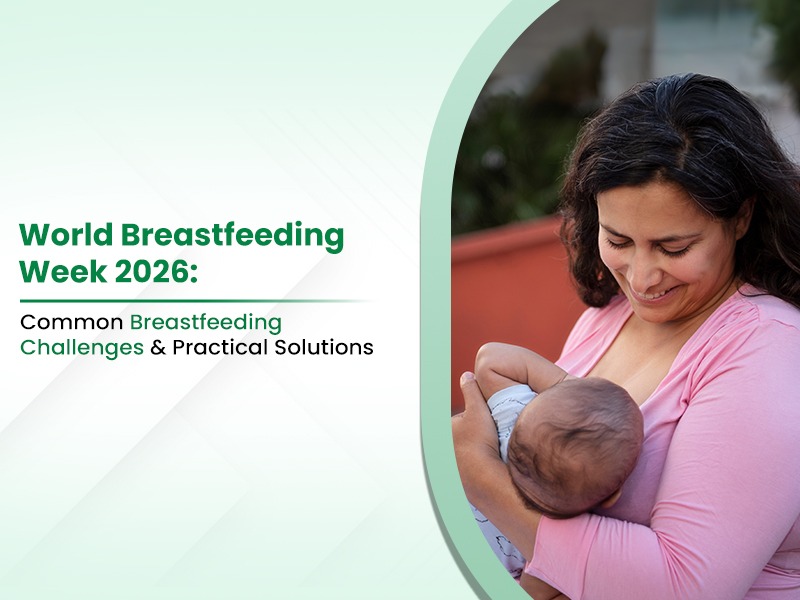
World Breastfeeding Week 2026: Common Breastfeeding Challenges and Practical Solutions
World Breastfeeding Week (WBW) is observed every year from 1–7 August to promote breastfeeding and strengthen support for mothers and babies worldwide. The campaign traces its origins to the Innocenti Declaration of 1990 and was officially launched in 1992 by the World Alliance for Breastfeeding Action (WABA) in collaboration with UNICEF and the World Health Organization (WHO). Today, it is observed in over 120 countries to raise awareness about the importance of breastfeeding and the need for supportive environments that enable mothers to breastfeed successfully.
Breastfeeding provides the ideal source of nutrition for newborns, supporting healthy growth, immunity, and overall development. However, many mothers face challenges such as poor latch, concerns about milk supply, lack of family or workplace support, misinformation, and limited access to professional guidance. World Breastfeeding Week encourages governments, healthcare providers, employers, communities, and families to work together to create an environment where breastfeeding is protected, promoted, and supported.
History and Significance
- 1990: The Innocenti Declaration was adopted by governments and international organizations to protect, promote, and support breastfeeding worldwide.
- 1992: World Breastfeeding Week was officially launched by the World Alliance for Breastfeeding Action (WABA), introducing annual themes focused on improving breastfeeding support.
- 2016: World Breastfeeding Week aligned its goals with the United Nations Sustainable Development Goals (SDGs), recognising breastfeeding as an important contributor to maternal and child health.
- 2018: The World Health Assembly officially recognised World Breastfeeding Week as an important global campaign to strengthen breastfeeding promotion and support.
World Breastfeeding Week 2026 Theme
The official theme for World Breastfeeding Week 2026 is:
"Prioritise Breastfeeding: Create Sustainable Support Systems."
This theme highlights the importance of creating long-term systems that enable mothers to breastfeed successfully throughout their journey.
Prioritise Breastfeeding
This calls on policymakers, healthcare providers, employers, and communities to prioritise maternal and infant health by strengthening breastfeeding support through evidence-based policies and improved access to healthcare services.
Create Sustainable Support Systems
The theme also emphasises the need for long-term support mechanisms such as paid parental leave, workplace lactation rooms, breastfeeding-friendly public spaces, and continued training for healthcare professionals to ensure every mother receives the guidance and support she needs.
Key Benefits of Breastfeeding
Benefits for the Baby
- Complete Nutrition - Breast milk naturally adapts to meet an infant's changing nutritional needs during different stages of growth and development, providing the right balance of nutrients.
- Supports Immunity - Breast milk contains antibodies, immune cells, and other protective components that help reduce the risk of infections such as diarrhoea, pneumonia, and ear infections while supporting the baby's developing immune system.
- Supports Brain Development - Essential fatty acids and other nutrients found in breast milk contribute to healthy brain development and support long-term cognitive, visual, and motor development.
- May Reduce the Risk of Certain Diseases - Breastfeeding has been associated with a lower risk of childhood obesity, type 2 diabetes, asthma, and certain childhood cancers.
- Easy to Digest - Breast milk is generally easier for infants to digest than formula, helping reduce problems such as constipation, gas, and colic.
Benefits for the Mother
- Supports Postpartum Recovery - Breastfeeding stimulates the release of oxytocin, which helps the uterus return to its pre-pregnancy size and may reduce postpartum bleeding.
- Long-Term Health Benefits - Studies suggest that breastfeeding may lower a mother's long-term risk of breast cancer, ovarian cancer, type 2 diabetes, hypertension, and certain cardiovascular diseases.
- Supports Healthy Weight Management - Breastfeeding increases energy expenditure, which may contribute to gradual postpartum weight loss when combined with a balanced diet and healthy lifestyle.
- Strengthens Mother–Baby Bonding - The close physical contact during breastfeeding promotes emotional bonding, enhances feelings of security for the baby, and may help reduce stress while supporting maternal emotional well-being.
Debunking Common Misconceptions
- Myth 1: Pumping milk does not count as breastfeeding.
- Fact: Breastfeeding refers to the child receiving human milk, whether directly from the breast, expressed, or bottle-fed.
- Myth 2: Mothers must produce large amounts of milk from the start.
- Fact: The initial milk (colostrum) is small in quantity but extremely concentrated in nutrients and antibodies. Supply naturally increases over subsequent days.
- Myth 3: Formula is just as good as breast milk.
- Fact: While formula is a viable alternative when necessary, it cannot replicate live antibodies, enzymes, hormones, or adaptive nutritional qualities of human milk.
- Myth 4: Breastfeeding comes naturally and should not hurt.
- Fact: Mild initial tenderness can be common, but ongoing pain indicates positioning or latch issues that can be fixed with professional guidance.
- Myth 5: Mothers must stop breastfeeding once solid foods are introduced.
- Fact: Global health organizations recommend continuing breastfeeding alongside complementary solid foods for up to two years or beyond.
Practical Breastfeeding Tips for New Mothers
- Begin breastfeeding within the first hour after birth ("Golden Hour"), whenever possible, to support milk production and early bonding.
- Feed on demand by responding to your baby's hunger cues rather than following a strict schedule.
- Ensure a proper latch, allowing the baby's mouth to cover much of the areola for effective feeding.
- Monitor your baby's feeding through steady weight gain, regular wet and dirty nappies, and swallowing sounds during feeds.
- Stay hydrated and eat a balanced diet to support your recovery and milk production.
- Rest whenever possible, as adequate sleep and recovery play an important role in successful breastfeeding.
- Seek help early from your doctor or a certified lactation consultant if you experience pain, feeding difficulties, or concerns about milk supply.
How Communities & Institutions Can Provide Support
- At Home: Partners and family members can share domestic responsibilities, ensure nutritional care, and offer encouragement.
- Healthcare Settings: Hospitals should provide access to lactation specialists and routine post-discharge guidance.
- Workplaces: Employers can institute paid maternity leave, flexible schedules, and dedicated, private lactation facilities.
- Public Spaces: Normalising public feeding stations in commercial centers, transit hubs, and venues removes stigma and supports daily life routines.
Conclusion
Successful breastfeeding is supported not only by mothers but also by families, healthcare professionals, employers, and communities. Access to accurate information, compassionate guidance, and a supportive environment can help mothers overcome common breastfeeding challenges and continue breastfeeding with confidence.
At Yashoda Medicity, our experienced obstetricians, paediatricians, and certified lactation consultants provide personalised guidance on breastfeeding techniques, latching, milk supply management, and newborn feeding support to help families navigate early parenthood with confidence.
FAQS
1. How long should a typical breastfeeding session last?
There is no fixed duration. Feeding sessions can range from 10 to 30 minutes or longer depending on the infant's age, appetite, and efficiency. Feeding should continue until the baby releases the latch naturally and appears calm and satisfied.
2. Is it safe to continue breastfeeding while sick?
In most cases involving mild illnesses such as colds, flu, or stomach bugs, breastfeeding remains safe and beneficial. Your body produces antibodies that are transferred through breast milk to help protect the baby from the infection. Always consult a healthcare professional regarding severe conditions or medications.
3. Can stress affect milk supply?
While high stress levels can temporarily inhibit the "let-down" reflex (making it harder for milk to flow easily), stress does not directly stop milk synthesis. Adequate hydration, rest, skin-to-skin contact, and support can ease the reflex and restore smooth flow.
4. Do breastfeeding mothers need to follow a restrictive diet?
No strict or restrictive diet is required. A balanced, varied diet rich in nutrients is ideal. While some infants may occasionally react to specific foods, routinely eliminating entire food groups is unnecessary unless advised by a doctor.
5. Is frequent night feeding normal for infants?
Yes, frequent waking for night feeds is completely normal, especially during early infancy. Night feeds satisfy small stomach capacities, support nighttime prolactin spikes to build supply, and provide comfort. Over time, longer sleep cycles develop naturally.