
 Call: +91 9266610101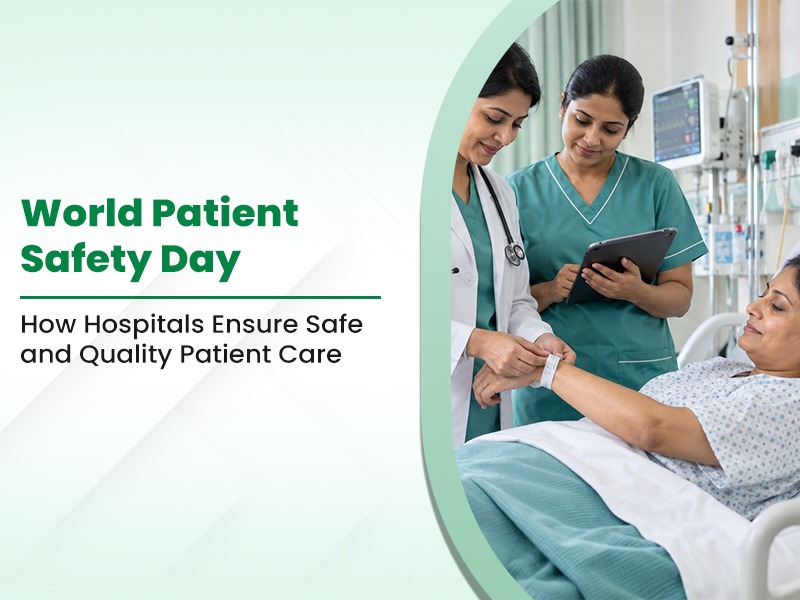
World Patient Safety Day: How Hospitals Ensure Safe and Quality Patient Care
Imagine walking into a hospital feeling completely confident that every step of your care is protected by error-free safety standards. Every year on September 17th, World Patient Safety Day highlights this essential mission. According to global healthcare statistics, millions of patients suffer preventable harm during hospital stays annually due to safety lapses. Establishing strict clinical protocols changes these outcomes, ensuring dependable care when time matters most.
Patient safety forms the foundation of modern healthcare systems. It encompasses all protocols designed to prevent accidental injury, avoid medical errors and reduce healthcare-associated risks. Below, we explore the essential practices hospitals use to maintain high safety standards, how medical teams minimize operational risks, and why continuous quality improvement saves lives.
What Does Patient Safety Really Mean in Healthcare?
Patient safety is much more than a routine hospital policy; it is an ongoing commitment to protecting human lives at every stage of medical care. The core objective is simple: minimize preventable harm, eliminate clinical errors, and create an environment where healing happens securely.
When a healthcare facility prioritizes safety, it systematically addresses every aspect of a patient's journey. This includes everything from verifying a patient's identity before administering medication to maintaining sterile operating rooms. By establishing clear guidelines, hospitals create a protective standard of care that safeguards patients, respects their dignity, and accelerates recovery.
Core Pillars Hospitals Use to Guarantee Patient Safety
Maintaining a safe medical environment requires coordination across every department. Modern hospitals rely on structured pillars to deliver consistent, error-free care:
- Strict Medication Management Protocols: Medication errors are among the most common risks in healthcare. Hospitals implement multi-step verification procedures where doctors, pharmacists, and nurses double-check drug names, dosages, timing, and patient identity before administering any treatment.
- Infection Prevention and Control: Hospital-acquired infections present serious risks to recovering patients. Facilities enforce strict hand hygiene protocols, regularly sterilise medical equipment and maintain specialised isolation wards to prevent the spread of harmful bacteria and viruses.
- Effective Clinical Communication: Clear communication among doctors, nurses, and specialists during shift changes ensures that vital health details are never lost. Structured handover procedures keep care seamless and responsive.
- Advanced Patient Identification Systems: Misidentification can lead to incorrect testing or treatment. Hospitals utilize barcode wristbands and dual-identifier checks before every procedure to guarantee the right patient receives the right care.
How Advanced Technology Enhances Hospital Safety Standards
Technology plays an increasingly vital role in eliminating human error and elevating clinical outcomes. At Yashoda Medicity, we actively integrate cutting-edge medical technologies into daily workflows to provide a seamless, highly secure environment for our patients.
Digital health records provide instant access to complete medical histories, past allergies, and existing prescriptions. This connectivity helps doctors make informed decisions rapidly. Furthermore, smart diagnostic devices and automated medication dispensers flag potential drug interactions before a prescription reaches the patient. At Yashoda Medicity, our reliance on advanced monitoring tools ensures that subtle changes in a patient's vital signs are caught immediately, allowing our medical teams to intervene before complications arise.
Building a Culture of Transparency and Continuous Learning
A truly safe hospital does not just rely on technology and rules; it cultivates an institutional culture centered on continuous improvement and open communication. Safety thrives in an environment where healthcare professionals feel supported and empowered to report potential risks.
Leading healthcare centers conduct regular safety audits, mock emergency drills, and continuous training programs for staff. When near-miss incidents occur, expert quality teams evaluate the root causes to update policies and prevent future occurrences. At Yashoda Medicity, we foster an open, transparent atmosphere where staff and patients work together. By encouraging patients and their families to ask questions, understand their care plans, and express concerns, we create an added layer of safety driven by active partnership.
Working Together for Safer Healthcare
World Patient Safety Day serves as an important reminder that delivering exceptional healthcare requires constant vigilance, modern infrastructure, and deep professional dedication. At Yashoda Medicity, we remain dedicated to maintaining world-class quality standards, adopting safer clinical practices, and placing patient well-being at the heart of everything we do. By combining compassionate care with advanced technology and strict safety protocols, we ensure that every individual who steps through our doors receives the highest level of care possible.
Prioritize Your Health with Confidence. Your safety, comfort, and well-being deserve world-class medical excellence without compromise. Schedule an appointment with our expert healthcare team at Yashoda Medicity today to experience safe, compassionate, and patient-first care tailored to your exact medical needs.