
 Call: +91 9266610101
Modern Spine Surgery: Understanding TLIF, PLIF, and Spinal Fixation
Chronic back pain and nerve-related symptoms can significantly affect daily activities, mobility, and quality of life. When appropriate non-surgical treatments do not provide adequate improvement, consultation with a skilled neurosurgeon in Delhi NCR can help determine whether surgical treatment may be appropriate. Modern spine surgery includes techniques designed to decompress affected nerves and stabilise the spine when clinically indicated. Understanding procedures such as TLIF, PLIF, and spinal fixation can help patients have informed discussions with their spine specialist about their treatment options.
What Is TLIF Surgery?
Transforaminal Lumbar Interbody Fusion (TLIF) is a spinal fusion procedure used in selected patients with conditions such as spinal instability, degenerative disc disease, spondylolisthesis, or nerve compression. During TLIF, the surgeon approaches the lumbar spine from the back through one side and accesses the disc space through the neural foramen. The affected disc material is removed, and an interbody cage containing bone graft material is placed within the disc space to support fusion between the adjacent vertebrae.
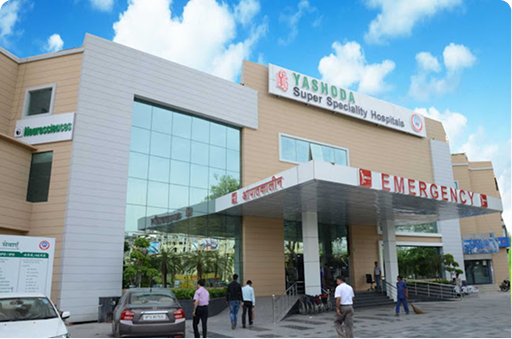
At Yashoda Medicity, TLIF may be performed using conventional or minimally invasive techniques depending on the patient's condition, anatomy, and surgical requirements. The approach is selected with consideration for surrounding muscles, nerves, and other spinal structures.
How Does PLIF Relieve Pressure?
Posterior Lumbar Interbody Fusion (PLIF) is another spinal fusion technique that approaches the lumbar spine from the back, generally through the midline. It may be considered for selected patients with spinal instability, degenerative conditions, or nerve compression requiring decompression and fusion.
The procedure may involve:
- Removal of damaged or degenerated disc material from the affected disc space
- Decompression of neural structures when nerve compression is present
- Placement of one or more interbody cages within the disc space
- Use of bone graft material to support fusion between the adjacent vertebrae
The choice between PLIF, TLIF, or another fusion technique depends on the underlying condition, spinal anatomy, number of levels involved, and the patient's overall health.
Understanding Spinal Fixation Techniques
Spinal fixation is commonly used alongside spinal fusion procedures to provide mechanical stability while the vertebrae heal and fusion develops. A Minimally Invasive Brain & Spine Surgery Specialist can assess whether fixation is appropriate based on the patient's spinal condition and surgical plan.
Fixation typically involves:
- Placement of specialised screws into selected vertebrae
- Connecting the screws with rods to provide spinal stability
- Maintaining appropriate spinal alignment and positioning during the fusion process
- Supporting the operated spinal segment while bone fusion develops
At Yashoda Medicity, surgical planning is based on detailed clinical and imaging evaluation. Patients can consult specialists such as Dr. Ajay Prajapati, Principal Consultant in Neurosurgery, for individual assessment and treatment planning based on their condition and anatomical requirements.
Comparing Key Surgical Approaches
The appropriate surgical approach depends on factors such as the location and severity of spinal disease, affected levels, spinal alignment, neurological symptoms, and the patient's overall health. TLIF and PLIF share the goal of decompressing affected neural structures when required and facilitating spinal fusion, but their approaches differ.
- Access Direction: TLIF generally accesses the disc space through one side of the spinal canal, whereas PLIF approaches the disc space more centrally from the back.
- Neural and Tissue Exposure: The surgical approach and extent of tissue and neural structure exposure differ between the two techniques and depend on the specific surgical plan.
- Interbody Placement: TLIF typically involves placement of an interbody cage through a unilateral approach, while PLIF may involve placement of one or more cages through a posterior approach.
- Surgical Suitability: The choice of technique is based on the patient's diagnosis, spinal anatomy, affected levels, and clinical and surgical requirements.
Benefits of Modern Stabilisation
Modern spinal stabilisation procedures can help address selected conditions involving spinal instability, disc degeneration, deformity, or nerve compression. When surgery is clinically indicated, combining decompression, interbody fusion, and spinal fixation can help stabilise the affected spinal segment and address mechanical or neurological problems.
Potential benefits may include:
- Decompression of nerves affected by spinal narrowing or other structural problems
- Stabilisation of an unstable spinal segment
- Restoration of appropriate disc-space height and spinal alignment in selected cases
- Support for bone fusion between the treated vertebrae
- Potential improvement in pain and function when symptoms are caused by the condition being treated
The expected benefits and risks vary between patients and depend on the underlying diagnosis, surgical technique, and overall health.
Conclusion
TLIF, PLIF, and spinal fixation are established surgical techniques used for selected spinal conditions requiring decompression and stabilisation. Choosing the appropriate procedure requires detailed clinical and imaging assessment by an experienced neurosurgeon in Delhi NCR.
At Yashoda Medicity, spine specialists evaluate each patient's condition and develop an individualised surgical plan based on their symptoms, imaging findings, anatomy, and clinical requirements. Advanced surgical techniques, including minimally invasive approaches where appropriate, may be considered as part of comprehensive spine care. Contact Yashoda Medicity to schedule a consultation and discuss your treatment options.
FAQs
1. What is the primary difference between TLIF and PLIF surgeries?
Both procedures involve accessing the lumbar spine from the back and may include decompression, interbody cage placement, bone grafting, and spinal fixation. TLIF generally accesses the disc space through one side, while PLIF approaches the disc space more centrally from the posterior aspect of the spine.
2. How does spinal fixation contribute to spinal fusion?
Spinal fixation uses screws and rods to provide mechanical stability to the treated spinal segment. This helps maintain alignment and stabilise the area while bone fusion develops.
3. Are recent spine surgery techniques at Yashoda Medicity minimally invasive?
Minimally invasive spine techniques may be used for selected patients depending on the condition, spinal anatomy, and surgical requirements. The appropriate approach is determined following clinical and imaging evaluation.
4. Who are the specialists performing spine stabilisation surgeries at Yashoda Medicity?
Patients can consult specialists such as Dr. Ajay Prajapati, Principal Consultant in Neurosurgery, at Yashoda Medicity. The surgical approach is planned after an individual assessment of the patient's symptoms, imaging findings, and clinical requirements.
5. How can I arrange a consultation for spine surgery at Yashoda Medicity?
You can contact Yashoda Medicity directly or use the hospital's online appointment system to schedule a consultation with a spine specialist.