
 Call: +91 9266610101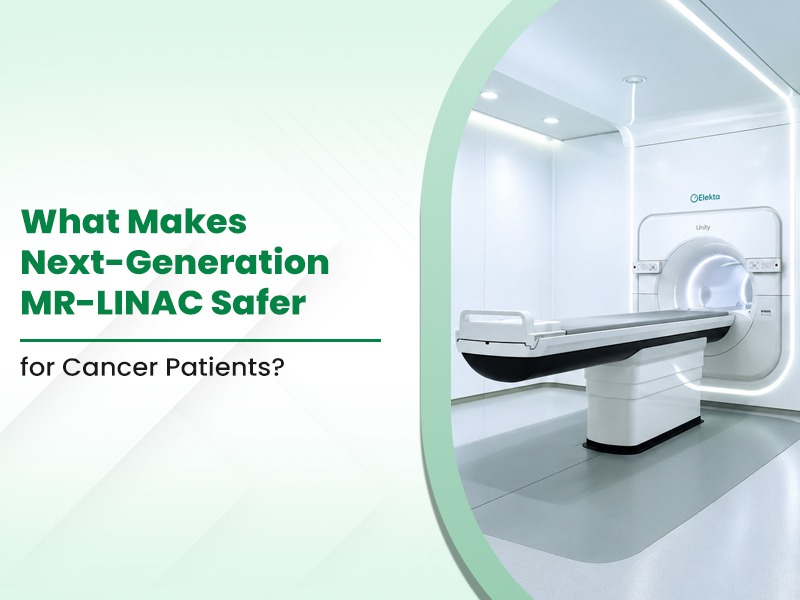
What Makes Next-Generation MR-LINAC Safer for Cancer Patients?
Cancer treatment has seen significant technological advances over the years. Among the developments in radiation oncology is the MR-LINAC system, which combines Magnetic Resonance Imaging (MRI) with a Linear Accelerator (LINAC) in a single platform. By integrating soft-tissue imaging with radiation delivery, MR-LINAC can support more informed treatment planning and image-guided radiation therapy.
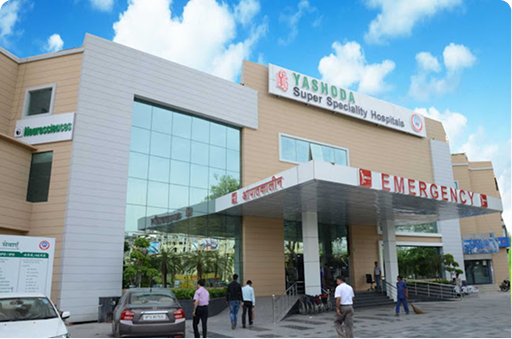
At Yashoda Medicity, we integrate advanced radiation oncology technologies with multidisciplinary cancer care. Recognised as the best hospital in Delhi NCR, the hospital provides specialised radiation treatment supported by experienced radiation oncologists, medical physicists, and radiation therapists.
Understanding MR-LINAC Technology
Conventional radiation therapy commonly relies on imaging performed before treatment to define the tumour and surrounding anatomy. However, tumours and nearby organs can change position due to respiration, digestion, and other physiological movements.
MR-LINAC integrates MRI with a linear accelerator, allowing clinicians to visualise soft tissues during treatment and assess anatomical changes. This can support image-guided treatment delivery and adaptive radiation therapy for selected patients.
Key Reasons Why MR-LINAC Can Support More Precise Radiation Treatment
1. Real-Time Imaging and Motion Management
Tumours in areas such as the lung, liver, prostate, and abdomen can move during treatment. MR-LINAC provides MRI-based imaging during radiation delivery, allowing the treatment team to monitor the tumour and surrounding anatomy.
Depending on the system and treatment protocol, motion-management features can help the team respond to changes in tumour or organ position during treatment. This may allow radiation delivery to be adapted when clinically appropriate.
2. Detailed Soft-Tissue Imaging Without Additional Imaging Radiation
MRI uses magnetic fields and radio waves rather than ionising radiation. MR-LINAC therefore provides detailed soft-tissue visualisation without adding radiation exposure from the MRI component itself.
This can be particularly useful when clinicians need to assess the position of a tumour and nearby organs during radiation treatment.
3. Adaptive Radiotherapy
Anatomy can change over the course of a radiation treatment programme. Tumour size, organ position, and the relationship between the tumour and surrounding tissues may vary between treatment sessions.
MR-LINAC technology can support adaptive radiotherapy, allowing treatment plans to be reviewed and modified based on updated imaging when clinically appropriate. At Yashoda Medicity, treatment decisions are made according to the patient's diagnosis, anatomy, treatment goals, and clinical requirements.
4. Supporting Treatment While Considering Nearby Healthy Tissue
A key objective of radiation therapy is to deliver the prescribed radiation dose to the tumour while limiting unnecessary exposure to surrounding healthy tissues. The combination of MRI-based visualisation, treatment planning, and image guidance with MR-LINAC may support this objective in selected cases.
However, treatment response and side effects vary between patients and depend on factors such as tumour type, location, radiation dose, treatment technique, and overall health.
Advanced Radiation Oncology Technologies at Yashoda Medicity
Yashoda Medicity's Radiation Oncology department provides access to advanced radiation treatment platforms, including:
- Elekta Unity MR-Linac: Combines a 1.5 Tesla MRI system with a linear accelerator to support soft-tissue visualisation and image-guided radiation treatment.
- ETHOS with HyperSight and IDENTIFY Technology: Supports adaptive radiation therapy, with imaging and treatment-planning capabilities that can help clinicians modify treatment based on anatomical changes. IDENTIFY provides surface and motion-tracking capabilities as part of the treatment workflow.
- EDGE with HyperArc and ExacTrac Dynamic: Supports stereotactic radiosurgery and stereotactic body radiation therapy for selected patients, with image guidance and motion-management capabilities.
The appropriate technology and treatment approach are selected according to the patient's cancer type, location, stage, anatomy, and clinical requirements.
Multidisciplinary Radiation Oncology Care
Advanced radiation technology is most effective when integrated with appropriate clinical expertise and treatment planning. At Yashoda Medicity, radiation oncologists work alongside medical physicists, radiation therapists, medical oncologists, surgical specialists, and other members of the cancer care team.
Treatment plans are individualised according to the patient's diagnosis and overall treatment pathway. Depending on the type and stage of cancer, radiation therapy may be used as a primary treatment or alongside surgery, chemotherapy, targeted therapy, or immunotherapy.
Comprehensive Medical and Emergency Infrastructure
Cancer treatment requires access to supporting medical services when patients require additional evaluation or management. Yashoda Medicity provides:
- 24/7 Critical Care Support: Critical care teams and intensive care facilities for patients requiring close monitoring or organ support.
- Emergency Services: Round-the-clock emergency assessment and treatment for acute medical conditions.
- Multispeciality Collaboration: Access to medical, surgical, diagnostic, and critical care specialists when required.
These capabilities support the hospital's broader emergency and multispeciality services, including care for patients seeking the best emergency hospital in Delhi NCR.
Experience Advanced Radiation Care
Selecting a cancer centre involves considering the clinical expertise, technology, multidisciplinary support, and treatment options available for a specific diagnosis. Recognised as the best hospital in Delhi NCR, Yashoda Medicity combines advanced radiation platforms such as MR-LINAC with specialised oncology expertise and multidisciplinary care.
Patients can consult the radiation oncology team to understand whether MR-LINAC or another radiation treatment approach is appropriate for their condition. Contact Yashoda Medicity to schedule a consultation through the online appointment system.
FAQs
1. What makes Next-Generation MR-LINAC useful for cancer patients at Yashoda Medicity?
MR-LINAC combines MRI-based soft-tissue imaging with a linear accelerator, allowing clinicians to visualise anatomy during radiation treatment and support image-guided or adaptive radiation therapy for selected patients.
2. How does Yashoda Medicity help limit radiation exposure to healthy tissues?
Radiation treatment is planned to deliver the prescribed dose to the target while considering surrounding healthy tissues. MR-LINAC provides detailed imaging that can support treatment planning and image-guided delivery. The extent of benefit varies according to the patient's condition and treatment plan.
3. What advanced radiation therapy machines are available at Yashoda Medicity?
The Radiation Oncology department includes the Elekta Unity MR-Linac, ETHOS with HyperSight and IDENTIFY, and EDGE with HyperArc and ExacTrac Dynamic.
4. Are emergency and critical care services available at Yashoda Medicity during cancer treatment?
Yes. Yashoda Medicity provides 24/7 emergency and critical care services, with access to multidisciplinary medical and surgical specialists when clinically required.
5. How can patients book a radiation oncology consultation at Yashoda Medicity?
Patients can schedule a radiation oncology consultation through the Yashoda Medicity online appointment system or by contacting the hospital directly.