

 Call: +91 9266610101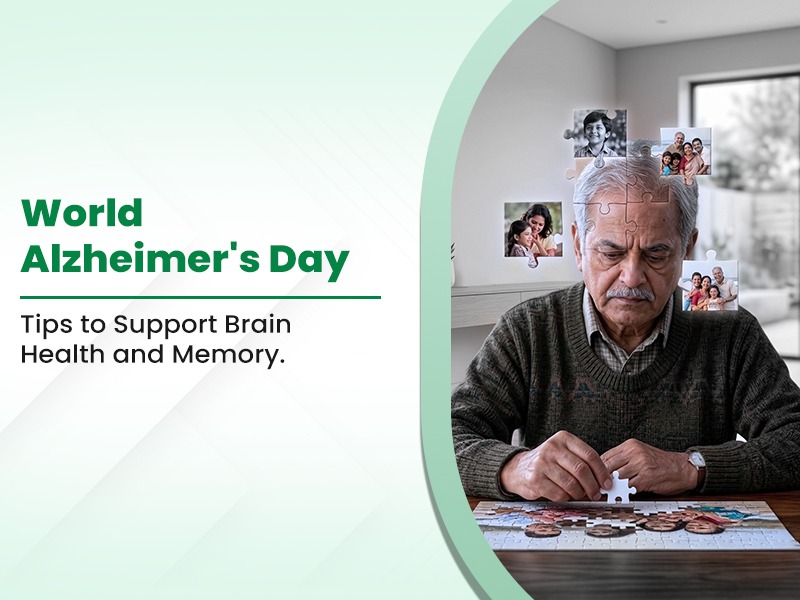
World Alzheimer's Day: Tips to Support Brain Health and Memory
Imagine a world where cherished memories, familiar faces, and everyday skills gradually become more difficult to recall or perform. Every year on September 21, communities worldwide observe World Alzheimer's Day to raise awareness about Alzheimer's disease and other forms of dementia and emphasise the importance of brain health. According to global health estimates, more than 55 million people are living with dementia worldwide. Understanding the factors that influence cognitive health and adopting healthy lifestyle habits can support overall brain health and quality of life.
Alzheimer's disease is a progressive neurological disorder that affects memory, thinking, and behaviour. While increasing age is a major risk factor, cognitive decline is not an inevitable part of normal ageing. Healthy lifestyle habits, management of cardiovascular risk factors, and appropriate medical evaluation can support cognitive health as people age.
What Is Alzheimer's Disease and How Does It Affect the Brain?
Alzheimer's disease causes nerve cells in the brain to become damaged and lose connections with one another. Over time, changes involving abnormal proteins, including amyloid plaques and neurofibrillary tangles, are associated with damage to brain cells and their connections. These changes can contribute to progressive difficulties with memory, thinking, language, and everyday activities.
Recognising early changes can help individuals and families seek appropriate medical evaluation. Common symptoms may include forgetting recently learned information, repeatedly misplacing items, difficulty finding words, confusion about time or place, and increasing difficulty completing familiar tasks. Persistent or worsening changes in memory and thinking should be evaluated by a healthcare professional.
Core Lifestyle Tips to Support Brain Health and Memory
Supporting cognitive health involves maintaining physical health, staying mentally active, and remaining socially connected. Small, consistent lifestyle choices can contribute to overall brain and cardiovascular health:
- Maintain a Heart-Healthy Diet: A balanced diet rich in vegetables, fruits, whole grains, nuts, legumes, and healthy fats can support cardiovascular and overall health. Limiting excess salt, added sugars, and highly processed foods may also support healthy blood pressure, blood sugar, and cholesterol levels.
- Engage in Regular Physical Activity: Regular physical activity supports cardiovascular health and overall well-being. Activities such as brisk walking, swimming, cycling, or other moderate-intensity exercise can be incorporated into a routine according to individual health and fitness levels. For many adults, at least 150 minutes of moderate-intensity activity per week is a commonly recommended target.
- Keep Your Mind Active and Challenged: Reading, learning new skills, solving puzzles, playing music, and engaging in other mentally stimulating activities can help maintain cognitive engagement. Choose activities that are enjoyable and appropriately challenging.
- Prioritise Restful, Quality Sleep: Adequate, good-quality sleep is important for brain health and overall well-being. Most adults require around 7 to 9 hours of sleep each night. Persistent sleep problems, including symptoms of sleep apnoea, should be discussed with a healthcare professional.
- Stay Socially Connected: Regular interaction with family, friends, and community groups can support emotional well-being and provide ongoing cognitive and social stimulation. Participating in group activities or maintaining meaningful social connections can be beneficial as part of a healthy lifestyle.
How Specialised Medical Care Supports Brain Health
Managing brain health extends beyond lifestyle habits and may include regular medical evaluation and appropriate management of health conditions that can affect cognitive function. At Yashoda Medicity, neurological evaluation may include clinical assessment, cognitive evaluation, and neuroimaging when indicated by the patient's symptoms and medical history.
Managing cardiovascular and metabolic conditions such as high blood pressure, elevated cholesterol, and diabetes is also important for overall brain and vascular health. Conditions affecting blood vessels can contribute to vascular cognitive impairment and increase the risk of stroke. At Yashoda Medicity, multidisciplinary care can support the evaluation and management of these conditions according to the patient's individual clinical requirements.
Supporting Loved Ones Living with Memory Loss
Caring for someone experiencing memory impairment requires patience, empathy, and consistent support. Creating a safe, calm, and familiar home environment can help individuals manage everyday activities and reduce unnecessary confusion.
Keeping daily routines consistent, reducing environmental clutter, and using simple reminders or visual cues can assist with daily tasks. Caregivers should also pay attention to their own physical and emotional well-being and seek support when needed. Families can discuss appropriate neurological evaluation, counselling, and caregiver guidance with healthcare professionals based on their individual needs.
Taking Action for a Brighter, Healthier Future
World Alzheimer's Day is an opportunity to focus on brain health and encourage greater awareness of Alzheimer's disease and other forms of dementia. At Yashoda Medicity, we are committed to promoting awareness of neurological health and providing specialised evaluation and care for patients with cognitive and neurological concerns.
Maintaining regular physical activity, following a balanced diet, managing cardiovascular risk factors, staying socially and mentally engaged, and seeking medical advice when persistent changes in memory or thinking occur can support overall brain health.
Support Your Cognitive Health Today
Persistent changes in memory, thinking, behaviour, or the ability to manage familiar daily activities should not be ignored. Early medical evaluation can help identify possible causes and guide appropriate care. Schedule a consultation with the neurology team at Yashoda Medicity for a comprehensive evaluation of your cognitive and neurological health.