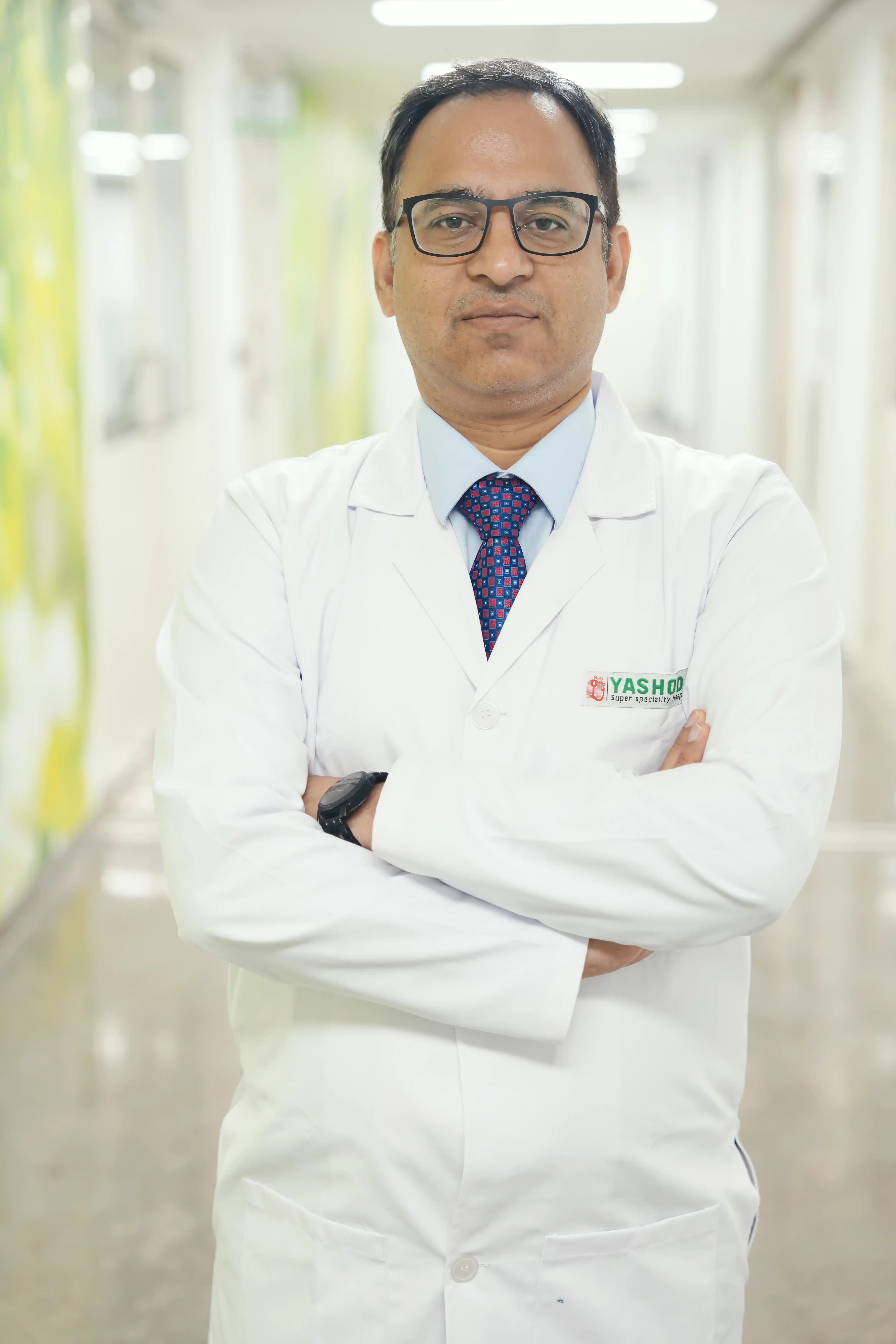
Dr. Rachit Saxena
Director and Unit Head: Cardio Thoracic and Vascular Surgery
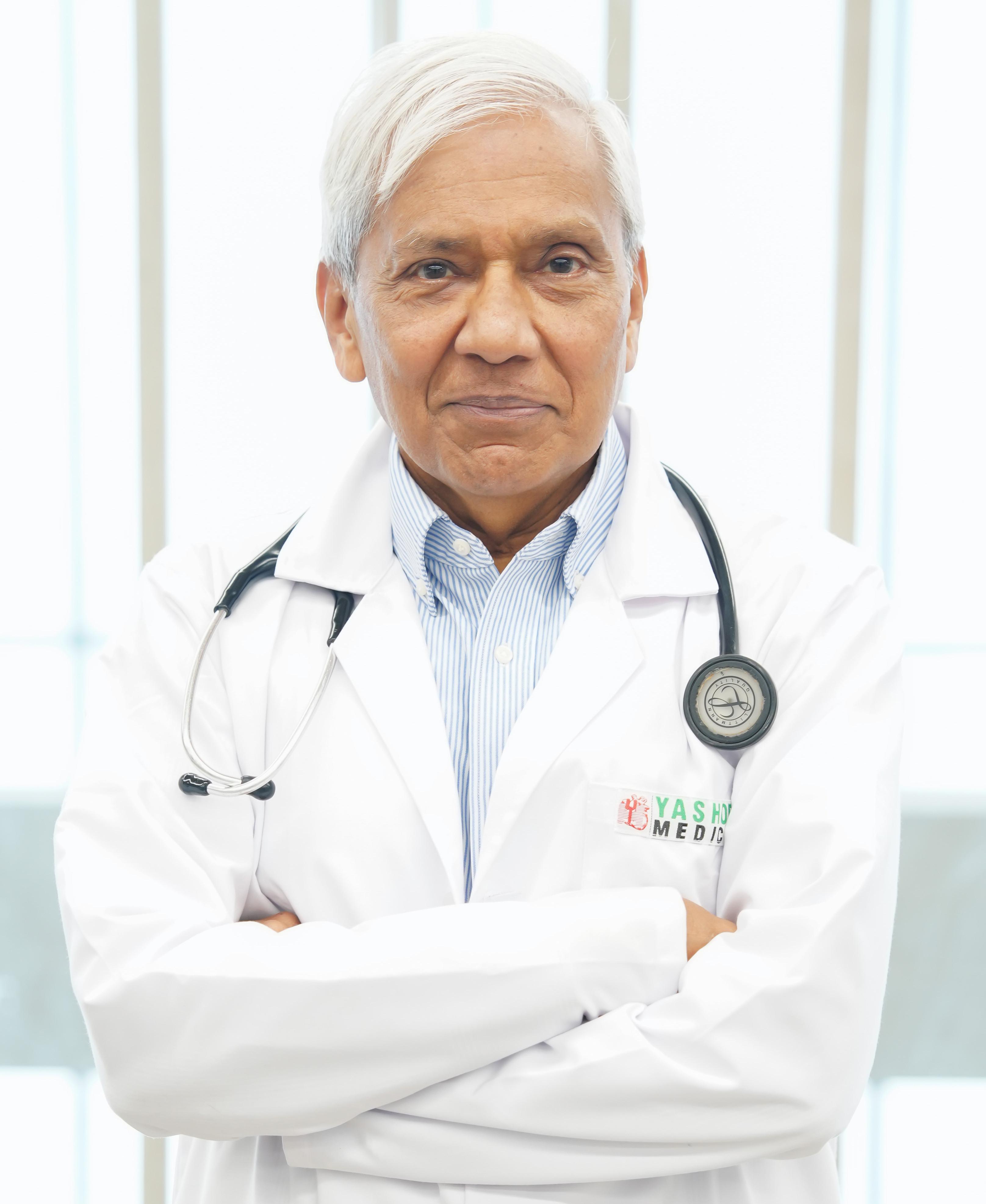
Dr. Anil Bhat
Director, Cardiology
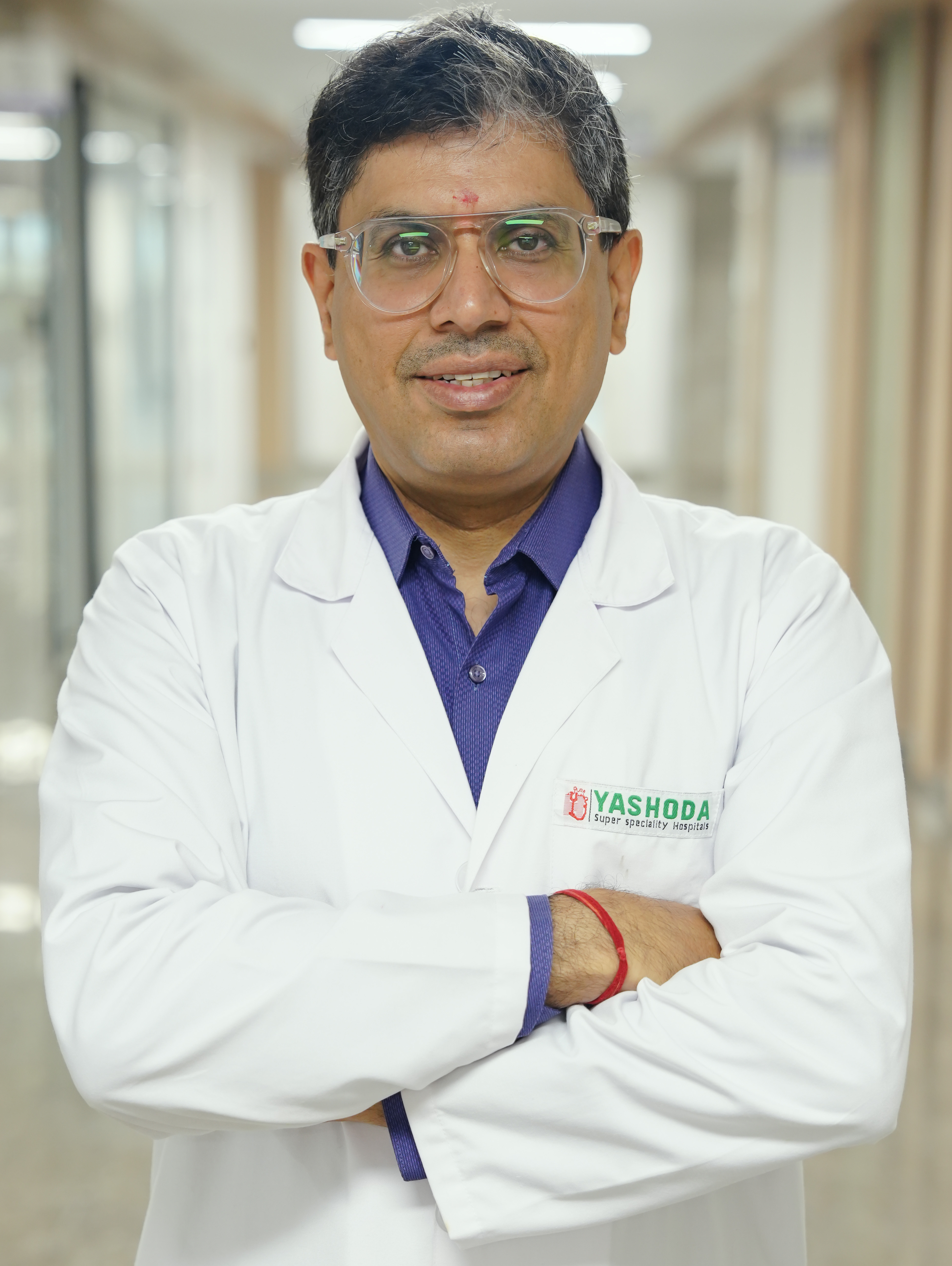
Dr. Asit Khanna
Director, Interventional Cardiology
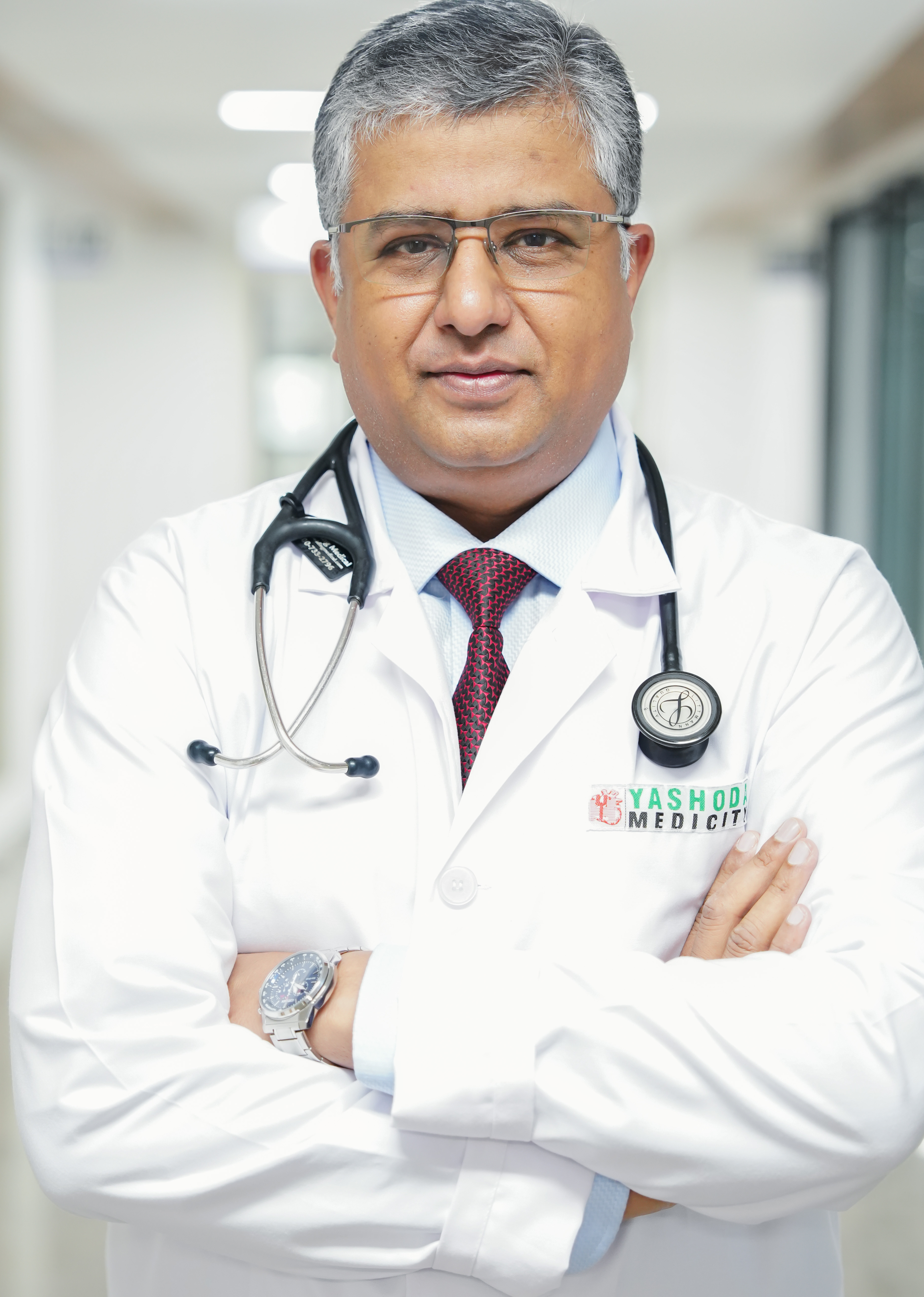
Dr. Manish Aggarwal
Director, Interventional Cardiology and Structural Heart
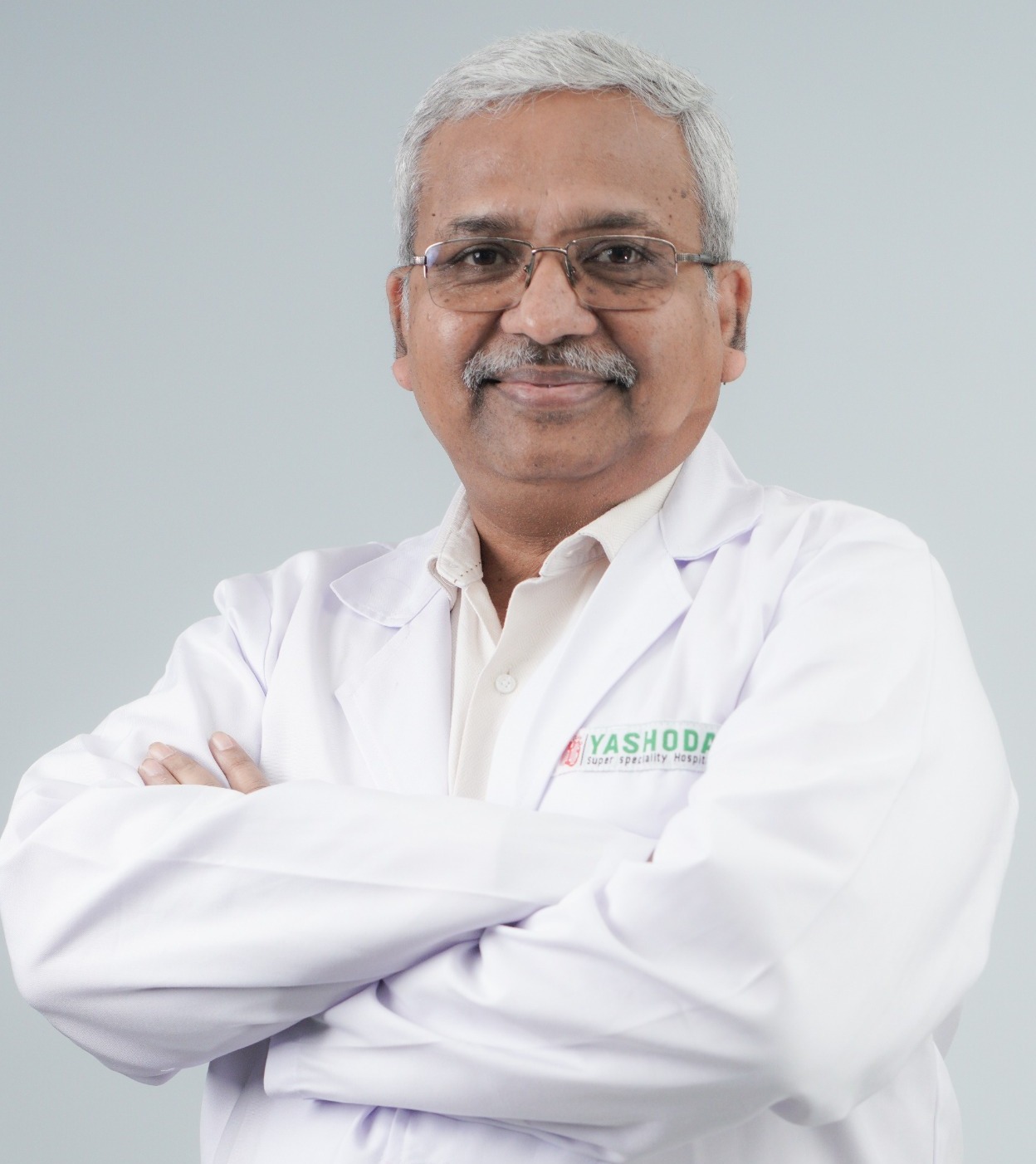
Dr. Dhirendra Singhania
Director - Interventional Cardiology
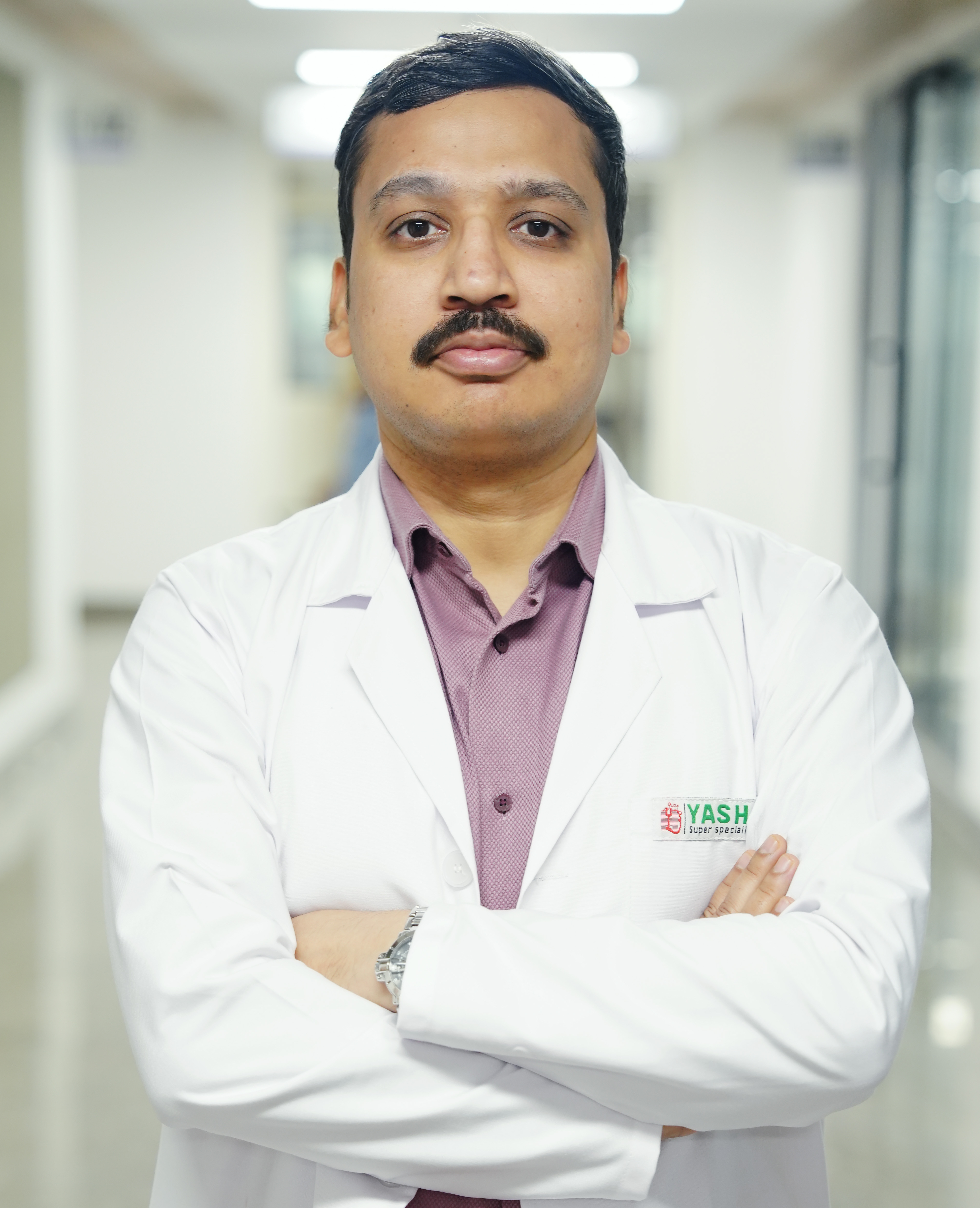
Dr. Aayush Goyal
Associate Director, Cardiothoracic & Vascular Surgery
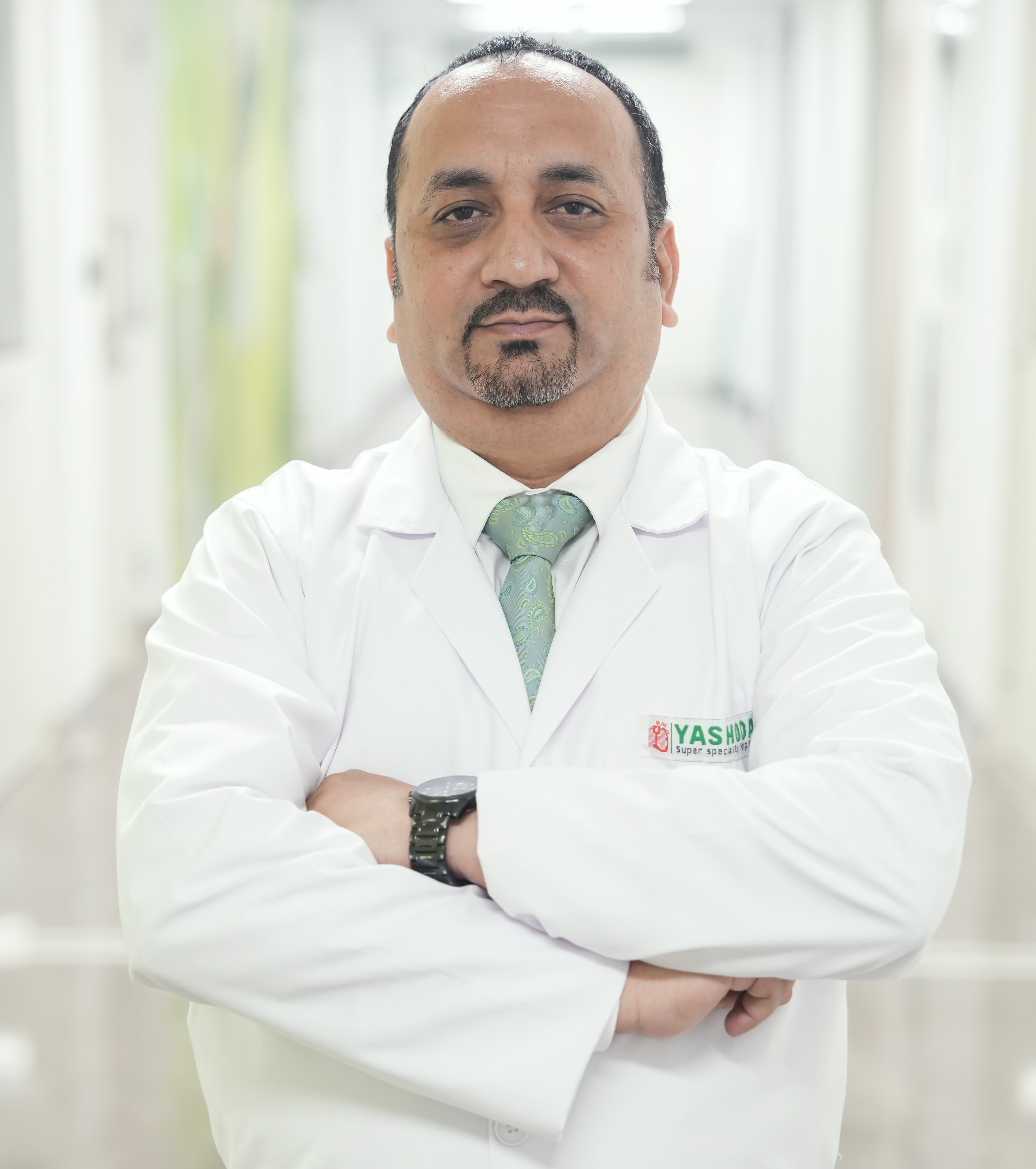
Dr. Vikas Kumar Keshri
Associate Director, Cardio-thoracic and Vascular Surgery
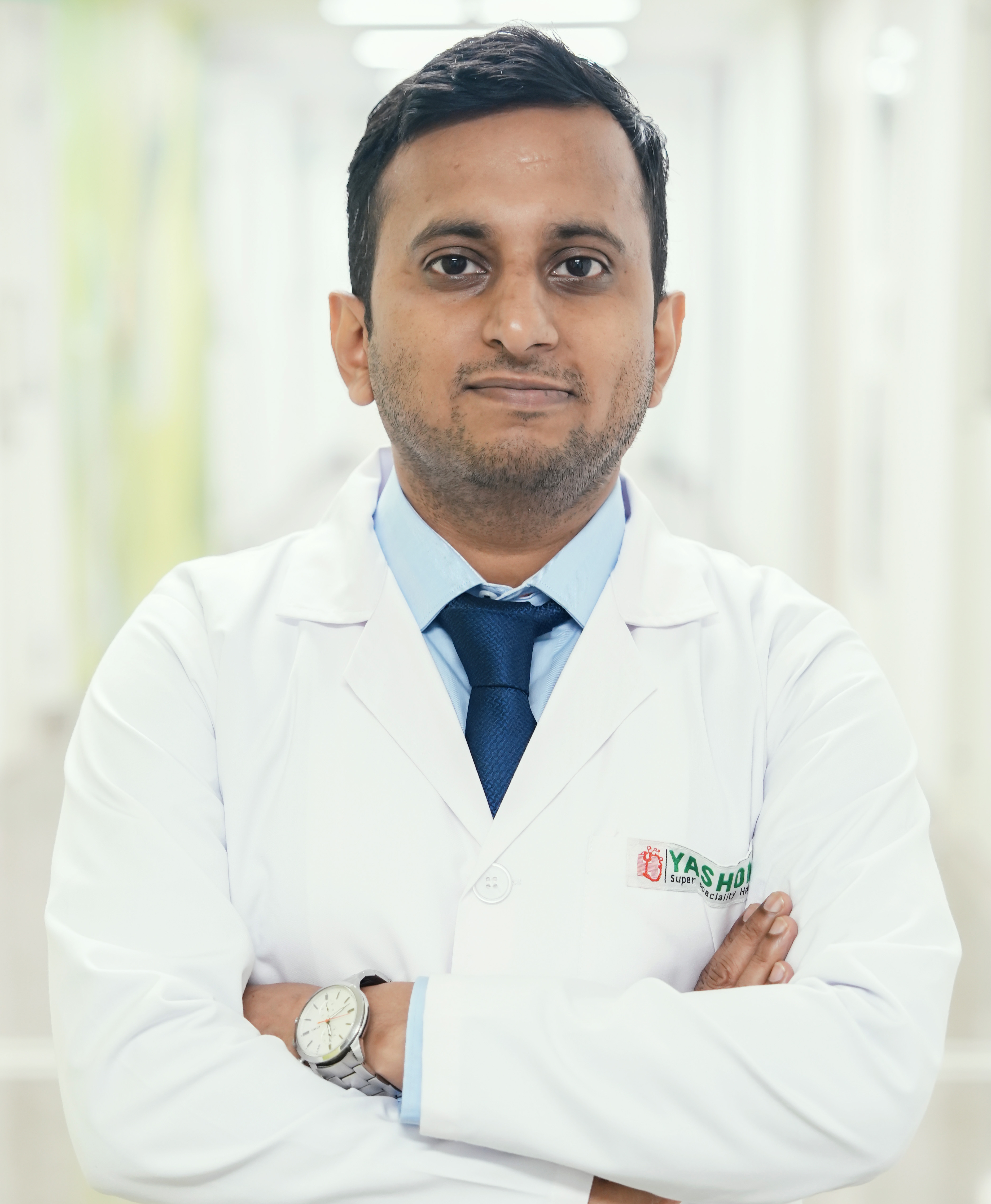
Dr. Gaurav Kumar
Senior Consultant, Pediatric and Adult Congenital Cardiologist: Department of Pediatric Cardiology and CTVS
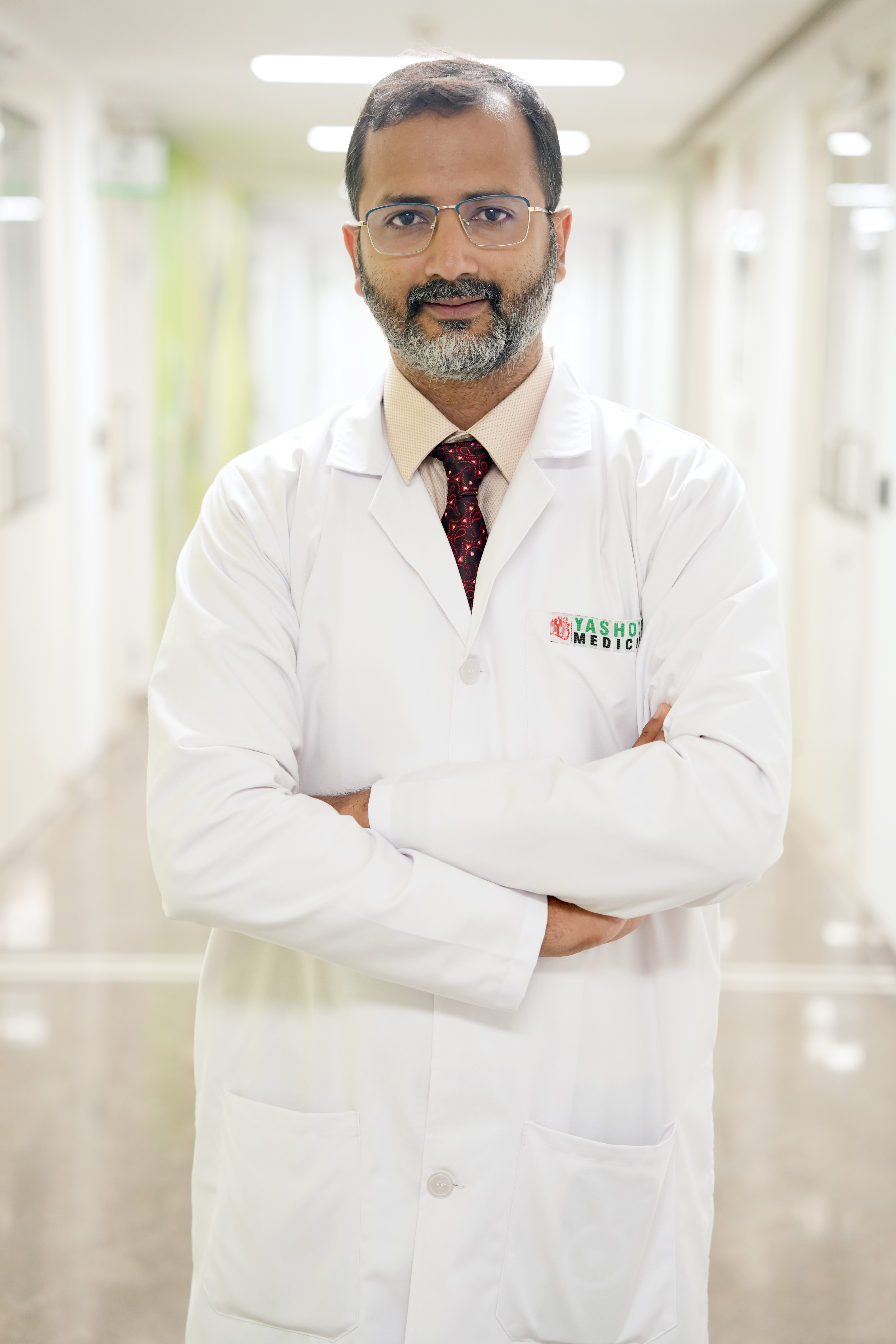
Dr. Abhinav singh Chauhan
Senior Consultant - Pediatric Cardio- thoracic and Vascular Surgery
Pediatric Cardiac Hospital in Delhi
Congenital heart disease affects approximately 8 to 10 out of every 1,000 live births, and nearly 30–50% of these children require medical or surgical intervention within their first year of life. These figures are not limited to any particular city or region. They reflect how common congenital heart disease truly is, often becoming a reality for families through a routine prenatal scan or a diagnosis made shortly after birth.
Fortunately, advances in early diagnosis, interventional cardiology, and paediatric cardiac surgery have transformed outcomes for children with heart conditions. Today, many children born with critical congenital heart disease can grow up to lead healthy and fulfilling lives with timely and appropriate treatment.
The Department of Paediatric Cardiac Sciences at Yashoda Medicity provides comprehensive care at a leading pediatric cardiac hospital in Ghaziabad, covering everything from fetal cardiac assessment and diagnosis to surgery, intensive care, rehabilitation, and lifelong follow-up.
Conditions We Treat
The team at the pediatric cardiac hospital in Ghaziabad manages a wide range of congenital and acquired heart conditions, including:
- Atrial Septal Defect (ASD)
- Ventricular Septal Defect (VSD)
- Atrioventricular Septal Defect (AVSD)
- Patent Ductus Arteriosus (PDA)
- Tetralogy of Fallot
- Total Anomalous Pulmonary Venous Connection (TAPVC)
- Double Outlet Right Ventricle (DORV)
- Single Ventricle Physiology
- Rheumatic Heart Disease
- Kawasaki Disease
- Multisystem Inflammatory Syndrome in Children (MIS-C)
- Marfan Syndrome
- Long QT Syndrome
- Valve Stenosis and Regurgitation
- Ebstein’s Anomaly
- Anomalous Left Coronary Artery from the Pulmonary Artery (ALCAPA)
- Fetal Heart Rhythm Abnormalities
When to Consult a Child Heart Specialist in Ghaziabad
Some heart conditions are detected before birth, while others may present during infancy or childhood through symptoms that are often mistaken for less serious concerns.
You should seek consultation with a child heart specialist in Ghaziabad if your child experiences:
- A heart murmur detected during a routine examination
- Bluish discoloration of the lips, fingertips, or skin, especially during feeding or crying
- Difficulty feeding, excessive sweating during feeds, or poor weight gain
- Rapid breathing or unexplained breathlessness
- Frequent respiratory infections
- Fatigue, poor exercise tolerance, or breathlessness during play compared to other children of the same age
- Fainting episodes or unexplained chest pain
- A family history of congenital heart disease, sudden cardiac death, or inherited cardiac disorders
If a routine pregnancy scan identifies a possible heart abnormality, a fetal echocardiogram performed between 18 and 22 weeks can provide a detailed evaluation, allowing families and clinicians to plan delivery and immediate postnatal care appropriately.
Patients from across the region come to pediatric cardiac hospital in Ghaziabad for paediatric cardiology consultations, fetal cardiac assessment, surgical treatment, and long-term follow-up as their child grows.
Advanced Pediatric Cardiology Centre in Ghaziabad
Fetal Cardiac Assessment and Counselling
A detailed fetal echocardiogram, typically performed between 18 and 22 weeks of pregnancy, allows structural and rhythm abnormalities in the developing heart to be identified well before birth. This early detection makes a meaningful difference. It allows parents to be properly counselled about what the diagnosis means, allows delivery to be planned at a centre equipped to manage the condition immediately, and in certain rhythm disorders, allows treatment to begin while the baby is still in the womb.
Cardiac Catheterisation
Many congenital heart conditions that once required open-heart surgery can now be treated through catheter-based procedures instead. Closure devices placed through a catheter can correct atrial septal defects, ventricular septal defects, patent ductus arteriosus, and several other shunt lesions without opening the chest. Balloon dilatation treats narrowed valves and vessels, including the aortic, pulmonary, and mitral valves, as well as coarctation of the aorta. In newborns with specific defects, balloon atrial septostomy can provide urgent, life-saving improvement in oxygen levels. Stenting procedures, including ductal stenting in neonates, offer further options where catheter-based treatment is appropriate over surgery.
Open-Heart Surgical Repair
For conditions that require surgical correction, the cardiac surgical team manages the full range of open-heart procedures, from straightforward closure of shunt lesions to complex repairs of cyanotic heart disease such as Tetralogy of Fallot, Double Outlet Right Ventricle, and Total Anomalous Pulmonary Venous Connection. More complex single-ventricle conditions are managed through staged palliative procedures, including the Glenn and Fontan operations, performed in sequence as the child grows. Specialised procedures, including arterial switch operations, the Senning and Rastelli procedures, and repair of rare anomalies such as Ebstein's anomaly and ALCAPA, are also performed.
Closed-Heart Surgical Procedures
Not every baby heart surgery in Ghaziabad at Yashoda Medicity requires opening the heart itself. Procedures such as PDA ligation, repair of coarctation of the aorta, pulmonary artery banding, and BT shunt placement are performed without entering the heart chambers, often as a first step in managing a more complex condition before a later, more definitive procedure.
Adult Congenital Heart Disease Care
Children with repaired congenital heart disease are growing into adulthood in increasing numbers, and this population now represents one of the fastest-growing groups within congenital heart care. Their needs do not end in childhood. Ongoing, coordinated follow-up addresses how a repaired heart functions over decades, monitors for late complications, and manages the transition from paediatric to adult cardiac care without gaps in continuity. Adults with unrepaired congenital heart disease, diagnosed late or never previously treated, are also assessed and managed within the same programme.
State-of-the-Art Paediatric Cardiac Facilities
Comprehensive Echocardiography Laboratory
The echocardiography laboratory at pediatric cardiac hospital in Ghaziabad evaluates patients ranging from the fetus through to adults with congenital heart disease. Transthoracic and transesophageal echocardiography provide detailed structural and functional assessment, while intraoperative echocardiography, performed both transesophageally and directly on the heart's surface during surgery, supports the surgical team in confirming repair success before the chest is closed.
Advanced Cardiac Imaging
Three-dimensional echocardiography, multi-slice computed tomography, and cardiac magnetic resonance imaging provide detailed anatomical and functional information beyond what standard echocardiography alone can offer, particularly valuable in complex anatomy where surgical planning requires a precise three-dimensional understanding of the heart's structure.
Fetal Cardiac Unit
The fetal cardiac unit performs detailed fetal echocardiograms and provides prenatal counselling for parents of babies with suspected heart defects. For specific fetal rhythm disorders, prenatal treatment can be initiated, addressing the abnormality before birth rather than waiting until after delivery.
Cardiac Catheterisation Laboratory
The catheterisation laboratory at pediatric cardiac hospital in Ghaziabad supports both diagnostic angiography and a wide range of interventional procedures, allowing many structural heart defects to be treated without open surgery, with the precision and imaging guidance that complex paediatric anatomy requires.
Paediatric Cardiac Intensive Care Unit
Located adjacent to the operating theatres for immediate transfer, the paediatric cardiac intensive care unit is equipped with advanced ventilators, monitoring systems, and life-support technology. It is staffed by a dedicated team experienced in managing complex cardiac cases across the full age range, from neonates to young adults, providing stabilisation before surgery, intensive post-operative care, and advanced support for critically ill children transferred from other hospitals.
Patient Journey at the Department of Paediatric Cardiac Sciences
Diagnosis
The first step is a comprehensive evaluation, which may begin prenatally through fetal echocardiography or after birth through clinical examination, echocardiography, and further imaging as needed.
Counselling and Planning
Here, the parents are guided through what the diagnosis means, what treatment options exist, and what timeline is appropriate, with particular care taken when a diagnosis is made before birth.
Treatment
Based on the condition, an individualized treatment plan is discussed and implemented at the pediatric cardiac hospital in Ghaziabad.
Intensive Care and Recovery
If a child requires surgery or critical intervention, the support of paediatric cardiac intensive care units is provided before and after the procedure, with recovery monitored closely.
Long-Term Follow-Up
Ongoing review continues through childhood and, if required, into adulthood.
Why Choose Yashoda Medicity for Paediatric Cardiac Care in Ghaziabad?
- Care that starts before birth: Fetal cardiac assessment and counselling allow many conditions to be identified and planned for well in advance of delivery, rather than discovered as an emergency afterwards.
- A genuine alternative to open surgery, where appropriate: A wide range of catheter-based interventional procedures means many structural defects can be corrected without the recovery demands of open-heart surgery.
- Surgical expertise across the full range of complexity: From straightforward shunt closures to complex single-ventricle palliation and rare anomaly repairs, the surgical team manages the full spectrum within the same department.
- Intensive care built specifically for children's hearts: The paediatric cardiac intensive care unit, positioned beside the operating theatres, is staffed and equipped specifically for the complexities of managing children's hearts before and after major procedures.
- Care that continues into adulthood: For the growing number of adults living with repaired or unrepaired congenital heart disease, coordinated follow-up continues well beyond childhood.
Book Your Appointment Today
A congenital heart disease diagnosis is frightening for any parent to hear, but it no longer carries the limitations it once did. The Department of Paediatric Cardiac Sciences at Yashoda Medicity, Ghaziabad provides comprehensive care, from prenatal diagnosis and advanced interventions to surgery, intensive care, and lifelong follow-up.
Call us today: 9266610101
 Call: +91 9266610101