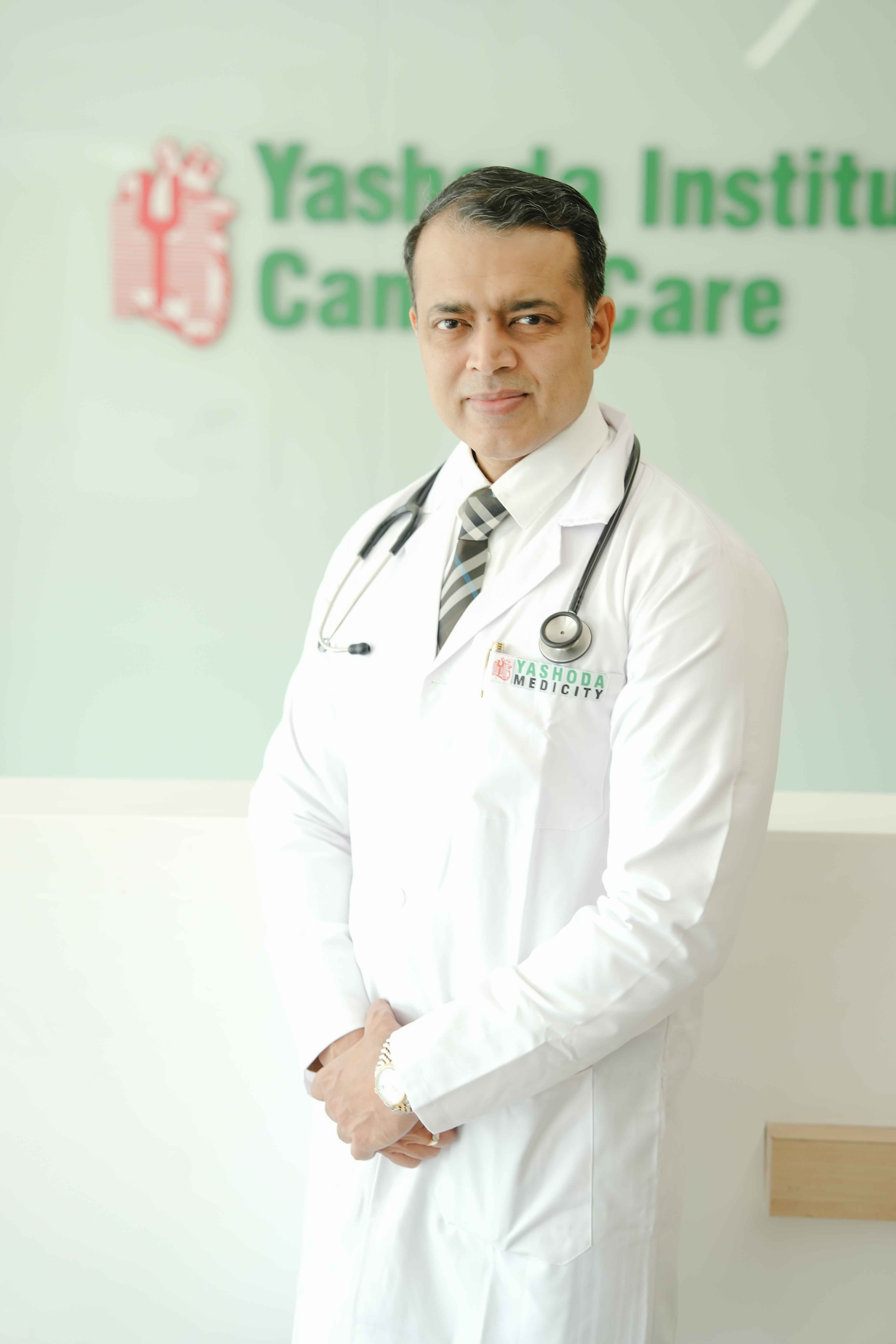
Dr. Manish Singhal
Vice Chairman - Medical Oncology

Dr. Gagan Saini
Vice-Chairman, Radiation Oncology

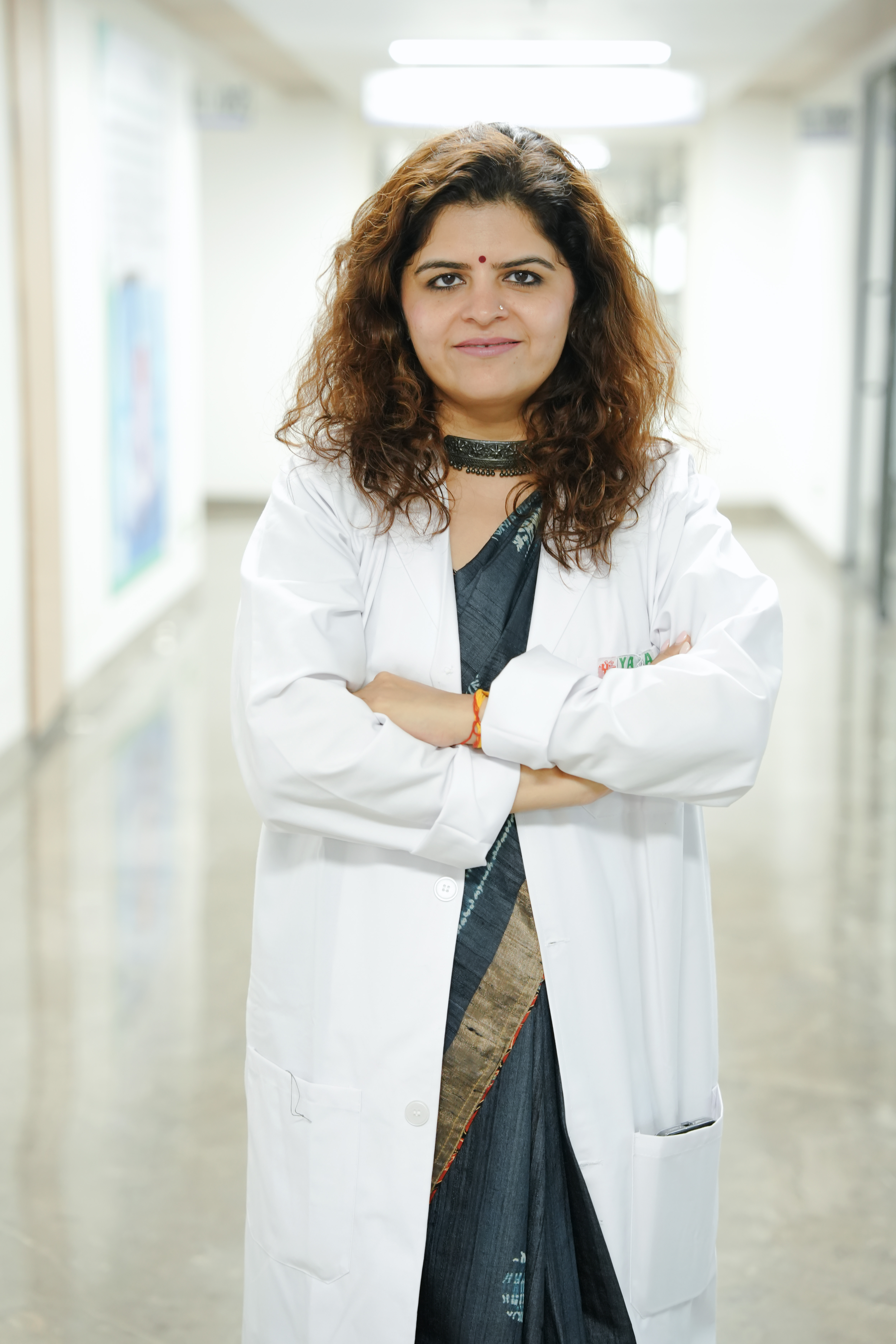
Dr. Satinder Kaur
Senior Director and Head – Gynaecologic Oncology & Robotic Surgery
Dr. Nivedita Dhingra
Director & Head - Hematology, Hemato-Oncology And Bone Marrow Transplant (Adult & Pediatrics)
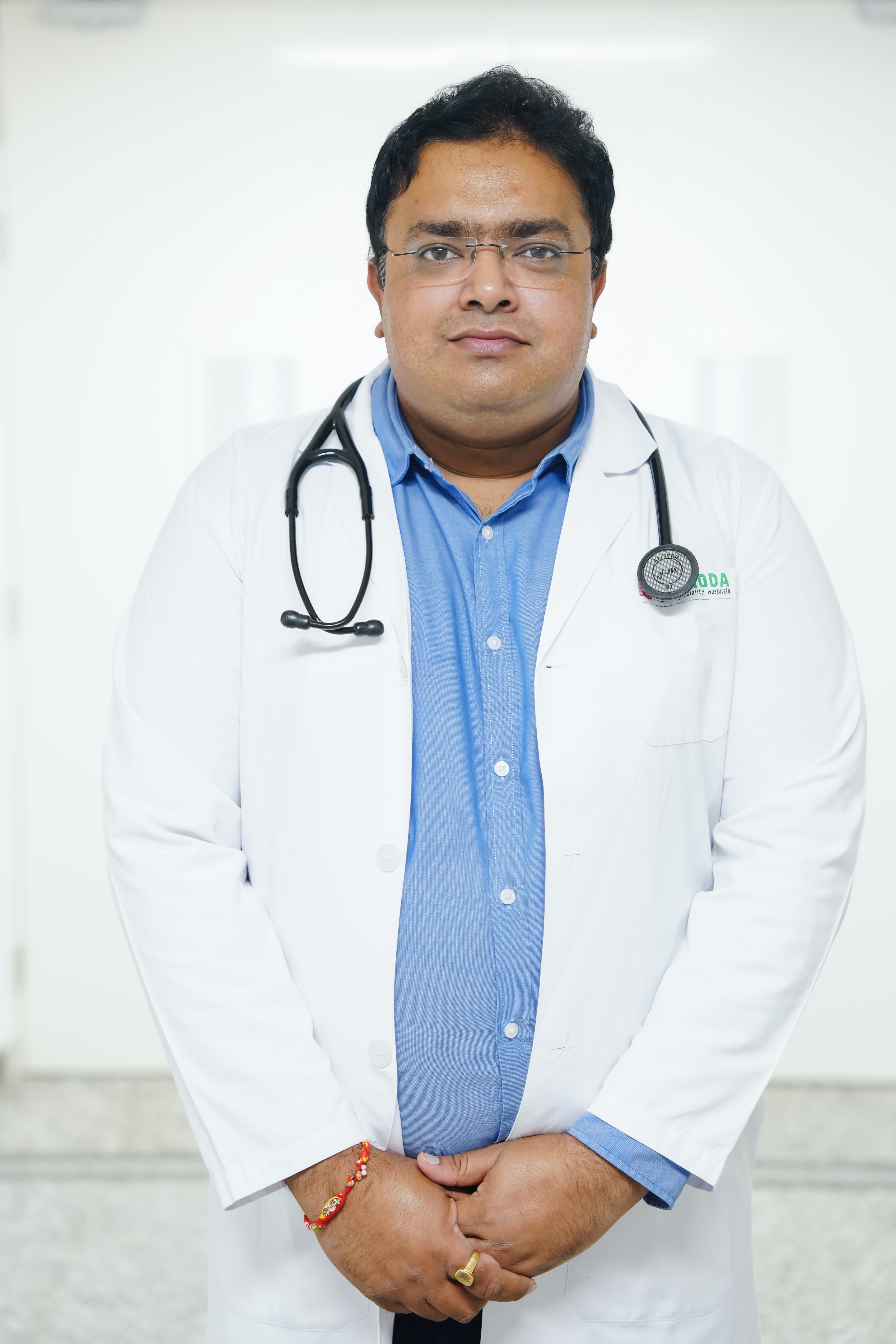
Dr. Abhishek Yadav
Director, Department of Medical Oncology
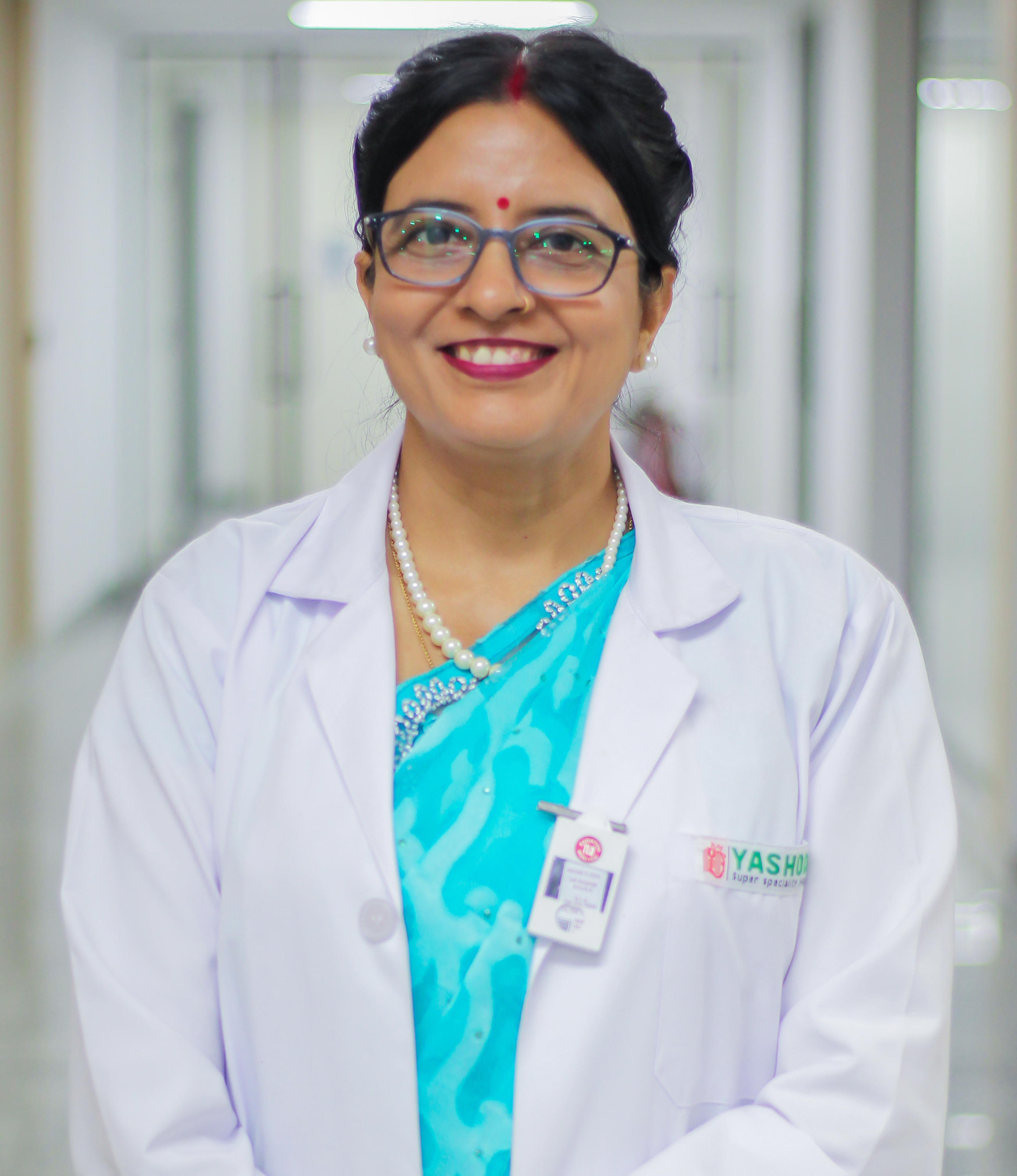
Dr. Rashmi Shukla
Principal Consultant – Radiation Oncology
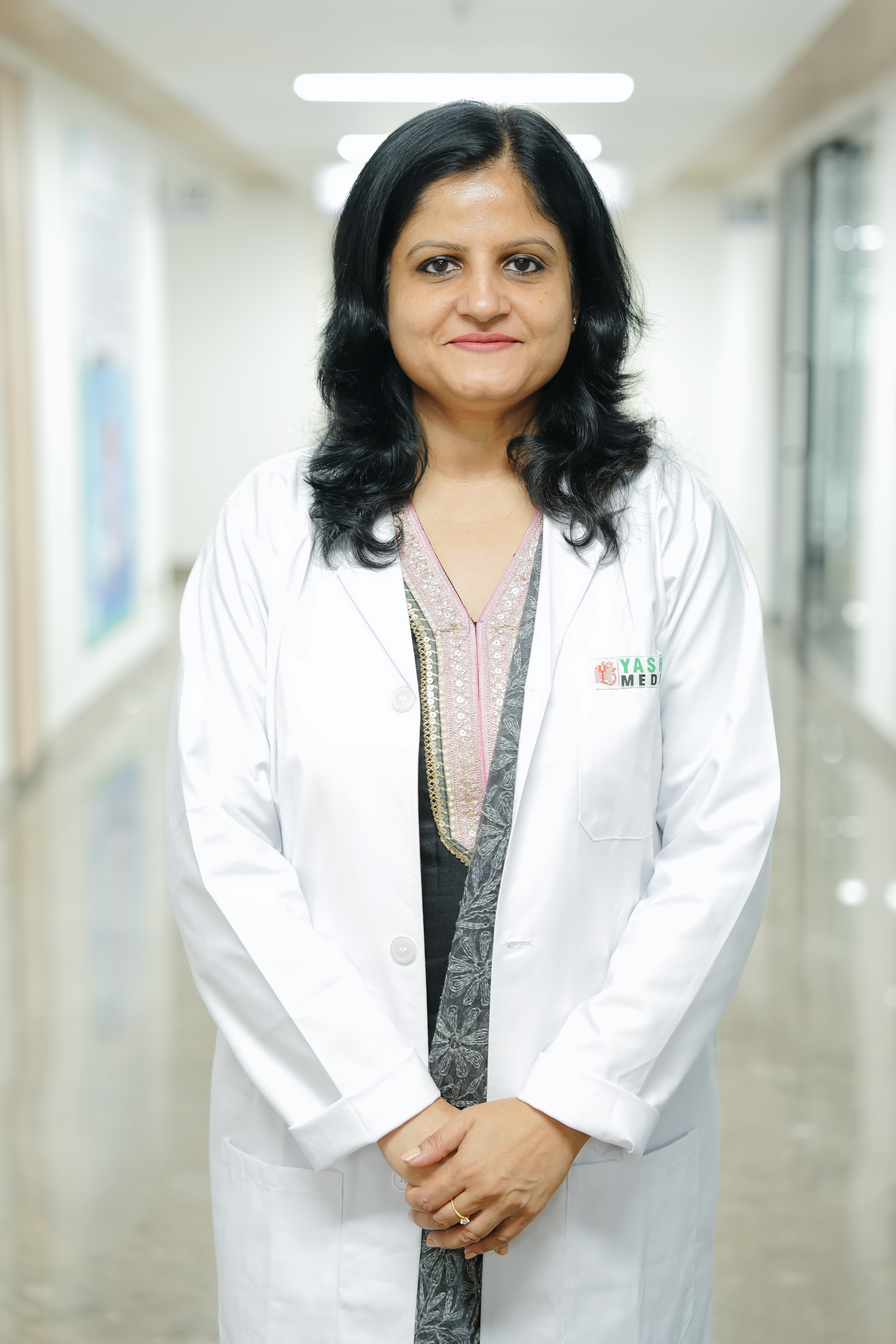
Dr. Karuna Jha
Senior Consultant - Hematology, Hemato-Oncology And Bone Marrow Transplant (Adult & Pediatrics)

Dr. Nikhil Tandon
Consultant, Orthopedics Oncology
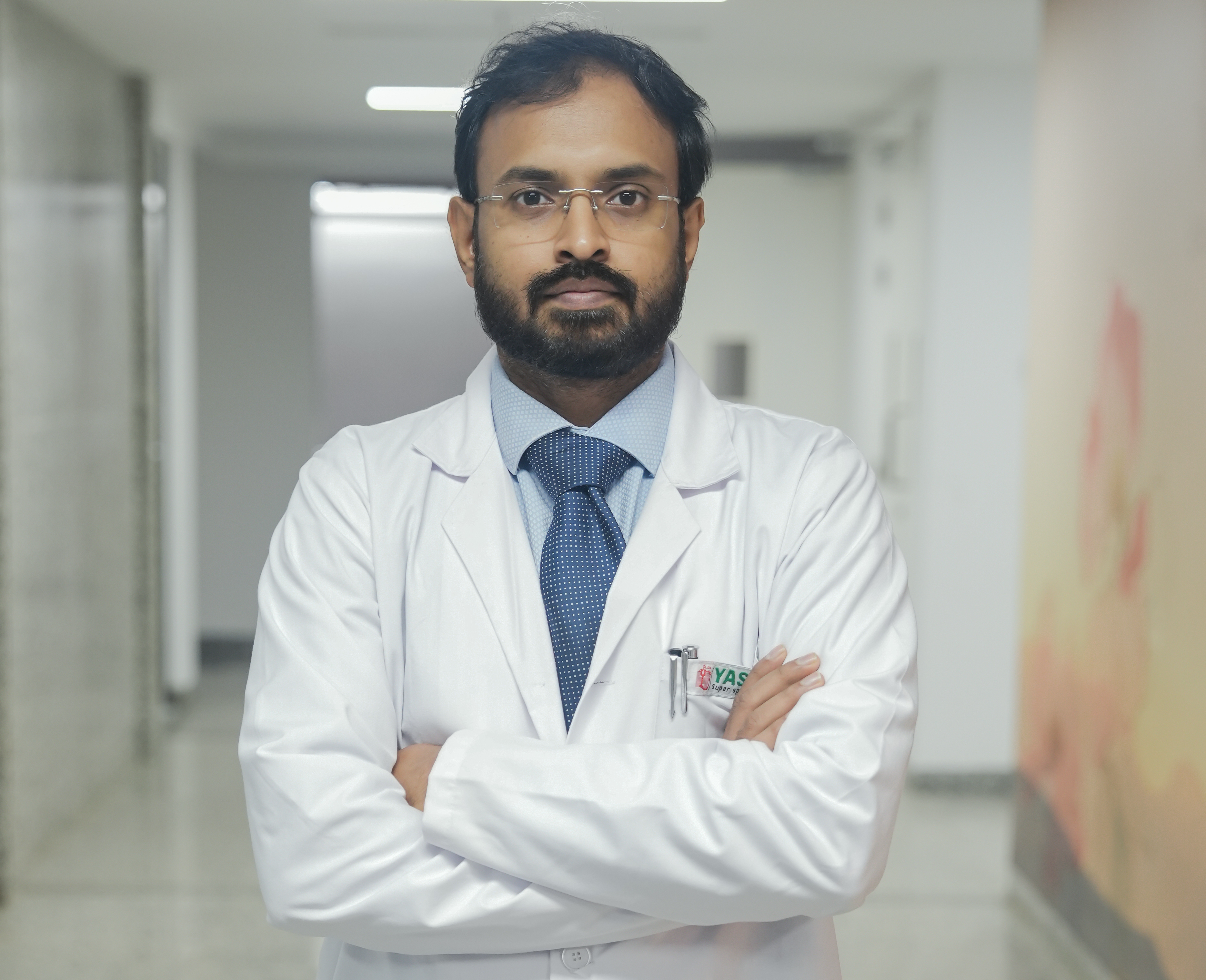
Dr. Sumanth Bollu
Consultant, Surgical Oncology- Head & Neck
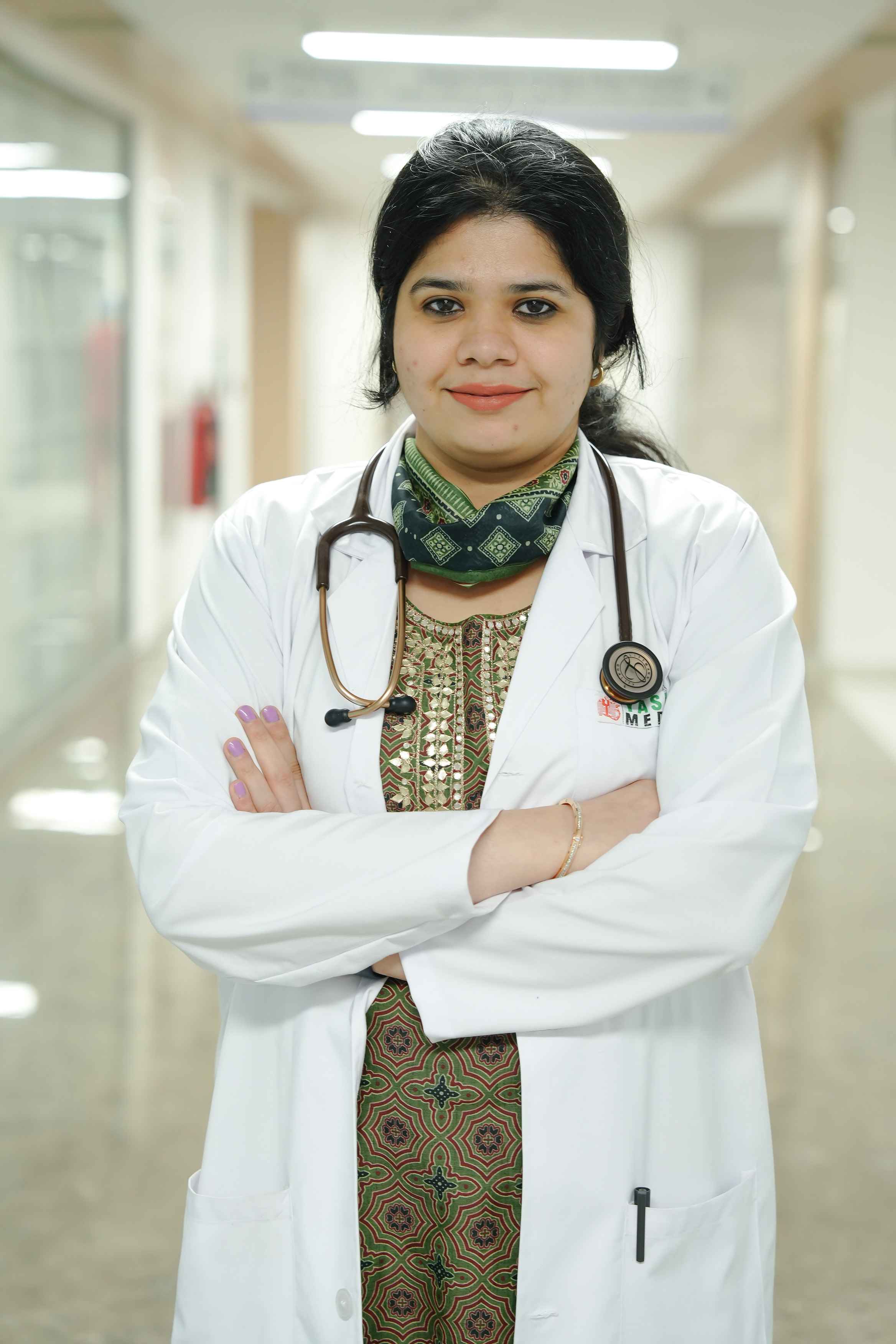
Dr. Nishtha Sachdeva
Consultant Medical Oncology
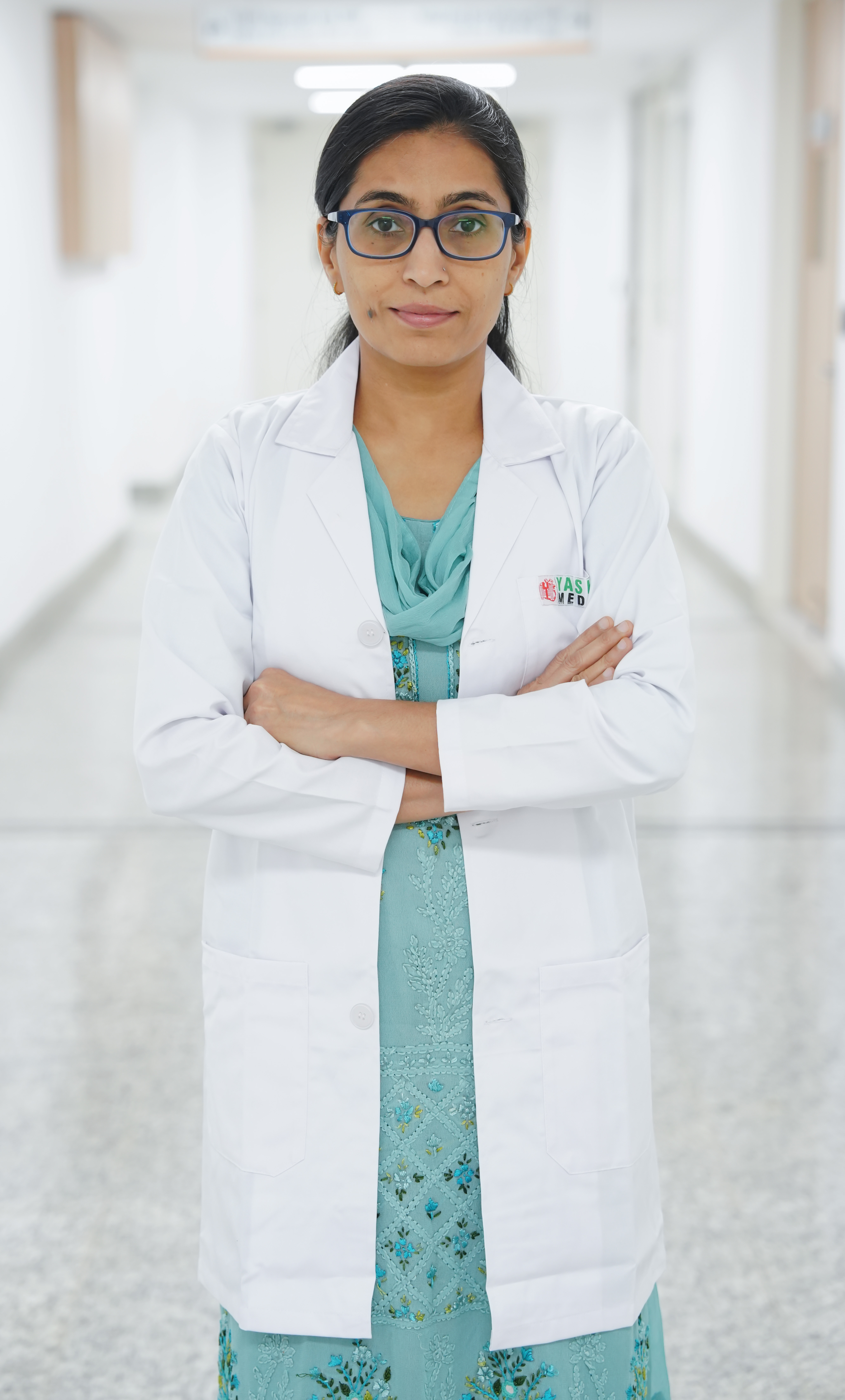
Dr. Hemlata Garg
Consultant, Gynecological Oncology & Robotic Surgery
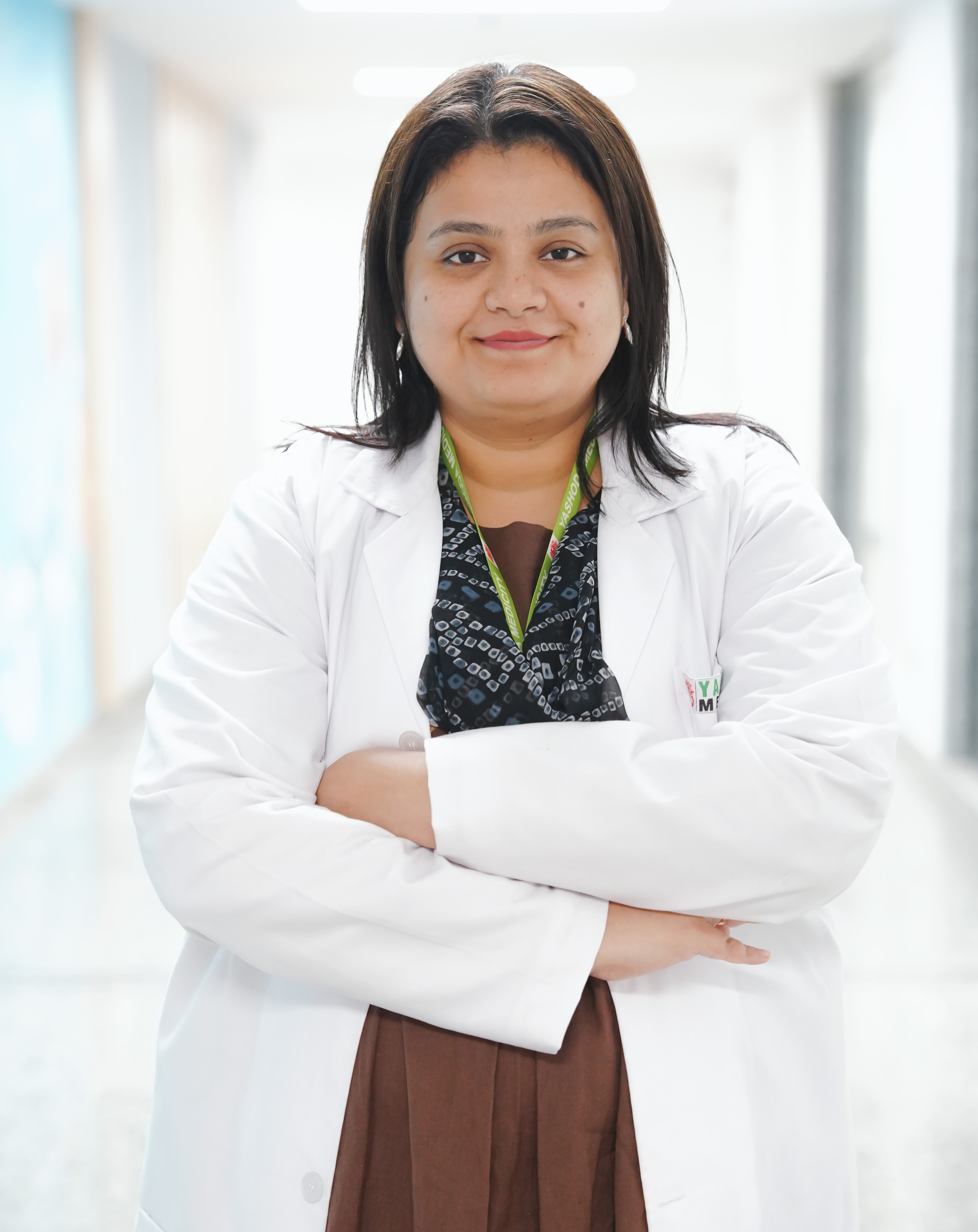
Dr. Ipshita Sahoo
Associate Consultant - Gynecologic Oncology & Robotic Surgery

Dr. Jigar Paghadar
Junior Consultant - Surgical Oncology and Robotic Surgery
Surgical Oncology Hospital in Delhi
Surgery remains one of the most powerful tools in the fight against cancer, offering the possibility of cure, long-term disease control, and accurate staging for many tumour types. The objective is not just tumour removal, but rather it is tumour removal with clear oncological margins, appropriate lymph node management, accurate intraoperative staging, and a surgical plan that is coordinated among departments.
It requires precise planning, specialised expertise, and a deep understanding of cancer biology to ensure complete tumour clearance while protecting surrounding organs and quality of life. The Surgical Oncology Department at Yashoda Medicity provides specialist cancer surgery across all organ systems.
Cancers We Treat Surgically
The team of the surgical oncology hospital in Delhi performs cancer surgery for:
- Breast Cancer: Breast-Conserving Surgery, Mastectomy, and Oncoplastic Reconstruction
- Head and Neck Cancers: Oral, Oropharyngeal, Laryngeal, Thyroid, and Salivary Gland Cancers
- Gastrointestinal Cancers: Oesophageal, Gastric, Colorectal, Anal, Small Intestine, and Appendiceal Cancers
- Liver, Pancreatic, and Biliary Cancers: Including Gallbladder and Ampullary Carcinomas
- Genitourinary Cancers: Kidney, Bladder, Prostate, Penile, and Testicular Cancers
- Gynaecological Cancers: Ovarian, Uterine, Cervical, and Vulvar Cancers
- Soft Tissue and Bone Sarcomas: Including Retroperitoneal Sarcomas
- Lung and Thoracic Tumours: Including Mediastinal Tumours and Thymoma
- Skin Cancers and Melanoma
- Endocrine Tumours: Thyroid, Adrenal, and Neuroendocrine Tumours
- Central Nervous System Tumours: Brain and Spinal Tumours (surgical indications)
- Peritoneal Surface Malignancies: Including Pseudomyxoma Peritonei and Peritoneal Carcinomatosis
- Metastatic Disease Requiring Surgical Intervention
When to Consult a Cancer Surgery Specialist in Delhi
A surgical oncologist is involved in treatment planning from the point of cancer diagnosis. You should consult a surgical oncologist if:
- A cancer diagnosis has been confirmed, and surgery is being considered as part of the treatment plan
- A tumour board or treating oncologist has recommended surgical resection
- You have been told surgery is not possible, and you want a specialist's second opinion on surgical options
- A previously operated cancer has recurred, and re-resection is being evaluated
- Complex reconstruction is required alongside tumour removal
- You are seeking a minimally invasive or robotic surgical approach for a cancer procedure
- Neoadjuvant chemotherapy or radiation has been completed, and surgical planning needs to begin
- A second opinion on a surgical oncology treatment plan is being sought
Advanced Treatment at Surgical Oncology Hospital in Delhi
Open Surgery
If the tumour is large or complex and requires resection of multiple involved structures, open surgery is the preferred approach. The surgical oncology team performs open resections across all organ systems where minimally invasive approaches are inadequate or unsafe.
Minimally Invasive Surgery
The cancer hospital in Delhi prefers laparoscopic, thoracoscopic, and endoscopic techniques, as they allow effective tumour clearance through small incisions, thereby reducing operative trauma, blood loss, infection risk, and recovery time compared to open surgery.
Organ-Preserving Oncological Surgery
Where clinically appropriate, the surgical team prioritises organ preservation techniques to maintain function without compromising oncological safety, especially in breast, rectal, and head and neck cancers.
Robotic-Assisted Cancer Surgery
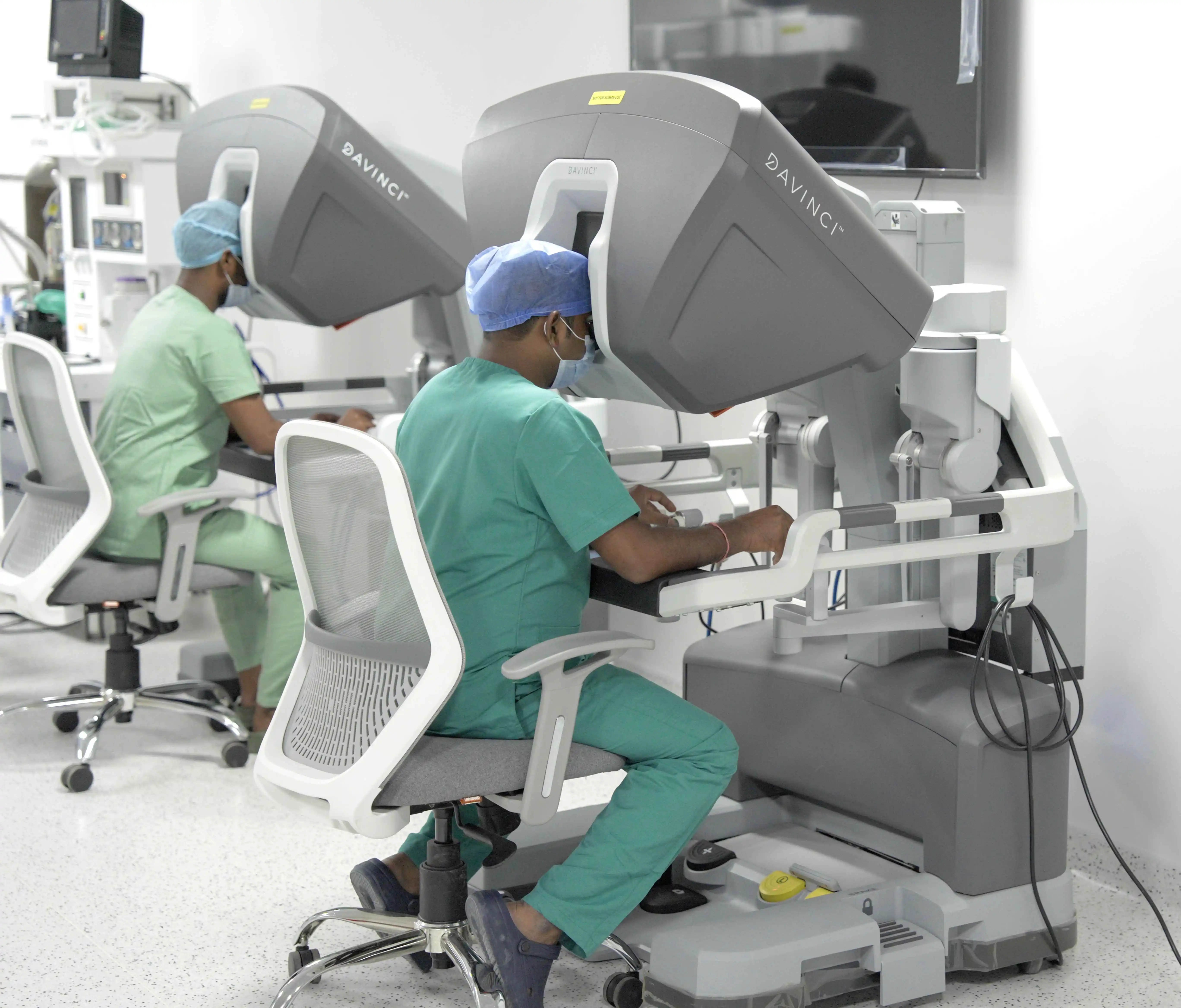
Robotic surgery extends what minimally invasive oncological surgery can achieve, particularly in confined anatomical spaces where laparoscopic instruments have limitations in dexterity and visualisation. The da Vinci Xi Robotic Surgical System provides the surgical team with a high-definition, three-dimensional view of the operative field, robotic instrumentation with a greater range of motion than conventional laparoscopic tools, and tremor filtration that ensures smooth, controlled dissection throughout complex procedures.
Palliative Cancer Surgery
In advanced or metastatic cases, surgery may be performed to relieve symptoms such as obstruction, bleeding, or pain, improving quality of life even when curative surgery is not possible.
Re-operative and Salvage Surgery
Specialist surgical planning is used for recurrent cancers requiring complex resection after prior surgery, radiation, or chemotherapy.
In a surgical oncology hospital in Delhi, these capabilities are particularly relevant for procedures where precision at the margin is critical, such as nerve-sparing prostatectomy, rectal cancer resection with sphincter preservation, complex pelvic dissections, and hepatobiliary procedures in confined abdominal anatomy.
Oncoplastic and Reconstructive Surgery
Tumour removal and reconstruction are planned together instead of being sequential. The aim is to preserve as much of the affected area as possible, removing only the cancerous tissue. Where tissue is removed, immediate reconstruction is planned. The reconstructive plan is part of the surgical plan from the outset.
Lymph Node Management
Accurate lymph node assessment is a core component of oncological surgery for determining staging, guiding adjuvant treatment decisions, and in some cancers directly affecting survival. Where full lymph node dissection is indicated, the extent is determined by clinical and intraoperative findings rather than being applied uniformly to every case.
State-of-the-Art Surgical Oncology Facilities
da Vinci Xi Robotic Surgical System
The da Vinci Xi Robotic Surgical System is used across the full range of robotic-assisted oncological procedures at Yashoda Medicity. EndoWrist instrumentation replicates the range of motion of the human wrist with greater precision and stability inside the body. The high-definition three-dimensional operative view provides depth perception and anatomical clarity that standard laparoscopic imaging cannot match. Tremor filtration ensures consistent, controlled dissection throughout complex procedures. The system is in active use across genitourinary, gynaecological, gastrointestinal, and general surgical oncology.
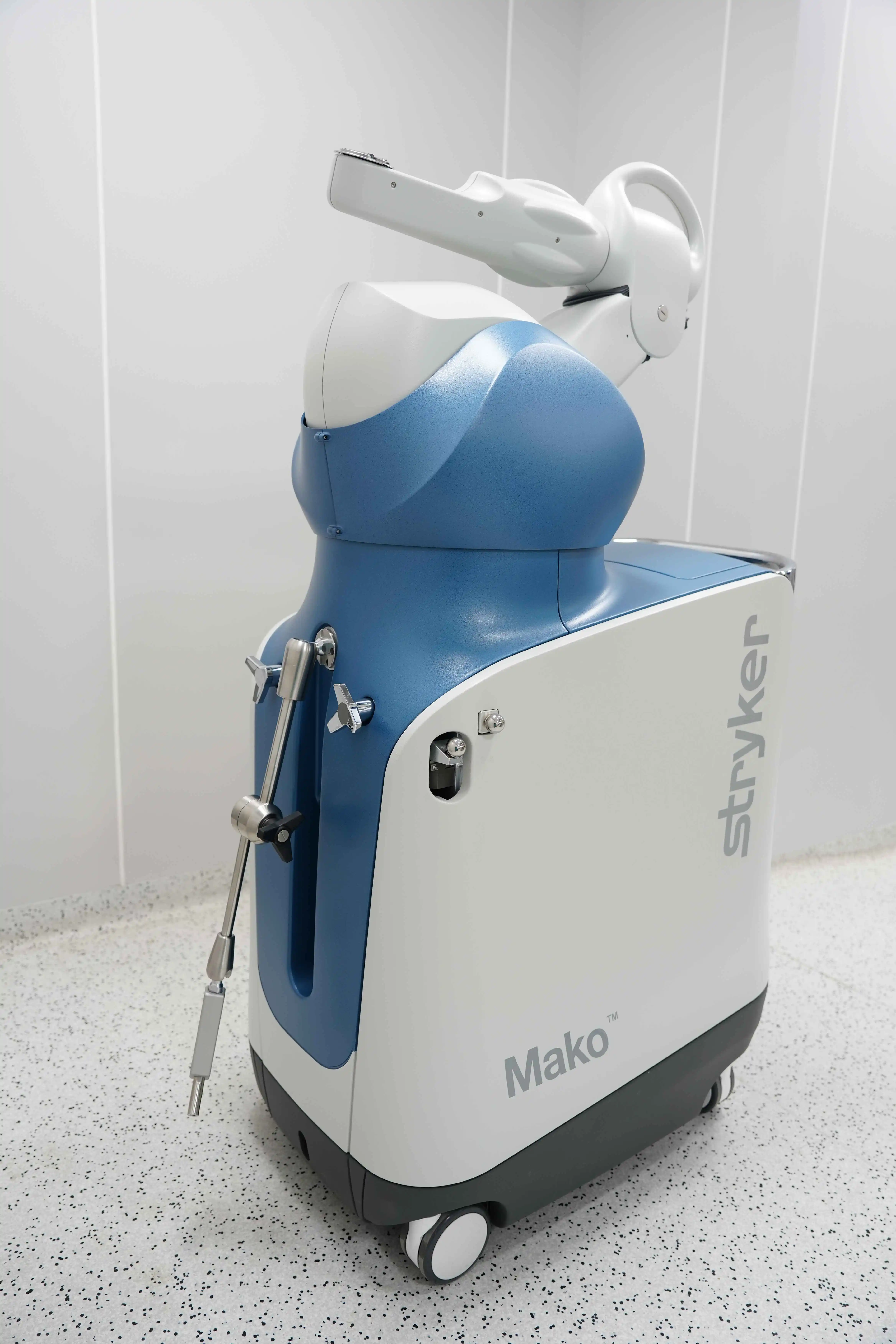
Mako SmartRobotics for Orthopaedic Oncology
For bone tumour resection and reconstruction involving major joints, Mako SmartRobotics provides pre-operative three-dimensional planning using CT-based anatomical modelling and intraoperative haptic guidance during resection. AccuStop technology restricts the surgical instrument within predefined boundaries, protecting healthy bone and soft tissue while ensuring the resection margin follows the planned boundary with sub-millimetre accuracy. This precision is particularly relevant in orthopaedic oncology, where the margin between oncological clearance and functional preservation is narrow.
Medtronic O-Arm for Spine Oncology
The O-arm provides real-time intraoperative two-dimensional and three-dimensional imaging for spinal tumour resections and instrumentation procedures. Integration with surgical navigation platforms tracks instrument position against pre-operative imaging data, allowing the surgical team to operate with precision in the complex anatomy of the spine, where implant malpositioning or inadequate tumour resection can have severe consequences. It is used for spinal tumour resections, vertebral stabilisation procedures, and revision spine oncology cases.
Advanced Laparoscopic Platforms
High-definition laparoscopic towers with three-dimensional and four-dimensional imaging capabilities support minimally invasive oncological procedures across gastrointestinal, genitourinary, and thoracic surgery. The imaging quality provided by these systems, superior to standard high-definition laparoscopy, directly improves the surgical team’s ability to identify and preserve critical structures during oncological dissection.
Intraoperative Pathology — Frozen Section
Intraoperative frozen section examination of surgical margins allows the team to confirm clear margins before closure, reducing the rate of positive margins that may alter post-operative management or require revision surgery. For cancers where margin status is a primary determinant of local recurrence risk, this intraoperative confirmation is clinically significant.
Supportive and Rehabilitative Care
Post-operative rehabilitation, physiotherapy, nutritional support, and psychological care are integrated into the surgical oncology pathway. For patients undergoing major resections, oesophagectomy, gastrectomy, pelvic exenteration, or major limb surgery, structured rehabilitation begins as early as clinically appropriate and continues until the patient achieves optimal functional recovery.
Patient Journey at the Surgical Oncology Hospital in Delhi
- Consultation and Staging: The first step is consultation with a surgical oncologist, where diagnosis, treatment options, staging, and biopsy findings are discussed.
- Tumour Board Review: Following evaluation, the case is reviewed by a multidisciplinary tumour board to finalise and approve the treatment plan.
- Neoadjuvant Treatment: If required, chemotherapy or radiation is administered before surgery to downstage the tumour, improve resectability, or reduce the extent of surgery.
- Surgery: Tumour resection is performed as per the pre-operative plan, open, laparoscopic, or robotic, with reconstruction where required. Intraoperative frozen section confirms margin status.
- Adjuvant Treatment: Post-operative chemotherapy or radiation is delivered where indicated, based on pathological findings and tumour board recommendations.
- Follow-Up: Structured surveillance includes clinical review and imaging at defined intervals to monitor for local recurrence, distant spread, and functional recovery.
Why Choose Yashoda Medicity for Surgical Oncology in Delhi?
- Advanced Tech and Co-ordinated Care Under One Roof. The advanced technology serves the specific cases. The Da Vinci Xi for soft tissue oncological surgery, Mako for orthopaedic oncology, and the O-arm for spine oncology.
- Reconstruction planned alongside resection. Oncoplastic breast surgery, free flap reconstruction for head and neck and soft tissue defects, and bony reconstruction for orthopaedic oncology cases are all planned as part of the surgical plan and not arranged after the oncological objective has been met.
- Minimally invasive as the default where appropriate. Laparoscopic and robotic approaches are used wherever the tumour and anatomy allow, which provides consistent outcomes of smaller incisions, faster recovery, and earlier return to adjuvant treatment.
- Multidisciplinary Tumour Board: Treatment plans are reviewed collaboratively by surgical oncologists, medical oncologists, radiation oncologists, radiologists, pathologists, and reconstruction specialists to ensure that every patient benefits from a consensus-driven approach, with surgery, systemic therapy, radiation, and reconstruction integrated into a single treatment strategy.
Book Your Consultation Today
Tumour removal surgery in Delhi is an oncologically planned resection with clear margins, appropriate nodal management, coordinated multimodal treatment, and reconstruction.
The Surgical Oncology Department at Yashoda Medicity provides specialist cancer surgery across all organ systems. Call us today: 9266610101
 Call: +91 9266610101