 Open Emergency Modal
An acute lower respiratory tract infection that often inflames tiny air sacs in one or both lungs, causing them to accumulate fluid, cellular debris, and purulent exudate. Taking proactive steps to monitor respiratory health, recognise subtle early warning signs, and seek timely clinical intervention is essential to prevent severe lung tissue damage, systemic complications, and acute oxygenation failure.
At Yashoda Medicity, our multi-specialty clinical team provides comprehensive diagnostic evaluations, individualised therapy, and advanced respiratory support to help every patient achieve full pulmonary recovery and long-term vitality.
Microscopic air sacs called alveoli rely on thin membrane walls to exchange life-sustaining oxygen and carbon dioxide with the bloodstream. When bacterial, viral, or fungal pathogens bypass upper respiratory defences and settle deep within lung structures, local immune responses trigger intense tissue swelling and excessive fluid secretion.
When an individual has severe pulmonary consolidation, a detailed pneumonia diagnostic evaluation is essential to assess consolidation levels, identify specific causative microorganisms, and restore efficient oxygenation. Understanding how lower respiratory inflammation progresses helps individuals recognise the importance of early clinical screening and take proactive steps to support long-term pulmonary wellness.
Inflammatory changes deep within the pulmonary air sacs often begin with general fatigue or mild shivering before developing into intense, localised chest discomfort. Specific signs emerge as fluid accumulates across lung segments or limits overall oxygen absorption.
While mild upper respiratory viral irritation often resolves with rest at home, deep lung infections require immediate, specialised clinical evaluation. At Yashoda Medicity, our team of experienced pulmonologists, critical care specialists, and internal medicine physicians provides thorough diagnostic assessments to establish personalised care pathways for every patient.
Specialised medical consultations help clinical teams distinguish uncomplicated viral bronchitis from severe, multi-lobar pulmonary consolidation that requires intensive care.
Accurate clinical assessment underpins every successful respiratory care pathway. Comprehensive diagnostic checks allow medical teams to measure lung volumes, visualise tissue consolidation, and identify underlying infectious triggers before starting targeted treatment. Before outlining long-term care plans, clinical specialists perform thorough evaluations to map each patient's pulmonary profile.
These diagnostic evaluations help healthcare teams design precise medical protocols tailored to each patient's pulmonary condition.
When lower respiratory infections spread through lung tissue, seeking specialised Pneumonia Treatment in Ghaziabad provides a structured, safe path to complete pulmonary clearance and recovery. Physicians choose specific treatment strategies based on diagnostic results, overall respiratory health, and personal medical history.
Specialists prescribe targeted intravenous or oral antibiotics when lab tests confirm a bacterial lung infection. For viral or atypical presentations, physicians start specific antiviral drugs and supportive anti-inflammatory measures to reduce inflammation in swollen alveolar tissues.
For patients experiencing reduced oxygen saturation or mild respiratory exhaustion, physicians provide high-flow nasal oxygen or non-invasive positive pressure ventilation. Precise oxygen delivery maintains vital blood saturation levels without requiring invasive mechanical ventilation.
When fluid accumulates in the pleural cavity around infected lungs, interventional pulmonologists perform ultrasound-guided thoracentesis or place a chest tube. Removing trapped fluid relieves pressure on the lungs, improves breathing capacity, and reduces the risk of long-term pleural scarring.
In cases of acute respiratory distress syndrome, severe sepsis, or severe respiratory failure, immediate transfer to specialised respiratory intensive care units ensures continuous invasive monitoring and advanced mechanical life support.
Long-standing or severe lung infections can interact with other systemic and pulmonary conditions if left unmanaged. Identifying interconnected respiratory issues early ensures comprehensive care protocols begin before structural lung changes occur.
Understanding these interconnected health risks encourages individuals to keep regular follow-up visits and strictly adhere to prescribed treatment goals.
Healthy daily habits play a pivotal role in supporting lung recovery, improving medication effectiveness, and protecting overall pulmonary wellness. Combining clinical guidance with practical daily adjustments helps sustain clear breathing naturally.
A structured pulmonary rehabilitation program helps rebuild physical endurance, strengthen breathing muscles, and restore daily functional stamina under expert guidance. Consuming wholesome, nutrient-rich meals supports immune system recovery, while drinking plenty of warm fluids thins lower lung secretions for easier clearance. Avoiding tobacco smoke exposure, practising gentle deep-breathing exercises, staying up to date with preventive vaccinations, and maintaining good hand hygiene further support ongoing respiratory protection.
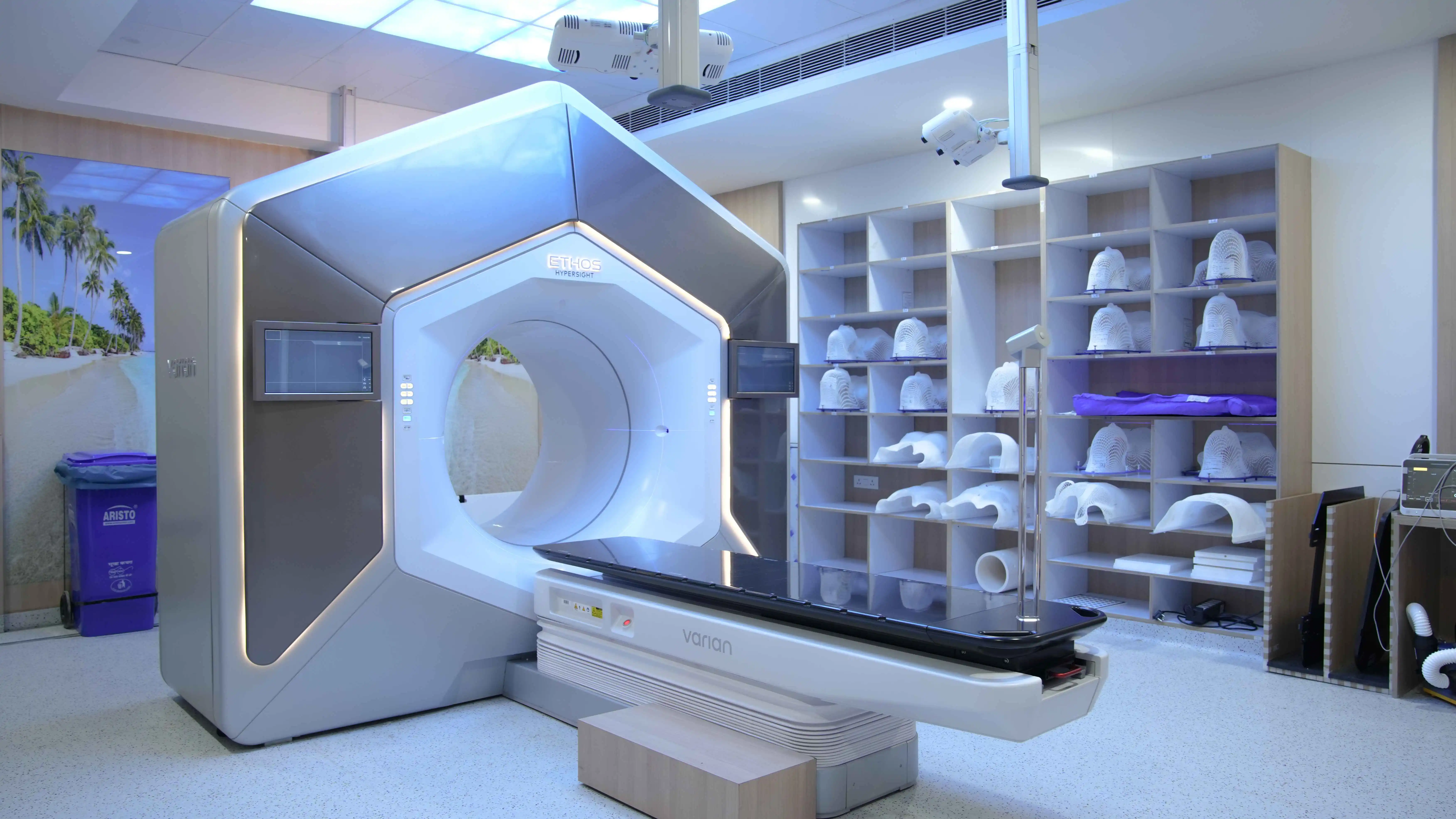
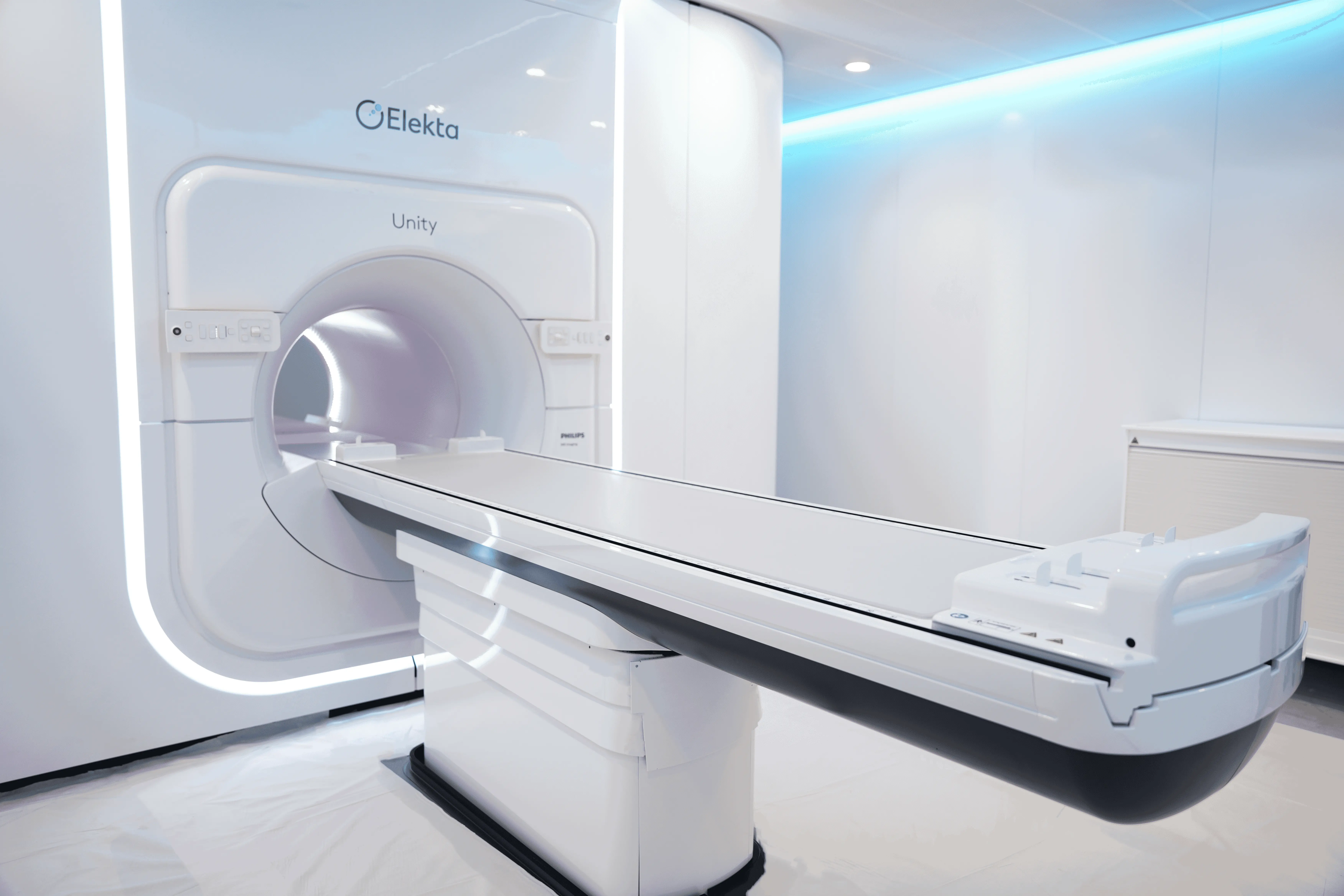
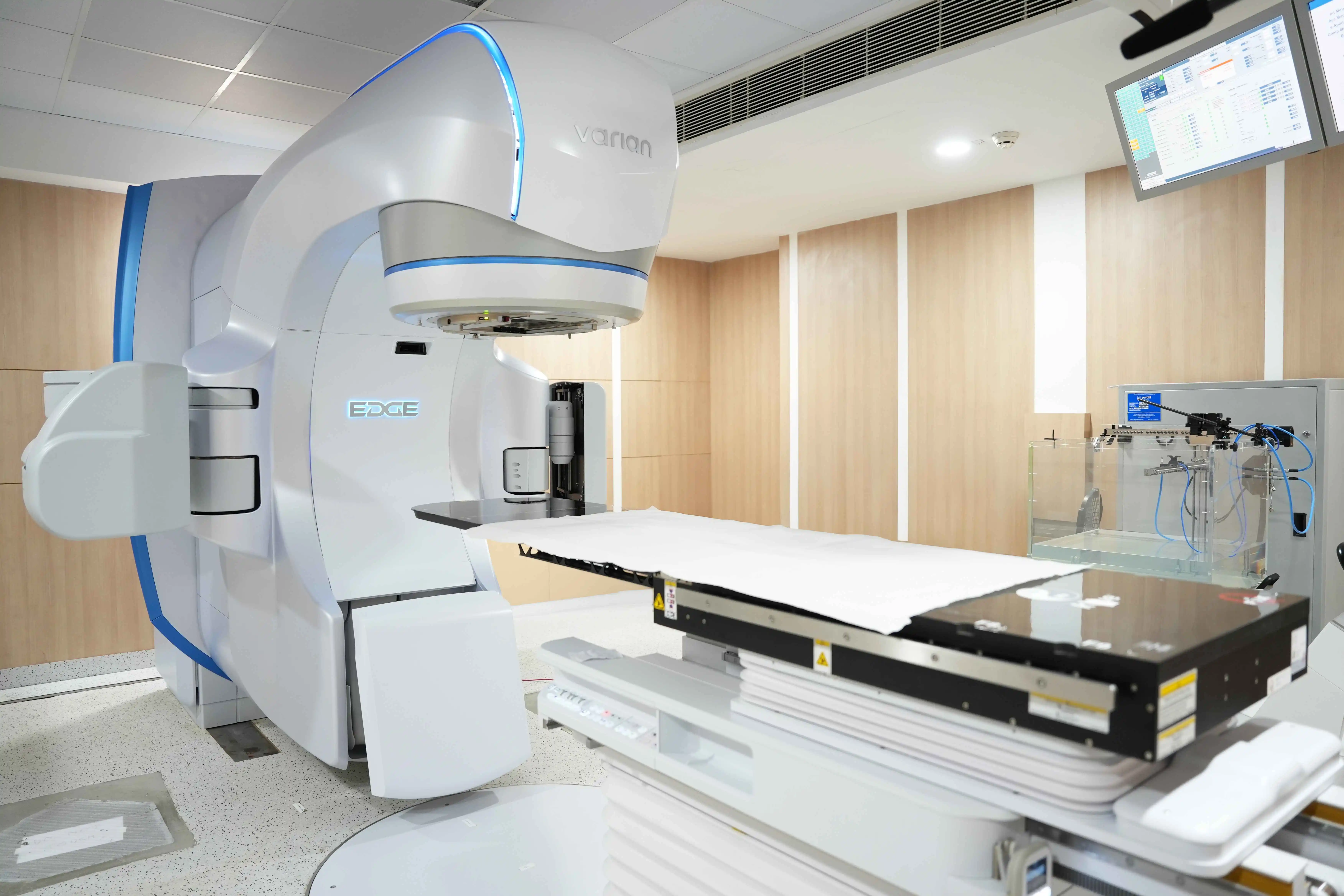
At Yashoda Medicity, our pulmonology, critical care, and interventional radiology teams utilise modern diagnostic infrastructure to maintain precision when evaluating complex lung infections.
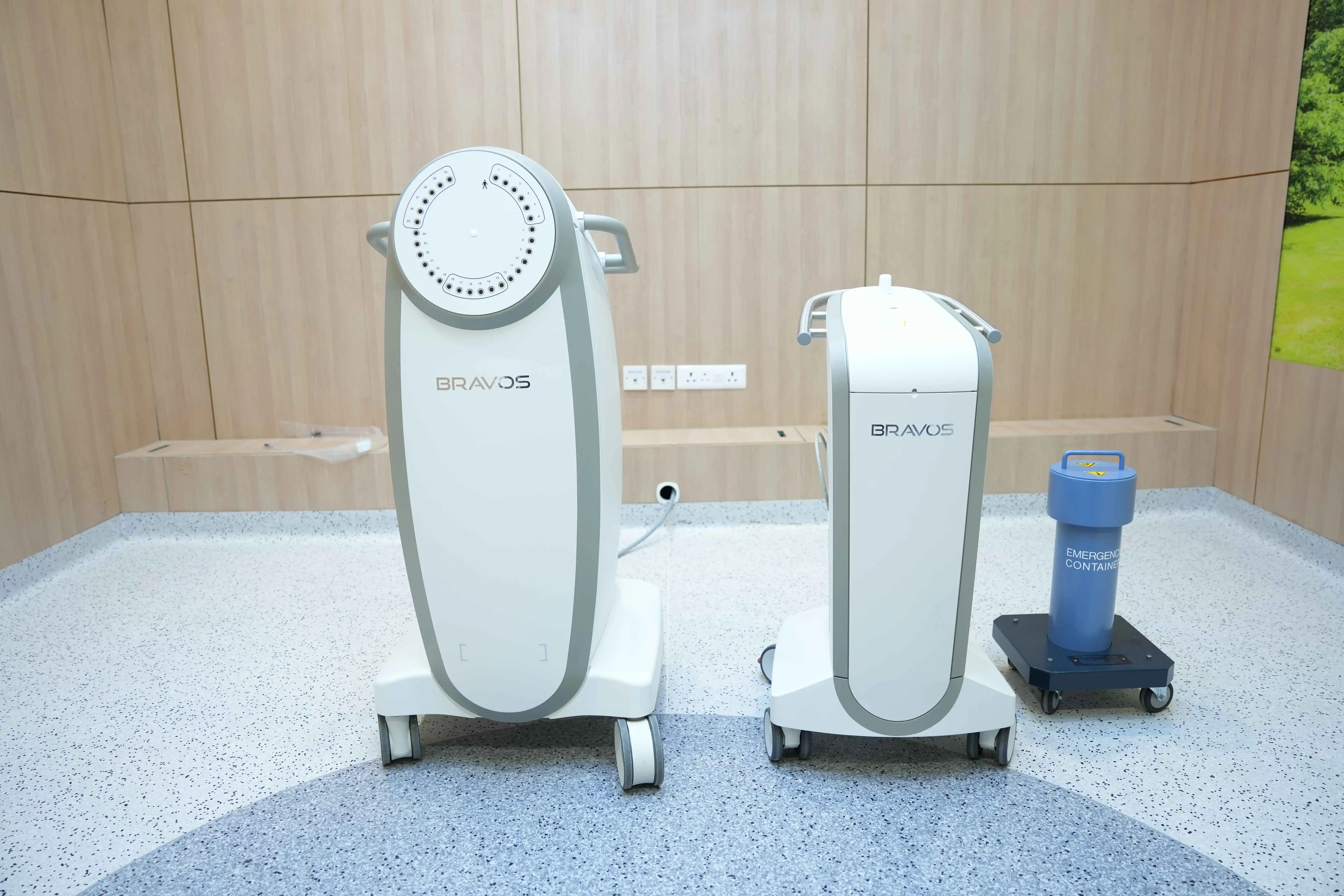
High-precision laboratory analysers rapidly process blood and sputum samples, delivering accurate microbiological and immunological parameters to guide targeted medication choices. Modern non-invasive body plethysmography equipment, bedside pulmonary ultrasound, and high-definition video bronchoscopy tools allow specialists to evaluate lung consolidation and clear obstructed airways with exceptional clarity. These advanced diagnostic assets ensure every treatment plan relies on clear, real-time medical data.
Achieving complete pulmonary recovery after surviving a severe lower respiratory infection requires active patient participation, proper medication use, and regular clinical tracking.
Following these practical recommendations helps prevent recurrent infection flare-ups, protects delicate pulmonary tissue, and supports sustained physical vitality.
Undergoing structured clinical care offers lasting relief from exhausting coughing fits, chest soreness, and severe breathlessness, helping individuals return to an active, fulfilling lifestyle.
With clear lung fields and restored oxygenation, patients experience improved daily stamina, better sleep quality, and peace of mind knowing their respiratory health is fully protected. Consulting skilled pulmonologists provides access to personalised secondary prevention strategies, vaccination guidance, and long-term care plans tailored to protect pulmonary strength year-round.
Selecting a healthcare institution equipped with modern pulmonary function laboratories, multi-specialty OPDs, dedicated respiratory ICUs, and round-the-clock emergency support ensures seamless medical management. Having experienced pulmonologists, critical care specialists, thoracic surgeons, and specialised respiratory therapists under one roof provides patients with coordinated, life-saving care.
Receiving personalised care for Pneumonia Treatment in Ghaziabad, with collaborative clinical support, ensures each care plan addresses individual health requirements, minimises pulmonary risks, and promotes sustained physical recovery.
Timely diagnostic evaluation, accurate microbiological profiling, and structured medical management provide a clear path towards clearing lower respiratory infections and protecting vital lung function. Modern clinical protocols make pulmonary care safe, precise, and highly effective in supporting long-term physical strength. For individuals seeking dependable, expert care for Pneumonia Treatment in Ghaziabad, Yashoda Medicity delivers comprehensive respiratory support through skilled medical specialists, advanced diagnostic infrastructure, and compassionate, patient-centred care.
 Verified
 More
Group Director
Clinical Services, Respiratory & Sleep Medicine and Critical Care
Director
Yashoda Institute of Respiratory Medicine and Interventional Pulmonology
Director
Pulmonology
Senior Consultant
Yashoda Institute of Respiratory Medicine and Interventional Pulmonology
Attending Consultant
Yashoda Institute of Respiratory Medicine and Interventional Pulmonology

Visiting Consultant
Yashoda Institute of Respiratory Medicine & Interventional Pulmonology
We welcomed our baby boy on 4th November 2026 at Yashoda Medicity, Indirapuram, and our experience was truly wonderful, comforting, and memorable. The hospital's environment deserves special appreciation It is exceptionally clean, peaceful, vibrant, and child-friendly. Entering the hospital almost feels like entering a temple, with beautiful idols of deities... Read more
I recently visited the department regarding a consultation for a fatty liver condition, and I would like to place on record my appreciation for the exceptional organization and management of the facility. The entire department is remarkably well-organized, ensuring a seamless and hassle-free experience for patients from registration through consultation.... Read more
I was suffering from the problem of fluid in my lungs. I consulted many physicians but found no solution. Then I consulted Dr Rajesh Gupta and his team at Yashoda Medicity Indirapuram. He diagnosed my disease accurately by EBUS-TBNA and provided best treatment because of which now I feeling healthy... Read more
Excellent consultation with Dr. J. B. Sharma. He was approachable, attentive, and made me feel at ease throughout the appointment. All my concerns were addressed in detail, and the nursing staff was caring and efficient. I would definitely recommend him.
Excellent hospital with caring staff and outstanding medical services. Special thanks to Dr. Vaibhav Saxena for successfully performing my husband's surgery with great expertise and care. We are truly grateful for the excellent treatment and support for doctor Vaibhav saxena 🙏💐
It was a very good experience, I had a cholecystectomy. All the doctors including surgeon, anesthetic, nursing and housekeeping staff were very supportive. I was admitted for 24 hours. Quick and very fast recovery. Under Dr P.K.Dewan, sir is very humble and nice.
A tremendous job has been done by Dr. Amit Sharma. I met with an accident in which the ACL ligament of my left knee was completely torn. I met Dr. Amit Sharma then he analysed the situation and told us about the procedure and the time period to recover from... Read more
I am truly grateful for the wonderful care I received at the hospital. From the moment we entered, the staff treated my father with kindness, respect, and patience. Doctors explained everything clearly and made us feel safe. Nursing staff were always attentive, cooperative and helpful. The rooms were clean, calm,... Read more
We would like to express our heartfelt gratitude to Dr. Namita dutta nigam and her entire team at yashoda Super Speciality Hospitals, Kaushambi ,for the exceptional care provided to my wife, Mrs. Shilpa tyagi during her emergency delivery. My wife delivered premature twins (a baby boy and a baby girl)... Read more
Highly Grateful for Dr. Sudhir Tyagi and Team! My father recently underwent herinoplastice surgery at Yashoda Super Speciality Hospitals Kaushambi, He took the time to explain the entire procedure and what to expect during recovery. The surgery was highly successful, and my father is recovering well. A special thank you... Read more
My daughter was admitted to the ICU at Yashoda Super Speciality Hospitals, Kaushambi, and our family went through a very difficult time. We are deeply grateful to the doctors and ICU team for their dedication and care throughout her treatment. A special thanks to Dr. Girish for his timely guidance... Read more
I had a wonderful experience with my gynecologist Dr Preeti Agarwal throughout my pregnancy in 2019. She is extremely supportive, patient, and compassionate. She explains every concern clearly, making it easy to understand the treatment and next steps. She is also available on call whenever needed, which gave me great... Read more
I went for a routine gynecological check-up. Dr. Divya Arora is very knowledgeable and patiently addressed all my concerns. She also educated me on general health awareness, which we as women often overlook in this fast-paced world.
Also, almost all the departments are functioning well here.
All experience good, patient treatment was good, satisfied with all the services, nursing staff and doctors team also good and cooperative.
I had an excellent experience at Yashoda Hospital for my mother’s Total Knee Replacement Surgery. From a clinical perspective, Dr. Amit Sharma and his team were outstanding. Their expertise and professionalism were evident throughout the process, and they did a fantastic job with the surgery and post-operative care. Beyond the... Read more
We are extremely grateful to Dr. Gourav Thakral and Dr. Brajesh Koushle and their entire team for my father’s knee surgery. From the first consultation to the surgery and post-operative care, everything was handled with great professionalism, patience, and care. The doctors explained everything clearly, answered all our questions, and... Read more
I recently had an experience at Yashoda Medicity, Indirapuram, and I must say it is easily one of the most advanced healthcare facilities in the Delhi NCR region. From the moment you walk in, the international-standard infrastructure and the clean, organized environment stand out. The medical team is exceptional—highly professional,... Read more
Mr. Ajeet Kumar Verma from Yashoda Homecare provided satisfactory service of sample collection. Well behaved, humble & polite person
I had really good experience with Yashoda Home Care, the sample collection was very hygienically taken and pain-free, hassle-free. Mr. Ajeet was the phlebotomist.
Had a good experience with Ajeet Kumar Verma from Yashoda Home Care who supported me while I was looking for someone to dress my mom’s stitches. He is very professional and a caring person.
Great support and service by the Home care department. Everyone from Ms Niharika, Mr. Anoop to all the attendants including Mr. Natwar Pandey, Mr Inam and Mr. Ajit, all have been superbly supportive and helpful throughout. God bless you all and highly recommended.
Very good services in home care Yashoda hospital his ish Caretaker Deepanshu and Jatin and Satish is very good caretaker I have never seen better care takers in my life. And he is very polite behaviour and friend in nature Yashoda Super Specialty Hospitals Kaushambi service is very good according... Read more
The home care facility provided by the hospital is also good, the staff which was at home was cooperative.
Home care services are Good. Mr. सुनील Sajwan was cooperative and the केयर taker Mrs. Shushila's वर्क has been quite satisfactory.
Had a. Very good experience with Yashoda Homecare, Kaushambi. The staff was very cooperative with excellent on time services. I would like to give a special mention to Mr Sunil Sajwan (Sales) and Sushila ji (PCA) for their quick response and excellent services.
Fully satisfied Mr .Ajeet Kumar Verma service Yashoda home care . vry good
Was great to recieve the best homecare services from yashoda hospital and really impressed with Ms. Niharika's support at the initial phase followed by Mr. Natwar Pandey who was really supportive in taking care of my father basic daily needs.
Thanks for all the support
Dr. Manish Singhal is a highly knowledgeable and experienced doctor. When patients and their families panic on hearing a word like ‘cancer’, Dr. Manish explains everything with such logic, scientific clarity and warmth that their anxiety eases. He has provided excellent treatment for my son’s Burkitt lymphoma. Dr. Manish and... Read more
An Extraordinary Orthopedic Surgeon with Unmatched Expertise Dr. Amit sharma sir is truly a lifesaver and an outstanding orthopedic specialist. After my severe accident, my injuries were extensive, and I was in urgent need of expert care. Dr. Amit sharma sir’s incredible skill in assessing and treating my complex fractures... Read more
I recently visited Yashoda Medcity Indirapuram for a gynecology appointment, and my experience was excellent. The doctor was very polite, patient, and attentive, taking the time to listen to all my concerns and explain everything clearly. The staff was helpful, and the overall process—from registration to consultation—was smooth and well-organized.... Read more
I had my sister’s surgery done at Yashoda Medcity under Dr. Pradeep Diwan, and I’m extremely satisfied with the overall experience. Dr. Diwan is highly skilled, patient, and explains everything clearly, which made me feel very comfortable and confident throughout the process. The hospital staff was also very supportive —... Read more
My mother, Veena Tandon, was admitted here with severe chest pain. Dr. Manish Aggarwal and his team handled the situation with great care and professionalism. From quick diagnosis with ECG, echo, and CT angiography to patiently explaining the treatment options, everything was managed very smoothly. The doctor’s expertise and compassionate... Read more
I had an exceptionally positive experience with Dr. Sumanth Bollu. His expertise in surgical oncology is evident from the very first consultation. He explains every detail with remarkable clarity and patience, making sure the patient and family feel fully informed and reassured.
I must say services in this hospital is top notch. This hospital has very good ambience and nice environment. OPD staff in medicine OPD is very coordinative and supportive. Doctor Vinay Bhat is excellent in his field and treating their patients.
The best hospital with the most amazing doctors! I had a wonderful experience throughout my pregnancy and delivery. Dr. Samreen Zehra is truly the best gynecologist I’ve ever met — she explained everything clearly and provided not just medical care, but also technical, moral, and emotional support at every step.... Read more
I had consultation with Dr. Ankur Goswami for spine surgery. I had a great and satisfying experience during my wife’s surgery. Hospital staff is very nice and all staff of hospital, especially front office coordinator of orthopedics Ms. Rashmi Chaudhary, is very helpful and cooperative with us before and after... Read more
Our heartfelt thanks to the entire Hospital, especially Dr Aayush Goyal and his team who performed the CABG surgery on our patient (Sh Arvind Bhatia) with extremely satisfactory results. Personal attention given to our case by the hospital COO, Dr. Sunil Dagar and the total management and the hospital staff,... Read more


 Call: +91 9266610101