
 Call: +91 9266610101
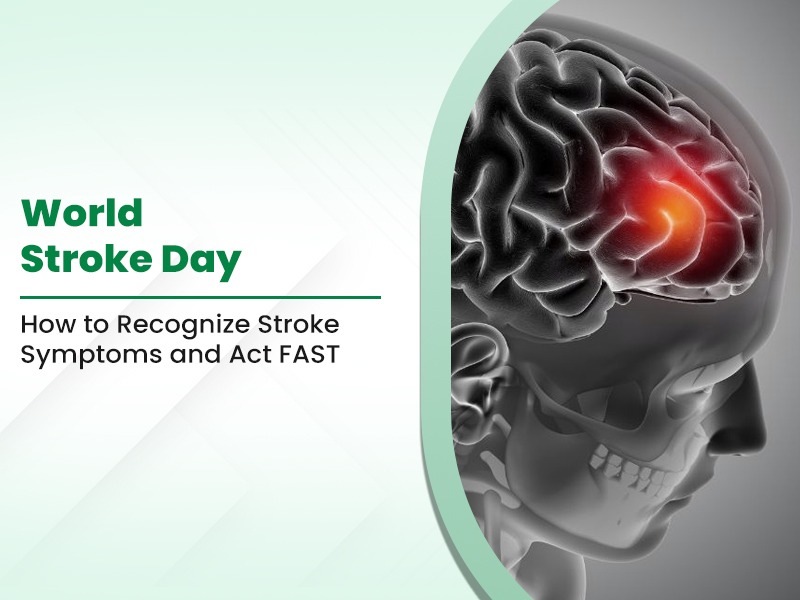
World Stroke Day: How to Recognize Stroke Symptoms and Act FAST
A stroke is a medical emergency that can occur suddenly when blood flow to part of the brain is interrupted or when a blood vessel in the brain ruptures. Without adequate blood flow and oxygen, brain cells can become damaged within minutes. Recognising the warning signs and seeking emergency medical care quickly can improve the chances of receiving time-sensitive treatment and may help reduce the risk of long-term disability. Understanding how to identify stroke symptoms can help individuals and families respond promptly during an emergency.
What Causes a Stroke?
A stroke occurs when blood flow to part of the brain is blocked or when a blood vessel in the brain ruptures. The two main types are ischaemic stroke, caused by a blockage, and haemorrhagic stroke, caused by bleeding in or around the brain.
Ischaemic strokes may occur when a blood clot blocks an artery supplying the brain. A clot may develop in a narrowed blood vessel or travel from another part of the body. Haemorrhagic strokes can occur when a weakened blood vessel ruptures, with uncontrolled high blood pressure being an important risk factor. Other causes may include aneurysms and certain vascular abnormalities. Identifying and managing risk factors such as high blood pressure, diabetes, high cholesterol, smoking, and certain heart conditions can help reduce the risk of stroke.
Recognising Key Stroke Symptoms
Recognising stroke symptoms quickly is important because some treatments are time-sensitive. The widely used FAST acronym can help people remember the most common warning signs:
- Face drooping: Ask the person to smile and check whether one side of the face droops or feels numb.
- Arm weakness: Ask the person to raise both arms and check whether one arm drifts downward or feels weak.
- Speech difficulty: Check for slurred speech, difficulty speaking, or difficulty understanding speech.
- Time to call: If any of these symptoms appear suddenly, seek emergency medical help immediately. Note the time when the symptoms were first noticed, if possible.
FAST does not identify every possible stroke symptom, so sudden neurological changes should not be ignored even when the classic FAST signs are absent.
Other Stroke Symptoms to Watch For
Stroke symptoms can vary depending on the part of the brain affected. Other warning signs may include:
- Sudden numbness or weakness affecting the face, arm, or leg, particularly on one side of the body
- Sudden confusion or difficulty understanding speech
- Sudden vision changes or loss of vision in one or both eyes
- Sudden difficulty walking, dizziness, loss of balance, or poor coordination
- A sudden, severe headache with no known cause, particularly when accompanied by other neurological symptoms
If these symptoms develop suddenly, seek emergency medical attention without waiting for them to improve.
Why Immediate Care Matters
Timely treatment is important because some stroke therapies are most effective when given within specific time windows. Depending on the type of stroke, the time since symptoms began, and the results of brain imaging, eligible patients may receive intravenous thrombolysis or undergo catheter-based mechanical thrombectomy to restore blood flow.
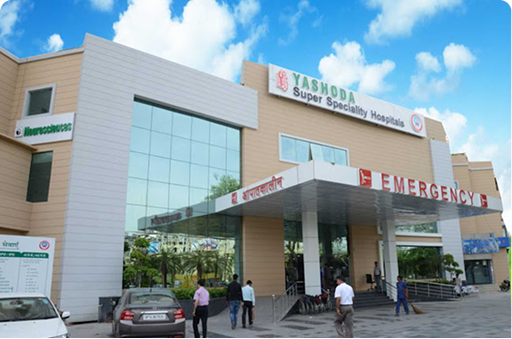
At Yashoda Medicity, stroke care is supported by dedicated emergency stroke teams, neuro-intensive care facilities, and advanced neuroimaging and neuro-interventional services. The appropriate treatment is determined by the stroke type, clinical condition, imaging findings, and treatment eligibility.
Preventing Stroke Risk Factors
Many stroke risk factors can be managed through regular medical care and healthy lifestyle choices. These may include:
- Monitor blood pressure: Regularly check blood pressure and take prescribed medicines as advised.
- Maintain a balanced diet: Include vegetables, fruits, whole grains, lean proteins, and other nutrient-rich foods while limiting excess salt and unhealthy fats.
- Stay physically active: Regular physical activity, such as walking or other suitable exercises, can support cardiovascular health.
- Avoid tobacco: Smoking and tobacco use increase the risk of stroke and other cardiovascular conditions.
- Manage blood sugar and cholesterol: Regular monitoring and appropriate treatment can help control important stroke risk factors.
- Limit alcohol: Excessive alcohol consumption can increase stroke risk, so moderation is recommended.
Specialised Stroke Treatment Options
Treatment for stroke depends on whether it is caused by a blockage or bleeding and on the patient's clinical condition. For eligible patients with an acute ischaemic stroke, treatment may include intravenous thrombolysis or mechanical thrombectomy. Selected patients may require procedures such as carotid or intracranial interventions.
For haemorrhagic stroke, management may include careful blood pressure control, treatment of raised intracranial pressure, and neurosurgical or neuro-interventional procedures when clinically indicated. Depending on the underlying cause, procedures may include surgical evacuation of a haematoma, aneurysm treatment, or other vascular interventions.
Consulting the best brain and spine surgeon in Delhi NCR can provide access to specialised neurosurgical and neuro-interventional evaluation when such treatment is required.
Long-Term Stroke Recovery
Recovery after a stroke can vary significantly depending on the area of the brain affected, the severity of the stroke, and the individual's overall health. A multidisciplinary rehabilitation programme may help address physical, communication, cognitive, and daily living difficulties.
- Physiotherapy: Exercises can help improve strength, balance, mobility, and coordination.
- Speech and language therapy: Therapy can support communication and help address swallowing difficulties when present.
- Occupational therapy: Rehabilitation can help patients regain skills needed for everyday activities such as eating, dressing, and personal care.
- Psychological support: Counselling and emotional support can help patients and families adjust to changes following a stroke.
Comprehensive Stroke Care
Recognising stroke symptoms and seeking emergency medical attention without delay can be critical to accessing time-sensitive treatment. Patients seeking a top neurosurgeon in Delhi NCR can access specialised neurological, neuro-interventional, critical care, and rehabilitation services at Yashoda Medicity.
Our stroke care infrastructure supports emergency evaluation, advanced neuroimaging, treatment for eligible patients, neuro-intensive care, and rehabilitation based on individual clinical requirements. If you or someone around you develops sudden weakness, facial drooping, speech difficulty, vision changes, severe dizziness, or other sudden neurological symptoms, seek emergency medical care immediately.