

 Call: +91 9266610101
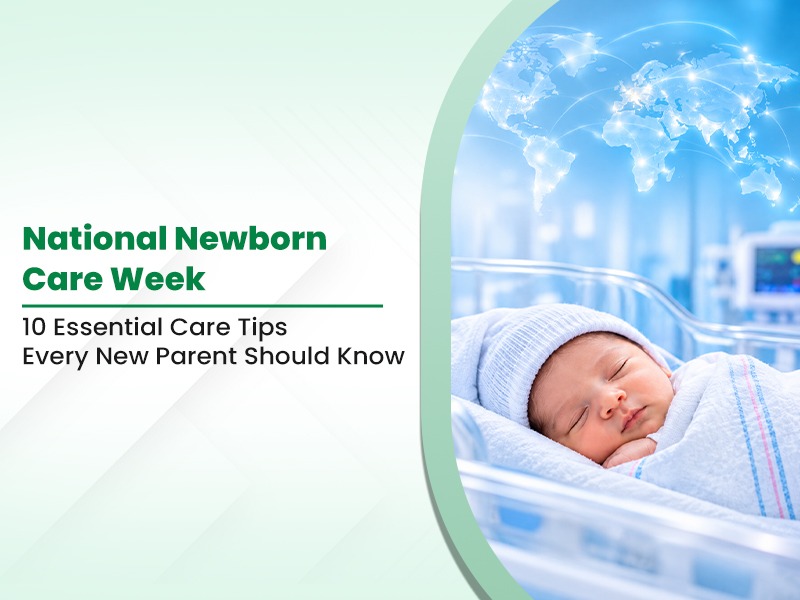
National Newborn Care Week: 10 Essential Care Tips Every New Parent Should Know
Bringing a newborn home brings immense joy, but caring for a delicate baby can leave new parents feeling uncertain about daily routines. National Newborn Care Week highlights the importance of proper infant care during the critical early days of life. Many first-time parents struggle to recognise subtle newborn signals, missing simple ways to ensure comfort, hygiene, and safe development. Following essential care guidelines helps families nurture their babies with confidence, promoting healthy growth, strong emotional bonds, and long-term physical well-being.
Understanding National Newborn Care Week
National Newborn Care Week is a health awareness initiative that educates parents and communities about newborn infants' fundamental health needs. This annual observance emphasises optimal infant hygiene, proper feeding practices, timely medical evaluations, and early infection prevention strategies to reduce newborn vulnerability.
Key objectives of this national observance include:
- Promoting Newborn Health Education: Spreading awareness about basic infant survival needs, safe handling, and healthy growth milestones.
- Encouraging Optimal Feeding Practices: Educating mothers about the benefits of early breastfeeding and proper infant nutrition routines.
- Improving Infection Prevention Strategies: Teaching parents essential hygiene habits to protect delicate newborns from common environmental infections.
- Highlighting Timely Paediatric Care: Emphasising the importance of routine health checkups and complete vaccination schedules for long-term health.
Participating in National Newborn Care Week activities helps families adopt safe care habits that support vibrant infant development.
Practising Safe Handling Techniques
A newborn’s physical structure is extremely delicate, so handle them carefully to protect underdeveloped neck muscles and a fragile spine. Learning proper holding techniques prevents accidental strain and gives your baby a strong sense of security.
Essential handling guidelines for parents include:
- Supporting the Head and Neck: Always cradle your baby’s head and neck firmly whenever picking them up or holding them.
- Washing Hands Before Contact: Cleaning your hands thoroughly with soap or alcohol-based sanitiser before holding your newborn helps prevent germ transmission.
- Avoiding Vigorous Shaking Movements: Never shake your baby during play or distress, as sudden movements can cause severe brain injuries.
- Securing Baby During Transport: Ensure your infant is safely strapped into approved infant carriers or strollers during travel.
Consistently practising gentle handling helps your newborn feel safe and physically supported during daily care.
Establishing Optimal Breastfeeding Routines
Proper nutrition during the first months of life is vital for building strong immune defences and supporting rapid brain development. Breast milk provides ideal digestive balance, essential antibodies, and complete hydration tailored perfectly for a newborn baby.
Key feeding practices for infant wellness include:
- Initiating Early Breastfeeding Contact: Feeding your newborn shortly after birth to deliver nutrient-rich colostrum that strengthens natural immunity.
- Recognising Early Hunger Cues: Watch for subtle hunger signs like lip smacking, rooting, or hand sucking before crying starts.
- Ensuring Proper Latch Positioning: Position your baby correctly during feeds to support efficient milk intake and reduce maternal discomfort.
- Burping After Every Feed: Gently patting your baby’s back after feedings to release trapped air and prevent uncomfortable gas.
A calm, consistent feeding routine helps your infant absorb essential nutrients while supporting comfortable digestion.
Maintaining Gentle Infant Hygiene
A newborn’s skin is thin, sensitive, and prone to sudden dryness or irritation if exposed to harsh cleansing products. Establishing a gentle bath and skin care routine keeps your baby clean while preserving natural skin moisture.
Essential infant hygiene practices include:
- Giving Sponge Baths Initially: Bathing your baby with warm water and soft cloths until the umbilical stump dries and sheds naturally.
- Using Mild Soap Products: Choose gentle, fragrance-free cleansing products designed for sensitive newborn skin.
- Moisturising Dry Skin Areas: Applying mild, paediatrician-approved lotions to prevent skin peeling and maintain healthy moisture barriers.
- Checking Diapers Frequently: Changing wet or soiled diapers promptly to prevent painful skin redness and diaper rashes.
Gentle hygiene habits keep your baby’s skin soft, healthy, and protected from environmental irritation.
Caring for the Umbilical Stump
The umbilical cord stump needs special attention and gentle care until it dries out and falls off naturally. Keeping the area clean and dry prevents bacterial buildup and supports rapid healing without complications.
Proper umbilical care guidelines include:
- Keeping the Area Clean: Gently cleaning around the base of the stump with plain water if it gets soiled.
- Maintaining Dry Exposure Conditions: Folding down top diaper edges to allow fresh air exposure and keep the stump dry.
- Avoiding Manual Removal: Let the stump loosen and drop off naturally without pulling or picking at dried edges.
- Monitoring Signs of Infection: Watching for persistent redness, foul discharge, swelling, or clear discomfort around the navel area.
Following these simple care steps helps the navel heal safely within a short period after birth.
Ensuring Safe Sleep Environments
Creating a safe sleep environment reduces the risk of infant sleep hazards while encouraging restful, uninterrupted sleep cycles. Newborns spend much of the day sleeping, so proper crib setup is a top priority.
Key safe sleep practices include:
- Placing Baby on Back: Always lay your newborn on their back to sleep at night and during daytime naps.
- Using Firm Sleep Surfaces: Choose a firm mattress covered with a tight, fitted sheet, with no loose or sagging fabric layers.
- Clearing Soft Bedding Objects: Removing loose blankets, pillows, stuffed toys, and soft crib bumpers from the sleep area.
- Maintaining Comfortable Room Temperature: Keeping the baby’s room at a comfortable temperature to prevent overheating during sleep.
Establishing a secure sleep environment gives parents peace of mind while protecting their baby throughout the night.
Monitoring Temperature and Attire
Newborns struggle to regulate their internal body temperature efficiently, making them vulnerable to sudden chilling or excessive overheating. Consulting specialists at the Best Child Care Hospital in Delhi NCR helps parents learn how dressing their baby in comfortable, breathable clothing layers ensures stable thermal comfort in any environment.
Guidelines for temperature management include:
- Dressing in Breathable Layers: Choose soft cotton layers that you can easily add or remove as the temperature changes.
- Checking Nape for Warmth: Feel your baby’s chest or the back of the neck to assess true warmth, rather than relying on cold hands or feet.
- Avoiding Excessive Heavy Wrapping: Wrap your baby comfortably without overly tight swaddling that restricts chest expansion or hip movement.
- Shielding from Direct Drafts: Keep your infant away from direct air conditioner blasts, open windows or strong fan currents.
Maintaining ideal physical warmth keeps your newborn comfortable, relaxed, and energetic throughout the day.
Protecting Delicate Infant Eyes
Newborn eyes and ears require delicate, gentle cleaning to clear natural secretions without causing accidental irritation. Using soft, clean materials ensures these sensitive areas remain clear and healthy.
Proper eye and ear cleaning steps include:
- Wiping Eyes from the Inside: Gently clean around the eyes with damp cotton balls, wiping from the inner corner outward.
- Using Separate Cotton Swabs: Use a fresh, damp cotton ball for each eye to prevent cross-contamination.
- Cleaning Outer Ear Surfaces: Gently wipe only the external ear folds, and avoid inserting anything into the ear canal.
- Noticing Excessive Tear Secretions: Consult a medical specialist if you notice persistent tearing, yellow discharge, or redness.
Gentle daily cleaning keeps your newborn’s facial features clear and protected from minor buildup.
Recognising Early Signs of Illness
Understanding normal newborn behaviours makes it easier to spot early signs of physical discomfort or emerging illness. Identifying subtle health shifts early lets parents seek professional medical advice before minor issues escalate.
Important warning signs to monitor include:
- Persistent High Body Fever: Noticing sudden body warmth, lethargy, or extreme fussiness accompanied by elevated temperature readings.
- Refusing Multiple Consecutive Feeds: Showing no interest in feeding or struggling to suck repeatedly for several hours.
- Experiencing Severe Breathing Distress: Observing rapid breathing, flared nostrils, chest grunting, or deep chest indrawing during breath cycles.
- Noticing Marked Skin Colour Shifts: Spotting yellowing skin or eye shades indicative of worsening newborn jaundice trends.
Partnering with the Best Child Specialist in Delhi NCR ensures your baby receives accurate health evaluations, timely interventions, and personalised developmental guidance.
Scheduling Routine Paediatric Examinations
Regular paediatric checkups are essential for tracking your baby’s growth parameters, monitoring milestone progress, and completing vital early immunisations. Professional medical oversight helps ensure your child develops safely at every stage of early life.
Key elements of routine paediatric visits include:
- Tracking Physical Growth Parameters: Measuring weight gain, body length, and head circumference growth against standardised health charts.
- Evaluating Early Motor Skills: Checking muscle tone, reflex responses, sensory alertness, and gentle hip flexibility during physical exams.
- Administering Essential Timely Vaccines: Following recommended immunisation schedules to shield your newborn against dangerous childhood infections.
- Receiving Expert Parenting Advice: Discussing feeding routines, sleep habits, and infant behaviour questions with experienced child specialists.
Consulting specialists at the Best Child Care Hospital in Delhi NCR ensures your infant has access to comprehensive diagnostic facilities and expert medical care. At Yashoda Medicity, we blend compassionate clinical expertise with modern paediatric technology to support your newborn’s healthy growth every step of the way. Our dedicated medical team at Yashoda Medicity provides personalised care plans and round-the-clock guidance to help your baby get off to a healthy start.
Conclusion
Understanding essential newborn care tips is vital for ensuring your baby's healthy growth and comfort during National Newborn Care Week. Seeking expert medical guidance ensures your infant receives accurate diagnostic evaluations and personalised growth monitoring. At Yashoda Medicity, we are deeply committed to compassionate paediatric care and comprehensive health services for your growing family. Take charge of your baby’s physical well-being today by scheduling a routine checkup at the Best Child Care Hospital in Delhi NCR to safeguard your child's future health. Book your consultation at Yashoda Medicity today!