
 Call: +91 9266610101
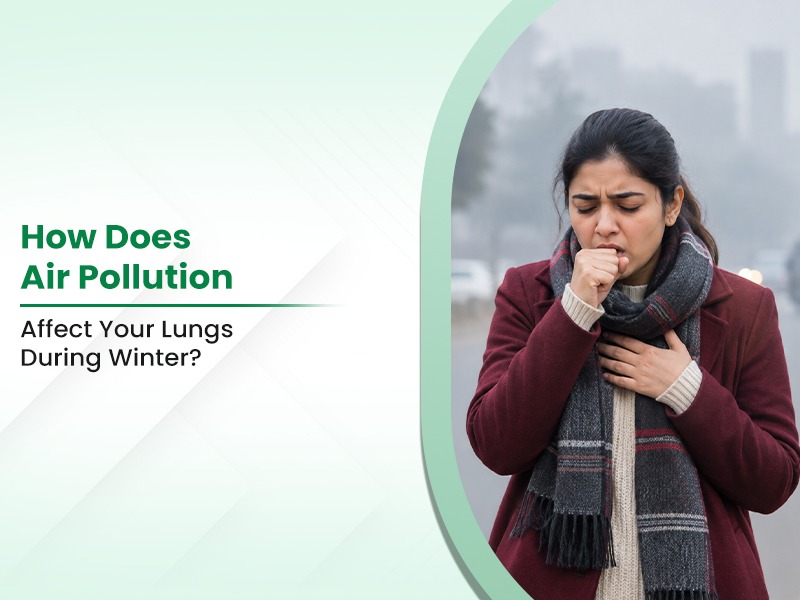
How Does Air Pollution Affect Your Lungs During Winter?
Taking a deep breath on a chilly morning should feel refreshing, yet winter smog can make your chest feel heavy instead. Cold weather and atmospheric conditions can trap smoke, dust and vehicle emissions close to the ground, increasing our exposure to harmful pollutants. When cold air combines with high pollution levels, your airways are exposed to additional irritation. Understanding how this winter combination affects your lungs helps you recognise early warning signs and protect your respiratory health throughout the season.
Why Does Pollution Worsen in Winter?
Seasonal variations significantly affect how pollutants disperse in the atmosphere. During warmer months, rising warm air helps disperse pollutants from industries, chimneys, and vehicle exhausts. In winter, an atmospheric phenomenon known as temperature inversion can trap these harmful substances close to the ground, making it essential to consult a lung specialist in Delhi NCR if you experience persistent breathing difficulties. During this phenomenon, a layer of warm air sits above colder air near the Earth's surface, preventing pollutants from dispersing. Increased emissions from heating systems and fuel burning can further worsen air quality.
How Does Cold Air Irritate?
Inhaling cold, polluted air can affect the protective lining of your respiratory tract. Normally, the air passages warm and humidify the air before it reaches the lungs. However, cold and dry air, combined with airborne pollutants, can irritate the airways and trigger respiratory symptoms.
- Constriction of Airways: Cold air can cause the muscles surrounding the bronchial tubes to tighten, narrowing the airways and making breathing difficult, particularly in people with asthma.
- Production of Thick Mucus: Polluted air irritates the protective mucus lining of the airways and can increase mucus production, making it harder to clear trapped dust and other particles.
- Reduced Cilia Activity: Cilia are tiny hair-like structures that help remove pollutants and mucus from the respiratory tract. Exposure to cold air and pollutants can affect their normal functioning.
Consulting a qualified lung specialist in Noida helps individuals identify early signs of airway sensitivity before seasonal irritation develops into more persistent respiratory problems.
What Happens Inside Your Lungs?
When inhaled, pollutants pass through the nose and throat and can reach different parts of the respiratory system. Smaller particles can travel deep into the lungs, where they may trigger inflammation and affect normal respiratory function. Different winter pollutants can have the following effects:
- Fine Particulate Matter: Pollutants from vehicle exhaust, construction dust, and smoke can reach the smaller airways and air sacs, causing inflammation and affecting normal lung function.
- Nitrogen Dioxide: Emissions from vehicles and fuel burning can irritate the lining of the airways and worsen existing respiratory conditions.
- Sulfur Dioxide: Emissions from industries and fuel combustion can irritate the respiratory tract and trigger airway narrowing, wheezing, and coughing.
- Carbon Monoxide: Incomplete fuel combustion and certain indoor heating sources can produce this invisible gas, which reduces the blood's oxygen-carrying capacity.
Who Faces Higher Respiratory Risks?
While poor winter air quality affects everyone, certain groups may experience more severe reactions due to developing, ageing or compromised respiratory systems. Seeking timely evaluation at the best pulmonology department in Delhi NCR helps vulnerable individuals manage seasonal flare-ups and protect their lung function:
- Young Children: Developing lungs and faster breathing rates can increase children's exposure to pollutants relative to their body weight.
- Older Adults: Age-related changes in lung function and immune response can make it harder to clear inhaled pollutants.
- Asthma and COPD Patients: Pre-existing airway sensitivity can trigger flare-ups, wheezing and shortness of breath, even after brief exposure to polluted air.
- Individuals with Heart Conditions: Air pollution can increase cardiovascular strain and worsen existing heart conditions, particularly in people with underlying respiratory problems.
Seeking timely evaluation at the best hospital in Delhi NCR ensures vulnerable individuals receive personalised respiratory monitoring and preventive care plans throughout the winter season.
Which Warning Symptoms Need Attention?
Recognising early signs of pollution-related respiratory irritation can help prevent symptoms from worsening. Pay close attention to persistent changes in your breathing:
- Persistent Dry Cough: A lingering cough that worsens outdoors or early in the morning, even without signs of a common cold.
- Wheezing and Chest Tightness: A high-pitched whistling sound while breathing out or a feeling of heaviness across your chest.
- Unusual Shortness of Breath: Feeling breathless during simple daily activities, such as climbing stairs or walking short distances.
- Frequent Throat Irritation: Ongoing scratchiness, hoarseness, or excessive phlegm production that persists for several days.
How Can You Protect Your Lungs?
Simple daily habits can reduce your exposure to polluted air during peak winter smog days. Following these protective measures helps minimise airway irritation, even when outdoor air quality drops. Consulting a lung specialist in Noida can also help you understand your individual respiratory risks and manage existing breathing conditions during the cold season.
- Monitor Daily Air Quality: Check local air quality updates before planning outdoor exercise and shift workouts indoors when pollution levels are high.
- Wear Proper Protective Masks: Use well-fitted N95 or equivalent particulate respirators when commuting or spending time outdoors in heavily polluted areas.
- Improve Indoor Air Quality: Keep windows closed during peak smog hours, use suitable indoor air purifiers, and avoid burning incense or other materials that produce indoor smoke.
- Stay Well Hydrated: Drinking enough water and warm fluids helps maintain normal mucus consistency and supports the natural clearance of airway secretions.
Expert Respiratory Care and Support
Protecting your lungs during harsh winter months requires proactive awareness and timely medical guidance. Consulting an experienced lung specialist in Delhi NCR ensures appropriate pulmonary evaluations, personalised breathing management plans, and early intervention for seasonal respiratory complications. At Yashoda Medicity, our dedicated pulmonology team combines advanced diagnostic technology with compassionate patient care to help you manage respiratory concerns and maintain better lung health throughout the year.
FAQs
1. Why does air pollution increase in winter?
Cold winter air can trap smoke, dust, and exhaust gases near the Earth's surface through temperature inversion, preventing pollutants from dispersing effectively.
2. How does cold air pollution affect the respiratory system?
Cold air can narrow the bronchial passages, while pollutants can increase airway irritation and mucus production and affect the movement of hair-like structures that help clear particles from the respiratory tract.
3. Which population is most at risk for lung complications due to smog in winters at Yashoda Medicity?
Children, older adults, people with heart conditions and patients with asthma or chronic obstructive pulmonary disease should take extra precautions against respiratory problems during winter smog.
4. What signs point to lung problems due to winter pollution?
Symptoms such as a persistent dry cough, wheezing, chest tightness, frequent throat irritation, or shortness of breath with minimal exertion may indicate respiratory irritation and require medical evaluation.
5. How can one's lifestyle and healthcare at Yashoda Medicity prevent lung problems in winter?
Monitor air quality daily, wear protective masks when needed, stay hydrated, and seek expert advice from the pulmonology specialists at Yashoda Medicity.