
 Call: +91 9266610101

When Should You See a Gynecologist in Ghaziabad? Common Reasons for Consultation
Prioritising reproductive health is an important part of women's overall well-being. Knowing when to seek medical advice can help identify health concerns early and support appropriate treatment. Many women may be unsure whether a symptom requires specialist attention or whether a routine check-up is sufficient. Understanding common reasons for consulting a gynaecologist can help you make informed decisions about your health.
Understanding the Role of Gynaecological Care
Gynaecology involves more than routine pregnancy care. Gynaecologists evaluate and manage conditions affecting the female reproductive system, including menstrual problems, hormonal concerns, fertility, pelvic health, and menopause-related changes. When you consult the Best Gynecologist in Delhi, you can receive an evaluation based on your symptoms, medical history, and individual healthcare needs.
At Yashoda Cradle and Children's Hospital, women can access obstetric and gynaecological care at different stages of life, from adolescence and reproductive years through pregnancy and menopause.
1. Irregular or Painful Menstrual Cycles
While occasional changes in menstrual timing can occur due to stress, lifestyle changes, or other factors, persistent menstrual irregularities should be evaluated. You should consider a consultation if you experience:
- Intense Pelvic Pain: Severe menstrual or pelvic pain that interferes with daily activities or does not improve with usual measures may require medical evaluation.
- Heavy Periods: Menstrual bleeding that is unusually heavy, prolonged, or associated with symptoms such as fatigue or weakness should be assessed. Bleeding between periods or after intercourse may also require evaluation.
- Inconsistent Cycles: Persistently missed periods or cycles that are consistently shorter than 21 days or longer than 35 days may require assessment.
These symptoms can be associated with conditions such as Polycystic Ovary Syndrome (PCOS), uterine fibroids, endometriosis, thyroid disorders, or other hormonal and reproductive conditions.
2. Planning for Pregnancy and Fertility Guidance
Preconception counselling can help assess general health, medical history, medications, vaccinations, lifestyle factors, and other considerations before pregnancy.
- Pre-Conception Screening: Depending on individual health and medical history, tests may be recommended to assess conditions such as anemia, diabetes, thyroid disorders, or other potential pregnancy-related risks.
- Fertility Evaluation: Women under 35 who have been trying to conceive for 12 months without success are generally advised to seek fertility evaluation. Women aged 35 or older may benefit from evaluation after six months of trying, or earlier when clinically indicated.
Starting pregnancy planning with appropriate medical guidance can help identify potential concerns and support a healthy pregnancy.
3. Navigating High-Risk Pregnancies
Pregnancies involving pre-existing health conditions or pregnancy-related complications may require specialised maternal care. Consulting the best high-risk pregnancy hospital in Delhi can provide access to appropriate maternal and fetal monitoring when required.
Key factors that may contribute to a high-risk pregnancy include:
- Health Conditions: Hypertension, diabetes, thyroid disorders, autoimmune diseases, and other medical conditions may require closer monitoring during pregnancy.
- Maternal Age: Pregnancy during adolescence or at age 35 or older may involve certain additional risks and may require individualised obstetric care.
- Multiple Pregnancies: Twin or higher-order pregnancies generally require closer monitoring of maternal and fetal health.
- Previous Pregnancy Complications: A history of preterm birth, pregnancy-related hypertension, pregnancy loss, or other complications may influence care during a subsequent pregnancy.
A detailed risk assessment helps doctors determine the appropriate monitoring and delivery plan for each pregnancy.
4. Chronic Pelvic Pain and Discomfort
Persistent discomfort in the lower abdomen or pelvic region should not be ignored. Consulting the Best Gynecologist in Noida can help determine whether pelvic pain is related to the reproductive system or another condition involving the urinary or digestive system.
- Pain During Intercourse: Pain during sexual activity can have several causes, including vaginal dryness, pelvic floor problems, endometriosis, infections, or other gynaecological conditions.
- Pelvic Pressure: A persistent feeling of heaviness or pressure may be associated with conditions such as pelvic organ prolapse, fibroids, or ovarian conditions.
Depending on the symptoms, evaluation may include a pelvic examination, ultrasound, laboratory tests, or other investigations.
5. Menopausal Transitions and Hormonal Shifts
Menopause involves natural hormonal changes that can affect physical and emotional well-being. Some symptoms may significantly interfere with daily life and may benefit from medical management.
- Vasomotor Symptoms: Hot flushes, night sweats, and sleep disturbances are common during the menopausal transition.
- Mood Changes: Some women experience changes in mood, anxiety, irritability, or fatigue during this period.
- Bone and Heart Health: Reduced oestrogen levels after menopause are associated with increased bone loss and changes in cardiovascular risk.
A specialist can discuss lifestyle measures, bone health, and treatment options, including hormone therapy when appropriate and after considering individual risks and benefits.
6. Routine Preventive Screenings and Wellness Exams
Regular preventive care can help identify certain health conditions at an early stage, even when no symptoms are present. Recommended screening depends on age, medical history, risk factors, and applicable guidelines.
- Pap Smear and HPV Testing: Cervical cancer screening can identify cervical changes that may require further evaluation.
- Breast Health Assessment: Clinical assessment and breast imaging may be recommended according to age, symptoms, and individual risk.
- Screening for Infections: STI testing may be recommended based on sexual history, symptoms, and individual risk factors.
Choosing the Right Specialist in Delhi NCR
Selecting an appropriate gynaecologist is important for receiving personalised and confidential care. Searching for the best gynecologist in Greater Noida can help women access specialist guidance for menstrual concerns, family planning, fertility, menopause, pelvic health, and complex gynaecological conditions.
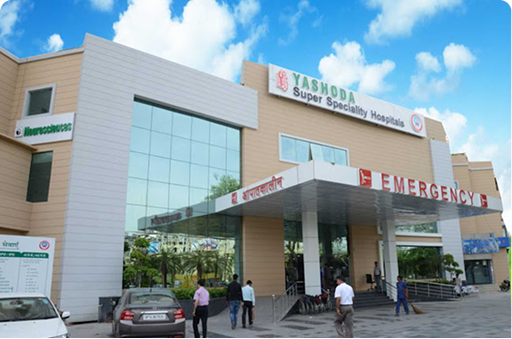
At Yashoda Medicity, gynaecologists provide evaluation and treatment based on individual symptoms and healthcare needs, with access to diagnostic facilities and multidisciplinary specialist support when required.
Conclusion
Consulting a gynaecologist at the appropriate time can support reproductive health and help identify conditions that require medical attention. Finding the Best Gynecologist in Greater Noida can provide access to appropriate evaluation, treatment planning, and ongoing women's healthcare.
At Yashoda Medicity, our gynaecology and obstetric teams provide personalised care across different stages of women's health. Book an appointment with our specialist team to discuss your healthcare needs.
FAQs
1. How do I choose the right gynaecologist in Greater Noida at Yashoda Medicity?
Consider the specialist's qualifications, clinical experience, areas of expertise, and the availability of appropriate diagnostic and multidisciplinary support for your healthcare needs.
2. What makes Yashoda Medicity a suitable choice for gynaecological care?
Yashoda Medicity provides gynaecological and obstetric evaluation with access to diagnostic facilities and specialist support for menstrual, reproductive, fertility, pregnancy, and menopause-related concerns.
3. When should I consult a specialist for a high-risk pregnancy at Yashoda Medicity?
You should discuss your pregnancy with an obstetrician if you have a pre-existing medical condition, previous pregnancy complications, a multiple pregnancy, or another factor that may increase pregnancy risk. Your doctor can determine the appropriate level of monitoring.
4. What conditions may be identified during regular gynaecological check-ups at Yashoda Medicity?
Depending on the consultation, evaluation may help identify menstrual disorders, pelvic conditions, hormonal concerns, infections, cervical abnormalities, and other reproductive health issues.
5. How does Yashoda Medicity support women during the menopausal transition?
Women can receive individualised guidance on lifestyle measures, bone health, symptom management, and treatment options such as hormone therapy when clinically appropriate.