
 Call: +91 9266610101
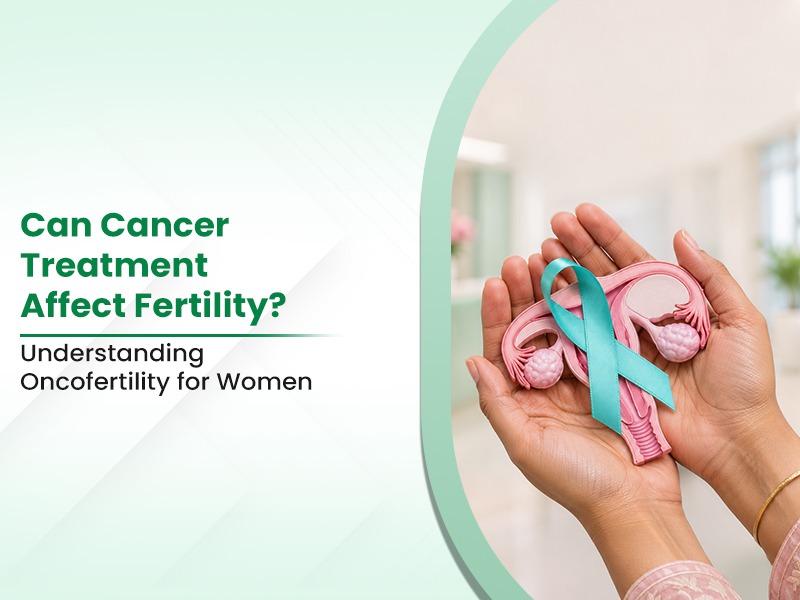
Can Cancer Treatment Affect Fertility? Understanding Oncofertility for Women
Have you ever wondered how a woman facing a cancer diagnosis can protect her chances of becoming a mother in the future? While modern cancer treatments save lives, some therapies can affect a woman's reproductive organs, egg supply, and hormone levels, sometimes temporarily and sometimes permanently. Understanding oncofertility helps women explore available options to preserve their fertility before cancer treatment begins.
How Does Cancer Treatment Affect Fertility?
Cancer treatments target rapidly dividing cells, but some may also affect healthy eggs, the ovaries, or the uterus. The impact on fertility depends on the type of cancer, treatment, dosage, and the patient's age and reproductive health. Consulting an experienced oncologist in Delhi NCR can help women understand these risks and discuss fertility preservation before starting treatment.
- Chemotherapy Medications: Certain chemotherapy drugs can reduce the number of healthy eggs in the ovaries and, in some cases, lead to premature ovarian insufficiency or early menopause.
- Radiation Treatment in Pelvic Region: Radiation directed at the pelvis or lower abdomen can damage ovarian tissue and may affect the uterus, its lining, and blood supply.
- Surgical Treatments: Surgery involving the ovaries, fallopian tubes, uterus, or cervix may affect natural conception, depending on the procedure and the reproductive organs involved.
- Hormonal Blocking Agents: Hormonal therapies used for certain cancers can interrupt menstrual cycles and require women to postpone pregnancy during treatment.
What Is Oncofertility for Women?
Oncofertility is a specialised field that brings together cancer care and reproductive medicine. Its aim is to help women explore options for preserving their fertility without compromising essential cancer treatment.
Early consultation with the best female doctor in Delhi NCR, along with fertility and cancer specialists, can help women understand their options. At Yashoda Medicity, specialists, including Dr. Satinder Kaur (Senior Director and Head, Gynaecologic Oncology & Robotic Surgery), can guide patients through treatment-related fertility concerns and appropriate care planning.
Key Fertility Preservation Options Available
Advances in reproductive medicine offer several options for preserving eggs, embryos, or ovarian tissue before cancer treatment. The suitable approach depends on the patient's diagnosis, age, treatment plan, and available time. Fertility preservation can often be coordinated before treatment without significant delays, but the timing must be decided by the treating oncology team.
Key options include:
- Egg Freezing (Oocyte Cryopreservation): The ovaries are stimulated with medication to produce mature eggs, which are collected and frozen for possible use in future assisted reproduction.
- Embryo Freezing: Eggs are collected and fertilised with sperm in a laboratory. The resulting embryos are frozen and stored for potential use after cancer treatment.
- Ovarian Tissue Freezing: A small portion of ovarian tissue is surgically removed and frozen for possible transplantation or restoration of ovarian function in selected cases.
- Ovarian Shielding and Transposition: Shielding may help reduce radiation exposure to the ovaries. In selected patients, surgery can move the ovaries away from the planned radiation field.
- Fertility-Sparing Cancer Surgery: For certain early-stage gynaecological cancers, carefully selected procedures may preserve the uterus or healthy ovarian tissue while treating the disease.
Precision Radiation Protecting Pelvic Health
When radiation therapy is required near the pelvic region, protecting surrounding healthy organs is an important part of treatment planning. Advanced image-guided systems such as ETHOS with HYPERSIGHT and IDENTIFY Technology and Elekta Unity MR-Linac support precise radiation planning and delivery by accounting for changes in organ position and anatomy. These technologies help specialists manage radiation exposure to nearby healthy tissues, although the level of protection depends on the individual treatment plan.
When Should You Discuss Fertility?
Timing is important when considering fertility preservation. Ideally, women should discuss their reproductive plans soon after a cancer diagnosis and before chemotherapy, surgery, or radiotherapy begins. Consulting the best hospital in Noida can help coordinate care among oncologists, gynaecologists and fertility specialists. Early discussions allow patients to understand available options and make informed decisions without unnecessarily delaying cancer treatment.
Preparing for Your Oncofertility Consultation
Discussing future pregnancy plans during an oncology consultation can help ensure that fertility concerns are considered from the beginning. Ask your oncologist how the proposed treatment may affect your ovaries, eggs, or uterus and whether fertility preservation is appropriate before treatment.
It is also important to understand whether ovarian stimulation is suitable for your condition, how much time a preservation procedure may require, and when pregnancy may be considered after treatment. At Yashoda Medicity, specialists can help patients understand these factors and plan care around their cancer treatment and reproductive goals.
Conclusion
Understanding how cancer treatment can affect reproductive health empowers women to explore fertility preservation before starting therapy. Consulting the best female doctor in Delhi NCR can help women access timely guidance and coordinated oncology care. At Yashoda Medicity, specialists combine cancer treatment expertise with fertility-related guidance to help women make informed decisions about their health and future family plans.
FAQs
1. How can cancer treatments like chemotherapy and radiation affect a woman's fertility?
Chemotherapy, pelvic radiation, and certain surgeries can reduce the healthy egg supply, affect the uterus, or interrupt menstrual cycles. The impact varies with the treatment and individual health factors.
2. What is oncofertility, and how does it help women diagnosed with cancer?
Oncofertility combines cancer care and reproductive medicine to help women explore options for preserving their ability to have biological children before treatment.
3. What fertility preservation options are available before starting cancer therapy?
Options may include egg freezing, embryo freezing, ovarian tissue freezing, ovarian shielding or transposition, and fertility-sparing surgery in selected cases.
4. How does modern radiation technology protect pelvic organs during cancer treatment?
Image-guided systems such as ETHOS with HYPERSIGHT and IDENTIFY Technology and Elekta Unity MR-Linac support accurate radiation planning and delivery while helping specialists account for changes in organ position.
5. When is the best time for a woman to discuss fertility preservation with her doctor?
Ideally, women should discuss fertility preservation soon after diagnosis and before starting chemotherapy, surgery, or radiation therapy so suitable options can be assessed in time.