
 Call: +91 9266610101
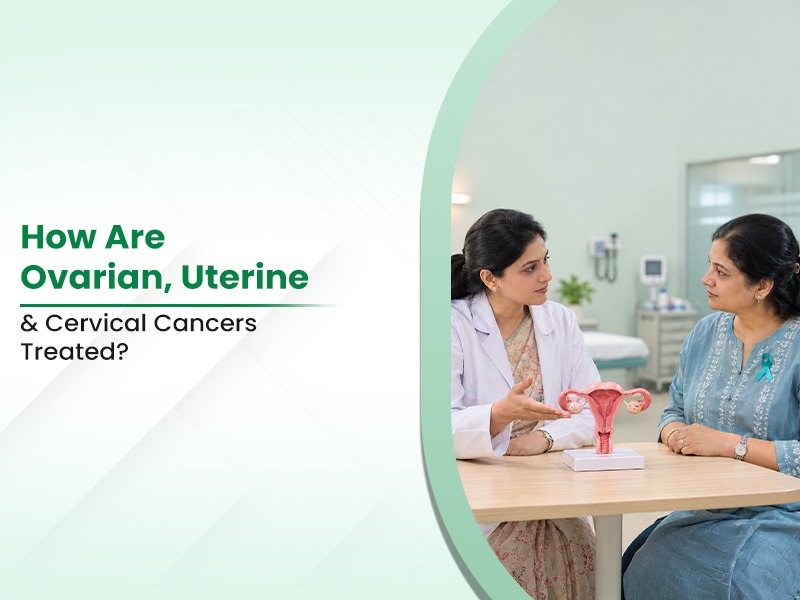
How Are Ovarian, Uterine and Cervical Cancers Treated?
A diagnosis of gynaecological cancer can be overwhelming, but advances in cancer care have expanded the treatment options available to women. Depending on the type and stage of cancer, treatment may involve surgery, chemotherapy, radiation therapy, targeted medicines, or a combination of these approaches. Understanding how ovarian, uterine, and cervical cancers are treated can help patients make informed decisions and feel more prepared for the treatment process.
Understanding Gynaecological Cancer Treatment
Ovarian, uterine, and cervical cancers affect different parts of the female reproductive system, which means each requires an individualised treatment plan. Rather than following a single approach, a multidisciplinary tumour board reviews the patient's medical records, cancer stage, tumour characteristics and overall health before recommending treatment.
Consulting the best female cancer doctor in Delhi NCR helps patients access coordinated care involving specialists in gynaecological oncology, medical oncology, and radiation oncology. This collaborative approach aims to treat the cancer effectively while preserving quality of life wherever possible.
How Is Ovarian Cancer Treated?
Ovarian cancer may not cause noticeable symptoms in its early stages and is sometimes diagnosed after the disease has spread within the abdomen. Treatment typically focuses on removing as much visible cancer as possible and addressing any remaining cancer cells. The best ovarian cancer doctor in Delhi NCR can recommend an appropriate approach based on the stage and characteristics of the disease.
- Debulking and Robotic Surgery: Surgery may involve removing the affected ovaries, fallopian tubes, uterus and other tissues, depending on the extent of the disease. Minimally invasive or robotic surgery may be suitable in selected cases.
- Systemic and Intraperitoneal Chemotherapy: Chemotherapy is commonly used after surgery and may sometimes be given before surgery. In selected patients, Hyperthermic Intraperitoneal Chemotherapy (HIPEC) may be considered during surgery.
- Targeted and Immunotherapy: Targeted medicines, including PARP inhibitors, may be recommended for eligible patients based on tumour characteristics and genetic testing. Immunotherapy may be considered in specific cases.
- Genetic Testing and Risk Management: Genetic testing can identify inherited mutations that influence treatment decisions and help assess cancer risk among family members.
How Is Uterine Cancer Treated?
Uterine cancer, particularly endometrial cancer, develops in the lining of the uterus. Abnormal uterine bleeding is a common early symptom, making timely medical evaluation important. Treatment depends on the cancer stage, tumour type and individual health factors.
- Robotic Hysterectomy Surgery: Treatment commonly involves removing the uterus, usually along with the fallopian tubes and ovaries. Robotic or laparoscopic surgery may be suitable for selected patients and can offer smaller incisions and a shorter recovery period.
- Sentinel Lymph Node Biopsy: This procedure identifies and examines the lymph nodes most likely to be the first sites of cancer spread, helping guide further treatment.
- Adaptive Radiation Therapy: Radiation may be recommended depending on the stage and risk of recurrence. Advanced platforms such as ETHOS with HYPERSIGHT and IDENTIFY Technology and Elekta Unity MR-Linac support precision radiation delivery and treatment planning.
- Hormonal and Targeted Therapies: Hormonal treatment may be suitable for certain hormone-sensitive cancers, while targeted medicines may be recommended in selected advanced or recurrent cases.
How Is Cervical Cancer Treated?
Cervical cancer develops in the lower part of the uterus and requires stage-specific treatment. Early stage disease may be managed with surgery, while locally advanced cancer is commonly treated with a combination of chemotherapy and radiation therapy.
- Fertility-Sparing and Radical Surgeries: Selected women with early-stage cervical cancer may be eligible for procedures such as conization or radical trachelectomy, which can preserve the possibility of pregnancy. More advanced localised disease may require a radical hysterectomy.
- Precision External Radiation Therapy: For locally advanced cervical cancer, radiation systems such as ETHOS with HYPERSIGHT and IDENTIFY Technology and Elekta Unity MR-Linac support accurate treatment delivery while accounting for changes in pelvic anatomy.
- Internal Brachytherapy: High-dose-rate brachytherapy delivers radiation through an applicator placed close to the tumour, allowing a concentrated dose to reach the treatment area while limiting exposure to surrounding tissues.
- Concurrent Chemotherapy: Chemotherapy is often administered alongside radiation therapy to make cancer cells more sensitive to radiation and improve treatment effectiveness.
Comparing Gynaecological Cancer Care Approaches
Each gynaecological cancer requires a distinct treatment approach based on its stage and characteristics:
- Ovarian Cancer: Often involves debulking surgery and chemotherapy, with targeted therapy, HIPEC in selected cases, and genetic testing as appropriate.
- Uterine Cancer: Commonly involves hysterectomy with lymph node assessment, with radiation, hormonal, or targeted therapy recommended according to individual risk.
- Cervical Cancer: May involve fertility-sparing or radical surgery in selected early-stage cases, while locally advanced disease is generally treated with chemoradiation and brachytherapy.
Holistic Support During Cancer Recovery
Cancer treatment involves more than managing the disease. Choosing the best hospital in Delhi NCR can help patients access coordinated support for physical health, emotional well-being, and fertility-related concerns.
- Onco-fertility Preservation: Women who wish to preserve their fertility may consider options such as egg or embryo freezing before treatment, depending on the cancer type, treatment plan and available time.
- Nutrition and Physiotherapy: Dietitians and physiotherapists can help patients manage nutritional needs, maintain strength, and gradually regain physical stamina during and after treatment.
- Emotional Support: Counselling and continued guidance can help patients and their families cope with the emotional challenges of diagnosis and treatment.
Dedicated Cancer Care at Yashoda
At Yashoda Medicity, cancer care combines surgical expertise, precision radiation therapy, and personalised medical treatment. Patients receive guidance from specialists, including Dr. Satinder Kaur (Senior Director and Head, Gynaecologic Oncology & Robotic Surgery) and Dr. Abhishek Yadav (Director - Medical Oncology), who work together to develop treatment plans based on individual clinical needs. The focus remains on appropriate treatment, clear communication, and supportive care throughout the process.
Conclusion
Understanding how ovarian, uterine, and cervical cancers are treated can help women approach diagnosis and treatment with greater clarity. Consulting the best cancer doctor in Delhi NCR can help patients access a personalised treatment plan involving surgery, medicines, and precision radiation, as appropriate. At Yashoda Medicity, the oncology team combines specialist expertise and advanced treatment technologies with supportive care to help women make informed decisions about their health.
FAQs
1. How does a team of physicians choose an appropriate treatment strategy for ovarian, uterine, or cervical cancer?
A multidisciplinary tumour board reviews the patient's medical records, cancer stage, tumour characteristics and overall health to recommend an individualised treatment strategy.
2. What are the main methods used to treat ovarian cancer?
Treatment may involve debulking surgery, chemotherapy, and, in selected cases, HIPEC, targeted therapy, or immunotherapy. Genetic testing can also help guide treatment decisions.
3. What technology facilitates radiotherapy for uterine and cervical cancers at Yashoda Medicity?
Platforms such as ETHOS with HYPERSIGHT and IDENTIFY Technology and Elekta Unity MR-Linac support precision radiation planning and delivery. The appropriate technology depends on the patient's clinical requirements.
4. Is it possible for young women to become mothers after treatment for gynaecological cancer?
In selected cases, fertility-sparing treatment may be possible. Egg or embryo freezing before cancer treatment can also help preserve future reproductive options. Eligibility depends on the type and stage of cancer and the recommended treatment.
5. What kinds of supportive care can make cancer treatment more comfortable for women?
Supportive care may include nutritional guidance, physiotherapy, emotional counselling, and regular follow-ups to help patients manage treatment-related effects and recovery.