
 Call: +91 9266610101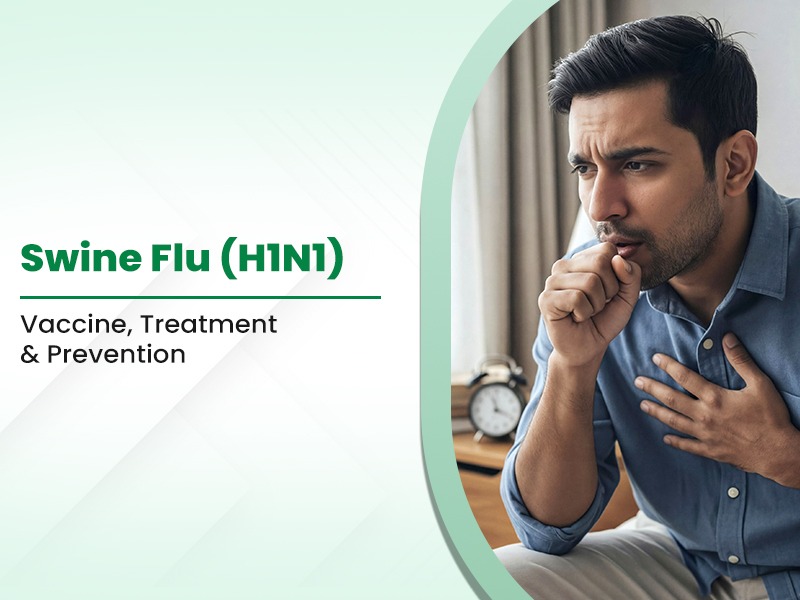
Swine Flu (H1N1): Vaccine, Treatment & Prevention
Swine flu, commonly referred to as H1N1 influenza, is a respiratory infection caused by an influenza A virus. Although the H1N1 strain was originally associated with pigs, the H1N1 virus that circulates among people spreads mainly from person to person. It can cause symptoms ranging from mild fever and cough to serious complications such as pneumonia and breathing difficulties.
Understanding how swine flu spreads, getting vaccinated on time, knowing your treatment options, and taking preventive steps can protect you and your family. If you experience severe symptoms, visit Yashoda Medicity, recognised as the Best Pulmonology Hospital in Ghaziabad and a top hospital in Delhi NCR, for world-class respiratory and general medical care.
Click here: pulmonologist in Delhi NCR
Symptoms & Transmission
Swine flu can cause symptoms similar to other forms of seasonal influenza. Symptoms may develop suddenly and can vary from person to person.
Common Symptoms:
- Fever and chills
- Cough and sore throat
- Runny or blocked nose
- Body aches and headache
- Severe fatigue and weakness
- Sometimes nausea, vomiting or diarrhoea, particularly in children
Most people recover within a few days to around a week with appropriate rest and supportive care. However, influenza can sometimes lead to complications such as pneumonia, worsening of asthma or other chronic lung conditions, dehydration, and respiratory failure.
How Does Swine Flu Spread?
H1N1 mainly spreads when an infected person coughs, sneezes, talks or breathes, releasing respiratory particles that can be inhaled by people nearby. The virus can also spread when a person touches a contaminated surface and then touches their eyes, nose or mouth.
A person may be able to spread influenza before they realise they are sick and can remain contagious for several days after symptoms begin.
Swine flu is not transmitted by eating properly cooked pork or pork products. Influenza viruses are destroyed when pork is properly handled and cooked.
If breathing difficulties arise or symptoms become severe, consult the experts at the Best General Medicine Hospital in Ghaziabad at Yashoda Medicity immediately.
Who Is at Higher Risk of Complications?
While healthy individuals can usually recover from influenza without major complications, certain people have a higher risk of becoming seriously ill.
These include:
- Children, particularly young children
- Adults aged 65 years and above
- Pregnant women
- People with asthma, COPD or other chronic lung conditions
- People with heart disease or diabetes
- Individuals with weakened immune systems
- People with certain chronic medical conditions
People in these groups should seek medical advice promptly if they develop influenza-like symptoms.
Why Get a Flu Vaccination? Basic Concepts
The annual flu vaccine is one of the most effective ways to reduce the risk of influenza and its complications. Influenza viruses change over time, which is why vaccine formulations are updated periodically to provide protection against strains expected to circulate during the season.
Flu vaccine effectiveness varies depending on factors such as the circulating virus strains, age and health of the individual, and how well the vaccine matches the viruses in circulation. Even when vaccination does not completely prevent infection, it can reduce the risk of severe illness, hospitalization, and complications.
Key Vaccine Benefits:
- Helps reduce the risk of getting influenza.
- Can reduce the severity of illness if infection occurs.
- Lowers the risk of influenza-related complications and hospitalization.
- Provides protection for a limited period, so annual vaccination is generally recommended.
- Is recommended for most people aged 6 months and older, subject to individual medical advice.
Timing & Safety Facts
- When to get vaccinated: Protection develops after vaccination, with the immune response generally taking about two weeks to build. Vaccination can be taken before or during the influenza season depending on local circulation, vaccine availability and medical advice.
- If you are sick: People with a mild illness can generally receive the flu vaccine. If you have a moderate or severe illness, particularly with fever, your doctor may recommend waiting until you recover.
- Can the shot cause the flu? No. Injectable flu vaccines use inactivated viruses or viral components and cannot cause influenza.
- Side effects: Mild soreness, redness, or swelling at the injection site, fatigue, headache or low-grade fever may occur temporarily after vaccination. Serious reactions are rare.
- Does vaccination guarantee protection? No vaccine provides 100% protection. However, vaccination remains an important measure for reducing the risk of influenza and serious complications.
Click here: Internal Medicine Doctor in Delhi NCR
H1N1 Treatment
Treatment depends on the severity of the infection, how long symptoms have been present, and whether the individual has any conditions that increase the risk of complications.
Antiviral Treatment
Antiviral medicines such as oseltamivir (Tamiflu) may be prescribed for people with influenza, particularly those who are at higher risk of complications or have severe or progressive illness.
- How It Works: Oseltamivir inhibits the neuraminidase enzyme, which influenza viruses use to release newly formed virus particles from infected cells. This can help limit the spread of the virus within the body.
- When It Works Best: Antiviral treatment is generally most effective when started within 48 hours of symptom onset. However, doctors may still recommend antiviral treatment after 48 hours for people with severe illness, progressive symptoms or a higher risk of complications.
- Who Can Take It: Oseltamivir is used for the treatment and prevention of influenza in appropriate patients, including certain children and adults. The dose and duration depend on factors such as age, weight, kidney function, and the reason for treatment.
- Not a Vaccine Replacement: Oseltamivir treats influenza infection but does not replace annual flu vaccination.
Supportive Care
For mild cases, treatment may include:
- Adequate rest and sleep
- Drinking sufficient fluids to prevent dehydration
- Fever and pain management as advised by a healthcare professional
- Eating light, nutritious meals as tolerated
- Monitoring symptoms for any signs of worsening
Antibiotics do not treat influenza because it is caused by a virus. They may be prescribed by a doctor if a bacterial infection develops as a complication.
Practical Ways to Prevent Swine Flu
Because prevention is always better than cure, adopt these daily precautionary steps:
- Hygiene Maintenance: Keep frequently touched surfaces clean and maintain good hygiene at home and in shared spaces.
- Cover Sneezes & Coughs: Cover your nose and mouth with a tissue or your elbow when coughing or sneezing. Consider wearing a mask when you have respiratory symptoms, particularly around others.
- Frequent Handwashing: Wash your hands regularly with soap and water or use an alcohol-based hand rub, especially after coughing, sneezing, or being in public places.
- Avoid Touching Your Face: Avoid touching your eyes, nose, and mouth with unwashed hands, as this can allow viruses to enter the body.
- Avoid Close Contact When Sick: Stay home when you are unwell and avoid close contact with others, particularly older adults, young children, and people with underlying health conditions.
- Improve Ventilation: Keep indoor spaces well ventilated by opening windows or using appropriate ventilation systems where possible.
- Get Vaccinated: Annual influenza vaccination can help reduce the risk of infection and serious complications.
When Should You See a Doctor?
Most people with influenza recover without serious problems. However, medical attention is important if symptoms are severe, persistent, or worsening.
Seek prompt medical care for:
- Difficulty or shortness of breath
- Chest pain or persistent pressure
- Persistent or worsening high fever
- Confusion, unusual drowsiness, or difficulty staying awake
- Severe weakness or dizziness
- Signs of dehydration, such as very little urine
- Symptoms that improve and then suddenly become worse
- Severe symptoms in young children, older adults, pregnant women, or people with underlying health conditions
If you develop severe breathing difficulty, chest pain, confusion, or other signs of an emergency, seek immediate medical attention.
Advanced Pulmonary & Critical Care at Yashoda Medicity
If flu symptoms lead to persistent coughing, high fever, or shortness of breath, do not delay seeking professional treatment.
Yashoda Medicity stands out as the top hospital in Delhi NCR, bringing together renowned lung specialists, advanced diagnostic tools such as EBUS and pulmonary function testing, and high-dependency respiratory care facilities. As the best pulmonology hospital in Ghaziabad and the best general medicine hospital in Ghaziabad, Yashoda Medicity provides comprehensive care for respiratory infections, influenza-related complications, and other pulmonary conditions.
Also Read: Don't Wait for Symptoms: Book Your Full Body Checkup in Noida Today
FAQs
Q1: What is swine flu (H1N1)?
Swine flu, commonly called H1N1 influenza, is a respiratory infection caused by an influenza A virus. The H1N1 virus circulating in humans spreads mainly from person to person through respiratory particles.
Q2: Can you get swine flu from eating cooked pork?
No. Swine flu is not transmitted by eating properly cooked pork or pork products. H1N1 primarily spreads through respiratory particles from an infected person.
Q3: How effective is the flu vaccine?
Flu vaccine effectiveness varies from season to season and depends on factors such as the circulating virus strains, age and health of the individual, and how well the vaccine matches the viruses in circulation. Vaccination can reduce the risk of influenza and help lower the risk of severe illness and complications.
Q4: Can the flu shot cause the flu?
No. Injectable flu vaccines contain inactivated viruses or viral components and cannot cause influenza. Mild side effects such as soreness at the injection site, headache or low-grade fever may occur temporarily.
Q5: How does Tamiflu (Oseltamivir) work?
Oseltamivir is an antiviral medicine that inhibits the neuraminidase enzyme used by influenza viruses to spread from infected cells. It can reduce the duration and severity of illness, particularly when treatment is started early.
Q6: How long does H1N1 flu last?
Many people recover within a few days to around a week, although cough and fatigue may persist for longer. The duration can vary depending on the person's age, overall health and severity of infection.
Q7: Who is most at risk of severe H1N1 infection?
Young children, older adults, pregnant women, people with chronic lung or heart conditions, diabetes, weakened immunity and certain other underlying conditions have a higher risk of influenza complications.
Q8: Can H1N1 be treated at home?
Mild influenza can often be managed at home with adequate rest, fluids and symptom relief as advised by a healthcare professional. However, people at higher risk of complications or those with worsening symptoms should seek medical advice promptly.
Q9: Do antibiotics treat H1N1?
No. H1N1 is caused by a virus, so antibiotics do not treat the influenza infection itself. A doctor may prescribe antibiotics if a bacterial complication develops.
Q10: When should I seek emergency care for H1N1?
Seek immediate medical attention for severe breathing difficulty, chest pain, confusion, severe weakness, signs of dehydration, or other rapidly worsening symptoms. High-risk individuals should also seek medical advice early when influenza symptoms develop.