
 Call: +91 9266610101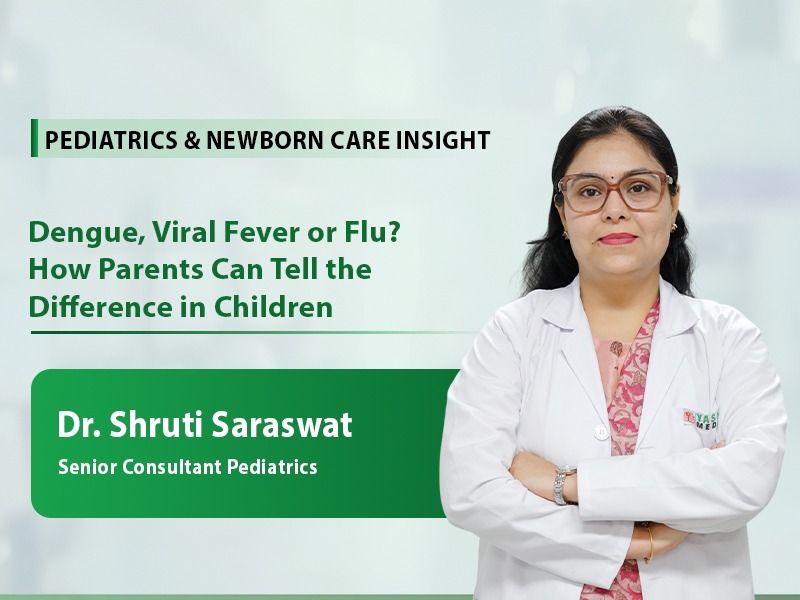
Dengue, Viral Fever or Flu? How Parents Can Tell the Difference in Children
Seasonal changes often bring an increase in paediatric illnesses, leaving families worried and uncertain about their child's health. When a young child suddenly develops a fever and fatigue, consulting an experienced Pediatric Doctor in Delhi NCR can help parents identify the exact cause. Since dengue, viral fever, and influenza often share similar early symptoms, distinguishing between them is essential for timely treatment and a smooth recovery.
Understanding Children's Seasonal Illnesses
Fever in children is commonly caused by viral infections, but recovery depends largely on the underlying illness. While simple viral infections usually resolve with supportive care, illnesses such as influenza and dengue require closer monitoring to prevent complications. Understanding how symptoms develop over time helps parents recognise when medical attention is needed.
Comparing Common Childhood Fevers
Knowing how each illness presents helps parents monitor symptom progression and seek timely medical care. Consulting a newborn, child & adolescent healthcare specialist at Yashoda Medicity enables families to assess these symptoms accurately and identify subtle changes in their child's condition during recovery.
Below is a comparison of simple viral fever, seasonal flu, and dengue fever based on their symptoms:
Simple Viral Fever
Simple viral fever usually develops gradually over a few days and is characterised by a low- to moderate-grade fever that often responds well to rest, hydration, and supportive care. Children may experience mild muscle aches, a runny nose, or a mild cough but generally remain active and alert between episodes of fever.
Seasonal Flu (Influenza)
Influenza develops suddenly and is typically associated with a high fever, chills, shivering, and severe body aches. It primarily affects the respiratory tract, causing a persistent dry cough, sore throat, headache, and marked fatigue. Children often feel significantly unwell and may remain bedridden during the illness.
Dengue Fever
Dengue fever begins abruptly with a high-grade fever that may persist for several days. It is commonly associated with severe muscle and joint pain, earning it the nickname "break-bone fever." Children may also develop pain behind the eyes, skin rashes, abdominal pain, nausea, and vomiting.
What Are the Key Signs of Dengue Fever?
Dengue symptoms usually appear suddenly with a high fever and significant discomfort. Children often experience extreme weakness along with severe muscle and joint pain. Recognising these symptoms early allows parents to seek prompt medical care and reduce the risk of complications.
Key symptoms include:
- Pain Behind the Eyes: Especially noticeable when the child moves their eyes.
- Severe Joint and Muscle Pain: Commonly referred to as "break-bone" pain.
- Skin Rash: Pink or red rashes that may appear a few days after the fever begins.
- Abdominal Symptoms: Persistent stomach pain, nausea, vomiting, or unusual lethargy.
How Can You Spot Flu Symptoms in Children?
Seasonal influenza usually develops suddenly and primarily affects the respiratory system. Consulting an experienced pediatric doctor in Delhi NCR helps parents identify influenza early, as children often become weak and fatigued within a short period, accompanied by significant body aches.
Common symptoms include:
- Sudden onset of high fever with chills or shivering.
- Persistent dry cough, sore throat, and nasal congestion.
- Headache and severe muscle pain, particularly in the back and legs.
- Loss of appetite and extreme tiredness lasting several days.
Differentiating Seasonal Flu from Simple Viral Fever
Distinguishing between seasonal flu and a simple viral fever helps parents make informed decisions about their child's care. A simple viral fever usually develops gradually and is accompanied by mild symptoms such as a runny nose, mild cough, or sore throat. Children generally become active again once the fever subsides.
In contrast, seasonal flu begins suddenly and causes a high fever, chills, severe body aches, persistent cough, and extreme fatigue, often leaving the child too weak to carry out normal activities. If symptoms worsen or persist, seeking expert care at Yashoda Medicity is recommended.
Simple Viral Fever
- Mild- to moderate-grade fever.
- Mild cold-like symptoms.
- Child remains active between fever episodes.
- No severe body aches or skin rash.
Seasonal Flu (Influenza)
- Sudden high fever with chills.
- Severe muscle aches, especially in the back and legs.
- Persistent dry cough.
- Marked fatigue and poor appetite.
Warning Signs That Require Immediate Medical Attention
Although many viral illnesses resolve with rest and supportive care, certain symptoms require immediate medical evaluation.
Seek medical attention if your child develops:
- Difficulty breathing, rapid breathing, or chest retractions.
- Persistent vomiting or severe abdominal pain.
- Signs of dehydration, including dry lips, absence of tears while crying, or reduced urination.
- Excessive drowsiness, confusion, or difficulty waking up.
- Red spots, unexplained bruising, or bleeding.
Consulting a newborn, child, & adolescent healthcare specialist at the earliest helps ensure timely diagnosis, appropriate treatment, and personalised care.
Effective Ways to Care for Your Child at Home
Supportive home care plays an important role in helping children recover comfortably from seasonal illnesses. These simple measures can help manage fever, prevent dehydration, and promote healing.
- Keep your child well hydrated: Offer plenty of water, ORS, coconut water (if appropriate), or clear soups in small, frequent amounts.
- Ensure adequate rest: Allow your child to rest in a cool, well-ventilated room.
- Dress them comfortably: Light cotton clothing helps regulate body temperature during fever.
- Avoid self-medication: Do not give over-the-counter medicines without consulting a qualified healthcare professional.
- Seek medical advice when needed: Consult a paediatrician if symptoms worsen, persist, or if warning signs develop.
Consulting Medical Experts
Accurate diagnosis of childhood fever requires a thorough clinical examination and, when necessary, appropriate laboratory investigations. Led by Dr. Shruti Saraswat, Senior Consultant - Pediatrics, the team at Yashoda Cradle and Children's Hospital provides comprehensive paediatric care supported by advanced diagnostic facilities and evidence-based treatment.
Consulting an experienced Pediatric Doctor in Delhi NCR helps parents understand the cause of their child's illness, receive personalised treatment recommendations, and ensure a safe recovery.
Conclusion
Understanding the differences between dengue, seasonal flu, and viral fever enables parents to recognise symptoms early and seek timely medical care. Consulting an experienced pediatric doctor in Delhi NCR ensures accurate diagnosis, appropriate treatment, and better health outcomes for children.
At Yashoda Medicity, our expert paediatric team combines advanced diagnostics with compassionate care to support your child's health at every stage. Book a consultation today for expert guidance and comprehensive paediatric care.