
 Call: +91 9266610101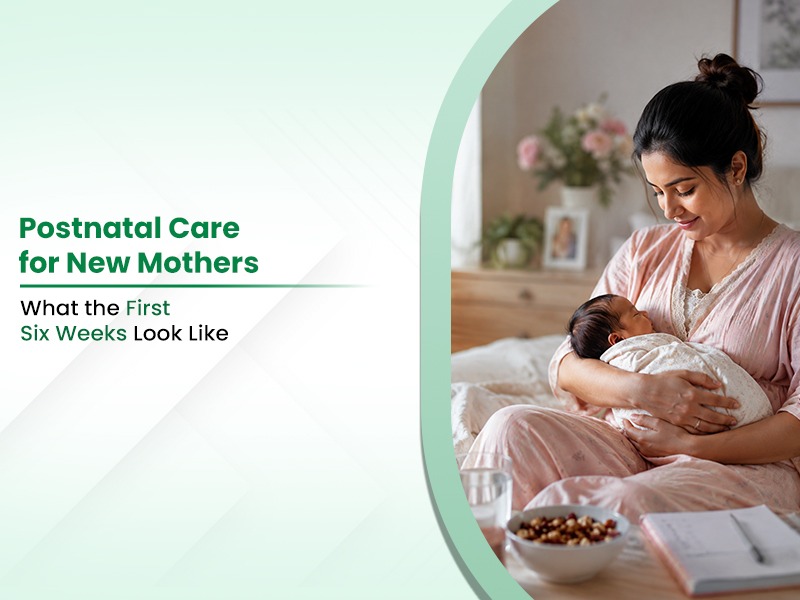
Postnatal Care for New Mothers: What the First Six Weeks Look Like
The first six weeks after childbirth are an important period of physical and emotional recovery. While caring for a newborn naturally becomes a priority, new mothers also need adequate rest, nutrition, medical follow-up, and support as the body adjusts after pregnancy and delivery.
This period, often referred to as the fourth trimester, involves several changes, from uterine recovery and postpartum bleeding to breastfeeding, hormonal fluctuations, and emotional adjustment. Regular follow-up with the best lady gynecologist in Ghaziabad can help monitor recovery, address concerns early, and support a healthy transition into motherhood.
Click here: Best Doctor for High-Risk Pregnancy in Ghaziabad
Weeks 1 to 2: Physical Recovery and Adjustment
The first two weeks generally focus on recovering from childbirth, managing discomfort, establishing feeding routines, and adapting to life with a newborn.
- Uterine Recovery: The uterus gradually contracts and returns towards its pre-pregnancy size. Mild cramping, sometimes called afterpains, can occur, particularly during breastfeeding.
- Managing Postpartum Bleeding: Lochia, or postpartum vaginal bleeding, is common after delivery and gradually changes in amount and colour over time. Excessive bleeding or unusual symptoms should be discussed with a doctor promptly.
- Perineal or C-Section Wound Care: Mothers recovering from vaginal delivery or a C-section should follow their doctor's instructions for keeping the affected area clean and monitoring it for signs of infection.
- Breastfeeding Support: Colostrum is produced during the early days after birth, followed by an increase in breast milk production. Guidance on positioning and latching can help make breastfeeding more comfortable and reduce feeding difficulties.
- Early Postpartum Follow-Up: Depending on the mother's health and delivery, early follow-up may be recommended to assess recovery, feeding, blood pressure, wounds, and other concerns.
Weeks 3 to 4: Hormonal and Emotional Changes
By the third and fourth weeks, some of the initial physical discomfort may begin to improve. However, hormonal changes, sleep deprivation, and the demands of caring for a newborn can continue to affect emotional well-being.
- Emotional Health: Mood swings, tearfulness, anxiety, and irritability can occur during the early postpartum period. If these symptoms are severe, persist beyond two weeks, or interfere with daily life, professional evaluation is important.
- Nutrition and Hydration: A balanced diet containing adequate protein, iron, fibre, vitamins, and fluids supports recovery and overall well-being, particularly for mothers who are breastfeeding.
- Rest and Sleep: Newborn feeding schedules can make uninterrupted sleep difficult. Accepting help from family members and resting whenever possible can support physical and emotional recovery.
- Gentle Physical Activity: Once the doctor confirms that it is appropriate, light movement and gentle exercises can gradually be incorporated into the daily routine.
Women looking for the best gynecologist in Indirapuram can consult an experienced obstetrician-gynaecologist for personalised advice based on their delivery, medical history, and recovery.
Click here: Best PCOS Doctor in Ghaziabad
Weeks 5 to 6: Preparing for Long-Term Recovery
By the fifth and sixth weeks, many mothers begin to regain energy and gradually return to their usual routines. However, recovery is individual and may take longer, particularly after a C-section or complicated pregnancy or delivery.
The Postpartum Check-Up
A postpartum consultation provides an opportunity to review physical and emotional recovery. Depending on the individual's needs, the doctor may assess:
- Healing after vaginal delivery or C-section
- Postpartum bleeding and other symptoms
- Blood pressure and general health
- Pelvic floor recovery
- Breastfeeding or lactation concerns
- Emotional well-being
- Contraception and family planning
- Return to exercise and other physical activities
The timing of the postpartum check-up may vary depending on the mother's health and the doctor's recommendations.
Returning to Exercise and Daily Activities
There is no single timeline that applies to every new mother. The appropriate time to resume exercise, sexual activity, driving, or other routines depends on the type of delivery, recovery, symptoms, and overall health.
A healthcare professional can provide individual guidance and recommend gradually increasing physical activity rather than returning immediately to strenuous exercise.
When Should a New Mother Seek Medical Attention?
Some postpartum symptoms require prompt medical evaluation. Seek medical attention if you experience:
- Heavy or increasing vaginal bleeding
- Fever or chills
- Increasing pain or redness around a C-section or perineal wound
- Severe headache, vision changes, or sudden swelling
- Chest pain or difficulty breathing
- Severe abdominal or pelvic pain
- Painful swelling in one leg
- Persistent sadness, severe anxiety, confusion, or thoughts of harming yourself or your baby
Early medical attention can help identify and manage postpartum complications appropriately.
Choosing the Right Postnatal Care in Ghaziabad
Postnatal care extends beyond the routine six-week check-up. New mothers may need support with breastfeeding, nutrition, emotional well-being, contraception, wound recovery, and returning to physical activity.
Choosing the best maternity hospital in Ghaziabad with access to obstetricians, gynaecologists, paediatricians, lactation support, and other specialists can make it easier to address the changing needs of both mother and baby.
At Yashoda Medicity, postnatal care focuses on supporting mothers through physical recovery, breastfeeding, emotional well-being, and follow-up care while ensuring access to specialised medical support when required.
Prioritising Your Health After Childbirth
Taking care of yourself is an important part of caring for your newborn. Adequate rest, nutritious food, hydration, appropriate physical activity, emotional support, and timely medical follow-ups can help support recovery during the postpartum period.
If you have concerns about your recovery after childbirth, consulting the best lady gynecologist in Ghaziabad can help you understand what is normal, identify potential complications, and receive care tailored to your needs.
Also Read: What Happens During High-Risk Pregnancy Management? A Complete Guide for Expecting Mothers
FAQs
Q1. What happens during the first two weeks after childbirth?
The first two weeks generally involve physical recovery, postpartum bleeding, uterine contraction, wound healing where applicable, breastfeeding adjustment, and adapting to newborn care. Your doctor can guide you based on your delivery and recovery.
Q2. Is it normal to experience mood changes after childbirth?
Mild mood changes or “baby blues” can occur during the early postpartum period. However, persistent, severe, or worsening sadness, anxiety, confusion, or thoughts of self-harm or harming the baby require prompt professional support.
Q3. What happens during a postpartum check-up?
Depending on your individual needs, your doctor may review your physical recovery, wound healing, blood pressure, bleeding, pelvic floor health, breastfeeding concerns, emotional well-being, contraception, and return to physical activity.
Q4. When can I start exercising after childbirth?
The appropriate time varies depending on your delivery and recovery. Gentle movement may be appropriate earlier for some women, while strenuous exercise may need to wait. Your doctor can advise you on a suitable progression.
Q5. Why choose Yashoda Medicity for postnatal care?
Yashoda Medicity provides access to obstetric and gynaecology care along with paediatric and other specialist support, helping mothers receive comprehensive care during the postpartum period.