
 Call: +91 9266610101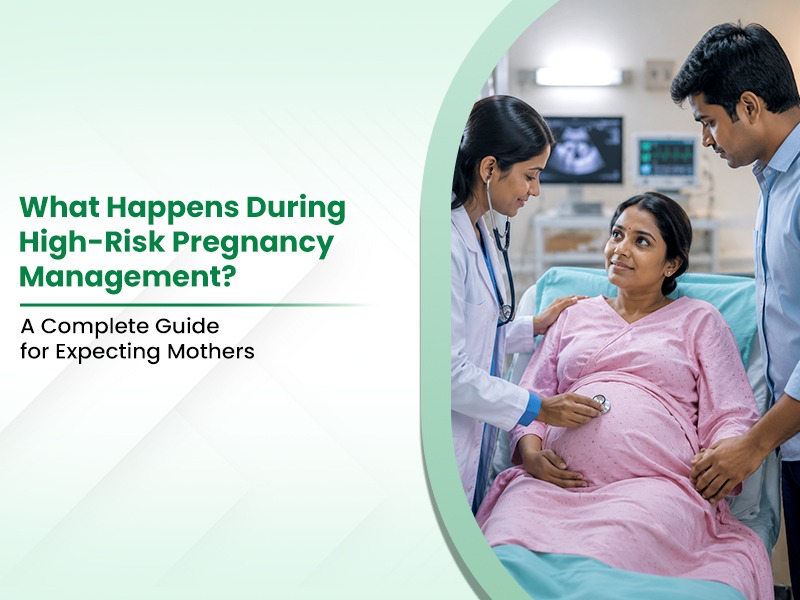
What Happens During High-Risk Pregnancy Management? A Complete Guide for Expecting Mothers
A positive pregnancy test brings immense joy, but hearing that your pregnancy is classified as high-risk can quickly trigger anxiety and confusion. Understanding what happens during specialised care can help reduce uncertainty and prepare expecting mothers for the journey ahead. When facing potential complications, consulting the best gynecologist in Indirapuram can help establish a tailored care plan designed to support the health of both mother and baby. From advanced diagnostic assessments to individualised delivery planning, specialised clinical teams work together to provide appropriate care throughout pregnancy.
What Is High-Risk Pregnancy Management?
High-risk pregnancy management involves specialised medical care for women who have an increased risk of developing complications during pregnancy, labour, or delivery. The approach focuses on identifying risk factors early, monitoring maternal and fetal health, and providing appropriate interventions when required to support a safe pregnancy and delivery.
What Causes a High-Risk Pregnancy?
Certain health conditions that exist before pregnancy, as well as complications that develop during pregnancy, can make a pregnancy high-risk. Working with a specialised maternity team at a well-equipped hospital can help ensure appropriate monitoring and timely care.
Key risk factors may include:
- Health problems prior to conception: Existing conditions such as high blood pressure, diabetes, thyroid disorders, or certain autoimmune conditions may require closer monitoring during pregnancy.
- Health complications arising during pregnancy: Conditions such as gestational diabetes, pregnancy-induced hypertension, or placental problems may increase pregnancy-related risks.
- Multiple gestations: Carrying twins, triplets, or more than one baby can increase the risk of complications, including preterm birth.
- Maternal age: Pregnancy at an advanced maternal age may be associated with certain pregnancy-related risks and may require additional monitoring.
- Previous pregnancy complications: A history of recurrent pregnancy loss, preterm birth, or other pregnancy complications may require closer observation during a subsequent pregnancy.
Advanced Diagnostic Tests and Monitoring
A high-risk pregnancy may require additional diagnostic assessments to monitor fetal development and maternal health.
Common assessments may include:
- Targeted high-resolution ultrasounds: Detailed imaging to assess fetal development, anatomy, and placental position.
- Blood flow studies: Doppler studies may be used to assess blood flow between the mother, placenta, and baby when clinically indicated.
- Genetic screening and diagnostic testing: Depending on the pregnancy and individual risk factors, screening tests such as non-invasive prenatal testing may be recommended. Diagnostic procedures such as amniocentesis or chorionic villus sampling may be advised in selected cases.
- Fetal monitoring: Assessment of fetal heart rate, growth, and well-being may be performed at appropriate stages of pregnancy.
Individualised Care Plans and Treatment
Every high-risk pregnancy is different and requires an individualised care plan. The obstetrician may recommend appropriate dietary measures, blood pressure monitoring, blood sugar management, medication, and additional investigations depending on the mother's health and pregnancy needs.
Where required, care may involve coordination between obstetricians, maternal-fetal medicine specialists, endocrinologists, neonatologists, and other healthcare professionals.
Specialised Labour and Delivery Planning
For complicated pregnancies, delivery planning is often undertaken well in advance based on the health of the mother and baby. Coordinating with a well-equipped maternity and neonatal care team ensures that the appropriate clinical resources are available when delivery becomes necessary.
Key aspects of delivery planning include:
- Delivery time and method: The obstetric team determines the safest timing and mode of delivery based on maternal and fetal health. Depending on the circumstances, this may involve vaginal birth or a planned caesarean delivery.
- Monitoring during labour: Maternal and fetal parameters are monitored throughout labour as clinically appropriate.
- Neonatal readiness: When there is a risk of premature birth or neonatal complications, appropriate neonatal care and specialist support can be arranged before delivery.
Choosing the Right Medical Care
A high-risk pregnancy can benefit from experienced medical professionals and a well-equipped tertiary care centre such as Yashoda Medicity. Choosing a centre with specialised maternal, antenatal, obstetric, and neonatal services can support timely evaluation and emergency care when required.
Expectant mothers seeking specialised clinical care in Indirapuram and the wider NCR region can consult experienced specialists at Yashoda Medicity. Access to a best maternity hospital in Ghaziabad can provide comprehensive antenatal care, specialised monitoring, and multidisciplinary support based on individual pregnancy needs. A well-equipped pregnancy hospital in Ghaziabad can also provide advanced labour facilities, emergency support, and neonatal care when required.
Conclusion
At Yashoda Medicity, high-risk pregnancy care combines specialised medical expertise, advanced diagnostic facilities, and coordinated maternal and neonatal services. Through facilities including Yashoda Cradle and Children's Hospital, mothers and babies can access comprehensive pregnancy monitoring, specialised neonatal care, and emergency support.
Consulting the best gynecologist in Indirapuram can help expecting mothers receive an individualised care plan based on their health and pregnancy needs, with appropriate monitoring throughout the pregnancy.
Book a consultation with our maternal care team for personalised guidance and pregnancy care.
FAQs
1. What is high-risk pregnancy management at Yashoda Cradle and Children's Hospital?
High-risk pregnancy management involves specialised medical care, monitoring, and timely interventions for pregnancies that have an increased risk of complications affecting the mother or baby.
2. What can lead to a pregnancy being categorised as high-risk?
Pre-existing health conditions, complications that develop during pregnancy, multiple pregnancies, advanced maternal age, and certain previous pregnancy complications can increase the likelihood of a pregnancy being classified as high-risk.
3. How are high-risk pregnancies monitored?
Depending on individual needs, high-risk pregnancies may be monitored through specialised ultrasound examinations, blood tests, fetal monitoring, Doppler studies, and other assessments recommended by the treating obstetrician.
4. Why should high-risk pregnancies be planned in advance for delivery?
Advance delivery planning helps the obstetric, anaesthesia, neonatal, and other relevant clinical teams prepare for the specific needs of the mother and baby and respond promptly if complications arise.
5. How does Yashoda Medicity support high-risk newborns during delivery?
Yashoda Medicity provides access to specialised neonatal care and trained clinical teams to support newborns who require additional monitoring or medical attention after delivery.