
 Call: +91 9266610101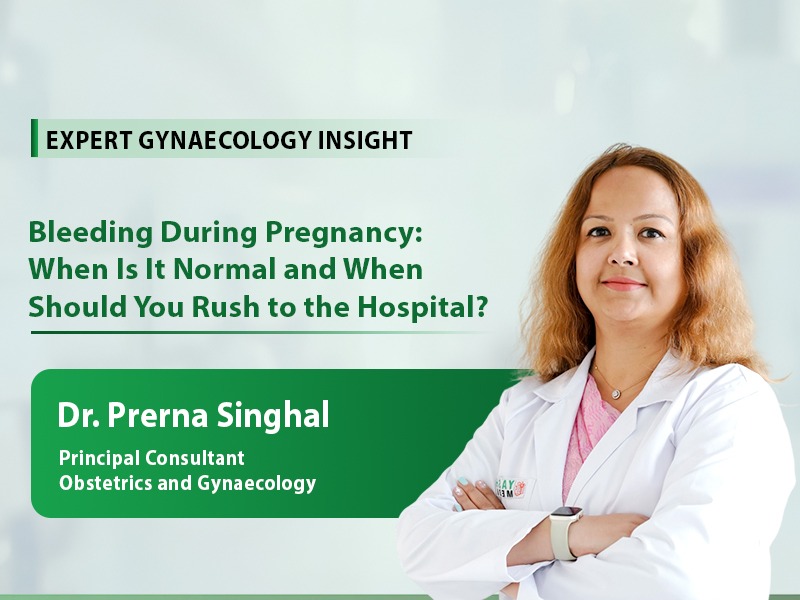
Bleeding During Pregnancy: When Is It Normal and When Should You Rush to the Hospital?
Expecting a child is a deeply transformative journey filled with anticipation, joyful milestones, and continuous physical changes. However, noticing unexpected spotting or bleeding during pregnancy can immediately cause concern and anxiety for any mother-to-be.
Consulting a qualified obstetrician & gynaecologist in Delhi NCR helps expectant parents distinguish between minor causes of spotting and conditions that require medical attention. Understanding the warning signs enables timely medical evaluation and supports maternal and fetal well-being throughout pregnancy.
Possible Causes of Early Pregnancy Spotting
Early pregnancy spotting is not uncommon and does not necessarily indicate a serious problem. However, the cause of bleeding can vary, and medical evaluation may be recommended depending on the symptoms and stage of pregnancy.
Some possible causes of spotting in early pregnancy include:
Implantation Spotting: Light pink or brown spotting may occur around the time a fertilised egg implants into the uterine lining.
Cervical Sensitivity: Increased blood flow and hormonal changes can make the cervix more sensitive and may cause light spotting after a pelvic examination or sexual intercourse.
Hormonal Changes: Changes occurring during early pregnancy may sometimes be associated with light spotting.
Cervical Polyps: Small, generally benign growths on the cervix may bleed more easily during pregnancy because of increased blood flow and hormonal changes.
Critical First Trimester Warning Signs
Although some instances of light spotting may have a minor cause, bleeding accompanied by pain or other concerning symptoms should be assessed promptly. Accessing Advanced Obstetric Care for High-Risk Pregnancy & Maternal Health at Yashoda Medicity enables timely evaluation of potential complications that may affect maternal health and pregnancy.
Early warning signs may include:
Ectopic Pregnancy: Bleeding accompanied by one-sided pelvic or abdominal pain, shoulder-tip pain, dizziness, or fainting requires urgent medical attention.
Threatened Miscarriage: Vaginal bleeding, particularly when accompanied by abdominal or lower-back pain, requires prompt medical evaluation to determine the cause.
Molar Pregnancy: Unusual vaginal bleeding, severe nausea or vomiting, and a uterus that is larger than expected for the stage of pregnancy may require further evaluation.
Late Pregnancy Bleeding Concerns
Vaginal bleeding during the second or third trimester requires immediate assessment by healthcare professionals. Causes may include problems related to the placenta, cervix, or the onset of labour.
Common causes of late-stage pregnancy bleeding include:
Placenta Previa: When the placenta lies over or close to the cervix, it can cause painless, bright-red bleeding, particularly in later pregnancy.
Placental Abruption: When the placenta separates from the uterine wall before delivery, it may cause vaginal bleeding along with abdominal or back pain, uterine tenderness, or contractions.
Uterine Rupture: This is a rare but serious condition involving a tear in the uterine wall, often associated with a previous uterine scar, and may cause sudden abdominal pain and bleeding.
Preterm Labour: Pink or blood-stained mucus accompanied by regular uterine contractions before 37 weeks may indicate preterm labour.
Bloody Show: Blood-stained mucus may be released as the cervix begins to open in preparation for labour.
Distinguishing Less Concerning Spotting from Warning Signs
Understanding the pattern of bleeding and accompanying symptoms can help pregnant women recognise when medical evaluation is necessary. However, the amount or colour of blood alone cannot determine whether bleeding is harmless.
Here are some important differences to consider:
Blood Flow Intensity: Light, brief spotting may have a less serious cause, while heavy bright-red bleeding, especially when it soaks through a sanitary pad quickly, requires urgent medical assessment.
Associated Pain: Spotting without significant pain may be less concerning, whereas severe abdominal, pelvic, or back pain may indicate a complication requiring immediate evaluation.
Systemic Symptoms: Dizziness, weakness, fainting, fever, or chills accompanying bleeding require prompt medical attention.
Duration of Blood Loss: Brief spotting may resolve on its own, while persistent, recurrent, or increasing bleeding should be evaluated by a healthcare professional.
When to Rush for Medical Care
Knowing when to seek urgent medical attention can help prevent delays in managing pregnancy-related complications. Pregnant women should seek immediate medical care in case of the following symptoms:
Excessive Vaginal Bleeding: Bleeding that soaks through a sanitary pad in an hour, particularly if it continues or is accompanied by other symptoms.
Severe Lower Abdominal or Back Pain: Severe or persistent abdominal pain or intense cramps.
Dizziness or Loss of Consciousness: Dizziness, confusion, fainting, or significant weakness.
Passage of Blood Clots or Tissue: Passing large blood clots or tissue from the vagina.
Decreased Fetal Movements: Reduced fetal movements accompanied by vaginal bleeding, particularly once regular fetal movements have been established.
Advanced Diagnostic Pregnancy Support
Comprehensive diagnostic assessments help specialised teams identify the possible cause of bleeding and develop an appropriate care plan. Depending on the stage of pregnancy and symptoms, evaluation may include ultrasound scans, blood tests, clinical examination, and continuous fetal monitoring where required.
Families experiencing pregnancy-related bleeding or high-risk conditions can consult specialists such as Dr. Prerna Singhal, Principal Consultant, Obstetrics and Gynaecology, who brings extensive experience in managing complex pregnancies, fetal monitoring, and high-risk maternal care. Expert evaluation helps ensure that maternal and fetal health are carefully monitored throughout pregnancy.
Choosing Expert Maternity Care
Advanced maternity care facilities support the prompt management of obstetric emergencies and pregnancy complications. Dedicated departments may offer round-the-clock emergency care, advanced delivery facilities, and neonatal intensive care services working in coordination.
Access to a specialised gynaecology department in Delhi NCR provides expecting mothers with multidisciplinary support from obstetricians, fetal medicine specialists, and neonatologists when required. Continuous monitoring, appropriate guidance, and personalised treatment plans help manage pregnancy-related concerns effectively.
Obstetric Care at Yashoda Medicity
Navigating pregnancy safely requires regular clinical monitoring, appropriate diagnostic evaluation, and timely medical guidance. Consulting an experienced obstetrician & gynaecologist in Delhi NCR can help expectant mothers understand concerning symptoms and seek appropriate care when needed.
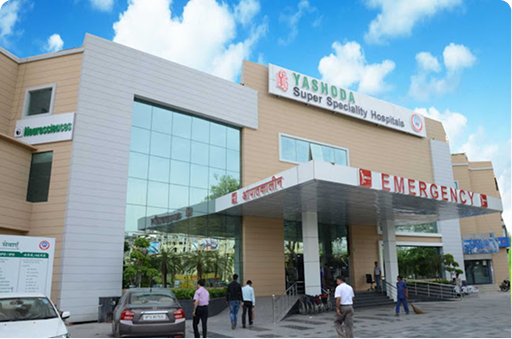
At Yashoda Medicity, advanced maternal services and specialised obstetric care support the management of routine and high-risk pregnancies. Our specialists provide clinical guidance and personalised care based on the individual needs of the mother and baby.
Book a consultation with our experts for appropriate evaluation and guidance during your pregnancy.
FAQs
Q1: Is light spotting during early pregnancy always normal?
Light spotting can occur during early pregnancy and may have several causes. However, bleeding during pregnancy should not be assumed to be normal. Consult your doctor, particularly if the bleeding is persistent or accompanied by pain, dizziness, or other symptoms.
Q2: When should I go to Yashoda Medicity for bleeding during pregnancy?
You should seek immediate medical attention for heavy or increasing bleeding, severe abdominal or back pain, dizziness, fainting, or passage of blood clots or tissue.
Q3: Can Yashoda Medicity provide care for bleeding during a high-risk pregnancy?
Yes, Yashoda Medicity provides specialised obstetric care and emergency evaluation for pregnancy-related complications, including conditions such as placenta previa and placental abruption.
Q4: How is the cause of bleeding during pregnancy diagnosed?
Depending on the stage of pregnancy and symptoms, doctors may use clinical evaluation, ultrasound scans, blood tests, and fetal monitoring to identify the possible cause of bleeding.
Q5: How can I book a maternal health consultation at Yashoda Medicity?
You can book an appointment with the Obstetrics and Gynaecology team at Yashoda Medicity through the hospital's appointment channels.