 Open Emergency Modal
Open Emergency Modal
Open Emergency Modal
Cardiovascular disease often develops silently over many years through a combination of genetics, lifestyle factors, and medical conditions that remain unmanaged or undetected. By the time a person experiences a significant cardiac event, the underlying disease has often been present for a long time. In many cases, that first event is a heart attack or stroke, which is precisely why the opportunity to prevent it matters so much.
India carries one of the highest cardiovascular disease burdens in the world, and the National Capital Region reflects that reality. At the Yashoda Institute of Cardiac Sciences, Yashoda Medicity, cardiovascular disease treatment in Ghaziabad covers prevention, early detection, and the full range of medical and interventional management.
Cardiovascular disease is an umbrella term for conditions affecting the heart and blood vessels. Many cardiovascular diseases are linked by the process of atherosclerosis, in which fatty plaques accumulate within arterial walls due to risk factors such as high cholesterol, hypertension, diabetes, and smoking.
Atherosclerotic Cardiovascular Disease, referred to as ASCVD, is the specific category used in clinical risk scoring to estimate an individual's ten-year risk of a major cardiac event and guide treatment decisions accordingly.
Common conditions requiring cardiovascular disease treatment in Ghaziabad include:
Coronary Artery Disease: Narrowing of the arteries supplying the heart, causing angina and increasing the risk of heart attack.
Cerebrovascular Disease: Conditions affecting the arteries supplying the brain, with stroke and transient ischaemic attack as the primary clinical manifestations.
Peripheral Artery Disease: Narrowing of arteries supplying the legs and other peripheral structures, causing pain during walking and, in severe cases, limb-threatening ischaemia.
Heart Failure: The heart's inability to pump blood effectively due to ischaemic damage, cardiomyopathy, or valvular disease.
Valvular Heart Disease: Dysfunction of one or more heart valves affecting normal blood flow.
Hypertensive Heart Disease: Structural and functional changes in the heart caused by long-standing high blood pressure.
Congenital Heart Disease: Structural abnormalities present from birth that may require intervention during childhood or adulthood.
Risk factors such as hypertension, dyslipidaemia, diabetes, or smoking are present, but no structural heart disease has developed. This is the most important stage for intervention because disease progression can often be slowed or prevented.
Subclinical changes are detectable on imaging, including an elevated coronary artery calcium score or evidence of arterial stiffening, but the patient remains symptom-free.
Clinical cardiovascular disease is present, including coronary artery disease, peripheral artery disease, or prior stroke, with or without active symptoms.
Significant cardiac damage has occurred, including heart failure, severe valvular disease, or recurrent cardiovascular events, requiring intensive medical or surgical management.
Common symptoms that may require cardiovascular disease treatment in Ghaziabad include:
Seek immediate medical attention if you experience:
These symptoms may indicate a heart attack, stroke, or another serious cardiovascular emergency.
A specialist consultation is appropriate when symptoms suggest cardiovascular involvement, when a heart report from a routine check-up has flagged abnormal findings, or when significant risk factors have never been formally assessed.
It is particularly relevant for patients wondering whether heart disease is genetic. If a parent or sibling had a heart attack or stroke before the age of 60, a proactive ASCVD risk assessment is clinically justified regardless of how well you currently feel.
The ten-year ASCVD risk score is calculated using age, sex, blood pressure, cholesterol levels, smoking status, and diabetes status to estimate the probability of a major cardiovascular event.
This score guides decisions regarding statin therapy, blood pressure management, and the intensity of lifestyle intervention.
A resting ECG detects evidence of prior infarction, conduction abnormalities, and arrhythmias and forms an important part of cardiovascular disease treatment in Ghaziabad.
A stress test evaluates the heart's electrical and functional response to exercise, helping identify ischaemia that may not be apparent at rest.
The GE Revolution Frontier provides CT coronary angiography and coronary artery calcium scoring. Calcium scoring identifies subclinical atherosclerosis before symptoms develop and refines risk classification beyond standard ASCVD calculators.
The artificial intelligence-assisted reconstruction delivers exceptional image quality for both coronary and peripheral vascular evaluation.
Cardiac MRI using the GE 3T MRI Signa Architect provides comprehensive assessment of myocardial perfusion, viability, and fibrosis, particularly in the evaluation of heart failure and cardiomyopathy.
The 128-channel system delivers outstanding soft tissue contrast and supports detailed structural assessment.
Echocardiography assesses ventricular function, valve integrity, wall motion, and pericardial status. Three-dimensional and four-dimensional echocardiography at Yashoda Medicity provides detailed structural information beyond standard two-dimensional imaging.
Fasting lipid profile, HbA1c, fasting glucose, renal function, inflammatory markers, and thyroid function testing establish the metabolic profile and identify modifiable contributors to cardiovascular risk.
For patients with elevated ASCVD risk without established disease, aggressive risk factor modification is the primary intervention.
Statins reduce LDL cholesterol and stabilise existing plaques. Antihypertensive therapy helps bring blood pressure to target levels. Diabetes management reduces accelerated atherosclerosis.
Lifestyle modification involving diet, physical activity, smoking cessation, and weight management remains the foundation of treatment regardless of which medications are prescribed.
For patients with coronary artery disease, heart failure, or peripheral artery disease, guideline-directed medical therapy includes antiplatelet agents, statins, beta-blockers, ACE inhibitors or ARBs, and diuretics as appropriate.
Regular heart report monitoring through follow-up appointments, blood tests, and imaging helps track disease progression and treatment response.
Coronary angioplasty and stenting restore blood flow in obstructed coronary arteries and form an important component of cardiovascular disease treatment in Ghaziabad.
Transcatheter procedures, including TAVI, treat valvular disease without open surgery. Peripheral angioplasty and stenting help manage peripheral artery disease.
These procedures are performed in the advanced Cath Labs at Yashoda Medicity, which remain available around the clock for emergency presentations.
Coronary artery bypass grafting, valve repair and replacement, and aortic surgery are performed by the cardiothoracic surgical team at Yashoda Medicity.
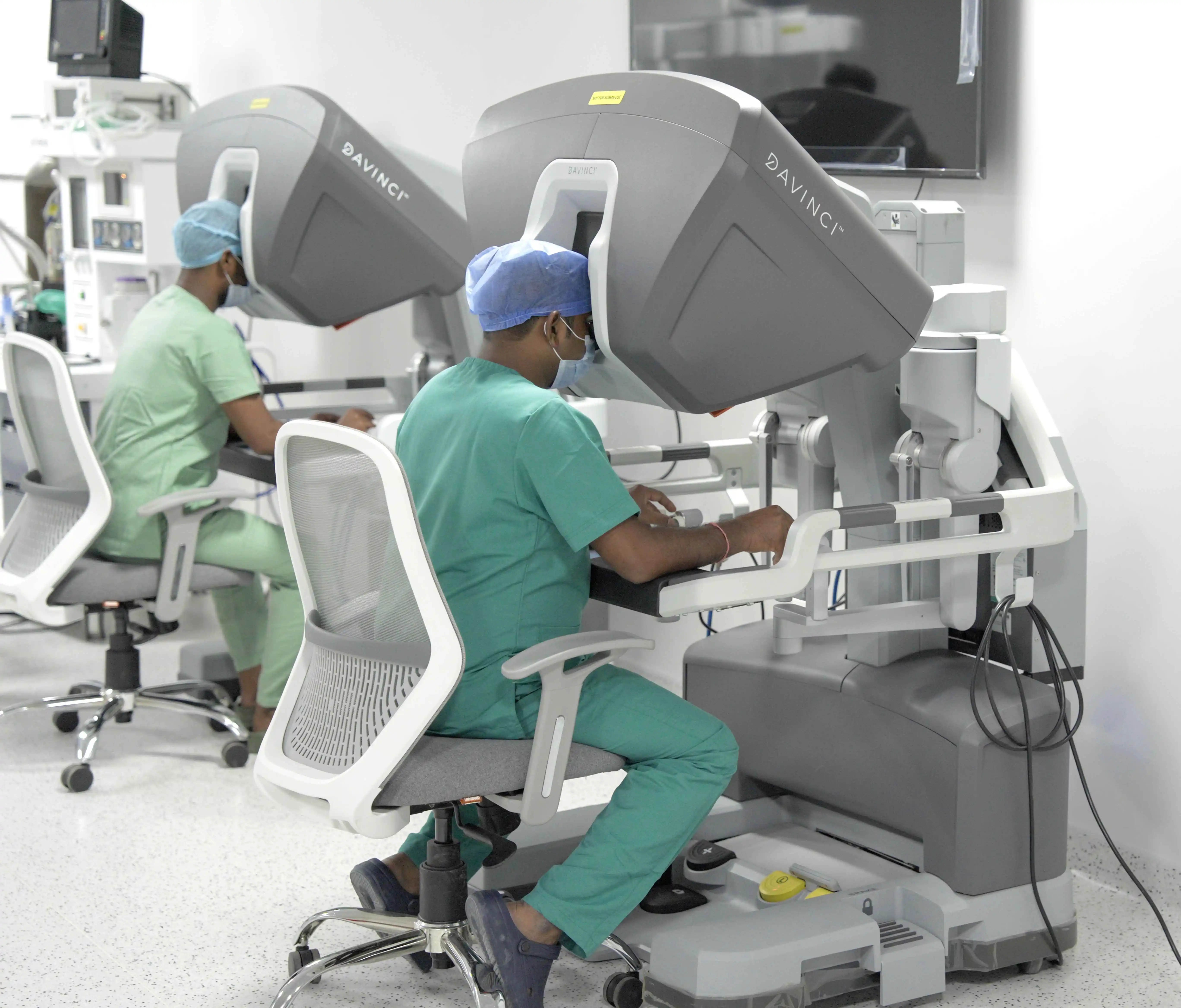
Beating heart bypass surgery, total arterial grafting, minimally invasive valve surgery, and robotic-assisted cardiac surgery are all available, ensuring that the surgical approach is matched to individual anatomy and clinical requirements.
Advanced heart failure is managed through optimised medical therapy, cardiac resynchronisation therapy, implantable cardioverter-defibrillators, ventricular assist devices, and cardiac transplantation where appropriate.
Structured rehabilitation at a cardiac care hospital in Ghaziabad combines supervised exercise, dietary guidance, psychological support, and medication management.
It reduces the risk of recurrent events, improves functional capacity, and supports long-term recovery following any cardiovascular event or intervention.
Heart Attack: Acute coronary artery occlusion caused by plaque rupture.
Stroke: Cerebrovascular event resulting from thromboembolism or arterial occlusion.
Heart Failure: Progressive pump dysfunction caused by ischaemic or hypertensive heart disease.
Sudden Cardiac Death: Ventricular arrhythmia triggered by ischaemia or structural heart disease.
Peripheral Ischaemia: Limb-threatening arterial insufficiency in advanced peripheral artery disease.
The GE Revolution Frontier enables coronary artery calcium scoring alongside standard risk factor assessment, providing a more complete picture of cardiovascular risk than blood tests alone.
The cardiology team at Yashoda Medicity recognises that standard Western risk models may underestimate cardiovascular risk in South Asian populations and therefore applies appropriately calibrated risk assessment strategies.
From preventive cardiology and medical management to interventional procedures, cardiac surgery, and advanced heart failure management, every stage of cardiovascular disease treatment in Ghaziabad is available within the same programme.
Identifying and treating cardiovascular disease before a major event occurs is one of the most effective interventions available. The preventive cardiology programme at Yashoda Medicity provides the tools and clinical support needed to act on risk factors early.
Whether you are looking to understand your cardiovascular risk, managing an established diagnosis, or seeking a second opinion on recommended treatment, the cardiac team at Yashoda Medicity, Ghaziabad is here to help you take the right next step.
Book Appointment | Call Now: 9266610101
 Verified
 More
More
Director and Unit Head
Cardio Thoracic and Vascular Surgery
Director
Cardiology
Director
Interventional Cardiology
Director
Interventional Cardiology and Structural Heart
Director
Interventional Cardiology
Director
Non-Invasive Cardiology
Associate Director
Cardiothoracic & Vascular Surgery

Senior Consultant
Interventional Cardiologist
Senior Consultant
Department of Pediatric Cardiology and CTVS
Senior Consultant
Pediatric Cardio- thoracic and Vascular Surgery
Associate Consultant
Interventional Cardiology
I recently visited the department regarding a consultation for a fatty liver condition, and I would like to place on record my appreciation for the exceptional organization and management of the facility.
The entire department is remarkably well-organized, ensuring a seamless and hassle-free experience for patients from registration through consultation. A special mention goes to the OPD Manager, whose exemplary leadership and efficiency are clearly visible in how smoothly everything functions. Her ability to keep the department structured, patient-friendly, and well-managed makes a significant difference during what can otherwise be a stressful hospital visit.
Thank you to the entire team for maintaining such high standards of care and operational excellence.
I was suffering from the problem of fluid in my lungs. I consulted many physicians but found no solution. Then I consulted Dr Rajesh Gupta and his team at Yashoda Medicity Indirapuram. He diagnosed my disease accurately by EBUS-TBNA and provided best treatment because of which now I feeling healthy and am ready to hit the gym. I would definitely recommend Dr Rajesh Gupta as one of the best chest specialists in NCR
Excellent consultation with Dr. J. B. Sharma. He was approachable, attentive, and made me feel at ease throughout the appointment. All my concerns were addressed in detail, and the nursing staff was caring and efficient. I would definitely recommend him.
Excellent hospital with caring staff and outstanding medical services. Special thanks to Dr. Vaibhav Saxena for successfully performing my husband's surgery with great expertise and care. We are truly grateful for the excellent treatment and support for doctor Vaibhav saxena 🙏💐
It was a very good experience, I had a cholecystectomy. All the doctors including surgeon, anesthetic, nursing and housekeeping staff were very supportive. I was admitted for 24 hours. Quick and very fast recovery. Under Dr P.K.Dewan, sir is very humble and nice.
A tremendous job has been done by Dr. Amit Sharma. I met with an accident in which the ACL ligament of my left knee was completely torn. I met Dr. Amit Sharma then he analysed the situation and told us about the procedure and the time period to recover from the injury. He has performed a successful surgery. The good thing is the confidence that Dr. Amit Sharma has on his surgery that he didn’t put braces on the knee while other doctors put the braces on for a month and then started Physiotherapy which will take a longer time period to heal from the injury. Dr. Amit Sharma has started the Physiotherapy from the very next day of the surgery and i was discharged in 2 days, and the Physiotherapy is undergoing at my home. It's the 10th day today and I have gained so much confidence in 10 days that I am recovering very fast and in a few weeks I will be able to walk without any support. Thanks to Dr. Amit Sharma, he is really having magical hands, he is very kind in nature, in my regular visits all of my stress went away after talking to him. Again Thank You so much Doctor
I am truly grateful for the wonderful care I received at the hospital. From the moment we entered, the staff treated my father with kindness, respect, and patience. Doctors explained everything clearly and made us feel safe. Nursing staff were always attentive, cooperative and helpful. The rooms were clean, calm, and well-managed. Thank you to the entire team for your dedication and human touch. You don’t just treat illness - you heal with heart. Highly recommend this hospital.
We would like to express our heartfelt gratitude to Dr. Namita dutta nigam and her entire team at yashoda Super Speciality Hospitals, Kaushambi ,for the exceptional care provided to my wife, Mrs. Shilpa tyagi during her emergency delivery.
My wife delivered premature twins (a baby boy and a baby girl) , and this was an emotionally challenging time for our family. Dr Namita dutta nigam handled the entire situation with remarkable expertise, calmness, and compassion. Her timely decisions, clear communication, and reassuring approach gave us confidence throughout the treatment.
We are equally thankful to the entire medical, nursing, and support staff for their professionalism, kindness, and round-the-clock care. Every member of the team treated us with empathy and respect, making us feel supported at every step.
Highly Grateful for Dr. Sudhir Tyagi and Team!
My father recently underwent herinoplastice surgery at Yashoda Super Speciality Hospitals Kaushambi, He took the time to explain the entire procedure and what to expect during recovery. The surgery was highly successful, and my father is recovering well. A special thank you to the nursing staff sanchika; Himanshu khanna; the floor manager; and the entire Yashoda Hospital kaushambi for their excellent care and attentiveness. Truly the best care team in Delhi NCR!
My daughter was admitted to the ICU at Yashoda Super Speciality Hospitals, Kaushambi, and our family went through a very difficult time. We are deeply grateful to the doctors and ICU team for their dedication and care throughout her treatment.
A special thanks to Dr. Girish for his timely guidance and support. We are especially thankful to Dr. Kunal Das (Gastroenterologist) for his accurate diagnosis, clear communication, and compassionate approach. We also appreciate Dr. Shekhar Kashyap for his valuable consultation and reassurance during the treatment.
The ICU doctors, nurses, and support staff worked tirelessly around the clock. They were attentive, professional, and caring, ensuring that every concern was addressed promptly. Their commitment gave us confidence during one of the most challenging periods for our family.
While no family wants to experience an ICU admission, the medical expertise and compassionate care we received at Yashoda Hospital made a significant difference. Thank you to the entire ICU team and the doctors for helping our daughter on her road to recovery. We sincerely appreciate all your efforts and wish the entire team continued success in serving patients with the same dedication.
I had a wonderful experience with my gynecologist Dr Preeti Agarwal throughout my pregnancy in 2019. She is extremely supportive, patient, and compassionate. She explains every concern clearly, making it easy to understand the treatment and next steps. She is also available on call whenever needed, which gave me great reassurance during my pregnancy. Due to this I consulted her again for my second pregnancy in 2026. Her guidance was always practical, honest, and comforting. I truly appreciate her dedication and highly recommend her to anyone looking for a knowledgeable and caring gynecologist.
She is the best gynecologist
I went for a routine gynecological check-up. Dr. Divya Arora is very knowledgeable and patiently addressed all my concerns. She also educated me on general health awareness, which we as women often overlook in this fast-paced world.
Also, almost all the departments are functioning well here.
All experience good, patient treatment was good, satisfied with all the services, nursing staff and doctors team also good and cooperative.
I had an excellent experience at Yashoda Hospital for my mother’s Total Knee Replacement Surgery.
From a clinical perspective, Dr. Amit Sharma and his team were outstanding. Their expertise and professionalism were evident throughout the process, and they did a fantastic job with the surgery and post-operative care.
Beyond the medical treatment, the administrative side was equally impressive. Mr. Varun took complete charge of the Insurance (TPA) and admission process, ensuring everything was seamless and stress-free for our family. His coordination made a significant difference in our overall experience.
We are truly grateful to the entire team for their dedication and care. Highly recommended!
We are extremely grateful to Dr. Gourav Thakral and Dr. Brajesh Koushle and their entire team for my father’s knee surgery. From the first consultation to the surgery and post-operative care, everything was handled with great professionalism, patience, and care. The doctors explained everything clearly, answered all our questions, and gave us confidence throughout the process. The surgery went smoothly and my father’s recovery has been progressing well.
A big thank you to the entire staff for being supportive, responsive, and well-organized. Highly recommended for anyone looking for expert knee treatment and surgery.
I recently had an experience at Yashoda Medicity, Indirapuram, and I must say it is easily one of the most advanced healthcare facilities in the Delhi NCR region. From the moment you walk in, the international-standard infrastructure and the clean, organized environment stand out.
The medical team is exceptional—highly professional, empathetic, and thorough in their diagnosis. I was particularly impressed by their use of cutting-edge technology, including robotic surgery options and a very efficient diagnostic lab. Unlike many large hospitals, the wait times here are well-managed, and the nursing staff is incredibly attentive and polite.
Whether it’s for a routine check-up or specialized treatment, the level of care and transparency regarding the process is reassuring. It truly feels like a world-class institution dedicated to patient well-being. Highly recommended for anyone looking for reliable and high-quality medical care in Ghaziabad.
Mr. Ajeet Kumar Verma from Yashoda Homecare provided satisfactory service of sample collection. Well behaved, humble & polite person
I had really good experience with Yashoda Home Care, the sample collection was very hygienically taken and pain-free, hassle-free. Mr. Ajeet was the phlebotomist.
Had a good experience with Ajeet Kumar Verma from Yashoda Home Care who supported me while I was looking for someone to dress my mom’s stitches. He is very professional and a caring person.
Great support and service by the Home care department. Everyone from Ms Niharika, Mr. Anoop to all the attendants including Mr. Natwar Pandey, Mr Inam and Mr. Ajit, all have been superbly supportive and helpful throughout. God bless you all and highly recommended.
Very good services in home care Yashoda hospital his ish
Caretaker Deepanshu and Jatin and Satish is very good caretaker I have never seen better care takers in my life.
And he is very polite behaviour and friend in nature
Yashoda Super Specialty Hospitals Kaushambi service is very good according other hospital and other home care services
The home care facility provided by the hospital is also good, the staff which was at home was cooperative.
Home care services are Good. Mr. सुनील Sajwan was cooperative and the केयर taker Mrs. Shushila's वर्क has been quite satisfactory.
Had a. Very good experience with Yashoda Homecare, Kaushambi. The staff was very cooperative with excellent on time services. I would like to give a special mention to Mr Sunil Sajwan (Sales) and Sushila ji (PCA) for their quick response and excellent services.
Fully satisfied Mr .Ajeet Kumar Verma service Yashoda home care . vry good
Was great to recieve the best homecare services from yashoda hospital and really impressed with Ms. Niharika's support at the initial phase followed by Mr. Natwar Pandey who was really supportive in taking care of my father basic daily needs.
Thanks for all the support
Dr. Manish Singhal is a highly knowledgeable and experienced doctor. When patients and their families panic on hearing a word like ‘cancer’, Dr. Manish explains everything with such logic, scientific clarity and warmth that their anxiety eases. He has provided excellent treatment for my son’s Burkitt lymphoma. Dr. Manish and his entire team are extremely caring and humble. The overall experience at Yashoda Medicity is very smooth and reassuring.
An Extraordinary Orthopedic Surgeon with Unmatched Expertise
Dr. Amit sharma sir is truly a lifesaver and an outstanding orthopedic specialist.
After my severe accident, my injuries were extensive, and I was in urgent need of expert care. Dr. Amit sharma sir’s incredible skill in assessing and treating my complex fractures and injuries not only saved my life but also set me on the path to a full recovery.
I read somewhere doctors are like God now I believe in that…….thanks 🙏 to Dr. Amit sharma sir who gave me second chances in life….thanks alot sir for everything….you made my treatment possible.
The precision with which you performed multiple procedures, ensuring that my bones, joints, and ligaments were repaired to perfection, was nothing short of miraculous.
You showed great compassion and understanding throughout my treatment you patiently explained each step of the process, made me feel confident in my recovery, and provided me with the best care I could have asked for. Today, I am able to move, walk, and live my life normal again thanks to Dr. Amit sharma sir’s expertise in orthopedic surgery.
Thanks for giving me second chance.
I recently visited Yashoda Medcity Indirapuram for a gynecology appointment, and my experience was excellent. The doctor was very polite, patient, and attentive, taking the time to listen to all my concerns and explain everything clearly. The staff was helpful, and the overall process—from registration to consultation—was smooth and well-organized.
I truly appreciate the professional and caring approach. Highly recommended!
I had my sister’s surgery done at Yashoda Medcity under Dr. Pradeep Diwan, and I’m extremely satisfied with the overall experience. Dr. Diwan is highly skilled, patient, and explains everything clearly, which made me feel very comfortable and confident throughout the process.
The hospital staff was also very supportive — from admission to discharge, everything was handled smoothly. The cleanliness, timely care, and overall hospitality were truly commendable.
Highly recommend Yashoda Medcity and Dr. Pradeep Diwan for anyone looking for expert medical care and a positive hospital experience!
My mother, Veena Tandon, was admitted here with severe chest pain. Dr. Manish Aggarwal and his team handled the situation with great care and professionalism. From quick diagnosis with ECG, echo, and CT angiography to patiently explaining the treatment options, everything was managed very smoothly. The doctor’s expertise and compassionate approach gave us confidence during a stressful time. We are truly grateful for the timely care and support provided. Highly recommend Dr. Manish Aggarwal and the hospital for cardiac treatment.
I had an exceptionally positive experience with Dr. Sumanth Bollu. His expertise in surgical oncology is evident from the very first consultation. He explains every detail with remarkable clarity and patience, making sure the patient and family feel fully informed and reassured.
I must say services in this hospital is top notch. This hospital has very good ambience and nice environment. OPD staff in medicine OPD is very coordinative and supportive. Doctor Vinay Bhat is excellent in his field and treating their patients.
The best hospital with the most amazing doctors!
I had a wonderful experience throughout my pregnancy and delivery. Dr. Samreen Zehra is truly the best gynecologist I’ve ever met — she explained everything clearly and provided not just medical care, but also technical, moral, and emotional support at every step. I always felt I was in the safest and most caring hands.
I underwent a C-section performed by Dr. J. B. Sharma, who is among the top 2% of doctors worldwide. He is incredibly talented, kind, and cooperative. Despite some complications, my delivery was absolutely safe — all thanks to Dr. J. B. Sharma, Dr. Samreen Zehra, and the entire Yashoda Hospital team.
The hospital’s technology and facilities are top-notch, and the staff are extremely supportive and caring. Highly recommend Yashoda Hospital for maternity care — they truly make you feel safe and cared for. 💖
I had consultation with Dr. Ankur Goswami for spine surgery. I had a great and satisfying experience during my wife’s surgery. Hospital staff is very nice and all staff of hospital, especially front office coordinator of orthopedics Ms. Rashmi Chaudhary, is very helpful and cooperative with us before and after treatment.
I am indebted and grateful to Dr. Ankur Goswami who is very experienced.
Wishing all a very happy times always.
Brig Man Mohan Mishra (R)
Greater Noida
Our heartfelt thanks to the entire Hospital, especially Dr Aayush Goyal and his team who performed the CABG surgery on our patient (Sh Arvind Bhatia) with extremely satisfactory results. Personal attention given to our case by the hospital COO, Dr. Sunil Dagar and the total management and the hospital staff, who ensured we were given utmost priority in all respects during the course of the treatment. Special thanks to Dr Asit Khanna for his diagnosis and guidance. Last but not the least, the homecare services provided by the hospital were really good.
Excellent services
Outstanding Results
We wish all the best to the hospital and its team.

 Call: +91 9266610101