
 Call: +91 9266610101
World Lung Cancer Day 2026: Latest Advances in Lung Cancer Diagnosis and Treatment
World Lung Cancer Day is observed globally on 1st August to raise awareness about lung cancer, one of the leading causes of cancer-related deaths worldwide. For decades, lung cancer was often diagnosed at advanced stages, resulting in poor survival rates due to limited treatment options.
However, recent advances in medical science have significantly transformed lung cancer diagnosis and treatment. The adoption of Low-Dose CT (LDCT) screening, AI-assisted nodule detection, biomarker-guided targeted therapies, and advanced immunotherapies is creating new opportunities for early diagnosis and improved patient outcomes.
Diagnostic Advances Transforming Early Detection
Early detection remains one of the most important factors in improving lung cancer survival. Modern diagnostic technologies now enable clinicians to detect suspicious lesions earlier and characterise tumours with remarkable precision.
1. Artificial Intelligence (AI)-Powered Imaging
Artificial intelligence is transforming diagnostic radiology by improving the accuracy of lung scan interpretation. AI algorithms analyse complex imaging data to detect tiny, subtle lung nodules that may otherwise be overlooked during routine manual reviews. By identifying high-risk lesions at an early stage, AI helps reduce diagnostic delays and enables timely intervention before the disease progresses.
2. Low-Dose CT (LDCT) Screening
Low-Dose Computed Tomography (LDCT) is considered the gold standard for early lung cancer screening in high-risk individuals, such as current or former heavy smokers. Unlike conventional chest X-rays, LDCT uses low doses of radiation to produce detailed, three-dimensional images of the lungs. This enables medical teams to detect small, asymptomatic tumours at Stage I or II, when surgery or localised treatments offer the highest chance of cure. Undergoing screening at the best oncology hospital in Delhi ensures high-precision imaging and expert clinical evaluation.
3. Comprehensive Molecular Profiling
Once a lesion is identified and biopsied, advanced genetic and genomic testing, known as molecular profiling or next-generation sequencing (NGS), is performed on tumour tissue or through liquid biopsies. This process maps the tumour's unique molecular profile, helping identify specific driver mutations and genetic alterations that influence how the cancer develops and responds to treatment.
Breakthroughs in Lung Cancer Treatment
The shift from conventional chemotherapy to precision medicine has fundamentally changed the treatment of non-small cell lung cancer (NSCLC) and other lung cancer subtypes. Patients receiving care from the best cancer specialist in Delhi benefit from personalised treatment plans based on the unique molecular characteristics of their tumours.
1. Biomarker-Guided Care
Biomarker testing enables clinicians to prescribe targeted oral therapies as first-line treatment instead of traditional systemic chemotherapy. Next-generation targeted therapies are designed to inhibit specific oncogenic drivers, including:
- ALK (Anaplastic Lymphoma Kinase) rearrangements
- ROS1 gene fusions
- Atypical EGFR (Epidermal Growth Factor Receptor) gene variants
These targeted therapies block the molecular pathways responsible for cancer growth, leading to higher response rates, longer remission, and significantly fewer side effects.
2. Enhanced Central Nervous System (CNS) Penetration
Lung cancer frequently spreads to the brain, presenting a major treatment challenge because many conventional drugs cannot effectively cross the blood-brain barrier. Modern targeted therapies have been specifically developed with enhanced CNS penetration, allowing them to reach and shrink brain metastases while reducing the risk of recurrence. This helps patients with advanced disease preserve neurological function and maintain a better quality of life.
3. Immunotherapy Integration
Immunotherapy has become a cornerstone of modern lung cancer treatment, particularly for advanced NSCLC. Immune checkpoint inhibitors work by enabling the body's immune system to recognise and attack cancer cells more effectively. When combined with chemotherapy, radiation therapy, or targeted treatments, immunotherapy has significantly improved survival rates for patients with advanced lung cancer. Consulting the best medical oncology hospital in Delhi gives patients access to these advanced, multidisciplinary treatment protocols under expert supervision.
Essential Steps for High-Risk Individuals
Understanding lung cancer risk factors and taking proactive measures can help save lives.
- Schedule Annual LDCT Screening: Individuals aged 50 to 80 with a history of heavy smoking should discuss annual low-dose CT screening with their physician.
- Watch for Persistent Symptoms: A persistent cough, coughing up blood, unexplained weight loss, chest pain, or recurrent lung infections should never be ignored and require prompt medical evaluation.
- Avoid Environmental Toxins: Secondhand smoke, radon gas, asbestos, industrial air pollution, and occupational chemical exposure are important risk factors, even for non-smokers.
- Request Biomarker Testing: Anyone diagnosed with non-small cell lung cancer should undergo comprehensive molecular profiling before finalising a treatment plan.
Conclusion
World Lung Cancer Day 2026 reinforces the message that lung cancer is no longer an untreatable disease. Advances in AI-assisted imaging, low-dose CT screening, molecular profiling, targeted therapies, and immunotherapy are helping improve early detection, treatment precision, and patient outcomes.
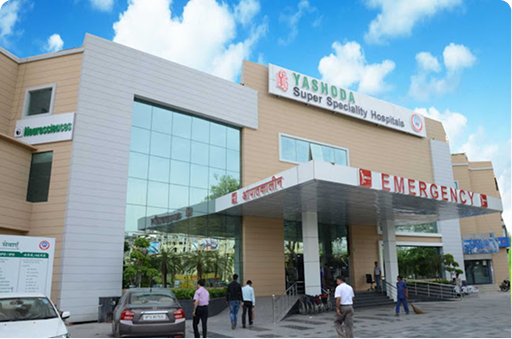
At Yashoda Medicity, dedicated medical oncologists, pulmonologists, and thoracic surgeons utilise state-of-the-art diagnostic technologies and biomarker-guided treatment protocols to deliver personalised, compassionate, and comprehensive lung cancer care.
FAQs
1. What is Low-Dose CT (LDCT) screening, and who should get it?
Low-Dose CT is a specialised scan that uses significantly less radiation than a standard CT scan while providing detailed images of the lungs. It is recommended annually for high-risk individuals, typically adults aged 50 to 80 with a significant smoking history, to detect lung cancer at its earliest and most treatable stage.
2. How does biomarker testing change lung cancer treatment?
Biomarker testing analyses the genetic profile of a tumour to identify mutations such as EGFR, ALK, or ROS1. Identifying these mutations allows doctors to prescribe targeted therapies that specifically attack cancer cells, reducing the need for unnecessary chemotherapy and minimising treatment-related side effects.
3. Can targeted therapy work if lung cancer has spread to the brain?
Yes. Newer generations of targeted therapies are designed to cross the blood-brain barrier effectively. These medications can treat brain metastases by shrinking tumours and helping control advanced disease, often reducing the need for radiation therapy.
4. What is the role of immunotherapy in non-small cell lung cancer (NSCLC)?
Immunotherapy helps the body's immune system recognise and destroy lung cancer cells. It may be used alone or in combination with chemotherapy or targeted therapy for advanced NSCLC, significantly improving survival and long-term outcomes.
5. Can non-smokers develop lung cancer?
Yes. Although smoking remains the leading risk factor, approximately 15% to 20% of lung cancer cases occur in people who have never smoked. Factors such as secondhand smoke, air pollution, radon gas, asbestos exposure, and genetic predisposition can also contribute to the development of lung cancer.