
 Call: +91 9266610101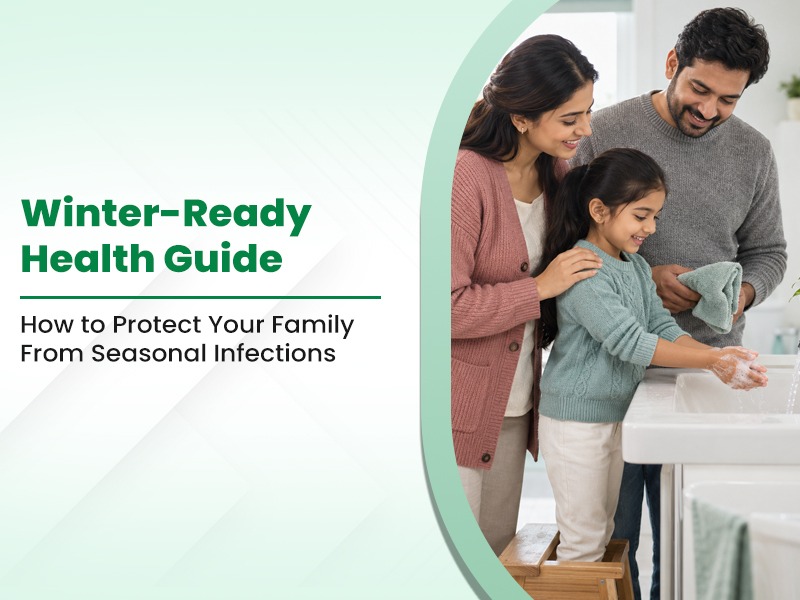
Winter-Ready Health Guide: How to Protect Your Family From Seasonal Infections
As temperatures fall during winter, respiratory infections such as colds, influenza, and other viral illnesses become more common. Spending more time indoors and in close contact with others can increase the spread of respiratory viruses. Dry indoor air may also cause nasal and throat irritation for some people. Preparing your family for the colder months involves maintaining healthy daily habits, following recommended vaccinations, and knowing when symptoms require medical attention.
Why Does Winter Cold Affect Health?
Cold weather itself does not directly cause infections, but winter conditions can influence how respiratory viruses spread. People tend to spend more time indoors, where close contact and limited ventilation can make transmission easier. Some viruses also survive and spread more efficiently under certain environmental conditions.
Dry indoor air can contribute to dryness and irritation of the nose and throat, which may make respiratory symptoms more uncomfortable. Maintaining good ventilation, practising hand hygiene, and avoiding close contact with people who are unwell can help reduce the spread of infections.
Choosing the best emergency hospital in Greater Noida can also provide access to medical support when a seasonal infection develops into a serious illness requiring urgent evaluation.
Simple Daily Hygiene Practices Count
Good hygiene remains an important part of reducing the spread of respiratory and other infections during winter.
- Wash your hands regularly: Use soap and clean water, particularly after returning home, before eating, and after coughing, sneezing, or blowing your nose.
- Use hand sanitiser when needed: An alcohol-based hand sanitiser can be useful when soap and water are not readily available.
- Practise respiratory hygiene: Cover your mouth and nose with a tissue or your elbow when coughing or sneezing, and dispose of used tissues appropriately.
- Clean frequently touched surfaces: Regular cleaning of door handles, remote controls, switches, kitchen surfaces, and other frequently handled objects can support household hygiene.
- Avoid sharing personal items: Do not share drinking glasses, utensils, towels, or other personal items with someone who is unwell.
Support Family Health Through Balanced Nutrition
A balanced diet provides the nutrients required for normal immune function and overall health. No individual food can prevent seasonal infections, but healthy eating habits can support the body's normal defences.
- Include seasonal fruits such as oranges, guavas, amla, and pomegranates as part of a varied diet.
- Add vegetables, including leafy greens, carrots, sweet potatoes, and other colourful vegetables.
- Include adequate sources of protein such as pulses, eggs, dairy products, nuts, seeds, fish, or lean meats according to individual dietary preferences.
- Drink enough fluids throughout the day. Warm fluids may provide comfort when experiencing a sore throat or congestion.
- Limit excessive consumption of highly processed foods and added sugars.
People with specific nutritional deficiencies or medical conditions should follow individual dietary advice from a qualified healthcare professional.
Creating a Healthy Indoor Environment
Indoor air quality can affect respiratory comfort, particularly for people with asthma, allergies, or other respiratory conditions. Keep rooms adequately ventilated when weather conditions allow, particularly when several people are sharing an indoor space.
If indoor heating or dry air causes discomfort, a clean humidifier may help maintain a more comfortable level of humidity. Humidifiers should be cleaned regularly because poorly maintained devices can encourage the growth of mould and microorganisms.
Heating systems, air conditioners, and filters should also be cleaned and maintained according to the manufacturer's recommendations. Avoid excessive indoor smoke, including tobacco smoke, as it can irritate the respiratory system.
Protecting Children and Older Family Members
Children and older adults may be more vulnerable to complications from certain respiratory infections, particularly when they have underlying health conditions.
- Keep vaccinations up to date: Follow recommended childhood immunisation schedules and discuss seasonal influenza or other indicated vaccines with a healthcare professional.
- Dress appropriately: Use comfortable layers suited to the weather and avoid overheating.
- Encourage regular activity: Age-appropriate physical activity and movement can support general health during the winter months.
- Maintain ventilation: Allow fresh air into indoor spaces when practical while keeping vulnerable family members comfortably warm.
- Monitor existing health conditions: People with asthma, diabetes, heart disease, or other chronic conditions should continue their prescribed treatment and seek medical advice when symptoms change.
Choosing the best hospital in Delhi NCR can provide access to paediatric, adult, emergency, and specialist medical services when family members require professional evaluation.
Recognising Early Infection Symptoms
Many seasonal respiratory infections begin with relatively mild symptoms and improve with rest, fluids, and appropriate supportive care. Common symptoms may include:
- Runny or blocked nose
- Sneezing
- Sore throat
- Cough
- Mild fever or chills
- Body aches
- Tiredness or reduced energy
Symptoms can vary depending on the infection. Young children, older adults, and people with underlying medical conditions may sometimes develop more serious illness.
Seek medical advice if symptoms are persistent, worsening, or significantly affecting normal activities. Breathing difficulty, persistent chest pain, confusion, severe weakness, or bluish or greyish lips or skin requires urgent medical assessment.
When to Seek Medical Intervention?
Most uncomplicated colds can be managed at home with adequate rest, fluids, and symptom relief. However, some symptoms require prompt medical attention.
- Seek medical advice for persistent or worsening fever, particularly when accompanied by other concerning symptoms.
- Seek emergency care for significant breathing difficulty, severe wheezing, persistent chest pain, confusion, fainting, or bluish lips or face.
- Watch for signs of dehydration such as very low urine output, severe weakness, persistent vomiting, or difficulty keeping fluids down.
- Infants, older adults, and people with significant underlying medical conditions may require earlier evaluation when symptoms develop or worsen.
At Yashoda Medicity, emergency and specialist services are available for patients who require urgent assessment, diagnostic testing, or hospital-based treatment.
For families looking for the best emergency hospital in Noida, access to round-the-clock emergency services can be important when a seasonal illness develops into a medical emergency.
Comprehensive Family Healthcare at Yashoda Medicity
Protecting your family during winter involves simple preventive measures, healthy lifestyle habits, recommended vaccinations, and timely medical care when symptoms become concerning. At Yashoda Medicity, patients can access emergency services, diagnostic facilities, paediatric care, specialist consultations, and critical care according to their clinical requirements.
If you are looking for the best hospital in Delhi NCR for your family's healthcare needs, Yashoda Medicity provides access to multidisciplinary medical services under one healthcare facility. For persistent or severe winter-related symptoms, seek appropriate medical evaluation rather than relying only on home remedies.
FAQs
1. How can Yashoda Medicity help with winter health concerns?
Yashoda Medicity provides preventive health consultations, vaccinations where clinically appropriate, diagnostic services, specialist care, and emergency medical services for patients who develop seasonal illnesses or related complications.
2. When should I visit Yashoda Medicity for a winter infection?
Consider medical evaluation if symptoms are persistent, worsening, or affecting your ability to carry out daily activities. Breathing difficulty, severe chest pain, confusion, fainting, or bluish lips or skin requires urgent medical attention.
3. Does Yashoda Medicity provide specialised care for children during winter?
Yes. Children can access paediatric evaluation and treatment based on their symptoms and clinical requirements. Children with breathing difficulties or other severe symptoms may require urgent medical assessment.
4. How can Yashoda Medicity assist during a winter health emergency?
Yashoda Medicity provides emergency medical services for patients requiring urgent assessment and treatment. Depending on the patient's condition, care may involve emergency physicians, specialist consultations, diagnostic investigations, critical care, or hospital admission.
5. How can I book a family health consultation at Yashoda Medicity?
You can schedule an appropriate consultation through the Yashoda Medicity appointment system or contact the hospital directly for assistance with booking.