
 Call: +91 9266610101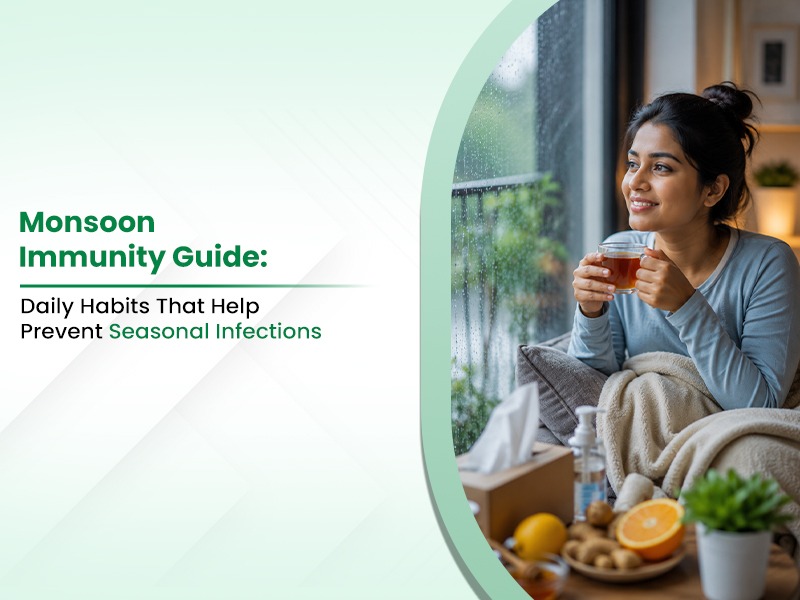
Monsoon Immunity Guide: Daily Habits That Help Prevent Seasonal Infections
The monsoon brings cooler temperatures and relief from the summer heat, but increased humidity, waterlogging, and mosquito breeding can also contribute to the spread of infections. Illnesses such as dengue, chikungunya, typhoid, gastroenteritis, and other respiratory and waterborne infections may become more common during this season.
While no single habit can prevent every infection, maintaining good hygiene, eating safely, staying active, and taking precautions against mosquitoes can reduce your risk. Understanding when symptoms require medical attention is equally important, particularly during the monsoon.
Click here: Best Internal Medicine in Delhi NCR
Build Healthy Daily Habits
A healthy routine supports your body's normal immune function and helps you stay better prepared during the monsoon. Good sleep, regular physical activity, adequate hydration, and a balanced diet are important throughout the year.
For personalized advice based on your health needs, consulting the best internal medicine specialist in Noida at Yashoda Medicity can help you understand appropriate preventive measures and manage existing health conditions.
- Maintain a consistent sleep schedule: Adequate sleep supports normal immune function and overall recovery.
- Stay adequately hydrated: Drink sufficient safe water throughout the day, particularly in warm and humid conditions.
- Stay physically active: Regular moderate exercise can support overall fitness and help maintain energy levels.
- Keep indoor spaces well ventilated: Good ventilation can reduce excessive moisture and help limit the growth of mould indoors.
Choose Fresh and Hygienically Prepared Food
Food safety becomes particularly important during the monsoon. Contaminated food and water can contribute to gastrointestinal infections, including diarrhea and food poisoning.
Choose freshly prepared, thoroughly cooked food and take care with how food is stored and handled.
- Choose freshly cooked meals and wash fruits and vegetables thoroughly before consumption.
- Prefer properly cooked vegetables and meals over raw foods from uncertain sources.
- Include a balanced combination of whole grains, vegetables, fruits, pulses, and adequate protein.
- Avoid food that has been sitting uncovered for long periods.
- Limit food from unhygienic roadside stalls, particularly items that may have been exposed to contaminated water or poor storage conditions.
- Store perishable foods appropriately and avoid consuming food that appears spoiled or has been improperly refrigerated.
Practice Proper Hand Hygiene
Hand hygiene remains one of the simplest ways to reduce the spread of infectious diseases. During the monsoon, people may come into contact with contaminated surfaces, water, and soil more frequently, making regular handwashing especially important.
Following hygiene practices recommended by healthcare professionals, including the best internal medicine specialist in Greater Noida, can help reduce exposure to infectious germs.
- Wash your hands with soap and clean water before eating or preparing food.
- Wash your hands after using the washroom and after returning home from public places.
- Use an alcohol-based hand sanitiser when soap and water are not readily available.
- Avoid touching your eyes, nose, and mouth with unwashed hands.
- Clean and dry items such as footwear, raincoats, umbrellas, and bags after returning home.
Drink Safe and Clean Water
Water contamination can increase the risk of infections during the monsoon, particularly in areas affected by flooding, sewage overflow, or disruptions in water supply.
Use a reliable source of drinking water and take precautions to prevent contamination at home.
- Drink boiled, filtered, or otherwise safely treated water.
- Avoid ice from unknown or unhygienic sources.
- Store drinking water in clean, covered containers.
- Ensure water storage vessels are cleaned regularly.
- Be cautious when consuming beverages prepared outside the home, particularly where the quality of water or ice is uncertain.
If you develop persistent diarrhoea, repeated vomiting, high fever, severe abdominal pain, or signs of dehydration, seek medical attention rather than relying on self-medication.
Click here: Best Internal Medicine in Ghazibad
Prevent Stagnant Water and Mosquito Breeding
The monsoon creates favourable conditions for mosquito breeding. Removing stagnant water around the home is an important step in reducing the risk of mosquito-borne diseases such as dengue and chikungunya.
- Empty and clean water containers, plant saucers, cooler trays, and buckets regularly.
- Keep water storage containers tightly covered.
- Check balconies, terraces, gardens, and other areas where water may collect.
- Use mosquito repellents when appropriate.
- Wear clothing that covers the arms and legs when spending time outdoors.
- Use screens on doors and windows to help keep mosquitoes outside.
Community-level prevention is equally important, as mosquitoes can breed in relatively small amounts of stagnant water.
Manage Stress and Maintain Your Energy
Good mental and physical well-being also form part of a healthy routine. Reduced outdoor activity, disrupted routines, and changes in sleep during the monsoon can affect energy levels and mood.
Simple habits can help maintain a balanced routine:
- Practise relaxation techniques such as deep breathing or meditation.
- Stay physically active through suitable indoor exercises.
- Make time for hobbies and activities that help you unwind.
- Get adequate exposure to natural daylight when possible.
- Maintain a regular sleep and meal schedule.
- Avoid excessive physical exertion, particularly in hot and humid conditions.
Know When to Seek Medical Attention
Most seasonal illnesses can be managed effectively when diagnosed and treated appropriately. However, persistent or severe symptoms should not be ignored.
Seek medical attention if you experience:
- Persistent or high-grade fever
- Severe weakness or unusual drowsiness
- Repeated vomiting or diarrhoea
- Signs of dehydration, such as very low urine output or dizziness
- Difficulty breathing
- Severe abdominal pain
- Persistent headache or body aches
- Bleeding or unusual bruising
- Symptoms that continue to worsen despite home care
Avoid taking antibiotics or other prescription medicines without medical advice. A physician can assess your symptoms, recommend appropriate tests where required, and determine the right course of treatment.
Seeking Expert Medical Guidance
Preventive habits can reduce exposure to common monsoon infections, but they cannot eliminate the risk completely. Early medical evaluation is important when symptoms are persistent, severe, or unusual.
The best internal medicine department in Delhi NCR at Yashoda Medicity provides comprehensive evaluation and management for a wide range of infectious, respiratory, gastrointestinal, and other medical conditions. Consulting an experienced internal medicine specialist can help ensure timely diagnosis and appropriate treatment during the monsoon season.
FAQs
1. How can I stay healthy during the monsoon?
Maintain a balanced diet, get adequate sleep, stay hydrated, remain physically active, practise good hand hygiene, consume safe food and water, and take precautions against mosquito bites.
2. What foods should I avoid during the monsoon?
Avoid food that is raw, uncovered, poorly stored, or prepared in unhygienic conditions. Be particularly cautious with roadside food and beverages where the quality of water and food handling cannot be assured.
3. Why is hand hygiene important during the monsoon?
Regular handwashing helps remove germs that may be picked up from contaminated surfaces, food, water, and other sources, reducing the risk of several infectious illnesses.
4. How can I reduce my risk of waterborne infections?
Drink safely treated water, avoid ice and beverages from unreliable sources, consume freshly prepared food, and maintain good hygiene when handling food and drinking water.
5. How can I reduce the risk of dengue and chikungunya at home?
Prevent mosquito breeding by removing stagnant water, keeping water containers covered, using mosquito repellents, and installing screens on doors and windows.
6. When should I consult an internal medicine specialist during the monsoon?
Seek medical advice if you develop persistent fever, severe weakness, repeated vomiting or diarrhoea, breathing difficulty, severe abdominal pain, unusual bleeding, or symptoms that are worsening or not improving.