
 Call: +91 9266610101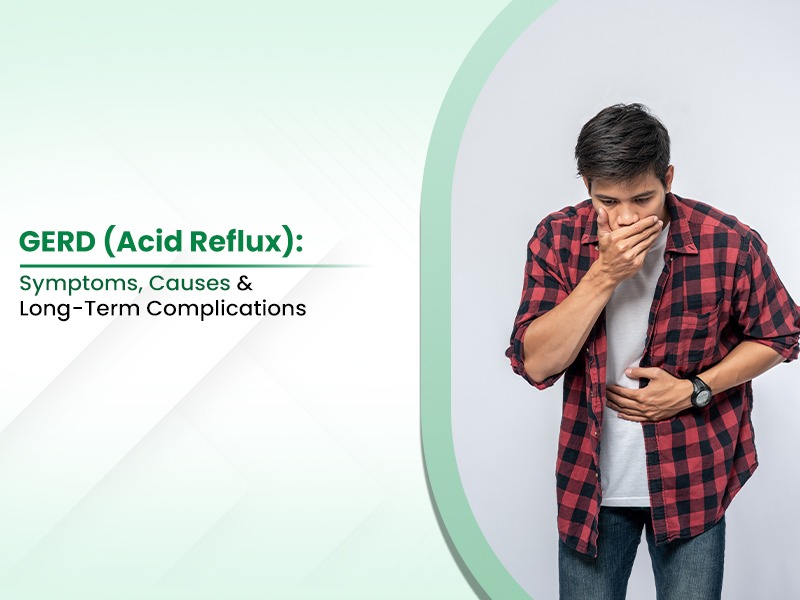
GERD (Acid Reflux): Symptoms, Causes & Long-Term Complications
Heartburn after meals, a sour taste in the mouth, or a feeling that food is coming back up can be uncomfortable and disruptive. While occasional acid reflux is common, frequent or persistent symptoms may indicate Gastroesophageal Reflux Disease (GERD), a chronic digestive condition that requires appropriate evaluation and management.
GERD occurs when stomach contents repeatedly flow back into the esophagus, causing irritation and inflammation. Understanding its symptoms, causes, complications, and treatment options can help in seeking timely medical care and preventing long-term problems.
Understanding Acid Reflux and GERD
The lower esophageal sphincter (LES) is a ring of muscle that acts as a valve between the esophagus and stomach. It normally opens to allow food to enter the stomach and then closes to prevent stomach contents from flowing backward.
In GERD, the LES may become weak or relax when it should not, allowing stomach acid and other contents to move back into the esophagus. Unlike the stomach, the esophagus does not have the same protective lining against stomach acid, making repeated exposure capable of causing irritation and inflammation.
Recognising Common Symptoms of GERD
GERD symptoms can vary from person to person. Some people experience typical digestive symptoms, while others may have less obvious signs.
- Heartburn: A burning sensation in the chest, particularly after meals or when lying down.
- Acid regurgitation: A sour or bitter taste caused by stomach contents flowing back into the mouth.
- Difficulty swallowing: A sensation that food is stuck in the throat or chest.
- Chest discomfort: Recurrent discomfort associated with reflux may require medical evaluation to rule out other causes.
- Throat and respiratory symptoms: Persistent cough, hoarseness, throat irritation, or a feeling of a lump in the throat may occur in some people.
- Dental problems: Repeated exposure to stomach acid may contribute to tooth enamel erosion.
In children, reflux may present differently. Feeding difficulties, frequent vomiting, irritability, poor weight gain, and disturbed sleep may warrant evaluation by a pediatric gastroenterology specialist.
What Causes GERD?
Several factors can contribute to acid reflux or make existing symptoms worse:
- Lower esophageal sphincter dysfunction: Weakness or inappropriate relaxation of the LES can allow stomach contents to flow backward.
- Hiatal hernia: A portion of the stomach may move through the diaphragm, affecting the normal function of the esophageal sphincter.
- Delayed stomach emptying: When food remains in the stomach for longer, increased pressure can contribute to reflux.
- Excess abdominal pressure: Overweight or obesity and pregnancy can increase pressure on the stomach and promote reflux.
- Dietary triggers: Fatty or fried foods, spicy foods, chocolate, coffee, citrus foods, and other items may worsen symptoms in some individuals.
- Lifestyle factors: Smoking, alcohol consumption, large meals, and lying down soon after eating can aggravate reflux symptoms.
Long-Term Complications of Untreated GERD
Frequent acid exposure can cause inflammation and damage to the esophageal lining. Some possible complications include:
- Esophagitis: Persistent exposure to stomach acid can cause inflammation and irritation of the esophagus.
- Esophageal stricture: Repeated inflammation and healing may result in scar tissue that narrows the esophagus, making swallowing difficult.
- Esophageal ulcers: Severe inflammation can cause open sores in the esophageal lining, which may lead to pain or bleeding.
- Barrett's esophagus: Long-term reflux can cause changes in the lining of the lower esophagus. Although it may not produce specific symptoms, it is associated with an increased risk of esophageal cancer and may require regular medical monitoring.
- Throat and respiratory problems: Reflux reaching the throat may contribute to chronic cough, hoarseness, or irritation of the upper respiratory tract.
Persistent or worsening symptoms should therefore be evaluated by a qualified gastroenterologist rather than managed solely with self-medication.
How Can GERD Be Prevented and Managed?
Lifestyle changes can help reduce reflux symptoms for many people:
- Eat smaller meals and avoid overeating.
- Avoid lying down for at least three hours after eating.
- Identify and limit foods that trigger your symptoms.
- Maintain a healthy weight.
- Avoid smoking and limit alcohol consumption.
- If symptoms occur at night, raising the head of the bed may help reduce reflux.
- Take prescribed medicines as advised by your doctor.
Depending on the severity and frequency of symptoms, a doctor may recommend medicines that reduce stomach acid. Further evaluation, including upper gastrointestinal endoscopy or reflux testing, may be advised when symptoms persist, recur frequently, or raise concerns about complications.
Advanced Gastroenterology Care at Yashoda Medicity
Effective GERD management begins with an accurate diagnosis and a treatment plan suited to the individual's symptoms and underlying cause. Yashoda Medicity provides comprehensive gastroenterology and liver care supported by advanced diagnostic and endoscopic facilities and a multidisciplinary team of specialists.
For individuals looking for the best gastro and liver hospital in Delhi, access to experienced gastroenterologists, advanced investigations, and personalised treatment can help in managing persistent digestive symptoms and associated complications.
Specialised Pediatric Gastroenterology Care
Children with recurring vomiting, reflux, feeding difficulties, abdominal discomfort, or poor weight gain may require specialised evaluation. Pediatric gastroenterology focuses on identifying digestive conditions while considering a child's growth, nutrition, and developmental needs.
Yashoda Medicity offers specialised care for pediatric digestive disorders, helping children receive age-appropriate evaluation and treatment. For families seeking the best child gastro hospital in Delhi, timely consultation with a pediatric gastroenterology specialist can help identify underlying concerns and support healthy growth and development.
Comprehensive Gastroenterology at Yashoda Medicity
GERD can often be managed effectively when identified and treated appropriately. Persistent heartburn, acid regurgitation, difficulty swallowing, or recurring digestive symptoms should not be ignored.
At Yashoda Medicity, patients can access comprehensive gastroenterology, hepatology, pediatric gastroenterology, endoscopy, and digestive care under one roof. With specialist expertise and advanced diagnostic capabilities, the focus remains on accurate evaluation, personalised treatment, and long-term digestive health.
FAQs
1. What is GERD, and how can Yashoda Medicity help?
GERD is a chronic condition in which stomach contents repeatedly flow back into the esophagus. Yashoda Medicity provides specialist evaluation, diagnostic assessment, and personalised treatment for GERD and related digestive conditions.
2. What are the common symptoms of acid reflux?
Common symptoms include heartburn, acid regurgitation, sour taste in the mouth, difficulty swallowing, chest discomfort, persistent cough, and throat irritation.
3. What can trigger or worsen GERD?
Large meals, fatty or spicy foods, certain beverages, smoking, alcohol, excess abdominal pressure, and lying down soon after eating may worsen symptoms. Triggers can vary between individuals.
4. What complications can GERD cause?
Untreated or poorly controlled GERD may contribute to esophagitis, esophageal strictures, ulcers, and Barrett's esophagus. Persistent symptoms should be evaluated by a gastroenterologist.
5. Why should families choose Yashoda Medicity for digestive disorders?
Yashoda Medicity provides comprehensive adult and pediatric gastroenterology care, supported by specialist expertise, advanced diagnostic facilities, endoscopic services, and multidisciplinary management for a range of digestive disorders.