
 Call: +91 9266610101
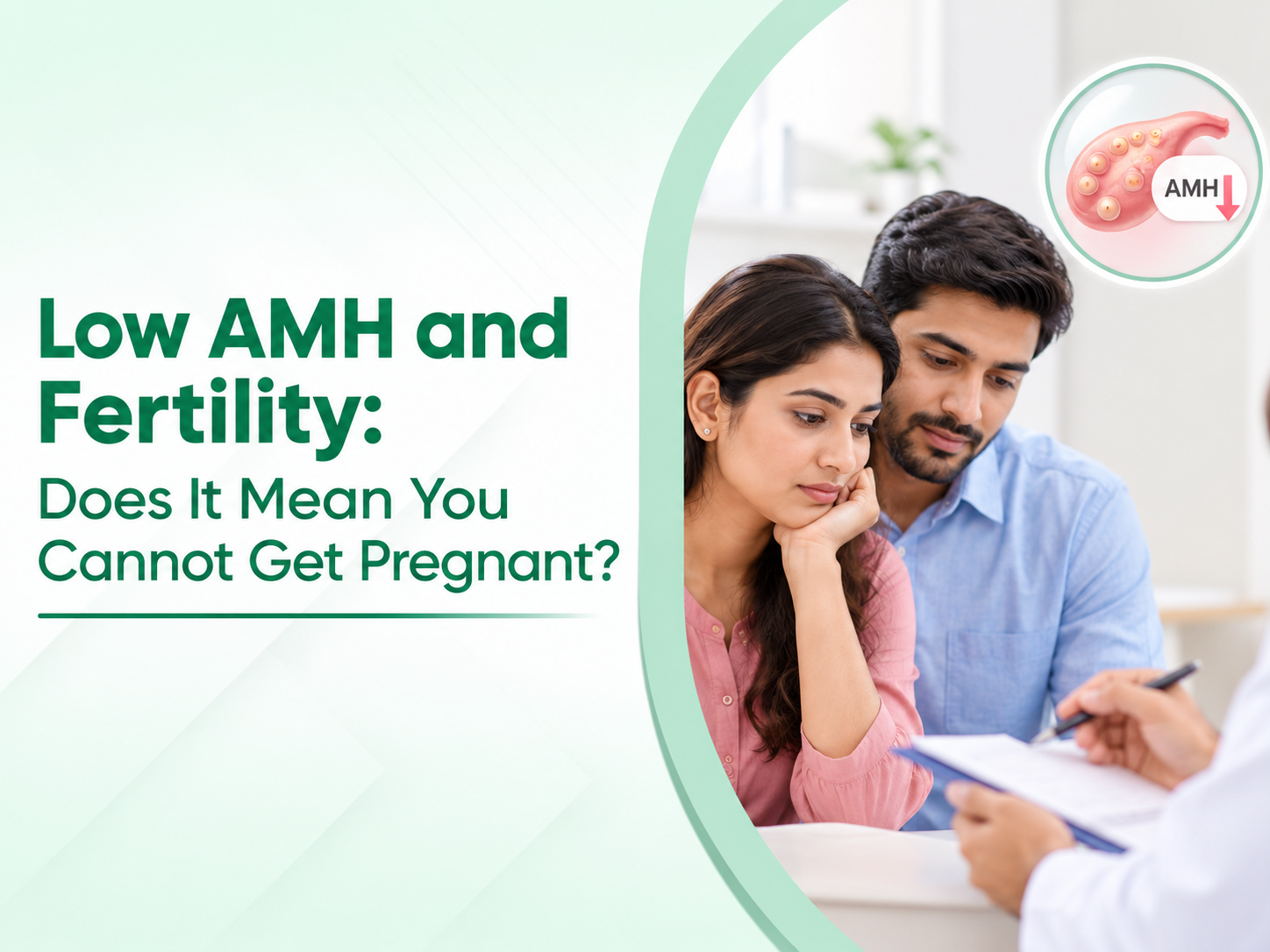
Low AMH and Fertility: Does It Mean You Cannot Get Pregnant?
Receiving a low Anti-Mullerian Hormone test result often sparks immediate worry for women hoping to build a family. While this simple blood marker offers helpful insight into ovarian reserve, it only tells one small part of a much larger reproductive story. Understanding what this hormone truly measures allows you to look beyond a single lab report and explore realistic, encouraging paths towards parenthood.
What Anti-Mullerian Hormone Really Measures
Anti-Mullerian hormone, commonly known as AMH, is a protein produced by small developing follicles inside the ovaries. Fertility specialists at a leading Mother and Child Hospital in Delhi NCR use a routine blood test to check this hormone level because it reflects the remaining pool of eggs available in the ovaries at a given stage of life. However, an AMH test measures egg quantity rather than egg quality.
Even when your ovarian reserve is lower than average, the eggs you do have can still be healthy, mature normally, and achieve fertilisation. Because ovulation typically releases a single mature egg each menstrual cycle, a smaller reserve does not automatically prevent natural conception.
Does Low AMH Prevent Pregnancy?
A low AMH level does not mean pregnancy is impossible. Many women with reduced ovarian reserve conceive naturally, especially when regular ovulation, open fallopian tubes, and healthy sperm parameters are present. Rather than acting as a final verdict on fertility, low AMH serves as a helpful signal regarding timing and reproductive planning.
Doctors view this result as an indicator that your fertile window may be shorter than average. Knowing this early empowers you and your specialist at Yashoda Medicity to make proactive choices rather than waiting indefinitely. Age remains one of the strongest influences on egg health, meaning younger women with low AMH often enjoy strong chances of successful pregnancy with timely guidance.
Common Factors Behind Low AMH Levels
Ovarian reserve naturally declines as a woman grows older, which is the most common reason for lower AMH readings. Still, several additional health and lifestyle factors can influence hormone levels earlier in life:
- Family Health History: Having close female relatives who experienced early menopause or low ovarian reserve can naturally cause your body to produce lower AMH levels earlier in life.
- Underlying Health Conditions: Certain autoimmune disorders, thyroid imbalances, or endometriosis can gradually affect healthy ovarian tissue and lower your overall egg reserve over time.
- Past Ovarian Surgeries: Previous procedures to remove ovarian cysts or treat pelvic conditions may inadvertently reduce the surrounding supply of healthy resting follicles.
- Intensive Medical Therapies: Specialised treatments like chemotherapy or pelvic radiation are known to affect delicate ovarian tissue, which often leads to a noticeable drop in AMH levels.
- Daily Lifestyle Factors: Habits such as regular smoking, poor nutrition, and ongoing severe stress can weaken overall reproductive health and contribute to declining ovarian reserve.
Essential Fertility Evaluations Beyond AMH
At Yashoda Cradle and Children's Hospital, we offer specialised fertility assessments that look far beyond a single hormone test to give you clear, personalised answers. Because fertility relies on multiple interconnected factors, doctors never base a diagnosis or treatment plan on AMH alone. A thorough evaluation examines your entire reproductive system to create a clear picture of your conception potential:
- Antral Follicle Count (AFC): Measures the number of visible resting follicles on ultrasound to confirm active follicle activity alongside blood hormone levels.
- Hormonal Panel (FSH, LH, Estradiol): Assesses pituitary and ovarian hormone balance to evaluate ovulation patterns and overall cycle regulation.
- Thyroid and Prolactin Checks: Evaluate endocrine and metabolic stability to identify hidden hormone shifts that can disrupt regular ovulation.
- Pelvic Ultrasound and Tubal Check: Examines uterine lining health and fallopian tube openness to ensure sperm and egg can meet and implant safely.
- Partner Semen Analysis: Assesses sperm count, movement, and healthy shape to clarify male fertility factors so both partners receive balanced care.
Reviewing these findings together helps specialists design a personalised roadmap tailored to your body.
Supportive Options to Boost Conception Chances
When low AMH is identified, fertility specialists tailor care plans around your age, medical history, and family goals. Depending on your complete evaluation, doctors may recommend targeted approaches to support conception:
- Timed Natural Conception: Tracking ovulation closely through ultrasound monitoring or hormone kits helps couples optimise natural attempts when tubes are open and cycles are regular.
- Ovulation Induction and IUI: Gentle fertility medications can encourage healthy follicle growth, often paired with Intrauterine Insemination to bring prepared sperm closer to the egg.
- In Vitro Fertilisation (IVF): Customised ovarian stimulation protocols allow doctors to retrieve available eggs, fertilise them in a specialised lab and transfer healthy embryos.
- Fertility Preservation: Women who wish to delay pregnancy may explore egg or embryo freezing to safeguard their current reproductive potential.
- Preconception Wellness Habits: A nutrient-rich diet, balanced sleep, regular moderate exercise, and stress management help create an optimal environment for egg development.
Choosing Specialized Women's Reproductive Care
Navigating fertility questions becomes much easier when you receive coordinated care from experienced gynaecologists, reproductive endocrinologists, and diagnostic specialists under one roof. Consulting a trusted women's and child care hospital in Noida ensures that hormonal testing, advanced ultrasound imaging, and personalised counselling work seamlessly together.
At Yashoda Cradle and Children's Hospital, we combine compassionate clinical guidance with modern reproductive diagnostics to support every woman's unique journey towards motherhood. Whether you are seeking clarity on an early lab report or exploring advanced fertility treatments, choosing a dedicated Best Hospital in Noida provides the reassurance and medical precision you need at every stage of care.
Taking Confident Steps Toward Parenthood
A low AMH result simply highlights the value of timely awareness rather than closing the door on motherhood. Seeking personalised medical advice at a leading Mother and Child Hospital in Delhi NCR helps you understand your complete fertility profile and explore tailored options with clarity. At Yashoda Medicity, our experienced specialists provide compassionate, advanced reproductive care designed to support your family-building goals. Book your fertility consultation today to take a confident, well-informed step towards parenthood.
FAQs
1. Can a woman still get pregnant naturally if the AMH level is low?
Yes, a low AMH level reflects egg quantity rather than egg quality, so at Yashoda Medicity, we evaluate the patient's complete reproductive profile to help you explore natural conception options.
2. Why does low AMH happen even at a younger age?
Factors such as family history, thyroid or autoimmune conditions, past ovarian surgeries, and lifestyle habits can affect ovarian reserve, which our specialists at Yashoda Medicity carefully review during your consultation.
3. What other tests should patients take alongside an AMH blood test?
At Yashoda Medicity, we combine AMH testing with an Antral Follicle Count, hormonal panels, thyroid checks, a pelvic ultrasound, and a partner semen analysis for a complete picture.
4. What fertility treatments are available if I have low AMH?
Depending on your age and test results, our care team at Yashoda Medicity offers tailored plans ranging from timed natural conception and ovulation induction with IUI to IVF and egg freezing.
5. How soon should I consult a specialist after receiving a low AMH report?
Because a lower ovarian reserve can mean a shorter fertile window, we recommend scheduling an early consultation at Yashoda Medicity so we can proactively guide your family-building timeline.