
 Call: +91 9266610101
Cancer Diagnosis: 10 Tests and Scans Doctors Use to Detect Cancer
Early detection can play an important role in cancer care, particularly when recommended screening or diagnostic evaluation identifies suspicious changes at an earlier stage. Understanding how doctors investigate possible cancer can help patients understand why different tests may be recommended. Cancer diagnosis usually involves a combination of clinical assessment, imaging, laboratory investigations, and tissue examination, depending on the suspected type and location of cancer.
Understanding Early Detection
When an abnormal growth or other concerning change is identified, doctors use different diagnostic methods to determine its nature, location, extent, and whether it has spread. Consulting the best radiation oncologist in Delhi NCR may be appropriate when radiation therapy is being considered as part of cancer treatment, while medical oncologists coordinate systemic treatment and broader oncology care.
Diagnostic evaluation may include imaging, laboratory tests, endoscopic examinations, molecular testing, and tissue sampling. Importantly, not every test is required for every patient, and the appropriate investigations depend on the suspected cancer, symptoms, clinical findings, and medical history.
Click here: Hemato-Oncologist in Delhi NCR
1. Biopsy and Tissue Sampling
A biopsy involves removing a sample of tissue or cells from a suspicious area for examination by a pathologist. Histopathological examination can help determine whether abnormal cells are cancerous and, in many cases, identify the specific type and characteristics of the tumour. A biopsy is commonly required to confirm many cancer diagnoses, although the approach varies according to the suspected cancer and clinical situation.
2. Computed Tomography Scans
A CT scan uses X-rays to create detailed cross-sectional images of the body. CT imaging can help identify the location and size of a tumour, assess nearby structures, and evaluate whether cancer may have spread to other parts of the body. It is frequently used for cancer staging and treatment planning when clinically indicated.
3. Magnetic Resonance Imaging
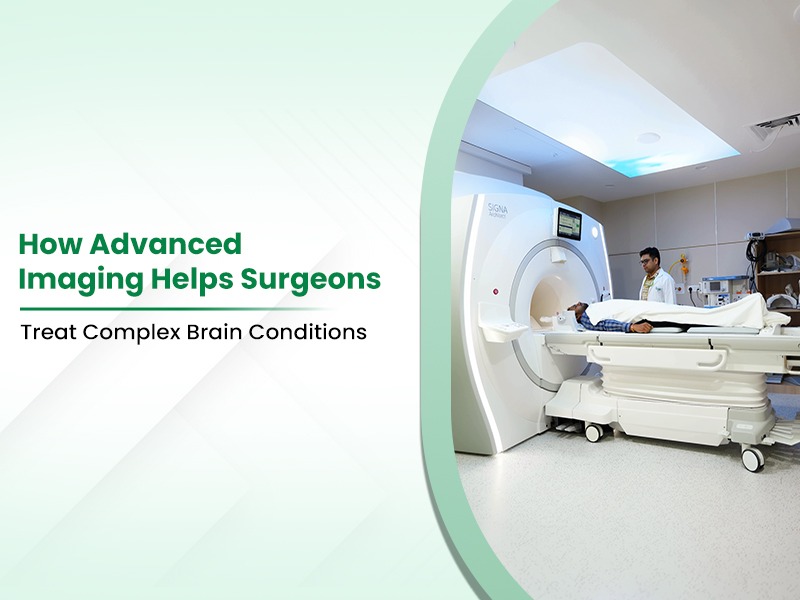
Magnetic Resonance Imaging (MRI) uses magnetic fields and radio waves to produce detailed images of soft tissues. MRI can be particularly useful in evaluating brain and spinal tumours, soft tissue sarcomas, pelvic cancers, and other conditions where detailed soft-tissue imaging is required.
At Yashoda Medicity, advanced MRI facilities support cancer evaluation and treatment planning. Consulting the best medical oncologist in Delhi NCR can help integrate imaging findings with biopsy results, laboratory investigations, and other clinical information. MRI does not use ionising radiation.
4. Positron Emission Tomography
Positron Emission Tomography (PET) uses a radioactive tracer to assess metabolic activity in tissues. When combined with CT, PET-CT can help identify metabolically active lesions, evaluate disease distribution, support cancer staging, and assess treatment response in selected cancers. Increased tracer uptake is not specific to cancer and may also occur with inflammation or other conditions.
5. Diagnostic Mammography
Mammography uses low-dose X-rays to examine breast tissue and can help detect suspicious findings such as masses, architectural distortion, and microcalcifications. Screening mammography is recommended for eligible individuals according to age, risk factors, and applicable clinical guidelines. Additional imaging or biopsy may be recommended when a suspicious finding is identified.
6. Endoscopic Examinations
Endoscopy uses a flexible instrument with a camera to examine the lining of organs such as the oesophagus, stomach, colon, and airways. Depending on the procedure, doctors can identify abnormal areas and collect tissue samples for biopsy.
Endoscopic examination is particularly useful for evaluating suspected cancers of the gastrointestinal and respiratory tracts. It is generally performed by gastroenterologists, pulmonologists, or other relevant specialists rather than radiation oncologists.
7. Complete Blood Count
A Complete Blood Count (CBC) measures different types of blood cells, including red blood cells, white blood cells, and platelets. Abnormal results may provide important information about anaemia, infection, bone marrow function, or certain blood disorders.
However, a CBC alone cannot confirm or rule out most solid cancers. It is generally used alongside other clinical investigations according to the patient's symptoms and suspected condition.
8. Tumour Marker Tests
Tumour markers are substances that may be produced by cancer cells or by the body in response to cancer. Blood, urine, or tissue tests can measure certain tumour markers associated with specific cancers.
Tumour markers are not generally sufficient on their own to diagnose cancer because levels can also be abnormal in non-cancerous conditions. Depending on the cancer type, they may be used alongside imaging, biopsy, and other investigations to support diagnosis, treatment planning, or monitoring.
9. Ultrasound Imaging
Ultrasound uses high-frequency sound waves to create real-time images of internal structures without ionising radiation. It can help evaluate abnormalities involving organs such as the liver, kidneys, thyroid, breasts, and pelvic organs.
Ultrasound may help distinguish fluid-filled cystic structures from solid lesions and can also be used to guide certain biopsy procedures when clinically appropriate.
10. Genetic and Molecular Biomarker Testing
Molecular and genetic testing examines specific genetic alterations, biomarkers, or molecular characteristics associated with a tumour. Depending on the cancer type, testing may identify mutations or other biomarkers that can help classify a cancer and determine whether targeted therapies or other personalised treatment approaches may be appropriate.
Expert Diagnostic and Oncology Care at Yashoda Medicity
Cancer diagnosis often requires collaboration between multiple specialists. At Yashoda Medicity, multidisciplinary oncology teams review clinical findings, pathology, imaging, and other investigations to support individualised treatment planning.
The oncology team includes:
- Dr. Manish Singhal, Vice Chairman, Medical Oncology
- Dr. Gagan Saini, Vice-Chairman & Head, Radiation Oncology
- Dr. Satinder Kaur, Senior Director and Head, Gynaecologic Oncology & Robotic Surgery
- Dr. Nivedita Dhingra, Director and Head, Hematology, Hemato-Oncology and Bone Marrow Transplant (Adult & Pediatrics)
- Dr. Abhishek Yadav, Director, Medical Oncology
- Dr. Rashmi Shukla, Principal Consultant, Radiation Oncology
- Dr. Karuna Jha, Senior Consultant, Hematology, Hemato-Oncology and Bone Marrow Transplant (Adult & Pediatrics)
- Dr. Sumanth Bollu, Consultant, Surgical Oncology, Head & Neck
- Dr. Nikhil Tandon, Consultant, Orthopaedic Oncology
When radiation therapy is indicated, the best radiation oncologist in Noida may be involved in treatment planning and delivery according to the cancer type, stage, treatment intent, and patient's clinical requirements.
Click here: Orthopedic Oncologist in Ghaziabad
Conclusion
Cancer diagnosis may involve several complementary tests, with the appropriate investigations selected according to the suspected cancer and individual clinical findings. Seeking guidance from the best medical oncologist in Delhi NCR can help patients understand their diagnostic results and available treatment options.
At Yashoda Medicity, multidisciplinary oncology teams provide diagnostic evaluation and treatment planning across medical, radiation, surgical, and haemato-oncology services. Schedule a consultation through the Yashoda Medicity online appointment system.
FAQs
1. What diagnostic scans are available at Yashoda Medicity for cancer evaluation?
Depending on the suspected cancer, diagnostic imaging may include MRI, CT, PET-CT, mammography, and ultrasound. The appropriate imaging modality is selected according to the patient's symptoms and clinical requirements.
2. How does a biopsy help doctors diagnose cancer?
A biopsy provides a tissue or cell sample that can be examined by a pathologist to determine whether abnormal cells are cancerous and, in many cases, identify the type and characteristics of the tumour.
3. Can blood tests detect cancer?
Blood tests such as a CBC and selected tumour marker tests can provide useful information during cancer evaluation. However, these tests alone generally cannot confirm or rule out most cancers and may need to be combined with imaging, biopsy, or other investigations.
4. Why is early screening important for cancer?
Recommended screening can help detect certain cancers or precancerous changes before symptoms develop. Screening recommendations vary according to the cancer type, age, risk factors, and applicable clinical guidelines.
5. Who is involved in cancer diagnosis and treatment at Yashoda Medicity?
Depending on the type of cancer, care may involve medical oncologists, radiation oncologists, surgical oncologists, pathologists, radiologists, haemato-oncologists, and other specialists working together to develop an appropriate treatment plan.