Dr. Manish Singhal
Vice Chairman - Medical Oncology

Dr. Gagan Saini
Vice-Chairman, Radiation Oncology

Dr. Satinder Kaur
Senior Director and Head – Gynaecologic Oncology & Robotic Surgery
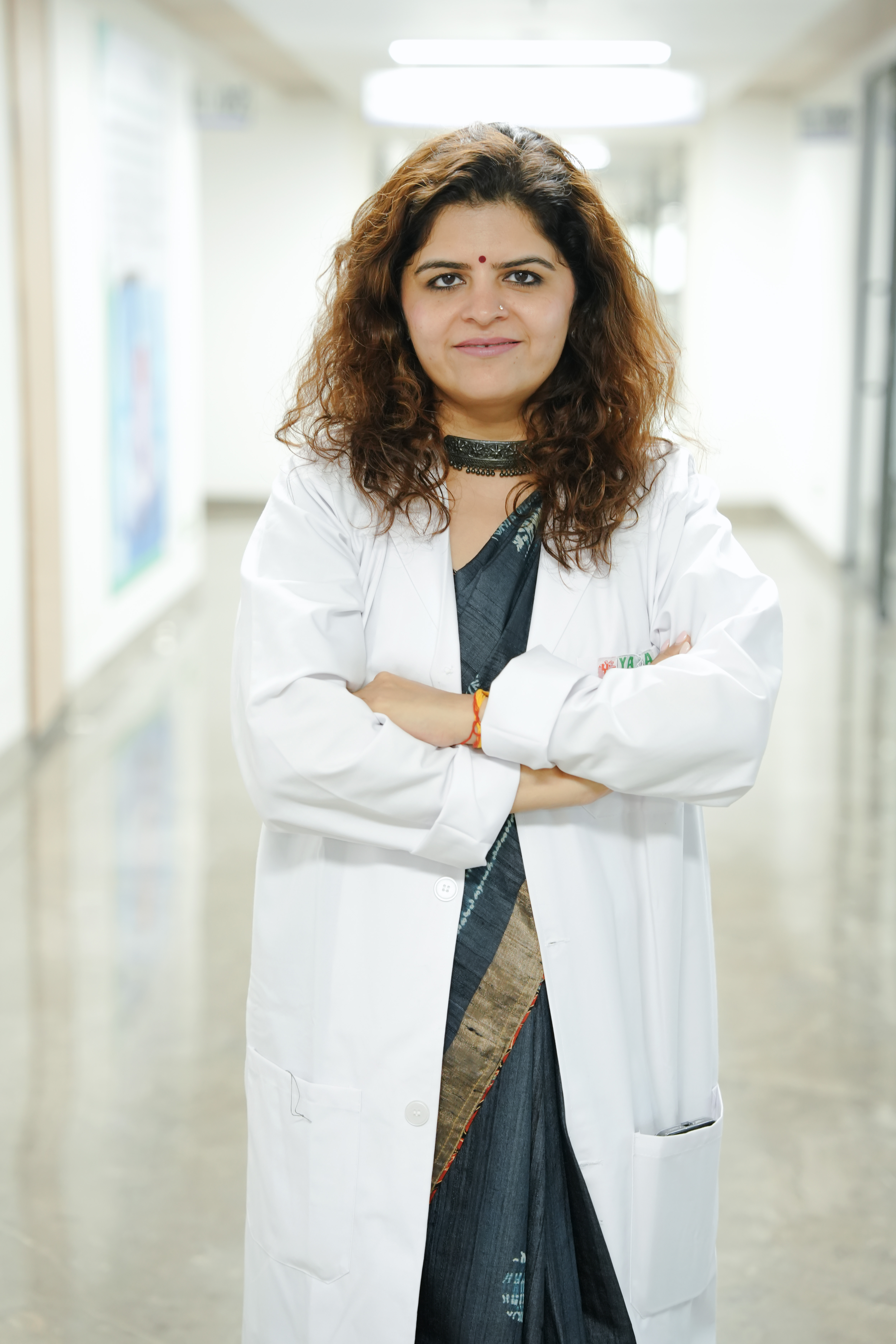
Dr. Nivedita Dhingra
Director & Head - Hematology, Hemato-Oncology And Bone Marrow Transplant (Adult & Pediatrics)
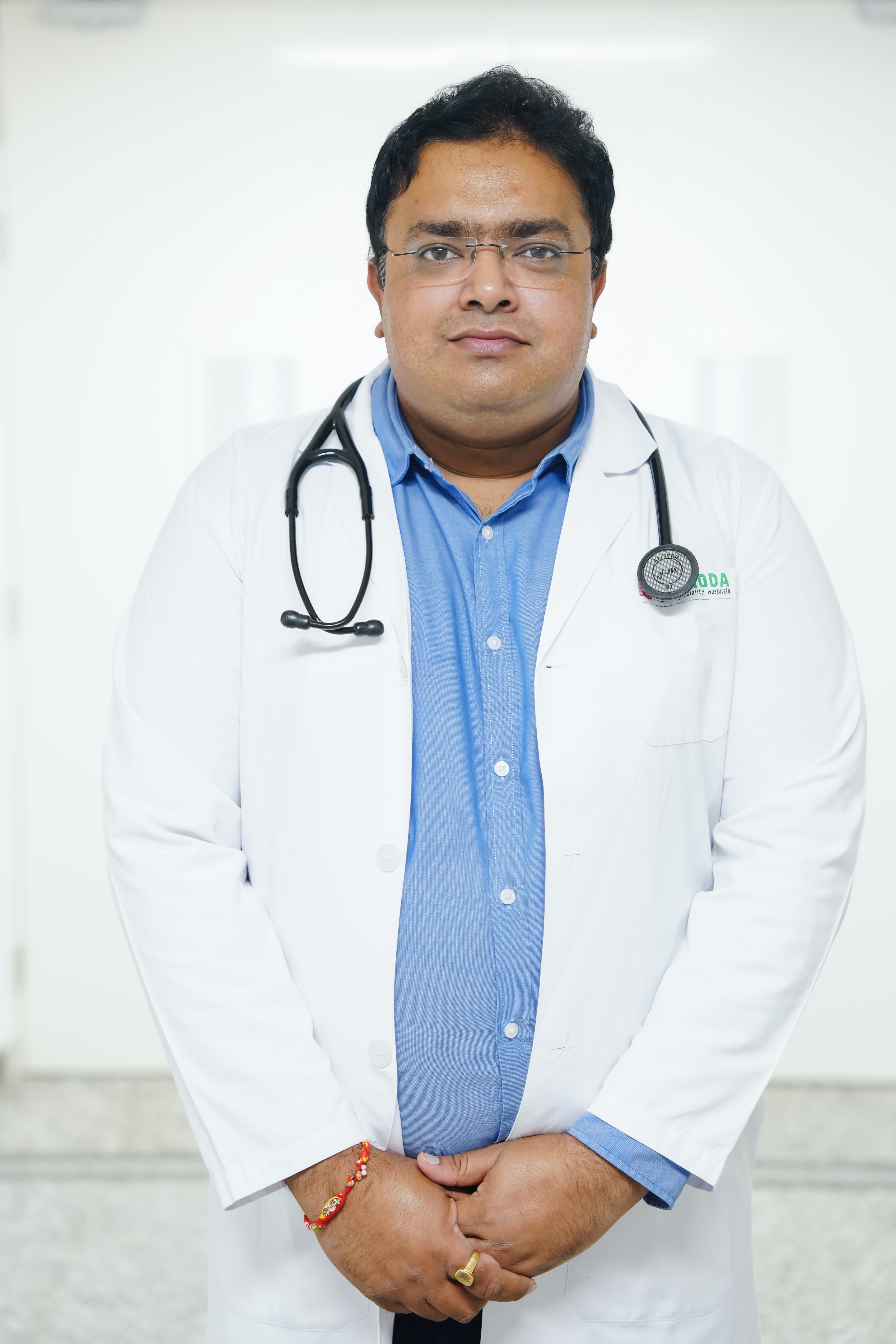
Dr. Abhishek Yadav
Director, Department of Medical Oncology
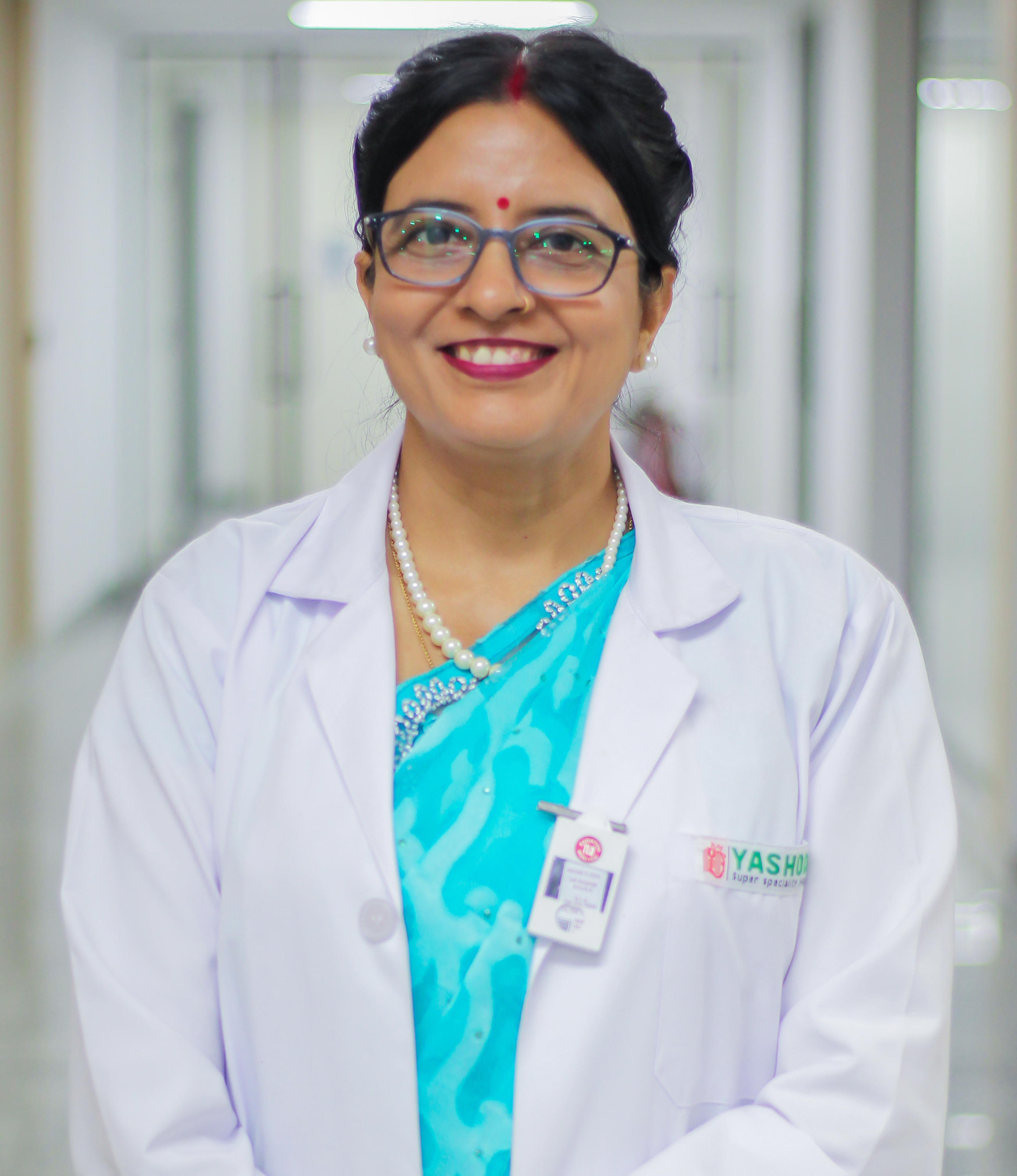
Dr. Rashmi Shukla
Principal Consultant – Radiation Oncology
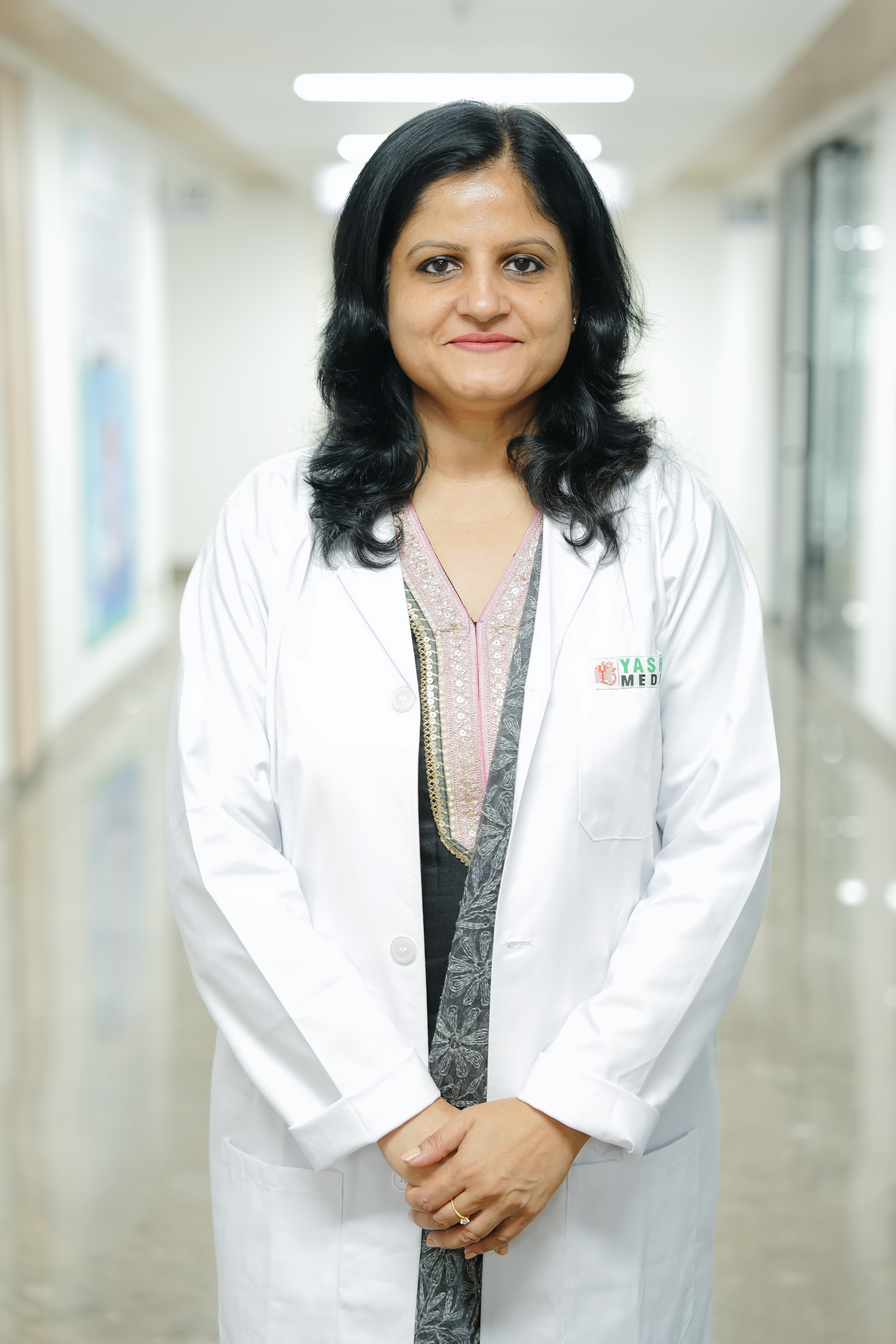
Dr. Karuna Jha
Senior Consultant - Hematology, Hemato-Oncology And Bone Marrow Transplant (Adult & Pediatrics)

Dr. Nikhil Tandon
Consultant, Orthopedics Oncology
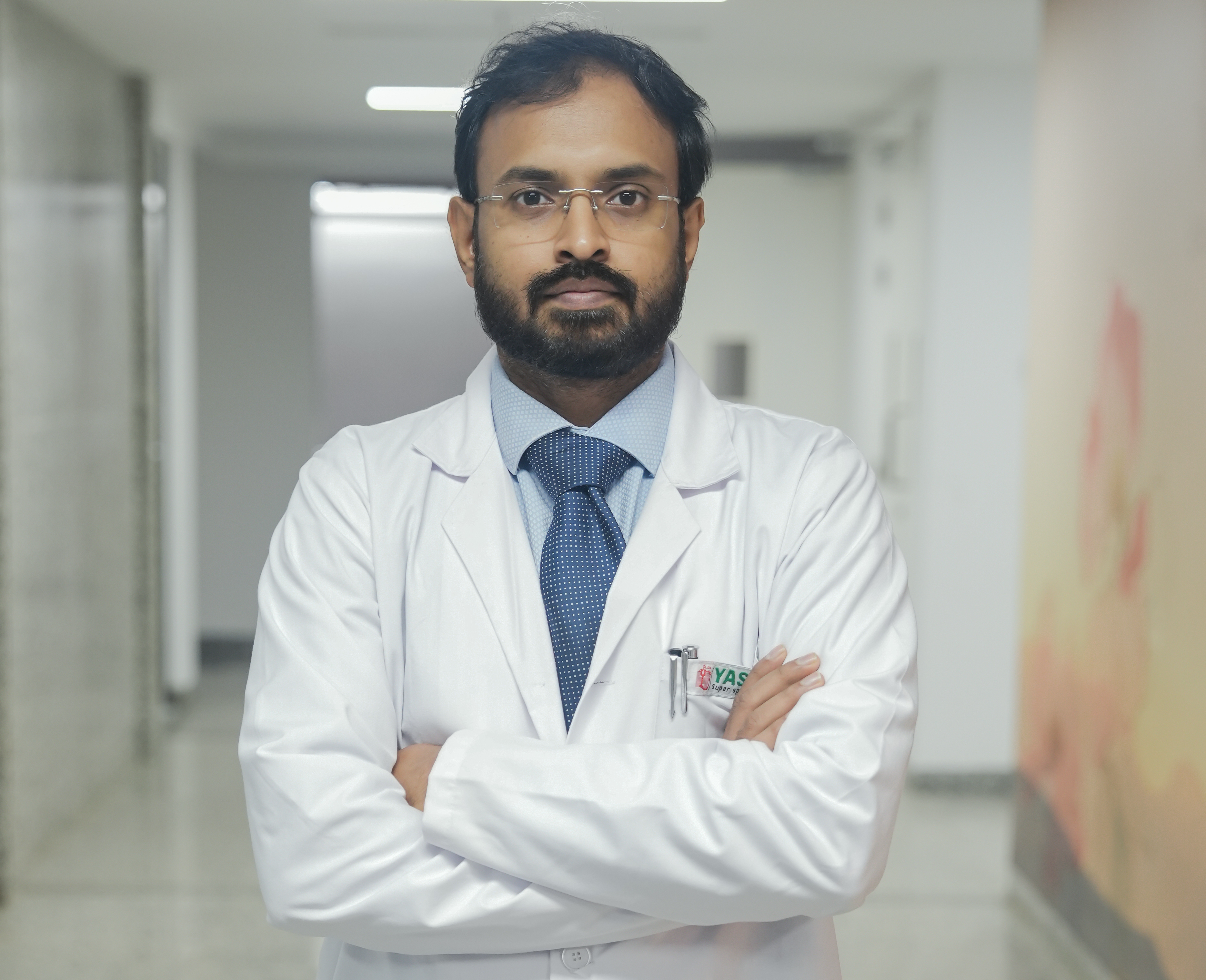
Dr. Sumanth Bollu
Consultant, Surgical Oncology- Head & Neck
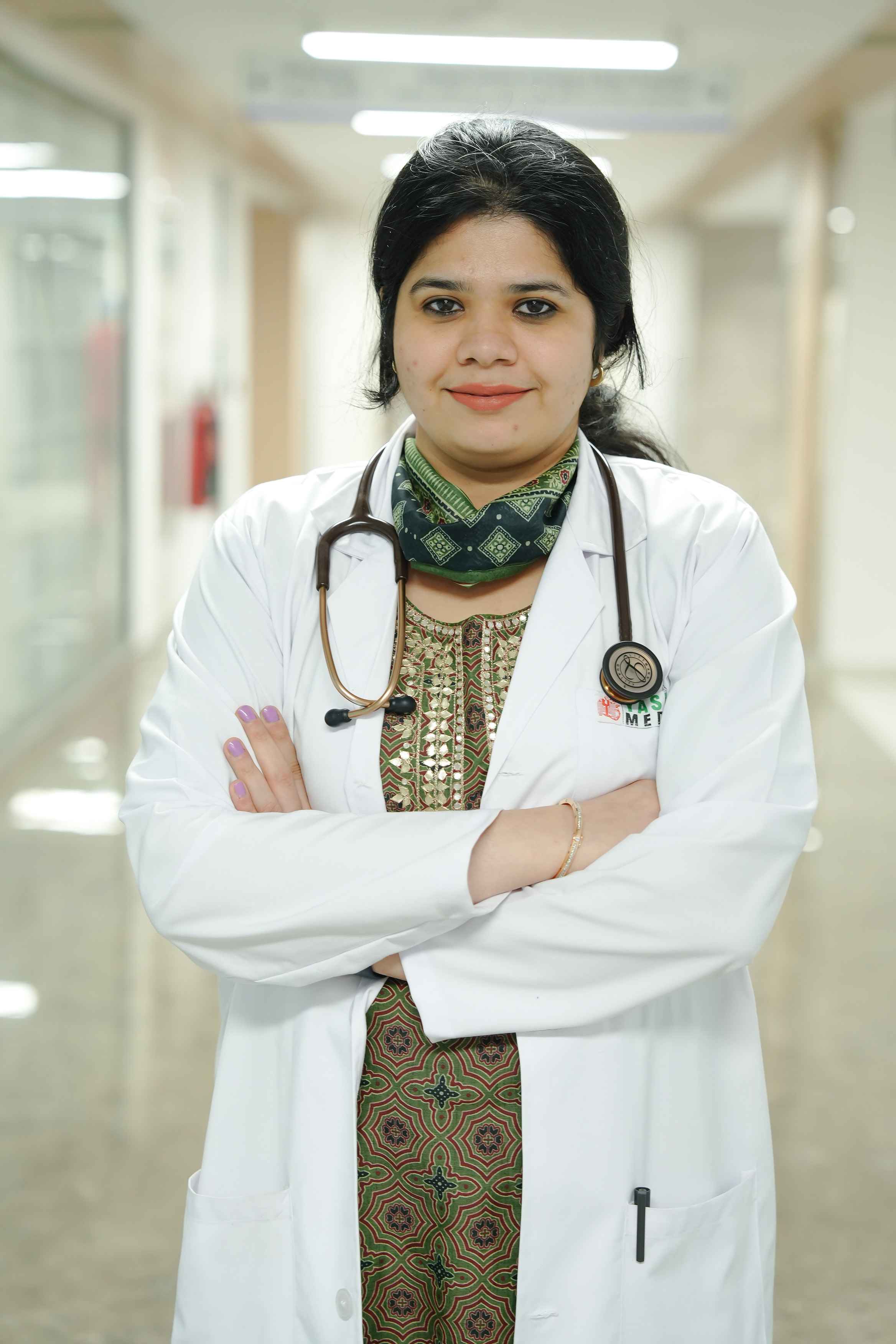
Dr. Nishtha Sachdeva
Consultant Medical Oncology
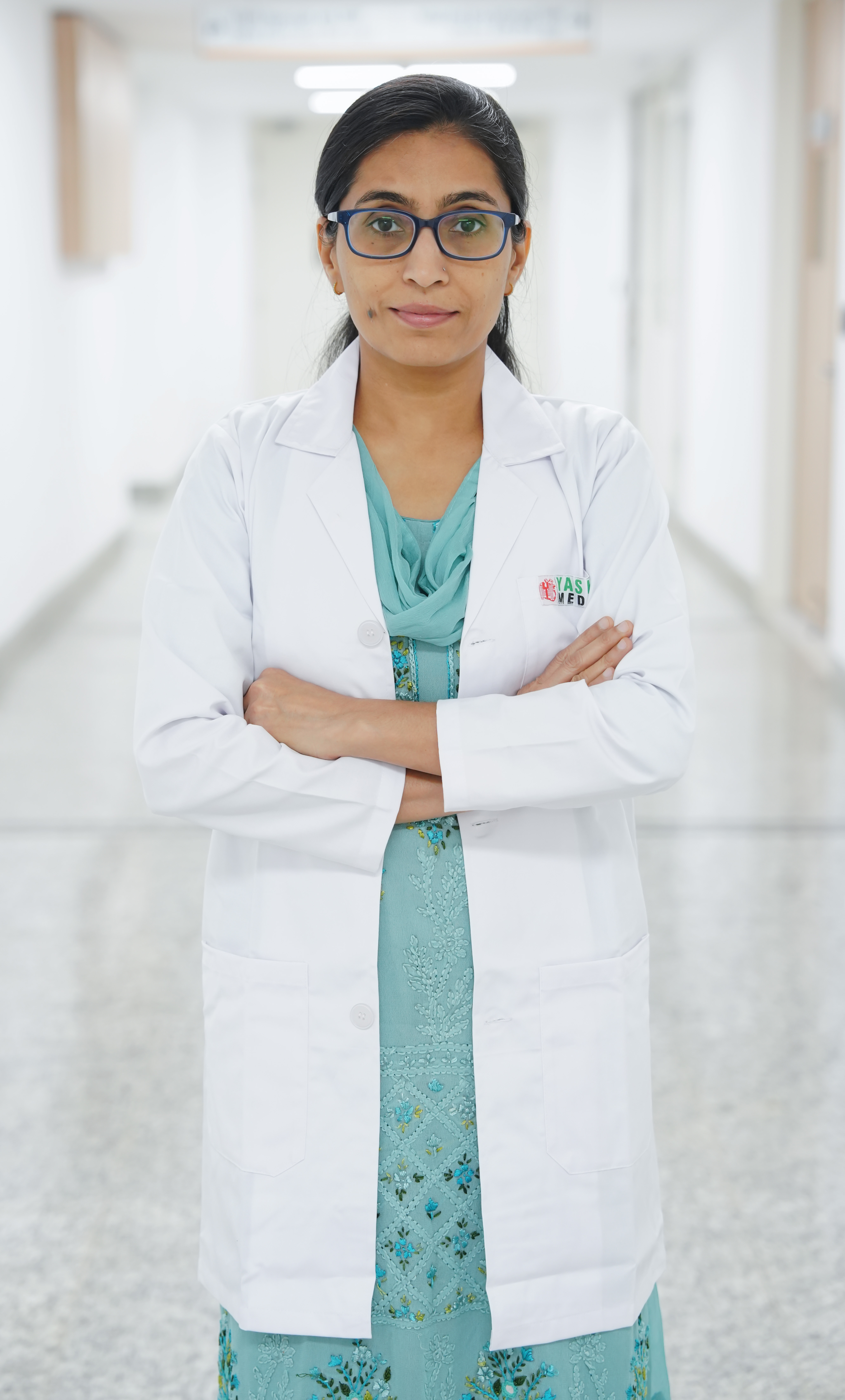
Dr. Hemlata Garg
Consultant, Gynecological Oncology & Robotic Surgery
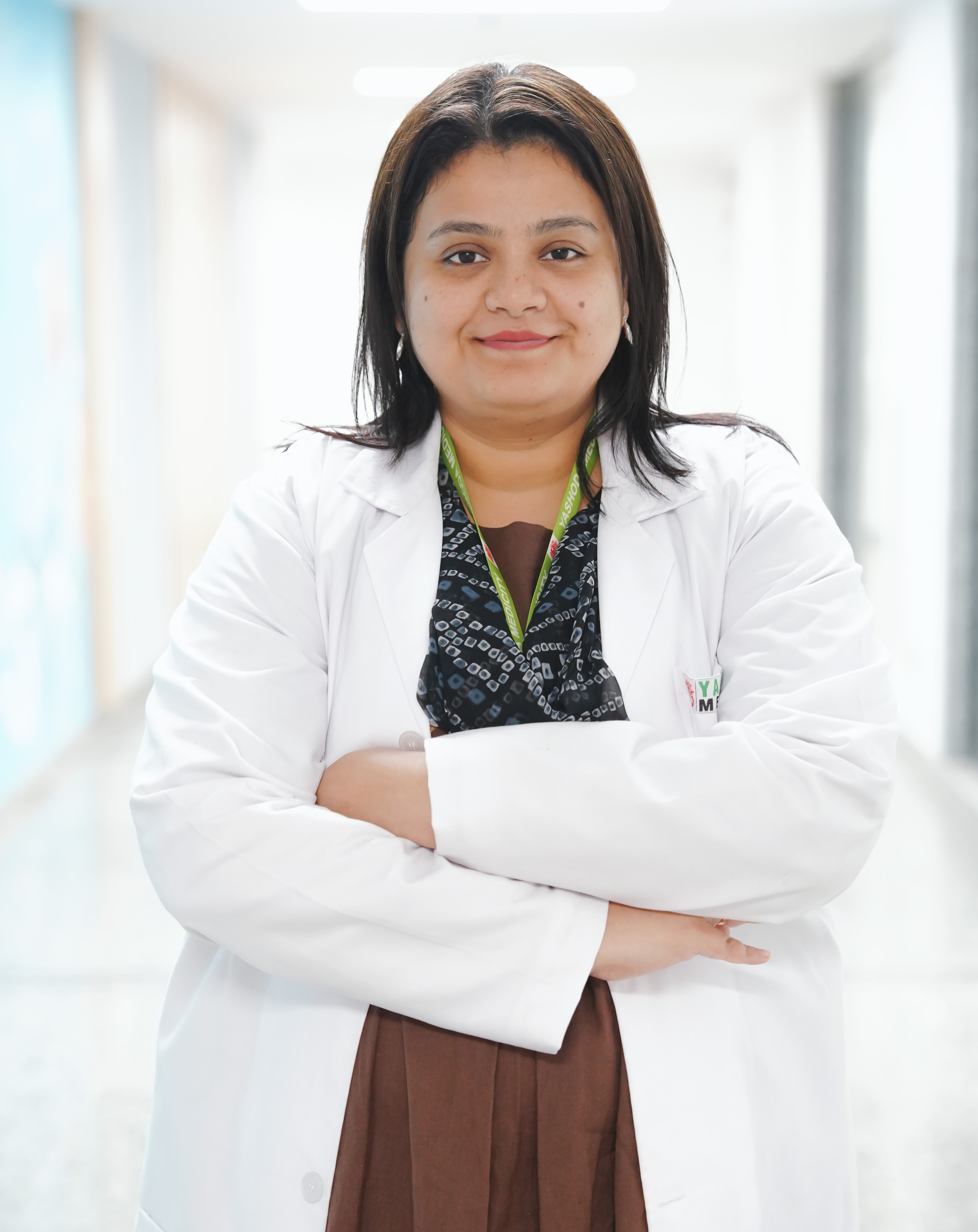
Dr. Ipshita Sahoo
Associate Consultant - Gynecologic Oncology & Robotic Surgery

Dr. Jigar Paghadar
Junior Consultant - Surgical Oncology and Robotic Surgery
Orthopedic Oncology Hospital in Indirapuram
Primary bone cancer accounts for around 0.2% of all malignancies worldwide. Because of its rarity, it is often initially misinterpreted as a benign bone condition, delayed injury, or infection. As a result, patients frequently reach specialist care later than ideal.
This is where orthopaedic oncology becomes critical. An orthopaedic oncologist is not a general bone surgeon treating occasional tumours, nor a medical oncologist managing bone metastases. Instead, it is a highly specialised discipline that sits at the intersection of oncology and orthopaedic surgery. An orthopaedic oncologist is trained to understand tumour biology, perform complex bone and soft tissue tumour resections, and reconstruct the skeletal system to restore function after surgery.
At Yashoda Medicity, the orthopedic oncology hospital in Indirapuram provides dedicated and comprehensive care for bone and soft tissue tumours using a multidisciplinary and function-preserving approach.
Conditions We Treat
The orthopaedic oncology team manages a wide spectrum of bone and soft tissue tumours, including rare and complex cases.
We treat:
- Osteosarcoma
- Ewing Sarcoma
- Chondrosarcoma and other rare bone sarcomas
- Soft tissue sarcomas
- Giant cell tumour of bone
- Aneurysmal bone cyst
- Osteoid osteoma
- Enchondroma and fibrous dysplasia
- Chondroblastoma
- Recurrent and residual musculoskeletal tumours
- Paediatric bone and soft tissue tumours
When to Consult an Orthopedic Oncology Hospital in Indirapuram
Bone and soft tissue tumours are often missed or misdiagnosed in early stages, which can delay appropriate treatment. Early specialist evaluation is therefore essential.
You should consult an orthopaedic oncologist if:
- A bone lesion is detected on X-ray, CT scan, or MRI and diagnosis is unclear
- A soft tissue swelling is growing, larger than 5 cm, deep-seated, or painful
- A fracture occurs in an abnormal or weakened bone
- A diagnosis of bone or soft tissue sarcoma has already been made
- Metastatic bone disease is identified and requires stabilisation or pain control
- A second opinion on diagnosis or treatment is required
- A previously treated bone tumour has recurred
Importantly, any suspicious soft tissue mass should ideally be evaluated by an orthopaedic oncologist before biopsy, to avoid compromising future surgical options.
Advanced Orthopedic Tumor Treatment in Indirapuram
Limb Salvage Surgery
Limb salvage surgery is the primary goal in modern orthopaedic oncology whenever oncologically safe.
Earlier, amputation was often the standard approach for bone cancers. Today, with advances in surgical techniques and reconstruction, most patients can undergo tumour removal while preserving the limb.
After tumour excision, reconstruction may be done using:
- Endoprosthetic replacement (metal implants replacing bone and joints)
- Bone graft reconstruction (donor bone to rebuild the defect)
- Biological reconstruction (treated patient bone reused after tumour removal)
The aim is complete tumour clearance while preserving maximum limb function.
Complex Tumour Resection and Reconstruction
Tumours involving the spine, pelvis, or regions near critical nerves and blood vessels require highly precise surgical planning.
At the orthopedic oncology hospital in Indirapuram, computer-assisted surgical planning is used to map tumour margins, define resection boundaries, and plan reconstruction in advance. This improves surgical accuracy and functional outcomes.
Image-Guided Biopsy
Accurate diagnosis is the foundation of effective treatment planning.
Image-guided core needle biopsy using CT or ultrasound helps target the most viable part of the tumour while avoiding necrotic areas. This ensures accurate tissue diagnosis.
Biopsy planning is always aligned with future surgical pathways so that the biopsy tract can be safely removed during definitive surgery without affecting tumour margins.
Metastatic Bone Disease Management
When cancer spreads to the bone from another primary site, it can cause pain, fractures, and reduced mobility.
The team of the bone tumour surgery in Indirapuram focuses on:
- Pain relief
- Prevention of fractures
- Stabilisation of weakened bones
- Restoration of mobility
Surgical options include internal fixation, joint replacement, or structural stabilisation, depending on the affected region.
Paediatric Orthopaedic Oncology
Bone tumours in children require special consideration due to ongoing growth and skeletal development. Treatment planning focuses on tumour control while preserving growth potential. In selected cases, expandable endoprostheses are used to allow limb lengthening as the child grows.
State-of-the-Art Orthopaedic Oncology Facilities
Advanced Imaging
The department is supported by a full range of advanced imaging modalities including X-ray, CT scan, MRI, PET-CT, and bone scintigraphy. Among these, MRI plays a central role in local tumour staging, as it provides detailed information about tumour extent, soft tissue involvement, and relationship with nerves and blood vessels. This is essential for accurate surgical planning.
Image-Guided Biopsy Suite
Biopsies are performed in a dedicated image-guided suite using CT or ultrasound guidance. Real-time imaging ensures precise targeting of the tumour while minimising sampling error. Biopsy planning is integrated with surgical strategy from the beginning to ensure that diagnostic procedures do not interfere with definitive tumour removal.
Computer-Assisted Surgical Planning
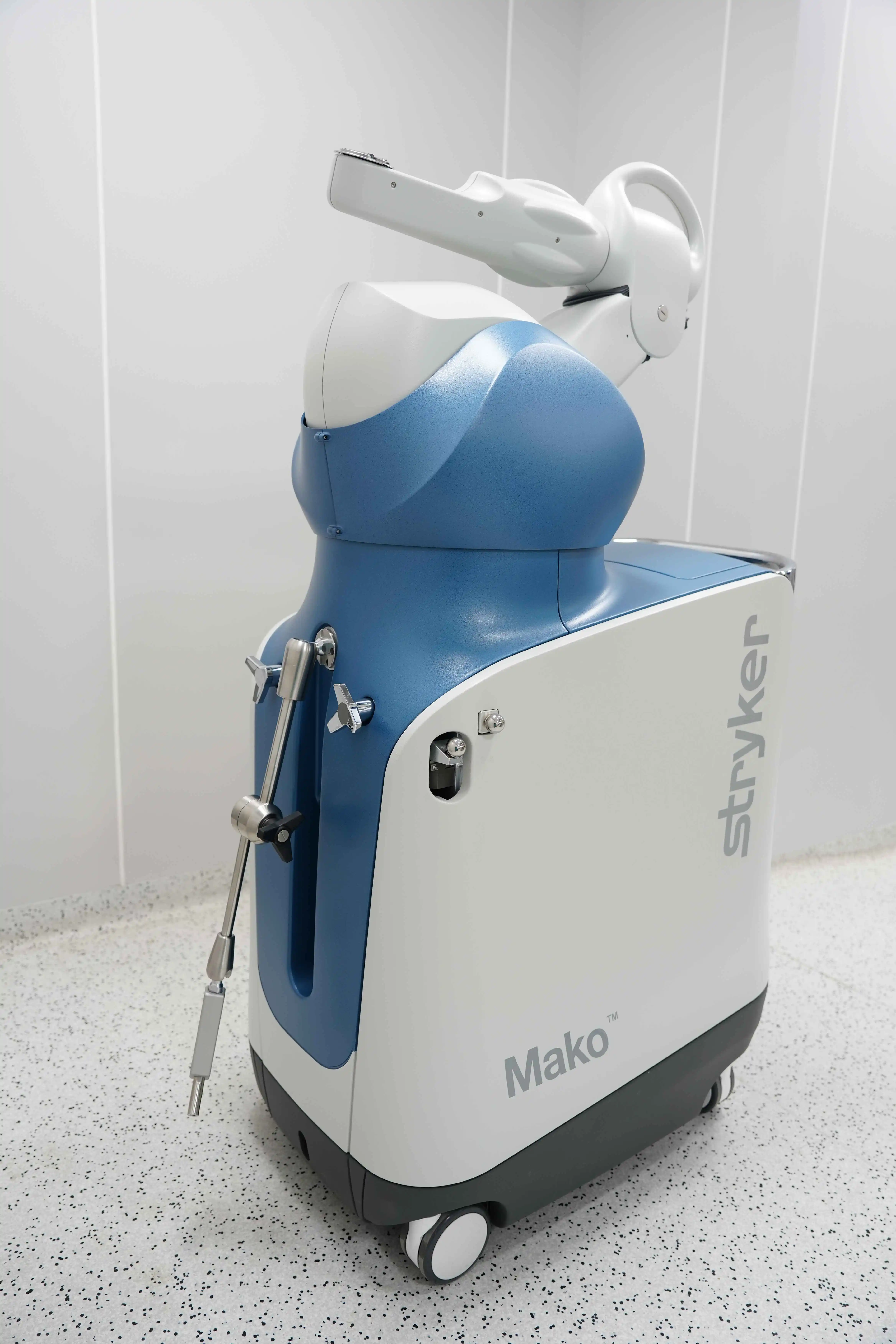
Computer-assisted planning allows surgeons to simulate tumour resection and reconstruction before entering the operating room.
This is particularly important for complex anatomical regions such as the pelvis, spine, and periarticular areas where precision directly affects both survival outcomes and post-surgical function.
Endoprosthetic and Biological Reconstruction
Reconstruction after tumour removal is tailored to each patient and may include:
- Modular or custom endoprosthetic implants
- Structural bone grafting
- Biological reconstruction techniques
For paediatric patients, expandable implants are available to accommodate growth while maintaining limb function.
Physiotherapy and Rehabilitation
Rehabilitation begins as soon as medically appropriate after surgery. Physiotherapy protocols are individualised based on the type of reconstruction performed and are focused on restoring movement, strength, and functional independence. Rehabilitation is considered an integral part of treatment, not an optional phase.
Long-Term Surveillance
Long-term follow-up is essential in orthopaedic oncology care. Patients are monitored regularly for recurrence, metastasis, and functional recovery. Surveillance includes clinical evaluation, imaging studies, and functional outcome assessments. In paediatric cases, follow-up also includes monitoring bone growth and developmental milestones.
Patient Journey at the Orthopedic Oncology Hospital in Indirapuram
-
Referral and Initial Consultation: The journey begins with consultation where clinical history, imaging studies, and prior reports are reviewed in detail by the orthopaedic oncology team.
-
Biopsy and Diagnosis: Image-guided core needle biopsy is performed to confirm tumour type and grade. The diagnosis is established through detailed pathological and, where necessary, molecular analysis.
-
Tumour Board Review: Each case is reviewed by a multidisciplinary tumour board consisting of orthopaedic oncologists, medical oncologists, radiation oncologists, radiologists, and pathologists. A unified treatment plan is then finalised.
-
Treatment: Treatment may include neoadjuvant chemotherapy or radiation therapy followed by surgical tumour resection and reconstruction. Post-operative systemic therapy or radiation is administered when required.
- Rehabilitation: Physiotherapy begins early after surgery and continues in a structured manner until optimal functional recovery is achieved. Rehabilitation is treated as a core component of overall treatment.
Why Choose Yashoda Medicity for Orthopedic Oncology in Indirapuram?
-
Limb Salvage as the Default Approach: The guiding philosophy is to preserve the limb whenever oncologically safe and functionally feasible.
-
Biopsy Planned with Surgical Strategy in Mind: Biopsy procedures are carefully planned alongside surgical strategy to ensure that diagnostic steps do not compromise future treatment options.
-
Multidisciplinary Tumour Board for Every Case: Every malignant case is reviewed by a multidisciplinary tumour board to ensure evidence-based, balanced, and comprehensive treatment planning.
Book Your Appointment Today
Bone and soft tissue tumours are rare, but their treatment requires highly specialised expertise and coordinated multidisciplinary care. Timely intervention significantly influences both survival outcomes and long-term function.
Schedule a consultation today with the bone cancer specialist in Indirapuram at Yashoda Medicity.
Call: 9266610101.
 Call: +91 9266610101