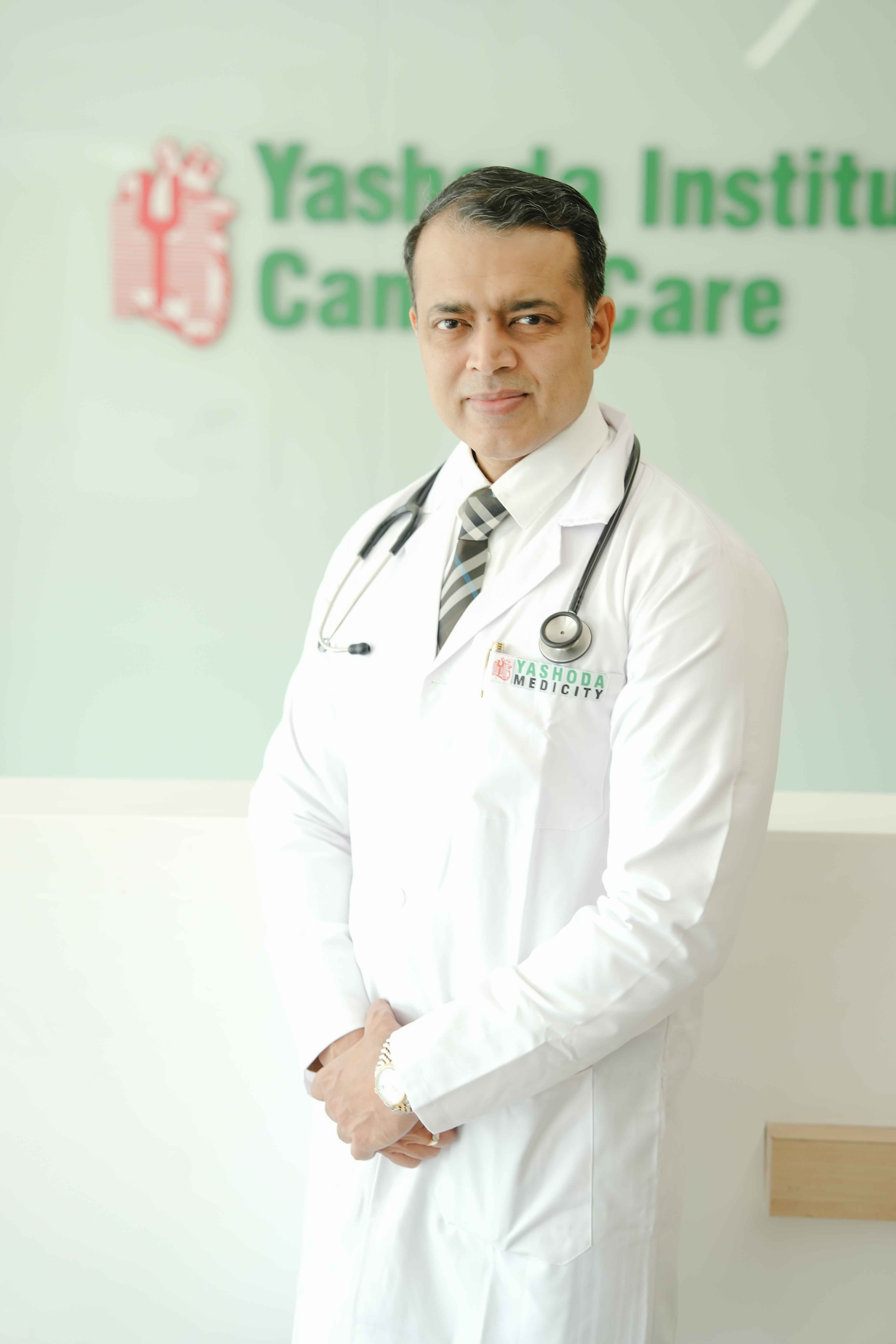
Dr. Manish Singhal
Vice Chairman - Medical Oncology

Dr. Gagan Saini
Vice-Chairman, Radiation Oncology

Dr. Satinder Kaur
Senior Director and Head – Gynaecologic Oncology & Robotic Surgery
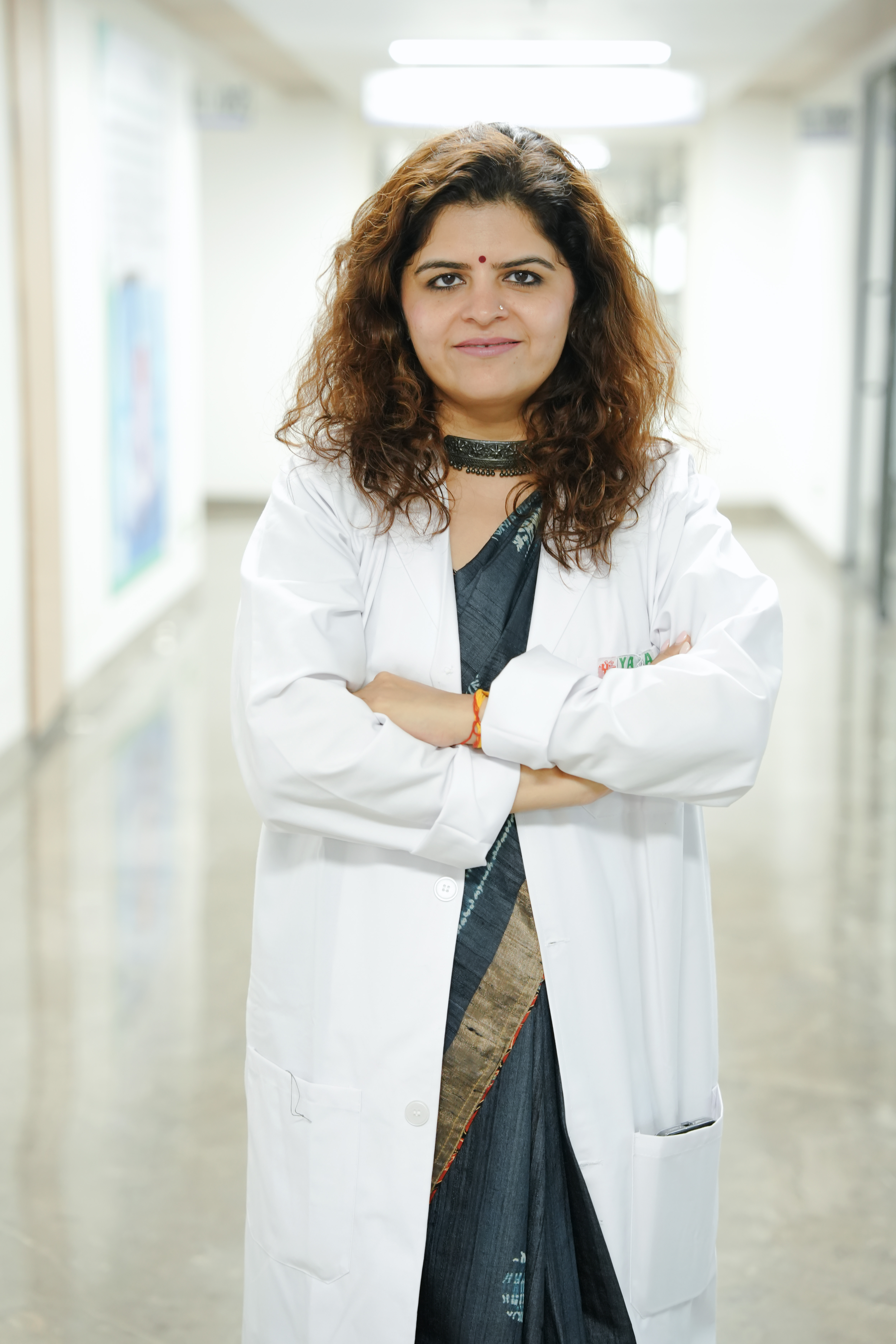
Dr. Nivedita Dhingra
Director & Head - Hematology, Hemato-Oncology And Bone Marrow Transplant (Adult & Pediatrics)
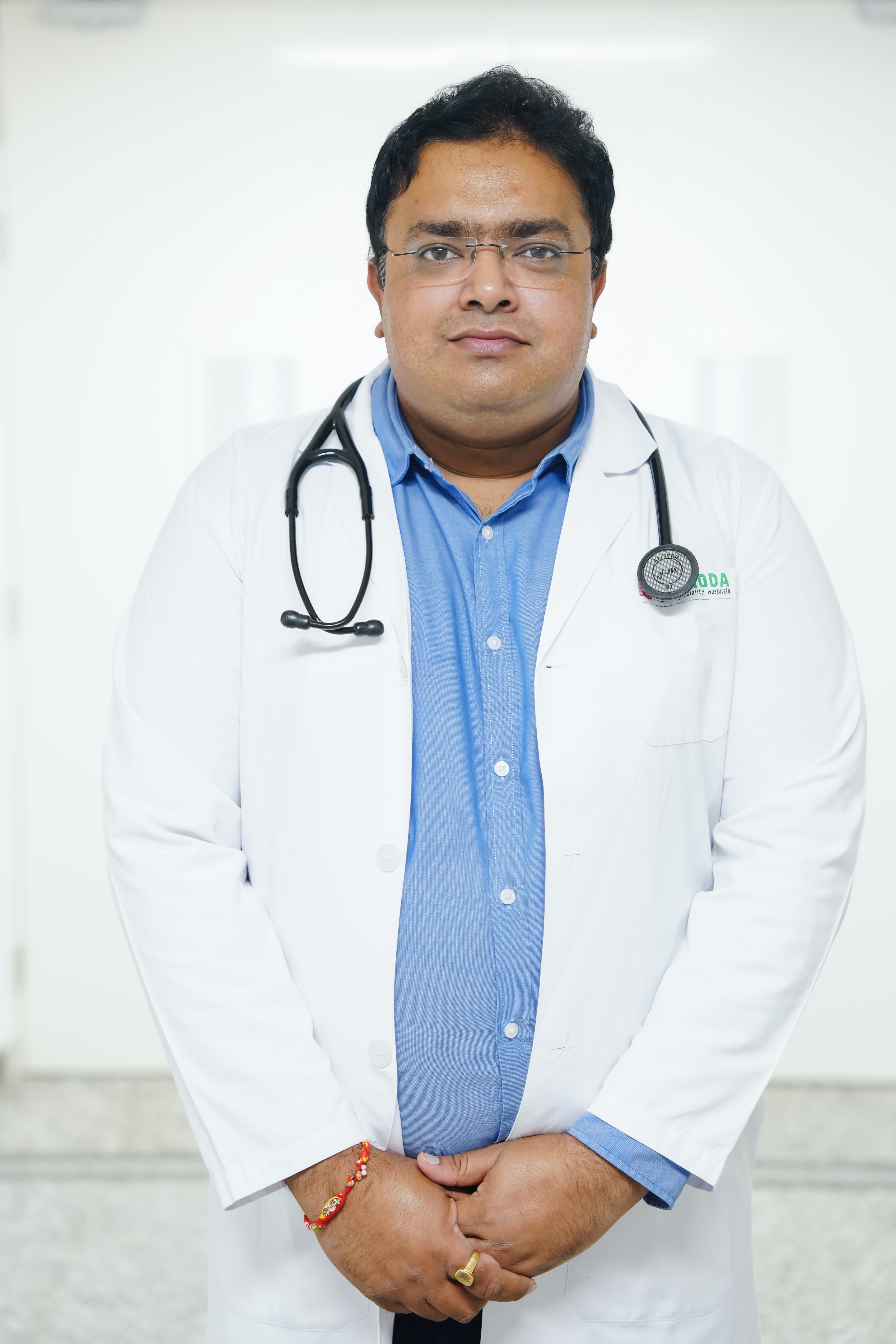
Dr. Abhishek Yadav
Director, Department of Medical Oncology
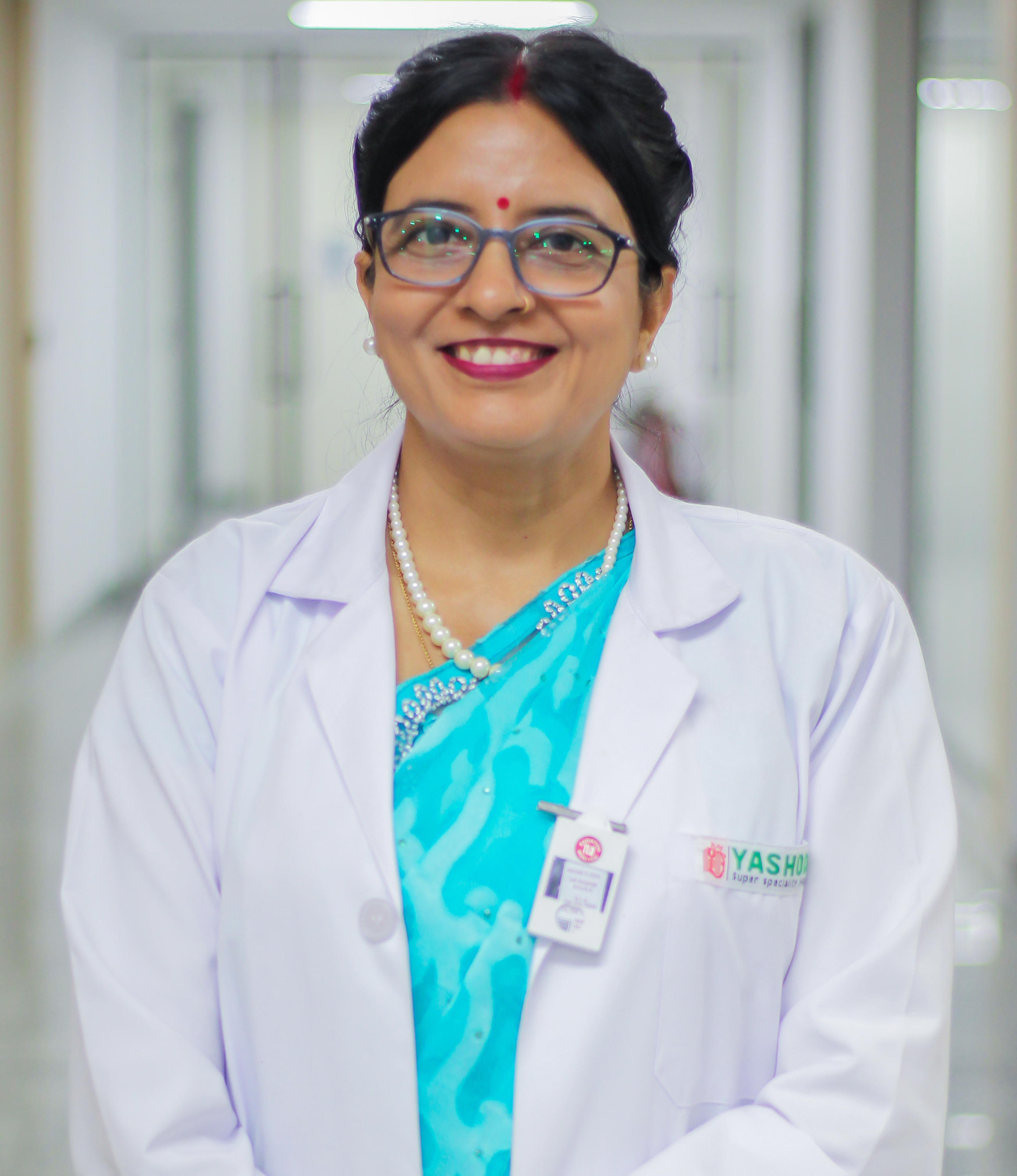
Dr. Rashmi Shukla
Principal Consultant – Radiation Oncology
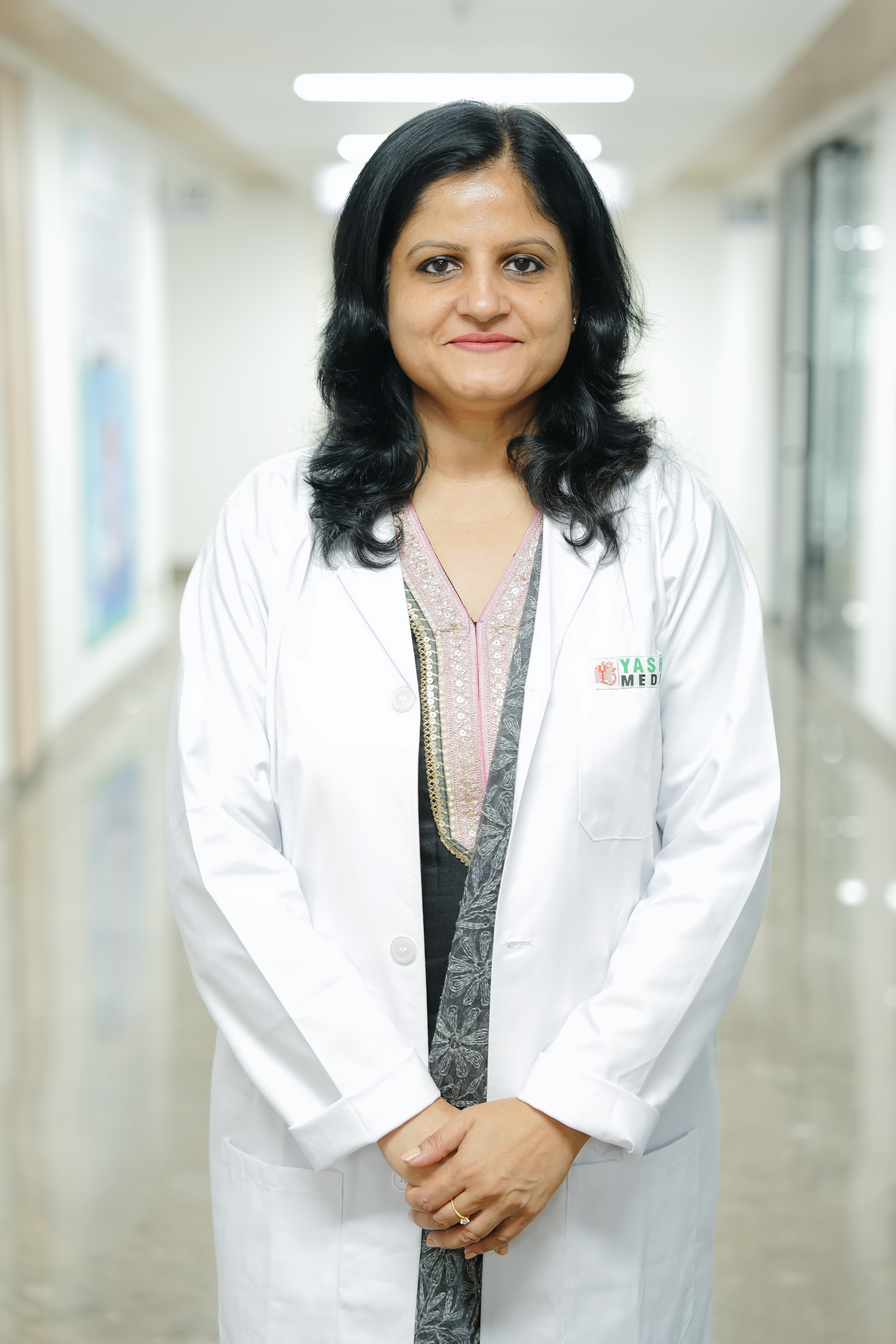
Dr. Karuna Jha
Senior Consultant - Hematology, Hemato-Oncology And Bone Marrow Transplant (Adult & Pediatrics)

Dr. Nikhil Tandon
Consultant, Orthopedics Oncology
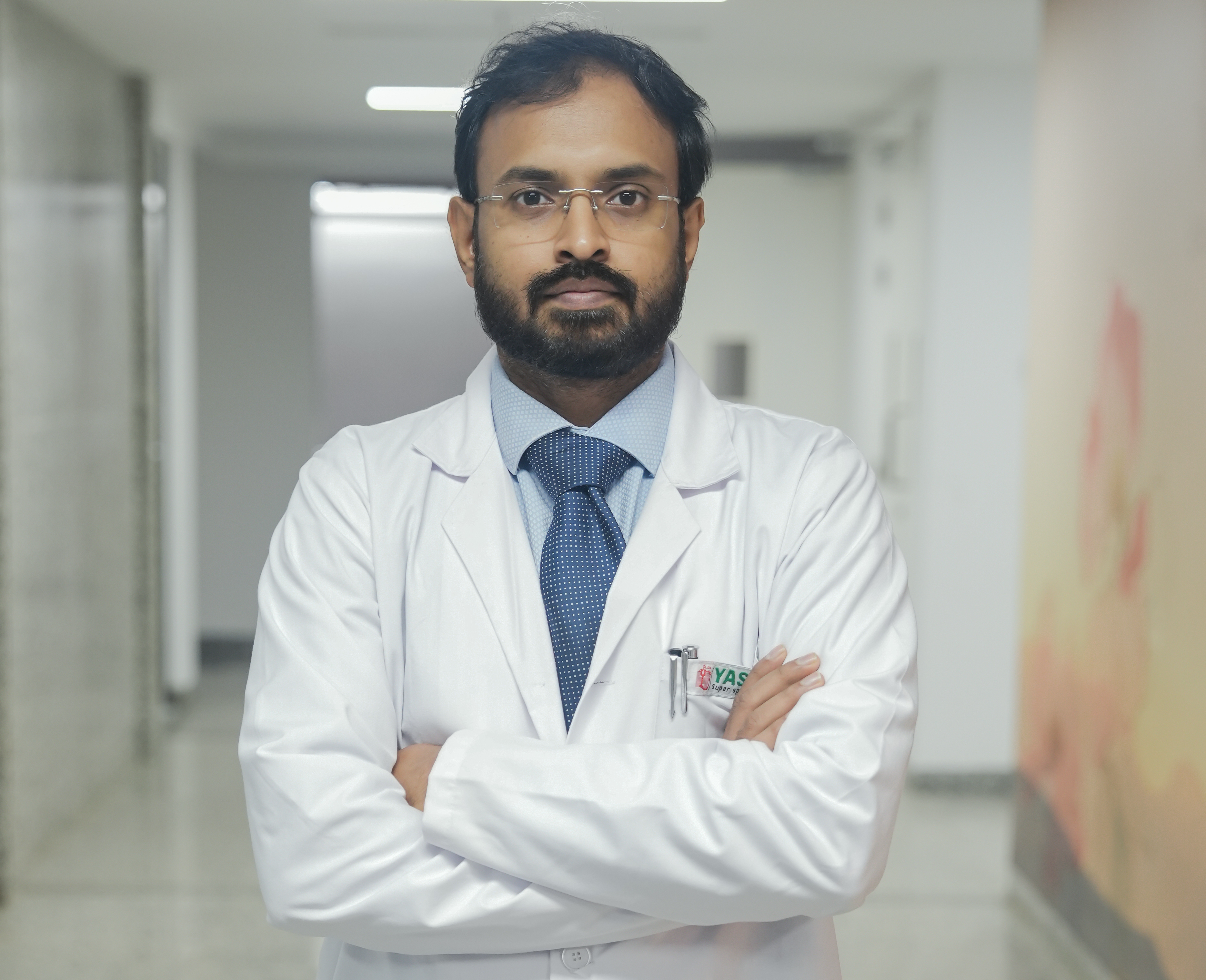
Dr. Sumanth Bollu
Consultant, Surgical Oncology- Head & Neck
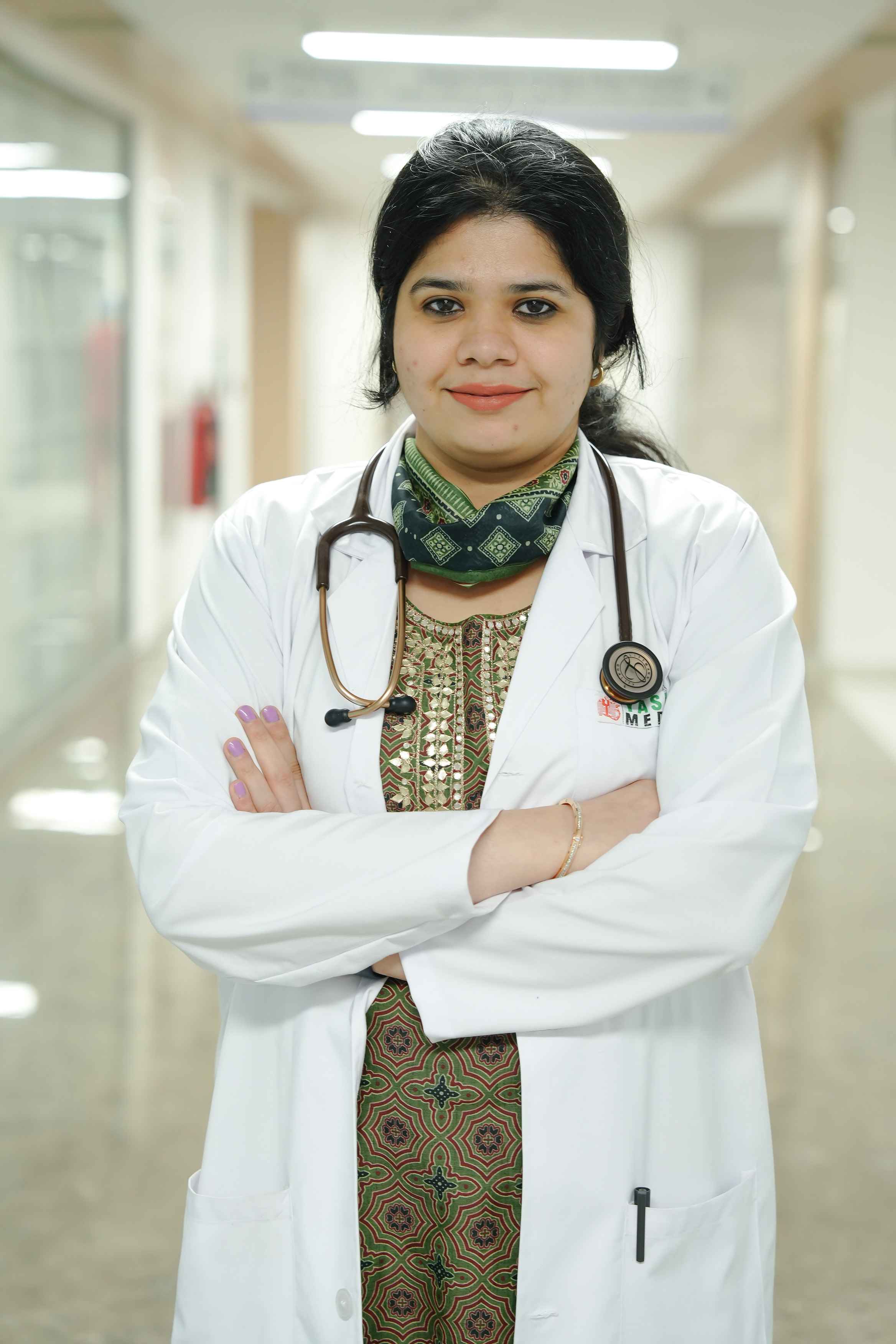
Dr. Nishtha Sachdeva
Consultant Medical Oncology
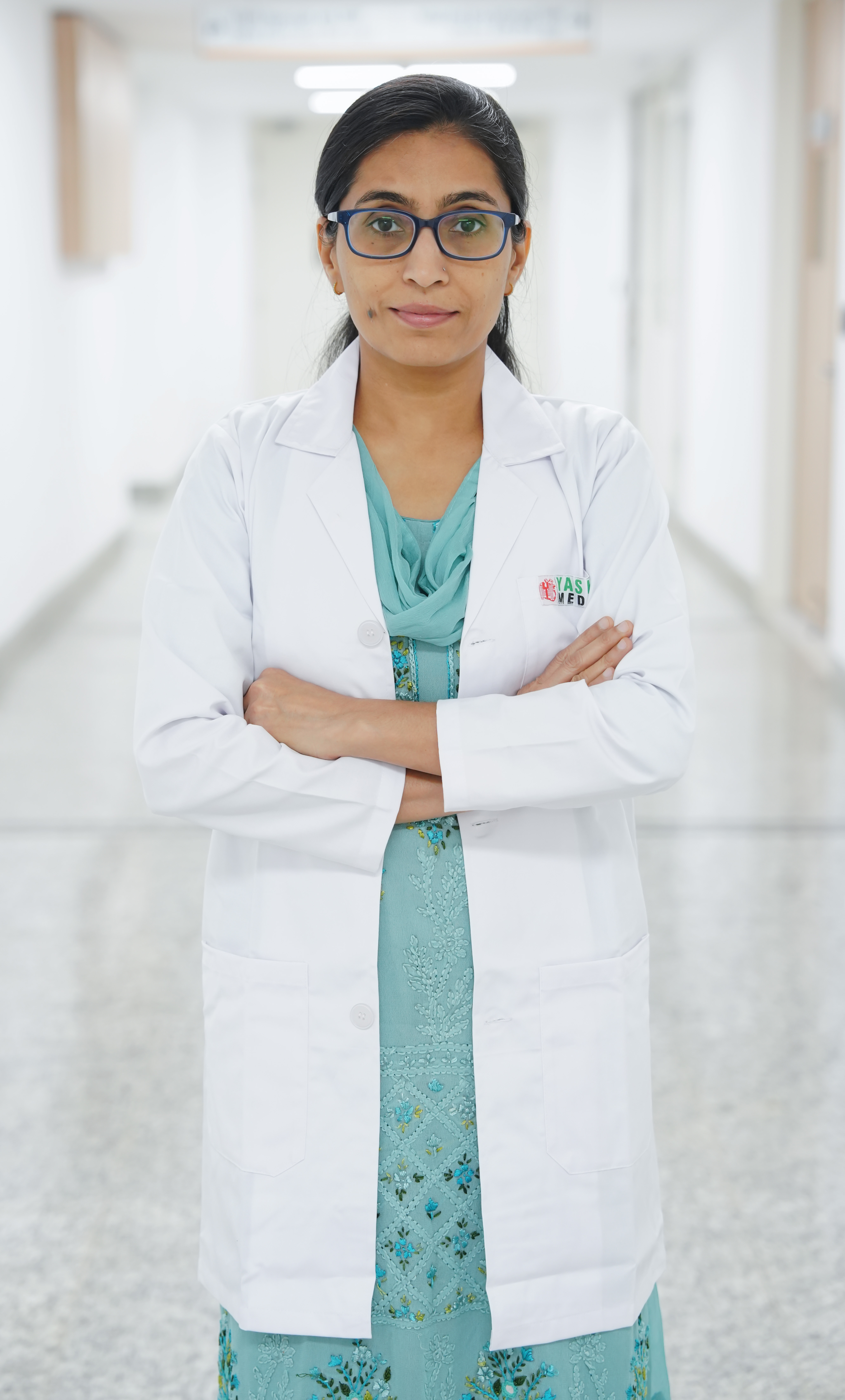
Dr. Hemlata Garg
Consultant, Gynecological Oncology & Robotic Surgery
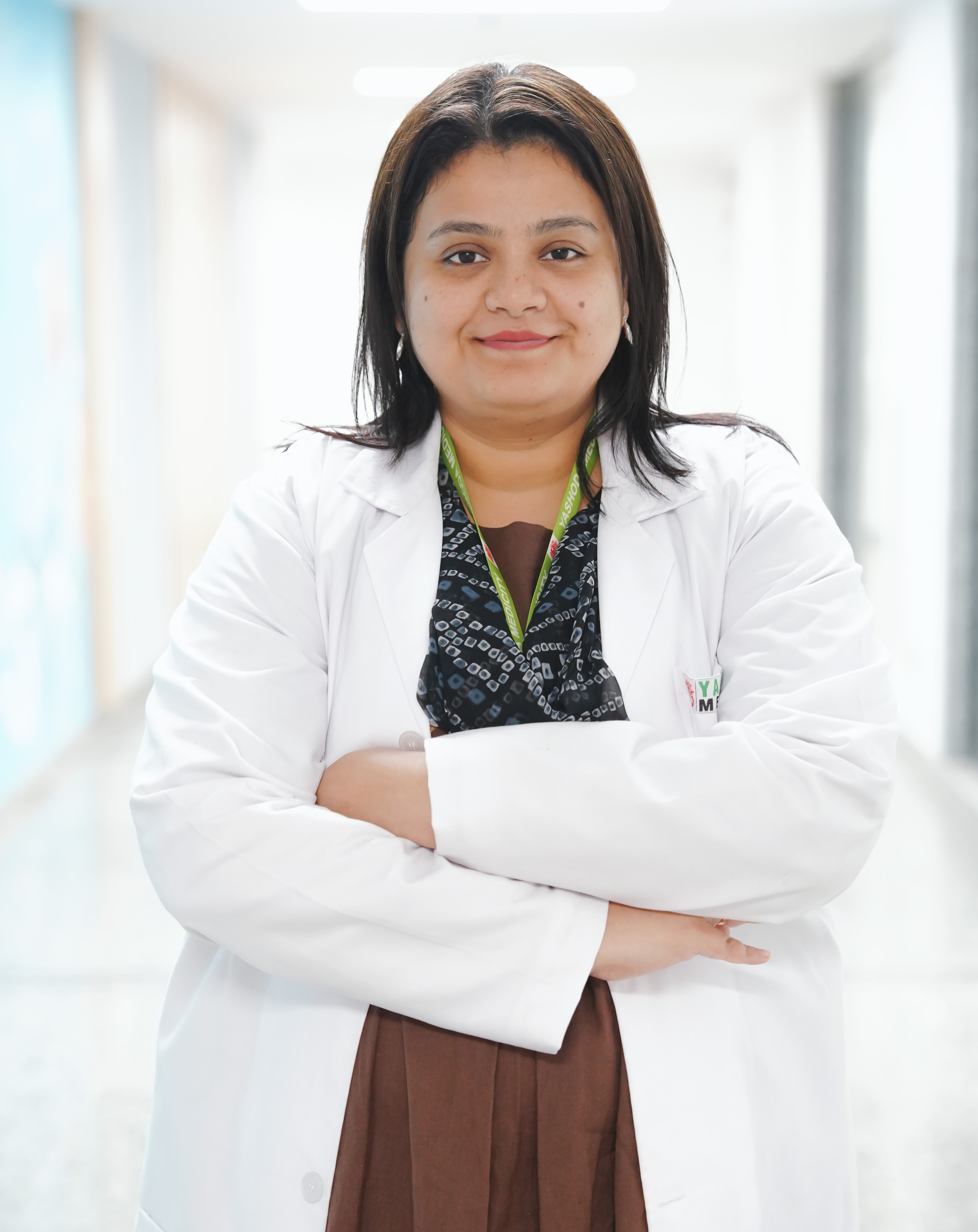
Dr. Ipshita Sahoo
Associate Consultant - Gynecologic Oncology & Robotic Surgery

Dr. Jigar Paghadar
Junior Consultant - Surgical Oncology and Robotic Surgery
Medical Oncology Hospital in Indirapuram
When someone is diagnosed with cancer, the first thought is often surgery. However, cancer treatment is rarely dependent on surgery alone. In many cases, treatment also involves therapies that work throughout the body to control, shrink, or eliminate cancer cells.
This is where the role of a medical oncology hospital in Indirapuram becomes essential. Medical oncology focuses on systemic cancer treatment, determining what medicines go into the body, in what combination, in what sequence, and why. A medical oncologist studies the molecular profile of a tumour and designs treatment accordingly. At Yashoda Medicity, cancer care follows a multidisciplinary approach where medical oncologists, surgeons, radiation specialists, pathologists, radiologists, and supportive care experts work together to create personalised treatment plans for every patient.
The team provides specialised systemic cancer care for both solid tumours and blood cancers, covering everything from early-stage curative treatment to advanced disease management, survivorship care, and palliative care.
Conditions We Treat
The medical oncology team manages the full range of solid tumours and blood cancers, from early-stage screen-detected disease to advanced, recurrent, and complex cases requiring combination systemic therapy.
The department treats a wide range of cancers, including:
- Breast Cancer
- Lung Cancer
- Colorectal Cancer
- Prostate Cancer
- Ovarian Cancer
- Pancreatic Cancer
- Gastric Cancer
- Liver and Hepatobiliary Cancers
- Leukaemia: Acute and Chronic
- Lymphoma
- Multiple Myeloma
- Hereditary Cancer Syndromes identified through genetic testing
- Precancerous conditions detected through screening programmes
Cancer Screening and Early Detection
Early detection remains one of the most important factors in improving cancer outcomes. Many cancers can be identified before symptoms become severe, allowing treatment to begin at a more manageable stage.
The department offers screening programmes for breast, cervical, colorectal, and prostate cancers supported by advanced imaging, pathology, and specialist evaluation. Early diagnosis often improves treatment response and long-term survival outcomes.
When to Consult a Medical Oncologist in Indirapuram
A medical oncologist is the right specialist to consult at several stages of the cancer journey, not only after surgery but also in advanced disease.
You should consult a medical oncologist if:
- A cancer diagnosis has been confirmed, and systemic treatment is being considered
- Surgery has been completed, and adjuvant chemotherapy or targeted therapy has been recommended
- A tumour board or treating surgeon has suggested a medical oncology review as part of treatment planning
- A cancer has relapsed or progressed following initial treatment
- A second opinion on a systemic treatment plan is being sought
- Genetic testing has identified a hereditary cancer risk, and treatment planning needs to account for it
- You are managing a blood cancer, including leukaemia, lymphoma, or myeloma
- Access to clinical trials or newer therapies, including immunotherapy or antibody-drug conjugates, is being explored
Advanced Medical Oncology Treatment in Indirapuram
Chemotherapy
Chemotherapy works by targeting rapidly dividing cells, including cancer cells. Since some healthy cells also divide rapidly, certain side effects may occur during treatment. At the chemotherapy specialist in Indirapuram, chemotherapy is used before surgery to shrink tumours, after surgery to reduce the risk of recurrence, and in advanced disease to control symptoms and prolong survival. With modern supportive medicines, close monitoring, and personalised treatment planning, chemotherapy today is significantly safer and more manageable than it was in the past.
Targeted Therapy
Targeted therapy follows a more precise approach to cancer treatment. Instead of attacking all rapidly dividing cells, these medicines act on specific genetic mutations or molecular changes responsible for cancer growth. A treatment designed for a specific mutation works only when that mutation is present. This precision reduces unnecessary damage to healthy cells and, in many cases, improves treatment outcomes for patients whose tumours carry the relevant molecular change.
Targeted therapies are commonly used in cancers such as HER2-positive breast cancer and EGFR-mutated lung cancer.
Immunotherapy
Immunotherapy has significantly changed the outlook for several cancers over the last decade. Rather than attacking cancer cells directly, it works by helping the body's immune system recognise and destroy them more effectively. Cancer cells often develop mechanisms that allow them to hide from immune defences. Immunotherapy removes these barriers, enabling the immune system to identify and attack cancer cells.
The department offers access to advanced immunotherapy options, including checkpoint inhibitors and, where clinically indicated, chimeric antigen receptor T-cell therapy for selected blood cancers and advanced malignancies.
Hormone Therapy
Certain cancers, particularly breast and prostate cancers, grow under the influence of hormones. Hormone therapy works by lowering hormone levels or blocking their effect on cancer cells.
These treatments are usually given in the form of tablets or injections and are often used alongside other therapies. Compared to conventional chemotherapy, hormone therapy is generally better tolerated by most patients.
Antibody-Drug Conjugates
Antibody-drug conjugates represent a newer generation of targeted cancer treatment. These therapies combine the precision of targeted antibodies with the cancer-killing effect of chemotherapy within a single treatment molecule. The antibody identifies and binds to cancer cells before delivering chemotherapy directly into them. This targeted delivery reduces systemic exposure and helps minimise many of the side effects associated with traditional chemotherapy.
Precision Oncology and Molecular Tumour Board
Cancer treatment today is increasingly guided by the biology of the tumour rather than only its location in the body. Genetic and molecular testing allows the treatment team to identify targetable mutations and select therapies that are more likely to work for a specific patient.
The expanded molecular tumour board at Yashoda Medicity reviews molecular findings alongside clinical data to determine whether standard treatment, targeted therapy, immunotherapy, or access to a clinical trial would provide the most appropriate treatment pathway.
Genetic Counselling and Precision Oncology
Some cancers may have an inherited genetic component. The department therefore provides genetic counselling and testing for individuals and families with hereditary cancer risk. Identifying inherited cancer syndromes helps guide treatment planning, long-term surveillance, and preventive strategies for both patients and family members.
State-of-the-Art Medical Oncology Facilities
Day-Care Chemotherapy Unit
The day-care chemotherapy unit is equipped with modern infusion chairs, close nursing supervision, and continuous monitoring throughout treatment sessions. Most patients receiving chemotherapy, targeted therapy, or immunotherapy are treated here and are able to return home on the same day.
Cytotoxic Admixture Room
Chemotherapy medicines at the medical oncology hospital in India are prepared in a dedicated cytotoxic admixture room with laminar airflow. This controlled sterile environment protects both the medicines being prepared and the healthcare professionals handling them, ensuring treatment safety and quality.
Pathology and Molecular Laboratory
Biopsy samples are analysed by specialist pathologists to confirm cancer type, grade, and tumour characteristics. In addition to routine pathology, molecular testing identifies genetic mutations, protein expression, and tumour markers that directly influence treatment selection. These detailed findings form the foundation of precision oncology.
Emergency Oncology Unit
Cancer treatment can sometimes lead to urgent medical complications including severe infections, febrile neutropenia, bleeding, or acute treatment reactions. The dedicated emergency oncology unit provides round-the-clock specialist support for patients undergoing active systemic treatment, ensuring these complications are managed by oncology-trained professionals.
Advanced Diagnostic Imaging
Accurate diagnosis and staging are essential before treatment begins. For this reason, the department uses advanced imaging technologies including Positron Emission Tomography with Computed Tomography scanning, Magnetic Resonance Imaging, and Computed Tomography scanning. These imaging facilities are readily available at the medical oncology hospital in Indirapuram for staging, treatment planning, and response assessment.
Positron Emission Tomography with Computed Tomography scanning provides metabolic information in addition to structural imaging, helping doctors understand how active cancer cells are and how effectively treatment is working. This is particularly important in lymphomas and other blood cancers where treatment response assessment plays a critical role.
Interventional Radiology Support
Image-guided procedures support accurate biopsy collection, catheter placement, and symptom-relief interventions wherever required. These minimally invasive techniques improve diagnostic precision while also helping maintain patient comfort.
Central Venous Catheter and Port Insertion Facilities
Patients undergoing repeated chemotherapy often require long-term venous access for safer and more comfortable treatment administration. The department provides central venous catheter and chemotherapy port insertion facilities to support long-term systemic therapy safely and efficiently.
24×7 Blood Bank Support
A fully equipped blood bank operates round the clock to provide blood and blood components for patients undergoing chemotherapy and treatment for blood cancers. This becomes especially important during intensive treatment protocols where blood component support may be required urgently.
In-House Oncology Pharmacy
All essential cancer medicines are stocked within the in-house oncology pharmacy, helping reduce delays between prescription and treatment administration. This is particularly important for patients requiring time-sensitive treatment schedules and uninterrupted therapy cycles.
Supportive and Palliative Care
Cancer care extends beyond active treatment and focuses equally on maintaining comfort, dignity, and quality of life for patients and families.
Nutritional Counselling
Cancer treatment can affect appetite, digestion, energy levels, and weight. Dedicated dieticians therefore provide personalised nutritional guidance to help patients maintain strength, manage side effects, and support recovery throughout treatment.
Psychological Support
A cancer diagnosis can be emotionally overwhelming for both patients and families. Counsellors and psychologists provide emotional support, coping strategies, and guidance throughout the treatment journey. This support helps patients manage anxiety, fear, emotional stress, and treatment-related uncertainty more effectively.
Pain and Symptom Management
The department provides specialised management for pain, fatigue, nausea, breathlessness, sleep disturbances, and other treatment-related symptoms. Effective symptom management improves patient comfort, treatment tolerance, and overall quality of life.
Palliative and End-of-Life Care
When cure is not possible, the focus gradually shifts towards improving quality of life, reducing suffering, and maintaining dignity. The palliative care team provides compassionate physical, emotional, and supportive care for both patients and their families during advanced stages of illness.
Patient Journey at the Cancer Care Hospital in Indirapuram
-
First Consultation and Staging: The patient first meets a medical oncologist for detailed evaluation. Diagnosis, staging investigations, molecular testing, and overall health assessment are reviewed before an individualised treatment plan is developed.
-
Tumour Board Review: Complex cases are discussed in a multidisciplinary tumour board involving oncologists, surgeons, radiation specialists, pathologists, and radiologists before treatment begins.
-
Treatment: Systemic therapy is initiated either in the day-care chemotherapy unit or as an inpatient treatment, depending on the treatment protocol. Side effects are actively monitored and managed throughout treatment.
-
Supportive Care: Nutritional guidance, psychological support, symptom management, and palliative care support continue alongside active treatment from the beginning.
-
Survivorship and Follow-Up: After active treatment at the medical oncology hospital in Indirapuram, patients continue under structured survivorship programmes focused on long-term monitoring and recovery.
Why Choose Yashoda Medicity for Medical Oncology in Indirapuram?
-
Full Range of Systemic Therapies Available: As the oncology treatment centre in Indirapuram, patients have access to a broad spectrum of modern systemic oncology treatments tailored to individual disease profiles.
-
Molecular Tumour Board for Precision Treatment: Genetic and molecular findings are reviewed by an expanded tumour board before treatment is finalised, ensuring therapy is matched to tumour biology rather than following a standardised approach.
-
Clinical Trial Access: Patients whose cancers have not responded to standard treatment, or who wish to access newer therapies, may be considered for clinical trials within the department.
-
Comprehensive Supportive and Palliative Care: The department integrates nutritional counselling, psychological support, symptom management, survivorship care, and palliative care throughout the treatment journey.
-
Emergency Oncology Cover Around the Clock: Treatment complications do not follow a schedule. The dedicated emergency oncology unit, therefore, provides specialist cover at all hours for patients undergoing active systemic treatment.
Book Your Consultation Today
Medical oncology is not limited to one treatment approach. The Yashoda Institute of Cancer Care at Yashoda Medicity, Indirapuram provides specialist expertise, advanced molecular diagnostic capability, precision oncology, and a full range of systemic therapies for comprehensive cancer management.
Book today: 9266610101.
 Call: +91 9266610101