 Open Emergency Modal
Open Emergency Modal
Open Emergency Modal

Principal Director & Unit Head
Neurosurgery
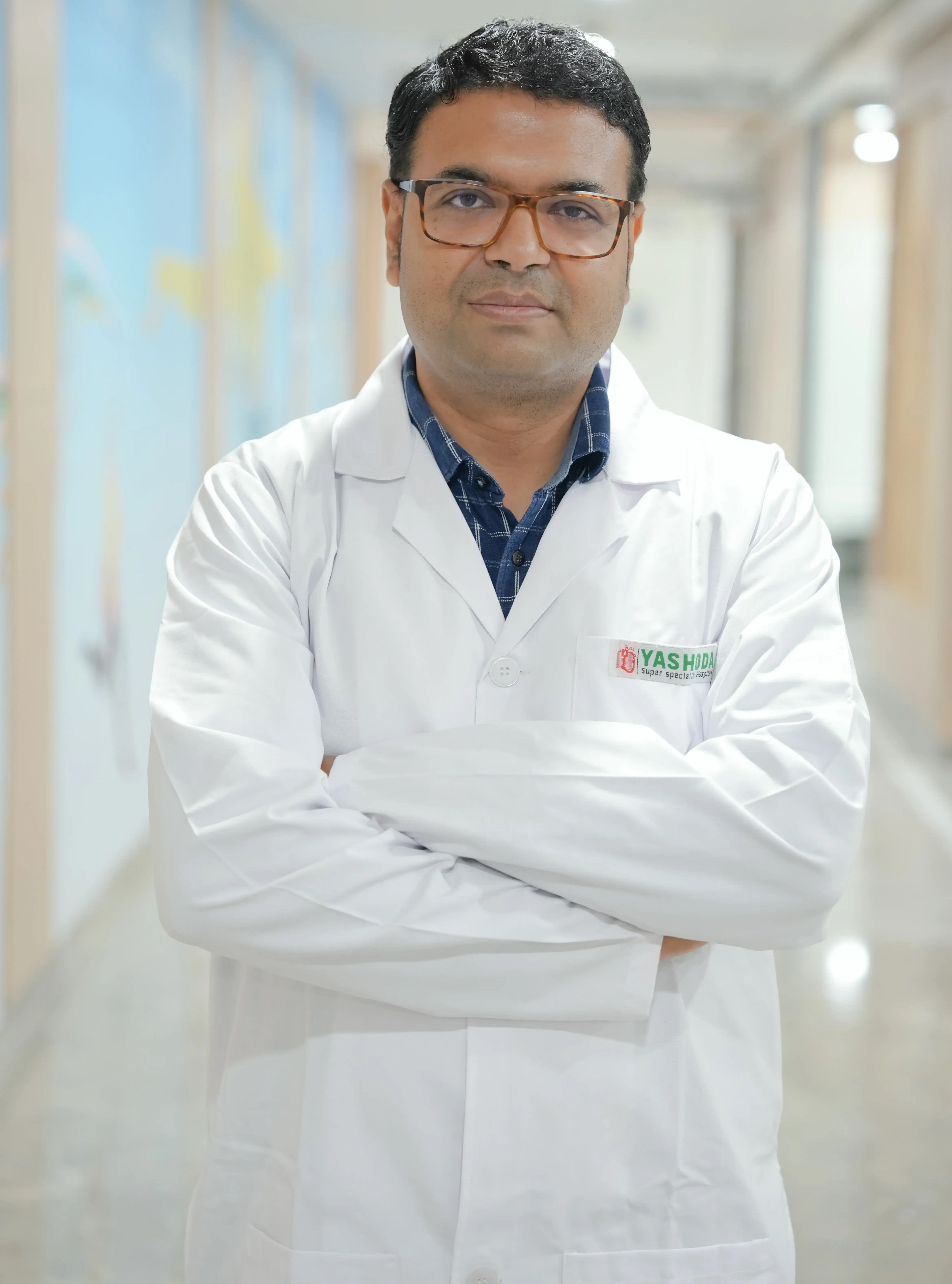
Associate Director
Neurology
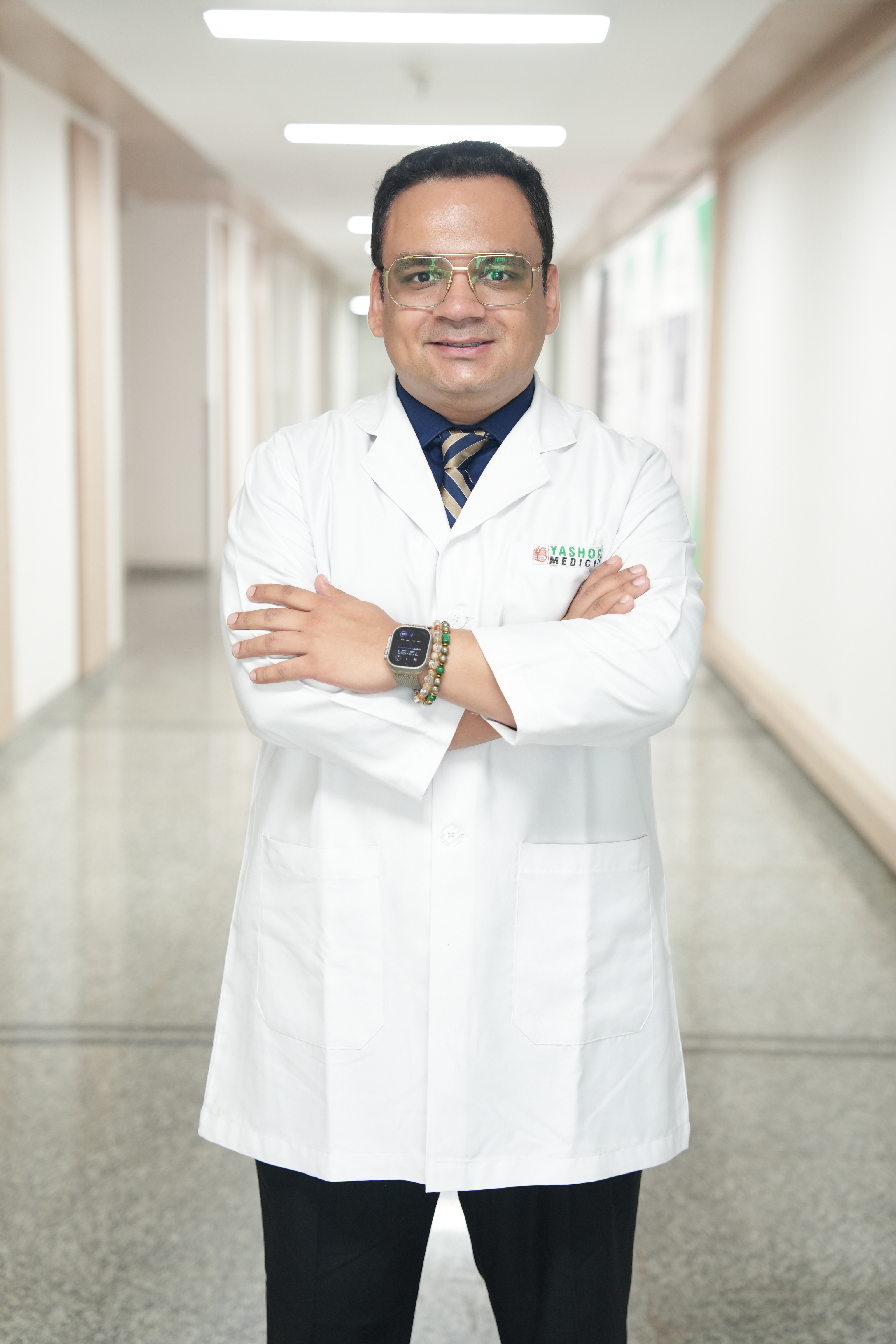
Principal Consultant
Neurosurgery
Principal Consultant
Neurosurgery
Senior Consultant
Neurology

Senior Consultant
Neurology

Senior Visiting Consultant
Neurosurgery
The human nervous system serves as the body's central control network, regulating movement, sensation, cognition, and vital functions. Any condition affecting the brain, spinal cord, or peripheral nerves can have a profound impact on a person's health, functional independence, and overall quality of life. In such cases, an accurate diagnosis and timely intervention are critical to achieving the best possible outcomes.
At Yashoda Medicity, our Department of Neurology is dedicated to delivering comprehensive, patient-centred neurological care. Our multidisciplinary team of specialists combines advanced neurodiagnostic technologies with evidence-based clinical practices to ensure precise diagnosis and effective treatment. From acute neurological emergencies to long-term management of complex disorders, we provide personalised care, continuous monitoring, and tailored rehabilitation strategies to support recovery and enhance patients' quality of life.
The clinical team at Yashoda Medicity specialises in managing a broad spectrum of conditions affecting the central nervous system (CNS) and peripheral nervous system (PNS). If you or a loved one is experiencing progressive cognitive decline, ataxia, or neuromuscular deficits, consulting an experienced brain specialist in Kaushambi is essential for early diagnosis and clinical staging.
We offer advanced, protocol-driven management for progressive neurodegenerative diseases, including Parkinson's disease, essential tremors, cognitive impairment, and various forms of dementia such as Alzheimer's disease. Our objective is to optimise pharmacological management, slow disease progression, and preserve maximum functional independence.
Chronic headaches and refractory migraines represent significant neurological burdens that severely impair daily functioning. By consulting a dedicated migraine specialist in Kaushambi at Yashoda Medicity, patients gain access to customised preventive and acute therapeutic regimens.
Our clinicians move beyond generic analgesics by utilising targeted interventions such as CGRP inhibitors, botulinum toxin (Botox) injections for chronic migraines, and precise trigger-identification protocols to effectively reduce the frequency, duration, and intensity of debilitating headache disorders.
In acute neurovascular events, "time is brain." Every minute of ischemia results in the irreversible loss of millions of neurons. As a leading destination for emergency stroke care, our stroke doctor in Kaushambi provides 24/7 hyperacute stroke management.
Yashoda Medicity is equipped with dedicated stroke pathways to administer rapid intravenous thrombolysis (clot-busting medication) and facilitate immediate mechanical thrombectomy for large-vessel occlusions, drastically minimising long-term neurological deficits and accelerating post-stroke rehabilitation.
Paroxysmal electrical disturbances in the cerebral cortex demand highly precise and continuous clinical management. Our epilepsy specialist in Kaushambi utilises digital electroencephalograms (EEG), video-EEG monitoring, and advanced neuroimaging to accurately classify seizure etiologies and identify epileptogenic zones.
By designing individualised antiepileptic drug (AED) regimens and monitoring therapeutic drug levels, we aim to achieve seizure freedom while minimising pharmacological side effects, allowing patients to safely resume their daily lives.
Neurological health frequently intersects with structural spinal conditions and complex peripheral nerve disorders. At Yashoda Medicity, our neurology team works closely with orthopaedic spine specialists and neurosurgeons to manage disorders such as spinal cord compression syndromes, cervical and lumbar radiculopathy, and acute spinal cord injuries.
By integrating comprehensive clinical examinations with advanced electrophysiological testing, we identify the exact nerve roots involved. This collaborative approach ensures that whether a patient requires non-invasive pain management, targeted corticosteroid interventions, or microsurgical procedures, their care plan is seamlessly executed for optimal functional recovery.
The journey towards recovery from an acute neurological event or a chronic condition does not end after initial medical stabilisation. Our dedicated neuro-rehabilitation wing offers specialised long-term restorative therapies designed to help patients regain lost motor skills, cognitive abilities, and communication functions.
Our multidisciplinary rehabilitation team consists of physical therapists, occupational therapists, and speech-language pathologists who create highly customised, evidence-based recovery plans. From post-stroke gait training and balance restoration to cognitive exercises for degenerative conditions, we focus on maximising daily independence and enhancing long-term quality of life.
Neurological disorders in infants, children, and adolescents require highly specialised, gentle, and precise clinical protocols. The pediatric neurology services at Yashoda Medicity focus on diagnosing and managing early-onset disorders such as childhood epilepsy, developmental delays, cerebral palsy, and congenital neuromuscular conditions.
Our clinicians work closely with families to establish early intervention strategies using pediatric neuroimaging and low-stress diagnostic monitoring. By addressing developmental challenges early, we help children achieve critical milestones, manage behavioural and physical symptoms effectively, and build a stronger foundation for future well-being.
Autoimmune conditions of the nervous system, such as Multiple Sclerosis (MS), Neuromyelitis Optica (NMO), and Guillain-Barré Syndrome (GBS), occur when the body's immune system mistakenly attacks its own neural pathways. Managing these conditions requires sophisticated immunomodulatory therapies and rapid clinical responses during acute flare-ups.
Our neurology department utilises advanced diagnostic testing, including lumbar punctures for cerebrospinal fluid (CSF) analysis and high-resolution neuroimaging, to accurately track disease progression.
We offer advanced therapeutic interventions, including intravenous immunoglobulin (IVIG) therapy, plasmapheresis (plasma exchange), and targeted biologic infusions, to suppress harmful immune activity, minimise nerve damage, and support long-term disease remission.
An accurate diagnosis is the cornerstone of effective neurological intervention. At Yashoda Medicity, our advanced neuro-diagnostic department is equipped with cutting-edge medical technologies that allow our clinicians to map, image, and analyse the nervous system with exceptional clarity.
Our facility features high-field 3T MRI and advanced multi-slice CT scanners for structural neuroimaging, which are vital for identifying structural abnormalities, tumours, and vascular lesions. For functional and electrophysiological evaluations, we utilise digital electroencephalography (EEG) to map cortical electrical activity, alongside electromyography (EMG) and nerve conduction studies (NCS) to evaluate peripheral nerve transmission and neuromuscular junction health.
By integrating these sophisticated modalities, our medical team ensures precise clinical localisation, minimises diagnostic uncertainty, and paves the way for highly targeted treatment protocols.
Severe neurological emergencies, such as status epilepticus, severe traumatic brain injuries (TBI), intracranial haemorrhages, and acute spinal cord trauma, demand immediate specialised intervention. Yashoda Medicity features a dedicated Neuro-Intensive Care Unit (NICU) staffed around the clock by intensivists, neuro-anaesthetists, and critical care nurses.
Our NICU is equipped with advanced multimodal monitoring systems, including continuous EEG monitoring and intracranial pressure (ICP) tracking tools. This specialised infrastructure allows our clinical team to detect subtle physiological changes in real time, prevent secondary brain injury, and deliver life-saving medical and surgical interventions during the critical golden hours of neurological emergencies.
Do not compromise on your neurological health. Whether you require evaluation for chronic symptoms or need an appointment with the best neurologist in Kaushambi, our medical team provides the expertise and compassionate care you need.
To review our clinicians' credentials, check outpatient department (OPD) schedules, or schedule a priority appointment, visit our official website or contact our patient care helpdesk directly. Take a proactive step towards safeguarding your neurological well-being.
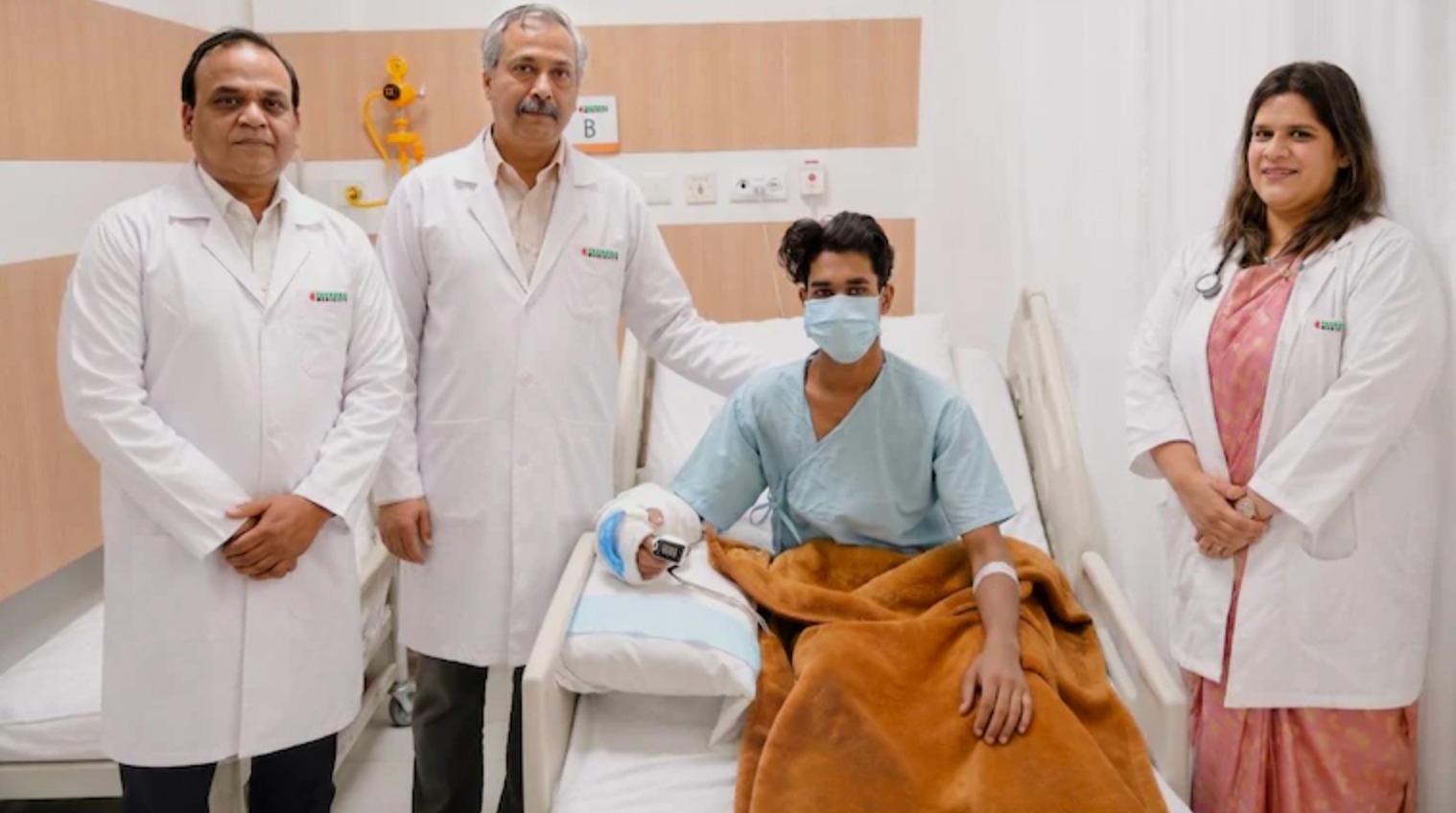
Yashoda Medicity Successfully Replants 18-Year-Old’s Completely Amputated Hand After Construction-Site Accident
The highly complex microsurgical procedure took seven-hour, restoring blood circulation to the hand following a severe construction-site injury in Ghaziabad
10th, August 2026: Delhi/NCR Yashoda Medicity successfully reconstructed and reimplanted a completely amputated right hand of an 18-year-old young man, after a construction site accident in Ghaziabad. The complex seven-hour surgery involved meticulous microsurgical repair of the bones, arteries, veins, tendons, nerves, and soft tissues, restoring blood flow to the replanted hand and giving the young patient the opportunity to regain function.
The patient, a native of Hapur who works in Ghaziabad, sustained a complete amputation of his right hand at the wrist after it became trapped in the machine while working at a construction site on July 21. He was immediately rushed to the Emergency Department at Yashoda Medicity with severe pain, active bleeding and significant blood loss from the site of injury. The amputated hand was carefully preserved and transported to the hospital, allowing the surgical team to proceed with limb reimplantation.
The patient was immediately assessed by a team of doctors led by Dr. Shobhit Sharma, Principal Consultant, Plastic, Aesthetic & Reconstructive Surgery and the team along with Dr. Brajesh Koushle, Director & Unit Head, Orthopedics, Joint Replacement & Sports Medicine. Following emergency evaluation and stabilisation, the team decided to undertake an emergency hand reimplantation procedure.
Over the course of seven-hour surgery, the surgeons decided to undertake an emergency hand reimplantation procedure. The case was a surgical challenge, as the tissues had suffered a crush injury rather than a clean cut. Managing the patient's blood loss was a critical early priority, with the anaesthesia team closely monitoring his condition and administering blood transfusion to keep him stable through the course of the seven-hour surgery. Working against the clock, the team first stabilised the fractured wrist bones to create a stable structural framework, before moving to the microscope to reconnect the arteries, veins, nerves and tendons.
Dr. Shobhit Sharma, Principal Consultant, Plastic, Aesthetic & Reconstructive Surgery, Yashoda Medicity, said,” Reimplanting a completely amputated hand is a race against time. The tissues had suffered a crush injury. Every structure, from the smallest blood vessel to the tendons and nerves, had to be repaired under the microscope with utmost precision. The fact that the patient reached us within the golden window made a huge difference to the outcome. The hand now has restored blood supply. It will take time for the hand to recover to normal function, but we expect him to show steady clinical improvement over the coming months."
Following the successful procedure, blood circulation was restored to the replanted hand. The patient recovered well in the postoperative period and has since been discharged in stable condition. He will continue regular follow-up and rehabilitation under the treating team. Sensation and movement in the fingers are expected to return gradually over the coming months. Physiotherapy will begin after an initial healing period to help restore strength and mobility. The patient will remain under regular follow-up with the treating team throughout this process.
Doctors highlighted that in cases of traumatic limb amputation, the time between injury and surgery plays a crucial role in determining the success of reimplantation. They also stressed the importance of preserving the amputated part appropriately and ensuring immediate transfer to a centre equipped with advanced microsurgical expertise.
The successful outcome of this case reflects the expertise of Yashoda Medicity's multidisciplinary surgical teams in managing complex trauma emergencies through advanced microsurgical reconstruction, coordinated emergency response, and comprehensive post-operative care.
Treatment By:
Dr. Shobhit Sharma, Dr. Brajesh Koushle

A 7-year-old girl presented with persistent pain in the right knee for two months. Initial investigations, including X-ray and MRI, raised suspicion of a malignant lesion in the distal femur near the knee joint.
A biopsy confirmed the diagnosis of osteosarcoma, a rare bone malignancy seen in children and adolescents. A metastatic workup was conducted to assess disease spread, which showed no evidence of metastasis.
The patient was initiated on a structured treatment protocol involving multiple cycles of neoadjuvant chemotherapy, followed by planned surgical intervention and postoperative chemotherapy.
After completion of four chemotherapy cycles, repeat imaging demonstrated a favorable response, and surgical management was undertaken. Considering the child’s age and significant remaining growth potential, the key challenge was to achieve oncological clearance while preserving future limb growth.
A customised expandable prosthesis was designed for the patient to accommodate longitudinal bone growth through future length adjustments. The surgical procedure was completed successfully, and the postoperative course remained stable and uneventful.
The patient continues under follow-up, with the focus on long-term recovery, functional preservation, and support for normal growth and development.
Treatment By:
Dr. Nikhil Tandon

Advanced Bronchoscopic Intervention at Yashoda Medicity Removes Eraser from 4-Year-Old's Airway, Restores Collapsed Lung.
Doctors at Yashoda Medicity successfully saved a 4-year-old child after a piece of eraser became lodged in his left main bronchus, causing near-complete airway obstruction and collapse of the left lung. The 4-year old child accidentally inhaled the eraser while playing nearly two days before reaching the hospital.
An emergency bronchoscopic procedure was performed using a flexible ultrathin bronchoscope and cryoprobe. The multidisciplinary team included Dr Rajesh Kumar Gupta, Director; Dr Ankit Bhatia, Senior Consultant in Respiratory Medicine and Interventional Pulmonology; Dr Lokesh, Principal Director & HOD of Anesthesiology & Critical Care; and Dr (Maj) Shaifali Bhatia, Senior Consultant - Paediatrics & Neonatology.
During the 90-minute procedure, doctors successfully removed the eraser and restored airflow to the collapsed lung. The intervention was particularly challenging because the child's airway measured only about 4 mm in diameter, requiring precise airway management and close coordination between the bronchoscopy and anaesthesia teams.
Speaking about the case, Dr Rajesh Kumar Gupta, Director, Respiratory Medicine and Interventional Pulmonology, Yashoda Medicity, said, “This was a particularly challenging procedure because the child’s airway measured only about 4 mm in diameter. Maintaining adequate oxygenation while simultaneously navigating specialized instruments through such a narrow airway required meticulous planning and close coordination between the bronchoscopy and anaesthesia teams over a 90-minute procedure.
Dr Ankit Bhatia, Senior Consultant, Respiratory Medicine & Interventional Pulmonology, said, “Cases like these highlight how small objects such as erasers, toy parts, nuts, and seeds can quickly turn into life-threatening airway emergencies in children. Any episode of sudden coughing, wheezing, or breathing difficulty after playing should never be ignored. Early diagnosis and timely treatment can prevent serious complications, including lung collapse, and can save lives.”
Describing the ordeal as one of the most frightening experiences for the family, the child's parent said, “Watching him struggle to breathe was one of the most frightening experiences for our family. We are deeply grateful to the doctors and medical team at Yashoda Medicity for their timely intervention, expertise, and constant support throughout the treatment. Knowing that specialists from different disciplines were working together and that advanced facilities were available gave us immense confidence during a very difficult time. We hope other parents learn from our experience and seek immediate medical attention if a child develops persistent coughing, wheezing, or breathing difficulty after inhaling or choking on a small object.”
Following removal of the foreign body, the child's breathing improved immediately. Airflow to the left lung was restored, allowing the collapsed lung to re-expand. The child recovered well and was discharged in stable condition on 18 June 2026.
Doctors emphasized that young children are particularly vulnerable to accidentally inhaling small objects during play. In this case, the foreign body had already caused the collapse of the left lung. Further delay in treatment could have resulted in severe infection, persistent lung collapse, irreversible lung damage, respiratory failure, and potentially life-threatening complications.
The successful outcome underscores the importance of timely diagnosis, advanced bronchoscopic expertise, specialized equipment, and a multidisciplinary approach in managing complex airway emergencies in children. Yashoda Medicity remains committed to providing comprehensive, advanced interventional pulmonology and critical care services, backed by state-of-the-art technology and specialist teams capable of handling complex medical emergencies across age groups.
Treatment By:
Dr Rajesh Kumar Gupta, Director; Dr Ankit Bhatia, Dr Lokesh; and Dr (Maj) Shaifali Bhatia.

A professional WWE wrestler sustained a knee injury during a wrestling bout while on tour in India, resulting in acute pain, instability, and inability to continue performance. Clinical and radiological evaluation confirmed an anterior cruciate ligament (ACL) tear along with a concomitant meniscus injury.
He was evaluated by the orthopaedic team, led by Dr. Brajesh Koushle, and was advised to undergo surgical intervention to restore knee stability and enable early return to high-impact activity. Given the functional demands of a professional athlete, a minimally invasive, precision-driven approach was planned.
The patient underwent arthroscopic ACL reconstruction using an advanced Xiros ligament system, along with an all-inside meniscus repair. The procedure was performed using keyhole techniques, ensuring minimal tissue disruption and optimal anatomical restoration.
Postoperatively, the patient showed rapid recovery. Early mobilisation was initiated, and he was able to bear weight and walk on both limbs from the very next day. With structured rehabilitation, he is on track for a timely return to professional wrestling within a few weeks.
Treatment By:
Dr. Brajesh Koushle and Team

Advanced minimally invasive surgery plays a critical role in managing complex abdominal conditions, enabling precise intervention with faster recovery and reduced surgical impact. At the Yashoda Institute of Minimal Access, Robotic and Bariatric Surgery (MARBS), a 38-year-old male presented with low-grade adenocarcinoma of the colon, with mucosal extension and partial luminal obstruction.
Following preoperative optimisation in coordination with the Gastroenterology team, the patient underwent a laparoscopically assisted left limited hemicolectomy with partial mesocolon excision.
The colocolic anastomosis was completed through a small 2-inch subcostal incision, maintaining a minimally invasive approach while ensuring surgical precision. The postoperative course was uneventful, and the patient was discharged in a stable condition on Day 5.
This case reflects the strength of a minimally invasive surgical approach in managing complex cases, enabling effective treatment with faster recovery and improved patient outcomes.
Treatment By:
Dr. P.K. Dewan, Dr. Abhimanyu Dewan, Dr. Ismail Khan, and Dr. Pooja
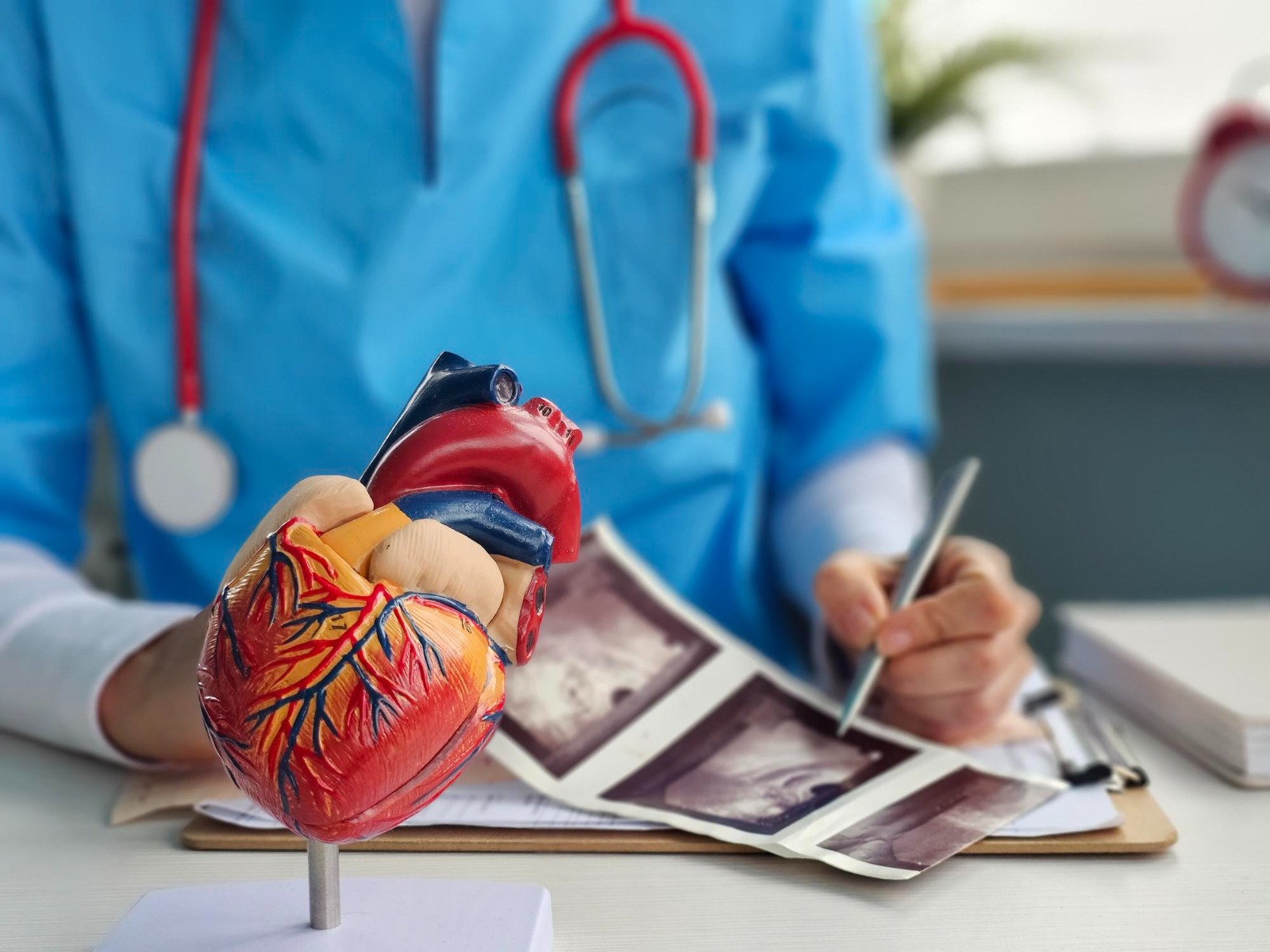
A 4-year-old, 11 kg child was brought to the Department of Pediatric Cardiac Sciences at Yashoda Medicity, Indirapuram, with complaints of bluish discoloration of fingernails and toes, poor weight gain, easy fatigue on walking, and recurrent hospital admissions.
Clinical evaluation revealed an oxygen saturation of 75%, prompting further investigations including echocardiography and CT pulmonary angiography.
The child was diagnosed with Cyanotic Congenital Heart Disease known as Tetralogy of Fallot (TOF), with additional apical muscular VSD and a hypoplastic pulmonary annulus.
The patient underwent open-heart surgery called Intracardiac Repair, including closure of multiple VSDs with a transannular patch over the neopulmonary valve. The procedure was led by Dr. Abhinavsingh Chauhan, Consultant Pediatric Cardio-thoracic and Vascular Surgery. Advanced post-operative care in the Pediatric Cardiac ICU was uneventful, and post-operative echocardiography confirmed a successful repair.
The child was discharged in a stable and ambulatory condition on the 5th post-operative day, with oxygen saturation improving to 99%. This case reflects Yashoda Medicity’s expertise in managing complex pediatric cardiac conditions, combining cutting-edge surgical techniques with specialized intensive care to ensure safe, life-transforming outcomes for children.
Treatment By:
Dr. Abhinavsingh Chauhan
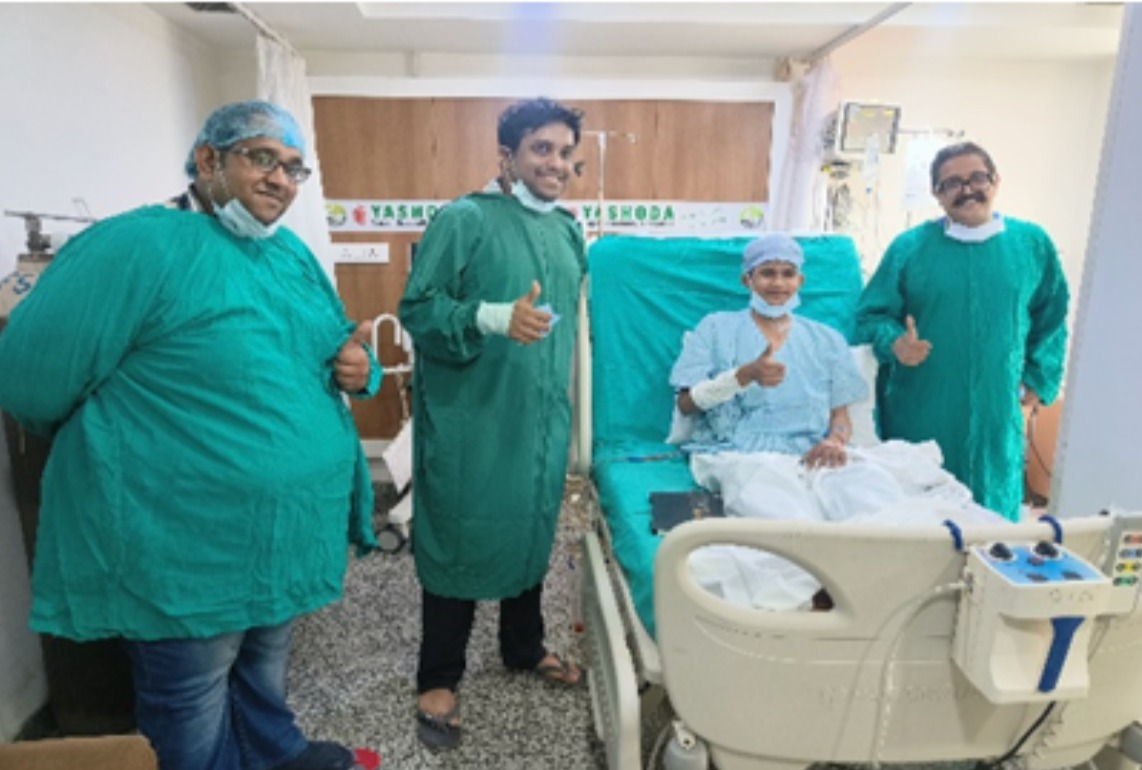
An International patient from Myanmar with Mitral Regurgitation, pulmonary hypertension and low ejection fraction-35% underwent successful transplant
A middle aged male was diagnosed with chronic kidney disease when he developed generalized body weakness, puffiness of face and swelling of legs with nausea, intermittent vomiting . On Investigations, he was found to have deranged renal function with urea-300 mg/dl,creatinine of 15 mg/dl, hb-9 mg and was subsequently started on hemodialysis via catheter inserted in right side of neck.
He subsequently visited India where he consulted our expert team of doctors-Dr Prajit Mazumdar, Dr Inderjit G Momin,Dr Vaibhav Saxena and Dr Kuldeep Agarwal at Yashoda Super Speciality Hospitals, Kaushambi who advised her to under renal transplant as it is the best form of renal replacement therapy. His Transplant workup was subsequently started and donor was wife and blood group was same.
However on transplant work up, it was found that he had Mitral Regurgitation, pulmonary hypertension and low ejection fraction-35% which increased his peri operative risk. Subsequently he was started on medicines and decongestion was done with diuretics and intensive hemodialysis. Subsequently renal transplantation was done after obtaining cardiology clearance with moderate risk and explaining the risk.
He underwent renal transplantation with Solumedrol and ATG induction. After transplantation he had good urine output with decreasing creatinine and was subsequently discharged with creatinine of 1.2 mg/dl . After transplant his pulmonary hypertension decreased and mitral regurgitation decreased which proves renal replacement therapy in form of transplant leads to improvement of cardiac condition. He is doing well on OPD follow up even today, 1.5 year after transplant with stable graft function and enjoying his life in myanmar.
Treatment By:
Dr Prajit Mazumdar, Dr Inderjit G. Momin, Dr Vaibhav Saxena, and Dr Kuldeep Agarwal
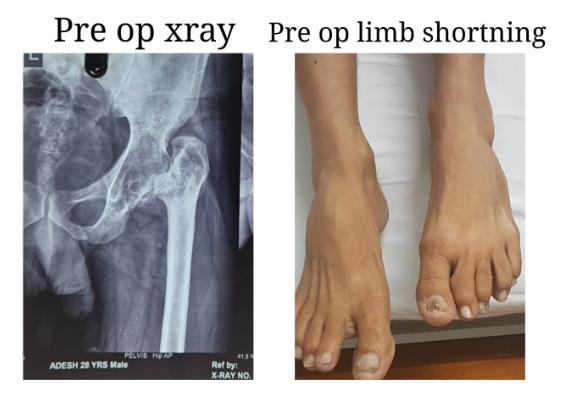
Total Hip Replacement in a Young Adult with Secondary Osteoarthritis of the Hip due to Sequelae of Childhood Septic Arthritis
Early and effective treatment of childhood hip septic arthritis is crucial to prevent or minimize long-term complications such as avascular necrosis, hip dislocation, osteoarthritis, and leg length discrepancy.
We present a case of a 30-year-old male patient suffering from secondary osteoarthritis of the left hip, with complete destruction of the joint over the past 20 years. He had septic arthritis of the left hip at the age of 9, which was only partially treated, resulting in long-term sequelae.
This was a challenging case due to the chronic arthritic hip and associated soft tissue contractures. We performed an uncemented total hip replacement with subtrochanteric osteotomy. The procedure proceeded as planned: the limb length discrepancy was corrected, and the patient was mobilized within 24 hours. He was discharged after four days, pain-free, and walking with support.
He is expected to achieve full weight-bearing and return to all activities of daily living within eight to ten weeks.
Treatment By:
Dr. Amit Sharma
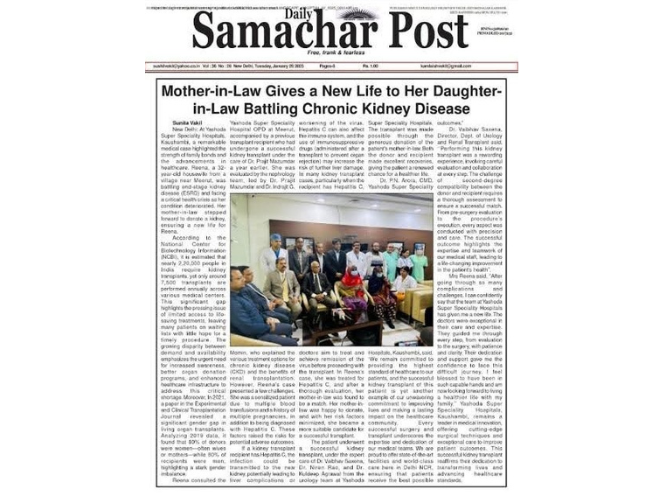
A new life donated to daughter-in law by mother in law
A 30-year-old female was diagnosed with chronic kidney disease after presenting with generalised weakness, loss of appetite, and intermittent vomiting. Investigations revealed impaired renal function, and she was started on haemodialysis through a catheter placed in the right side of her neck. She was advised maintenance haemodialysis three times a week.
She consulted our expert team of doctors including Dr Prajit Mazumdar, Dr Inderjit G. Momin, Dr Vaibhav Saxena, and Dr Kuldeep Agarwal at Yashoda Super Speciality Hospitals, Kaushambi. They recommended renal transplantation as the most effective form of renal replacement therapy. Her transplant workup was initiated, with her mother considered as the first donor option.
However, her mother was found to have diabetes, her father had a cardiac condition, and her husband was not a compatible blood group. With limited donor options, her mother-in-law, who had a matching blood group, came forward to donate a kidney and save her daughter-in-law’s life.
After obtaining clearance from cardiology, pulmonology, gynaecology, and psychiatry, along with approval from the authorisation committee, the transplant was successfully carried out with ATG induction. Post-transplant, she maintained good urine output with steadily improving creatinine levels. She was discharged with a creatinine of 1.2 mg/dl. The donor also recovered well and continues to do fine.
Treatment By:
Dr Prajit Mazumdar, Dr Inderjit G. Momin, Dr Vaibhav Saxena, and Dr Kuldeep Agarwal
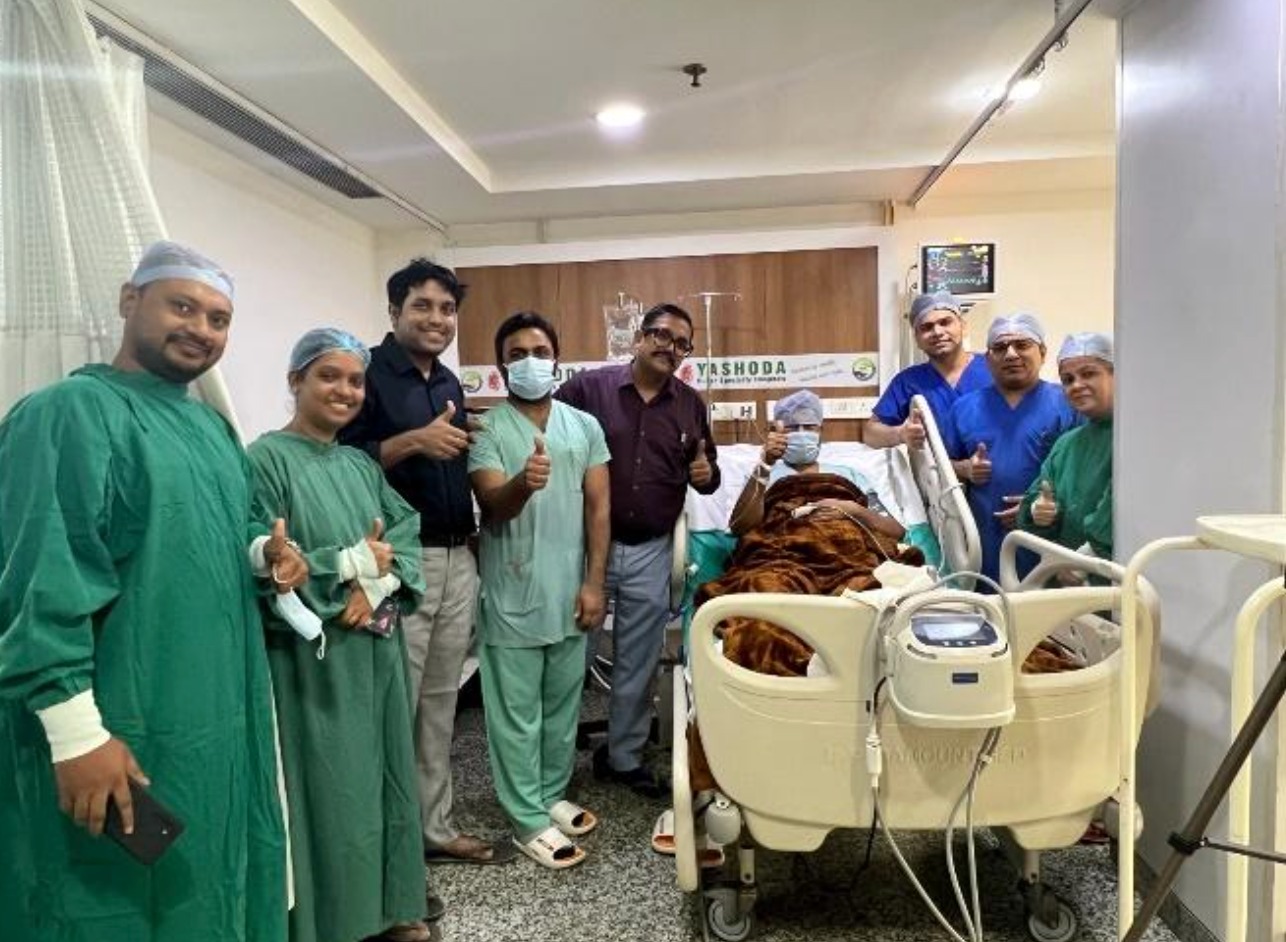
An International patient from Myanmar with Mitral Regurgitation, pulmonary hypertension, and low ejection fraction-35% underwent successful transplant
A middle-aged male was diagnosed with chronic kidney disease after developing generalised weakness, facial puffiness, swelling of the legs, nausea, and intermittent vomiting. Investigations revealed severely impaired renal function with urea of 300 mg/dl, creatinine of 15 mg/dl, and haemoglobin of 9 g/dl. He was started on haemodialysis through a catheter placed in the right side of his neck.
He later visited India and consulted our expert team of doctors, including Dr Prajit Mazumdar, Dr Inderjit G. Momin, Dr Vaibhav Saxena, and Dr Kuldeep Agarwal at Yashoda Super Speciality Hospitals, Kaushambi. Renal transplantation was advised as the most effective form of renal replacement therapy. His transplant workup was initiated, and his wife, who had a matching blood group, volunteered to donate.
During the evaluation, he was found to have mitral regurgitation, pulmonary hypertension, and a reduced ejection fraction of 35 percent, which significantly increased his perioperative risk. He was started on medications, optimised with diuretics, and maintained on intensive haemodialysis for decongestion. After cardiology clearance and counselling regarding moderate surgical risk, renal transplantation was planned.
He successfully underwent renal transplantation with Solumedrol and ATG induction. Post-transplant, he maintained good urine output with steadily decreasing creatinine levels and was discharged with a creatinine of 1.2 mg/dl. His pulmonary hypertension and mitral regurgitation also improved, demonstrating the positive impact of renal transplantation on cardiac function.
He continues to do well on outpatient follow-up, one and a half years after transplant, with stable graft function, and is enjoying a healthy life in Myanmar.
Treatment By:
Dr Prajit Mazumdar, Dr Inderjit G. Momin, Dr Vaibhav Saxena, and Dr Kuldeep Agarwal
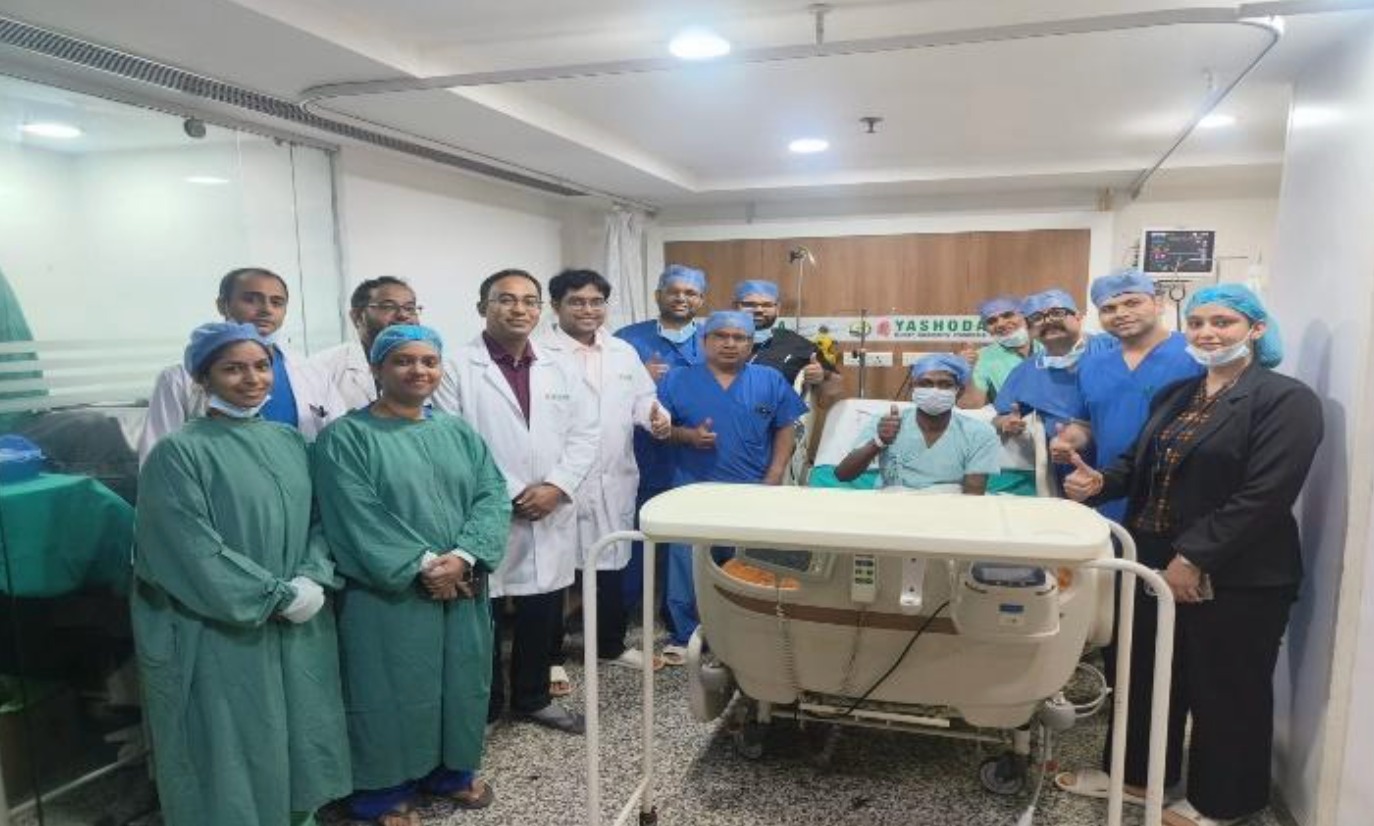
A case of ABO incompatible transplant with high ANTI B TITRES
A 37-year-old male was diagnosed with chronic kidney disease three years ago after presenting with frothy urine and hypertension. Initial investigations revealed a serum creatinine of 3 mg/dl. Over the next few years, his kidney function deteriorated, and he was started on maintenance haemodialysis three times a week via an arteriovenous fistula. He was referred to our hospital by a former recipient who had undergone renal transplantation under Dr Prajit Mazumdar. On evaluation by our team of doctors, the need for renal transplantation was explained in view of end-stage renal disease.
His transplant workup was initiated, with his father considered as the first donor. However, he was rejected due to diabetes. Donor evaluation of his mother was then undertaken, but her blood group was incompatible with the recipient. In view of ABO incompatibility, anti-A and anti-B titres were assessed and revealed a high anti-B titre.
After detailed counselling regarding prognosis, risks, and cost, the family opted to proceed with an ABO-incompatible renal transplant. Rituximab was administered two weeks prior to transplantation, and he was started on tacrolimus and mycophenolate mofetil. This was followed by two sessions of Glycosorb column treatment on days 12 and 14, after which his anti-B titre decreased to 1:2. He then underwent renal transplantation with Solumedrol and Simulect induction, with anti-B titres monitored every 12 hours.
Post-transplant, he maintained brisk urine output and his serum creatinine gradually declined. He was discharged with a creatinine of 1.2 mg/dl and continues to do well on follow-up.
Treatment By:
Dr Prajit Mazumdar
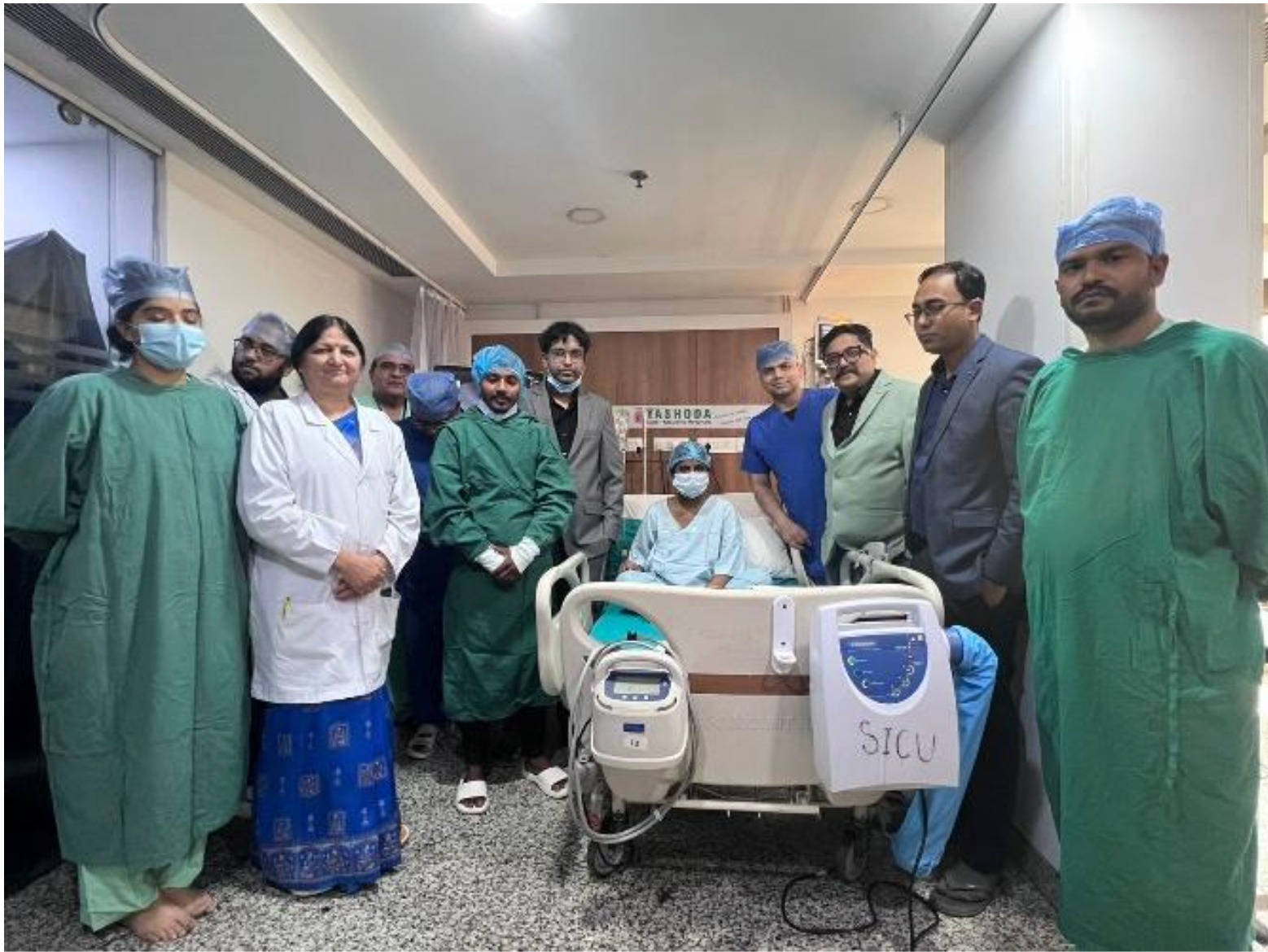
A challenging Case of renal transplant with a history of >22 units of blood transfusion and class 1 DSA positive
A 26-year-old male was diagnosed with chronic kidney disease after developing generalised weakness and loss of appetite. Investigations revealed impaired renal function with a creatinine of 12 mg/dl and haemoglobin of 5 g/dl. He was started on haemodialysis through a catheter placed in the right side of his neck and advised AV fistula creation with maintenance haemodialysis three times a week.
Despite regular dialysis, his anaemia persisted and he required multiple blood transfusions (more than 22 units over three months) even while receiving erythropoietin and iron therapy. Anaemia workup revealed occult blood in the stool, and upper GI endoscopy confirmed peptic ulcer disease.
He consulted our team of nephrologists (Dr Prajit Mazumdar and Dr Inderjit G. Momin) and urologists (Dr Vaibhav Saxena and Dr Kuldeep Agarwal) at Yashoda Superspeciality Hospitals, Kaushambi, where renal transplantation was advised. His mother, who had a matching blood group, was identified as the donor. However, transplant workup revealed donor-specific antibodies on single antigen bead testing (Class I) with an MFI greater than 2500 on multiple beads, most likely due to the multiple blood transfusions. This significantly increased the risk of acute rejection in the immediate post-transplant period, making the case high-risk.
After thorough counselling regarding risks, he underwent desensitisation with two sessions of plasmapheresis and IVIg to reduce the donor-specific antibodies. He then successfully underwent renal transplantation with ATG induction. Post-transplant, he maintained good urine output with steadily improving creatinine levels and was discharged with a creatinine of 1.2 mg/dl.
He continues to do well on outpatient follow-up.
Treatment By:
Dr Prajit Mazumdar, Dr Inderjit G. Momin, Dr Vaibhav Saxena, and Dr Kuldeep Agarwal
It was a very good experience, I had a cholecystectomy. All the doctors including surgeon, anesthetic, nursing and housekeeping staff were very supportive. I was admitted for 24 hours. Quick and very fast recovery. Under Dr P.K.Dewan, sir is very humble and nice.
Mr. Ajeet Kumar Verma from Yashoda Homecare provided satisfactory service of sample collection. Well behaved, humble & polite person
I had really good experience with Yashoda Home Care, the sample collection was very hygienically taken and pain-free, hassle-free. Mr. Ajeet was the phlebotomist.
Had a good experience with Ajeet Kumar Verma from Yashoda Home Care who supported me while I was looking for someone to dress my mom’s stitches. He is very professional and a caring person.
Great support and service by the Home care department. Everyone from Ms Niharika, Mr. Anoop to all the attendants including Mr. Natwar Pandey, Mr Inam and Mr. Ajit, all have been superbly supportive and helpful throughout. God bless you all and highly recommended.
Very good services in home care Yashoda hospital his ish
Caretaker Deepanshu and Jatin and Satish is very good caretaker I have never seen better care takers in my life.
And he is very polite behaviour and friend in nature
Yashoda Super Specialty Hospitals Kaushambi service is very good according other hospital and other home care services
The home care facility provided by the hospital is also good, the staff which was at home was cooperative.
Home care services are Good. Mr. सुनील Sajwan was cooperative and the केयर taker Mrs. Shushila's वर्क has been quite satisfactory.
Had a. Very good experience with Yashoda Homecare, Kaushambi. The staff was very cooperative with excellent on time services. I would like to give a special mention to Mr Sunil Sajwan (Sales) and Sushila ji (PCA) for their quick response and excellent services.
Fully satisfied Mr .Ajeet Kumar Verma service Yashoda home care . vry good
Was great to recieve the best homecare services from yashoda hospital and really impressed with Ms. Niharika's support at the initial phase followed by Mr. Natwar Pandey who was really supportive in taking care of my father basic daily needs.
Thanks for all the support

 Call: +91 9266610101