
 Call: +91 9266610101
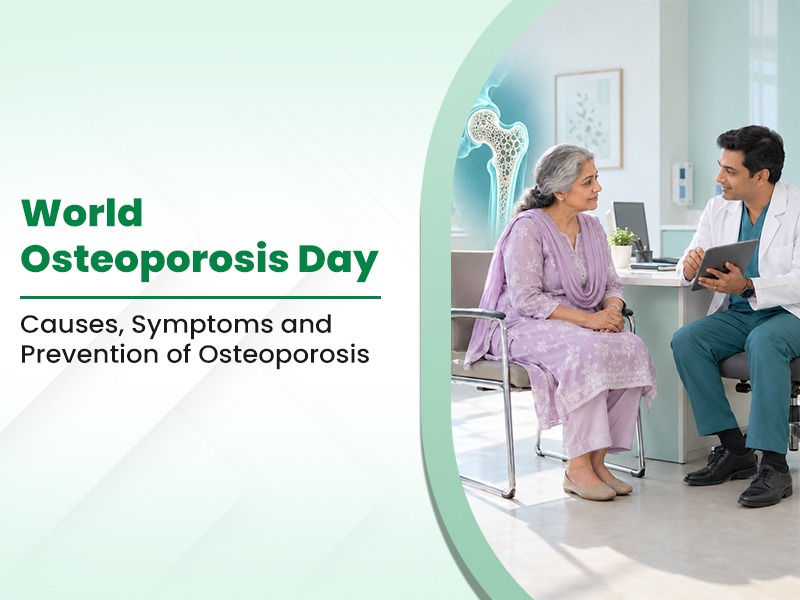
World Osteoporosis Day: Causes, Symptoms and Prevention of Osteoporosis
Osteoporosis is a condition in which bones become weaker and more likely to fracture. Bone tissue is continuously broken down and rebuilt throughout life, but this balance can change with age and certain health or lifestyle factors. World Osteoporosis Day highlights the importance of understanding bone health, identifying risk factors, and taking steps to reduce the risk of fractures. At Yashoda Medicity, appropriate evaluation and specialist guidance can help individuals understand their bone health and manage osteoporosis risk.
Understanding Bone Loss Causes
Bone mass changes throughout life, with peak bone mass generally reached in early adulthood before gradually declining with age. Osteoporosis develops when bone loss becomes greater than bone formation, reducing bone strength and increasing the risk of fractures.
Several factors can contribute to reduced bone density:
- Age and Hormonal Changes: Bone loss increases with age, while reduced oestrogen levels after menopause can accelerate bone loss in women. Low testosterone and other hormonal disorders may also affect bone health.
- Nutritional Deficiencies: Inadequate calcium, vitamin D, protein, and other nutrients can affect normal bone maintenance.
- Lack of Physical Activity: Limited weight-bearing and muscle-strengthening activity can contribute to reduced bone and muscle strength.
- Lifestyle Factors: Smoking and excessive alcohol consumption can increase the risk of osteoporosis and fractures.
- Underlying Health Conditions: Conditions such as rheumatoid arthritis, coeliac disease, hyperthyroidism, and certain gastrointestinal disorders may affect bone health. Long-term use of corticosteroids and some other medicines can also increase osteoporosis risk.
- Family History and Previous Fractures: A family history of osteoporosis or a previous fragility fracture can increase an individual's risk.
Understanding these risk factors can help individuals discuss appropriate prevention and screening with a healthcare professional.
Recognising Fragile Bone Symptoms
Osteoporosis is often called a silent condition because bone loss usually does not cause noticeable symptoms in its early stages. Many people only discover they have osteoporosis after experiencing a fracture following a minor fall or low-impact injury.
Possible signs of established osteoporosis or vertebral fractures may include:
- Fragility Fractures: A fracture following a minor fall or low-impact injury can be an important sign of reduced bone strength.
- Loss of Height: A gradual reduction in height may occur because of vertebral compression fractures.
- Stooped Posture or Kyphosis: Vertebral fractures can contribute to a forward curvature of the upper spine.
- Persistent Back Pain: Sudden or ongoing back pain may occur when a vertebra becomes compressed or fractured.
- Reduced Mobility: Pain and fractures can affect movement and make everyday activities more difficult.
Reduced grip strength is not a specific symptom of osteoporosis and is more closely associated with muscle strength and overall physical function. Anyone with risk factors or a history of fragility fractures should discuss appropriate assessment with a healthcare professional.
Preventing Osteoporosis: Effective Strategies
Bone health is influenced by nutrition, physical activity, lifestyle habits, medical conditions, and age. Although not all cases of osteoporosis can be prevented, several measures can help maintain bone strength and reduce fracture risk.
Key strategies include:
- Maintain a Balanced Diet: Include adequate calcium, vitamin D, protein, and other nutrients through foods such as dairy products, fortified alternatives, leafy vegetables, nuts, seeds, and other nutrient-rich foods.
- Engage in Weight-Bearing and Resistance Exercise: Activities such as brisk walking, stair climbing, and resistance training can support bone and muscle strength. Exercise should be appropriate for an individual's age, fitness level, and health conditions.
- Maintain Adequate Vitamin D: Sensible sunlight exposure can contribute to vitamin D production, but the amount required varies between individuals. Dietary sources or supplements may be recommended when vitamin D levels are low.
- Avoid Tobacco and Limit Alcohol: Smoking can negatively affect bone health, while excessive alcohol consumption can increase the risk of osteoporosis and fractures.
- Maintain a Healthy Body Weight: Being underweight can increase the risk of bone loss and fractures, making healthy weight management an important part of bone health.
- Discuss Bone Health Screening: A healthcare professional may recommend a bone mineral density (BMD) test, commonly performed using dual-energy X-ray absorptiometry (DXA), based on age, risk factors, previous fractures, or other clinical considerations.
World Osteoporosis Day: Importance of Prevention
World Osteoporosis Day provides an opportunity to raise awareness about bone health and the importance of identifying osteoporosis risk factors early. Since osteoporosis may remain undetected until a fracture occurs, appropriate assessment can help identify individuals who may benefit from lifestyle changes, monitoring, or medical treatment.
At Yashoda Medicity, patients can access specialist evaluation and diagnostic services for bone health. Depending on individual risk factors, assessment may include a clinical evaluation, relevant blood tests, and bone mineral density testing. Treatment and follow-up are planned according to the patient's age, fracture risk, bone density, underlying health conditions, and other clinical factors.
Maintaining adequate nutrition, staying physically active, avoiding tobacco, limiting excessive alcohol intake, and addressing underlying medical conditions can support long-term bone health. For people diagnosed with osteoporosis or those at increased fracture risk, healthcare professionals may also recommend medicines to reduce fracture risk when clinically appropriate.
Conclusion
World Osteoporosis Day highlights the importance of understanding osteoporosis, recognising fracture risk, and taking steps to support bone health. A balanced diet, regular weight-bearing and resistance exercise, healthy lifestyle habits, and appropriate medical evaluation can help maintain bone strength and reduce the risk of fractures.
At Yashoda Medicity, specialist consultations and bone health assessments can help individuals understand their risk and determine whether further evaluation or treatment is required. If you have risk factors for osteoporosis, a previous low-impact fracture, or concerns about your bone health, consult a healthcare professional to discuss appropriate screening and management.