
 Call: +91 9266610101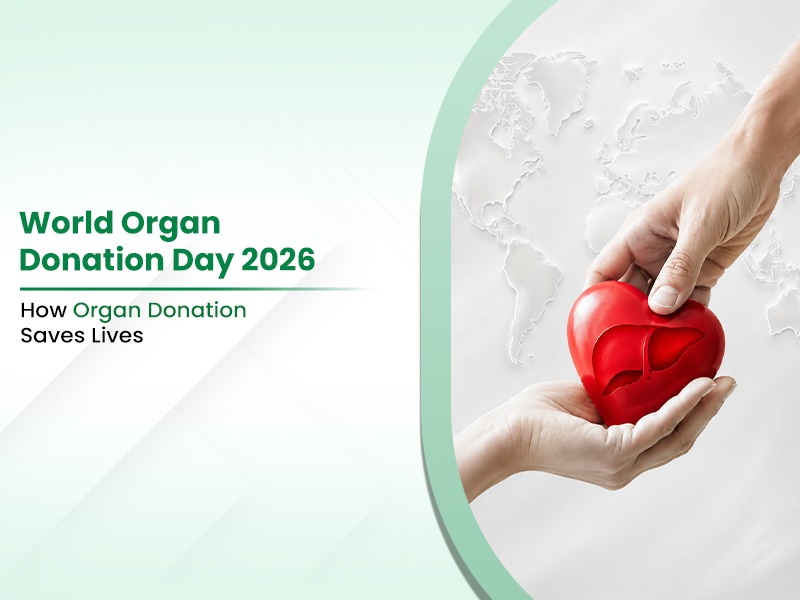
World Organ Donation Day 2026: How Organ Donation Saves Lives
Organ donation is a selfless act that can save lives and give individuals a second chance at life. Every year, World Organ Donation Day serves as an important reminder of the life-saving impact of organ donation and how a single pledge can bring hope to individuals living with end-stage organ failure.
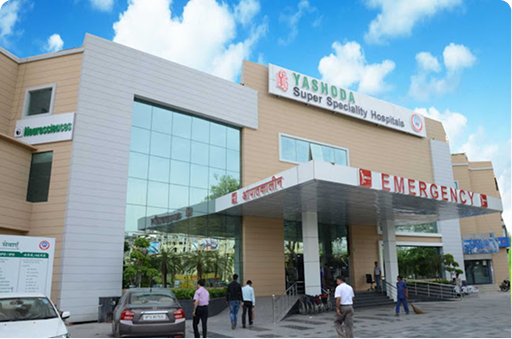
At Yashoda Medicity, we witness firsthand how organ transplantation transforms lives. This blog explores the significance of World Organ Donation Day, the different types of organ donation, common myths and facts, and how you can become a part of this life-saving movement.
When is World Organ Donation Day Observed?
World Organ Donation Day is observed every year on August 13 to raise awareness about the importance of organ donation and encourage people to pledge their organs. In India, the day is complemented by National Organ Donation Day and year-round awareness initiatives led by healthcare institutions and government organizations to promote organ donation and help bridge the gap between the demand for and availability of donor organs.
Why Raising Awareness Matters
The significance of World Organ Donation Day lies in the vast gap between the number of patients awaiting transplants and the number of available organs. Every day, patients on transplant waiting lists lose their lives because a suitable donor organ is not available in time.
To address this challenge:
- Government and Healthcare Organizations: Conduct organ donation awareness campaigns, pledge drives, and educational outreach programmes in schools, colleges, and communities.
- National Regulators: In India, the National Organ and Tissue Transplant Organisation (NOTTO) coordinates donor registration and the transparent allocation of organs.
- Global Bodies: Organizations such as the World Health Organization (WHO) promote ethical, safe, and transparent organ donation systems worldwide.
What is Organ Donation?
Organ donation is the process of retrieving a healthy organ or tissue from a donor and transplanting it into someone whose organ has failed.
- For the Recipient: A transplant offers a second chance at life by treating end-stage organ failure and restoring quality of life.
- For the Donor and Family: Organ donation is a lasting act of compassion and generosity. While deceased donors leave behind a life-saving legacy, living donors experience the fulfillment of helping someone in need while continuing to lead healthy lives under proper medical care.
Types of Organ Donation
Organ donation can take several forms depending on the circumstances of the donor.
1. Living Organ Donation
A healthy individual can safely donate one kidney or a portion of the liver, lung, pancreas, or intestine. Since the liver has the ability to regenerate and a healthy person can live normally with one kidney, living donation is considered safe when performed under strict medical supervision.
2. Deceased (Cadaveric) Organ Donation
Deceased organ donation takes place after brain death or circulatory death, provided the individual had pledged to donate or the family provides consent. A single deceased donor can donate multiple organs, making this form of donation vital in reducing transplant waiting lists.
3. Tissue Donation
Tissues such as corneas, skin, heart valves, bones, and tendons can be donated after death. Unlike many organs, tissues can often be preserved in tissue banks for longer periods before transplantation.
4. Pediatric Organ Donation
Children can also become organ donors and recipients. Paediatric organ transplantation requires careful matching based on age and body size. Greater awareness about paediatric organ donation can help save the lives of children awaiting transplants.
Which Organs and Tissues Can Be Donated?
During Life
- One kidney
- A portion of the liver
- A lobe of the lung
- Part of the pancreas
- A segment of the intestine
After Death
- Heart
- Kidneys
- Liver
- Lungs
- Pancreas
- Intestines
Tissues
- Corneas
- Skin
- Heart valves
- Bones
- Tendons
Who Can Become an Organ Donor?
Most adults can register as organ donors regardless of their blood type or medical history. Final eligibility is determined by doctors at the time of donation.
No Age Restriction: Medical suitability matters more than age. Organs and tissues from donors in their 60s, 70s, and even 80s have successfully helped save lives.
Chronic Illnesses: Having conditions such as hypertension or diabetes does not automatically disqualify someone from becoming an organ donor. Doctors evaluate each organ individually before transplantation.
Step-by-Step: The Organ Donation Process
Registration: Register your pledge through NOTTO or an authorised hospital or state registry.
Family Discussion: Inform your family about your decision, as their consent is usually required at the time of donation.
Matching: Once an organ becomes available, transplant registries match it to a recipient based on blood group, tissue compatibility, medical urgency, organ size, and waiting time.
Retrieval and Transplant: Specialised surgical teams retrieve the organ following established clinical protocols before transplanting it into the recipient as quickly as possible.
Common Myths vs. Facts About Organ Donation
Myth: Only young people can donate organs.
Fact: There is no fixed age limit. Eligibility depends on the health and condition of the organs.
Myth: Major religions forbid organ donation.
Fact: Most major religions support organ donation as an act of compassion and generosity.
Myth: Organ retrieval disfigures the body and prevents final rites.
Fact: Organ retrieval is performed with dignity and respect and does not prevent customary funeral practices.
Myth: Doctors will not try as hard to save a registered organ donor.
Fact: Medical teams always prioritise saving the patient's life. Organ donation is considered only after all life-saving efforts have been exhausted and death has been legally certified.
Benefits of Organ Donation
Saves Multiple Lives: A single deceased donor can save up to eight lives through organ donation and improve many more through tissue donation.
Restores Quality of Life: Organ transplantation can reduce dependence on treatments such as dialysis, decrease hospital visits, and help patients return to active, productive lives.
Provides Comfort to Families: Knowing that a loved one's organs have helped save others can offer hope and comfort during a difficult time.
Overcoming Key Challenges in Organ Donation
Despite significant progress, the demand for organs continues to exceed the available supply.
Misinformation: Myths about eligibility, religion, and the donation process discourage many potential donors.
Lack of Family Communication: Many registered donors never discuss their decision with family members, creating uncertainty during critical moments.
Need for Continuous Community Engagement: Ongoing awareness programmes in schools, colleges, workplaces, and communities are essential to encourage more people to pledge their organs.
How You Can Support the Cause
- Register as an organ donor through NOTTO or an authorised hospital or state registry.
- Discuss your decision with your family so they understand and can honour your wishes.
- Share accurate information and encourage others to learn about organ donation on World Organ Donation Day.
Organ Transplant and Renal Care at Yashoda Medicity
At Yashoda Medicity, our multi-speciality transplant programmes provide comprehensive care for both donors and recipients. Equipped with advanced transplant ICUs, state-of-the-art operating theatres, and dedicated transplant coordinators, our multidisciplinary team of nephrologists, urologists, hepatologists, transplant surgeons, anaesthetists, and intensivists delivers seamless care throughout the transplant journey, from evaluation and surgery to long-term follow-up.
This World Organ Donation Day, take a step towards saving lives by pledging your organs and discussing your decision with your family. One pledge has the power to transform multiple lives.