
 Call: +91 9266610101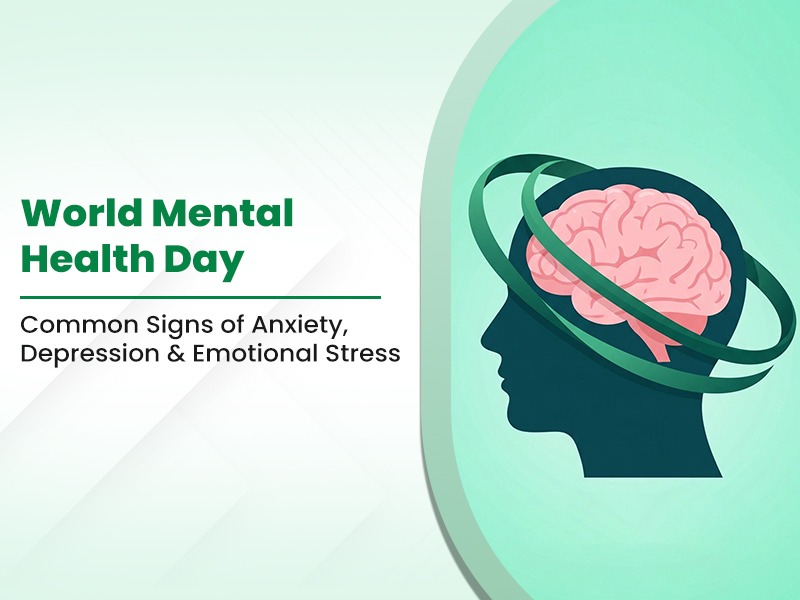
World Mental Health Day: Common Signs of Anxiety, Depression and Emotional Stress
Mental health can affect how we think, feel, behave, sleep, work, and interact with others. World Mental Health Day highlights the importance of understanding mental health concerns, reducing stigma, and encouraging people to seek appropriate support when emotional or psychological difficulties begin affecting daily life. Recognising persistent changes in mood, thoughts, behaviour, or physical well-being can help individuals seek timely professional evaluation and support.
Understanding World Mental Health Day
World Mental Health Day is an annual global observance that raises awareness about mental health and promotes greater understanding of psychological conditions and the importance of accessible care. It also encourages open conversations and helps reduce stigma around seeking professional support.
Understanding the purpose of this awareness day can help create more supportive environments:
- Promoting Open Conversations: Encouraging people to talk about mental health can make it easier to seek help when needed.
- Educating Communities: Reliable information can help individuals and families recognise changes that may require professional attention.
- Improving Access to Care: Awareness can help people understand the different forms of support available, including counselling, psychotherapy, and medical care.
- Reducing Stigma: Challenging misconceptions about mental health can encourage people to seek appropriate support without shame or fear of judgement.
Mental health awareness is important for individuals, families, workplaces, and communities, helping promote a more informed approach to psychological well-being.
Recognising Common Anxiety Symptoms
Anxiety is a normal response to stressful or threatening situations. However, persistent or excessive anxiety that interferes with everyday activities may be associated with an anxiety disorder and may require professional evaluation.
Common symptoms may include:
- Persistent Worry or Fear: Experiencing excessive or difficult-to-control worry about everyday situations or specific concerns.
- Restlessness and Irritability: Feeling constantly on edge, restless, tense, or unusually irritable.
- Physical Symptoms: Anxiety may be accompanied by a racing heartbeat, rapid breathing, sweating, muscle tension, trembling, or gastrointestinal discomfort.
- Difficulty Concentrating: Persistent worry may make it difficult to focus or complete everyday tasks.
- Sleep Disturbances: Difficulty falling asleep, frequent waking, or restless sleep may occur alongside ongoing anxiety.
These symptoms can also occur with other physical or mental health conditions. A mental health professional can assess the symptoms, their duration, and their impact on daily life before determining an appropriate diagnosis and treatment approach.
Identifying Key Signs of Depression
Depression is a mental health condition that can affect mood, thoughts, behaviour, sleep, appetite, relationships, and everyday functioning. It is more than temporary sadness and can vary in severity from person to person.
Possible symptoms include:
- Persistent Low Mood: Ongoing sadness, emptiness, hopelessness, or frequent tearfulness.
- Loss of Interest: Reduced interest or pleasure in hobbies, social activities, work, or other activities that were previously enjoyable.
- Fatigue and Low Energy: Persistent tiredness or reduced energy that makes everyday activities more difficult.
- Changes in Sleep or Appetite: Sleeping considerably more or less than usual, or experiencing significant changes in appetite or eating patterns.
- Feelings of Worthlessness or Excessive Guilt: Persistent self-criticism, guilt, or feelings of worthlessness.
- Difficulty Concentrating: Problems with concentration, memory, or decision-making may occur.
- Thoughts of Death or Self-Harm: Thoughts about death, suicide, or self-harm require immediate professional attention and should never be ignored.
Experiencing some of these symptoms does not by itself confirm depression. If symptoms persist or interfere with daily functioning, a qualified mental health professional can provide an appropriate assessment.
Spotting Signs of Emotional Stress
Stress is a common response to demanding or challenging circumstances. When stress becomes prolonged or difficult to manage, it can affect emotional well-being, physical health, sleep, and everyday functioning.
Possible signs of prolonged stress include:
- Irritability and Mood Changes: Becoming more frustrated, impatient, or irritable than usual.
- Feeling Overwhelmed: Finding routine responsibilities increasingly difficult to manage.
- Physical Symptoms: Stress may contribute to headaches, muscle tension, digestive discomfort, fatigue, or sleep problems.
- Social Withdrawal: Avoiding social interactions or reducing contact with friends, family, or other support networks.
- Difficulty Concentrating: Experiencing forgetfulness, mental fatigue, or difficulty making everyday decisions.
If stress symptoms persist, worsen, or begin affecting work, relationships, sleep, or daily functioning, speaking with a mental health professional can help identify appropriate coping strategies and treatment options.
At Yashoda Medicity, individuals can access psychological assessment, counselling, and other mental health services based on their individual needs.
Exploring Effective Mental Health Care Strategies
Supporting mental health often involves a combination of healthy daily habits, social support, psychological therapies, and medical treatment when clinically required. The appropriate approach depends on the individual's symptoms, diagnosis, circumstances, and overall health.
Helpful strategies may include:
- Practising Relaxation Techniques: Breathing exercises, mindfulness, meditation, and other relaxation practices may help some people manage stress and anxiety.
- Maintaining Social Connections: Staying connected with trusted family members, friends, or support groups can provide emotional support.
- Maintaining Healthy Daily Habits: Regular physical activity, balanced nutrition, and consistent sleep routines can support overall physical and mental well-being.
- Setting Appropriate Boundaries: Managing commitments and allowing time for rest can help reduce avoidable sources of stress.
- Seeking Professional Support: Psychologists, psychiatrists, counsellors, and other qualified professionals can provide assessment, psychotherapy, counselling, and medication when appropriate.
At Yashoda Medicity, mental health care can be tailored to individual needs, with treatment recommendations based on clinical assessment and the nature and severity of the concern.
When to Seek Urgent Mental Health Support
Some mental health concerns require immediate attention. If someone is at immediate risk of harming themselves or another person, is experiencing severe confusion or loss of contact with reality, or is otherwise unable to remain safe, seek emergency medical assistance immediately and do not leave the person alone.
If you or someone you know is experiencing thoughts of suicide or self-harm, contact a local emergency service or crisis support service and seek urgent professional help.
Conclusion
World Mental Health Day highlights the importance of recognising signs of anxiety, depression, and prolonged emotional stress and seeking appropriate support when these concerns begin affecting daily life. Healthy routines, supportive relationships, and timely professional care can all play a role in maintaining mental well-being.
At Yashoda Medicity, individuals can access mental health assessment, counselling, and specialist care according to their clinical needs. If persistent changes in mood, anxiety, sleep, behaviour, or daily functioning are affecting you or someone you care about, consider speaking with a qualified mental health professional.