

 Call: +91 9266610101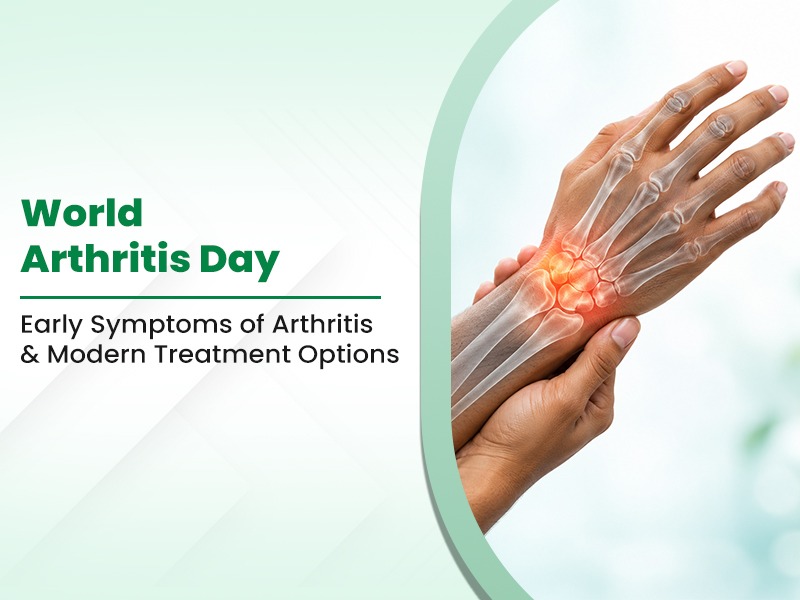
World Arthritis Day: Early Symptoms of Arthritis and Modern Treatment Options
Arthritis refers to a group of conditions that can cause joint pain, stiffness, swelling, and reduced movement. The symptoms and their progression vary depending on the type of arthritis, such as osteoarthritis, rheumatoid arthritis, gout, or other rheumatic conditions. World Arthritis Day highlights the importance of understanding these symptoms, seeking appropriate medical evaluation, and managing joint conditions early to support mobility and quality of life.
Understanding World Arthritis Day
World Arthritis Day is a global awareness initiative that highlights the impact of rheumatic and musculoskeletal diseases and promotes greater awareness of joint health. It emphasises the importance of recognising symptoms, obtaining an appropriate diagnosis, and accessing suitable treatment and ongoing support.
Understanding the significance of this awareness day can help individuals take informed steps towards better joint health:
- Promoting Early Evaluation: Recognising persistent joint symptoms can encourage people to seek medical assessment and identify conditions that may benefit from early treatment.
- Empowering Patients Through Knowledge: Understanding different types of arthritis can help individuals make informed decisions about physical activity, lifestyle habits, and medical care.
- Encouraging Appropriate Clinical Care: Awareness can help patients understand the importance of specialist evaluation and treatment tailored to the underlying condition.
- Supporting Long-Term Joint Health: Appropriate treatment, rehabilitation, and lifestyle measures can help people manage symptoms and maintain physical function.
Spotting Early Arthritis Symptoms
The symptoms of arthritis can vary considerably depending on the underlying condition. Some types primarily cause pain and stiffness, while inflammatory forms may also cause swelling, warmth, fatigue, and other systemic symptoms.
Common symptoms that may warrant medical evaluation include:
- Joint Stiffness: Morning stiffness or stiffness after periods of inactivity can occur with several types of arthritis. Prolonged morning stiffness is particularly common in inflammatory arthritis.
- Joint Pain and Tenderness: Persistent or recurrent pain may affect the hands, wrists, knees, hips, feet, or other joints depending on the condition.
- Swelling and Warmth: Inflammatory arthritis may cause visible swelling, tenderness, and warmth around affected joints.
- Reduced Range of Motion: Pain, stiffness, or swelling may make it difficult to bend, straighten, or move a joint normally.
- Fatigue and General Symptoms: Conditions such as rheumatoid arthritis can be associated with fatigue and a general feeling of being unwell.
Persistent joint pain, swelling, stiffness, or reduced movement should be evaluated by a healthcare professional, particularly when symptoms are recurrent or affect daily activities.
Exploring Main Causes of Arthritis
Arthritis is not a single disease, and its causes vary according to the specific condition.
Some factors associated with different types of arthritis include:
- Age-Related Joint Changes: Osteoarthritis can develop as the cartilage and other joint structures change over time.
- Autoimmune Conditions: Rheumatoid arthritis and certain other inflammatory arthritides occur when the immune system contributes to inflammation affecting the joints and other tissues.
- Genetic and Family Factors: Family history and genetic factors can influence the likelihood of developing certain forms of arthritis.
- Previous Joint Injuries: Earlier injuries can increase the risk of developing osteoarthritis in an affected joint.
- Metabolic Factors: Conditions such as gout are associated with elevated uric acid levels and crystal deposition in joints.
- Body Weight and Lifestyle Factors: Excess body weight can increase mechanical stress on weight-bearing joints and is associated with a higher risk of osteoarthritis.
Identifying the underlying cause is important because treatment differs significantly between osteoarthritis, rheumatoid arthritis, gout, and other joint conditions.
Modern Medical Treatment Options
Treatment for arthritis depends on the type of condition, severity of symptoms, affected joints, and overall health. Management may combine medicines, physical rehabilitation, lifestyle measures, injections, and surgery when appropriate.
At Yashoda Medicity, treatment options may include:
- Medicines and Biologic Therapies: Depending on the diagnosis, treatment may include pain-relieving medicines, anti-inflammatory medicines, disease-modifying antirheumatic drugs (DMARDs), or biologic therapies for selected inflammatory arthritis.
- Intra-Articular Injections: Selected patients may benefit from image-guided injections to manage pain and inflammation.
- Physical Rehabilitation: Individualised physiotherapy and strengthening programmes can help improve mobility, muscle strength, balance, and joint function.
- Joint-Preserving Procedures: Depending on the condition, selected patients may be considered for procedures aimed at preserving joint function.
- Joint Replacement Surgery: When severe joint damage causes significant pain and functional limitations despite appropriate non-surgical treatment, joint replacement may be considered.
- Lifestyle and Weight Management: Appropriate physical activity, weight management, and other lifestyle measures can support symptom management and overall joint health.
Regenerative treatments are still an evolving area, and their suitability and evidence vary according to the specific therapy and condition. They should be considered only after appropriate specialist evaluation.
Supporting Joint Health: Effective Tips
Not all forms of arthritis can be prevented, but healthy lifestyle measures can help maintain joint function and reduce some modifiable risk factors.
Useful approaches include:
- Stay Physically Active: Low-impact activities such as walking, swimming, cycling, and appropriate strengthening exercises can support muscle strength, flexibility, and joint function.
- Maintain a Healthy Weight: Maintaining a healthy body weight can reduce mechanical stress on weight-bearing joints such as the knees and hips.
- Follow a Balanced Diet: A varied diet containing vegetables, fruits, whole grains, adequate protein, and healthy fats supports overall health. Specific dietary changes may also be recommended for conditions such as gout.
- Protect Joints During Activities: Using appropriate posture, lifting techniques, and ergonomic practices can help reduce unnecessary strain during work and daily activities.
- Avoid Tobacco: Smoking is associated with several adverse health effects and may contribute to poorer outcomes in certain inflammatory rheumatic conditions.
- Seek Medical Advice for Persistent Symptoms: Early evaluation can help identify the underlying condition and guide appropriate treatment.
Conclusion
World Arthritis Day highlights the importance of recognising early symptoms of arthritis and understanding the treatment options available for different joint conditions. Persistent pain, stiffness, swelling, or reduced joint movement should not automatically be attributed to ageing and may require medical evaluation.
At Yashoda Medicity, patients can access rheumatology, orthopaedic, rehabilitation, and joint replacement services based on their individual clinical needs. Appropriate diagnosis and personalised treatment can help manage symptoms, maintain mobility, and support quality of life. If you have persistent joint symptoms or concerns about arthritis, consult a specialist for an appropriate evaluation and treatment plan.